Independently Owned, Locally Grown, Community Loved
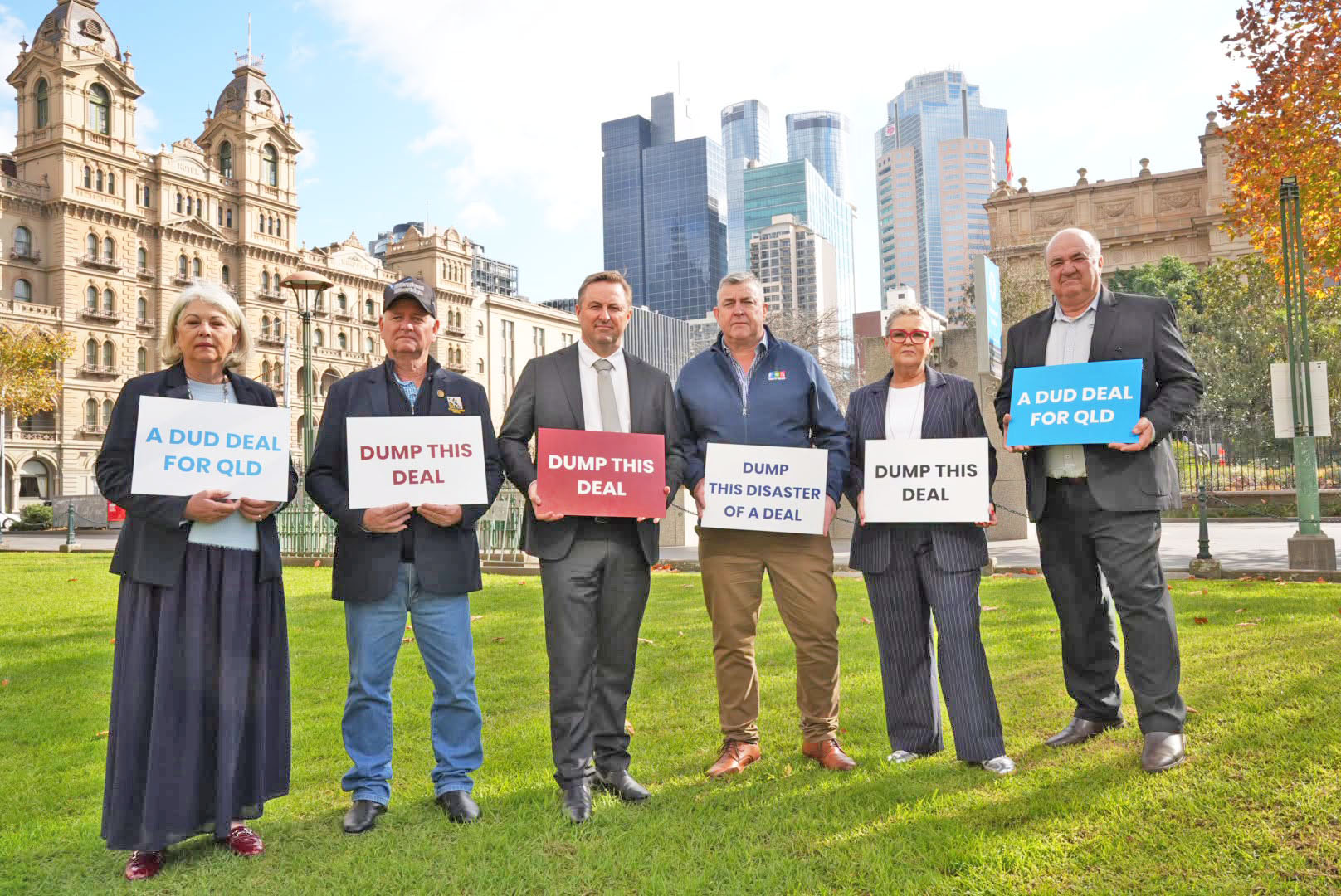

Mayor Jayo was part of a mayoral delegation standing up against proposed changes to disaster relief funding. Photo source: LGAQ
The Federal Government has scrapped proposed changes to disaster recovery funding following strong opposition from Queensland councils and the State Government.
Hinchinbrook Mayor Ramon Jayo had previously shared warnings that the changes would have placed an unsustainable financial burden on the region.
By Victoria Velton
The Federal Government’s decision to abandon proposed changes to disaster recovery funding has been welcomed by all levels of local and state government, who warned a shift to a 50:50 funding split would have placed significant financial pressure on the region’s disaster-prone communities.
The announcement, made on Friday 9th October, follows strong opposition from Queensland councils, mayors and the State Government, who argued the proposed changes would leave local authorities struggling to cover the additional costs of rebuilding after natural disasters.
Under the proposal, the Federal Government would have reduced its disaster recovery contribution from up to 75 per cent to a flat 50 per cent, increasing the financial burden on state and local governments.
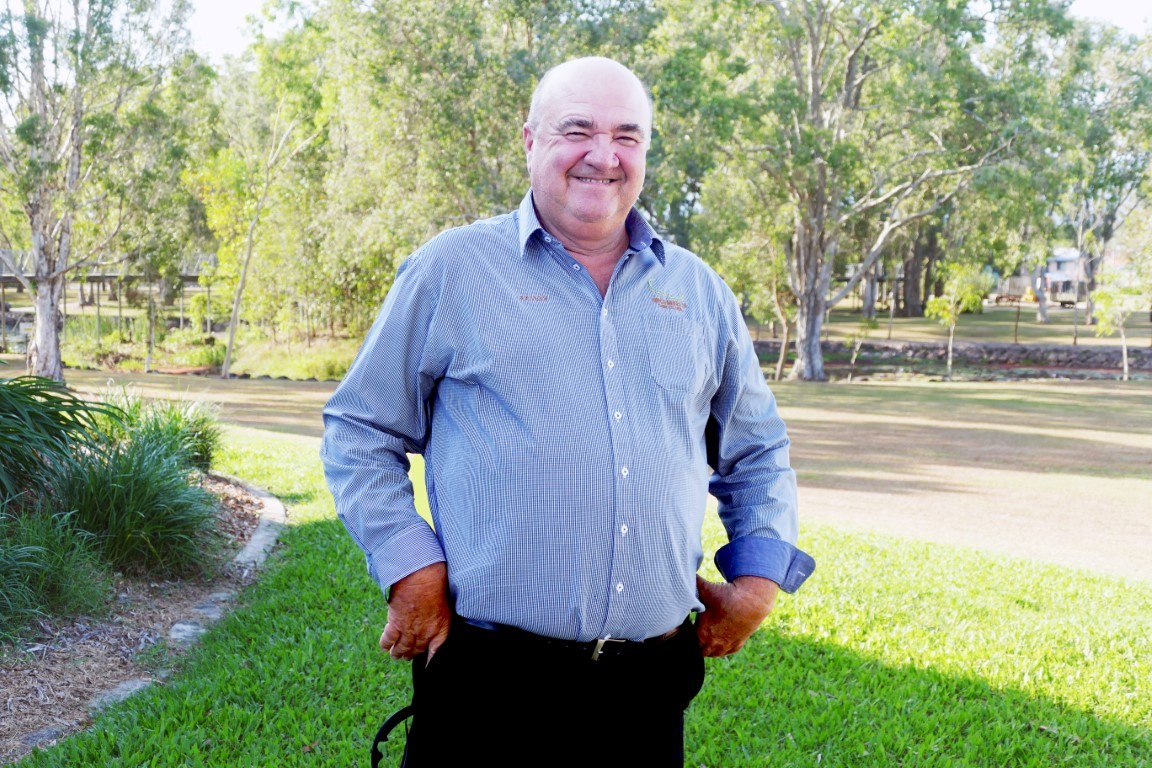
Mayor of Hinchinbrook said the decision to rescind the changes was a relief for the region, which regularly faces flooding and other natural disasters.
“We're thankful for the government listening to our concerns,” Mayor Ramon Jayo said.
“It was going to be a significant cost to our community, a cost that our community cannot afford. So we're very grateful to the government for listening.”
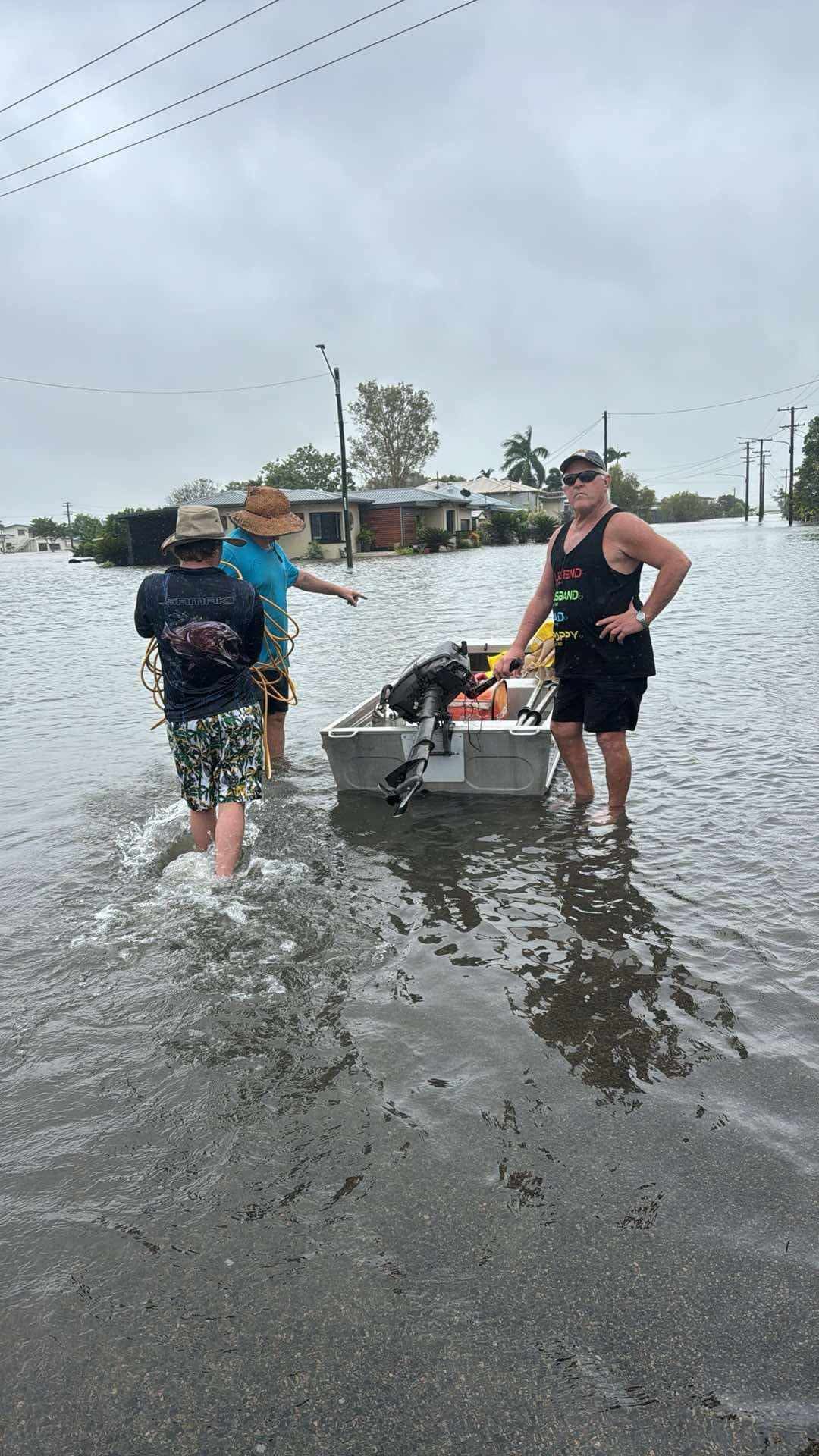
The Mayor said Hinchinbrook’s geography made the region particularly vulnerable to flooding, with the Herbert River draining nearly 70 per cent of all rainfall in the Wet Tropics area.
The potential financial implications were a significant concern for the local authority, which has limited resources to absorb additional disaster recovery costs.
“I'll start sleeping at night now,” Mayor Ramon Jayo said.
“It was very concerning because we tend to have a disaster every year. If not, every second year.”
Over the past decade, Hinchinbrook has been impacted by natural disasters to the extent of approximately $70 million, averaging between $3 million and $3.5 million annually.
“We're only a small council, a small local authority area,” the Mayor said.
“In the current climate, that's just about impossible to find without significantly impacting our community.”
Queensland Premier David Crisafulli also welcomed the Federal Government’s decision, thanking the Prime Minister for listening to concerns raised by the State Government and councils across Queensland.
“We now wait to see further details, and ensure this is delivered and funding arrangements are maintained in full, so Queenslanders can have certainty and confidence in their hour of need during disaster season,” Mr Crisafulli said.
The Premier said the State Government had stood alongside mayors, the Local Government Association of Queensland and councils to oppose the proposed changes, adding that the decision would help protect the state’s disaster recovery arrangements ahead of the upcoming season.
Hinchinbrook MP Wayde Chiesa described the announcement as “great news for Queensland and particularly our communities across Hinchinbrook”.
Mr Chiesa said North Queensland’s history of cyclones and flooding demonstrated why reliable disaster recovery funding was essential.
“Our coastline between Townsville and Cairns is one of the most disaster-prone regions in Australia,” he said.
“Who could forget Cyclone Larry, Cyclone Yasi, Cyclone Kirrily, the devastating Townsville floods in 2019 or the floods that swept through our region again in 2025?”
“For North Queenslanders, natural disasters aren’t once-in-a-generation events. They’re a reality of where we live.”
Mr Chiesa said regional councils and communities could not afford to shoulder additional rebuilding costs every time disaster struck, acknowledging the collective advocacy of Queensland’s 77 mayors in opposing the proposal.
“The devil will be in the detail, but today’s announcement is a positive step,” he said.
“I’ll continue fighting to ensure Hinchinbrook gets its fair share of disaster recovery funding. It’s simply too important not to get it right.”
While the decision to abandon the proposed changes has provided relief for councils and communities, further details are still needed to confirm the arrangements will be maintained in full.
For Hinchinbrook, where disaster recovery costs place ongoing pressure on a small council’s budget, maintaining the existing funding arrangements will be critical to ensuring the region can recover when the next disaster strikes.
Publishers Indemnity. Any individual or entity that places advertising, supplies copy material, or submits editorial content to Life Publishing agrees and undertakes to ensure that all such material:- Does not infringe upon any copyright, trademark, or other intellectual property rights;- Is free from any content that could be considered defamatory, libelous, or slanderous;- Does not infringe upon any rights related to privacy or breach of confidence;- Contains no obscene, indecent, or otherwise unlawful material;- Complies fully with the Trade Practices Act and all other applicable laws, regulations, or statutes. Furthermore, by submitting or placing such material, these individuals or entities agree to indemnify and hold harmless the publisher, Life Publishing and Events Pty Ltd, and/or its agents from and against any and all investigations, claims, demands, liabilities, damages, costs, or judgments arising out of or in connection with the material provided. All material is believed to be accurate at the time of printing and remains the copyright of Life Publishing and Events Pty Ltd.
© 2026 Life Publishing Group Ltd.
.jpg)