Independently Owned, Locally Grown, Community Loved



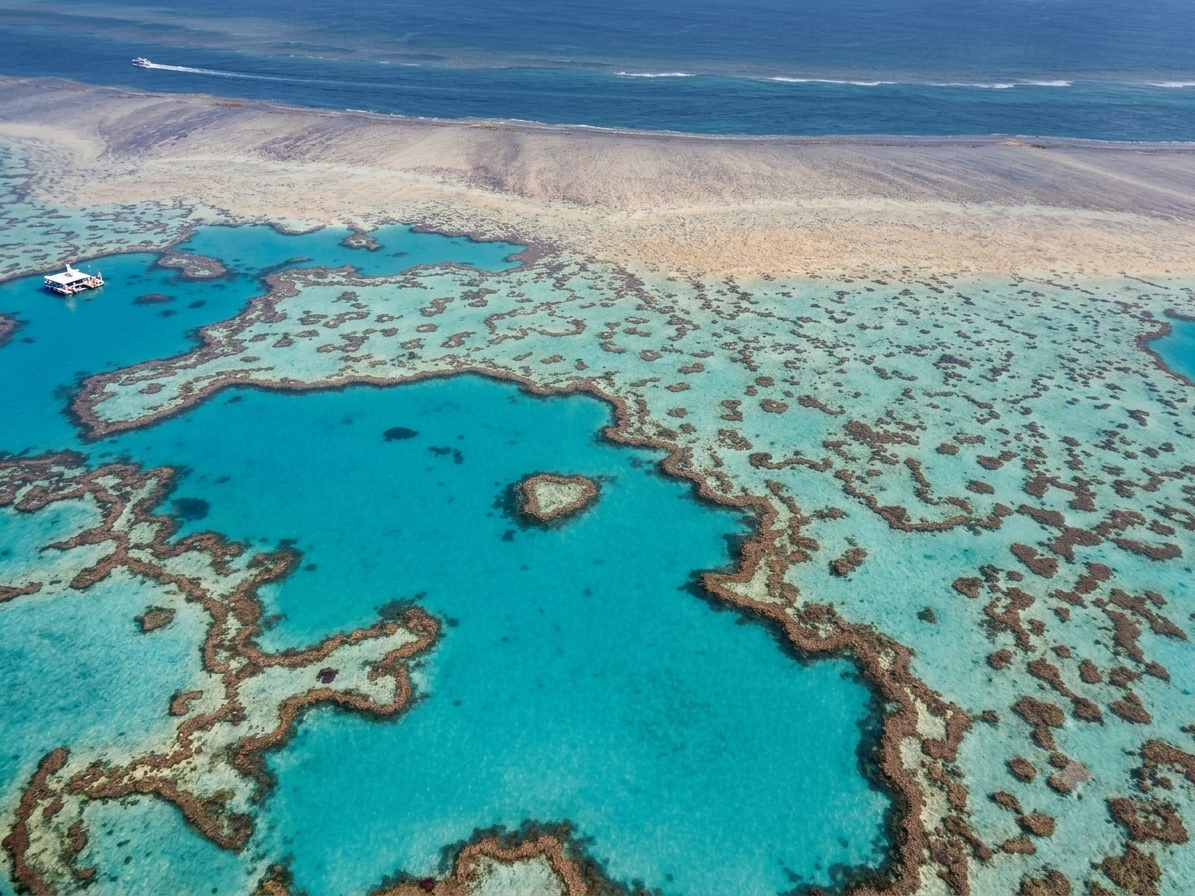
Many enjoy the reef in various ways such as snorkelling, fishing, boating, and tourist fights to see the iconic ‘Heart of the Reef’. Photo credit: Victoria Velton
The Great Barrier Reef will not be placed on UNESCO's "in danger" list, with the World Heritage Committee recognising ongoing efforts to protect and improve the internationally significant natural asset.
The decision acknowledges continued investment by the Queensland and Australian governments to improve Reef health and water quality, including more than $2 billion committed through to 2032.
It also follows the Queensland Government's recent announcement of a record $330.5 million investment over five years aimed at improving water quality and strengthening the Reef's long-term health.
Queensland Minister for the Environment and Tourism Andrew Powell welcomed the decision, saying it recognised the efforts of Queenslanders working to protect the Reef.
"Queenslanders care deeply about the Reef, and we welcome UNESCO's decision because it recognises the real progress being made to protect it," Mr Powell said.
"This is an important acknowledgement of the work happening right across Queensland to safeguard the Reef for future generations.
"We know there is still more work to do, and we will keep backing practical action, guided by the best available science, to improve Reef health and strengthen our water quality efforts."
The Great Barrier Reef supports around 77,000 jobs and contributes an estimated $9 billion annually to Australia's economy, making its long-term protection important for both the environment and regional communities.
UNESCO's decision follows two monitoring missions, including a visit undertaken in September 2025. The next Great Barrier Reef State of Conservation report is due to UNESCO in December 2029, with a progress report scheduled for 2028.
Publishers Indemnity. Any individual or entity that places advertising, supplies copy material, or submits editorial content to Life Publishing agrees and undertakes to ensure that all such material:- Does not infringe upon any copyright, trademark, or other intellectual property rights;- Is free from any content that could be considered defamatory, libelous, or slanderous;- Does not infringe upon any rights related to privacy or breach of confidence;- Contains no obscene, indecent, or otherwise unlawful material;- Complies fully with the Trade Practices Act and all other applicable laws, regulations, or statutes. Furthermore, by submitting or placing such material, these individuals or entities agree to indemnify and hold harmless the publisher, Life Publishing and Events Pty Ltd, and/or its agents from and against any and all investigations, claims, demands, liabilities, damages, costs, or judgments arising out of or in connection with the material provided. All material is believed to be accurate at the time of printing and remains the copyright of Life Publishing and Events Pty Ltd.
© 2026 Life Publishing Group Ltd.