Independently Owned, Locally Grown, Community Loved

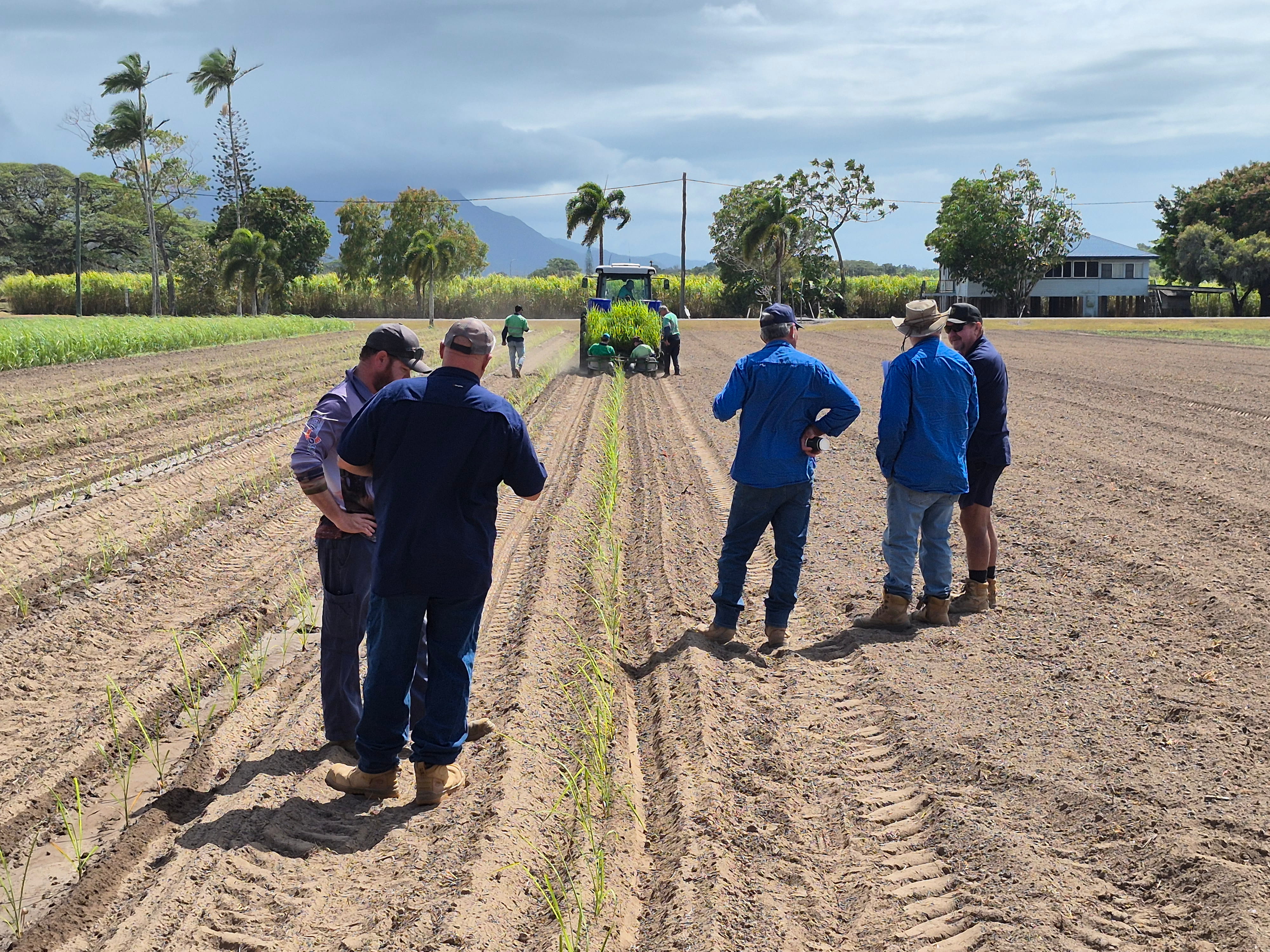
Growers discussing the demonstrated planting method of tissue culture at the workshop. Photo credit: Victoria Velton
By Victoria Velton
Herbert River cane growers gathered at the Herbert Cane Productivity Services Ltd (HCPSL) Macknade depot on Wednesday 23rd September for a Tissue Culture Demonstration Day, to discuss and learn about the use of tissue culture in their own farming systems.
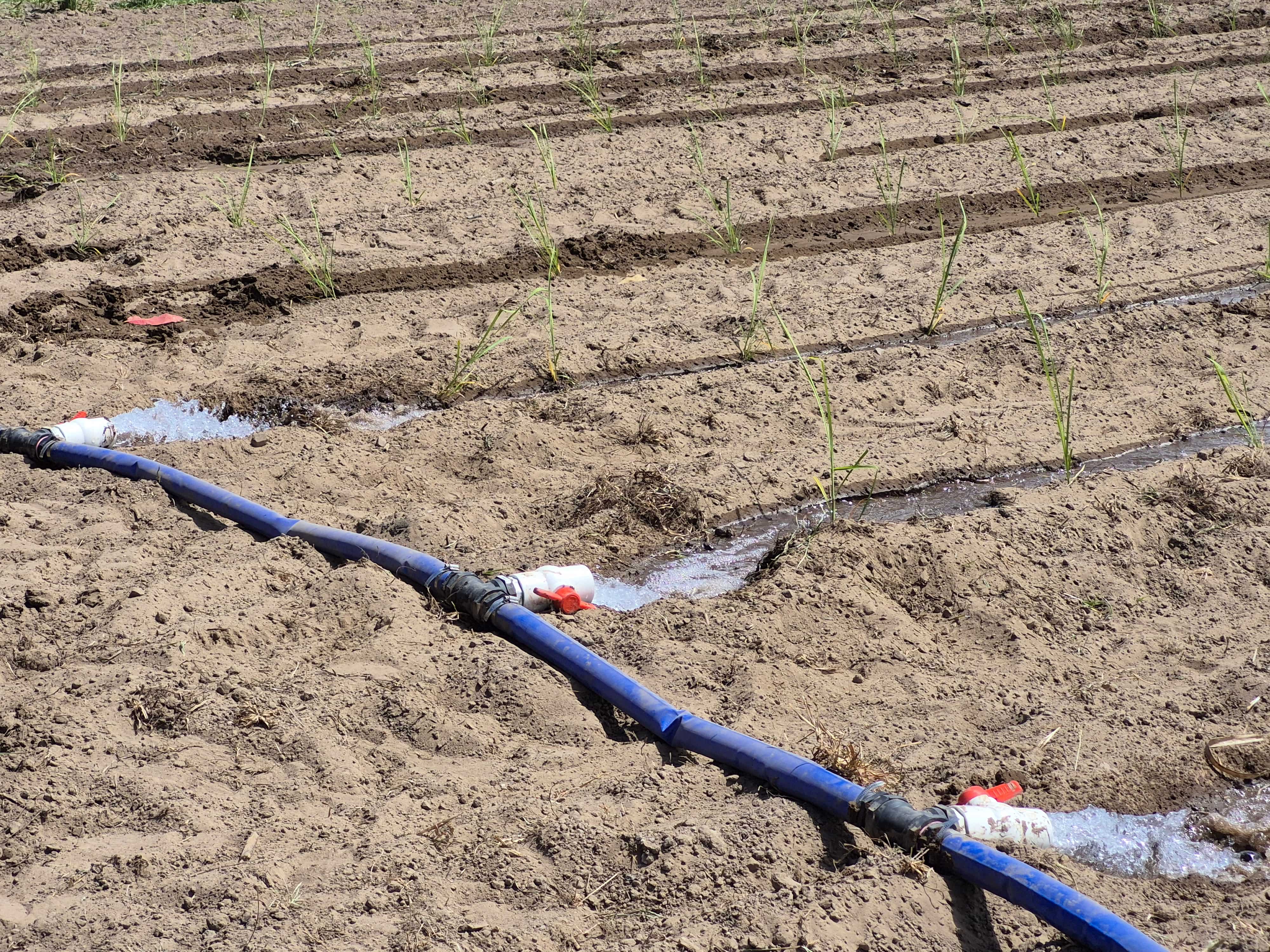
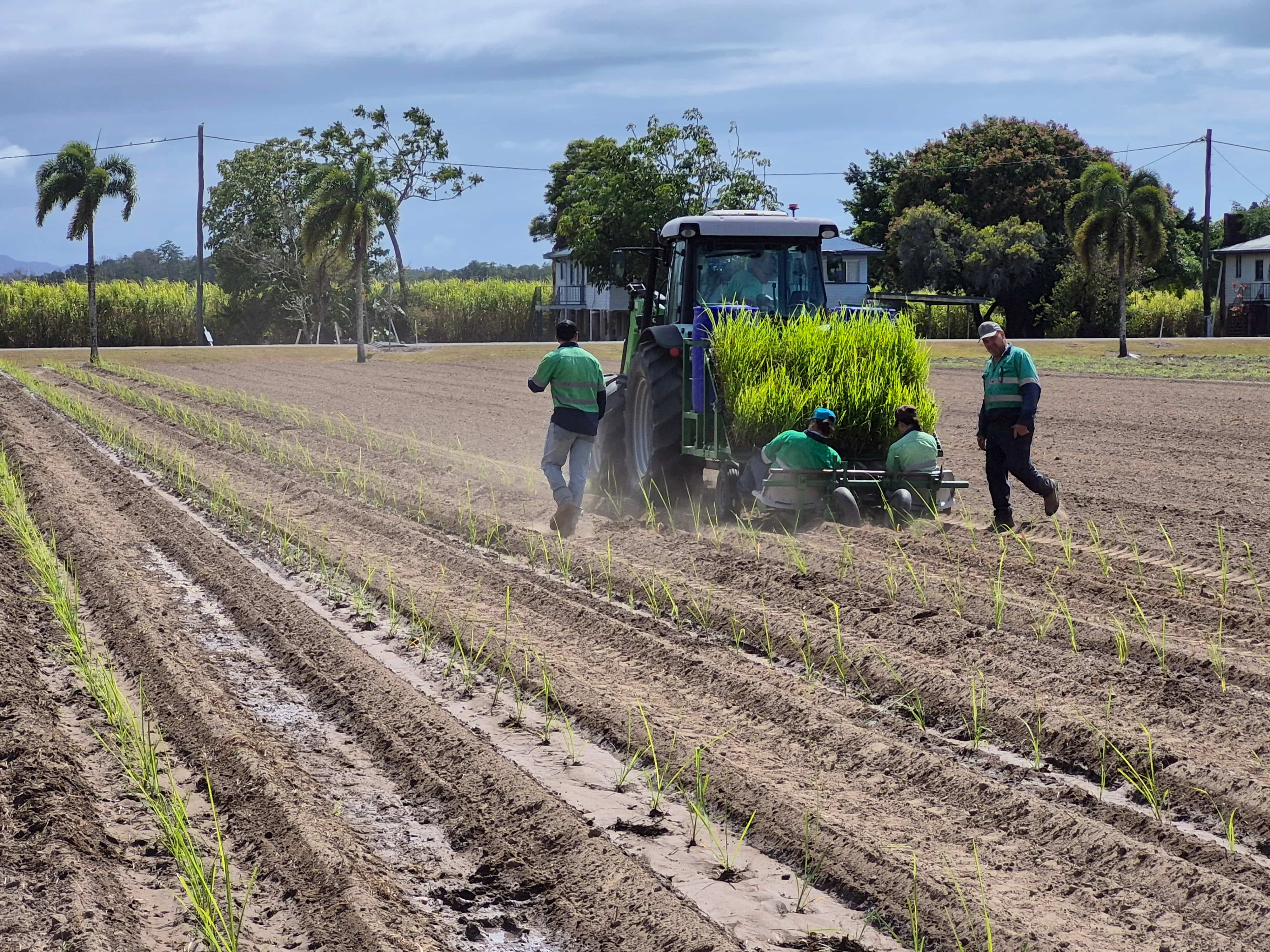
The field day provided growers with information on the availability of cane varieties, the increasing demand for tissue culture in the region, growing and care techniques, and the equipment being used to plant and irrigate tissue culture.
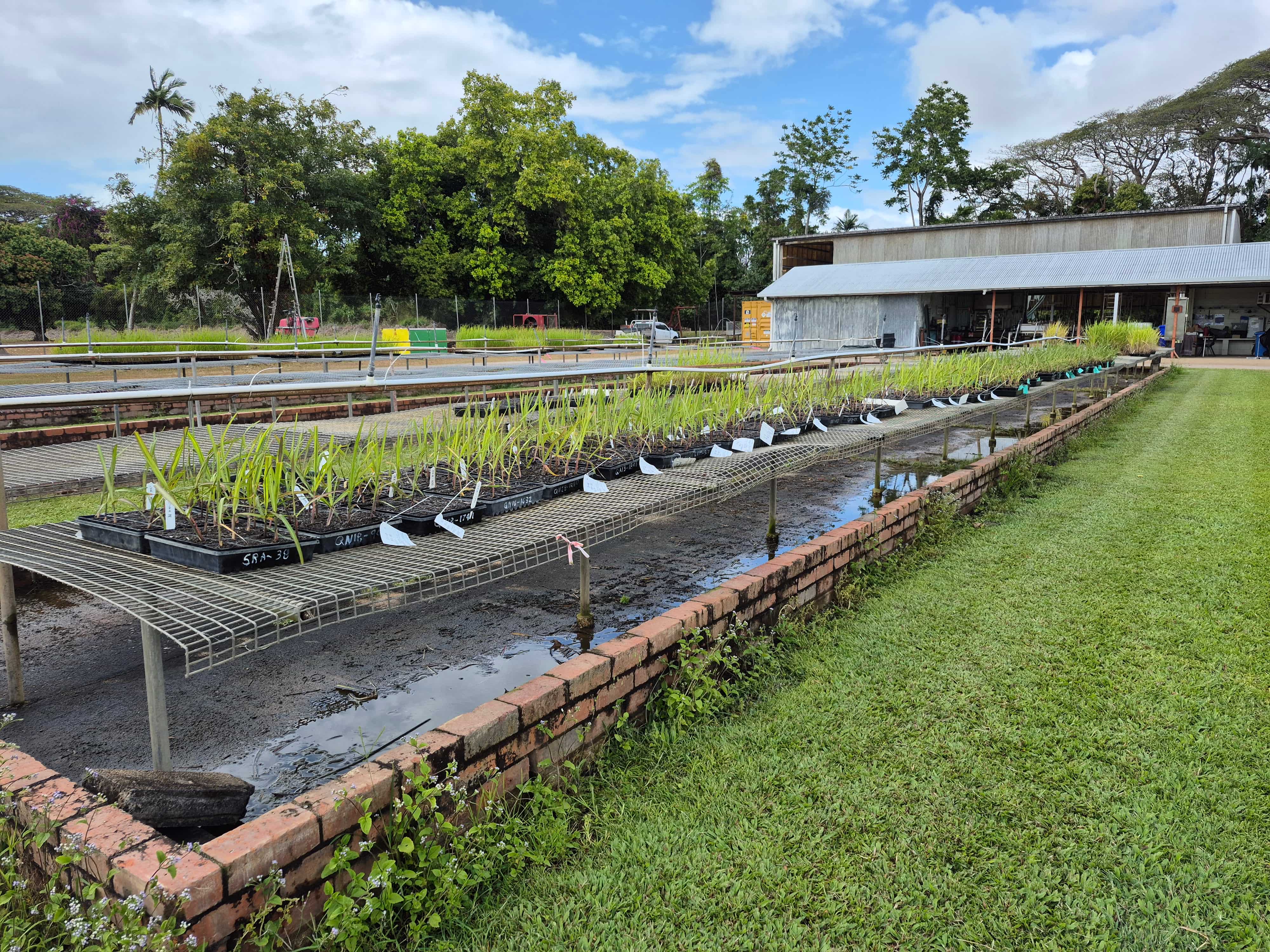
A grower panel provided practical insight into the process, discussing how much tissue culture material they ordered, their watering regimes and which blocks they had allocated for planting. The panel included growers with different levels of experience using tissue culture, allowing attendees to hear about how the system was being incorporated into different farming operations.
HCPSL’s field team also demonstrated the three-person tissue culture planting system and irrigation equipment being used in its plots.
Field Agronomist Rhiannan Harragon said there was no single approach that would suit every grower.
Grower Mark Zatta, who has grown tissue culture varieties from the nursery stage in Abergowrie, said a range of factors needed to be considered when establishing a successful crop, including soil type, moisture, minerals, pests, weeds and fertiliser requirements, as the Herbert region was hugely varied.
He recommended growers trial tissue culture in smaller areas or unused corners of paddocks before committing to a larger transition.
Tissue culture provides disease-free planting material, rapid multiplication and faster access to newly released cane varieties, while also providing the potential for increased productivity. This has seen the uptake of tissue culture in the Herbert River region increase significantly, with 103,700 plants ordered by growers between 2022 and 2026.
Orders reached 30,780 plants in 2026, following 23,730 in 2025, 29,810 in 2024, 17,320 in 2023 and 2,060 in 2022.
HCPSL noted that annual orders can fluctuate depending on the release and availability of new cane varieties. Newly released varieties can generate increased demand, meaning fluctuations in orders do not necessarily reflect changes in grower interest in tissue culture.
SRA32 and SRA48, which were released in 2025, generated significant demand.
The demonstration day was held as part of the Herbert Integrated Project, funded through the Queensland Government’s $330.5 million Queensland Reef and Catchment Water Quality Program and delivered through a partnership involving Terrain NRM, HCPSL, Hinchinbrook Shire Council, CANEGROWERS Herbert River and TropWATER, among others.
Publishers Indemnity. Any individual or entity that places advertising, supplies copy material, or submits editorial content to Life Publishing agrees and undertakes to ensure that all such material:- Does not infringe upon any copyright, trademark, or other intellectual property rights;- Is free from any content that could be considered defamatory, libelous, or slanderous;- Does not infringe upon any rights related to privacy or breach of confidence;- Contains no obscene, indecent, or otherwise unlawful material;- Complies fully with the Trade Practices Act and all other applicable laws, regulations, or statutes. Furthermore, by submitting or placing such material, these individuals or entities agree to indemnify and hold harmless the publisher, Life Publishing and Events Pty Ltd, and/or its agents from and against any and all investigations, claims, demands, liabilities, damages, costs, or judgments arising out of or in connection with the material provided. All material is believed to be accurate at the time of printing and remains the copyright of Life Publishing and Events Pty Ltd.
© 2026 Life Publishing Group Ltd.




.JPG)