Independently Owned, Locally Grown, Community Loved

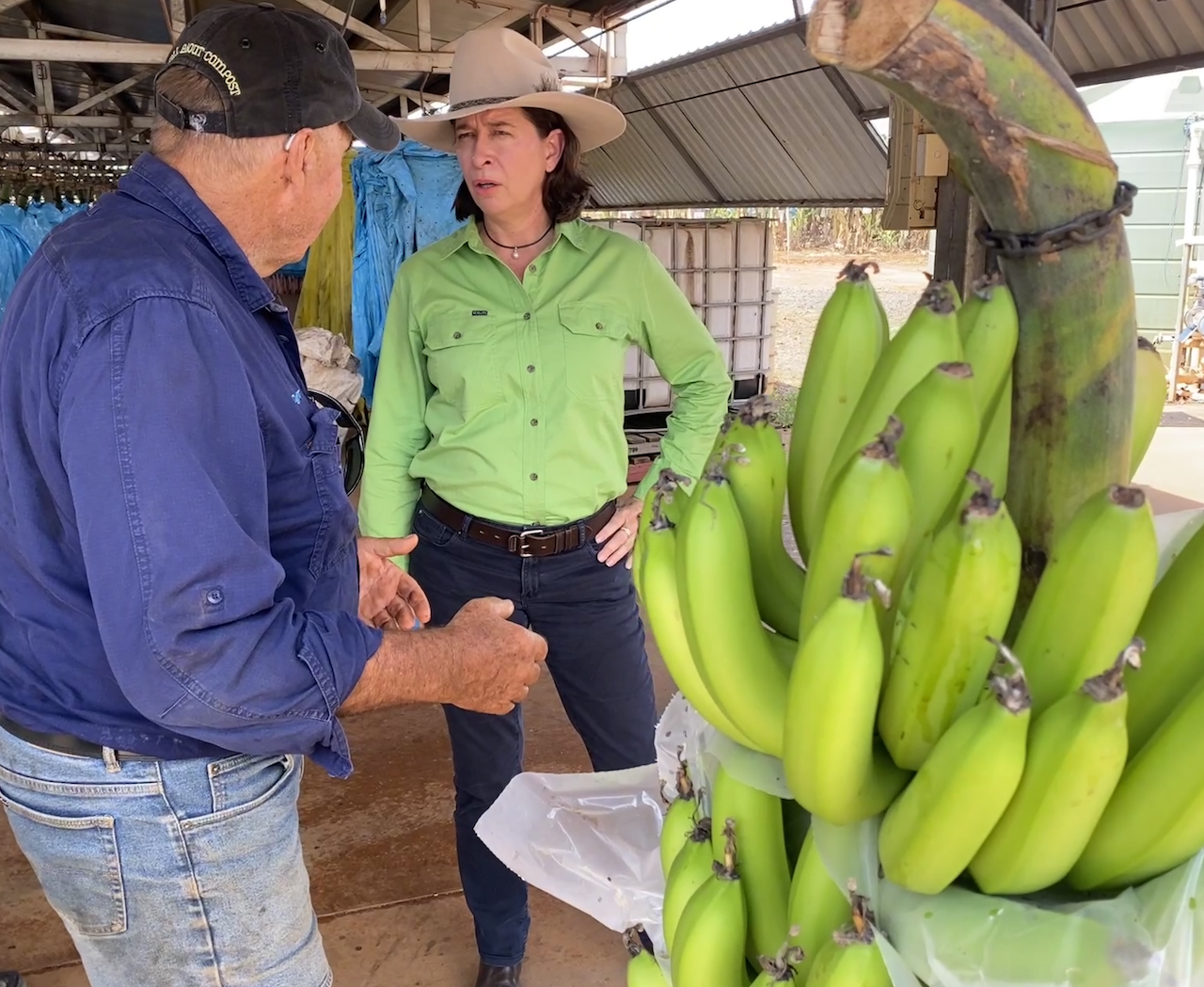
Cassowary Coast banana growers are watching closely as the Australian Government assesses the potential biosecurity risks of importing fresh Cavendish bananas from the Philippines. Photo supplied
By Chelsea Ravizza
The future of one of the Cassowary Coast’s biggest agricultural industries remains under scrutiny as the Australian Government assesses whether fresh Cavendish bananas from the Philippines could eventually enter the Australian market.
For growers across Tully, Innisfail and Kennedy, the issue carries particular weight. The Cassowary Coast is one of Australia’s major banana-growing regions, with Queensland producing about 94 per cent of the nation’s bananas, and in 2024-25 alone, Australia produced 368,701 tonnes of bananas worth $719.4 million.
More than 70 banana growers and Australian Banana Growers’ Council (ABGC) affiliate members gathered in Innisfail earlier this month, with Panama disease Tropical Race 4 (TR4) and the proposed Philippine import arrangements among the key issues discussed.
The Federal Department of Agriculture, Fisheries and Forestry commenced a Biosecurity Import Risk Analysis (BIRA) on 16th June, assessing whether alternative measures could manage the biosecurity risks associated with importing fresh Cavendish bananas from the Philippines.
No imports have been approved.
The Philippines has been seeking access to Australia’s banana market since 1995. While Australia agreed in principle in 2009 to allow imports if strict biosecurity requirements were met, the necessary arrangements were never finalised and no trade began. In 2018, the Philippines asked Australia to consider alternative ways of managing the biosecurity risks, setting the process now underway in motion.
DAFF conducted a technical visit to the Philippines from 23rd to 27th March, visiting commercial plantations and packing facilities across banana-growing areas of Mindanao.
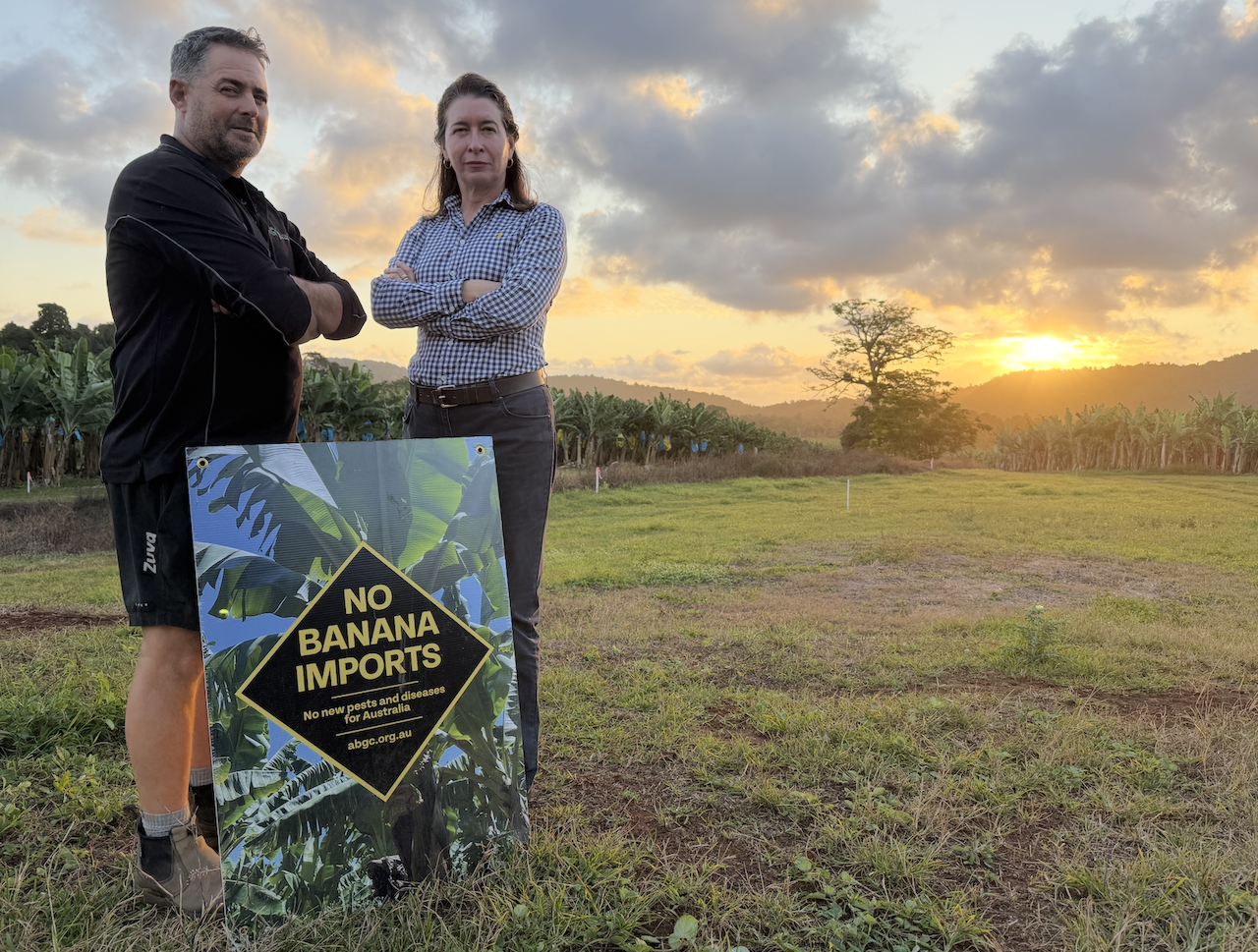
The ABGC has strongly opposed the prospect of imports, with Banana Imports Committee chair Paul Inderbitzin identifying Moko and black Sigatoka as two of the industry's major concerns.
“There are a number of biosecurity risks associated with importing bananas. Two of the main ones are Moko and black Sigatoka. Australia is one of the few countries free from these devastating diseases,” he said.
According to ABGC, Moko and black Sigatoka are not currently present in Australia, however, the organisation has warned that an introduction could have significant consequences for banana production and increase production costs.
The Cassowary Coast already has first-hand experience of the long-term challenge posed by TR4 with DAFF confirming the disease was detected in Tully in 2015 and can remain in soil for decades.
Senator Susan McDonald, who has been campaigning against the prospect of banana imports, said the region had much at stake.
“The Cassowary Coast is the heartland of Australian banana production and I have visited farms there,” she said.
“Once a disease becomes established, you can’t undo the damage. Our growers have already experienced the enormous cost and disruption of managing Panama TR4.”
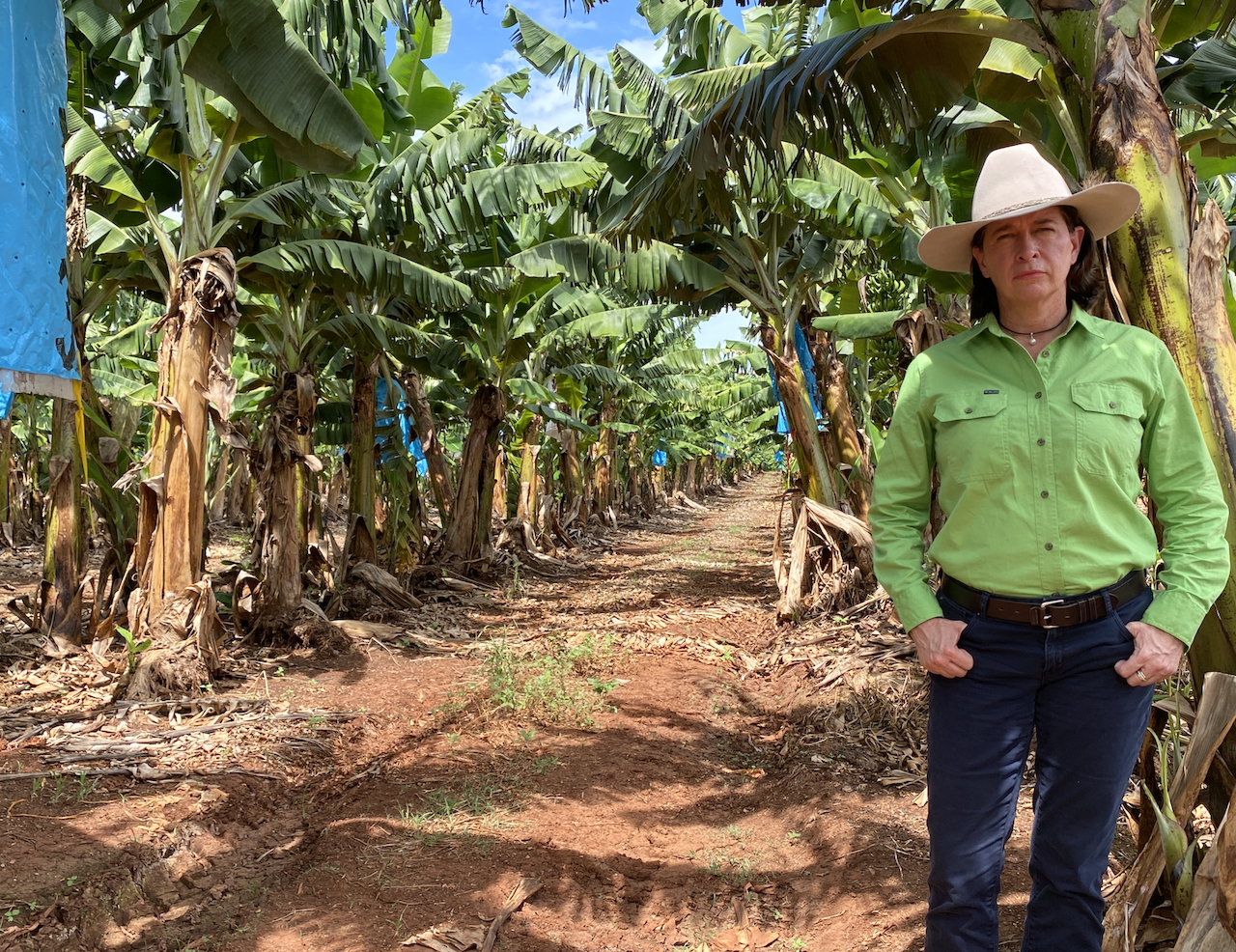
ABGC says the Australian banana industry supports about 18,000 jobs, including flow-on employment, and contributes about $1.3 billion to the Australian economy with the organisation calling for the assessment to protect the industry's existing biosecurity status.
DAFF, meanwhile, describes the assessment as a technical, science-based process conducted under Australia's biosecurity legislation and international standards. The department says it is assessing whether proposed production practices and any additional measures could reduce the risk to Australia's appropriate level of protection.
The department expects to release a draft report in the first half of 2027, followed by at least 60 calendar days of public consultation. Even if the assessment finds a pathway could meet Australia's biosecurity requirements, further verification and development of import conditions would be required before trade could begin with DAFF claiming the full process could take several years.
In the Cassowary Coast, the debate is therefore still some way from a final decision, but one that could have significant implications for an industry deeply embedded in the region's economy and communities.
Publishers Indemnity. Any individual or entity that places advertising, supplies copy material, or submits editorial content to Life Publishing agrees and undertakes to ensure that all such material:- Does not infringe upon any copyright, trademark, or other intellectual property rights;- Is free from any content that could be considered defamatory, libelous, or slanderous;- Does not infringe upon any rights related to privacy or breach of confidence;- Contains no obscene, indecent, or otherwise unlawful material;- Complies fully with the Trade Practices Act and all other applicable laws, regulations, or statutes. Furthermore, by submitting or placing such material, these individuals or entities agree to indemnify and hold harmless the publisher, Life Publishing and Events Pty Ltd, and/or its agents from and against any and all investigations, claims, demands, liabilities, damages, costs, or judgments arising out of or in connection with the material provided. All material is believed to be accurate at the time of printing and remains the copyright of Life Publishing and Events Pty Ltd.
© 2026 Life Publishing Group Ltd.