Independently Owned, Locally Grown, Community Loved
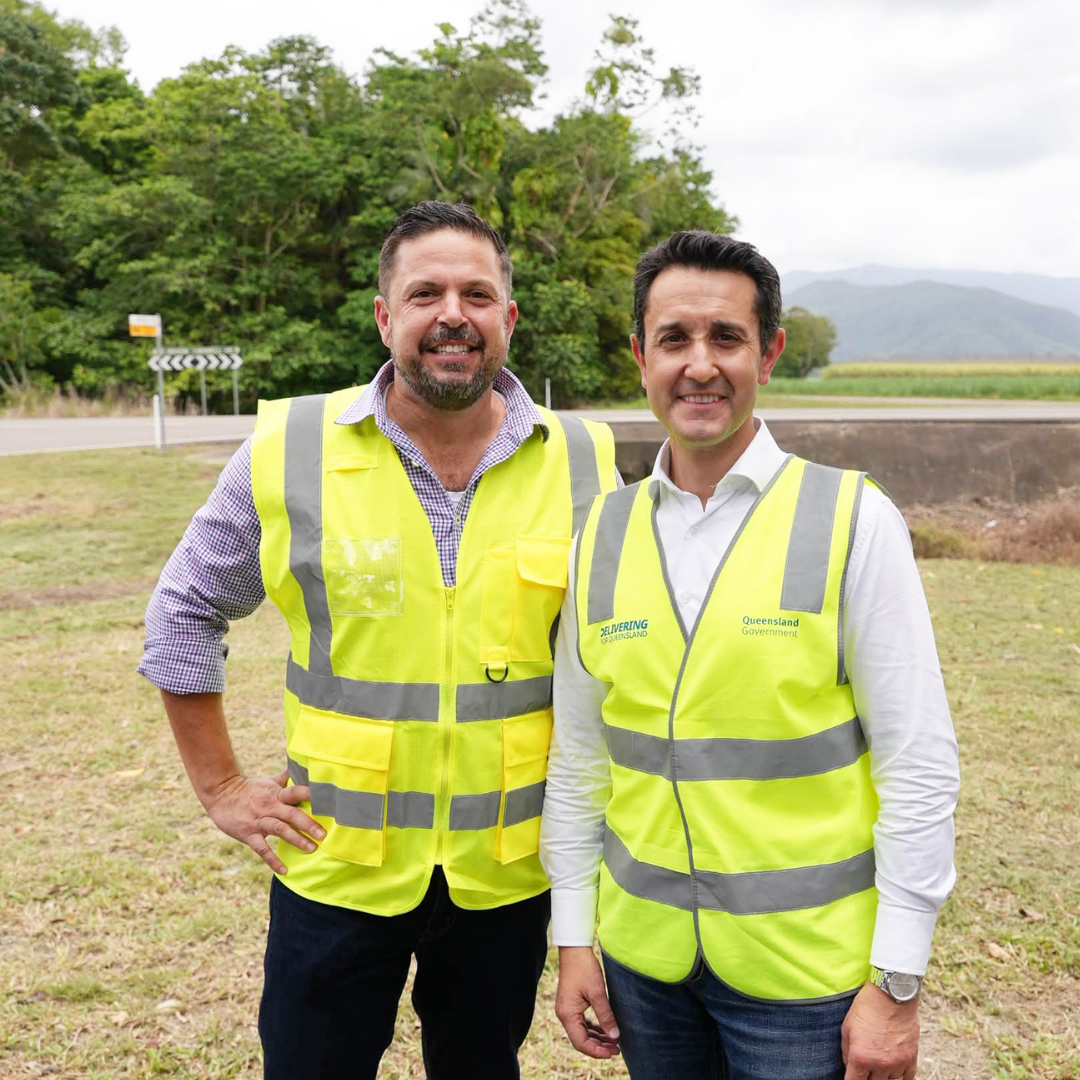

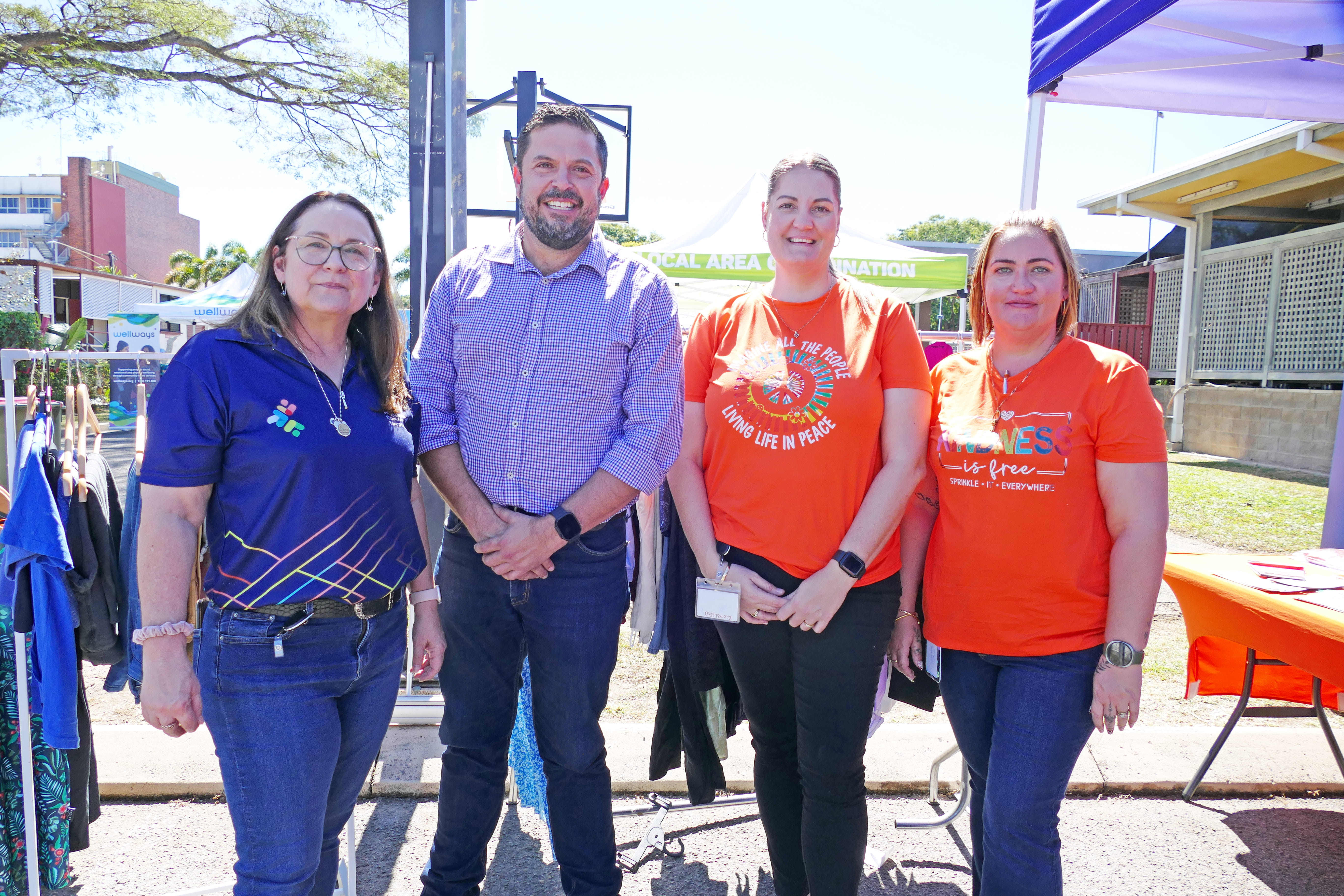
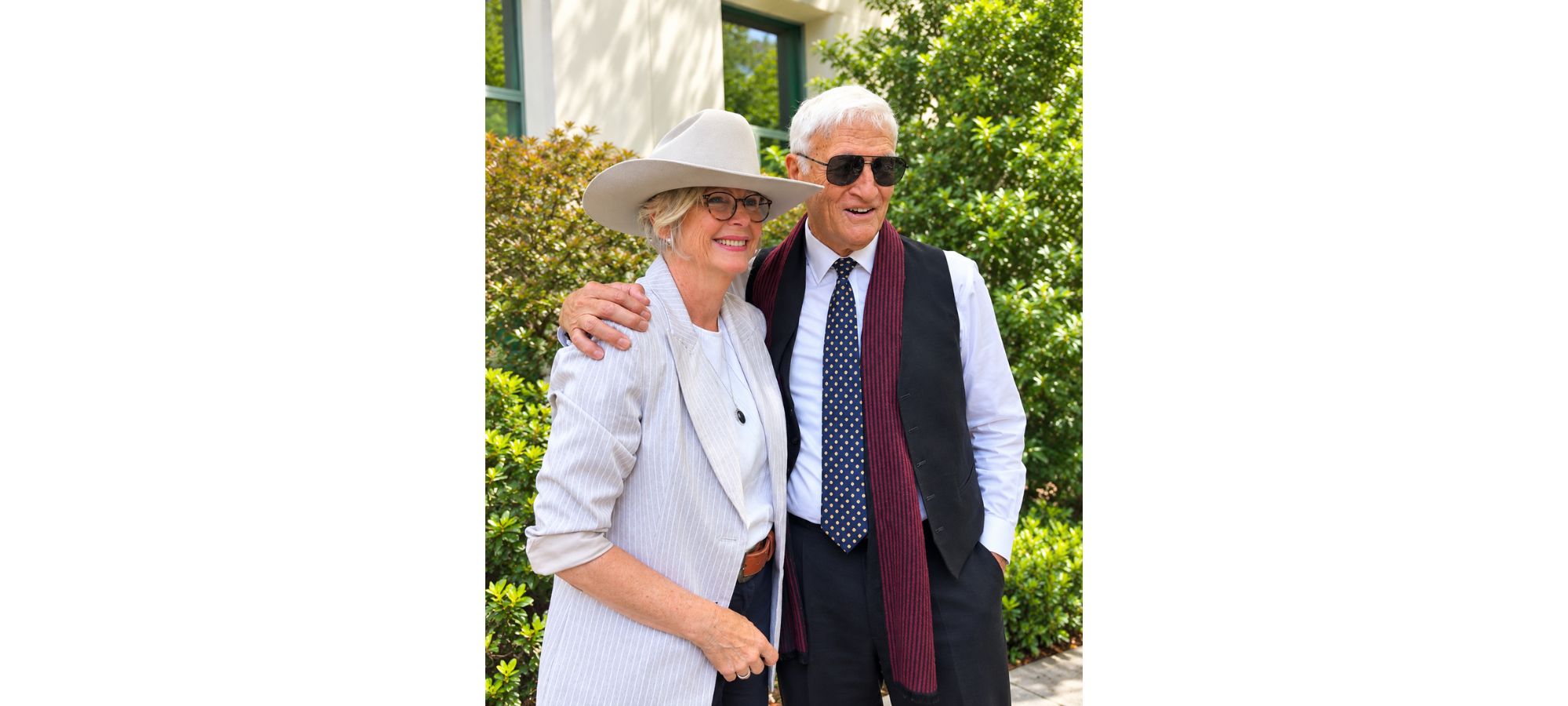
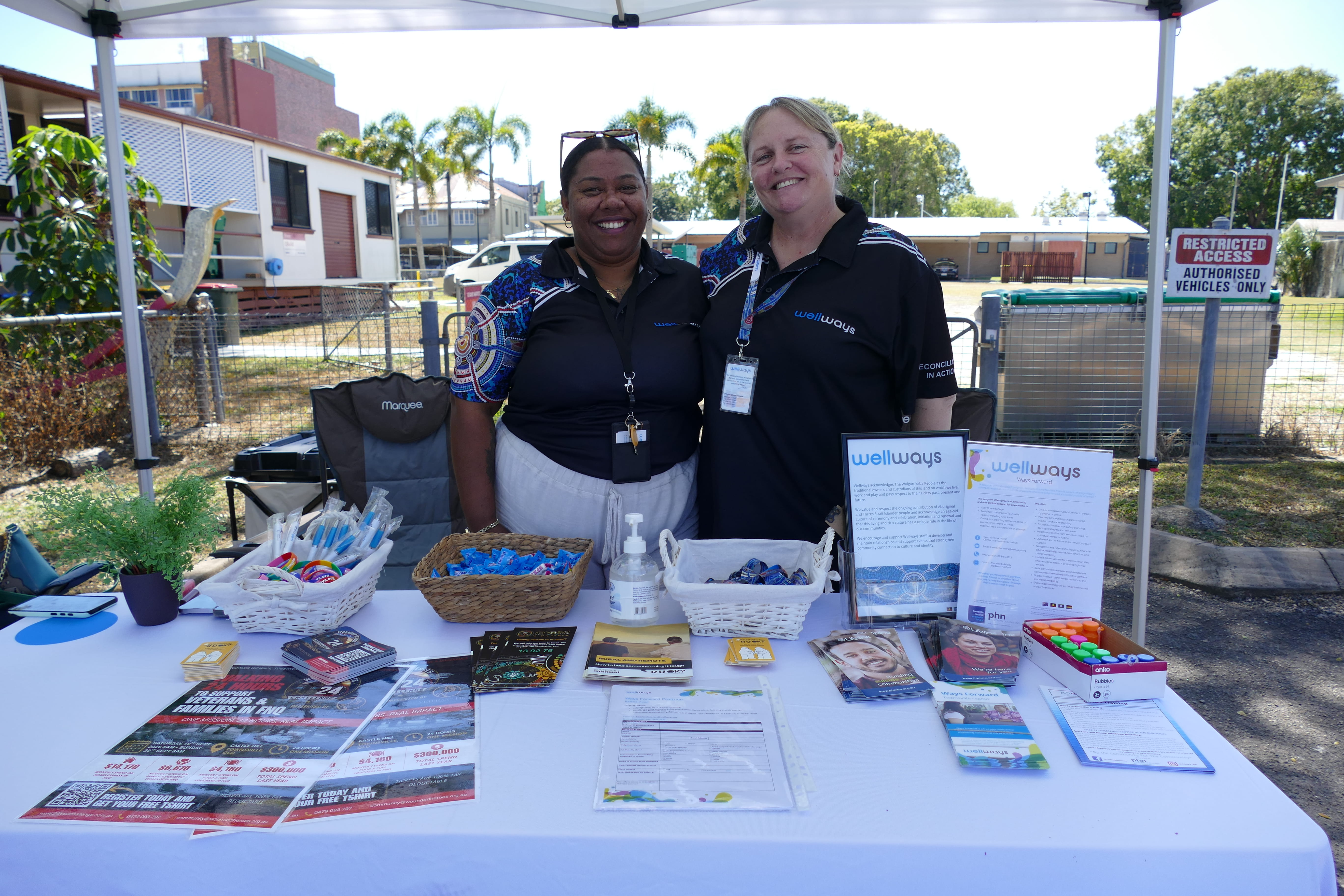
Linda McClelland, Wayde Chiesa MP, Chantelle Previtera and Alexandria Pitt, the Homelessness support team Photo credit: Victoria Velton
By Victoria Velton
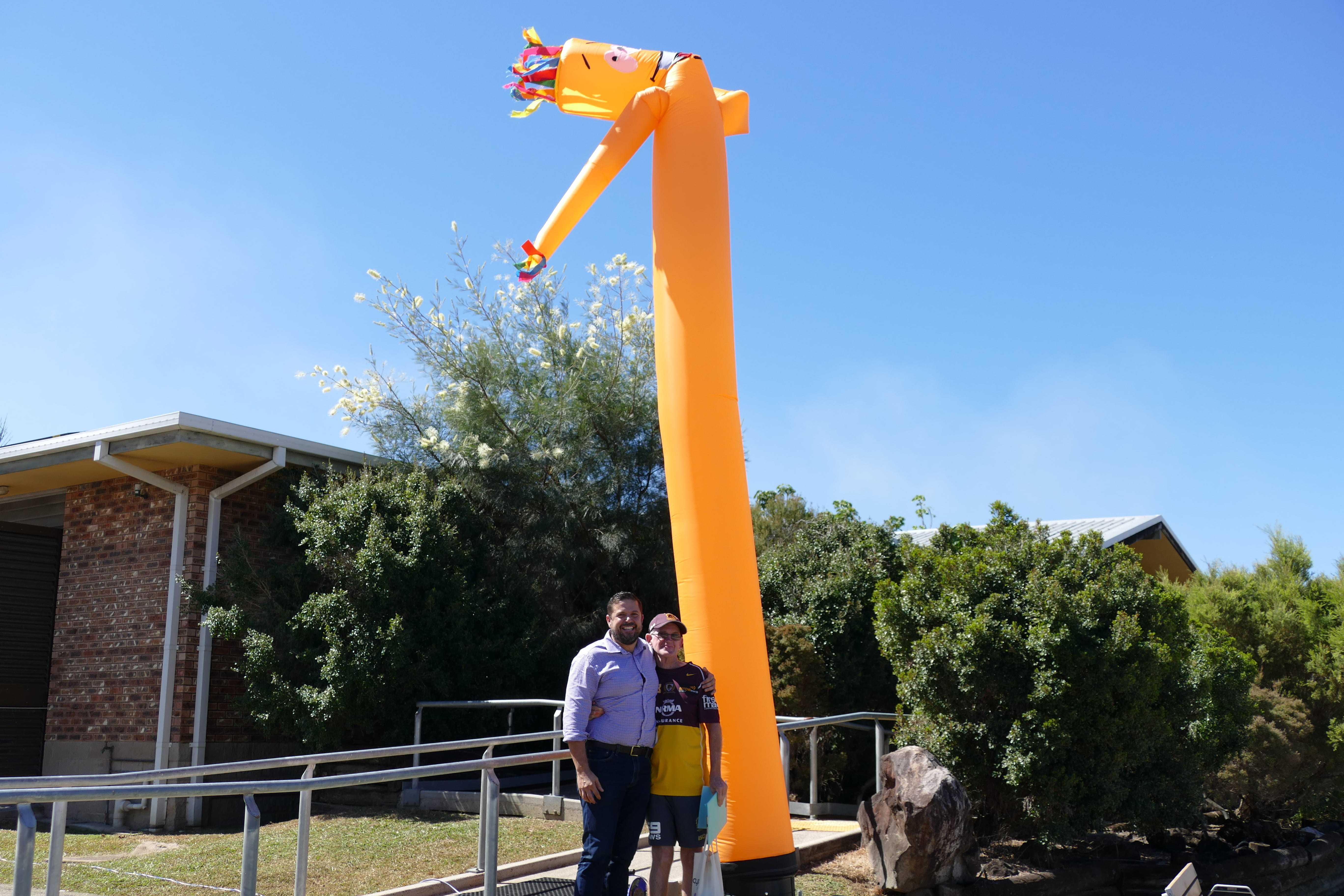
A steady stream of locals made their way through The HUB in Ingham on August 6th as 16 organisations came together for a Homelessness Expo aimed at connecting people with the services and support available in the community.
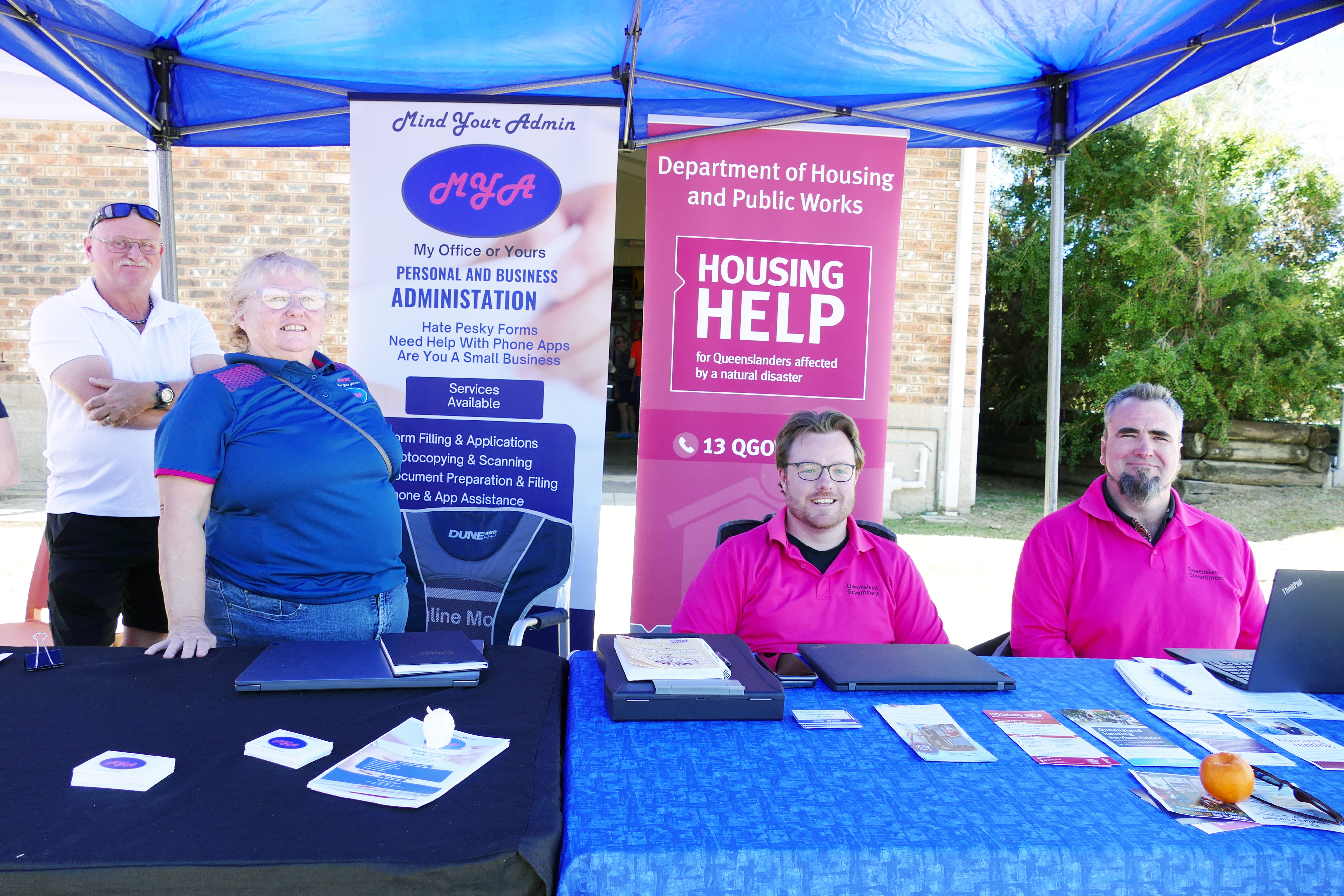
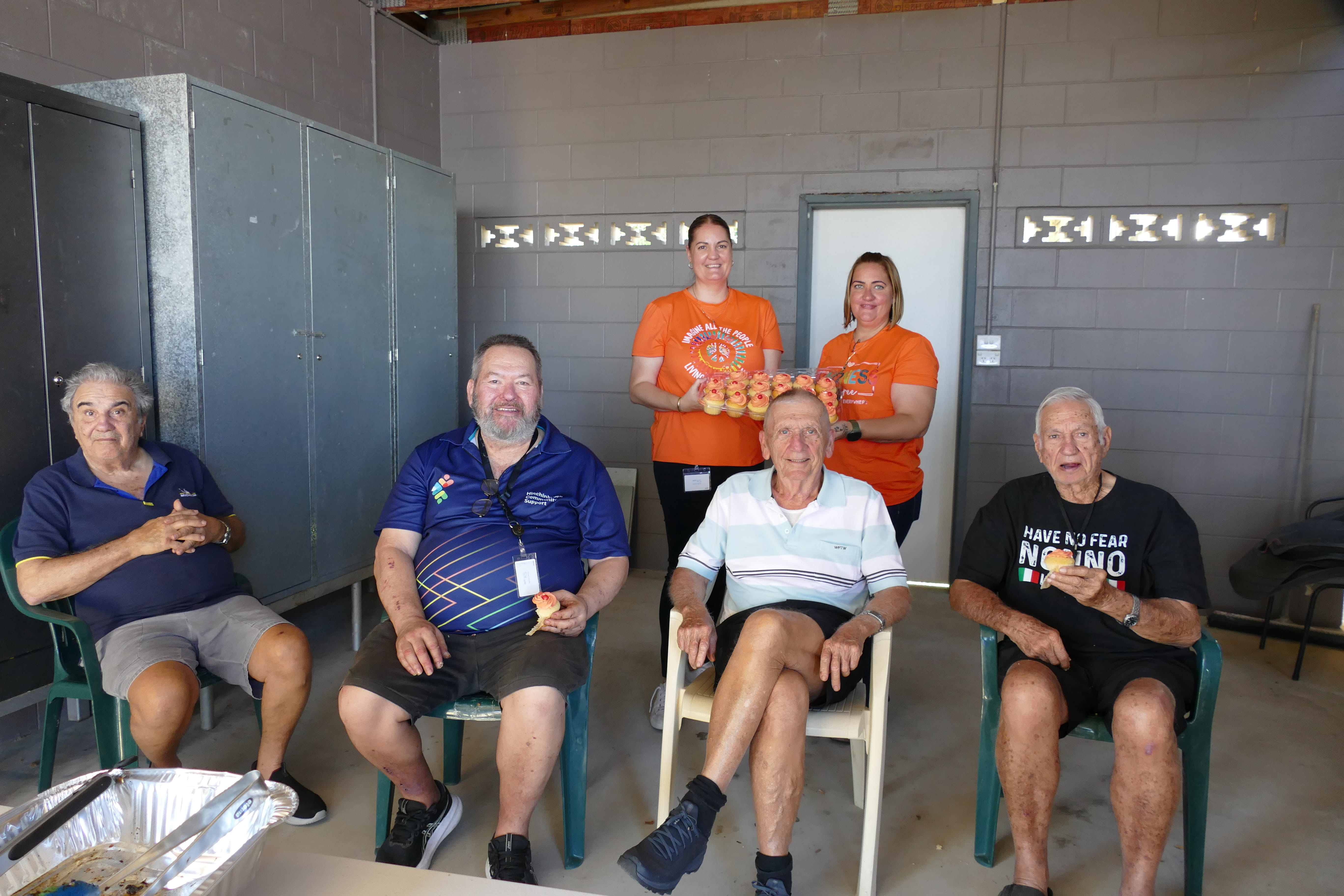
Hosted by the Hinchinbrook Community Support Centre, the expo brought together organisations including Services Australia, the Department of Housing, selectability, Queensland Police and a range of advocacy and disability support services.
A free barbecue provided an opportunity for visitors to sit down, grab a sausage or cupcake made by the men's group, and speak with service providers in a relaxed environment.
Member for Hinchinbrook MP Wayde Chiesa said the event was an important opportunity to make sure people knew where they could turn for help.
“This is really important to make sure people are aware of the services that are available,” he said.
“They’ve done a wonderful job bringing people together and the services together, so people can explore in an open environment, and seek the services they need.”
Mr. Chiesa said the expo had seen a steady flow of people throughout the day and praised the Hinchinbrook Community Support Centre for bringing the various organisations together.
“It’s credit to the organisation, the Hinchinbrook Community Support Centre, for actually organising something like this and bringing organisations like selectability, the police, and housing help. These sorts of events bring people together to get the support and services they need,” he said.
For Hinchinbrook Community Support Centre CEO Linda McClelland, the expo was about taking the conversation around homelessness into the wider community while making practical assistance more accessible.
“The concept is that we’re wanting to get out to the community as much as possible that there is a homelessness crisis right throughout Australia,” she said.
Linda said the event also aimed to show the community how they could support people experiencing homelessness while connecting those people with services that could assist them through their circumstances.
One of the practical challenges facing people without a fixed address is maintaining access to government services. Services Australia was available at the expo to assist people with Centrelink-related issues, while the Department of Housing helped attendees understand the process of getting onto the social housing waiting list.
“That’s one of the issues for homeless people, is that they do find it difficult having no fixed address to maintain their Centrelink payments,” Linda said.
The Department of Housing was also helping people establish their names on the housing wait list, giving them the opportunity to be considered when suitable accommodation becomes available.
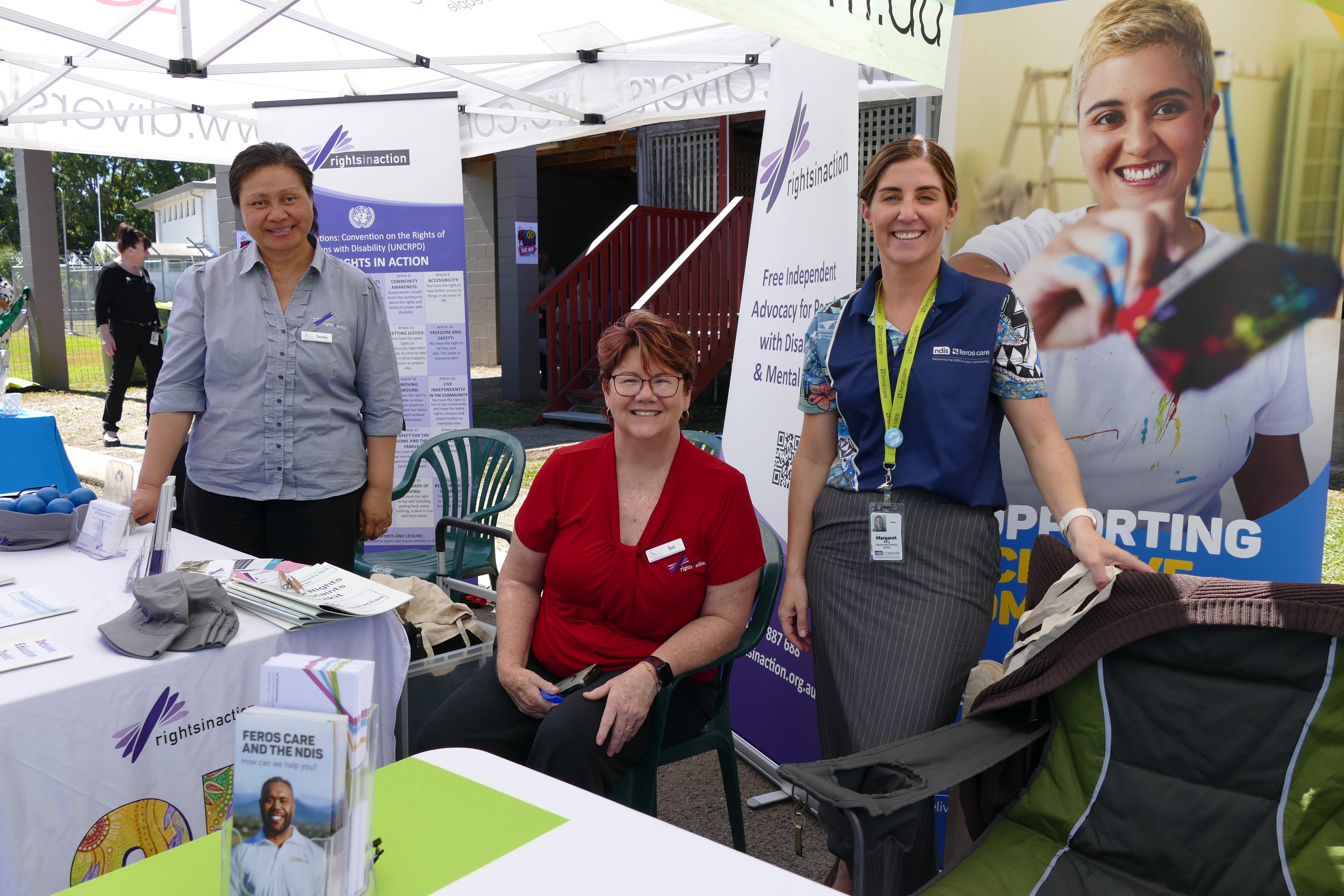
Other organisations provided advocacy and disability support, while police were also present given their role in supporting and keeping safe people experiencing homelessness in the community.
Linda encouraged anyone who missed the expo but needs assistance to visit The HUB in Ingham.
“Come to the HUB and ask for one of our workers, and we’ll support as best we can,” she said.
The team can then help connect people with the appropriate services and support available locally.
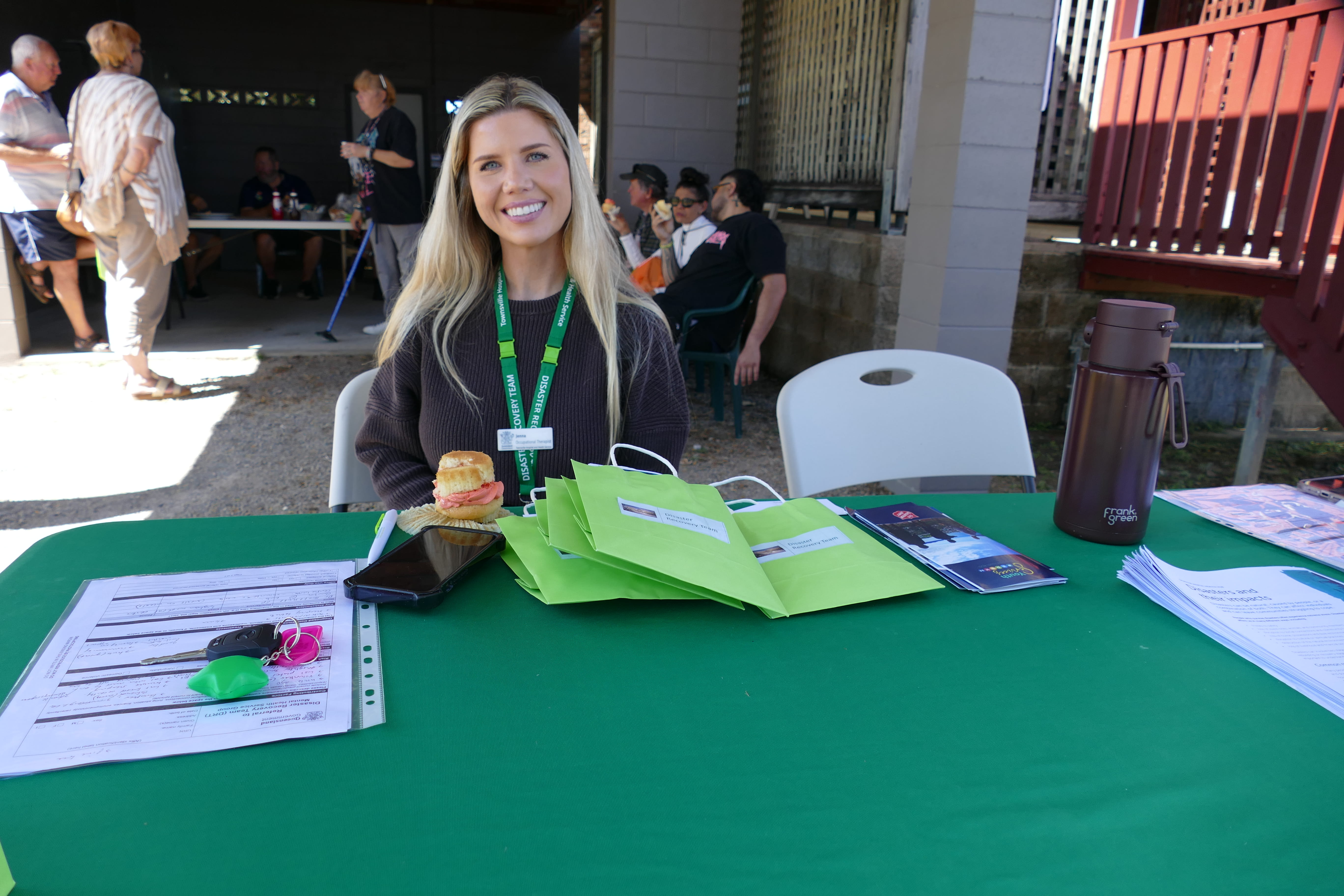
Among the services attending was the Disaster Recovery Team from Queensland Health, which is continuing to support people affected by last year’s natural disaster.
Jenna Noy said the timing of the service was deliberate, as the effects of a disaster can continue long after the initial response and funding has wound down.
“It’s quite a while after the disaster, but that’s quite purposeful because the year after the disaster happens, a lot of funding goes, but that doesn’t mean people aren’t still struggling,” she said.
The team provides short-term mental health support for people across the lifespan who may still be struggling to return to their normal lives following the flood.
Jenna said the impacts can present in a range of ways, including relationship difficulties, changes in substance use, low mood or heightened stress responses when rain occurs.
Homelessness or housing instability can also become an additional source of stress for people who have not been able to return to their homes following a disaster.
The team attended the expo to ensure people knew the service remained available and could access support if needed.
Also attending was the Wellways team, providing two programs designed to support people following a suicidal crisis.
Sandra Wilson explained that the Universal Aftercare program supports people aged 15 and over who have recently experienced a suicide attempt or suicidal crisis. In the Townsville region, the service is accessed through referral from the Townsville Hospital and Health Service.
The program provides approximately 12 weeks of free, non-clinical psychosocial support.
“We can link them in with Centrelink, job network providers, mental health professionals,” Wilson said.
The team can also assist people navigating the National Disability Insurance Scheme, including connecting them with providers such as Feros Care.
Wellways describes Universal Aftercare as a service that can help people adjust after leaving hospital, rebuild relationships, develop a safety plan and connect with housing, income, family, employment and other community supports.
Alongside Universal Aftercare is Ways Forward, a free, peer-led service for people aged 18 and over who are caring for someone at risk of suicide.
Sandra said the program is designed for people with lived experience who are supporting somebody who has been through, or is currently going through, a suicidal crisis.
Unlike Universal Aftercare, Ways Forward is specifically focused on carers, family members and other people supporting someone at risk of suicide. The service provides one-on-one peer support, connection groups, education and referrals to additional services.
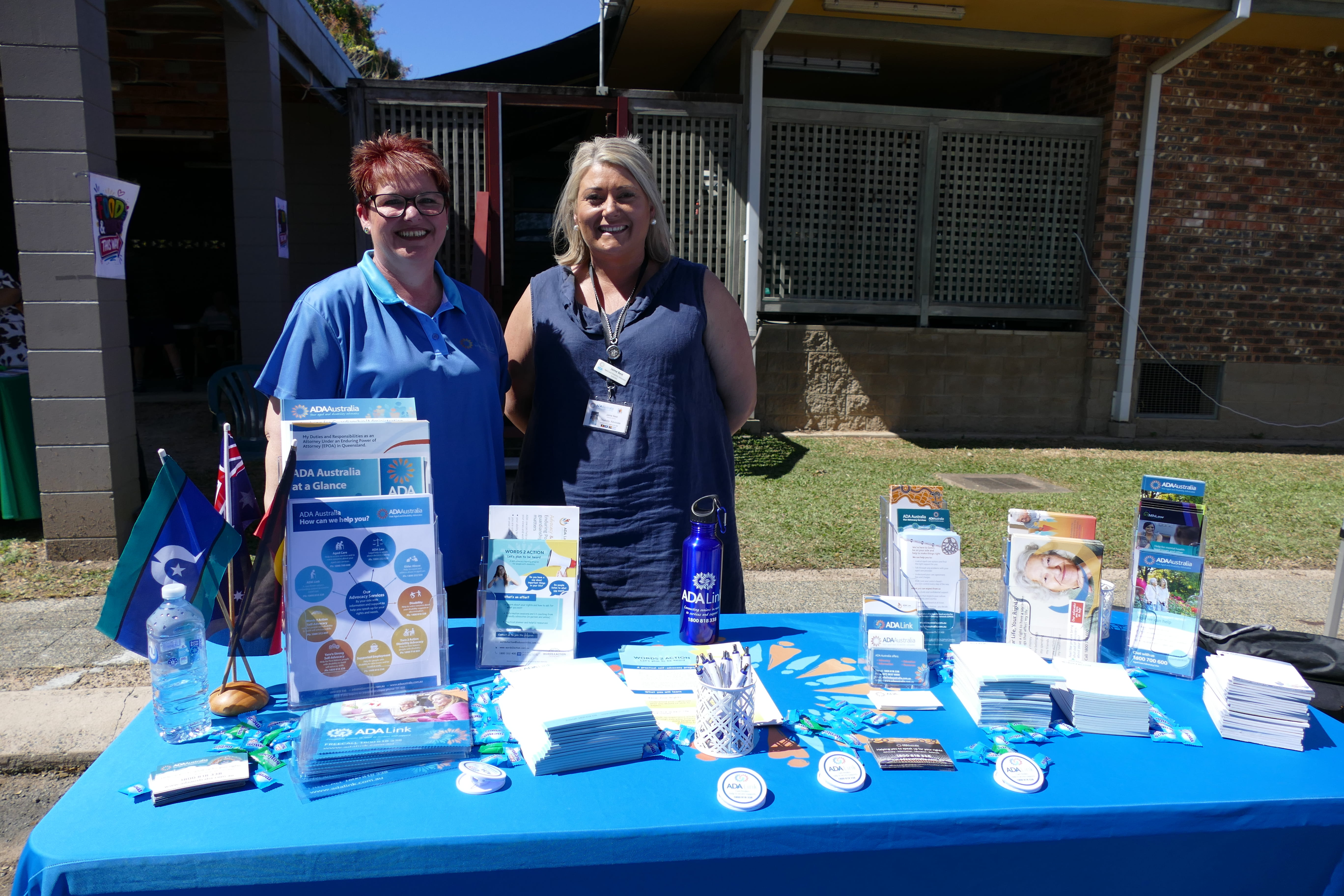
“Our program’s for 12 months. It’s for free,” Sandra said.
She said people can self-refer to Ways Forward, without needing to go through a hospital.
The Wellways team services a broad area, with Sandra describing its coverage as extending from Cardwell down to Home Hill, across to Palm Island and as far west as Richmond.
The programs also cater to different age groups, with Universal Aftercare supporting people aged 15 and over, while Ways Forward is available to carers aged 18 and over.
Publishers Indemnity. Any individual or entity that places advertising, supplies copy material, or submits editorial content to Life Publishing agrees and undertakes to ensure that all such material:- Does not infringe upon any copyright, trademark, or other intellectual property rights;- Is free from any content that could be considered defamatory, libelous, or slanderous;- Does not infringe upon any rights related to privacy or breach of confidence;- Contains no obscene, indecent, or otherwise unlawful material;- Complies fully with the Trade Practices Act and all other applicable laws, regulations, or statutes. Furthermore, by submitting or placing such material, these individuals or entities agree to indemnify and hold harmless the publisher, Life Publishing and Events Pty Ltd, and/or its agents from and against any and all investigations, claims, demands, liabilities, damages, costs, or judgments arising out of or in connection with the material provided. All material is believed to be accurate at the time of printing and remains the copyright of Life Publishing and Events Pty Ltd.
© 2026 Life Publishing Group Ltd.