Independently Owned, Locally Grown, Community Loved

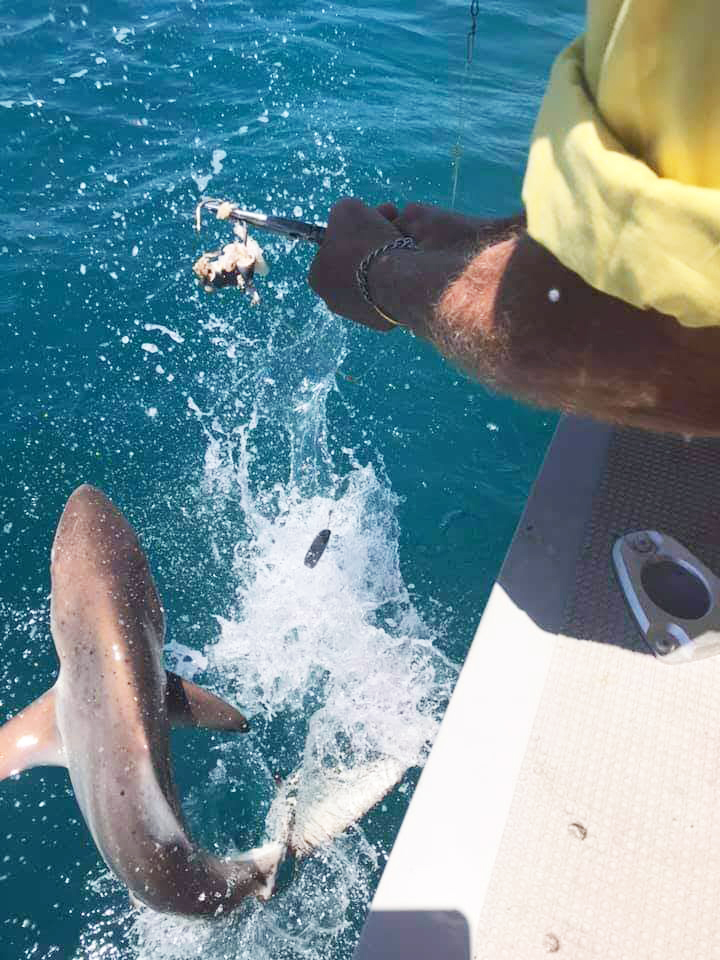
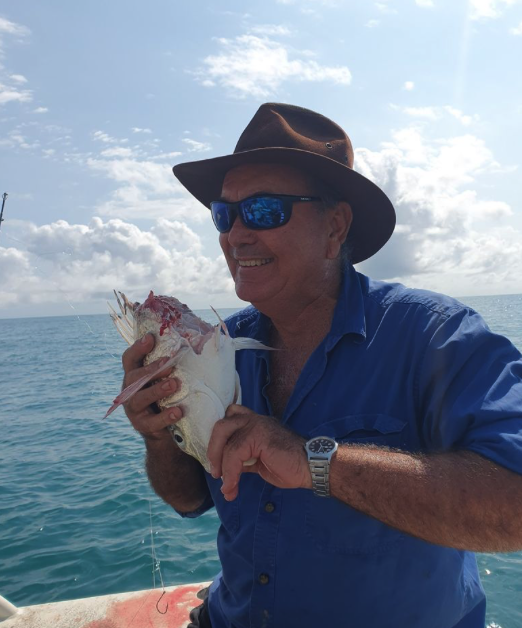
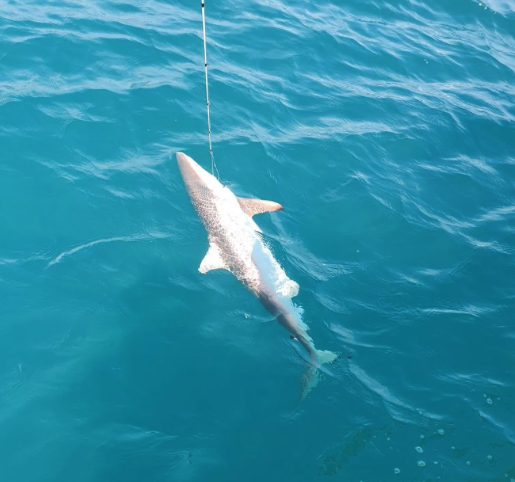
Steve and Marie Whipps were fishing when a shark took the line, “We got to the side of our boat, in an effort to get some of our gear back without having to cut the line, but it bit through 80lb braid like tissue paper, so we lost the rig.” Photo credit: Steve Whipps
Just months after a fatal shark attack claimed the life of an experienced spearfisherman off the Hinchinbrook coast, the Queensland Government has announced a $2.4 million research project aimed at improving understanding of shark populations and strengthening future shark management across the state.
The world-first study will examine key shark species, including bull and tiger sharks, through DNA analysis, tagging and acoustic tracking, with findings expected to help shape Queensland's Shark Control Program and improve swimmer safety.
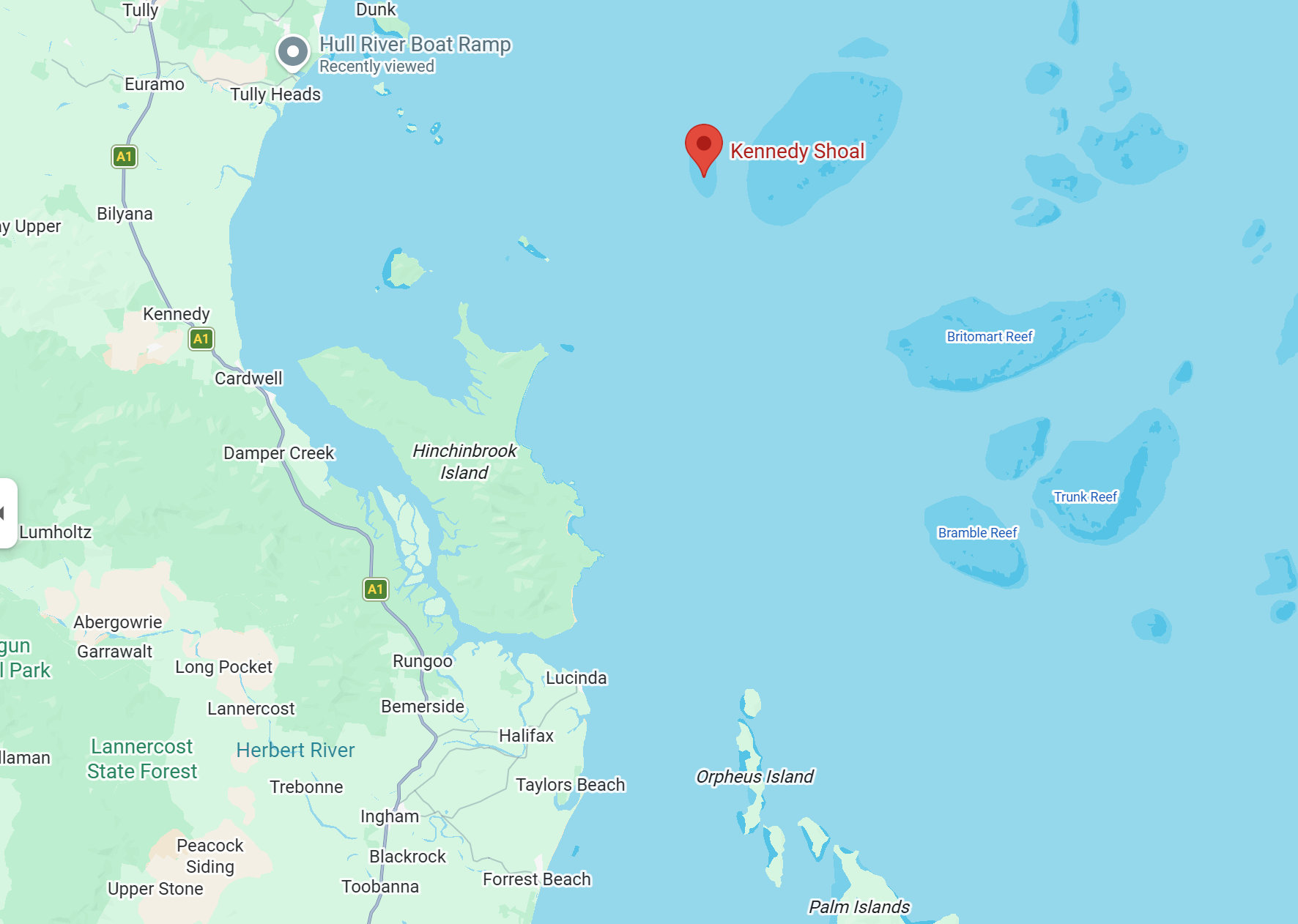
The announcement comes after 39-year-old Michael Jensz was fatally mauled while spearfishing at Kennedy Shoal, about 40 kilometres offshore from the Hull River Boat Ramp near Cardwell, earlier this year. Mr Jensz was diving with friends when he was attacked while attempting to retrieve a catch lodged on the reef.
While authorities did not confirm the species involved, commercial fishers and recreational boaties have long reported regular sightings of bull and tiger sharks around offshore reef systems and deep-water drop-offs along the Hinchinbrook coastline.
Unlike mainland swimming beaches, where shark control measures operate in many locations across Queensland, remote reef systems such as Kennedy Shoal do not have shark control equipment in place.
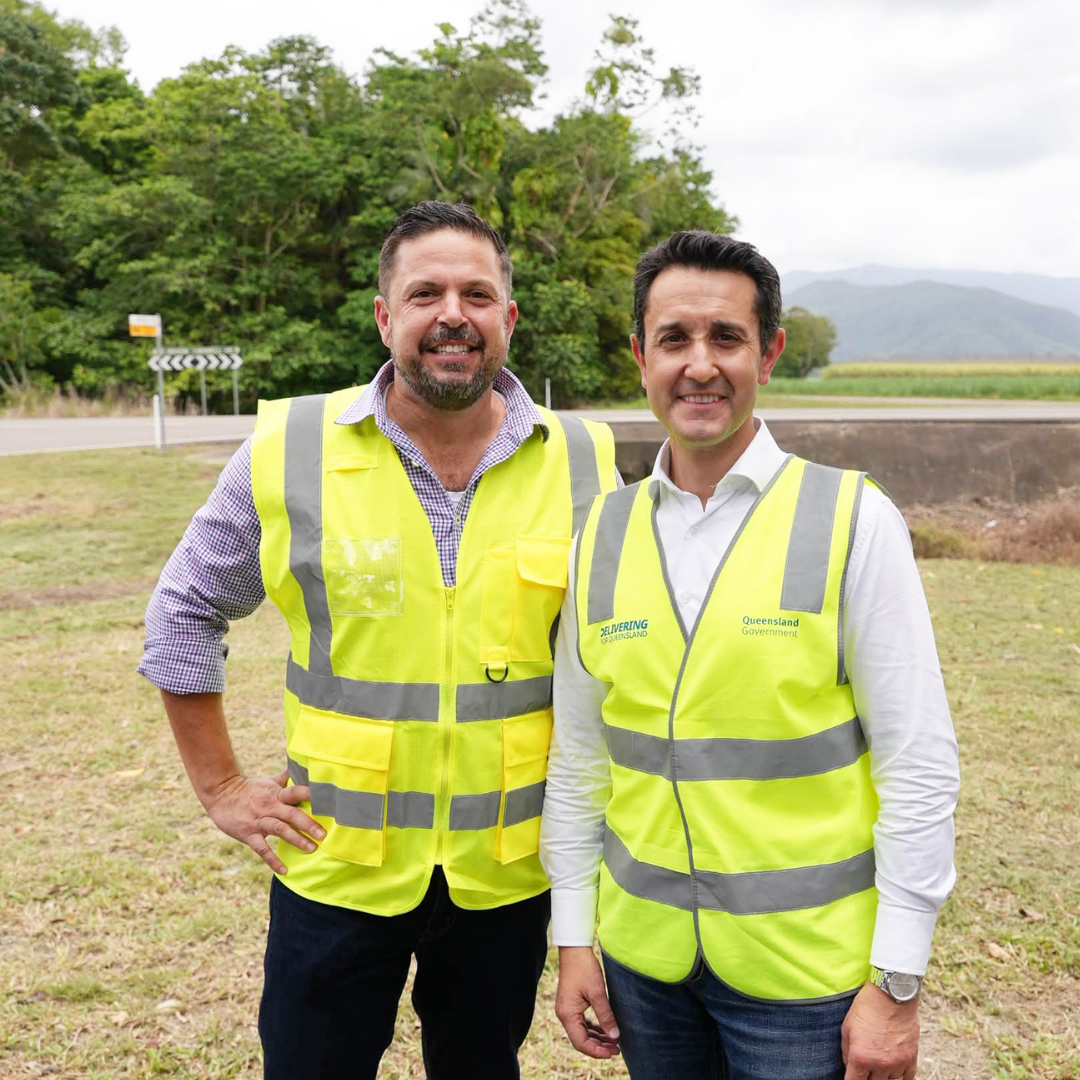
Minister for Primary Industries Tony Perrett said the research would deliver the most comprehensive understanding yet of Queensland's shark populations.
"This is the first study of its kind for shark management in Queensland, and it will give us the most complete picture of these species we've ever had," Mr Perrett said.
"I have said time and time again, the best science must inform our actions when it comes to fisheries [and] we're backing world-leading scientists to understand how sharks behave and how our management measures are affecting them.
The project forms part of the Queensland Government's Shark Management Plan 2025–2029 and will be delivered in two stages. The first stage, already underway and due for completion in February 2027, will investigate the biology and genetics of key shark species to better understand how populations respond to fishing pressure and environmental change.
A second stage, scheduled for 2028, will focus on mapping bull shark and pigeye shark populations through acoustic tracking, tagging and stable isotope analysis, providing scientists with new insights into movement patterns and breeding behaviour.
The findings are expected to guide future shark management decisions across Queensland, including measures designed to keep beachgoers and ocean users safe while ensuring management strategies are based on the latest scientific evidence.
Publishers Indemnity. Any individual or entity that places advertising, supplies copy material, or submits editorial content to Life Publishing agrees and undertakes to ensure that all such material:- Does not infringe upon any copyright, trademark, or other intellectual property rights;- Is free from any content that could be considered defamatory, libelous, or slanderous;- Does not infringe upon any rights related to privacy or breach of confidence;- Contains no obscene, indecent, or otherwise unlawful material;- Complies fully with the Trade Practices Act and all other applicable laws, regulations, or statutes. Furthermore, by submitting or placing such material, these individuals or entities agree to indemnify and hold harmless the publisher, Life Publishing and Events Pty Ltd, and/or its agents from and against any and all investigations, claims, demands, liabilities, damages, costs, or judgments arising out of or in connection with the material provided. All material is believed to be accurate at the time of printing and remains the copyright of Life Publishing and Events Pty Ltd.
© 2026 Life Publishing Group Ltd.