Independently Owned, Locally Grown, Community Loved


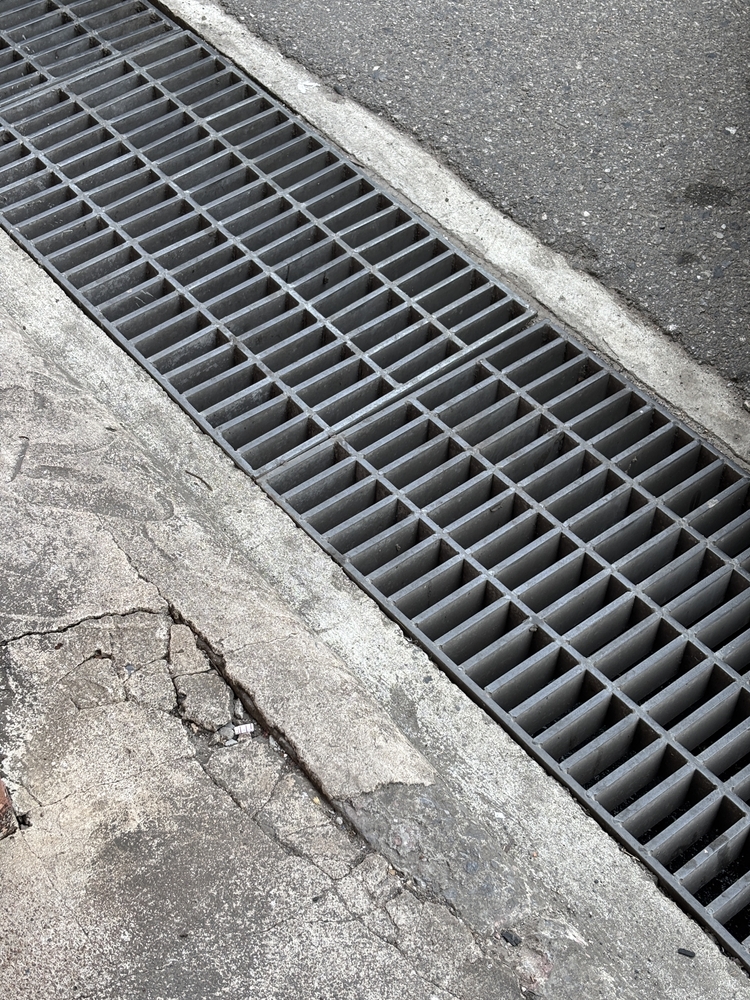
Following the 2025 flood event, key industry stakeholders and government partners have united to establish the Hinchinbrook Drainage Advisory Group — a collaborative initiative focused on enhancing drainage systems and safeguarding our region against future flooding.
This is a stakeholder-driven effort, with Hinchinbrook Shire Council serving a dual role: both as an active stakeholder and as a facilitator. The Council is committed to bringing the right people together and ensuring productive, ongoing dialogue.
Cr Andrew Carr, who chairs the group, said the collaborative role is to work together to keep water moving, reduce flood risk, and maintain healthy waterways across the Shire.
“Over time, many drainage systems have become overgrown, slowing water flow and increasing flood impacts,” Cr Carr said.
“By creating a consistent process for maintenance and permits, the group aims to deliver practical solutions that benefit residents, farmers, and the environment.
“This is a true team effort, with representatives from Hinchinbrook Shire Council, State Government departments, Queensland Rail, Wilmar Sugar, Canegrowers Herbert River,
Landcare, Queensland Cane Agriculture and Renewables (QCAR), Lower Herbert Water Management Authority, Herbert River Improvement Trust, and James Cook University all working together to share knowledge and resources.”
The initial focus is on four priority trial sites in mangrove interface areas — Mandam SIP Drainage Scheme, Swampy Creek, Alligator Ponds, and Rifle Range Creek.
These sites represent different types of drainage systems and land tenure, helping the group develop a framework that can be applied across the Shire.
The group has been working closely with State Government agencies to secure permits and funding for maintenance works, including clearing overgrown drains and restoring access tracks. With strong support now in place, the aim is to begin works in early 2026.
Cleaner, healthier drains and waterways, reduced flood risk, and a clear process for future projects are the ultimate goals. This collaborative approach ensures solutions are sustainable and supported by all stakeholders.
Publishers Indemnity. Any individual or entity that places advertising, supplies copy material, or submits editorial content to Life Publishing agrees and undertakes to ensure that all such material:- Does not infringe upon any copyright, trademark, or other intellectual property rights;- Is free from any content that could be considered defamatory, libelous, or slanderous;- Does not infringe upon any rights related to privacy or breach of confidence;- Contains no obscene, indecent, or otherwise unlawful material;- Complies fully with the Trade Practices Act and all other applicable laws, regulations, or statutes. Furthermore, by submitting or placing such material, these individuals or entities agree to indemnify and hold harmless the publisher, Life Publishing and Events Pty Ltd, and/or its agents from and against any and all investigations, claims, demands, liabilities, damages, costs, or judgments arising out of or in connection with the material provided. All material is believed to be accurate at the time of printing and remains the copyright of Life Publishing and Events Pty Ltd.
© 2026 Life Publishing Group Ltd.



-2.jpg)