Independently Owned, Locally Grown, Community Loved
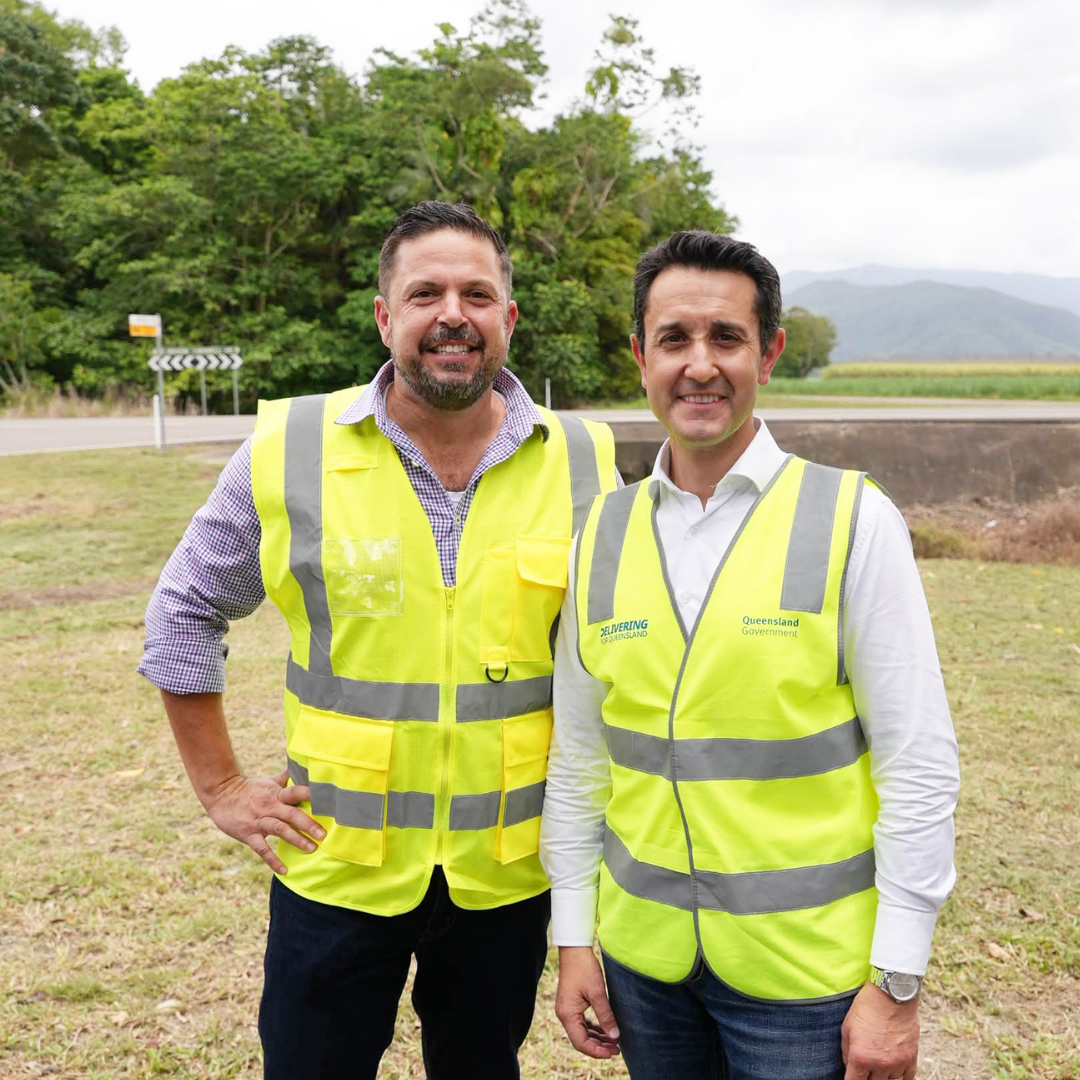

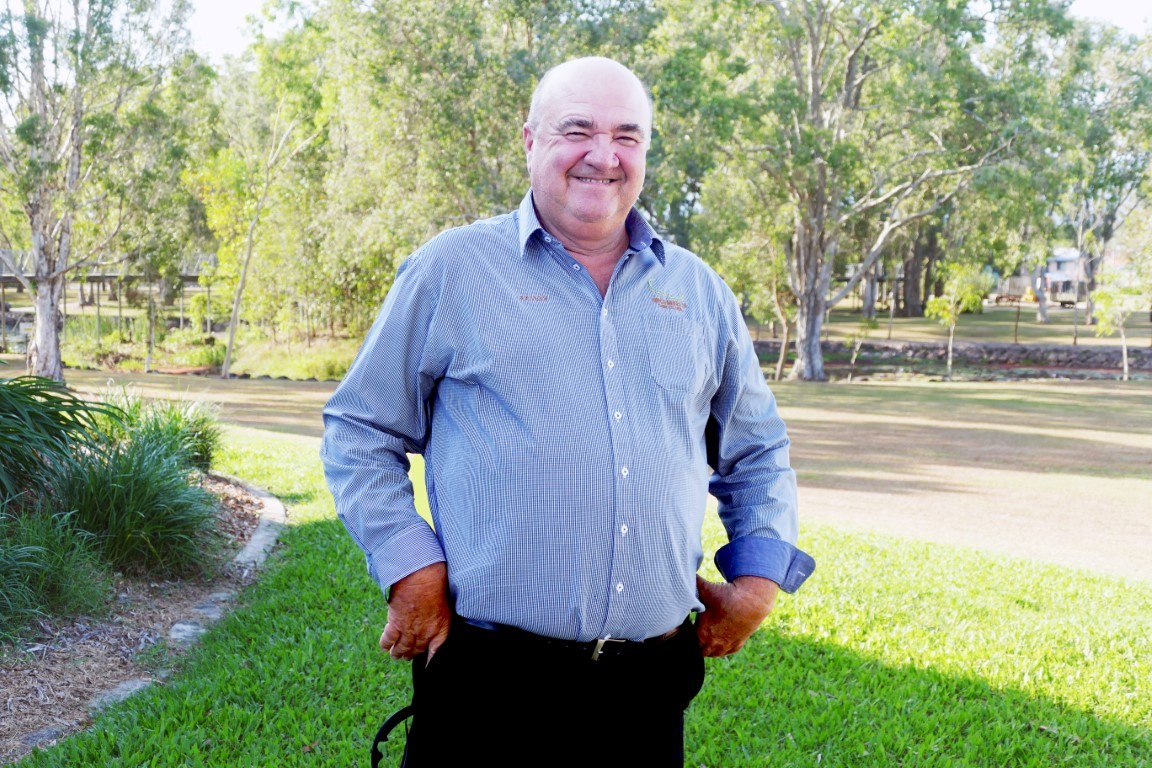
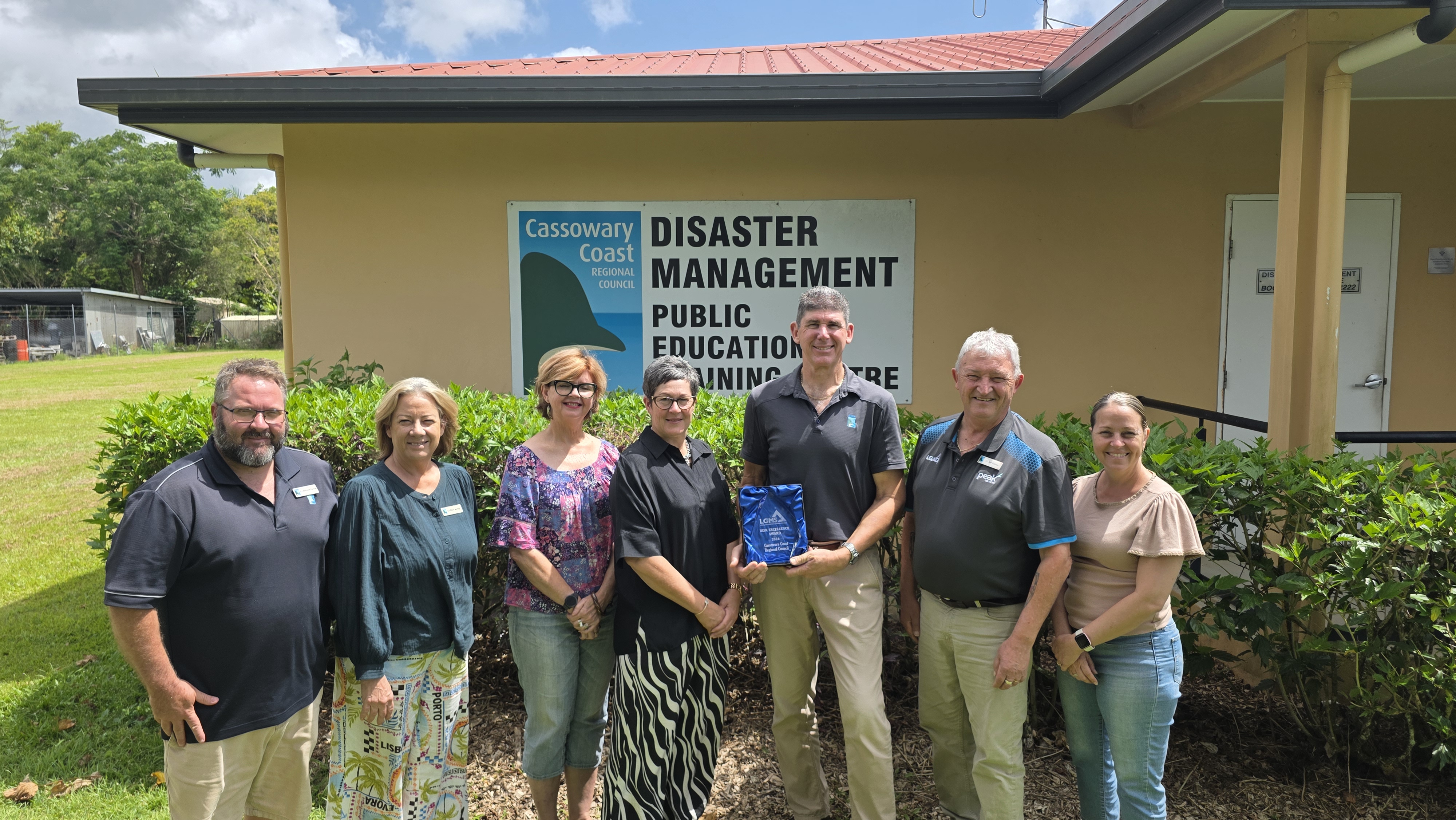
Last Tuesday, I joined six other Queensland Mayors to visit Federal Minister Kristy McBain in Melbourne to protest against the proposed changes to Disaster Relief Funding arrangements.
The proposed changes will essentially see a reduction in the amount of funds that the Federal Government will contribute to disaster response and recovery, to the tune of 25 per cent.
Calculated on average over the past nine years, during which we have experienced five declared events, that means a loss of $2 million per annum. That is a significant amount of money for a small council such as ours.
Federal Minister Kristy McBain was in Melbourne attending the National Emergency Management Ministers' Meeting together with all other state emergency ministers, and we took the opportunity to ensure that all state ministers, not just those in Queensland, are aware of the severity of the issue facing Queensland as the most disaster-prone state in Australia.
It is not fair for the level of government that receives the most taxation revenue in Australia, at 80 per cent, to slash its contribution to helping communities recover and put the burden on the states, which account for 17 per cent of all taxation revenue, or onto councils when our sector collects just three per cent.
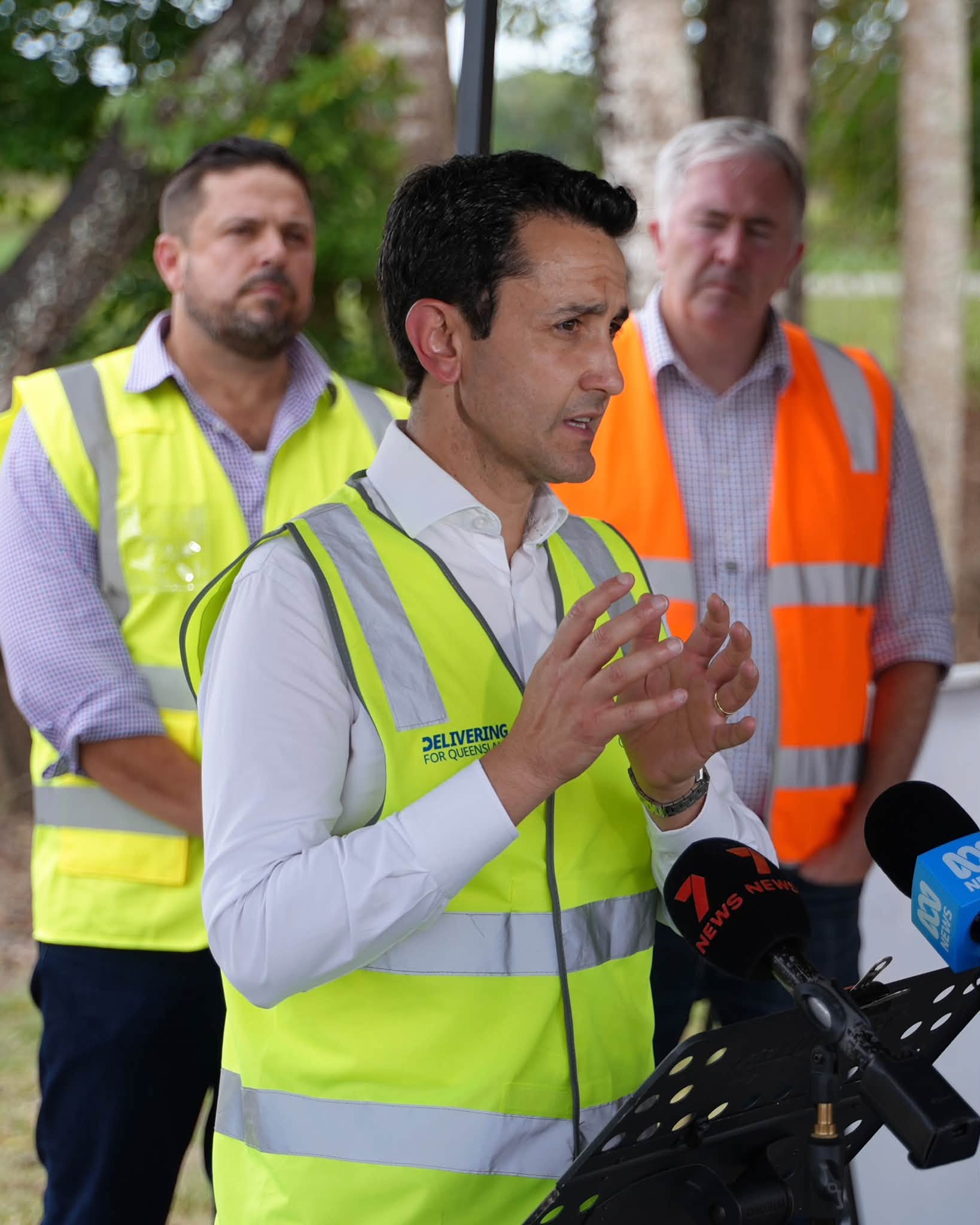
And when there is less money coming from Canberra, that means local ratepayers will carry more of the burden, with less money available for other critical programs. Premier David Crisafulli has already indicated during Senate estimates that the State of Queensland is not in a position to pick up the loss of revenue for recovery programs resulting from reductions by the Federal Government.
The other critical matter is raising the threshold for when disaster relief kicks in. At the moment, relief kicks in when the costs to respond to and recover from a disaster exceed $240,000.
Under the new arrangements, federal funding will not be activated until costs exceed $2.7 million. This alone will leave small communities such as ours without critical support.
It is, however, pleasing to note that in Queensland we do have bipartisan support against the proposed changes, with both the State Government and the State Opposition publicly opposing the changes.
Publishers Indemnity. Any individual or entity that places advertising, supplies copy material, or submits editorial content to Life Publishing agrees and undertakes to ensure that all such material:- Does not infringe upon any copyright, trademark, or other intellectual property rights;- Is free from any content that could be considered defamatory, libelous, or slanderous;- Does not infringe upon any rights related to privacy or breach of confidence;- Contains no obscene, indecent, or otherwise unlawful material;- Complies fully with the Trade Practices Act and all other applicable laws, regulations, or statutes. Furthermore, by submitting or placing such material, these individuals or entities agree to indemnify and hold harmless the publisher, Life Publishing and Events Pty Ltd, and/or its agents from and against any and all investigations, claims, demands, liabilities, damages, costs, or judgments arising out of or in connection with the material provided. All material is believed to be accurate at the time of printing and remains the copyright of Life Publishing and Events Pty Ltd.
© 2026 Life Publishing Group Ltd.