Independently Owned, Locally Grown, Community Loved

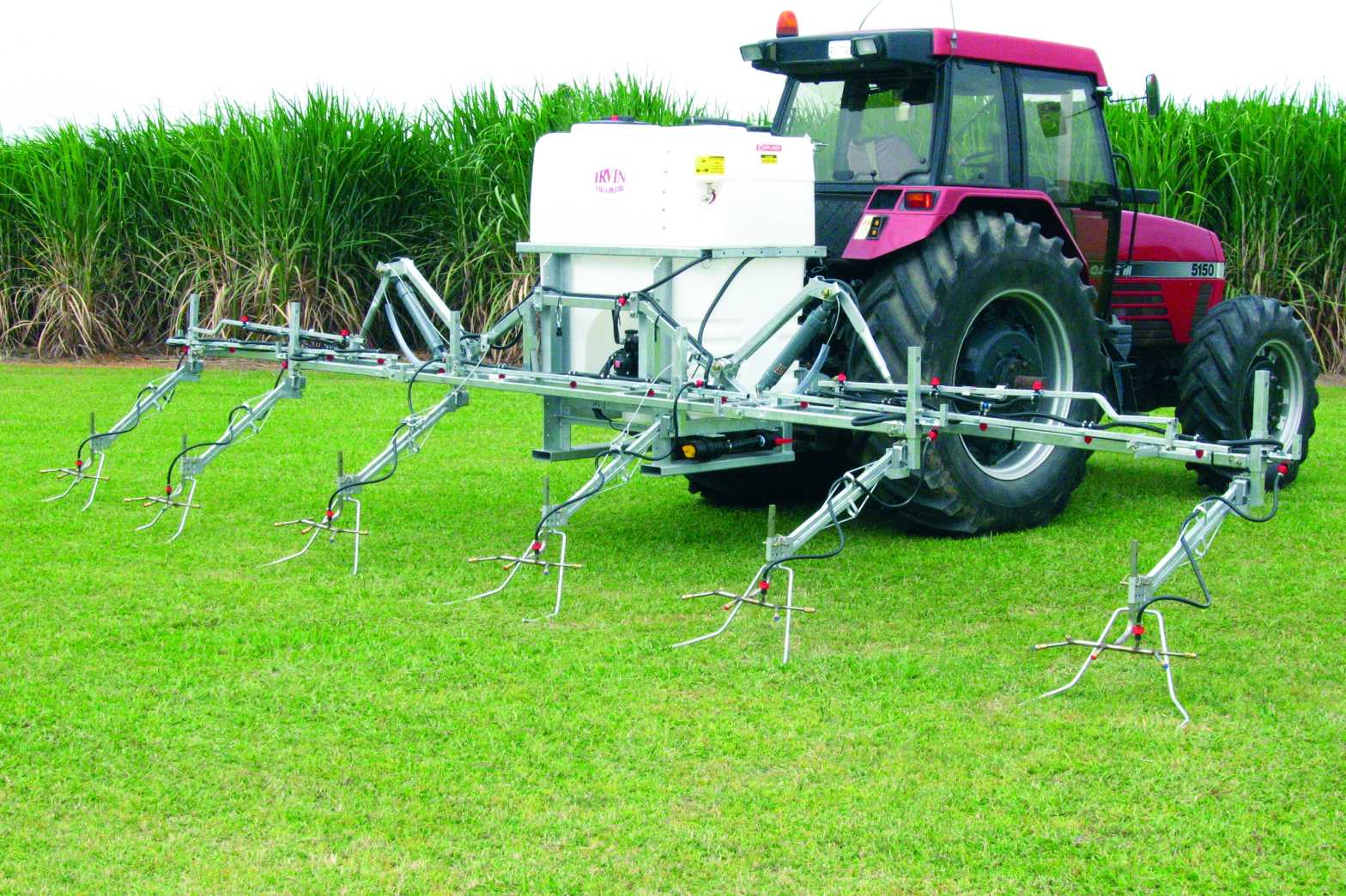
The Queensland sugarcane industry has launched a push to secure the evidence needed to restore paraquat access in cane production, with industry groups warning the herbicide’s removal could leave growers without effective weed-control options. Photo sourced: CANEGROWERS.
Hinchinbrook sugarcane growers are among those watching closely as Queensland’s cane industry pushes for a pathway to retain access to paraquat, following a decision that has removed sugarcane from the herbicide’s revised labels.
The Australian Pesticides and Veterinary Medicines Authority (APVMA) made its final decision in June after reviewing paraquat and diquat, finding new restrictions were necessary because of risks associated with the chemicals. While paraquat remains available for a range of uses, its approved use in sugarcane is no longer supported under the new labels.
The decision has particular implications for the Herbert River region, where sugarcane is a major part of the local economy and growers rely on effective weed-management tools throughout the growing season.
Industry bodies say paraquat remains an important tool for early-season weed control and minimum-tillage farming. CANEGROWERS and Sugar Research Australia have sought a one-year emergency permit that would allow growers to purchase and use paraquat under previous label conditions, subject to appropriate safeguards.
Under the APVMA decision, paraquat products carrying labels approved before June 22nd 2026 can continue to be supplied and used until June 22nd 2028. However, growers are limited to the existing supply of those products while the industry works towards alternatives.
Queensland Cane Agriculture and Renewables (QCAR) has now joined the push, working with SRA to establish a cross-industry technical working group to investigate the evidence required by the regulator.
QCAR General Manager Tara Malapass said paraquat remained one of the few effective options for early-season weed control and that its removal from in-crop use had significant implications for growers.
The APVMA’s decision was driven by an unresolved assessment relating to birds. QCAR said historical data on bird interactions with paraquat use in cane did not provide the specific evidence required by the regulator, making further research a priority.
The proposed technical group will bring together specialists in chemistry, regulation, agronomy, ecology, spray technology and cropping systems, with other agricultural industries also facing similar challenges expected to contribute.
For Hinchinbrook growers, the outcome could shape the weed-management options available in future seasons as the industry works to develop and register alternatives.
QCAR has stressed there is no guarantee paraquat will regain approval for sugarcane, but said it would pursue every viable avenue while keeping growers informed as the process progresses.
Publishers Indemnity. Any individual or entity that places advertising, supplies copy material, or submits editorial content to Life Publishing agrees and undertakes to ensure that all such material:- Does not infringe upon any copyright, trademark, or other intellectual property rights;- Is free from any content that could be considered defamatory, libelous, or slanderous;- Does not infringe upon any rights related to privacy or breach of confidence;- Contains no obscene, indecent, or otherwise unlawful material;- Complies fully with the Trade Practices Act and all other applicable laws, regulations, or statutes. Furthermore, by submitting or placing such material, these individuals or entities agree to indemnify and hold harmless the publisher, Life Publishing and Events Pty Ltd, and/or its agents from and against any and all investigations, claims, demands, liabilities, damages, costs, or judgments arising out of or in connection with the material provided. All material is believed to be accurate at the time of printing and remains the copyright of Life Publishing and Events Pty Ltd.
© 2026 Life Publishing Group Ltd.