Independently Owned, Locally Grown, Community Loved

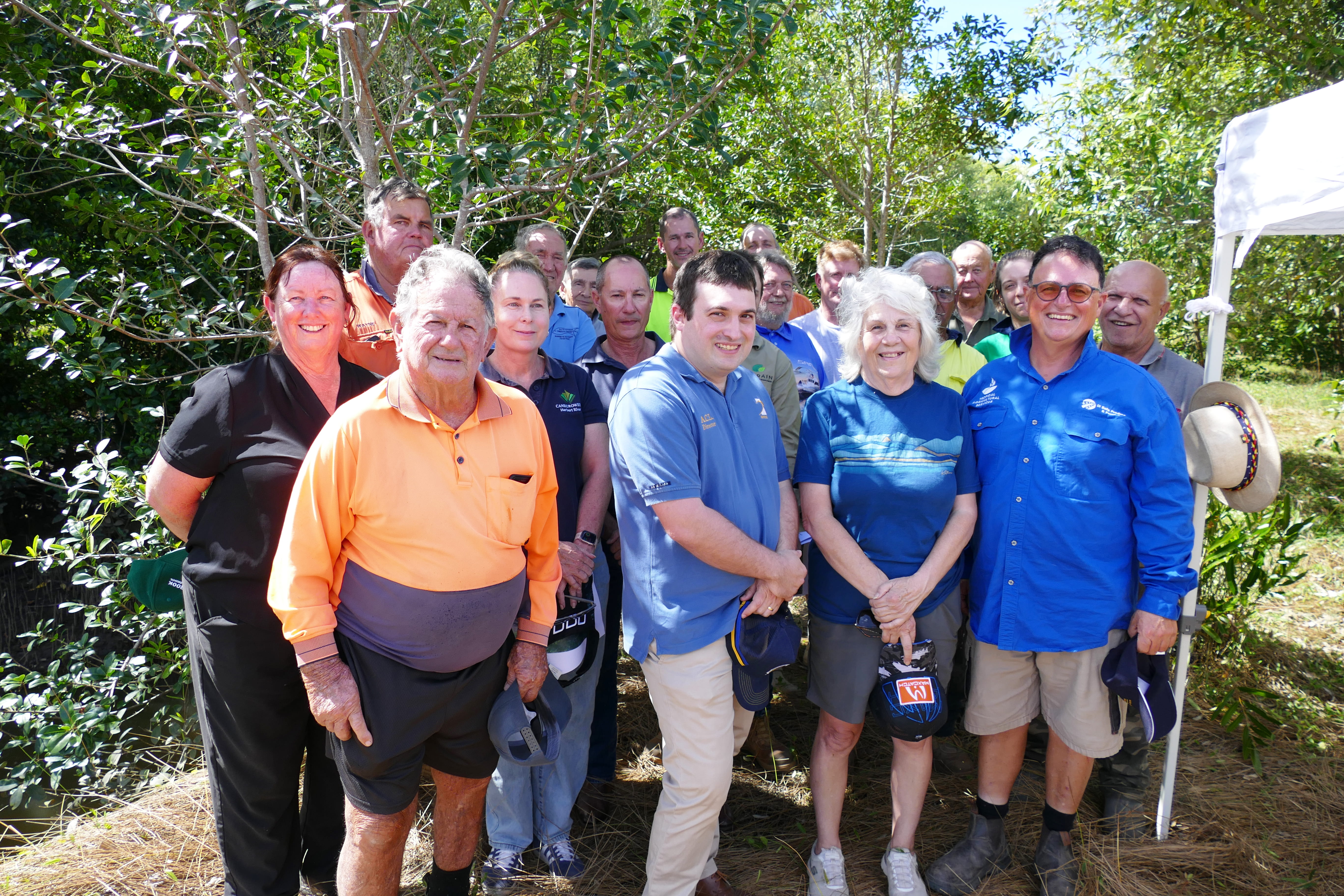
Many stakeholders gathered to discuss the project, from local farmers, industry representatives, contractors, Traditional Owners, and supporters of the project. Photo credit: Victoria Velton
By Victoria Velton
A collaborative project at the Halifax Rifle Range Drain is aiming to tackle sediment, improve drainage and create a model for future waterway works across the Hinchinbrook region.
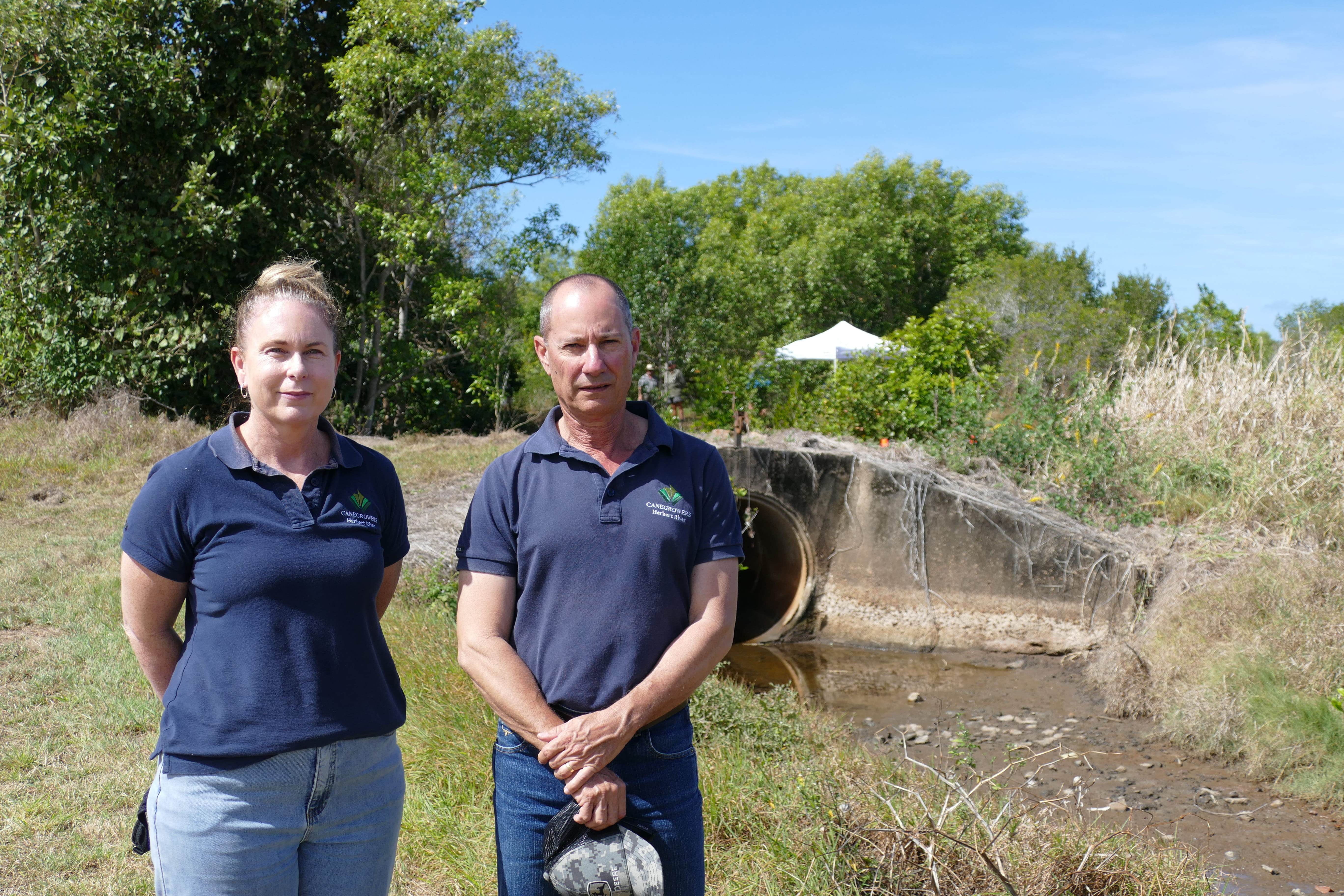
The drain sits at the interface between farming land, Halifax township, government land and mangrove wetlands, carrying water from across the surrounding area towards the coast.
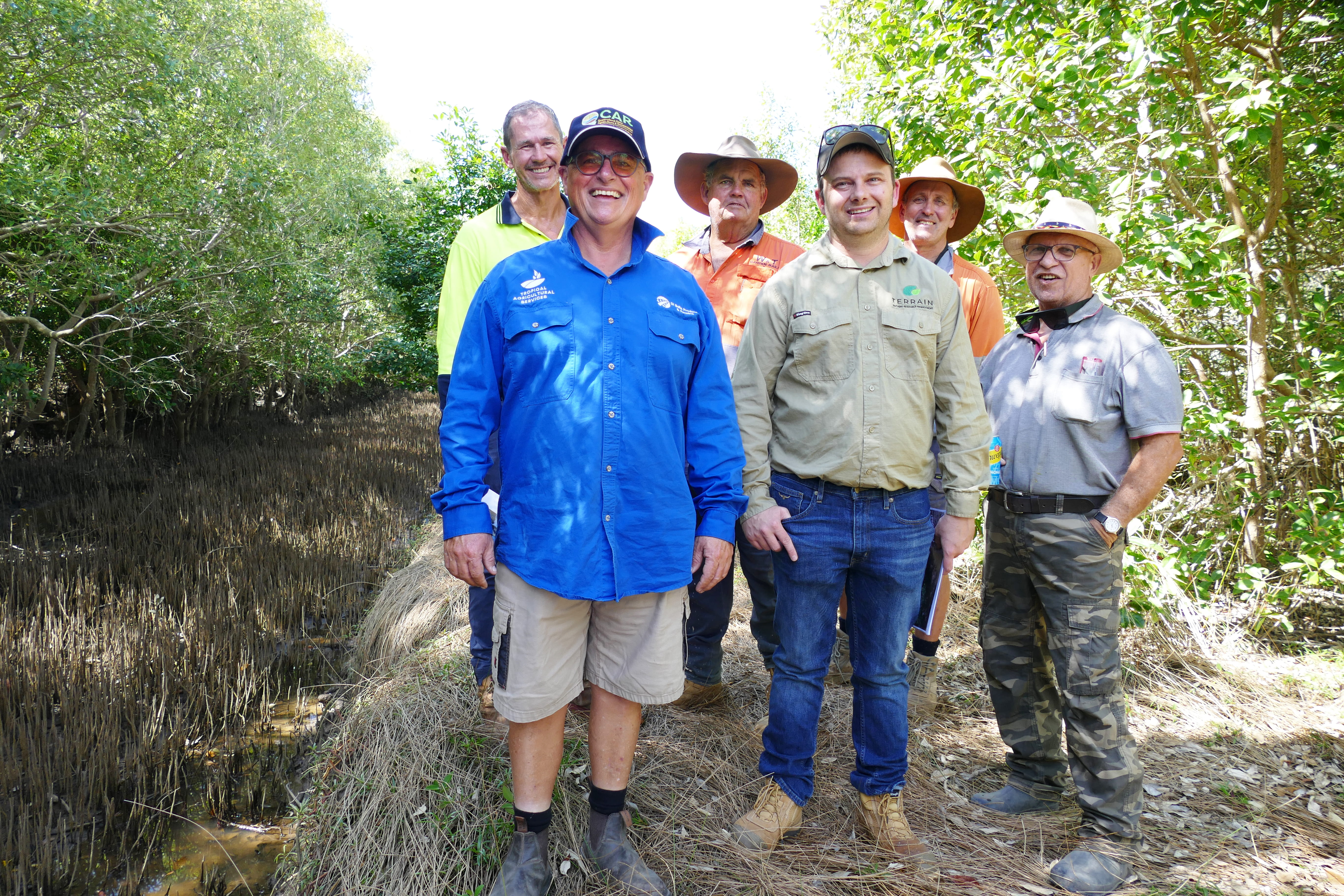
The planned works will focus on removing significant sediment build-up along approximately 280 metres of the drain, improving water flow and reducing the impacts of flooding while also supporting fish passage and aquatic habitat.
The project has brought together local farmers, Hinchinbrook Shire Council, the Herbert River Improvement Trust, Traditional Owners, contractors, government representatives and Terrain NRM, which has provided funding through the Herbert Integrated Project.
Councillor and Cane Farmer Andrew Carr said the project had the potential to extend well beyond Halifax.
“This is going to be one of the four showcase projects that we’ve identified as our priorities,” Cr Carr said.
“But if we can get this right, it can become business as usual, and not just for us.”
The aim is to closely monitor the project and document its results, creating a blueprint that can be applied to other drainage systems facing similar challenges.
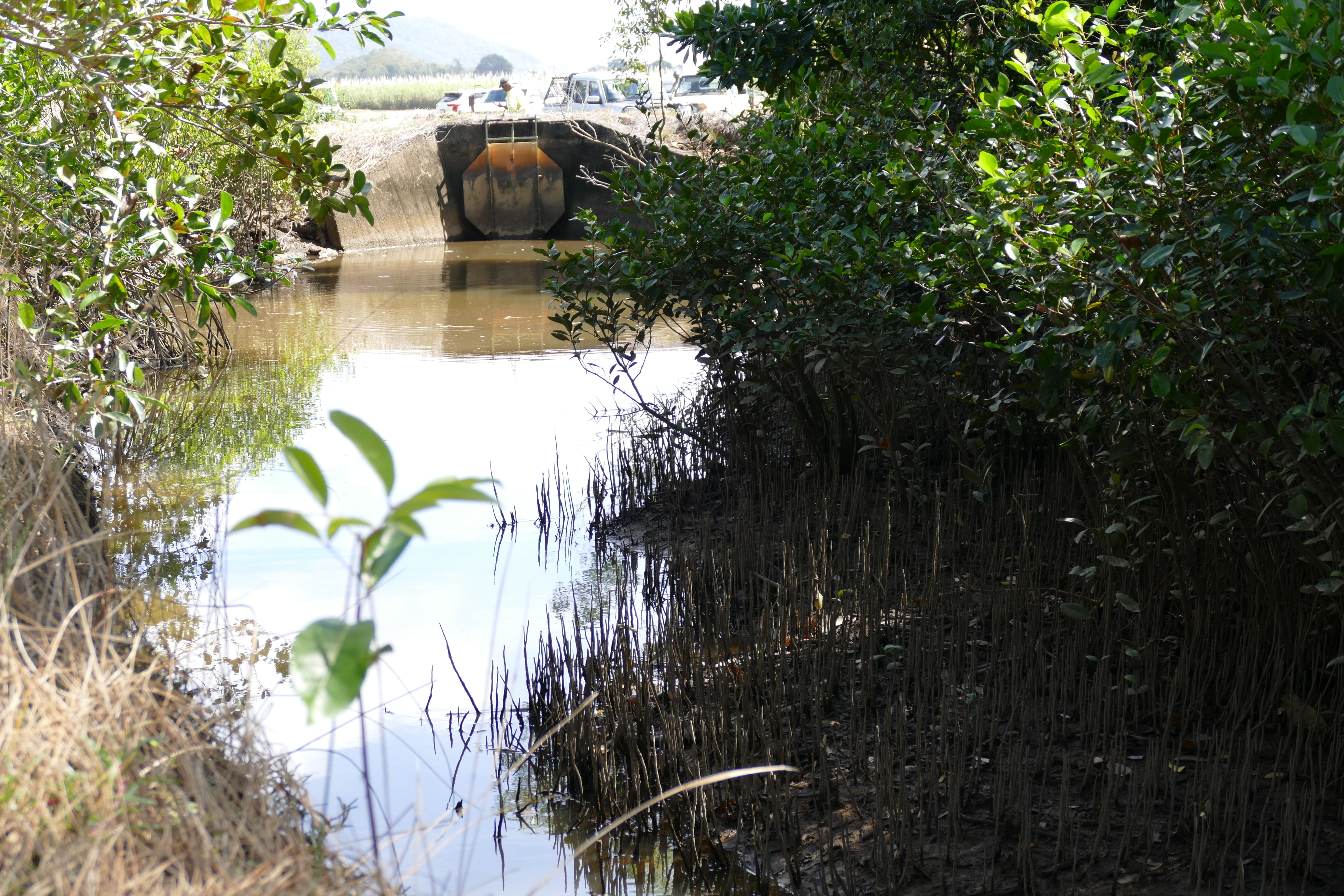
Lawrence Di Bella, Tropical Agricultural Services Consultant, QCAR representative, local farmer and project stakeholder, said the benefits would extend across the ecosystem. The work is intended to establish a more practical approach to maintenance, with regular pruning and sediment management helping prevent the drain from returning to its current condition. Di Bella said he had seen the difference after previous works on the drain from 12 years ago.
“The prawns and the fish that were in here six months later were so lively… it was actually nice to come back six months later and see the system was working really well.”
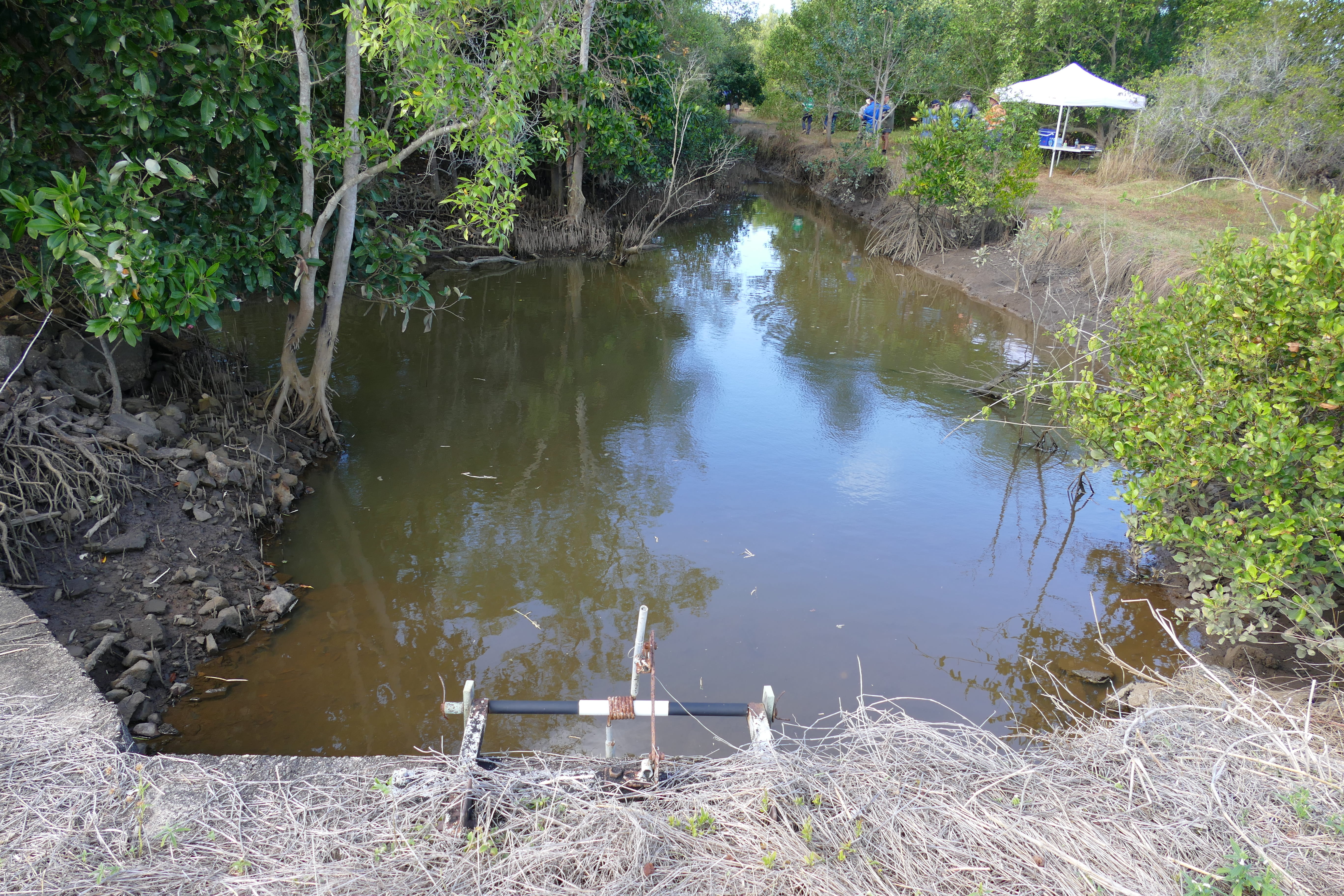
Traditional Owners have also been involved in planning, ensuring the project can provide a consistent approach across connected waterways and communities. The representatives said the partnership was important because “everything flows north”, with lessons from the Halifax project potentially benefiting communities from Cardwell to Tully and Mission Beach.
Di Bella said funding from Terrain NRM had been critical to getting the project underway.
“I’d like to thank Terrain NRM for funding this because without the funding, this project wouldn’t be happening,” he said.
.jpg)
Terrain NRM representative Jamie said the project could provide a valuable example for future sites.
“That would be good to get an example transferable over to the other sites, because as you (Di Bella) mentioned, this is a pretty common issue,” Jamie said.
Cr Carr said the project’s results could ultimately be used well beyond Hinchinbrook.
“We will be doing a heap of monitoring on this site, and we’re going to write this site up as a scientific paper,” he said.
“That’s what governments look at: they want sound science to base decisions on.”
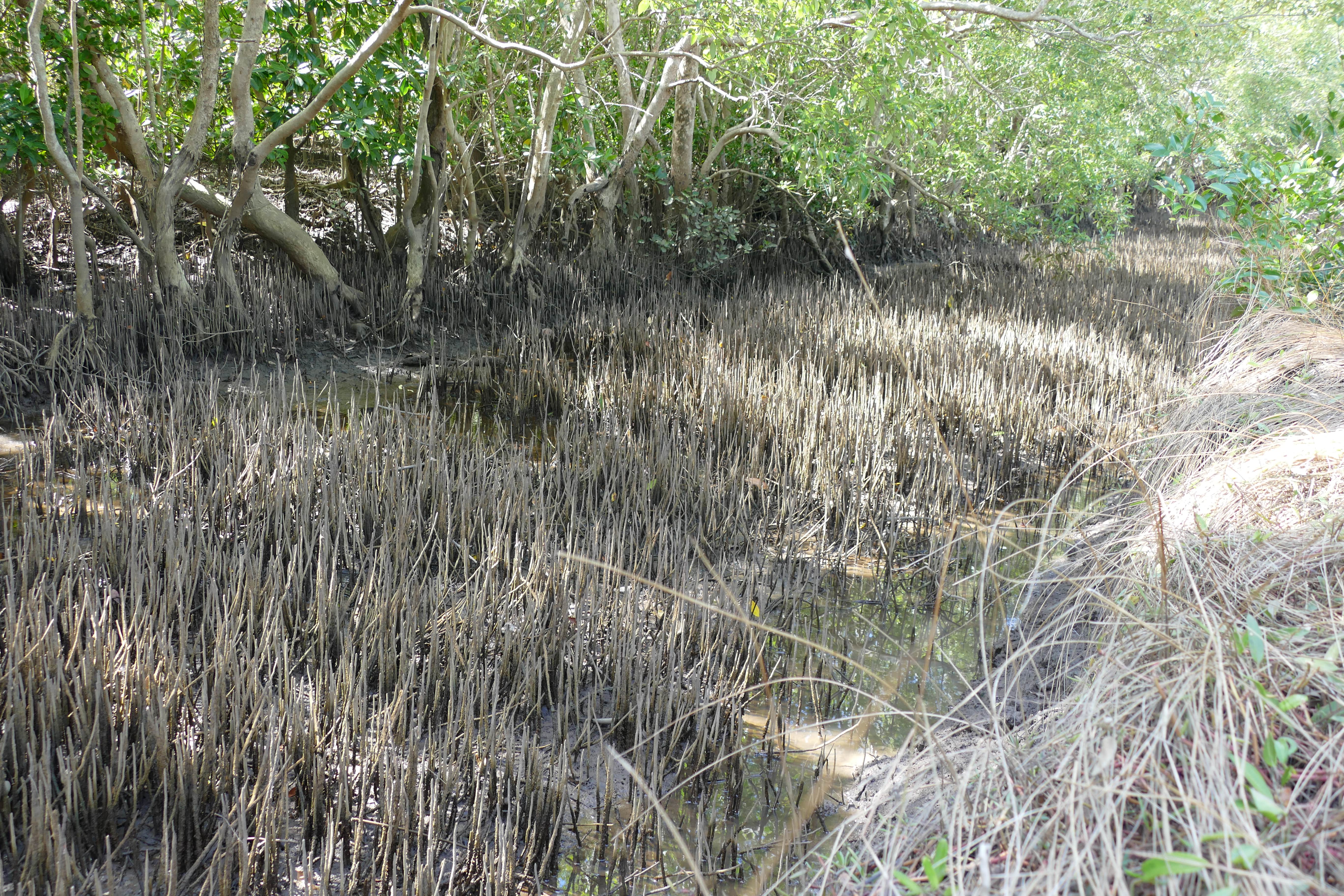
With multiple stakeholders and community representatives now working from the same plan, the Rifle Range Drain could become a practical demonstration of how coordinated drainage, farming, flood management and environmental priorities can work together. For the project partners, that combination of improved drainage, healthier waterways and better coordination is the ultimate goal, with the hope that what is learned at Halifax can help shape drainage solutions throughout the wider Herbert catchment and beyond.
Publishers Indemnity. Any individual or entity that places advertising, supplies copy material, or submits editorial content to Life Publishing agrees and undertakes to ensure that all such material:- Does not infringe upon any copyright, trademark, or other intellectual property rights;- Is free from any content that could be considered defamatory, libelous, or slanderous;- Does not infringe upon any rights related to privacy or breach of confidence;- Contains no obscene, indecent, or otherwise unlawful material;- Complies fully with the Trade Practices Act and all other applicable laws, regulations, or statutes. Furthermore, by submitting or placing such material, these individuals or entities agree to indemnify and hold harmless the publisher, Life Publishing and Events Pty Ltd, and/or its agents from and against any and all investigations, claims, demands, liabilities, damages, costs, or judgments arising out of or in connection with the material provided. All material is believed to be accurate at the time of printing and remains the copyright of Life Publishing and Events Pty Ltd.
© 2026 Life Publishing Group Ltd.