Independently Owned, Locally Grown, Community Loved


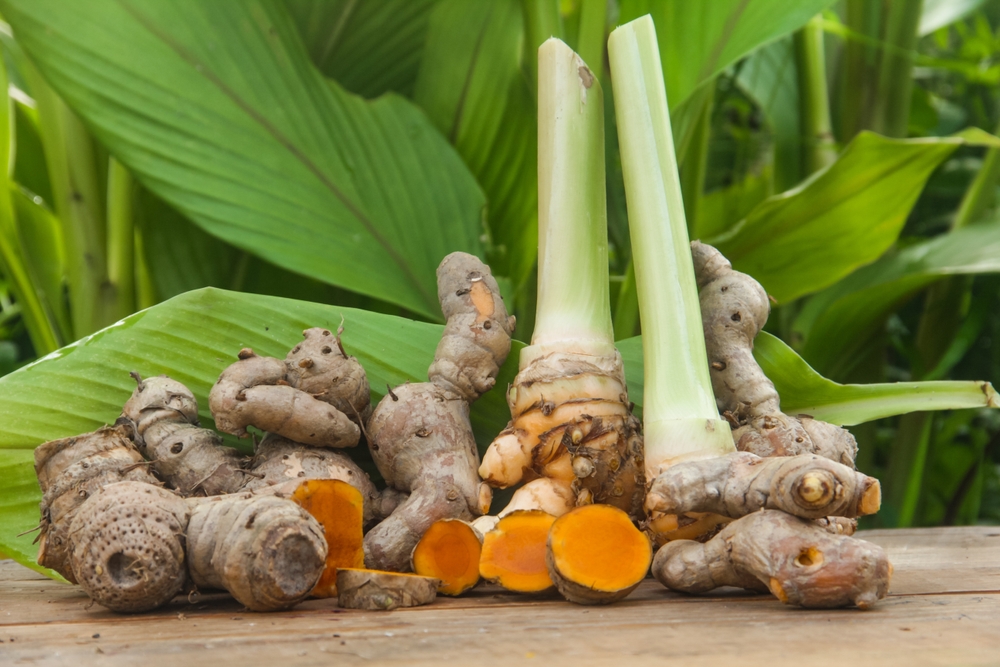
Tumeric Photo sourced: Shutterstock
By Joe Bond — The Honest Garden, Forrest Beach
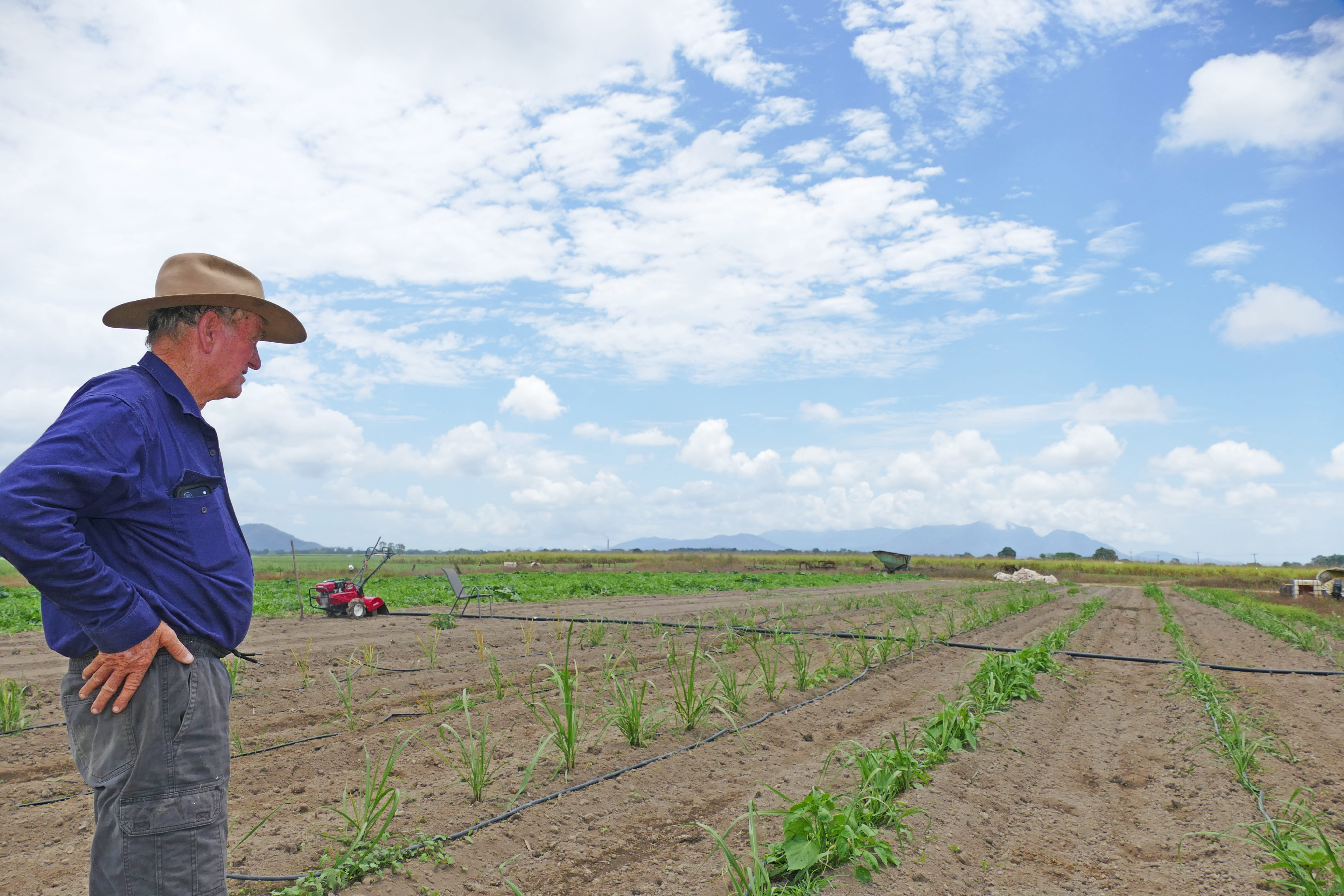
From a little piece of rhizome to a beautiful harvest - There is something pretty amazing about growing ginger and turmeric - you plant what looks like a rather unimpressive little piece of root into the ground, wait patiently, and months later you can dig it up to discover a whole collection of beautiful new rhizomes underneath the soil. Here at The Honest Garden in Forrest Beach, ginger and turmeric have become part of our tropical garden.
Ginger and turmeric aren’t technically roots, classified as rhizomes, which are underground stems. When you buy fresh ginger or turmeric, you can often see little buds or “eyes” on the rhizome. These are the growing points. Rather than planting the whole piece, you can cut a healthy rhizome into sections, making sure each piece has at least one or two good growing buds. Allow freshly cut pieces to dry for a day or two before planting. This can help reduce the chance of the cut surface rotting once it is in the soil.
Our North Queensland climate is particularly suited to growing ginger. Ginger loves warmth, moisture and rich, well-drained soil. It doesn’t want to sit in waterlogged ground, but it also doesn’t like being allowed to dry out completely. Choose a warm position with good light. Ginger can tolerate some shade and, in our hot tropical climate, some protection from the harshest afternoon sun can be beneficial. Plant the rhizomes only a few centimetres below the surface, with the growing buds facing upwards. Then comes the hard part… Be patient!
Turmeric enjoys very similar conditions to ginger. Plant healthy turmeric rhizomes in rich, well-drained soil, with the buds facing upwards. Keep the soil consistently moist while the plant is actively growing. Turmeric produces beautiful green foliage and, given enough time, develops a lovely underground crop. It can also be grown in containers, provided the container is large enough to allow the rhizomes to spread and has good drainage.
One of the most important things we have learnt at The Honest Garden is that healthy plants start with healthy soil. Adding well-made compost or other suitable organic matter to the soil before planting can help improve its structure and provide nutrients. This is where composting and gardening really come together.
It is a wonderful natural cycle — from garden, to kitchen, back to garden again.
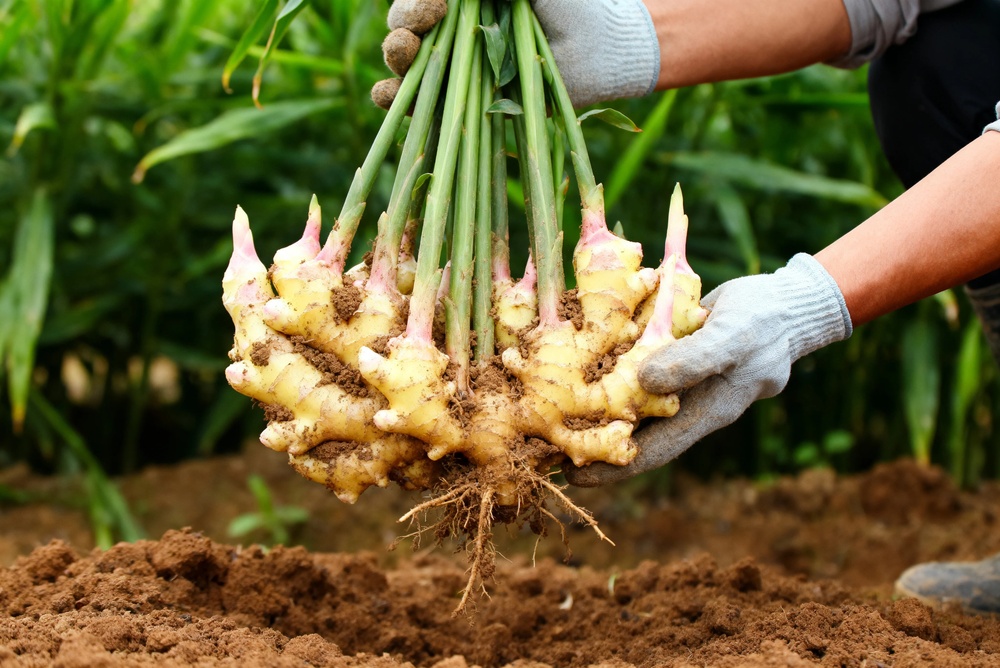
This is probably the hardest part of growing ginger and turmeric. You have to wait. Both plants spend a lot of their growing season developing their underground rhizomes while the foliage grows above the ground. As the growing season comes to an end, the leaves will naturally start to yellow and die back. This is a good indication that the plant is moving towards dormancy and the rhizomes may be ready to harvest. You can harvest younger ginger earlier if you prefer tender ginger, while allowing it to mature for longer produces a stronger, more developed rhizome. Turmeric is generally left to mature before harvesting.
Harvesting is like opening a little treasure chest. Carefully loosen the soil around the plant and lift the rhizomes from the ground. Brush away the excess soil and separate what you want to use immediately from healthy pieces that you might like to keep for planting the following season.
And this is one of the best things about growing ginger and turmeric — you can save some of your harvest to grow your next crop.
A Few Simple Tips
Growing ginger and turmeric is a great example of how gardening doesn’t always have to be complicated. You don’t need a huge garden. You don’t need expensive equipment. You only need a healthy piece of rhizome, good soil, warmth, water and a little patience. And when you finally dig beneath those leaves and uncover a beautiful crop of fresh ginger or turmeric, there is something incredibly satisfying about knowing you grew it yourself. So, if you’ve got a spare corner of your garden, why not give ginger or turmeric a go? You might just dig up a little tropical treasure of your own.
Publishers Indemnity. Any individual or entity that places advertising, supplies copy material, or submits editorial content to Life Publishing agrees and undertakes to ensure that all such material:- Does not infringe upon any copyright, trademark, or other intellectual property rights;- Is free from any content that could be considered defamatory, libelous, or slanderous;- Does not infringe upon any rights related to privacy or breach of confidence;- Contains no obscene, indecent, or otherwise unlawful material;- Complies fully with the Trade Practices Act and all other applicable laws, regulations, or statutes. Furthermore, by submitting or placing such material, these individuals or entities agree to indemnify and hold harmless the publisher, Life Publishing and Events Pty Ltd, and/or its agents from and against any and all investigations, claims, demands, liabilities, damages, costs, or judgments arising out of or in connection with the material provided. All material is believed to be accurate at the time of printing and remains the copyright of Life Publishing and Events Pty Ltd.
© 2026 Life Publishing Group Ltd.