Independently Owned, Locally Grown, Community Loved

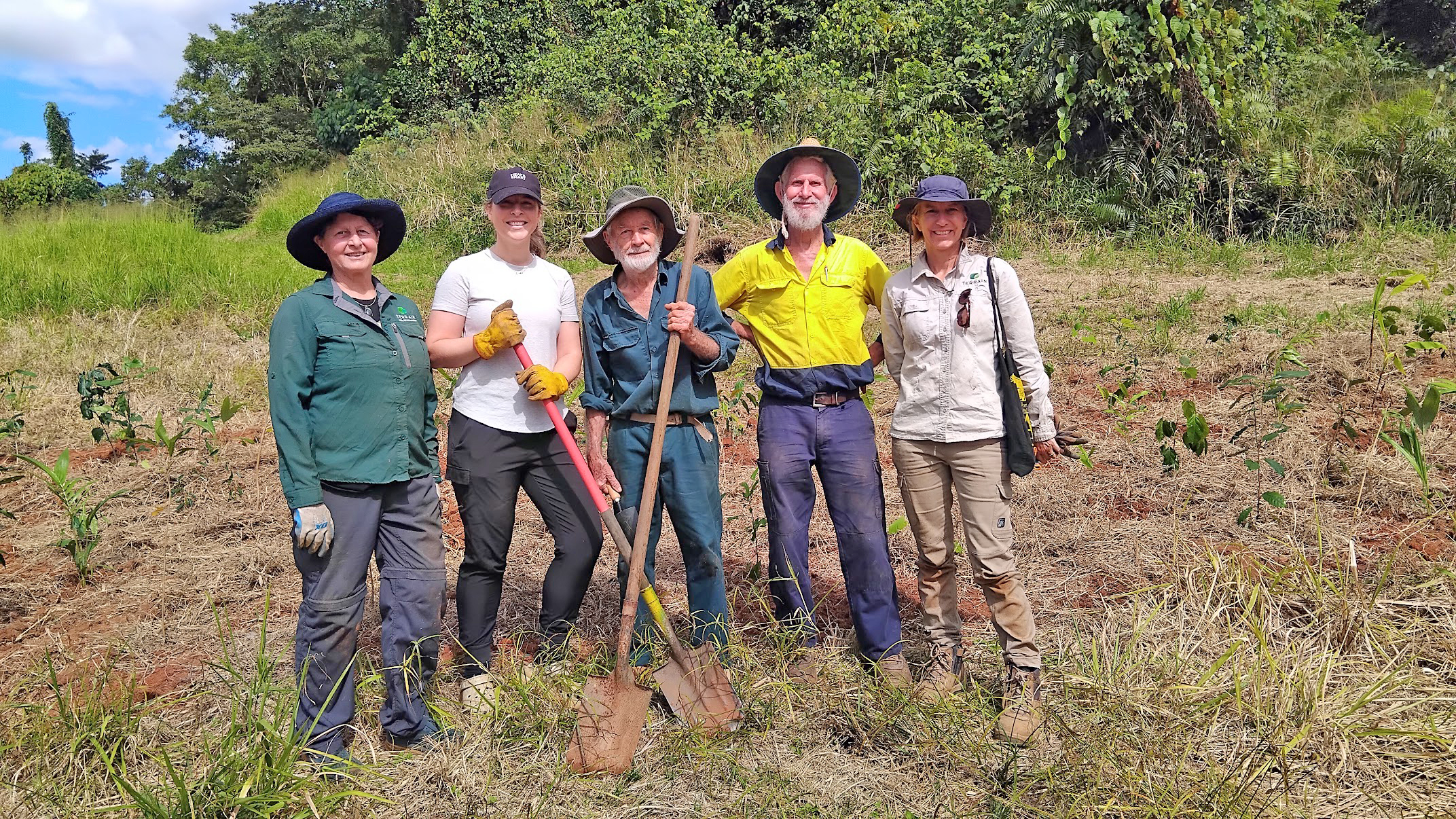
Terrain Member with Kate Blank C4 Habitat Coordinator, Peter Trotts Nursery Coordinator(Centre) and Peter Rowles C4 President with Sponsor Terrain. Photo Credit Madeleine Beekman
After six years of dedicated restoration, Community for Coastal & Cassowary Conservation (C4) has entered the final stage of revegetating the 16-hectare Gurrbum Nature Reserve, transforming land once overrun by invasive guinea grass into a thriving native habitat.
With just six planting beds remaining, the first trees of the final stage were planted on Saturday, July 17, by a team of 20 volunteers.
“It’s getting close to completion,” said C4’s President Peter Rowles.
“This is the second-last planting. This area adjoins remnant rainforest and a creek where the revegetation work will have a great impact. We’ve gone from solid guinea grass to trees.”
Restoration work began in January 2020 and, in partnership with the Queensland Trust for Nature (QTFN), C4 secured the property as a protected Nature Refuge, safeguarding it from future development.
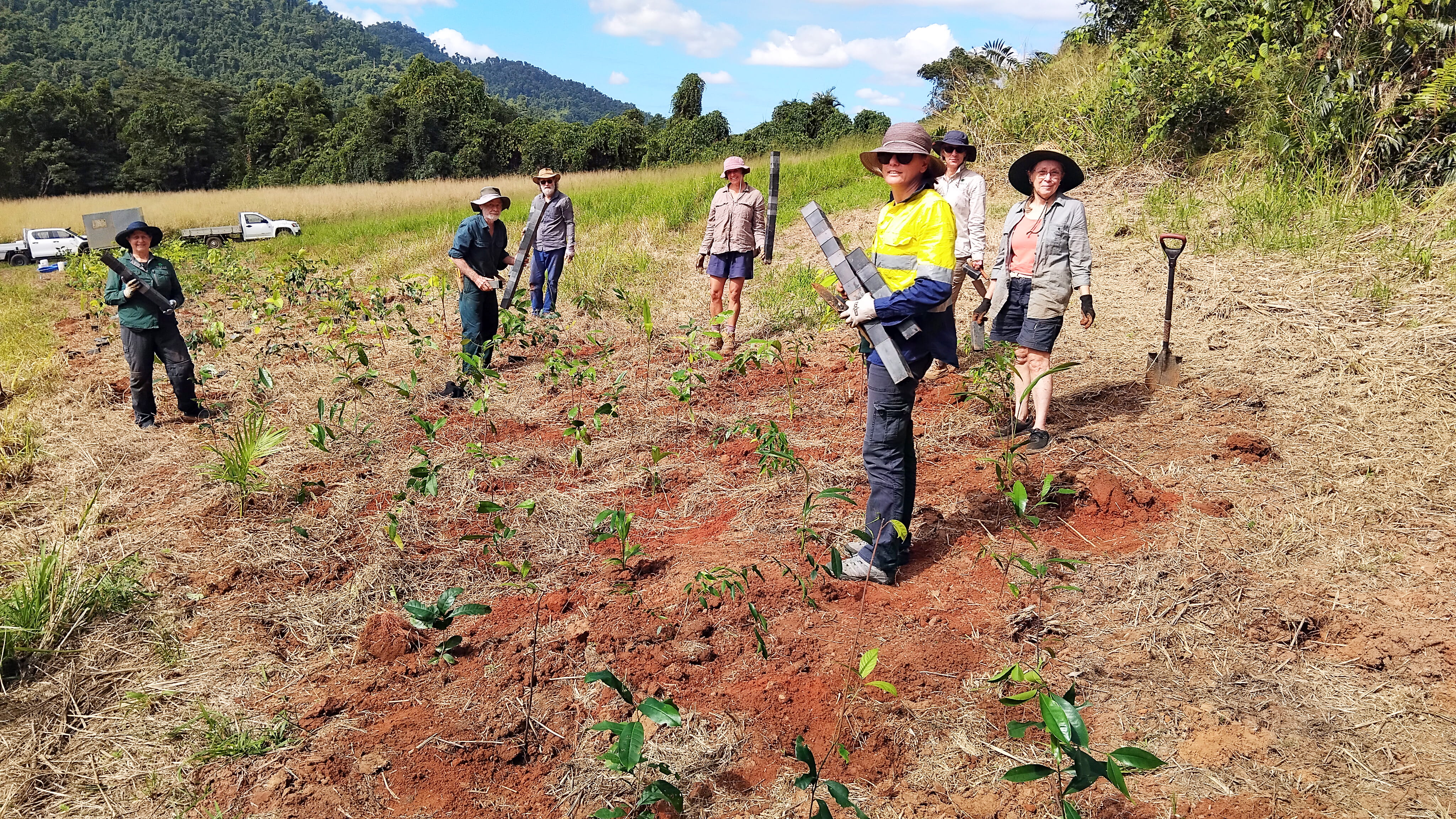
Throughout the years their work has been supported by volunteers and sponsors.
The latest planting has been funded through Terrain Natural Resource Management's Green Connections Project, supported by a $2 million Queensland Government investment in forest restoration to expand wildlife corridors and reconnect forests from the Daintree to Ingham.
The Guurbum Reserve sits within the Smiths Gap which is a strategic location for connectivity across the landscape.
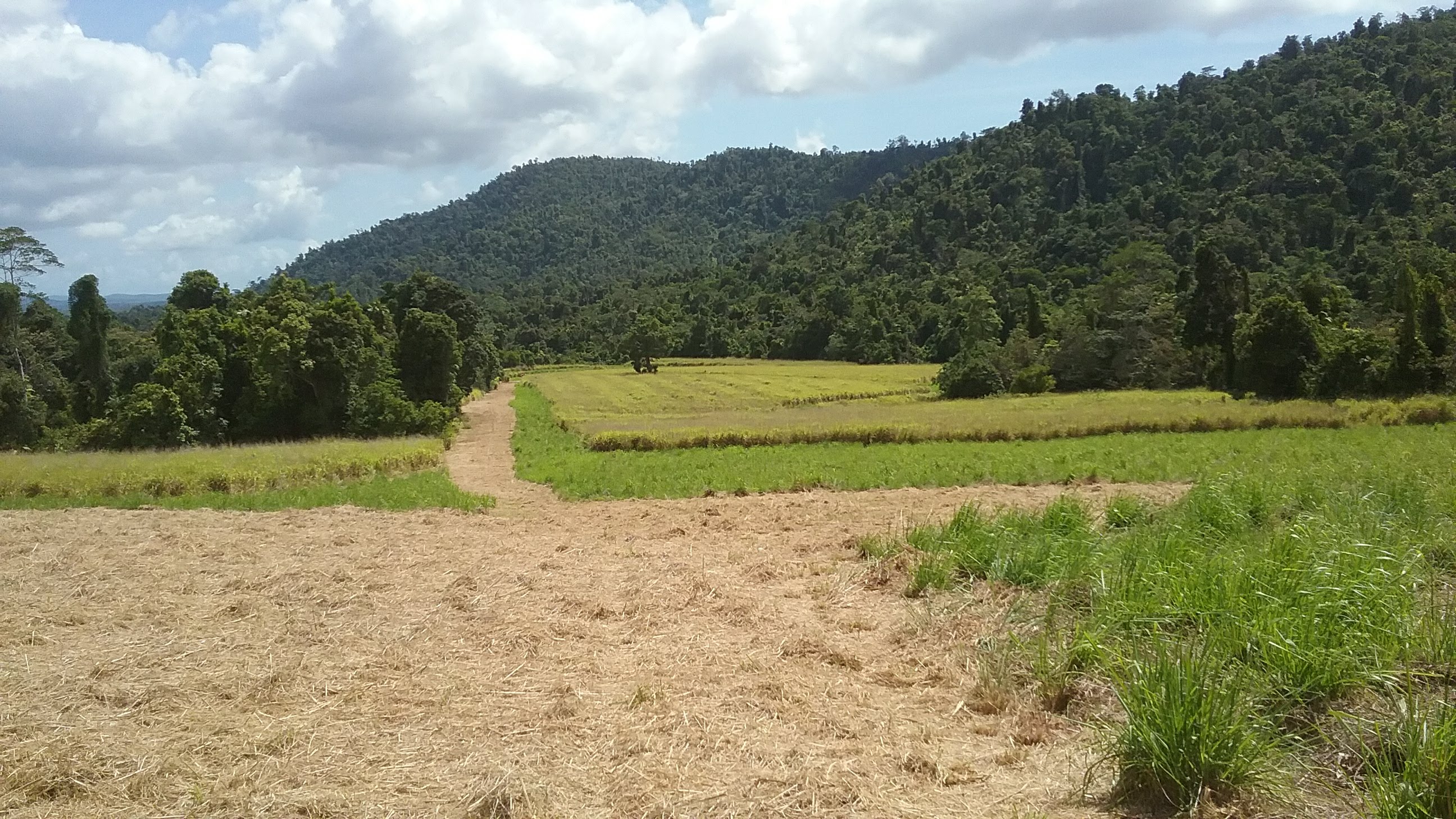
“It’s at a pinch-point in Smith’s Gap – the longest and widest rainforest corridor in Australia. This corridor links the coast, at Mission Beach, with the ranges,” shared Terrain NRM’s Tony O’Malley
The restored reserve will act as a vital passage for the endangered Cassowary and other native species.
It will connect Japoon National Park, Tully Gorge National park and the Walter Hill Range Conservation Park. The work will ensure safe passage for Wildlife and will strengthen biodiversity across the region.
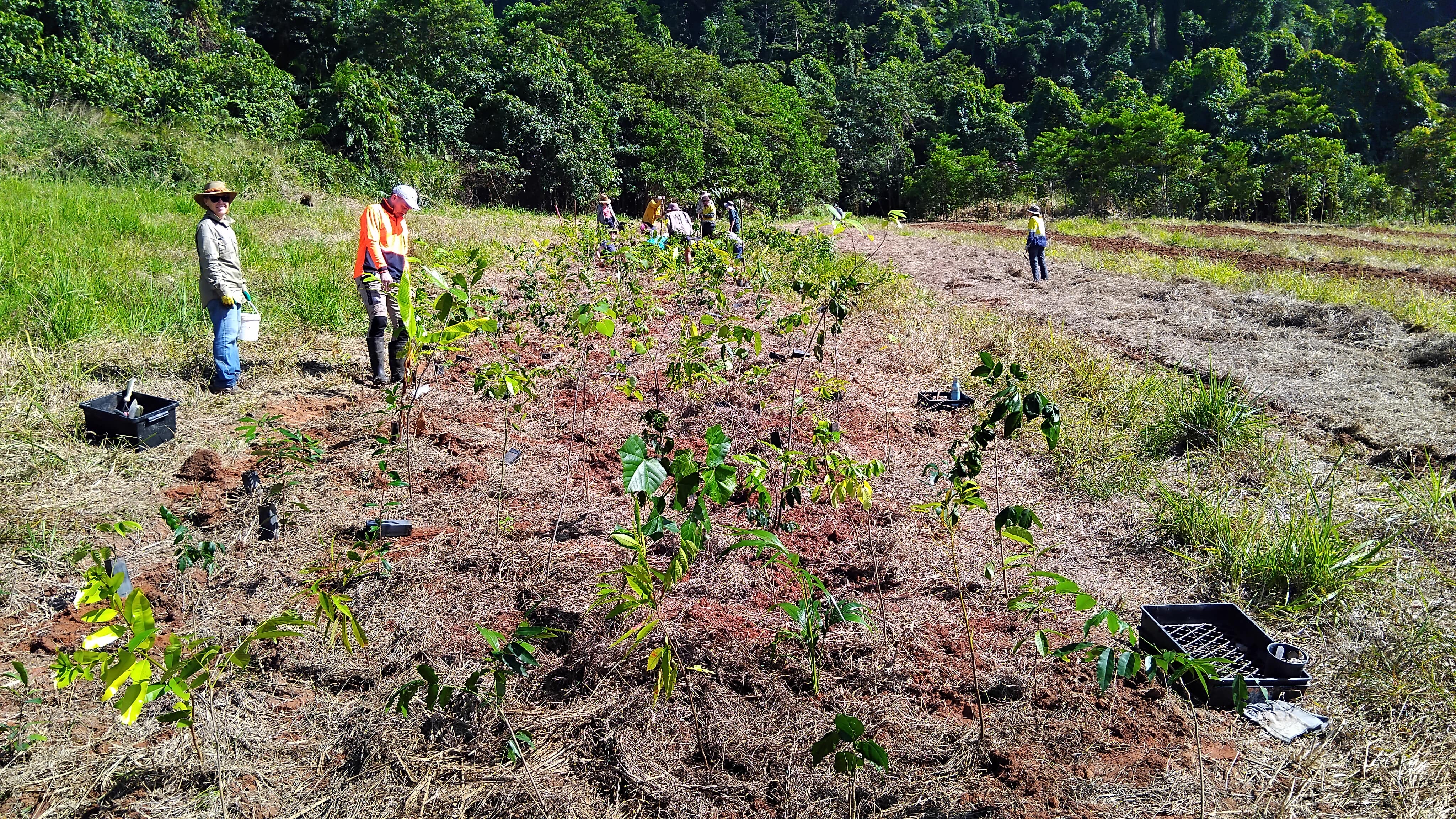
More than 6,500 native trees and plants have been installed since the project began.
“Each of the new trees were planted by hand as part of a dense planting layout. This method encourages rapid canopy formation, helping to suppress invasive weeds and reduce maintenance,” said Mr Rowles.
Madeleine Beekman, the secretary for C4 was part of the team planting the final stage.
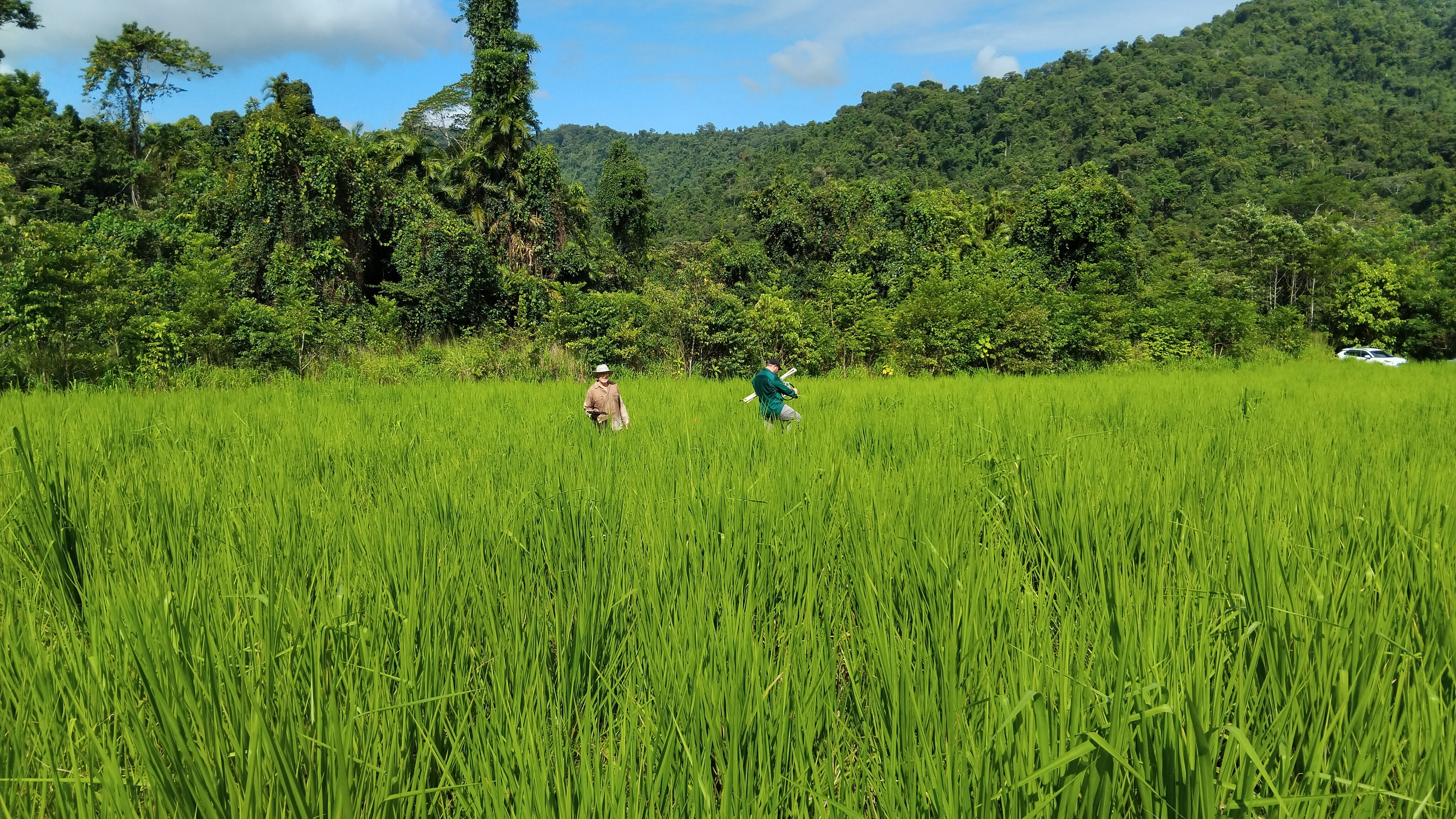
“On Saturday, we planted the first 800 trees of what will be the final stage of restoring the critical cassowary habitat,” she explained.
Over the last six years there have been a variety of people supporting the project by dedicating their time, resources or money. The final stage of planting is expected to be completed by the end of the month.
Publishers Indemnity. Any individual or entity that places advertising, supplies copy material, or submits editorial content to Life Publishing agrees and undertakes to ensure that all such material:- Does not infringe upon any copyright, trademark, or other intellectual property rights;- Is free from any content that could be considered defamatory, libelous, or slanderous;- Does not infringe upon any rights related to privacy or breach of confidence;- Contains no obscene, indecent, or otherwise unlawful material;- Complies fully with the Trade Practices Act and all other applicable laws, regulations, or statutes. Furthermore, by submitting or placing such material, these individuals or entities agree to indemnify and hold harmless the publisher, Life Publishing and Events Pty Ltd, and/or its agents from and against any and all investigations, claims, demands, liabilities, damages, costs, or judgments arising out of or in connection with the material provided. All material is believed to be accurate at the time of printing and remains the copyright of Life Publishing and Events Pty Ltd.
© 2026 Life Publishing Group Ltd.