Independently Owned, Locally Grown, Community Loved
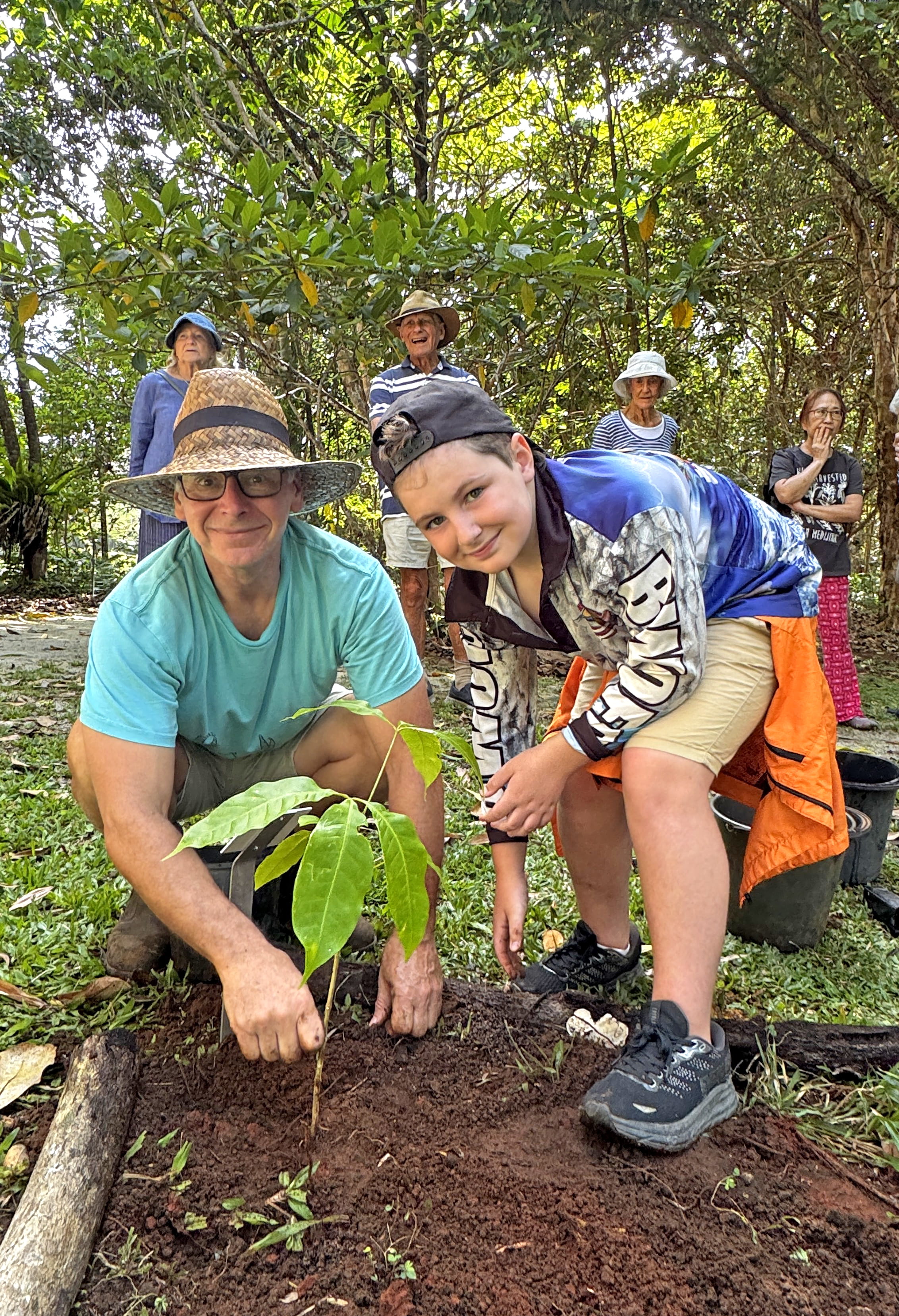

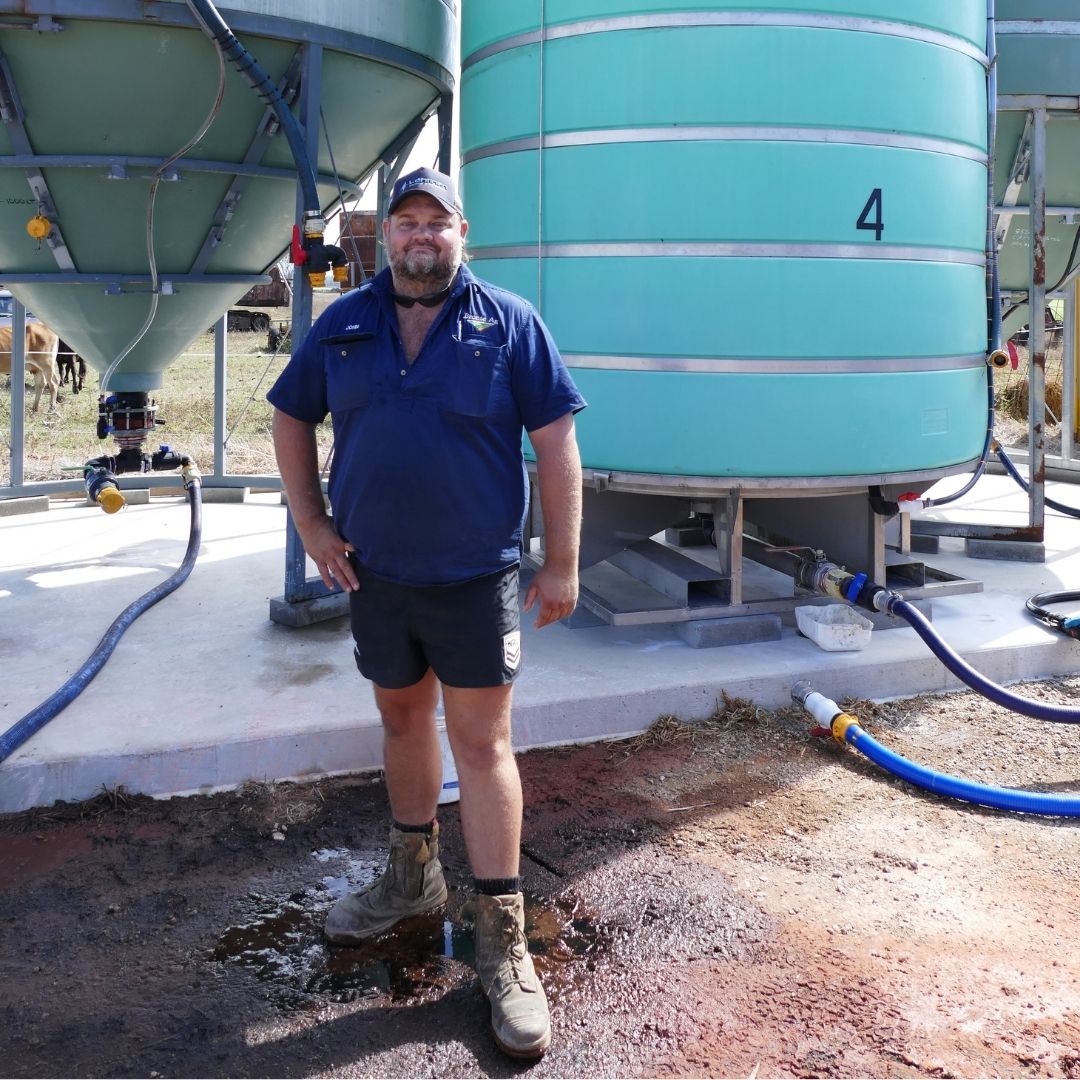
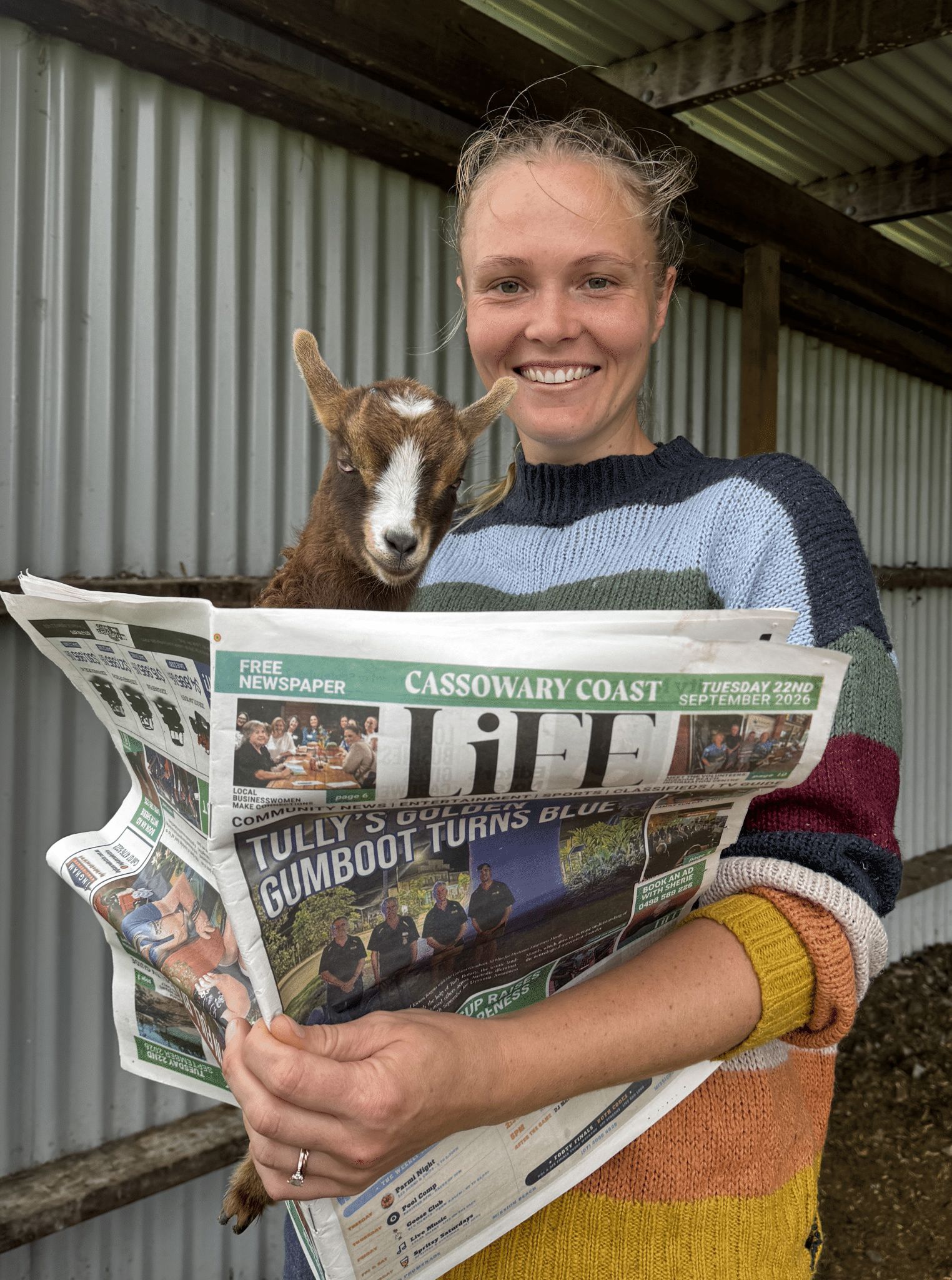
Photo credit: Victoria Velton
By Victoria Velton
Welcome to the Cutting The Cane, a column where we have a chat with those supporting the backbone of the local economy: the farmers behind the sugar. This week John Board, grower and recent recipient of the Nuffield Australia Scholarship answered our questions about the 2026 season.
What stage is your paddock at now?
Right now I have 12.5% of my mature cane still left to supply to the mill for this year, with the remainder of the farm in different growth stages ranging from plant cane being planted in early May, to ratooning cane that has been cut on various different dates from the 9th June until now.
What are you hoping to learn or explore through your Nuffield Australia Scholarship?
Predominantly I want to Learn how other countries have diversified away from making crystal sugar alone, while keeping it profitable for both the millers and farmers. I'm not so much going to be focused on looking at the technology of making other products, we know that already exists, e.g. Ethanol, Electricity. My focus will be more around the relationships between Farmers, Millers, Government, Fuel companies and the General Public.
I think currently that's what is not working in Australia. We are all sitting in the same boat, but unfortunately not everybody is rowing in the same direction. If I can research what works well for other countries, and be able to apply that here, maybe we are in with a chance of diversifying our income streams, because currently relying solely on crystal sugar is not making business sense.
If we keep doing what we've always done, we'll keep getting what we've always got.
How do you think the ideas and experiences you gain through the Nuffield Scholarship could benefit the local cane industry?
After spending a week in Darwin surrounded by other Nuffield scholars and Agri experts, I can say a real take home message for me was how many parallels there are between different commodities and sectors. Often we get so caught up with tunnel vision looking inwards at our own industry that we forget to zoom out and have a look at the big picture.
A Lot of people said some of the biggest things they learnt and have taken back to their industries after their scholarship is actually not what they intentionally set out to find. The biggest thing for me is to find what works well and try to replicate that back here. Not try to reinvent the wheel, just look at why other wheels run smoother than what ours currently does.
What are the major issues affecting crop growth in your area, and how are you managing them?
Yield decline is one of our biggest issues facing us at the moment and nobody can really point exactly to one particular reason. For me personally, soil health is a big focus of mine. We've been intensively farming in the Herbert Valley for well over 100 years and I think we've taken for granted that we've been taking a lot out of the soil, and not putting much back in.
Machinery is getting bigger and more expensive, and the crops are getting smaller and less profitable, it's not a good situation. Sure, rain and sun at the right time is essential to growing a good crop, but you can't control that. As growers we need to take a bit of responsibility for the things we can control.
Once this year’s crop is in, what will you be thinking about next?
There's always a fair bit of thinking going on in this big old head of mine, currently I'm doing a pretty significant earthmoving job on 1 paddock and fixing up some drainage and silt traps that were damaged in the 2025 floods.
I'm starting to think about which fallow crops I'll be putting in on which paddocks. I normally do a few different fallow crops including Soybeans, Sunn Hemp, Cowpea, Lab Lab and Forage Sorghum. Just sorting out which ones will be suited to which soil types and which ones can handle going underwater for a period of time if the wet season chooses that for us this year. Like many others, it will pretty much be earthmoving, fertilising, spraying and planting cover crops until the weather forces us to stop.
Publishers Indemnity. Any individual or entity that places advertising, supplies copy material, or submits editorial content to Life Publishing agrees and undertakes to ensure that all such material:- Does not infringe upon any copyright, trademark, or other intellectual property rights;- Is free from any content that could be considered defamatory, libelous, or slanderous;- Does not infringe upon any rights related to privacy or breach of confidence;- Contains no obscene, indecent, or otherwise unlawful material;- Complies fully with the Trade Practices Act and all other applicable laws, regulations, or statutes. Furthermore, by submitting or placing such material, these individuals or entities agree to indemnify and hold harmless the publisher, Life Publishing and Events Pty Ltd, and/or its agents from and against any and all investigations, claims, demands, liabilities, damages, costs, or judgments arising out of or in connection with the material provided. All material is believed to be accurate at the time of printing and remains the copyright of Life Publishing and Events Pty Ltd.
© 2026 Life Publishing Group Ltd.