Independently Owned, Locally Grown, Community Loved


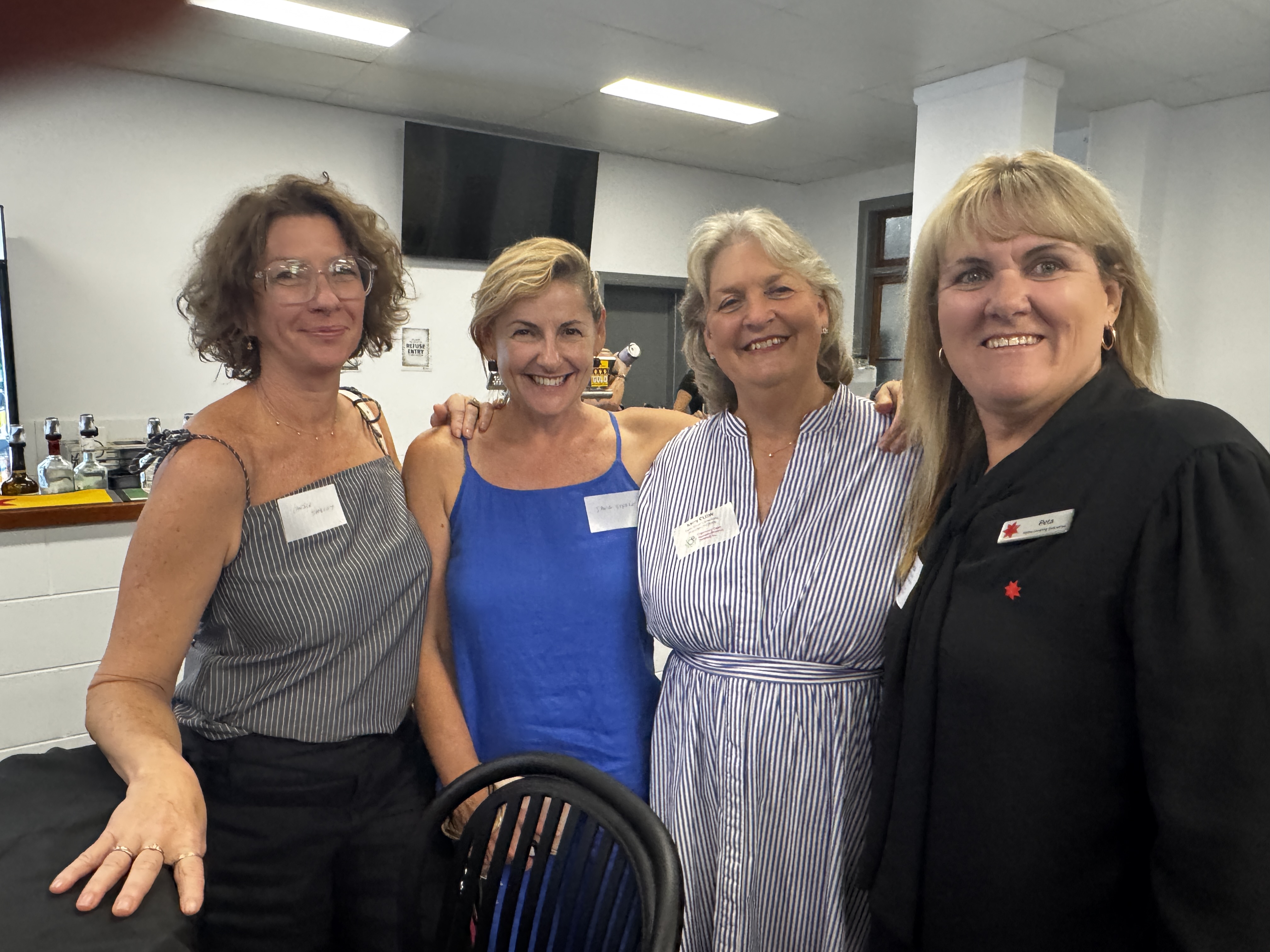
After recently attending the locally initiated Spotlight on Seafood opening, congratulations to the organisers, I was reminded of the increasing pressures facing two industries fundamental to our region: fishing and agriculture.
Sensible regulation is necessary. Our farmers and professional fishers understand the importance of protecting the environment because their livelihoods depend on healthy land and waterways. But there must be balance.
Commercial fishers now face the phase-out of inshore net fishing by mid-2027, affecting traditional methods used to catch species including barramundi and king salmon. After decades of adapting to changing regulations, we must ask whether the cumulative impact is threatening the viability of local professional fishing.
Do we want to become increasingly reliant on seafood sourced from elsewhere while reducing the ability of generational local fishers to supply fresh wild-caught seafood?
Sugarcane farmers are facing similar challenges. Regulatory decisions have removed or restricted important agricultural chemicals, including chlorpyrifos, known as Suscon, to control the cane grubs, whose immediate effects we are seeing now, with cane grub damage reducing crop yield and crop cycles. Whilst paraquat use in sugarcane to control certain invasive weeds is also being phased out under new regulatory arrangements.
Health and environmental protection are important, but so too are food production, regional employment and viable family businesses.
The issue is not whether we should have regulation. The issue is whether we have achieved the right balance between environmental protection and maintaining sustainable, productive local industries.
Once professional fishers, farmers, infrastructure and generations of knowledge disappear, they will be difficult to replace.
Our fishing and agricultural industries provide food, employment and economic activity while forming an important part of the identity of regional communities.
We must ensure regulation supports responsible primary production rather than making it increasingly difficult to continue.
Our primary industries helped build regional Australia and we must make sure they remain part of its future. We should protect our environment, but we must also protect the responsible primary producers who feed us and sustain regional Australia.
Until next time Hinchinbrook residents, take care, stay safe and be kind.
Publishers Indemnity. Any individual or entity that places advertising, supplies copy material, or submits editorial content to Life Publishing agrees and undertakes to ensure that all such material:- Does not infringe upon any copyright, trademark, or other intellectual property rights;- Is free from any content that could be considered defamatory, libelous, or slanderous;- Does not infringe upon any rights related to privacy or breach of confidence;- Contains no obscene, indecent, or otherwise unlawful material;- Complies fully with the Trade Practices Act and all other applicable laws, regulations, or statutes. Furthermore, by submitting or placing such material, these individuals or entities agree to indemnify and hold harmless the publisher, Life Publishing and Events Pty Ltd, and/or its agents from and against any and all investigations, claims, demands, liabilities, damages, costs, or judgments arising out of or in connection with the material provided. All material is believed to be accurate at the time of printing and remains the copyright of Life Publishing and Events Pty Ltd.
© 2026 Life Publishing Group Ltd.