Independently Owned, Locally Grown, Community Loved

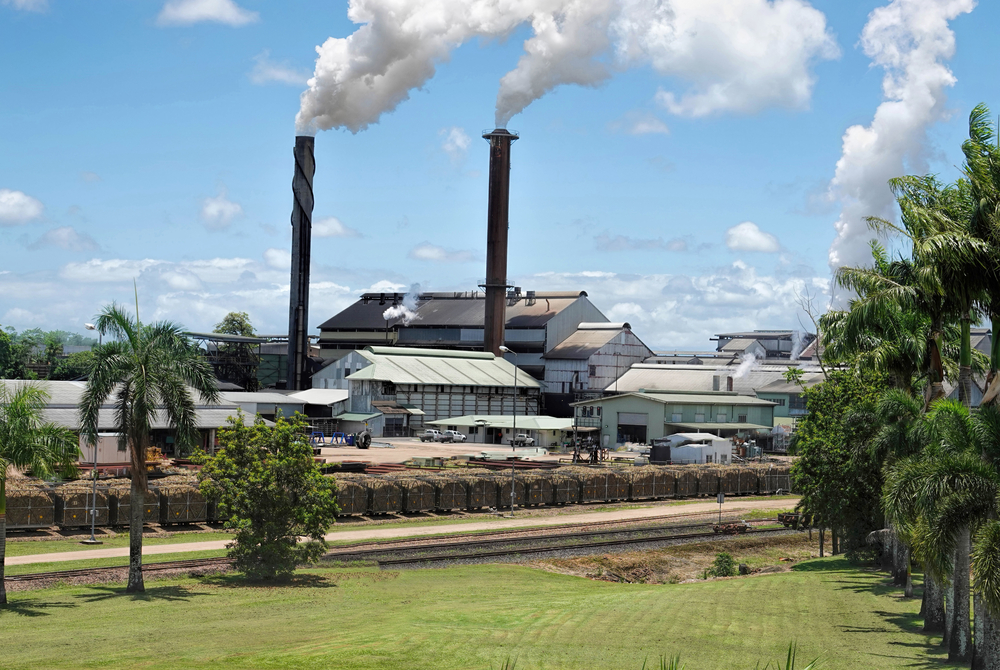
Cassowary Coast cane growers could benefit from a proposed biofuel policy shake-up aimed at increasing demand for low-carbon fuels and creating new opportunities for Australia’s sugar industry. Photo source: Shutterstock
Cassowary Coast cane growers could stand to benefit from a proposed shake-up of Australia’s biofuels policy, with the Federal Government considering new measures designed to increase demand for low-carbon liquid fuels.
The Federal Government confirmed this week it was progressing consultation on measures aimed at creating demand for low-carbon liquid fuels, which it says could strengthen Australia’s fuel security and resilience while supporting domestic industry.
The development could have particular relevance across the Cassowary Coast, where sugar remains a major agricultural industry in districts including Tully and Innisfail.
Sugarcane has significant potential beyond traditional raw sugar production, with industry body CANEGROWERS previously identifying renewable energy and biofuels as an important opportunity for diversification and new revenue streams.
Its Sugar Plus roadmap identifies sugarcane as a potential feedstock for renewable fuels, including applications in heavy transport and aviation.
Federal Member for Kennedy Bob Katter cautiously welcomed the Federal Government's move but warned any future policy needed to prioritise Australian farmers and manufacturers rather than increasing opportunities for foreign ethanol producers.
“But the last thing we need right now is for any foreign ethanol producers to be given special access to our biofuels market, when Australia’s own growers and fuel producers need to be supported and protected,” Mr Katter said.
“Any foreign access will spell disaster.”
Mr Katter has campaigned for decades for greater use of Australian-produced ethanol, arguing the country's sugar and grain industries could play a much greater role in supplying renewable fuels.
For the Cassowary Coast, the debate comes as the sugar industry continues to explore opportunities to diversify and extract greater value from the cane crop.
The Tully district alone has historically produced millions of tonnes of cane each season, while South Johnstone also services a substantial Far North Queensland growing region.
The Federal Government's consultation could therefore have implications well beyond the fuel bowser, with the eventual policy settings potentially determining whether increased demand for low-carbon fuels translates into new opportunities for Australian sugar-growing communities.
Publishers Indemnity. Any individual or entity that places advertising, supplies copy material, or submits editorial content to Life Publishing agrees and undertakes to ensure that all such material:- Does not infringe upon any copyright, trademark, or other intellectual property rights;- Is free from any content that could be considered defamatory, libelous, or slanderous;- Does not infringe upon any rights related to privacy or breach of confidence;- Contains no obscene, indecent, or otherwise unlawful material;- Complies fully with the Trade Practices Act and all other applicable laws, regulations, or statutes. Furthermore, by submitting or placing such material, these individuals or entities agree to indemnify and hold harmless the publisher, Life Publishing and Events Pty Ltd, and/or its agents from and against any and all investigations, claims, demands, liabilities, damages, costs, or judgments arising out of or in connection with the material provided. All material is believed to be accurate at the time of printing and remains the copyright of Life Publishing and Events Pty Ltd.
© 2026 Life Publishing Group Ltd.