
Independently Owned, Locally Grown, Community Loved

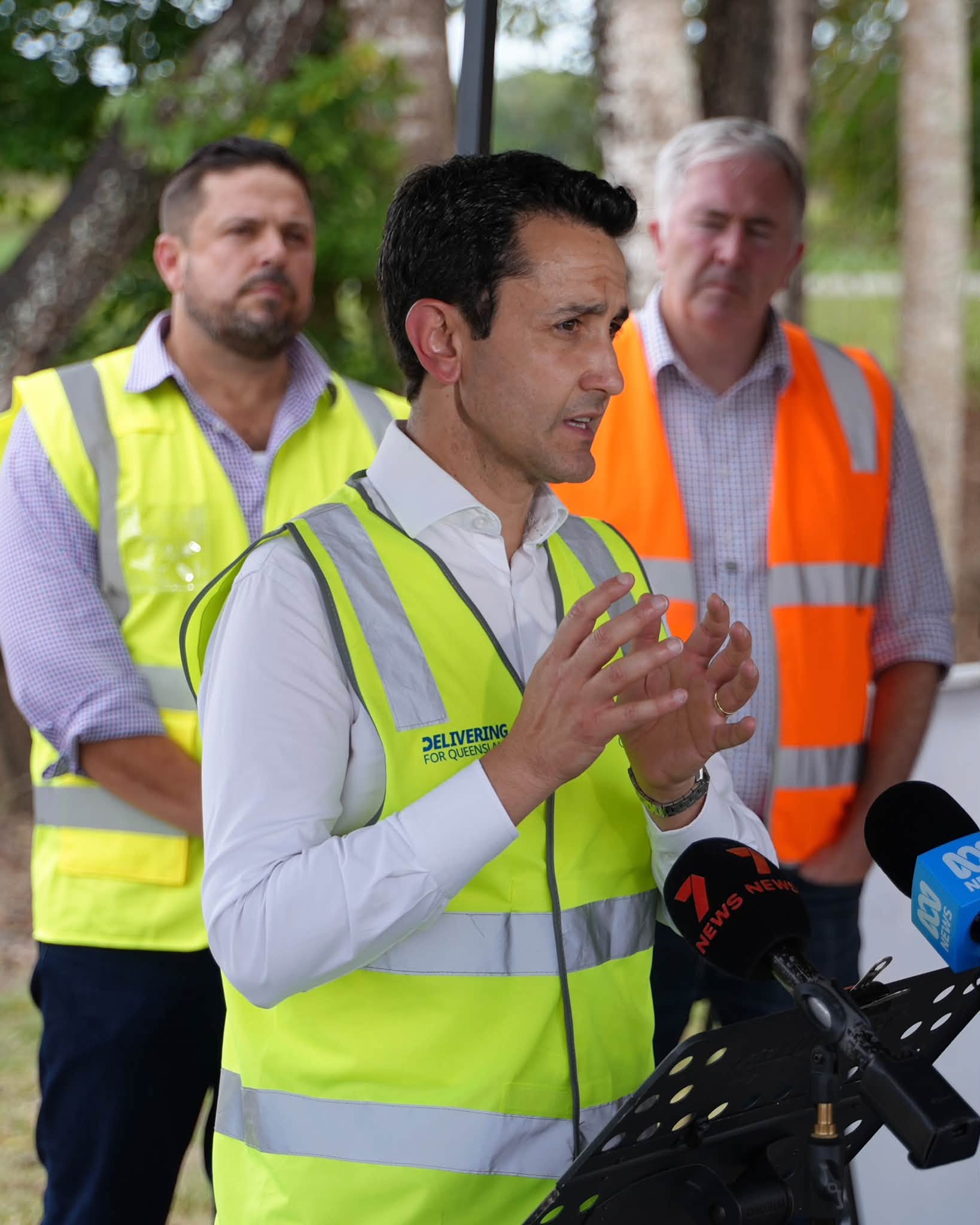
A major Bruce Highway upgrade is underway, with works at Gairloch, Ripple Creek, Ingham-Halifax-Bemerside Road and the Cardwell Range targeting safer travel and improved flood resilience.
The long-awaited improvements aim to reduce the severity of flooding across key sections of highway and help prevent head-on crashes, addressing challenges that can disrupt communities and isolate motorists during the wet season.



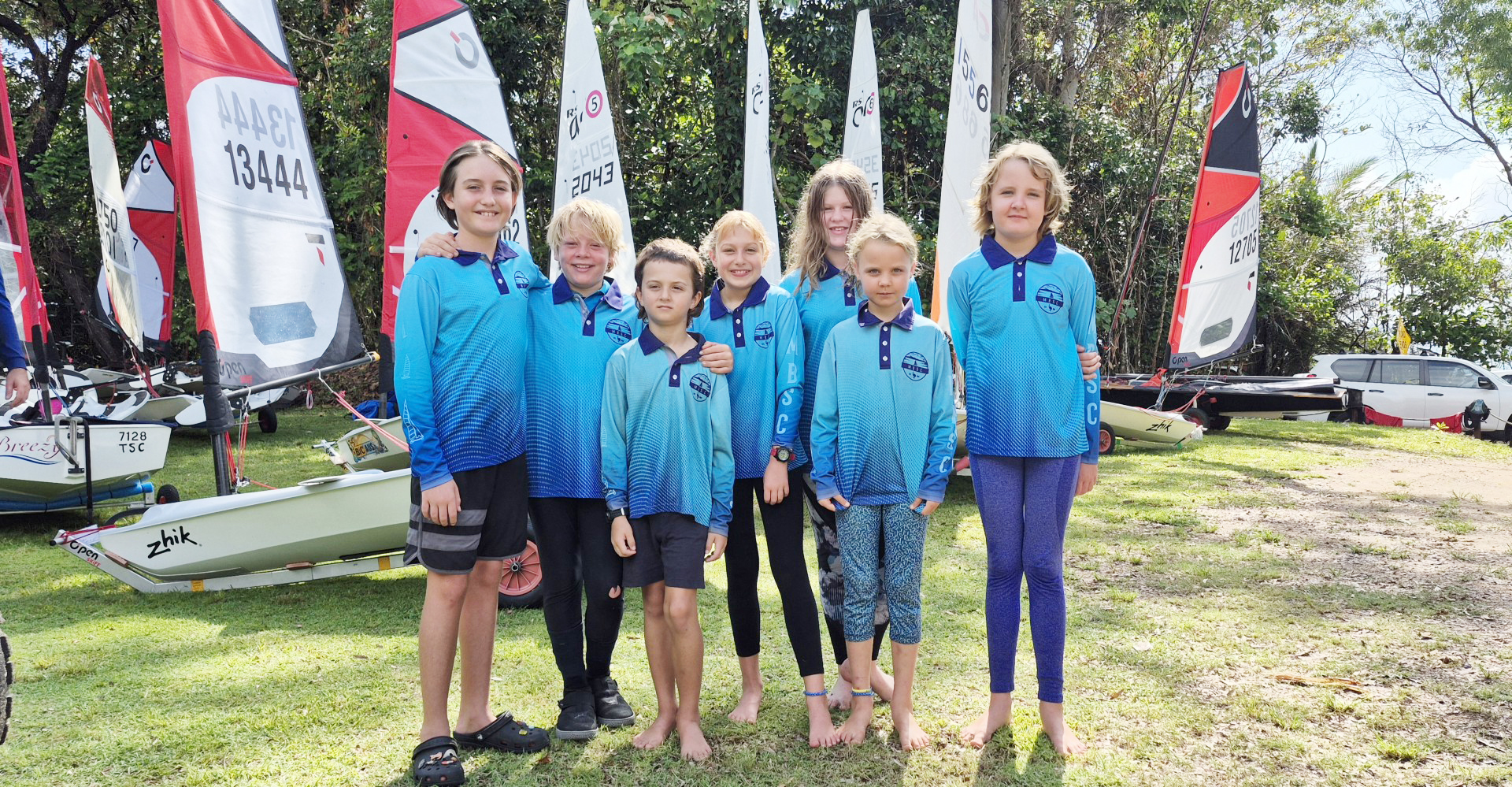
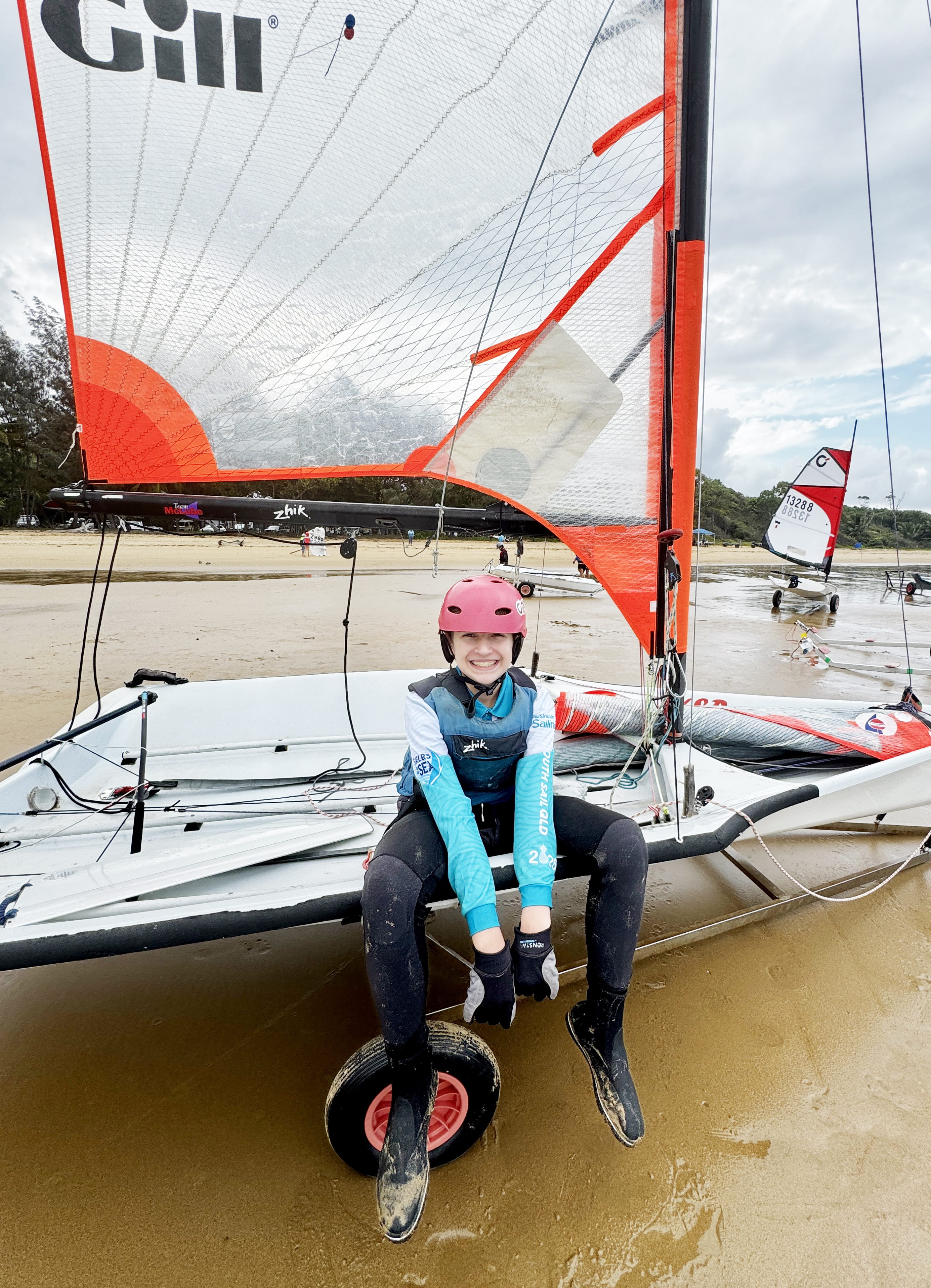
Young sailors travelled from across Far North Queensland to compete in the regatta
Colourful sails filled the horizon at South Mission Beach over the weekend as around 40 boats and competitors from across North Queensland gathered for the 44th annual Mission Beach Regatta.
With sailors travelling from as far afield as Mackay, the Whitsundays, Bowen, Townsville, Cairns and the Tablelands and from all corners of the Cassowary Coast, the two-day event brought together generations of sailing enthusiasts for some friendly competition and camaraderie, in spectacular conditions.
Fair Winds And Good Times At Mission Beach
There was plenty of colour, camaraderie and good old-fashioned fun at South Mission Beach over the weekend as around 40 boats took to the water for the annual Mission Beach Regatta.
With a beautiful northeasterly breeze and spectacular views of Dunk Island, conditions were near-perfect for the two-day event, hosted by the Mission Beach Sailing Club.
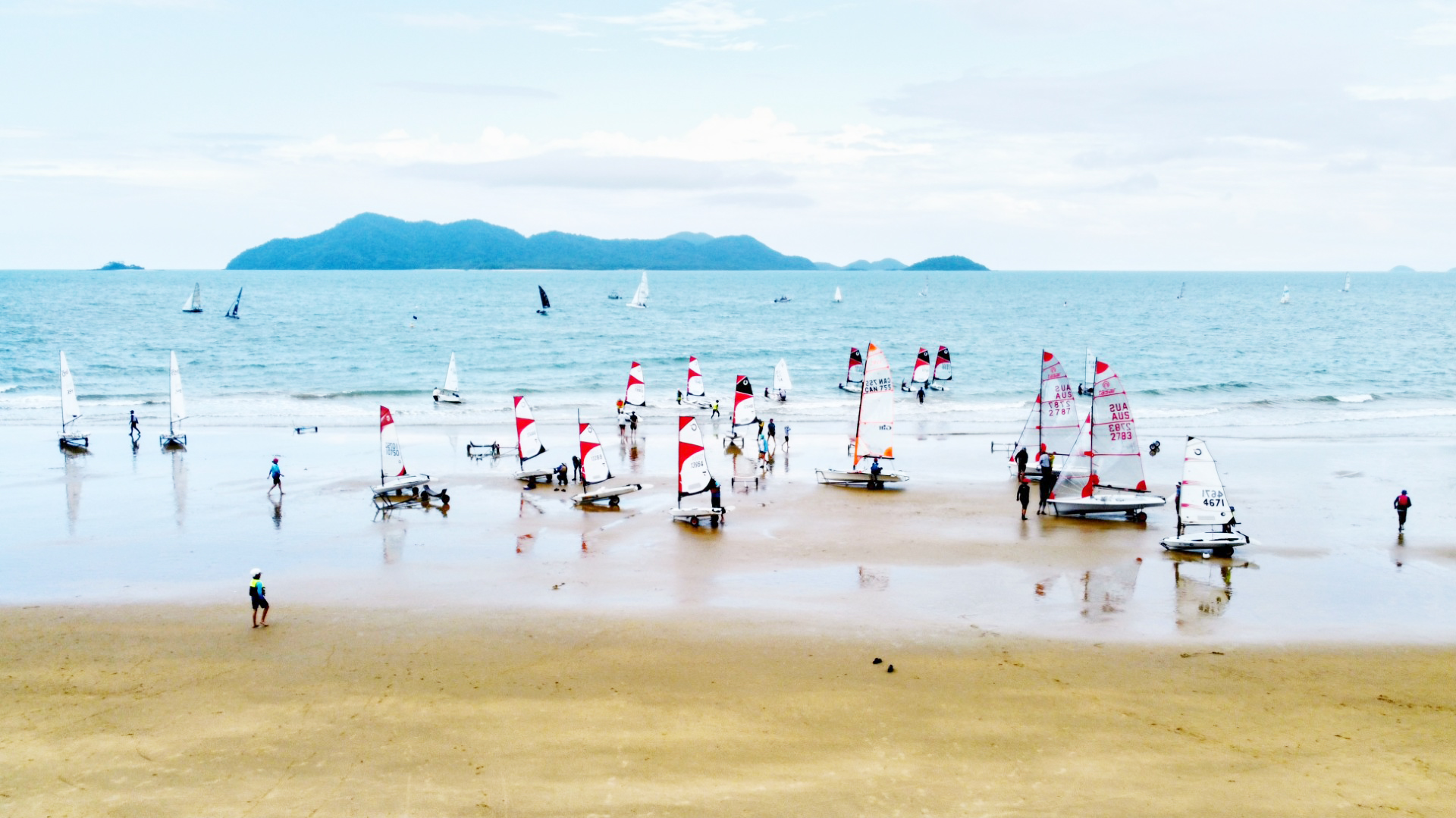
Sailors travelled from as far as Mackay, the Whitsundays, Bowen, Townsville, Cairns and the Tablelands, joining local competitors from across the Cassowary Coast. The fleet included catamarans, monohulls and dinghies, with sailors of all ages and abilities enjoying some friendly competition.
"They had a beautiful northeasterly breeze, about 15 to 17 knots, perfect conditions," club secretary Carmen Walker said.
For Carmen, the regatta is about much more than racing.
"A lot of the Far North Queenslanders, we're like a big family up here, and these regattas are a gathering of our extended sailing family," she said.
"We love hosting the event and people love coming here because it's more of a laid-back regatta."
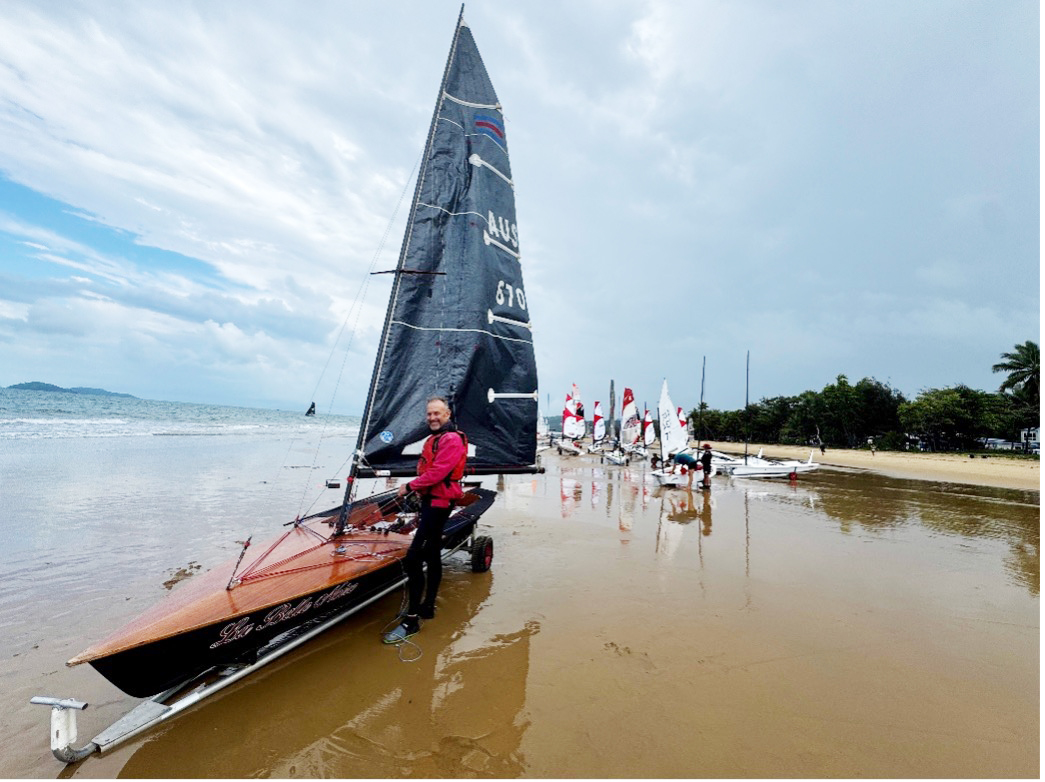
Among those enjoying the weekend was Clifton Beach sailor Brad Rees, returning after several years away through illness.
"This is like VIP weather. We've got a decent breeze blowing. It's just beautiful conditions here," he said.

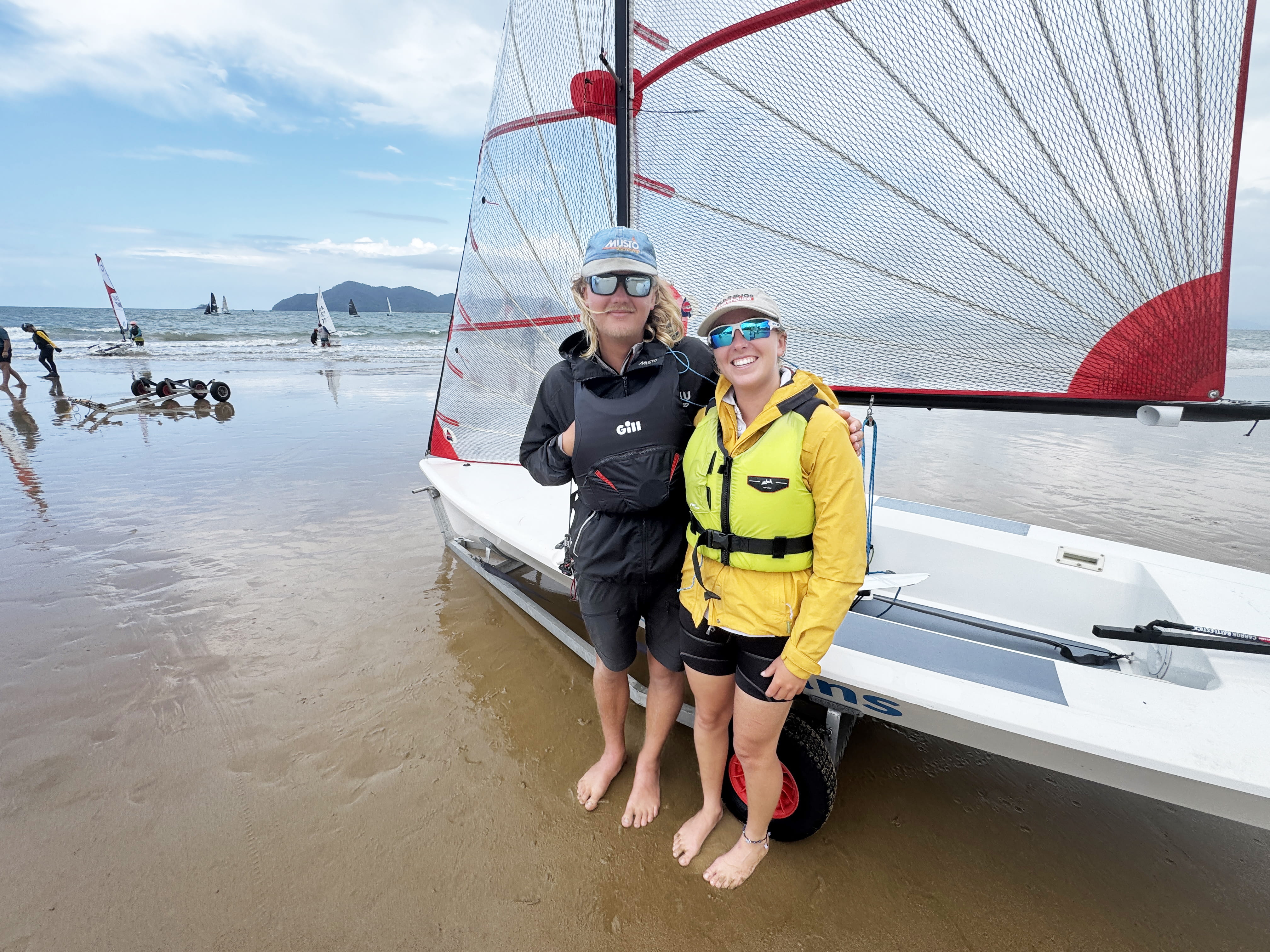
Airlie Beach sailor Jacob McConaghy is preparing to compete in the International Moth World Championships in Perth, but the Mission Beach Regatta offered a chance for some relaxed racing aboard a Tasar with fellow sailor Emily Wells.
"It's just so much fun," Emily said, with the pair enjoying the beachside camping and opportunity to catch up with sailing friends.
Another highlight was the return of the club's junior Green Fleet for the first time in around 15 years.
"We had seven Green Fleeters," Carmen said, explaining that the young sailors, aged seven to 12, were developing the skills and confidence needed to progress into competitive racing.
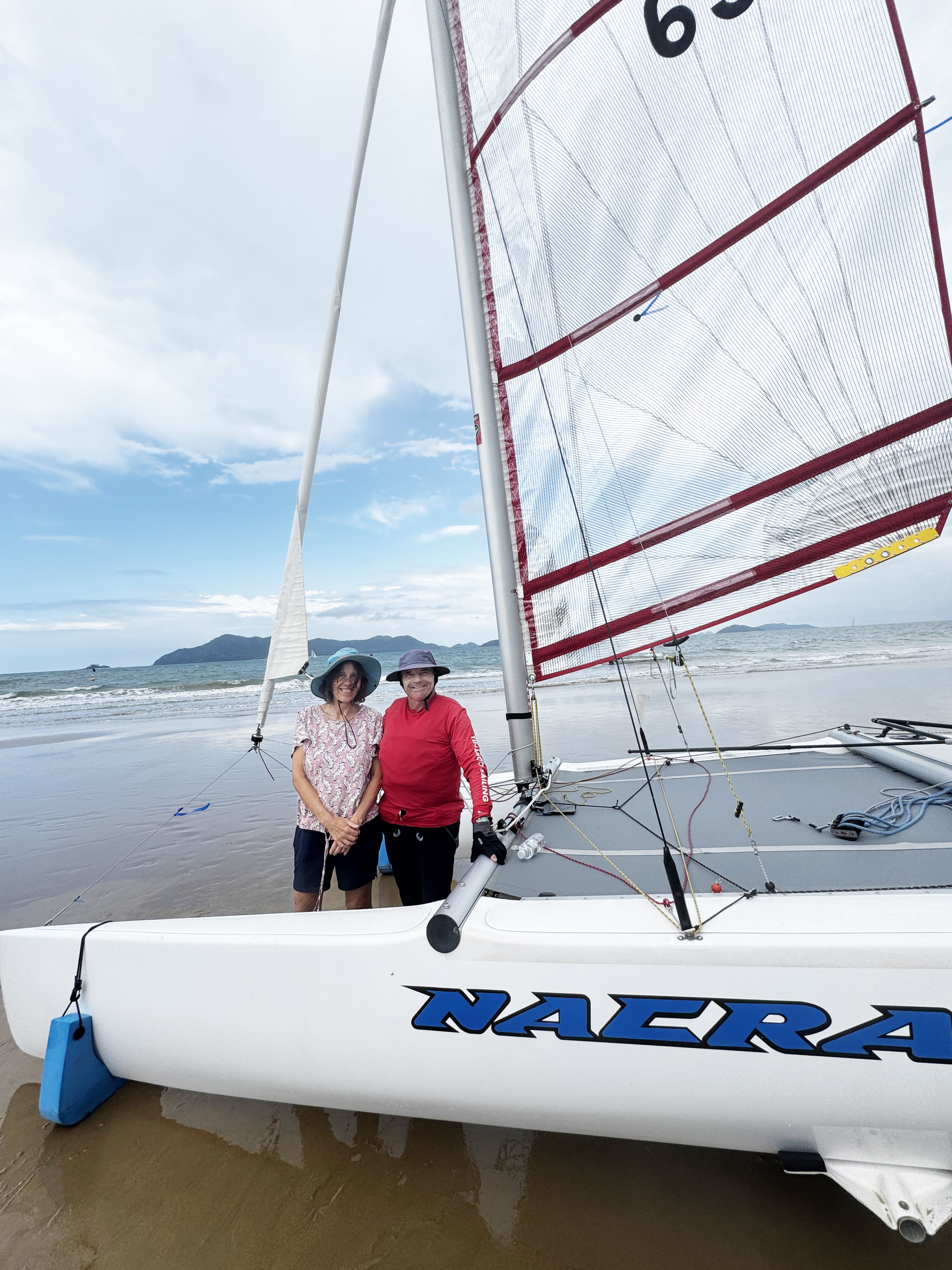
Meanwhile, Mission Beach sailor Luke McMullern and crew member Giles Richardson, from Port Douglas, claimed line honours in the race around Dunk Island, completing the course aboard their Nacra 5.8 catamaran in one hour, 18 minutes and 10 seconds.
Carmen thanked the club's sponsors, particularly major supporter Tuskers, and encouraged anyone interested in sailing to come along to one of the club's three remaining sailing days before the season finishes in November.
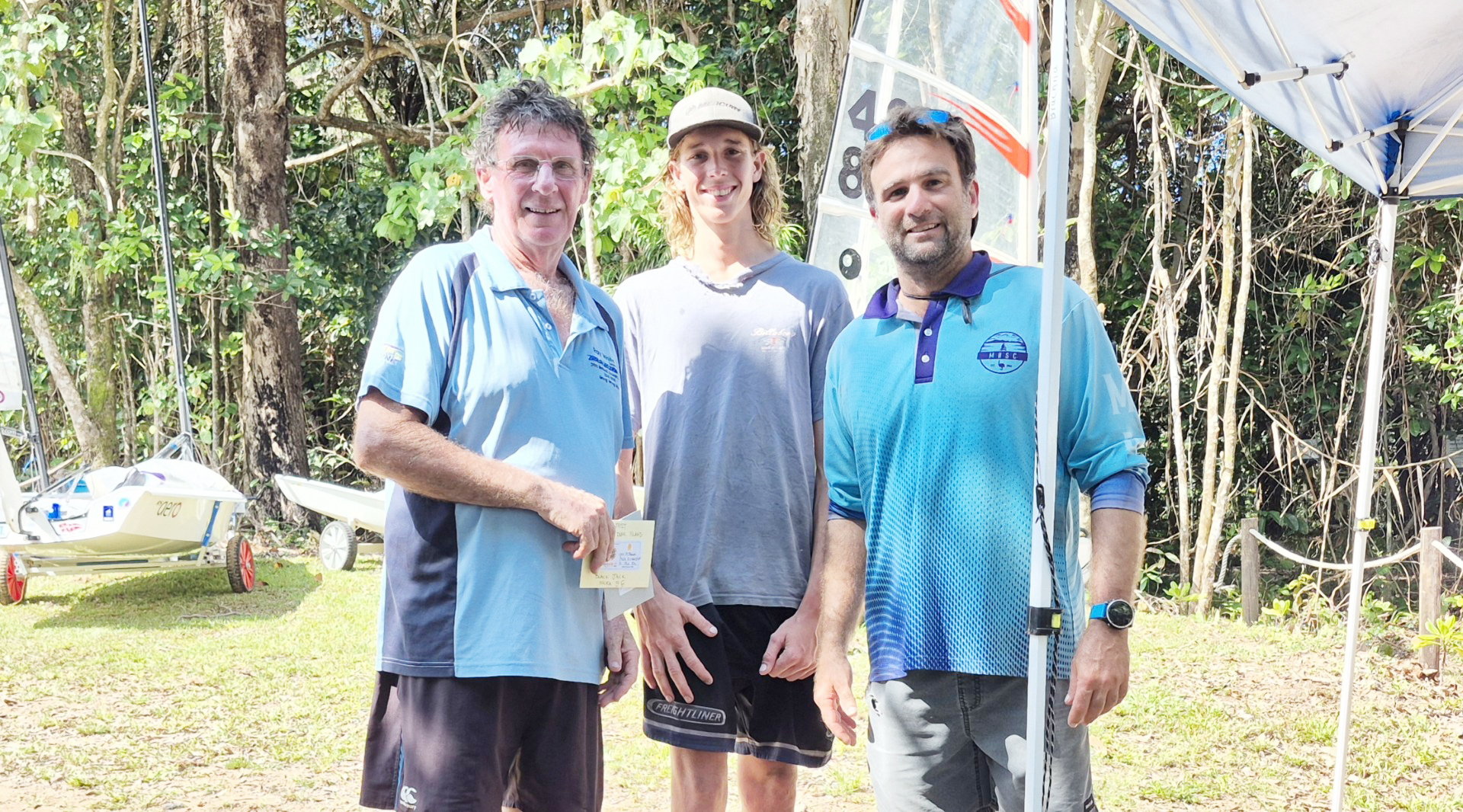
"We can figure out what is suitable for their ability and skill level," she said.
For sailing dates and further information, visit www.missionbeachsailingclub.org.au.










Publishers Indemnity. Any individual or entity that places advertising, supplies copy material, or submits editorial content to Life Publishing agrees and undertakes to ensure that all such material:- Does not infringe upon any copyright, trademark, or other intellectual property rights;- Is free from any content that could be considered defamatory, libelous, or slanderous;- Does not infringe upon any rights related to privacy or breach of confidence;- Contains no obscene, indecent, or otherwise unlawful material;- Complies fully with the Trade Practices Act and all other applicable laws, regulations, or statutes. Furthermore, by submitting or placing such material, these individuals or entities agree to indemnify and hold harmless the publisher, Life Publishing and Events Pty Ltd, and/or its agents from and against any and all investigations, claims, demands, liabilities, damages, costs, or judgments arising out of or in connection with the material provided. All material is believed to be accurate at the time of printing and remains the copyright of Life Publishing and Events Pty Ltd.
© 2026 Life Publishing Group Ltd.
