Independently Owned, Locally Grown, Community Loved


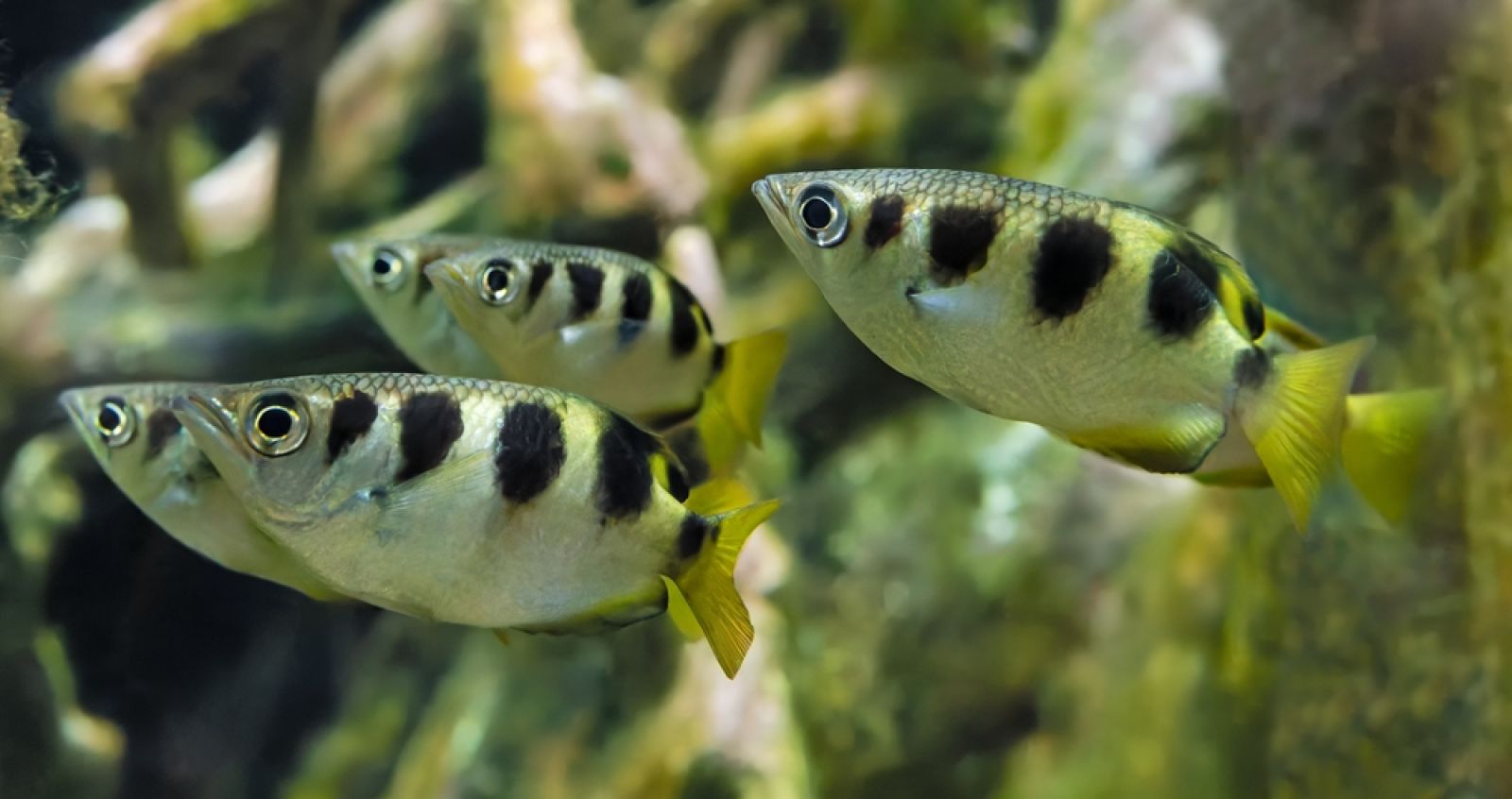
Australian freshwater fish are far more adventurous eaters than once believed, with new research revealing many species regularly snack on food that comes from beyond the water’s edge.
A study published in Freshwater Biology has found around half of Australia’s native freshwater fish rely on land-derived food sources such as fruits, insects and other invertebrates, with many unable to survive on aquatic food alone.
“No one has ever tried to determine the reliance of freshwater fish on terrestrial-derived diets at this scale, either in Australia or globally,” said James Cook University TropWATER researcher Dr Aaron Davis.
“Australia has famously nutrient-poor soils, so terrestrial inputs play a critical role in adding energy into freshwater ecosystems that fish wouldn't otherwise have access to.”
Researchers from Griffith University and The University of Western Australia analysed dietary data from 137 native freshwater fish species, examining how species type and climate influence feeding behaviour.
The study found terrestrial invertebrates such as insects, worms and spiders were an important food source for around a quarter of the species studied, particularly jollytails and rainbowfish. Fruit consumption was especially common among grunters and fork-tail catfish, with significantly higher intake recorded in northern Australia’s wet–dry tropics.
“For many of our native fish, aquatic food sources aren’t always consistently available,” Dr Davis said.
“So being able to take advantage of food that falls into the water from surrounding land vegetation makes sound evolutionary sense.”
The findings highlight the importance of protecting riverside vegetation, with Dr Davis noting freshwater fish are among the most threatened animals globally and rely heavily on healthy riparian ecosystems for survival.
Publishers Indemnity. Any individual or entity that places advertising, supplies copy material, or submits editorial content to Life Publishing agrees and undertakes to ensure that all such material:- Does not infringe upon any copyright, trademark, or other intellectual property rights;- Is free from any content that could be considered defamatory, libelous, or slanderous;- Does not infringe upon any rights related to privacy or breach of confidence;- Contains no obscene, indecent, or otherwise unlawful material;- Complies fully with the Trade Practices Act and all other applicable laws, regulations, or statutes. Furthermore, by submitting or placing such material, these individuals or entities agree to indemnify and hold harmless the publisher, Life Publishing and Events Pty Ltd, and/or its agents from and against any and all investigations, claims, demands, liabilities, damages, costs, or judgments arising out of or in connection with the material provided. All material is believed to be accurate at the time of printing and remains the copyright of Life Publishing and Events Pty Ltd.
© 2026 Life Publishing Group Ltd.



-2.jpg)