Independently Owned, Locally Grown, Community Loved


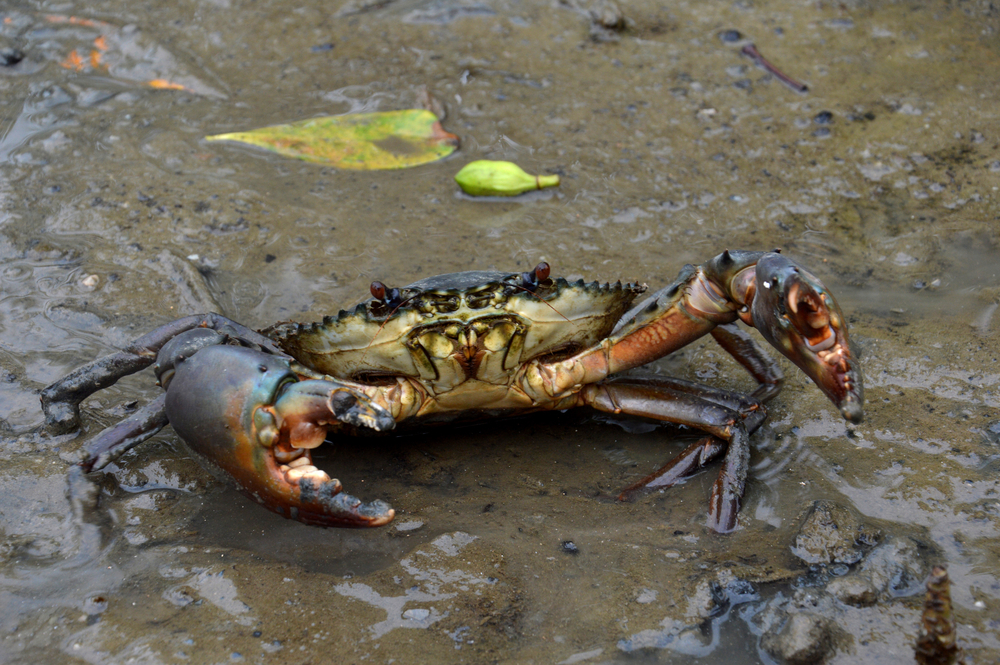
Queensland fisheries officers are continuing to clamp down on illegal mud crabbing activity, with a recent Bundaberg prosecution highlighting the serious penalties facing those who flout the rules.
A Bundaberg man was fined $20,000 after Queensland Boating and Fisheries Patrol (QBFP) officers uncovered 26 offences under the Fisheries Act 1994, including the unlawful sale and trafficking of mud crabs. Surveillance footage and a seized mobile phone revealed evidence of ongoing illegal sales to multiple buyers across the region.
The man was found in possession of 14 female mud crabs and multiple undersized crabs, with fishing equipment later forfeited.
Authorities say the case is just one example of widespread enforcement action across the state. Since 12 May 2025, QBFP has recorded more than $61,100 in major penalties and court prosecutions for mud crab offences, along with $85,699 in on-the-spot Fisheries Infringement Notices issued statewide.
Other recent cases include a Cairns fisher fined $12,000 with his boat seized and destroyed for interfering with crab pots, a fisher in Ayr fined for obstructing officers and failing to mark crab pots correctly, and a Brisbane fisher fined $12,000 after being caught with female and undersized mud crabs.
Queensland’s fisheries rules include strict minimum and maximum size limits, possession limits, closed seasons and no-take species across tidal waters. Fishers are reminded that possession limits are not daily limits and include any catch on the boat, on shore, in a vehicle or at home, including fish stored in freezers.
Under the rules, any undersized, oversized, no-take or closed-season species must be returned to the water immediately using best-practice catch and release techniques. Fish must also be measured using approved methods, and skin cannot be removed while on board.
Crustaceans, including mud crabs and blue swimmer crabs, must be kept whole with shells and claws attached, and female crabs are strictly protected. Similar regulations apply to fin fish, sharks, rays, shellfish and bait species, with additional rules for coral reef fin fish and closed waters.
Department of Primary Industries Deputy Director-General Fisheries and Forestry Pauline Jacob said additional patrol resources were strengthening enforcement across Queensland.
“Whether it's interfering with crab pots, taking undersized or female crabs or engaging in unlawful trade, no offence goes unnoticed and our staff are ready to take action,” Ms Jacob said.
“The message is simple, and the consequences are real—if you lift someone else's pots or take crabs outside the rules, you will be caught and face serious penalties."
Ms Jacob states the laws and regulations could not be clearer.
"Follow the rules or risk losing your boat, your gear and a lot of money," she said.
“Queenslanders value their seafood and sustainable fisheries. These laws are in place to protect that resource for everyone and ensure all anglers have a positive experience on the water.”
Local fishers are reminded to familiarise themselves with current size and possession limits and to use official resources such as the Qld Fishing 2.0 app to stay informed and compliant.
Publishers Indemnity. Any individual or entity that places advertising, supplies copy material, or submits editorial content to Life Publishing agrees and undertakes to ensure that all such material:- Does not infringe upon any copyright, trademark, or other intellectual property rights;- Is free from any content that could be considered defamatory, libelous, or slanderous;- Does not infringe upon any rights related to privacy or breach of confidence;- Contains no obscene, indecent, or otherwise unlawful material;- Complies fully with the Trade Practices Act and all other applicable laws, regulations, or statutes. Furthermore, by submitting or placing such material, these individuals or entities agree to indemnify and hold harmless the publisher, Life Publishing and Events Pty Ltd, and/or its agents from and against any and all investigations, claims, demands, liabilities, damages, costs, or judgments arising out of or in connection with the material provided. All material is believed to be accurate at the time of printing and remains the copyright of Life Publishing and Events Pty Ltd.
© 2026 Life Publishing Group Ltd.