Independently Owned, Locally Grown, Community Loved


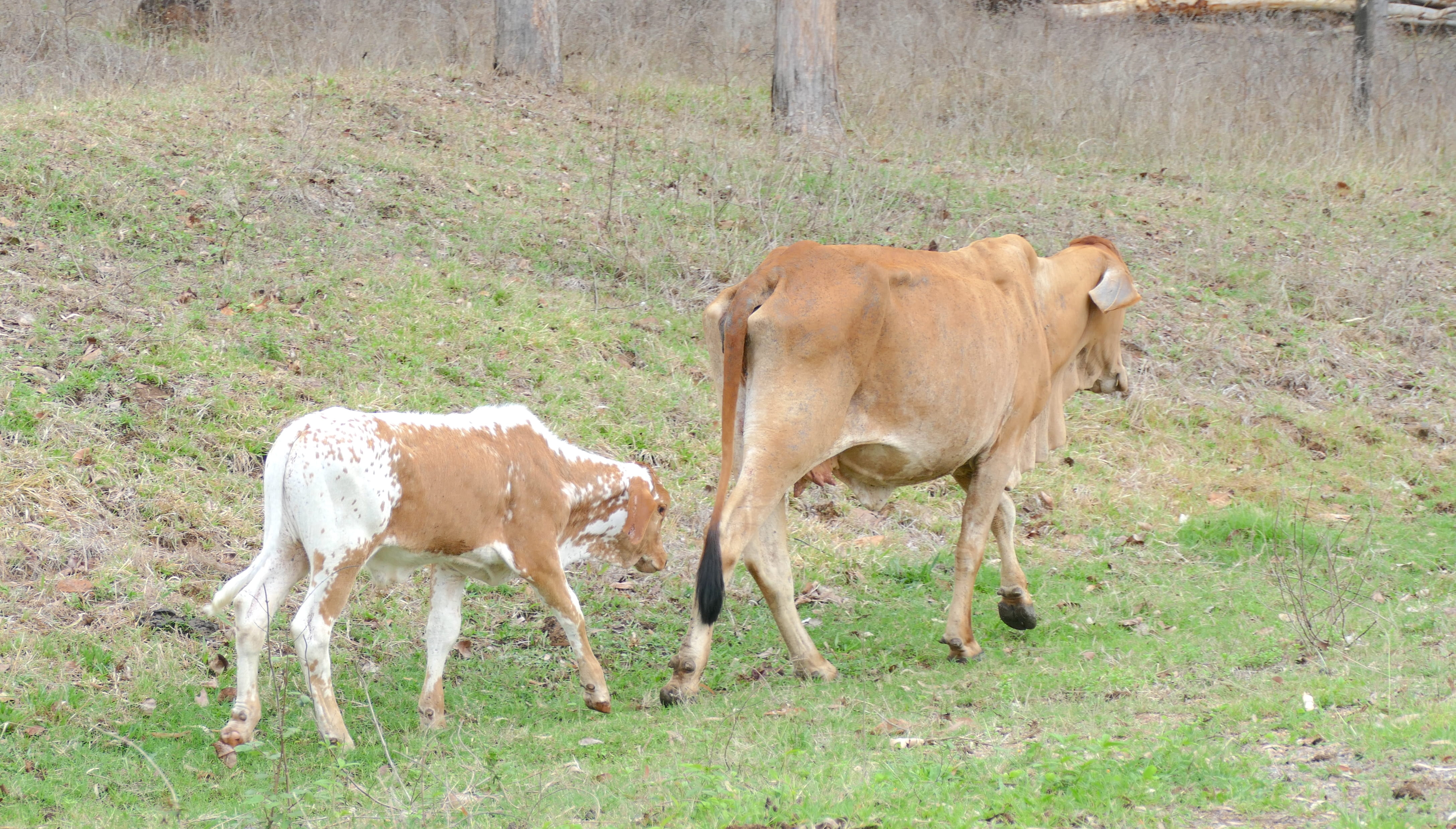
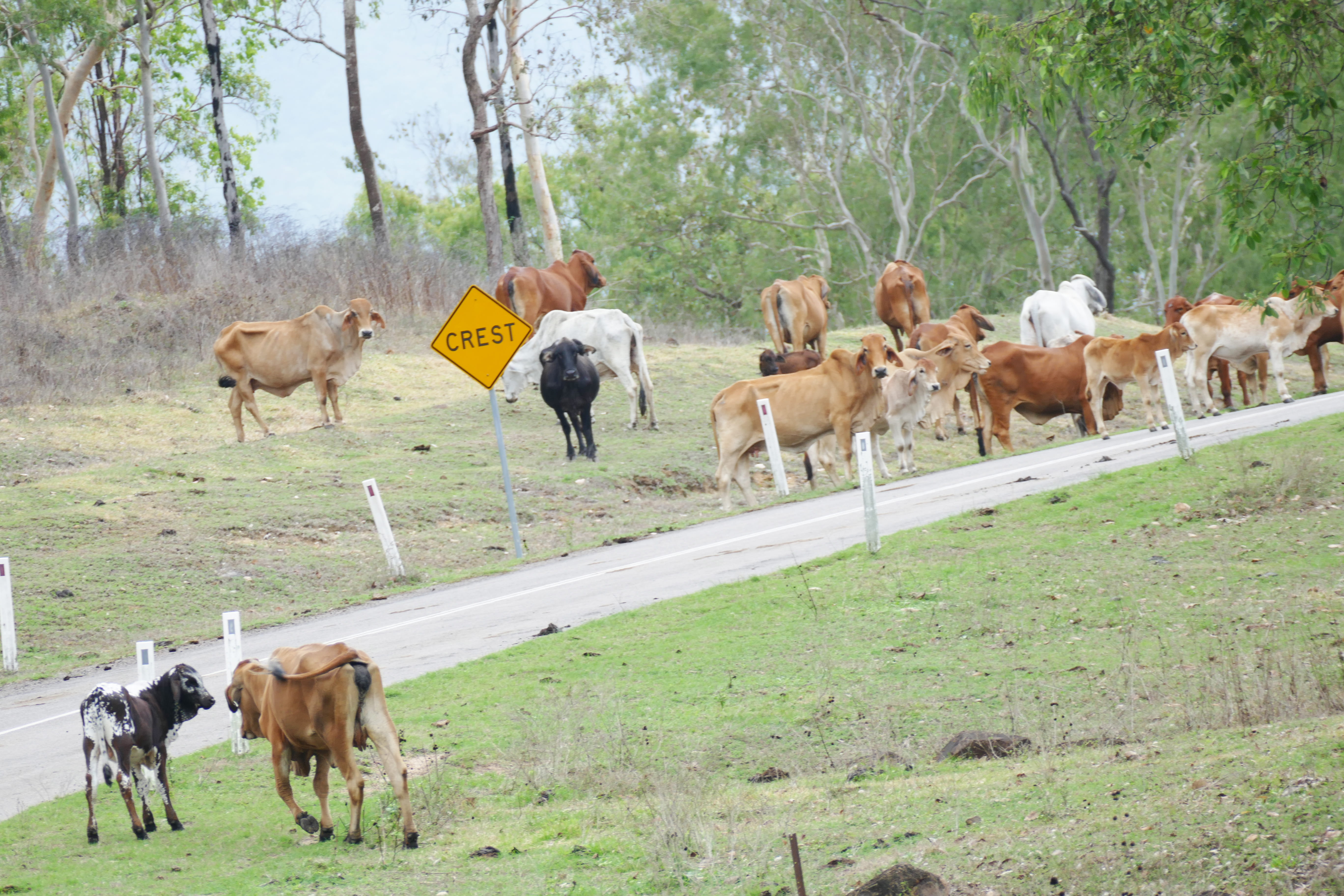
Cattle wandering by the road in Hinchinbrook. Photo credit: Victoria Velton
North Queensland cattle producers are being urged to keep a close eye on their herds as warmer temperatures and increasing moisture create favourable conditions for cattle ticks to survive and spread.
The Department of Primary Industries (DPI) is warning that conditions this spring and summer, combined with a warmer-than-average winter across much of Queensland, could increase the risk of cattle tick infestations.
Cattle ticks can affect livestock productivity and animal health, while also transmitting the blood parasites responsible for tick fever. Early detection and proactive management are important to protecting herds and reducing the risk to farm businesses.
Producers should regularly inspect cattle and other animals that can carry cattle ticks. These include buffalo, bison, deer, horses, sheep, goats and camelids. Newly introduced livestock should be isolated and checked for ticks before being mixed with the existing herd.
The DPI recommends producers:
If tick fever is suspected, producers should contact their veterinarian immediately.
Queensland has designated cattle tick zones, with different legal requirements applying to livestock movement. Producers should understand which zone their property is in and check the requirements before moving susceptible livestock.
Importantly, anyone who suspects cattle ticks are present in the cattle tick-free zone must notify Biosecurity Queensland.
With conditions expected to favour tick activity in the coming months, producers are encouraged to review their biosecurity plans and remain vigilant.
For further information about cattle tick management, treatment and livestock movement requirements, visit the Queensland Department of Primary Industries website at dpi.qld.gov.au or contact Biosecurity Queensland for advice.
Publishers Indemnity. Any individual or entity that places advertising, supplies copy material, or submits editorial content to Life Publishing agrees and undertakes to ensure that all such material:- Does not infringe upon any copyright, trademark, or other intellectual property rights;- Is free from any content that could be considered defamatory, libelous, or slanderous;- Does not infringe upon any rights related to privacy or breach of confidence;- Contains no obscene, indecent, or otherwise unlawful material;- Complies fully with the Trade Practices Act and all other applicable laws, regulations, or statutes. Furthermore, by submitting or placing such material, these individuals or entities agree to indemnify and hold harmless the publisher, Life Publishing and Events Pty Ltd, and/or its agents from and against any and all investigations, claims, demands, liabilities, damages, costs, or judgments arising out of or in connection with the material provided. All material is believed to be accurate at the time of printing and remains the copyright of Life Publishing and Events Pty Ltd.
© 2026 Life Publishing Group Ltd.