Independently Owned, Locally Grown, Community Loved


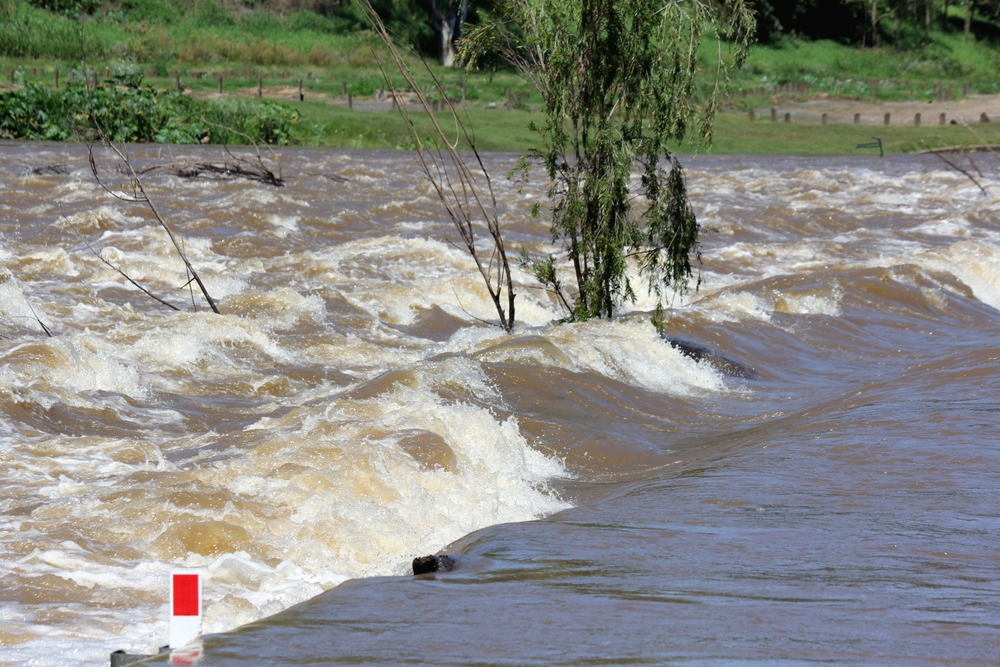
With the wet season underway and the possibility of heavy rain and flooding on the horizon, health authorities are urging North Queensland communities to be aware of melioidosis, a rare but potentially deadly tropical disease found in soil and water.
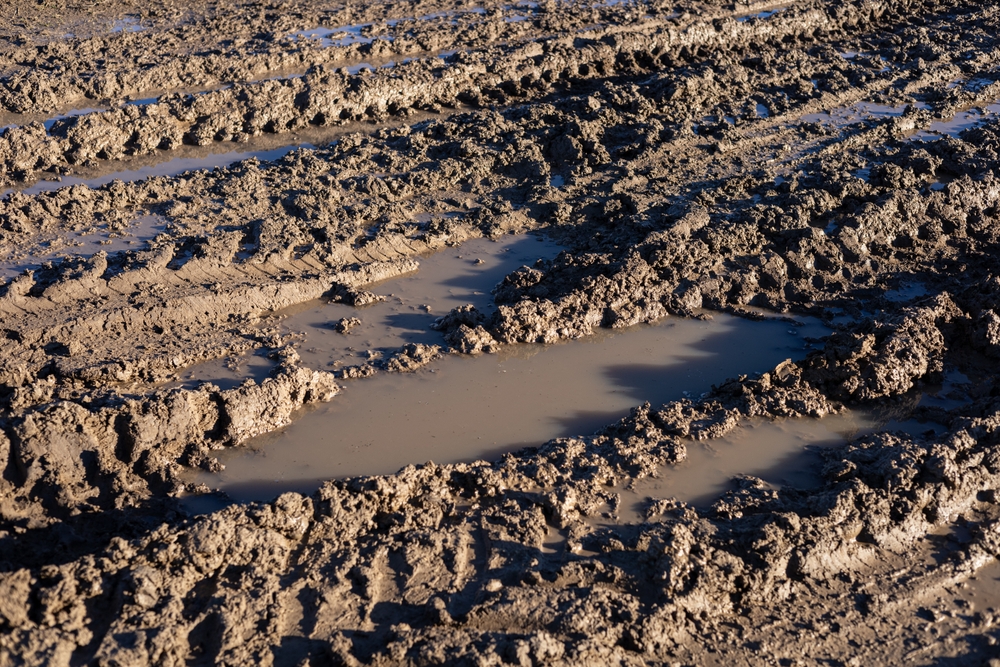
Melioidosis is caused by the bacterium Burkholderia pseudomallei, which lives naturally in deep soil and muddy water across northern Australia. Cases are most commonly reported during the wet season, particularly after periods of heavy rain or flooding, when the bacteria can rise to the surface and spread more easily.
While melioidosis is rare in healthy adults and children, it can cause severe illness if it enters the body through cuts or sores, is inhaled in contaminated dust or water droplets, or is consumed in untreated water.
Symptoms can appear anywhere from one day to three weeks after exposure and may include fever, cough, difficulty breathing, skin ulcers or non-healing sores. In serious cases, the infection can spread through the bloodstream, leading to sepsis and, if untreated, death.
People most at risk include those with underlying health conditions such as diabetes, kidney or lung disease, cancer, or weakened immune systems, as well as people who drink alcohol heavily.
The seriousness of the disease was spotlighted a couple of years ago after a North Queensland mother lost her leg after contracting melioidosis in 2024. In her case, a small cut sustained during everyday activity became the entry point for the bacteria, leading to a life-threatening illness that required intensive medical care.
Health experts say early treatment is critical. Melioidosis is treated with strong antibiotics for at least three months, and severe cases often require hospitalisation and intensive care. Prompt medical attention can be lifesaving.
There is no vaccine for melioidosis, but prevention plays a crucial role, particularly during the wet season. Residents are encouraged to:
- Avoid contact with muddy soil or flood water where possible
- Wear waterproof footwear and gloves when gardening or working outdoors
- Cover cuts, sores or wounds with waterproof dressings
- Wash skin thoroughly if it comes into contact with soil or muddy water
- Take extra care with foot and wound hygiene, especially for people with diabetes
- Consider wearing a mask when using high-pressure hoses around soil or bore water
Melioidosis does not usually spread from person to person or from animals, but exposure can lead to the illness days, months, or even years later.
Health authorities are reminding the community that while most people exposed to the bacteria do not become sick, melioidosis can be life-threatening for those who do. Awareness, early recognition of symptoms and preventative measures are key, particularly as wet weather conditions continue.
Anyone feeling unwell after potential exposure to muddy water or soil is urged to seek medical advice promptly. For health advice, residents can contact their local doctor, health centre or call 13 HEALTH (13 43 25 84) at any time. In an emergency, call 000.
Publishers Indemnity. Any individual or entity that places advertising, supplies copy material, or submits editorial content to Life Publishing agrees and undertakes to ensure that all such material:- Does not infringe upon any copyright, trademark, or other intellectual property rights;- Is free from any content that could be considered defamatory, libelous, or slanderous;- Does not infringe upon any rights related to privacy or breach of confidence;- Contains no obscene, indecent, or otherwise unlawful material;- Complies fully with the Trade Practices Act and all other applicable laws, regulations, or statutes. Furthermore, by submitting or placing such material, these individuals or entities agree to indemnify and hold harmless the publisher, Life Publishing and Events Pty Ltd, and/or its agents from and against any and all investigations, claims, demands, liabilities, damages, costs, or judgments arising out of or in connection with the material provided. All material is believed to be accurate at the time of printing and remains the copyright of Life Publishing and Events Pty Ltd.
© 2026 Life Publishing Group Ltd.

-2.jpg)