Independently Owned, Locally Grown, Community Loved


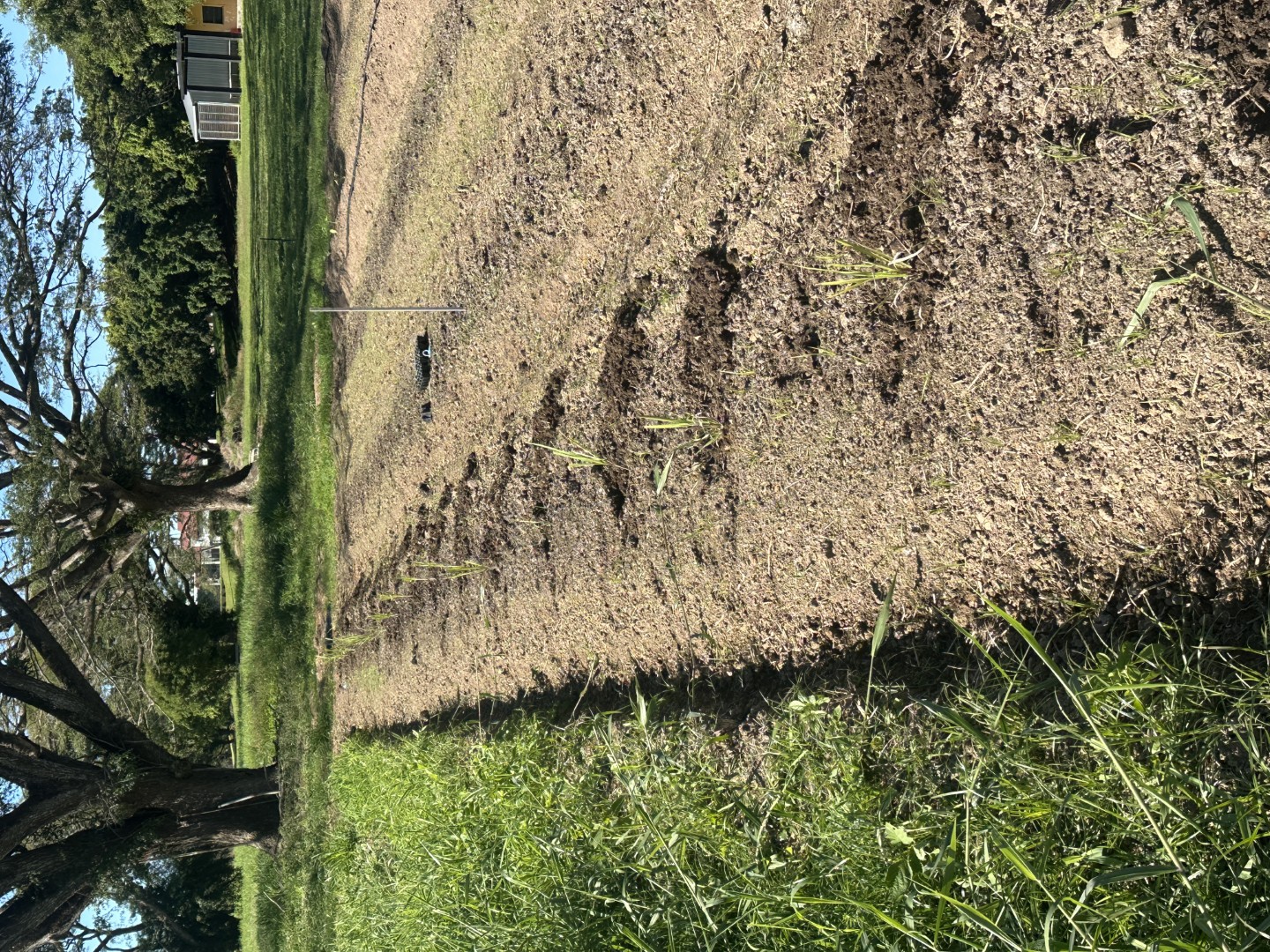
Ingham State High School is taking hands-on learning to a whole new level with its groundbreaking sugar cane tissue culture and school engagement program. Building on the success of a pilot initiative, the school applied for funding through the CQU and Agribusiness Gateway to Industry Partnership – this has allowed the school to extend this program in 2026 with the links to science and agriculture innovation. The program introduces students to the science, sustainability, and community collaboration at the beating heart of the local sugar industry.
When asked ‘What is the ultimate goal for this program?’ Jason Brown, one of the Certificate II in Rural Operations teachers at Ingham State High School, who helped create and develop this program, stated unequivocally, “It’s for the students, for the schools, and for the local industry.”
But the impact goes far beyond those three pillars.
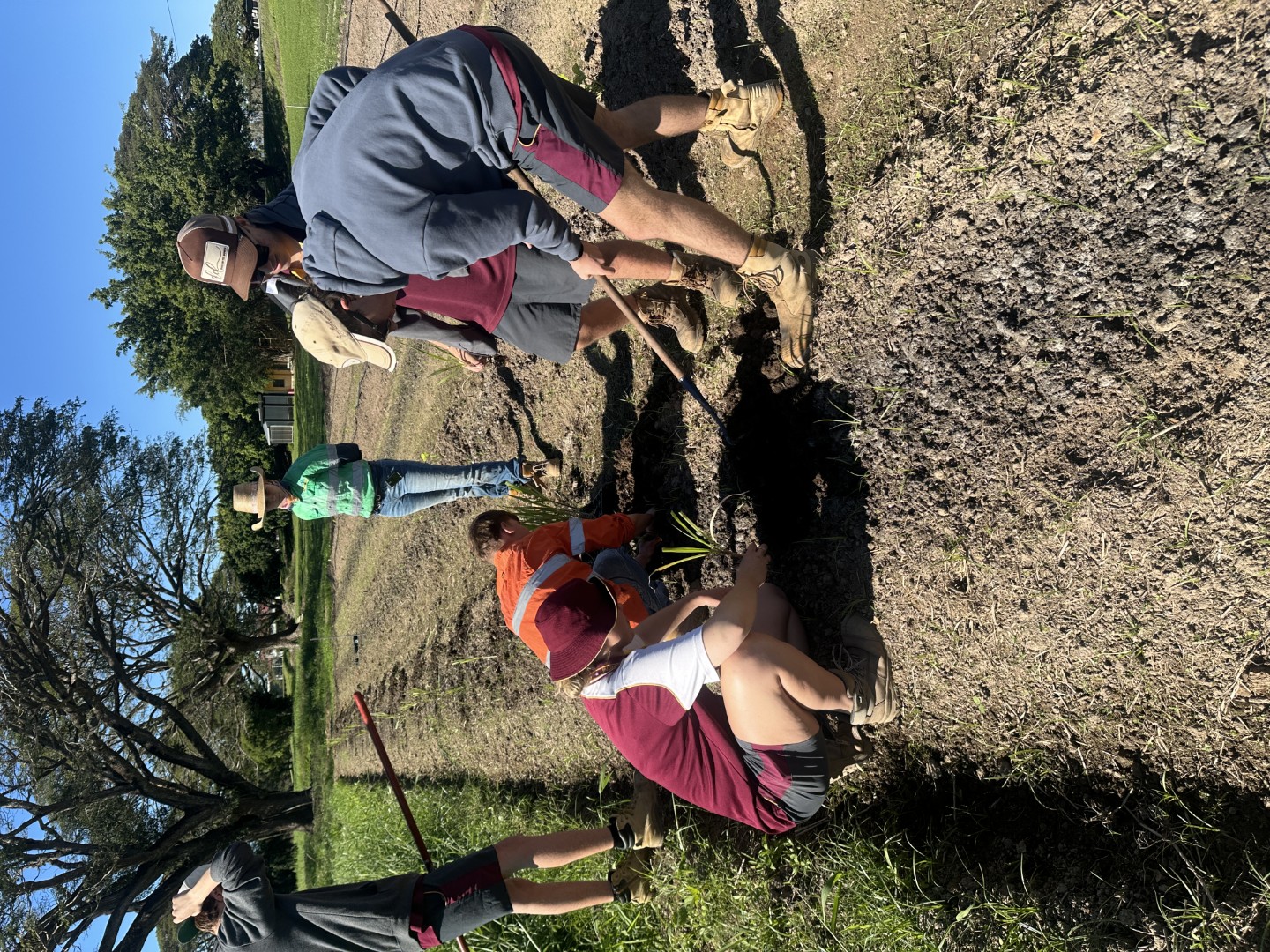
Students from Years 11 and 12, enrolled in Science, Biology, and Rural Operations, work together to develop tissue culture samples of various sugar cane varieties. These disease-free seedlings are then distributed to local primary schools, where young learners establish and maintain their own growing areas. Through this process, students from different perspectives gain practical skills in plant propagation, observation, and sustainability.
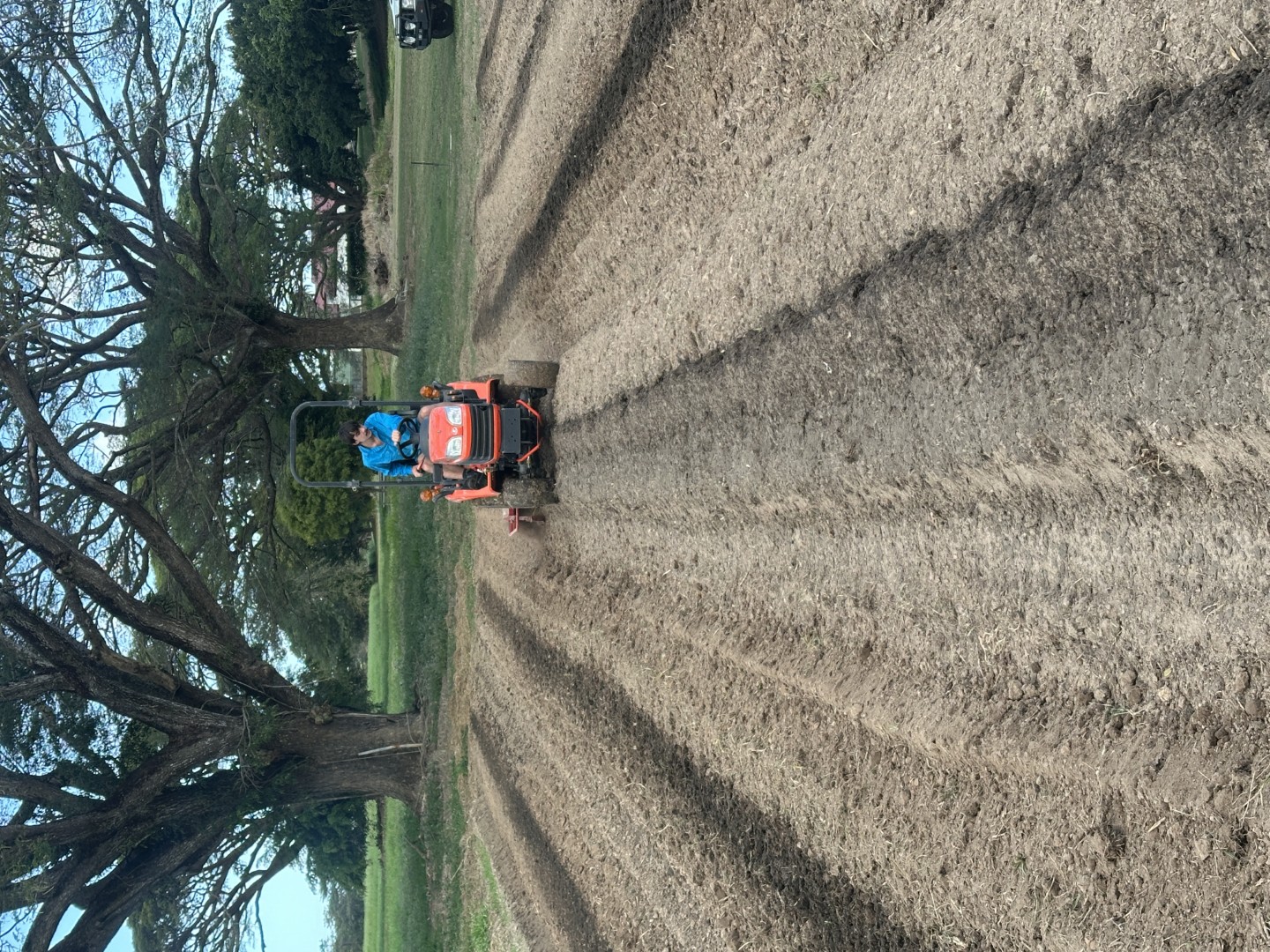
The program runs in phases, with 2026 focused on development and facility setup. High school students collaborate with industry partners — including Canegrowers Herbert River, Herbert Cane Productivity Services Ltd, and Sugar Research Australia — to establish a small-scale tissue culture and propagation unit. This ensures the seedlings are of high quality and that students are learning practices aligned with real-world industry standards. Educational resources and workshops are developed to align with the school science curriculum, providing a structured, engaging learning experience.
Ingham State High Shool's Head of Department Pathways and Partnerships, Mrs. Kylee Rosenberger said, “These partnerships with industry allow students to experience first-hand how science and innovation drive modern agriculture.”
Once seedlings are ready, the second phase sees students visiting primary schools to conduct workshops and assist in establishing growing areas. This hands-on involvement encourages curiosity, instils agricultural knowledge, and inspires younger students to consider pursuing future careers in science, agriculture, and biotechnology. By participating in these activities, primary students are now motivated to enter their grown cane into the local agricultural show for the first time, marking a milestone for both schools and the wider community.
In 2027, the program enters its final phase, with ongoing support and monitoring of the crops as they grow toward harvest. The produce is prepared and entered into the local show, celebrating student achievement while reinforcing connections between schools, families, and the regional cane industry. Beyond immediate outcomes, the program is designed to create pathways for students into higher education, industry apprenticeships, and even leadership roles within agriculture.
Canegrowers Herbert River manager, Frank Scardamaglia, said "Canegrowers are proud to partner with Ingham State High School on this innovative and forward-thinking program. Initiatives like this deliver real benefits to the community and to our sugar industry, but most importantly they create clear and meaningful pathways for young people into agriculture.
"By actively involving both secondary and primary school students, including our work with eight local primary schools growing cane as part of the program, we are helping students feel connected to the industry from an early age. This early engagement builds understanding, pride, and aspiration, while supporting the development of a skilled future workforce and giving local students every opportunity to build their careers and futures right here in the Herbert River district.”
For senior students, the program offers even greater benefits. They can earn Certificates in Agriculture while participating, giving them a head start on qualifications essential to the industry. Facility tours and mentorship from industry specialists further enrich learning, bridging a gap in local higher education opportunities. In a region where students often need to relocate for agricultural studies, this initiative provides a vital pathway to develop local talent, strengthen the workforce, and ensure continuity between farming generations.
Dimitty Harragon, a year 12 student in the Rural Opperations course and part of a generational cane-farming family, said that she enjoyed the program and how it was envolving the younger generations in what is the districts lifeblood.
"I'm like to get even more schools involved," she said, "getting all the schools involved and going out and helping the younger kids, teaching them how to grow it and watch it grow from the plant to the sticks of cane."
She contined that helping the junior schools understand the growing statges of cane was a definite highlight of the program, and that with the Certificate II under her belt, she hopes continue in the industry, to one day take the helm of her family's cane farm.
The program’s ripple effect is already evident. Students are gaining practical skills, schools are building new connections, and the local industry is nurturing a pipeline of future farmers, scientists, agronomists, and agricultural leaders. Initiatives like these not only educate but also empower young people to explore careers they might never have considered, all while contributing to the sustainability and growth of the region’s most signature industry.
With ambitions to expand into regional science competitions, Ingham State High School is doing the groundwork, cultivating more than sugar cane, but providing the opportunity for a sweeter future.
Publishers Indemnity. Any individual or entity that places advertising, supplies copy material, or submits editorial content to Life Publishing agrees and undertakes to ensure that all such material:- Does not infringe upon any copyright, trademark, or other intellectual property rights;- Is free from any content that could be considered defamatory, libelous, or slanderous;- Does not infringe upon any rights related to privacy or breach of confidence;- Contains no obscene, indecent, or otherwise unlawful material;- Complies fully with the Trade Practices Act and all other applicable laws, regulations, or statutes. Furthermore, by submitting or placing such material, these individuals or entities agree to indemnify and hold harmless the publisher, Life Publishing and Events Pty Ltd, and/or its agents from and against any and all investigations, claims, demands, liabilities, damages, costs, or judgments arising out of or in connection with the material provided. All material is believed to be accurate at the time of printing and remains the copyright of Life Publishing and Events Pty Ltd.
© 2026 Life Publishing Group Ltd.



-2.jpg)