
Independently Owned, Locally Grown, Community Loved
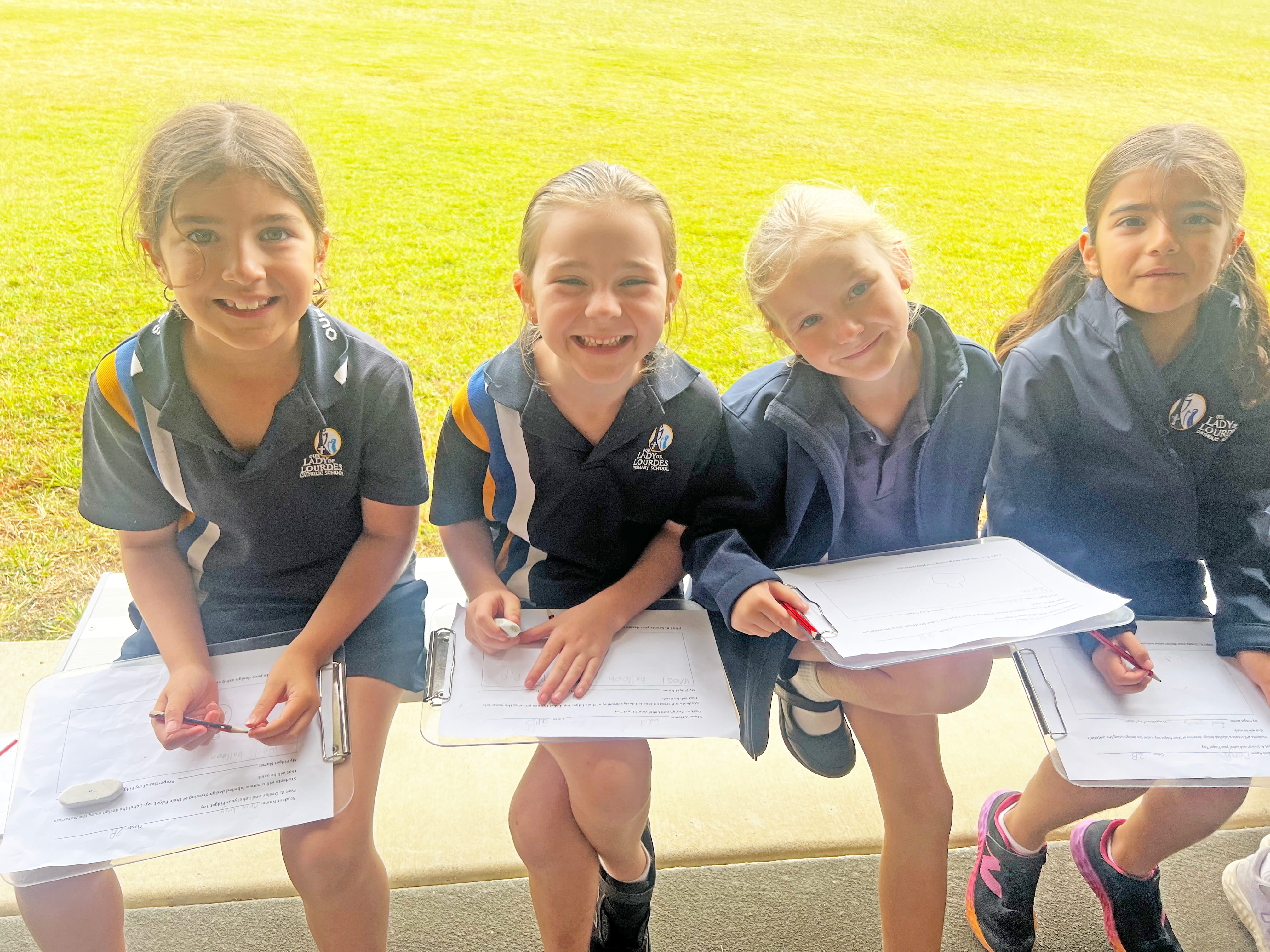
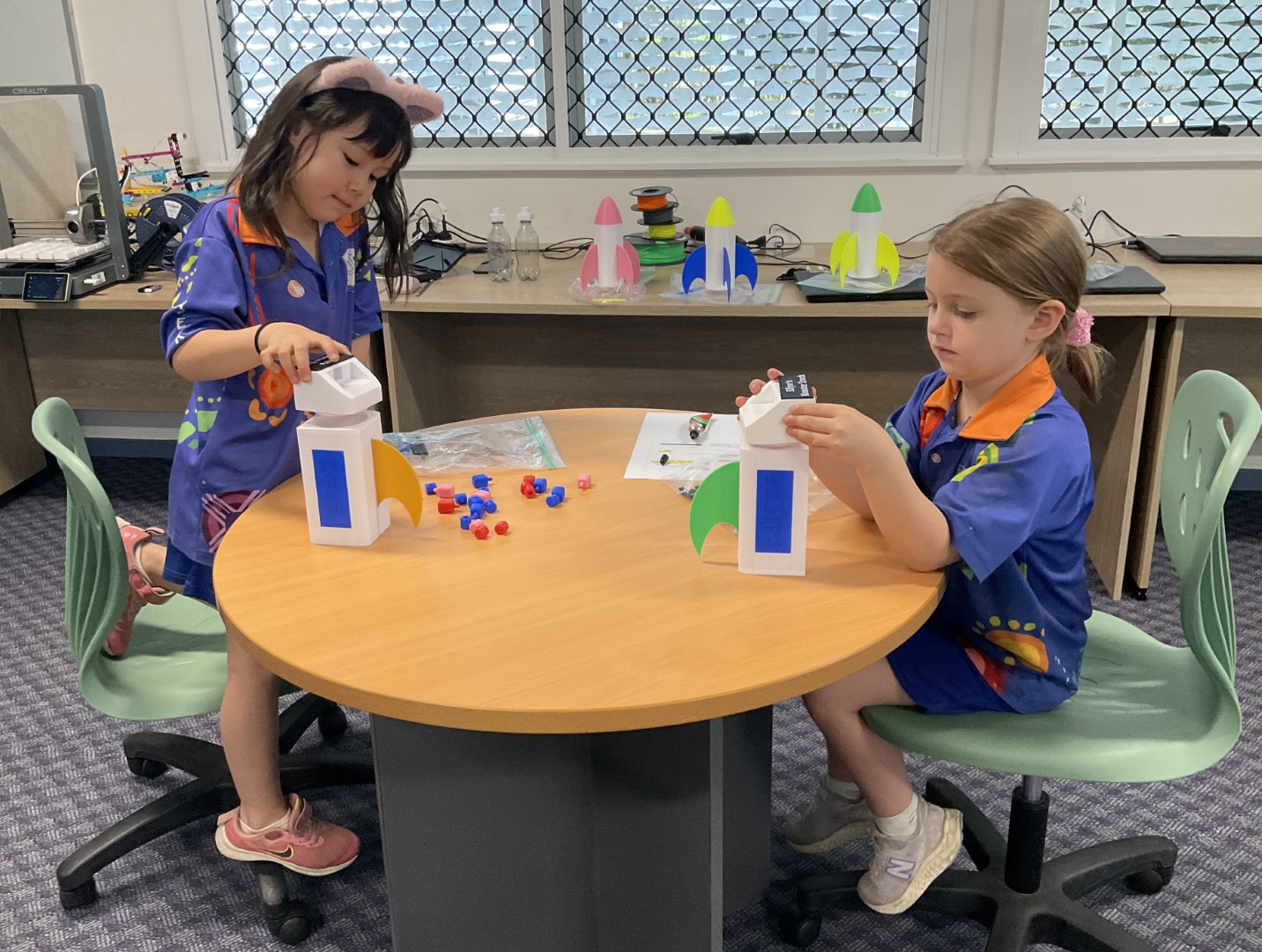
2026 has marked an exciting new chapter for Science at Our Lady of Lourdes with the introduction of Science as a specialist subject across the school. Aligned with the Australian Curriculum Version 9, our science program provides students with opportunities to investigate real-world phenomena through hands-on learning, creativity, inquiry and play. At Lourdes, we believe that students learn best when they are actively engaged in meaningful experiences that allow them to question, explore, design, test and create. Across every year level, students have been immersed in learning that encourages curiosity while developing important skills such as collaboration, critical thinking, problem-solving and resilience. Our Year 2 students have stepped into the role of designers and inventors by creating their own fidget toys. Students investigated how materials can be changed and selected for specific purposes, using the design process to create products that are both practical and engaging. They have loved seeing how different products can be made, especially their favourite toys. Students at Our Lady of Lourdes have had lots of fun being inventors. Photos supplied
Read the full story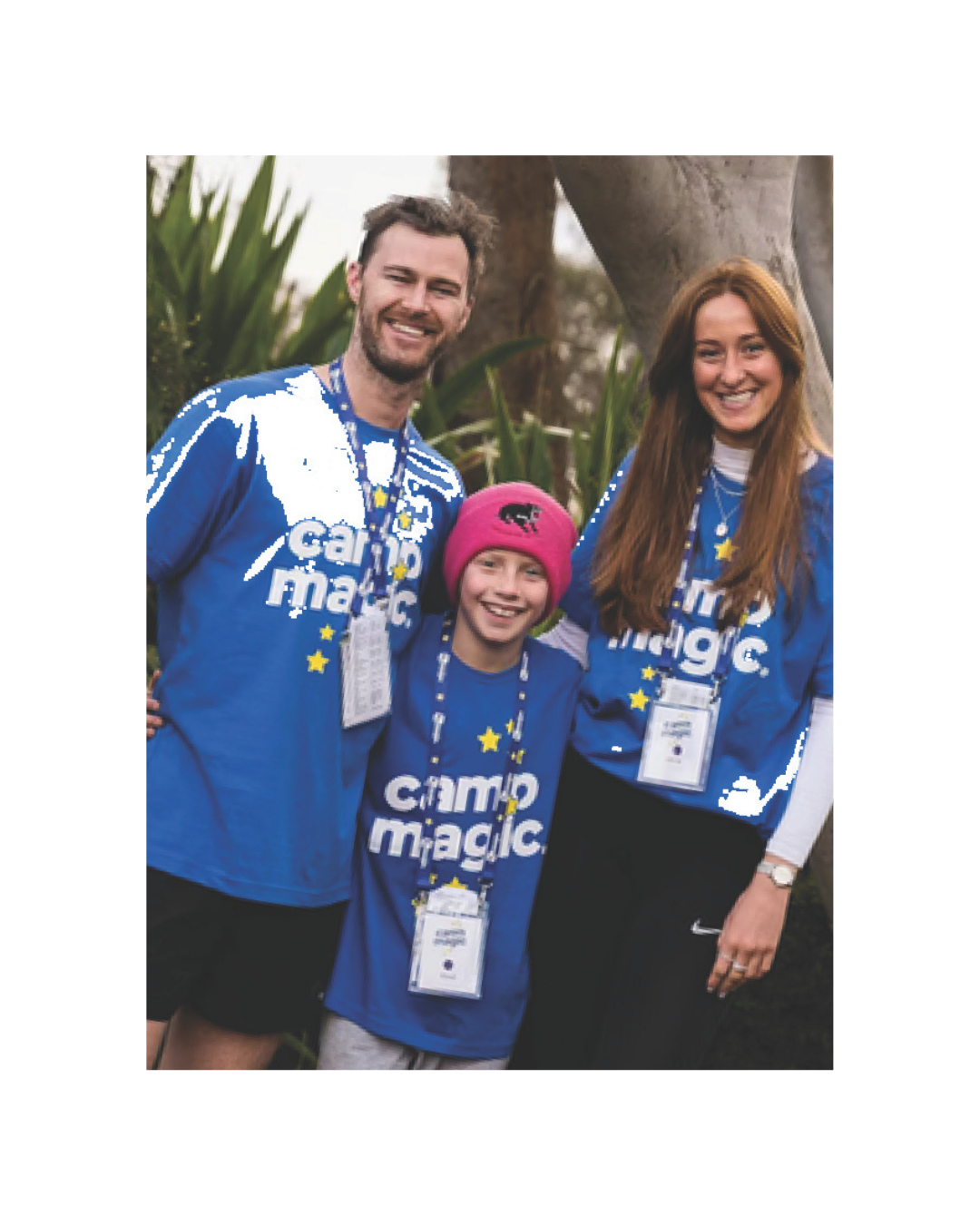
Feel the Magic is providing vital support to children and families across Australia who are navigating the pain of grief, offering a range of free early intervention programs designed to help young people “face, feel and heal” after the death of a parent, guardian or sibling. At the heart of the organisation is a belief that no child should face grief alone. Its programs create a nurturing, supportive environment where children aged 7 to 18 can express their emotions, learn coping strategies, and connect with others who understand their experience. Through its virtual camp programs, Feel the Magic is able to reach families regardless of location. These online sessions bring together grieving children to learn a shared “grief language”, build practical emotional tools, and reduce feelings of isolation through connection with other families. The organisation also offers specialised programs for those impacted by suicide bereavement. These include virtual camps, a one-day face-to-face “Let’s Talk Suicide Family Day Camp”, and the signature Camp Magic experience—an intensive 2.5-day overnight program where children are paired with trained volunteer mentors who provide one-on-one support throughout the camp. Camp Magic focuses on helping children understand grief, regulate difficult emotions and develop healthy coping strategies in a safe and structured environment. A concurrent emotional literacy workshop is also available for parents and guardians, helping families better understand grief responses and strengthen communication at home. For older participants, Grad Camp supports young people aged 16 to 19 as they transition into adulthood while continuing to process their grief experience. Across all programs, Feel the Magic emphasises connection, understanding and hope, with the organisation noting that even a single day can make a meaningful difference in a child’s journey through grief. To learn more about how you can get involved email lauren.galbraith@feelthemagic.org.au. WHAT: Family Day Camp WHEN: 26th July WHERE: The Cathedral School, Townsville
Read the full story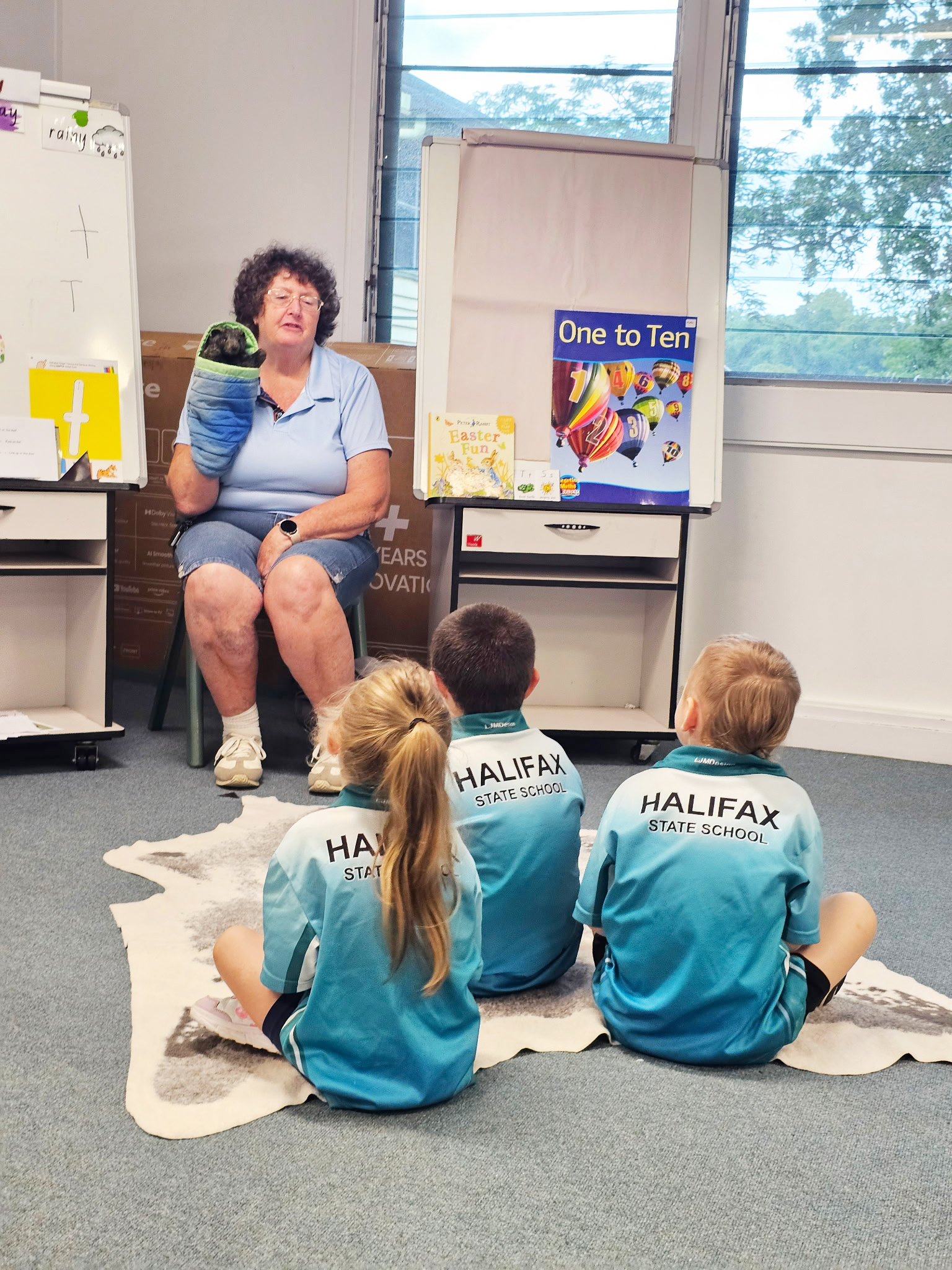
A strong school community is built on the dedication of its people. At the heart of Halifax SS are highly experienced and caring learning support staff who ensure every student feels included, supported, and capable of success. Their work, alongside experienced and innovative teachers, creates engaging classrooms where creativity and curiosity thrive. Play-based learning is one example of this approach in action, helping students develop confidence, independence, and a love of learning from an early age. Bringing these strengths together is exceptional leadership. This has been recognised through the awarding of the prestigious Bill McClintock Medal, introduced in 2016 to honour individuals who contribute to the advocacy and service of the Queensland Association of State School Principals (QASSP), particularly through supporting colleagues across regional and remote communities. “We are all very proud of Michael for receiving this award,” a spokesperson said. “It reflects a commitment not only to school excellence, but to strengthening education across Queensland. “Together, caring support staff, innovative teaching, and award-winning leadership create an environment where students and communities thrive.” Caption: 1. Teacher aide Jenny Genrich incorporates play-based learning to actively engage students and support early skill development in the classroom. 2. Presentation of the Bill McClintock Medal, recognising outstanding leadership and service to education across Queensland.
Read the full story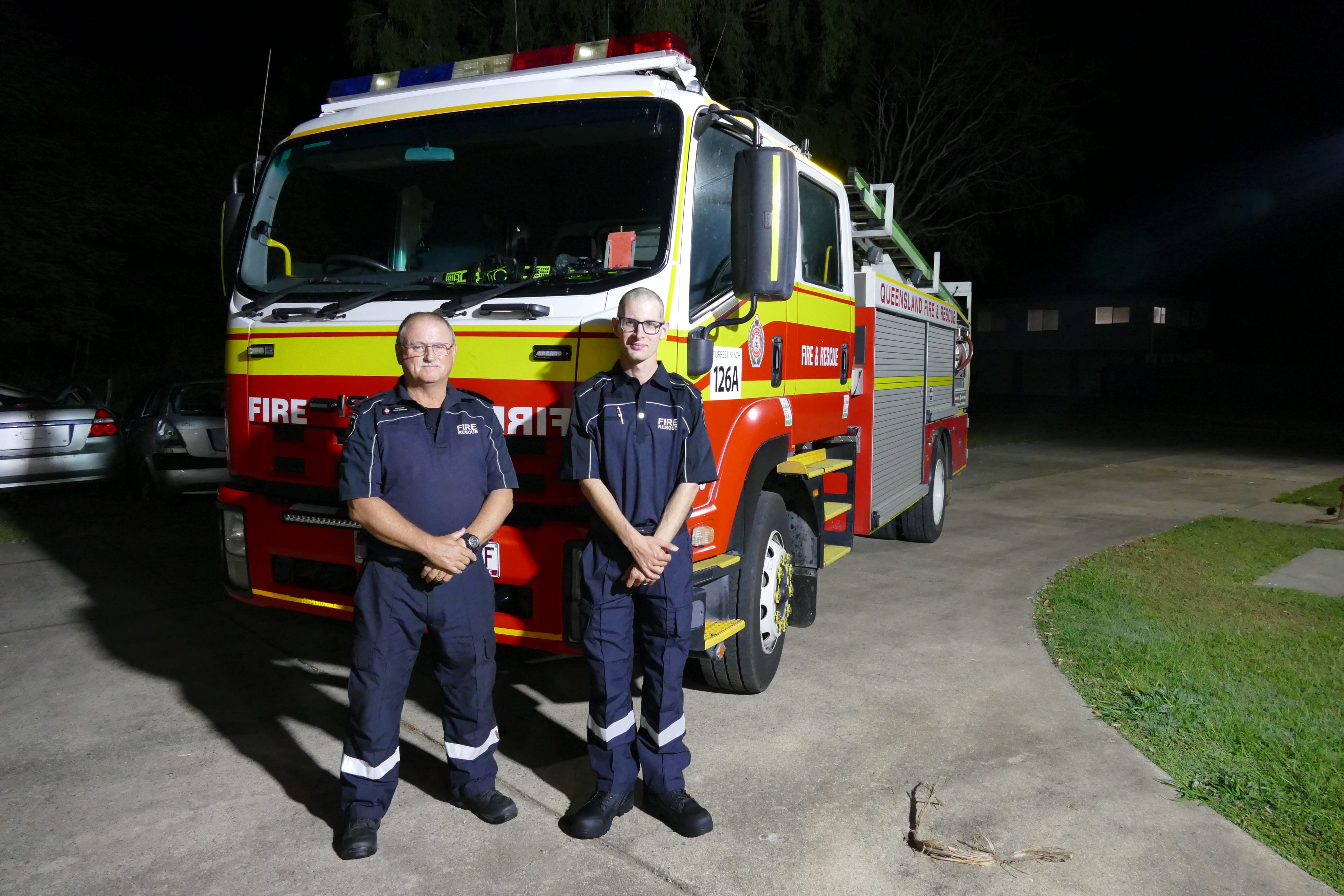
When disaster strikes, firefighters are often the first people the community turns to. But behind every emergency response is a team of locals who give their time, train regularly and step up when their neighbours need them most. Forrest Beach Fire and Rescue is encouraging more community members, particularly younger residents, to consider joining the station and becoming part of the team. "It's a good thing to get people back in from the community, especially for the station here; because we're an elderly community. Getting the younger people in is really, really important,” said Acting Lieutenant Keith Amos. Keith highlighted that being part of the station is a chance to make a tangible impact on the community- and not just in cases of fire. During the major flooding event of 2025 that isolated Forrest Beach and surrounding areas, firefighters assisted residents, with rescues, but also delivering meals and helping secure damaged homes. "The floods, when we were cut off, the way we were seen by the community and how we helped people really made an impact," Keith said. The crew’s role is diverse, and potential recruits are reminded that it’s not all flashing lights and sirens. Beyond the emergencies, auxiliary firefighters have an important role in the everyday community; regularly attending markets, school safety days and events to teach fire safety and engage with local families. During the recent Tasman Turtle Picnic Day, a popular community event for children, countless young attendees were proudly sporting the station’s bright, colourful Blazer the Koala firefighting mascot stickers. "We try and get into the community, showing what we do," Auxiliary Firefighter Michael Monbelli said. Michael also explained that for him, the biggest obstacle is balancing service with everyday life – though this factor he feels is understood and well-supported by the crew. Michael balances his firefighting role with full time work at the mill, and a busy family life with young children. On his team, there is a schoolteacher, two ex-servicemen, and another millworker. Auxiliary firefighters also commit significant time to weekly training. As for emergency response, call-outs can occur at any hour of the day or night. "Being an auxiliary is that we're on call.” Acting Lieutenant Keith Amos explained. “So even on our Wednesday night training we can get a call." Keith described the role as ‘drop everything and jump into action’. Despite the demands, Former Army serviceman Mark McEwen believes many people underestimate how manageable the role can be. "It doesn't take too much out of your normal week. Give up your three hours of training on a Wednesday, and you're on call." At the same time, emergency work can be unpredictable. "Things can change in a heartbeat," Mark said. He recalled a 4:00am call-out to a possible house fire. "Eight hours later, we get home. Us older fellas feel it a bit more, but it was worthwhile. That's what we're here for." The crew also works closely with volunteer organisations including the SES and Forrest Beach Surf Life Saving Club. During the February 2025 flood event, firefighters and surf lifesavers combined resources to rescue elderly residents trapped by rising floodwaters. According to the firefighters, the biggest motivation to get involved is that it feels good to make a difference in your community. "It's that sense of pride," Keith said, "I take pride in this job and I love doing it." "Even if you've never thought about becoming a firefighter, come down and have a chat to us," Keith said. "It's that simple.” Caption: Members of the Forrest Beach Auxiliary Firefighters: Glyn Morgan, former Air Force serviceman, and Braydon Fratus, local mill worker and the brigade's newest recruit, standing by the Forrest Beach Brigade’s fire engine.
Read the full story
.jpeg)
With the cane harvest season now passed the halfway mark and the traditional southern state tourist season moving toward its latter weeks as the temperature starts to warm up, it is timely to reflect on how far our community has progressed since the impactful weather event in February this year.
The harvest figures to date have revealed a more positive trend, which has seen the current crop estimate increase throughout the district. The recent announcement by the Federal Government of a $1.1 billion biofuels program has created much excitement for the future of value-adding opportunities for the sugar industry.
Recorded local visitor numbers to date have seen very encouraging increases and positive upward trends, with hospitality and retail businesses reporting strong visitor spending in the district. The appointment of an experienced international hike operator to conduct tours on Hinchinbrook Island, planned to commence in the first half of 2026, is a long-awaited and exciting tourism opportunity for the Shire and region.
This year has also seen several additional new tourism products enter the local market, which has further increased visitor spending in the Shire. The development of products that support the visitor experience and showcase Hinchinbrook Shire to the world has been many years in the making, and it is exceptionally pleasing to now witness these new opportunities being delivered.
The launch on Friday by Townsville Enterprise of the largest-ever tourism marketing campaign for North Queensland will provide the opportunity for the Hinchinbrook Shire to be showcased on the state, national, and international stage, providing more opportunities for tourism growth in our Shire.
Despite the incredibly challenging start to 2025, which many residents continue to navigate, these positive developments in the sugar and tourism industries should provide confidence that some exciting opportunities are on the horizon.
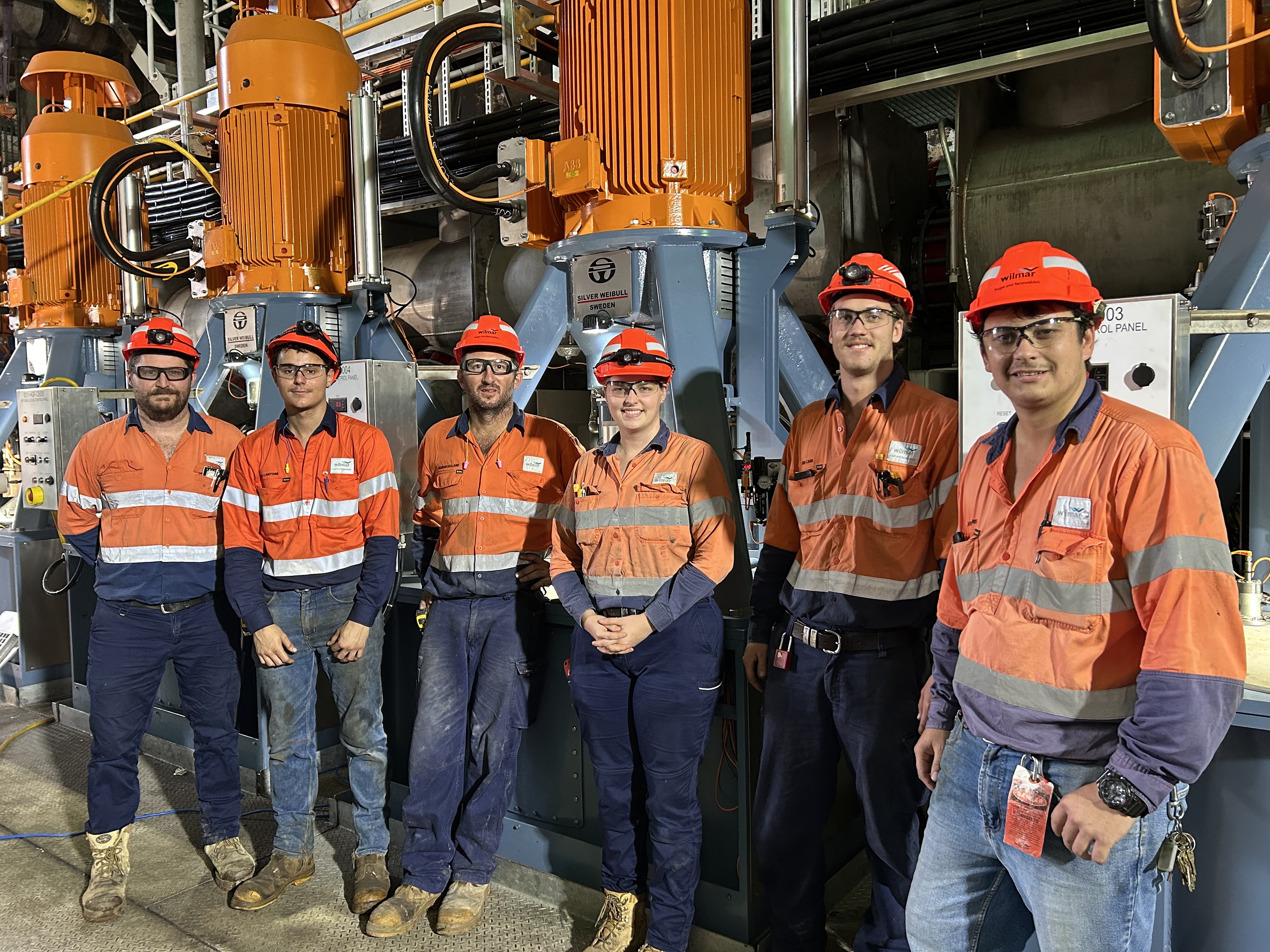
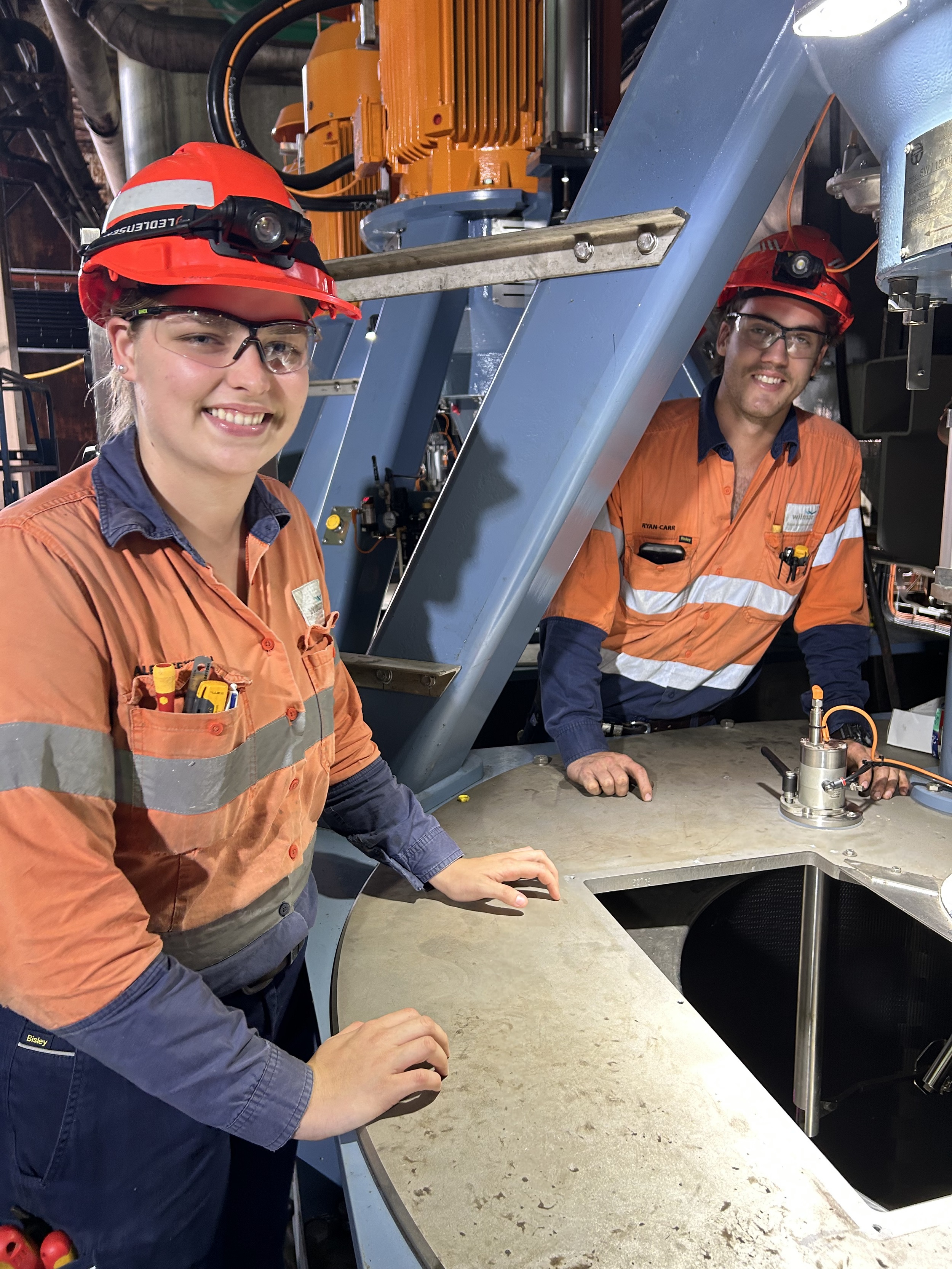
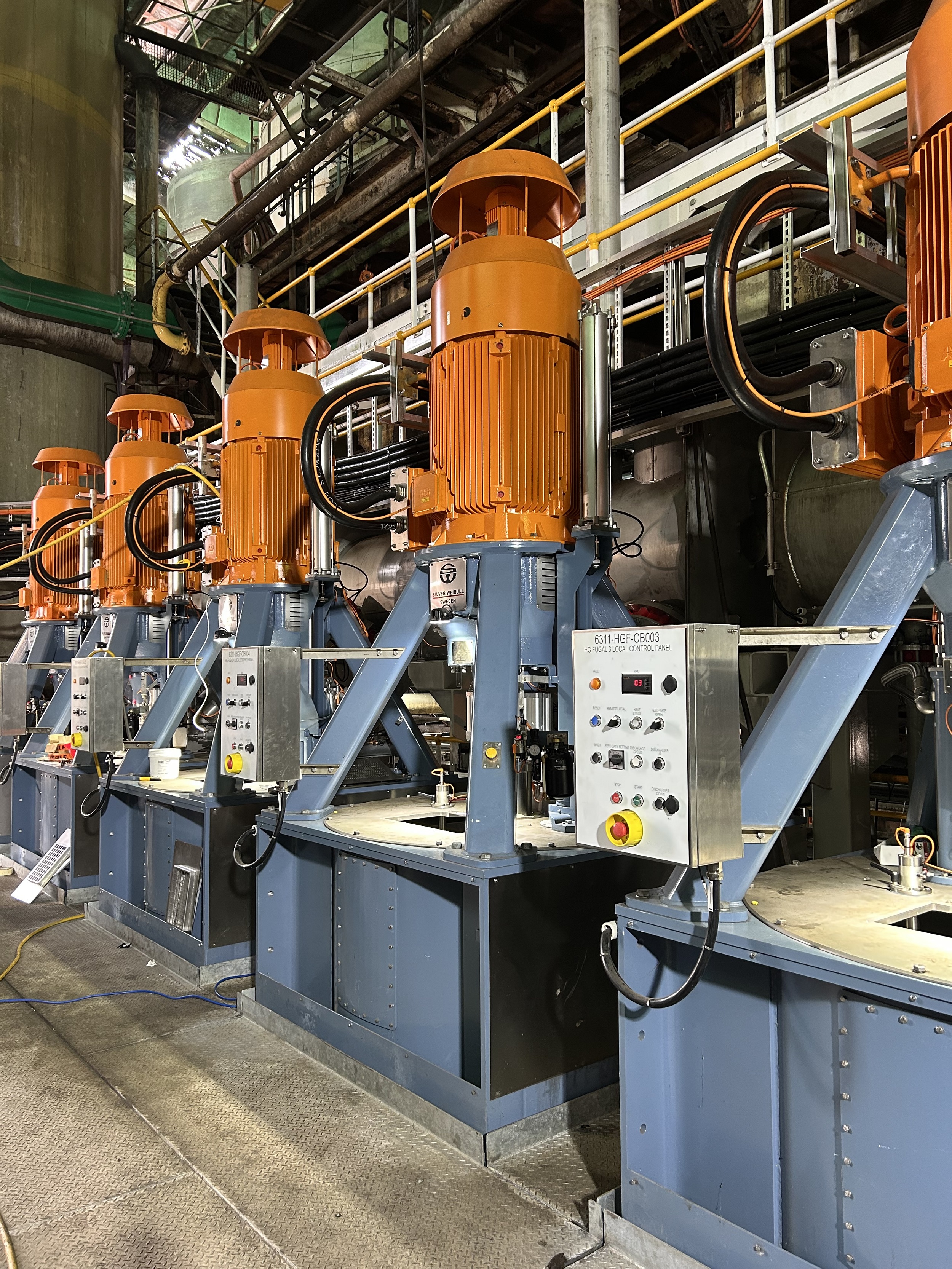
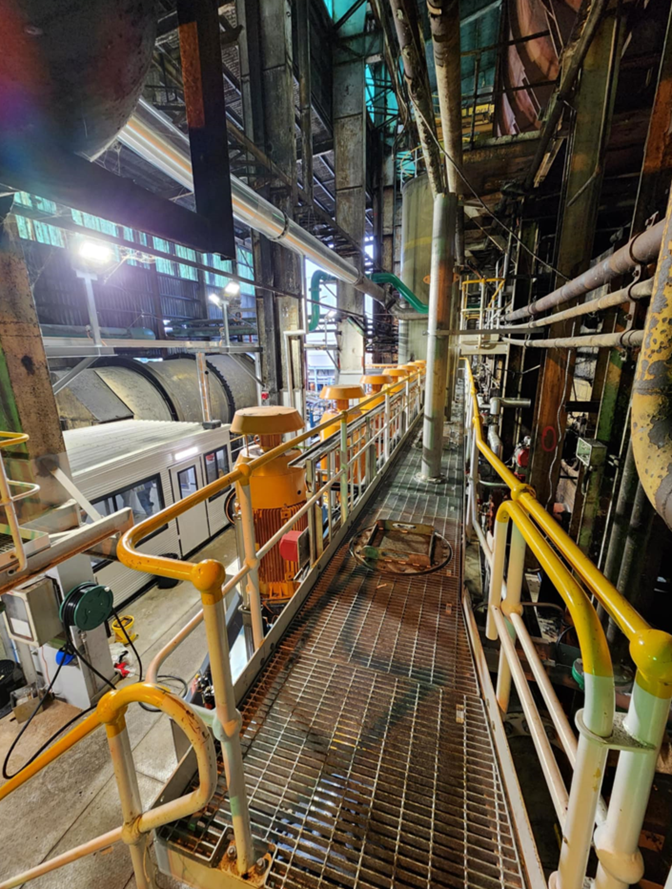
Macknade Mill has completed its largest capital program in a decade, with a new high-grade fugal station already delivering positive results halfway through the 2025 sugar production season.
The $10.76 million project saw the installation of seven Silver Seibull 1250E fugals during the maintenance season, along with new supporting structures, civil works, services, and switch rooms.
Wilmar Sugar and Renewables Senior Project Engineer Joseph Bonassi said the project was about more than just new equipment.
�E��E�E���E��ELocal drainage and access systems were also improved as a portion of the scope of the project, with the aim of improving upon safety culture and factory performance,�E��E�E���E��E he said.
�E��E�E���E��EThe quality of work was outstanding, reflecting the care and pride our people put into every detail. This achievement speaks volumes about the dedication and skill of our people,�E��E�E���E��E he said.
>vents Calendar online.
>figure-type-image w-richte

The resilience, beauty, and spirit of rural Australia have been captured in the winning entries of Rural Aid�E��Es sixth annual Spirit of the Bush Photography Competition.
�E��EThis year�E��Es photos are a moving tribute to life outside the city limits. They tell stories of perseverance, pride and connection,�E��E Mr Warlters said.
Since 2015, Rural Aid has provided vital support to farmers and rural communities, from hay and drinking water to mental health counselling and community-building initiatives. Now celebrating its 10th year, the charity continues to stand shoulder-to-shoulder with rural Australians, ensuring their stories �E��E and their resilience �E��E are never forgotten.
>px">
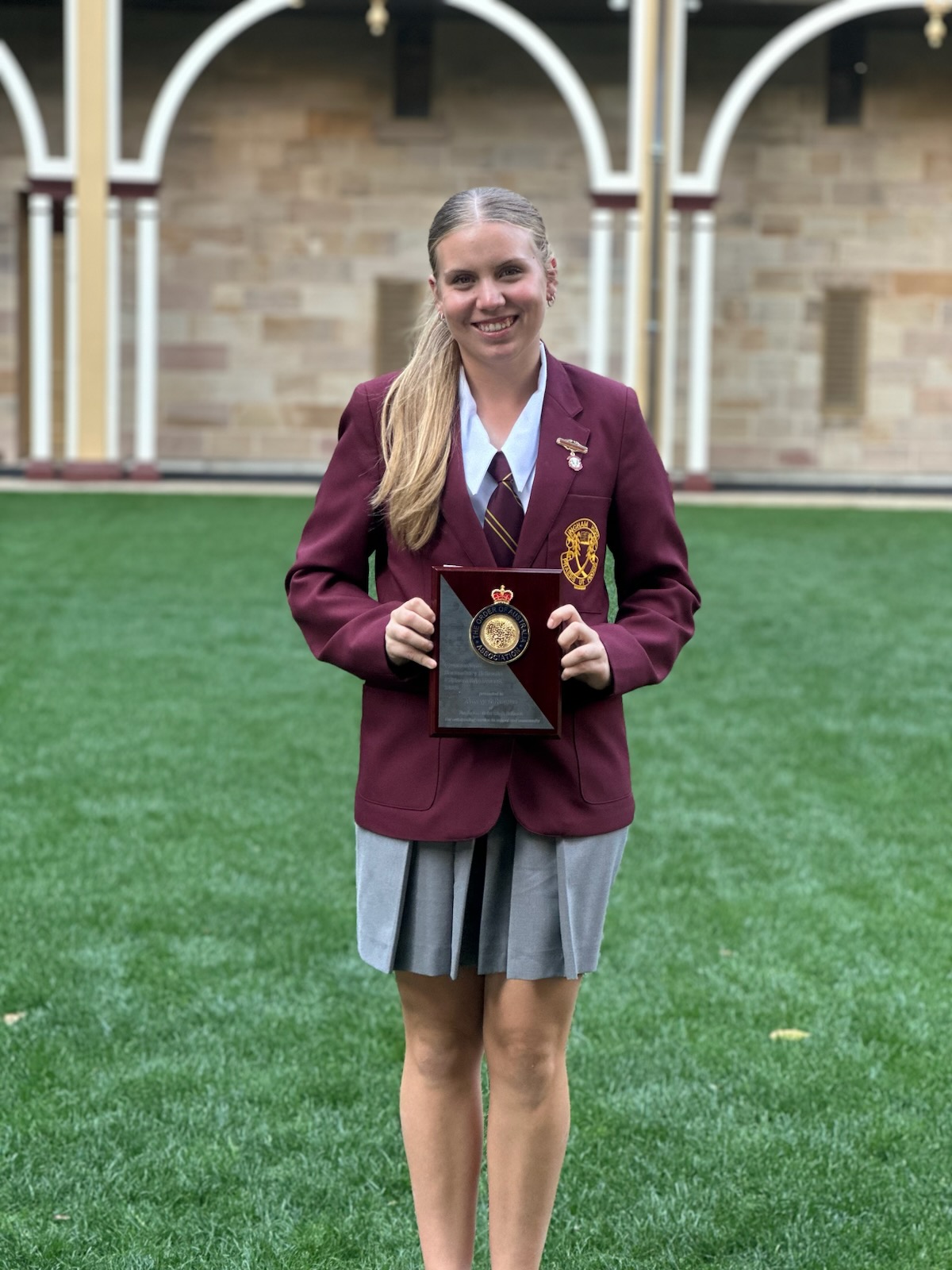
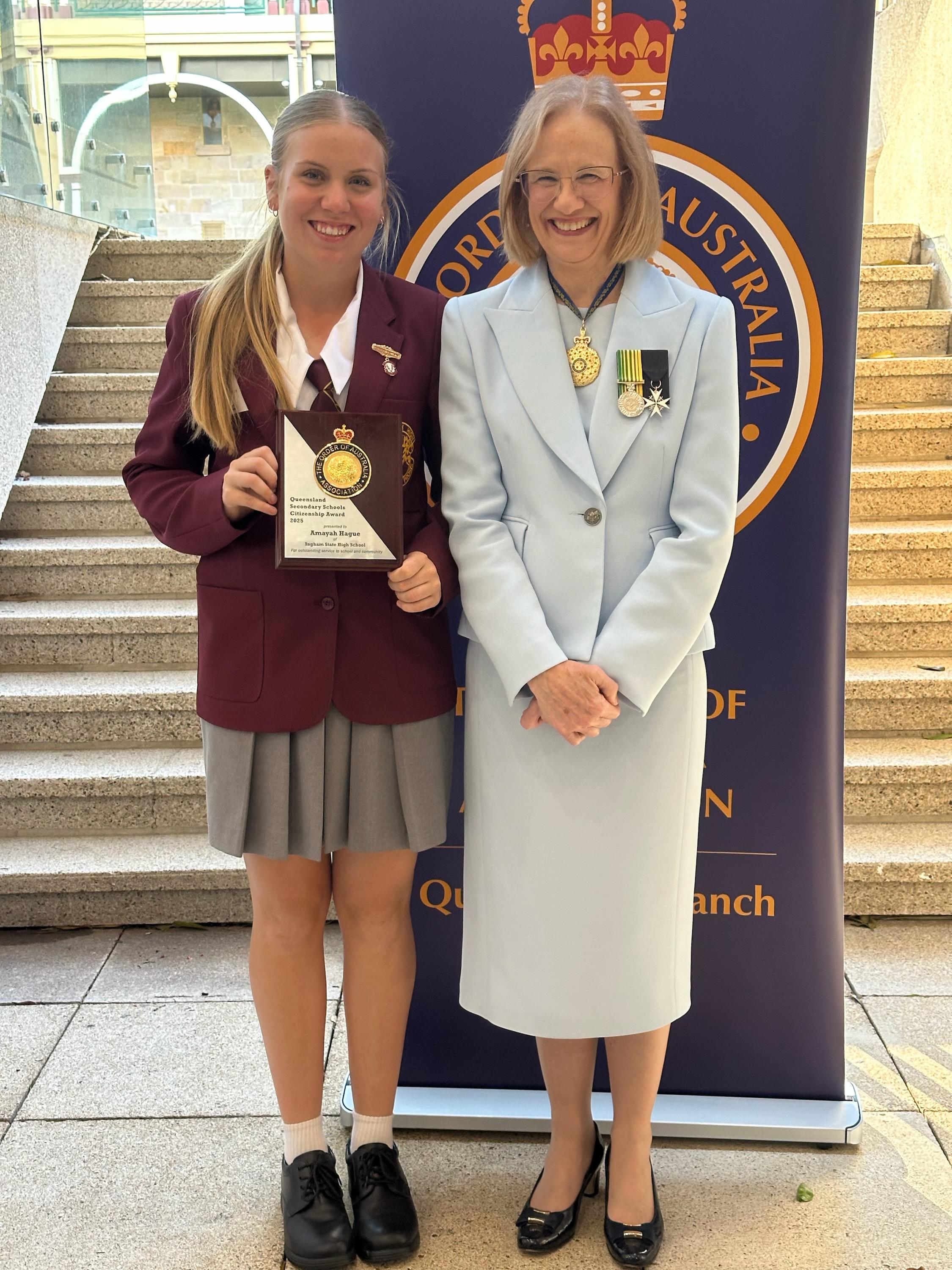
Ingham State High School is delighted to announce that School Captain, Amayah Hague, has been awarded the prestigious Order of Australia Association�E��E�E���E��Es Secondary Schools�E��E�E���E��E Citizenship Award for 2025 �E��E�E���E��E a distinguished honour that recognises exemplary young Australians who demonstrate outstanding leadership, citizenship, and service to their communities.
The entire Ingham State High School community joins in congratulating Amayah on this extraordinary accomplishment. Her success stands as a proud reminder of the positive impact that young people can have �E��E�E���E��E and reflects the values and spirit that define Ingham State High School.
>a299960c1e5cb
>div>
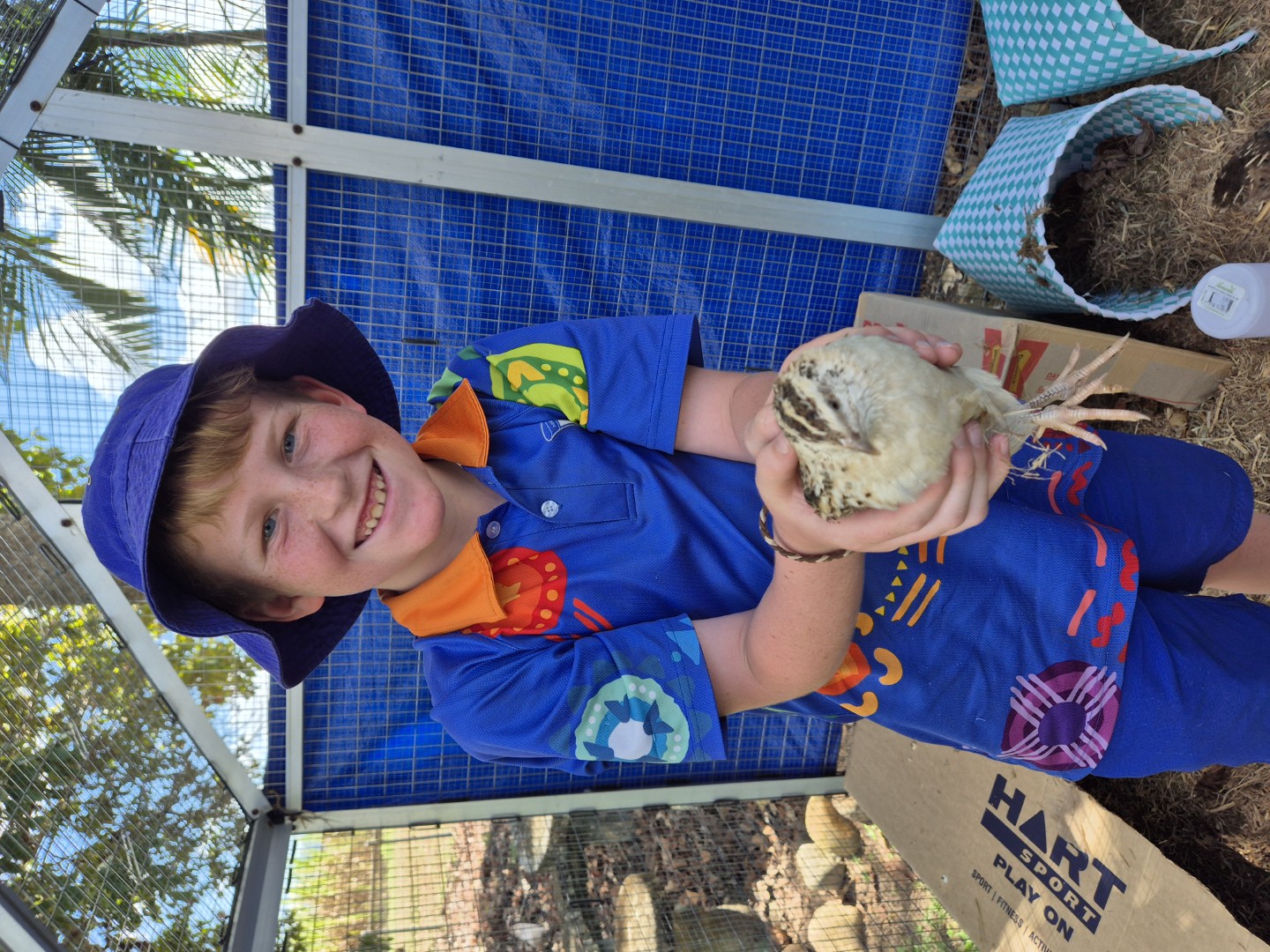
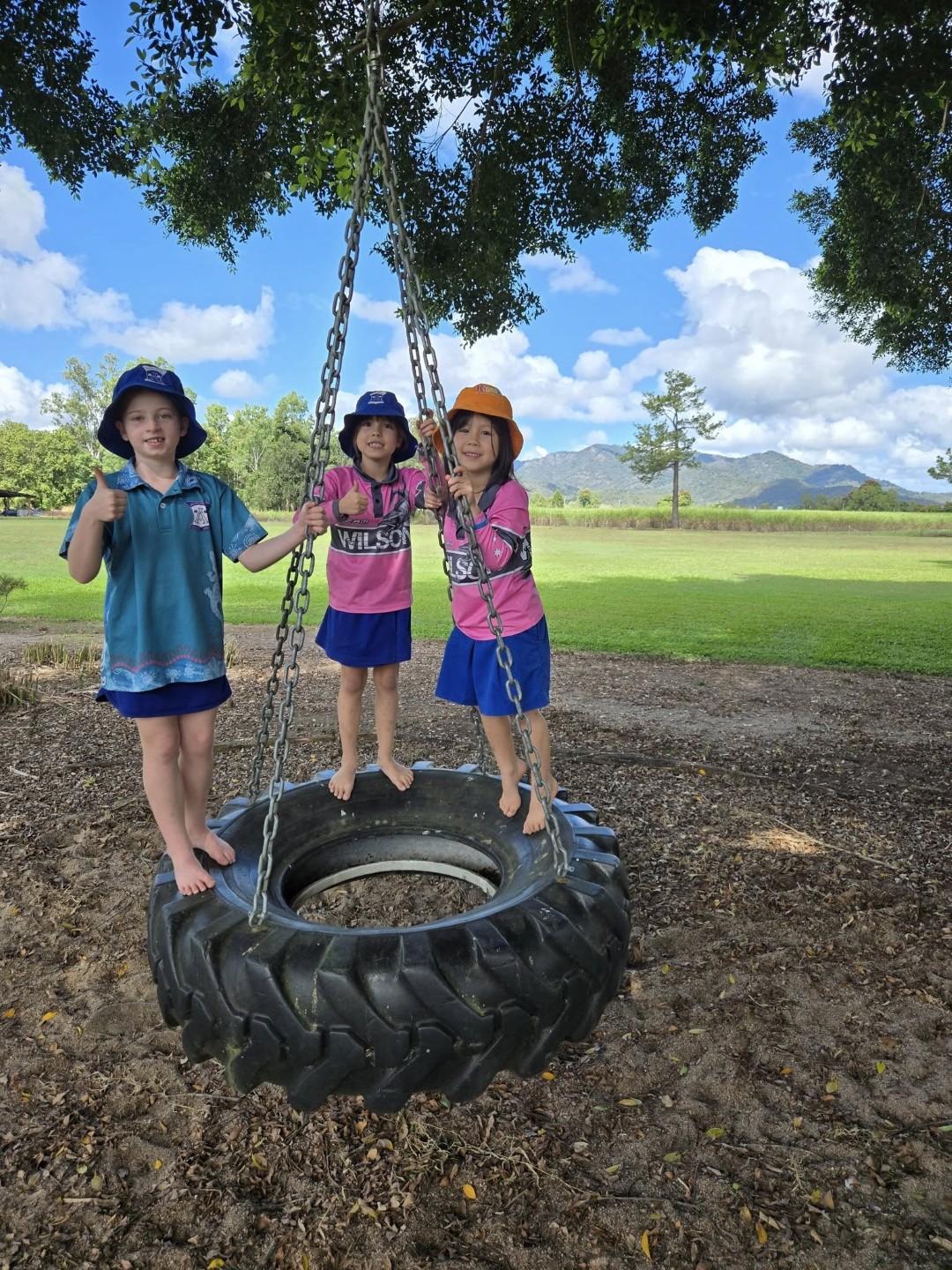
Established in 1953 to serve the children of cane-farming families west of Ingham, Abergowrie State School has a long tradition of nurturing students in a caring, supportive environment. Over the decades, it has grown into a close-knit hub where families, staff, and students work together to create a positive and welcoming learning community.
Today, student wellbeing remains a priority at Abergowrie. From Early Childhood through to Year 6, teachers take the time to know each child, understand their learning needs, and provide tailored support to help them reach their goals. Classrooms are calm and focused, offering hands-on learning opportunities that build strong foundations in literacy and numeracy while encouraging curiosity and creativity.
Alongside academic learning, students are supported to develop respect, resilience, and responsibility. Community involvement plays an important role, with families regularly invited to school events and celebrations that strengthen the connection between home and school. This partnership helps students see learning as a shared journey and builds pride in their achievements.
Abergowrie�E��Es personalised learning environment meets each student where they are, guiding them on a journey of growth that extends beyond curriculum outcomes. By addressing the whole child, the school prepares students to thrive as balanced, confident lifelong learners who contribute meaningfully to their communities.
>-wi
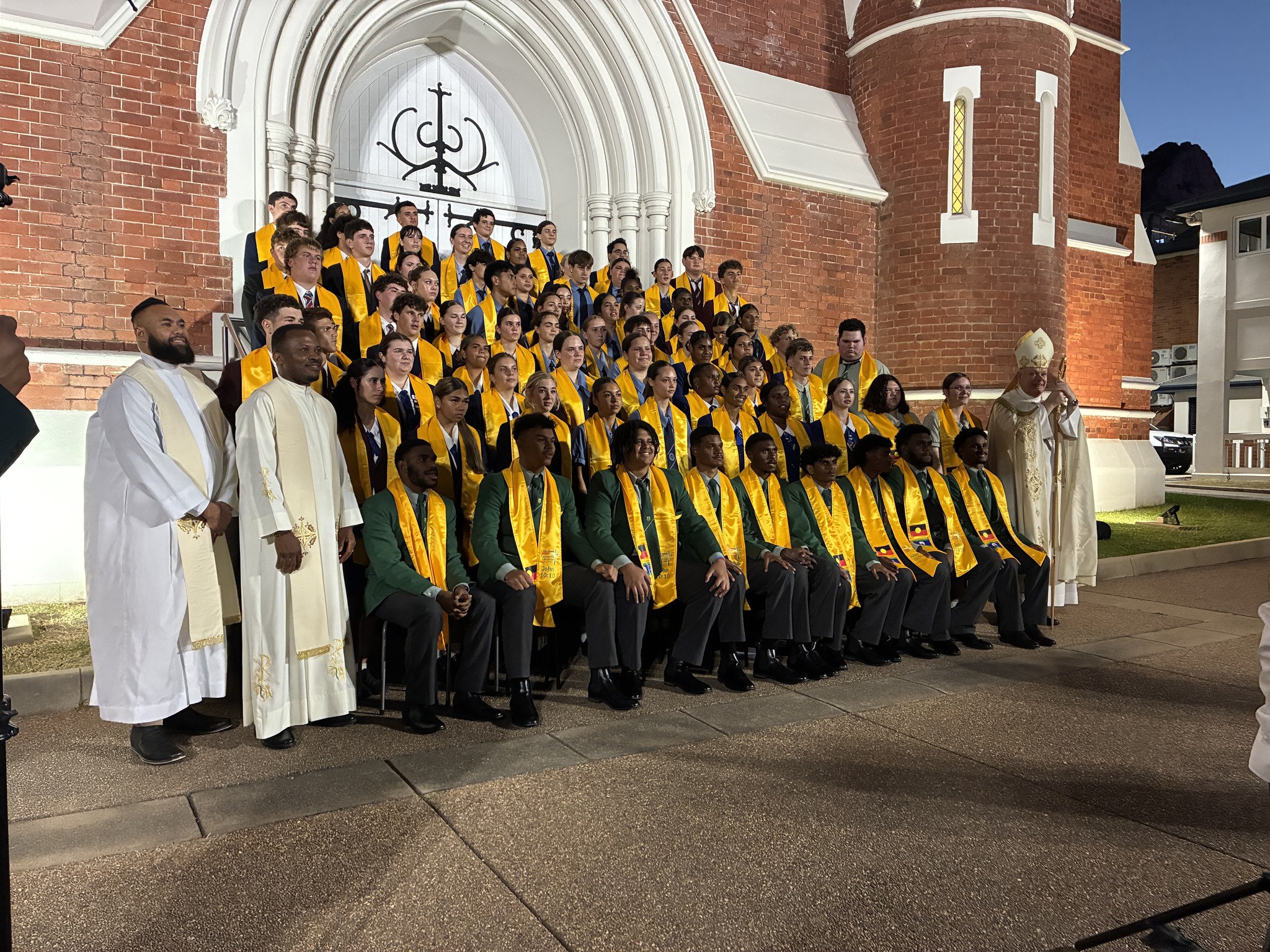
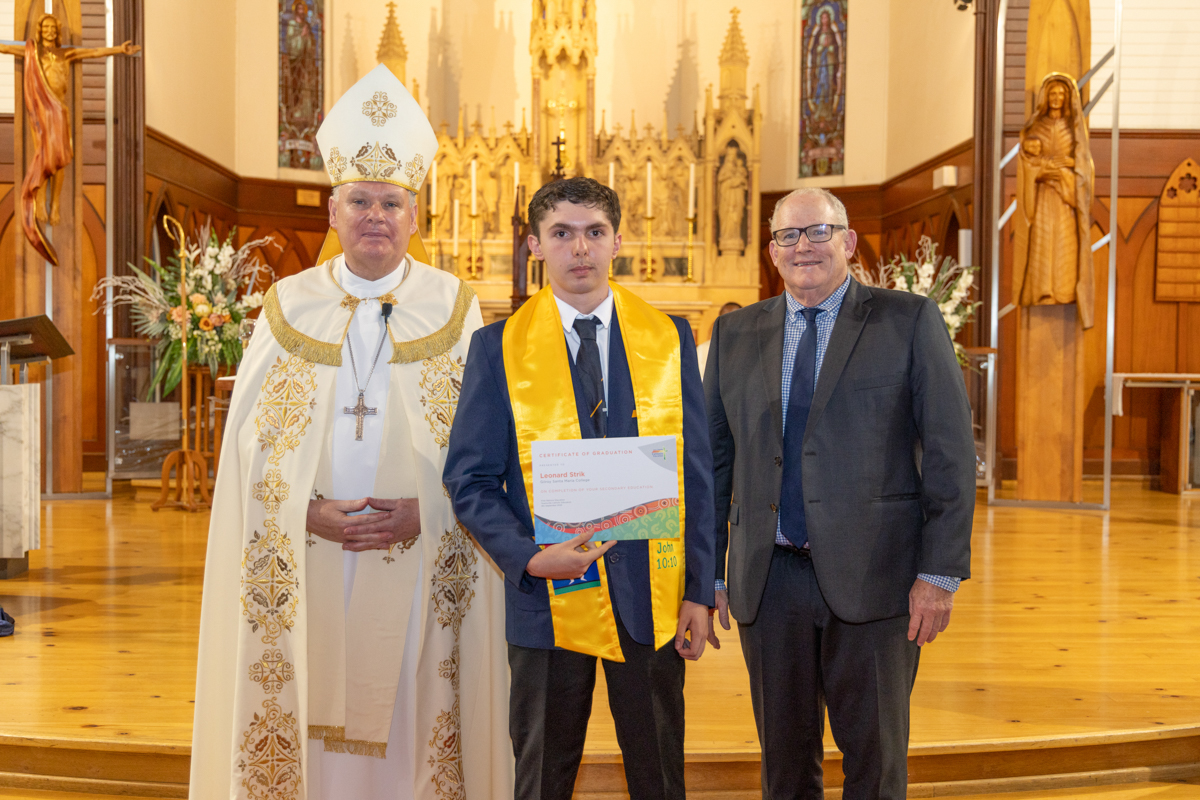
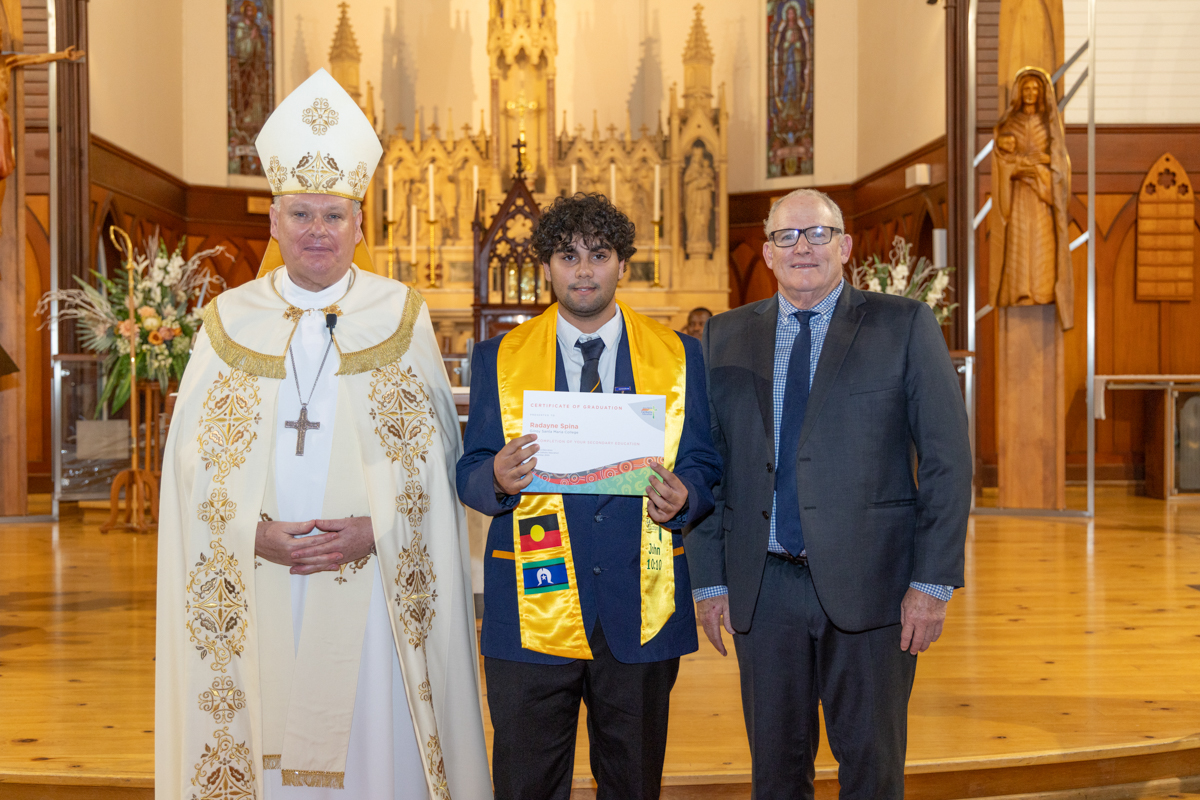
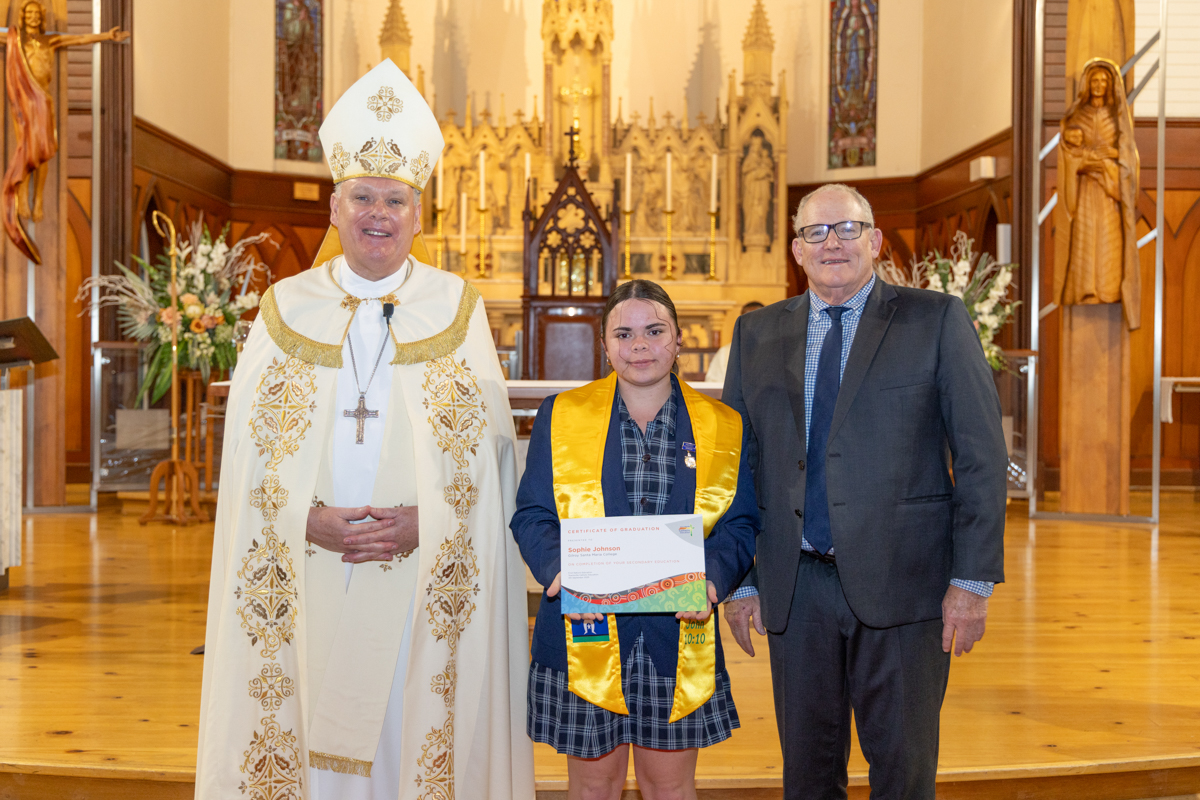
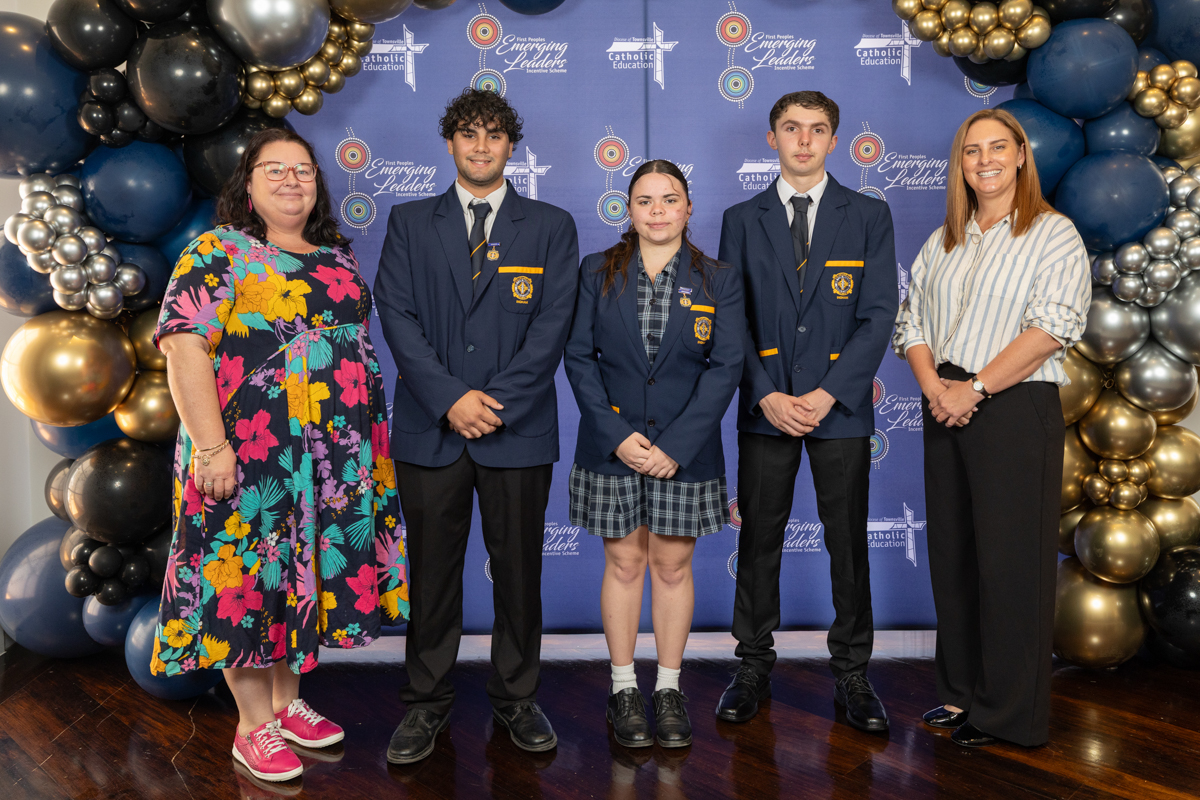
On 4 September, Gilroy Santa Maria College�E��Es Year 12 Emerging Leaders were honoured at the Blak Excellence Lunch, a powerful celebration of First Nations excellence, leadership, and contribution to education. This special event, organised by Townsville Catholic Education, recognised the strength, resilience, and brilliance of these students as they continue to shape a future grounded in culture, community, and country.
The College community commends these students for their dedication and achievements, acknowledging the positive example they set for their peers. Their journey reflects a commitment to education and cultural identity, inspiring younger students to follow in their footsteps with confidence and pride.

>
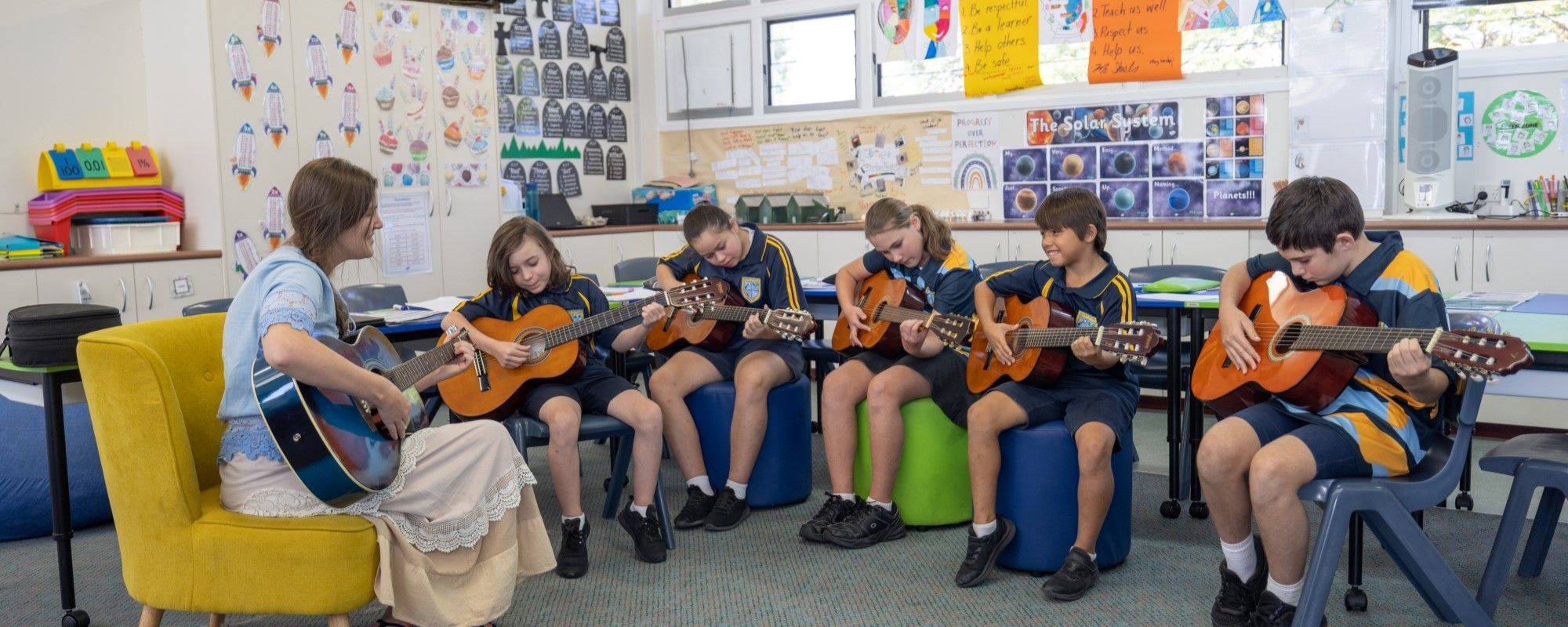
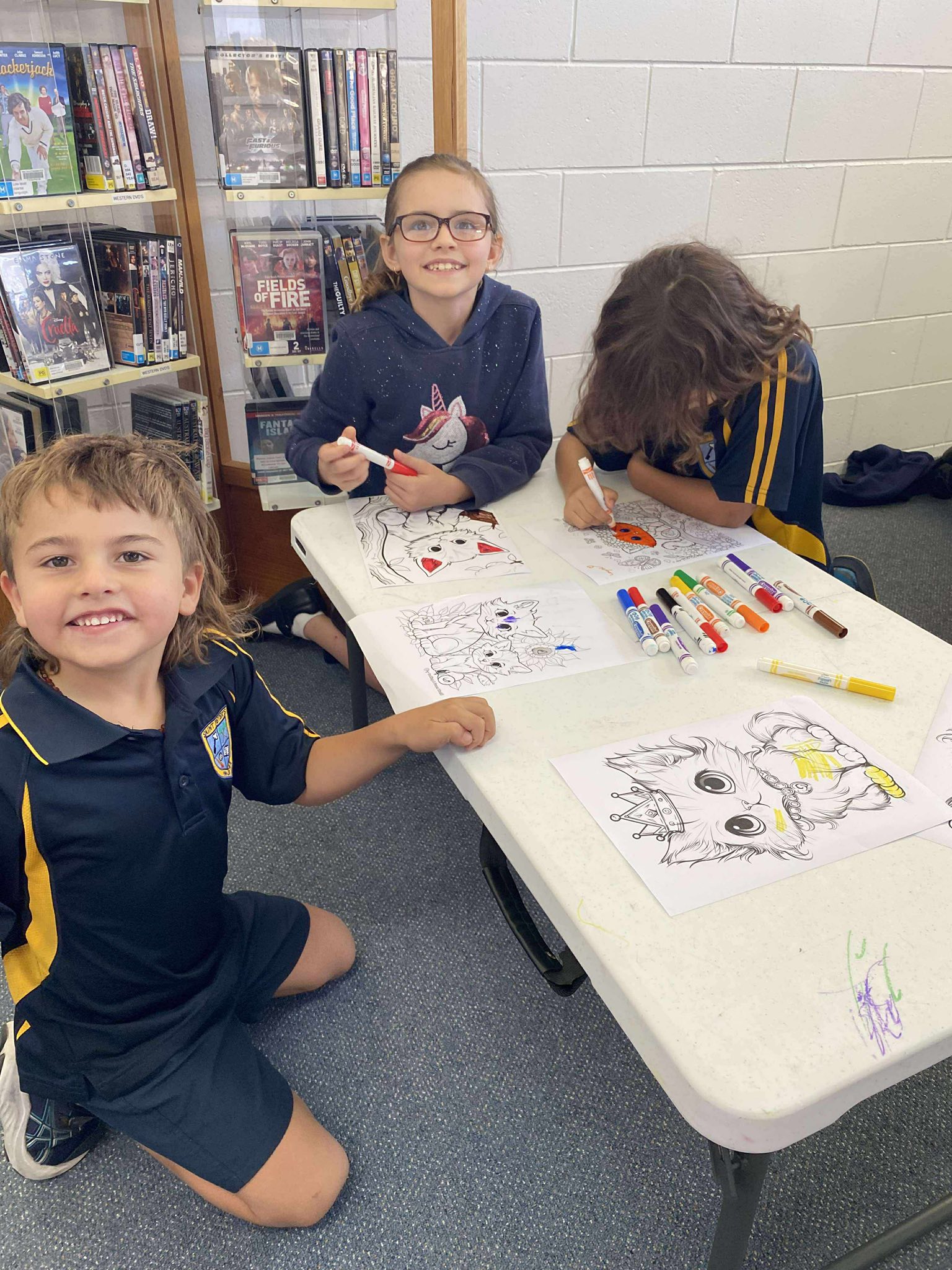
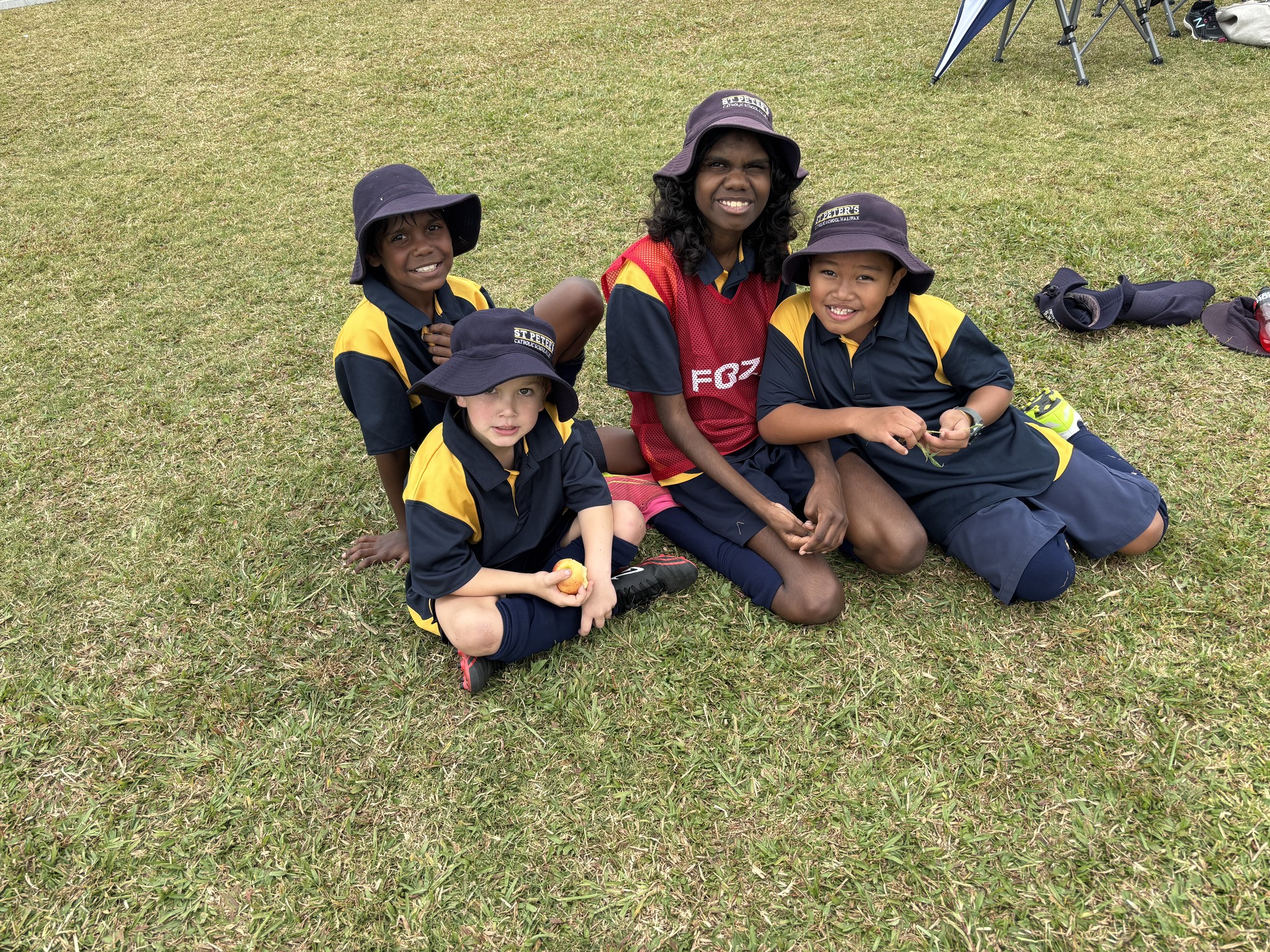
Choosing the right beginning for your child�E��E�E���E��Es education is an important step, and families are warmly invited to get to know St Peter�E��E�E���E��Es Catholic School, Halifax. Nestled in the heart of the community, St Peter�E��E�E���E��Es offers a caring, faith-filled environment where every child is supported to grow academically, socially, and spiritually.
ttyle="max-width:640
>any expre
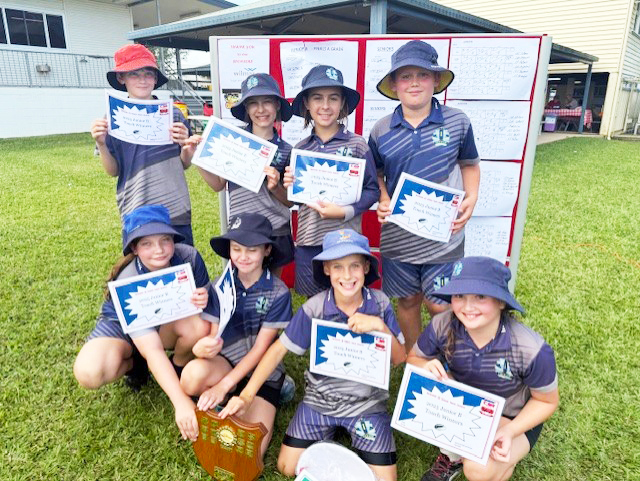
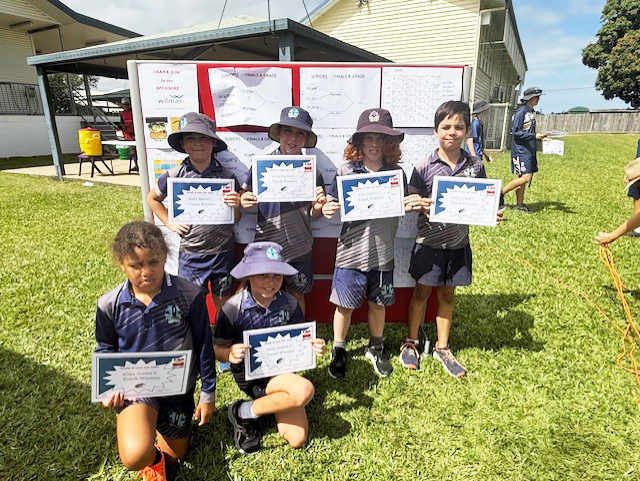
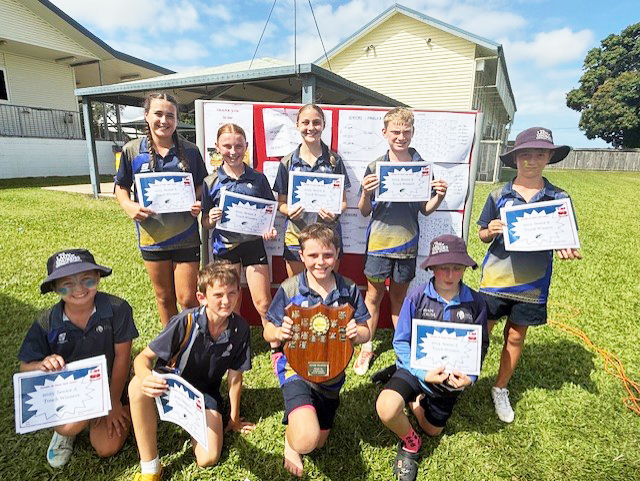
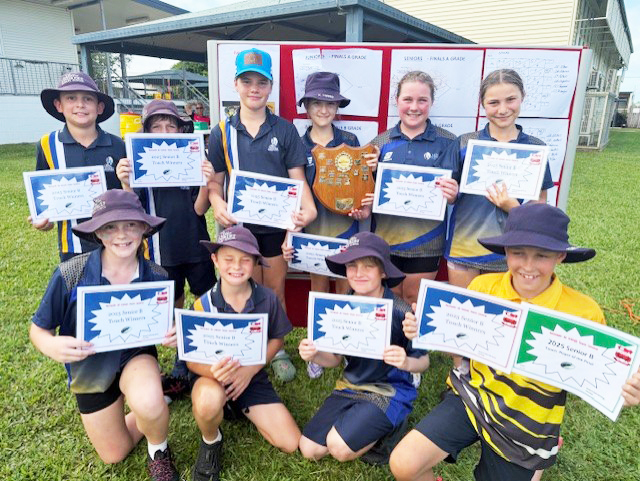
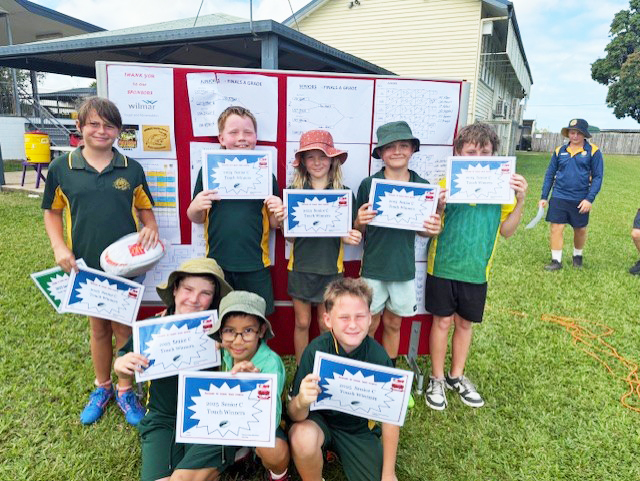
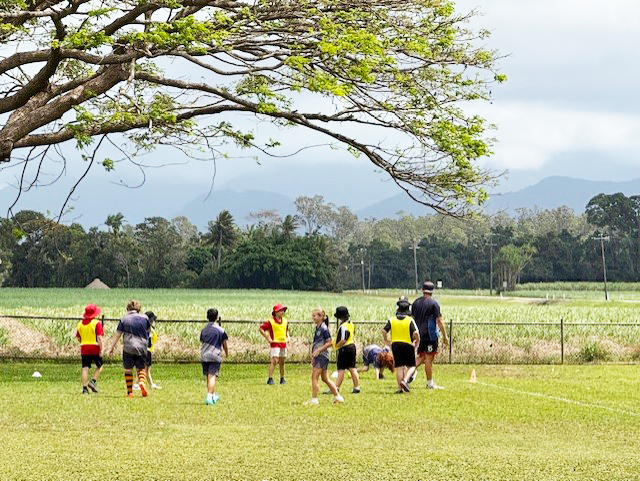
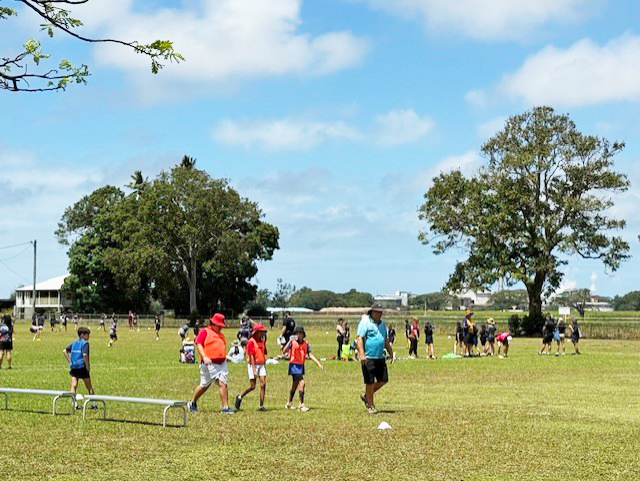
Macknade State School came alive on Thursday, 18 September, as it hosted a district-wide Touch Football competition for primary schools. The Macknade Touch Carnival proved to be a great success, bringing together students, staff, and families for a day of sport and fun.
Organiser Mrs Phillips was warmly thanked for her efforts in coordinating the event, which was enjoyed by students across the district. Appreciation was also extended to the dedicated staff and community helpers who kept everyone refreshed at the canteen and drinks stalls throughout the day.
Competition was fierce across all divisions, with the following winners announced:
Junior B Final �E��E�E���E��E Lourdes All Stars
Junior A Final �E��E�E���E��E ISS Gators
Senior B Final �E��E�E���E��E Lourdes Broncos
Senior A Final �E��E�E���E��E Lourdes Aces
Open Final �E��E�E���E��E Forrest Beach
iitch Plum
>ou wish to kno
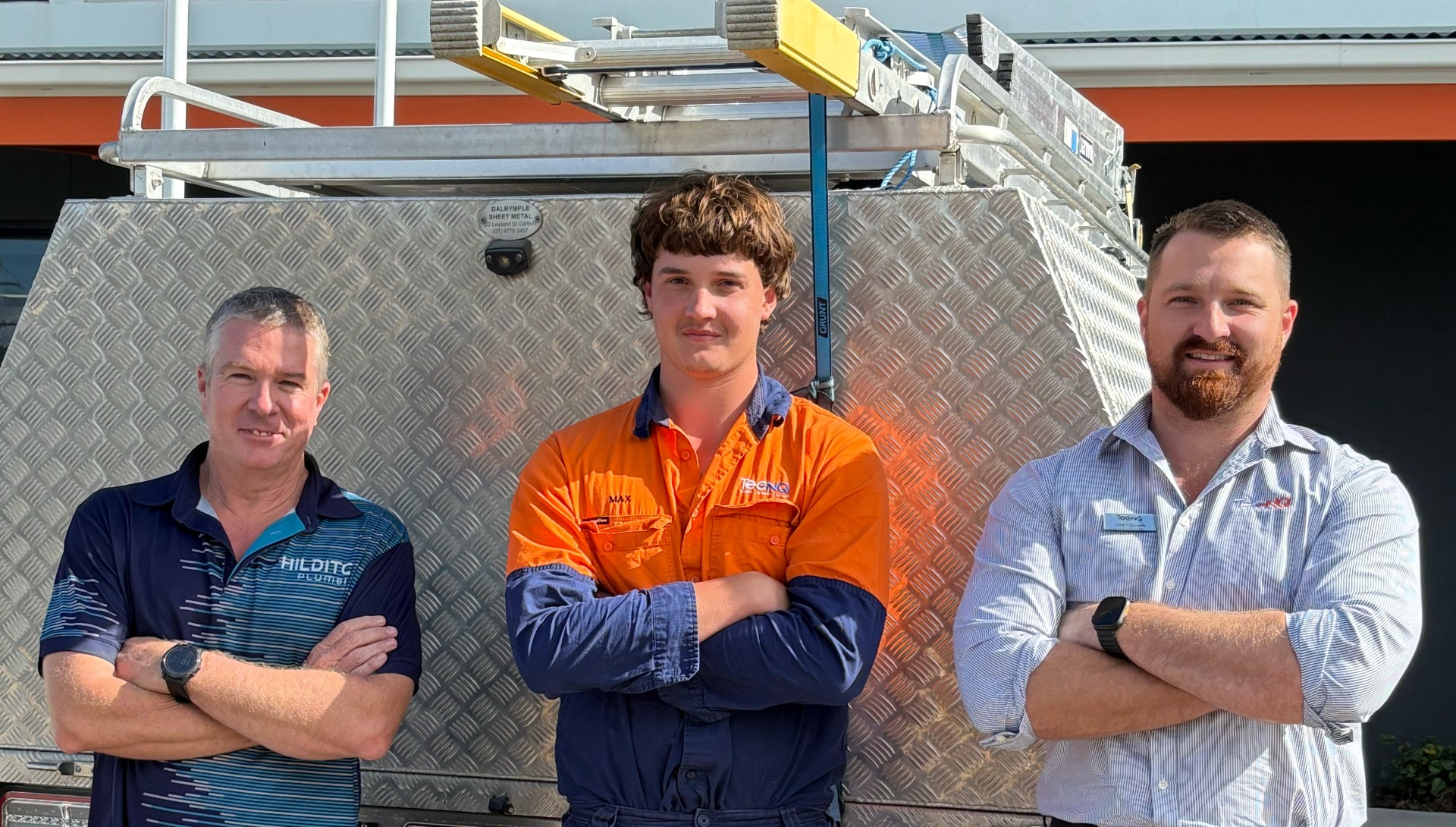
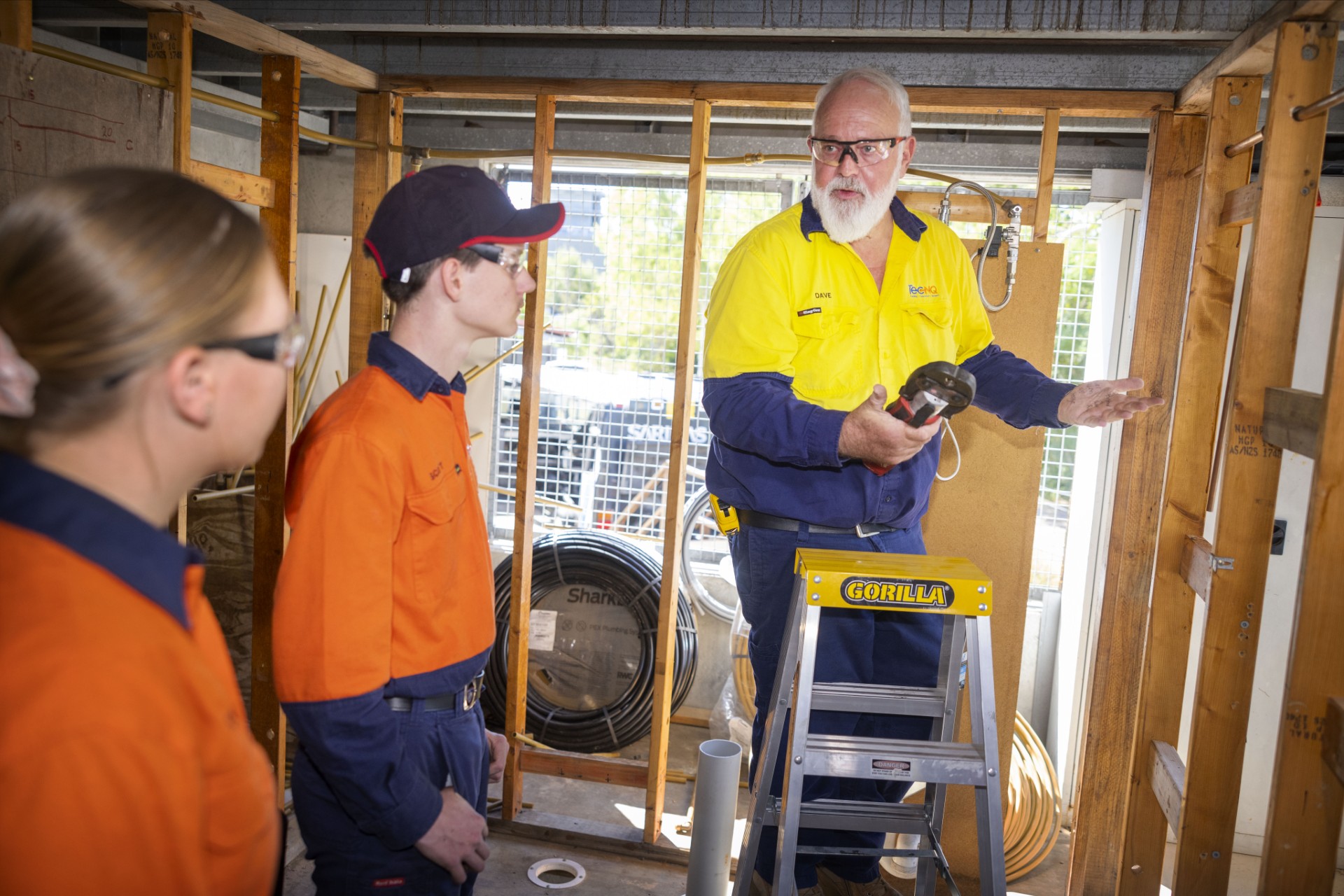
Tec-NQ House Year 11 boarder Max has taken a big step toward his future, securing a school-based plumbing apprenticeship with Hilditch Plumbing in Townsville. He splits his week between paid work on real sites, training with Tec-NQ, and the study he needs to complete his Senior Certificate, earning while he�E��E�E���E��Es learning and loving every minute.
With Hilditch Plumbing backing his development and Tec-NQ House providing the platform, Max is building momentum one trench, one length of pipe, and one solid day�E��E�E���E��Es work at a time.
kk in before 7:00pm to join the competition and experience the friendly spirit of the game.
ffree
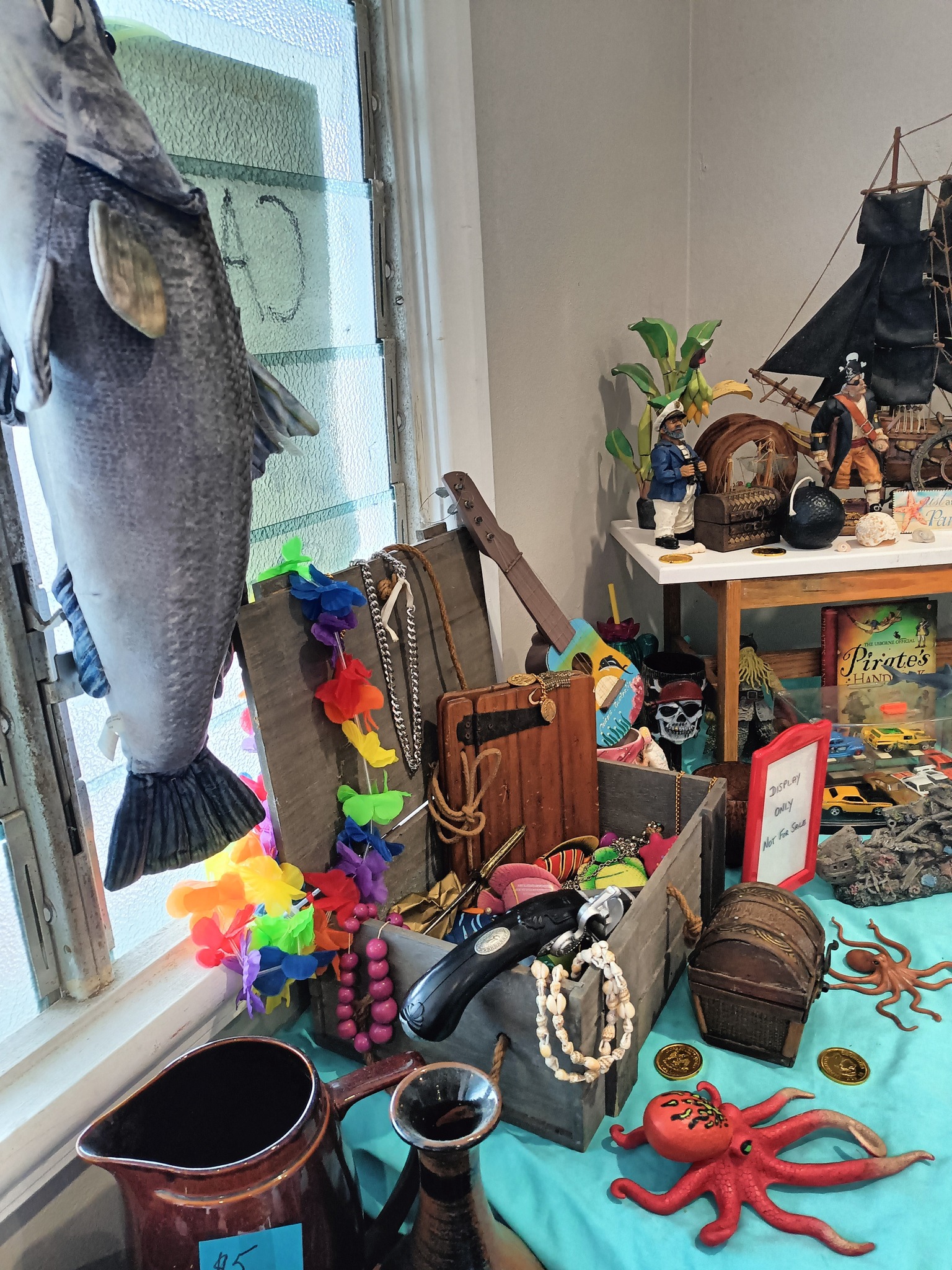
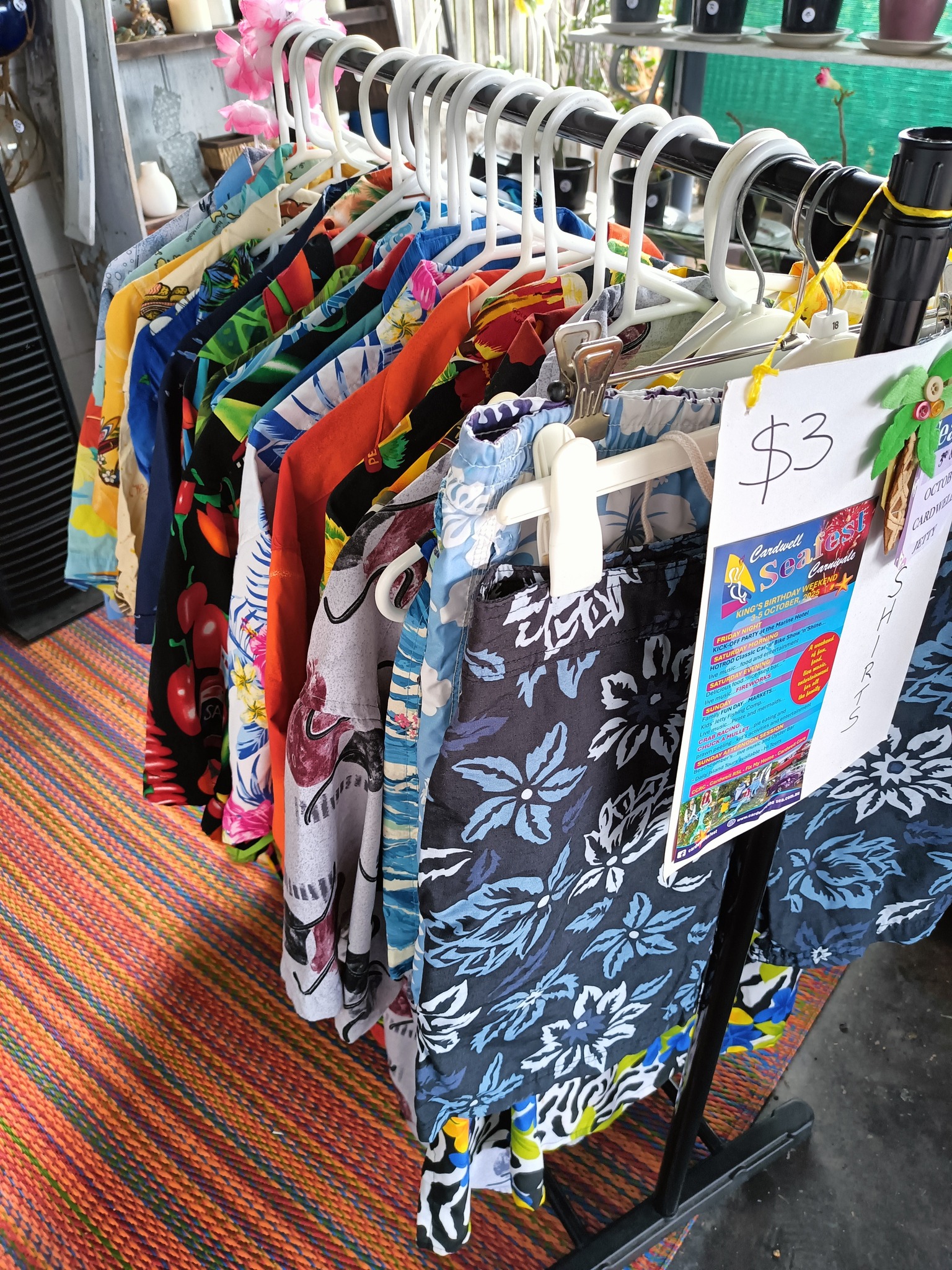
The countdown is on to the Cardwell Seafest Carnivale, returning over the King�E��E�E���E��Es Birthday long weekend from the 3rd to the 5th of October.
hhotos, stories, o
>div>
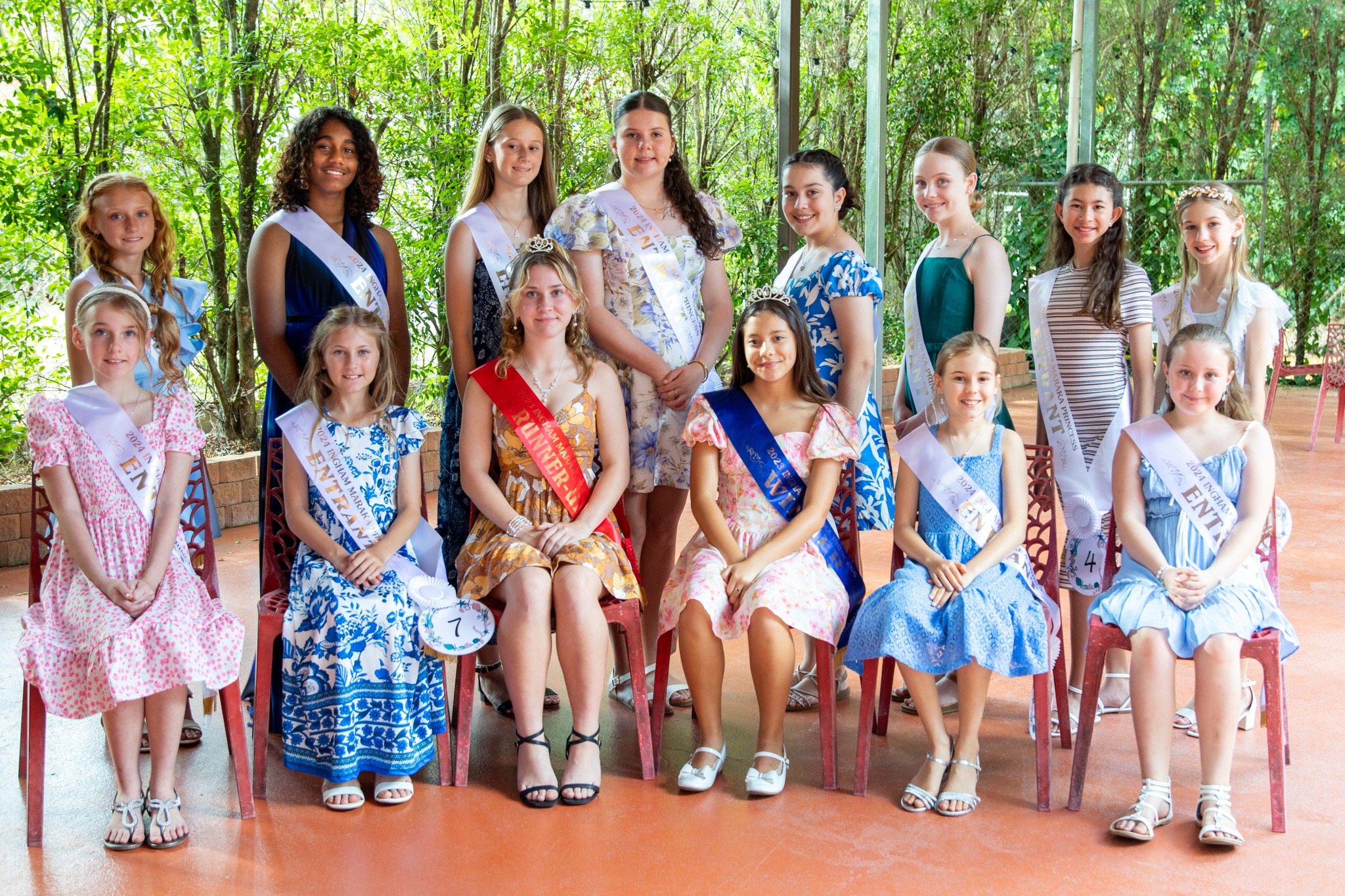
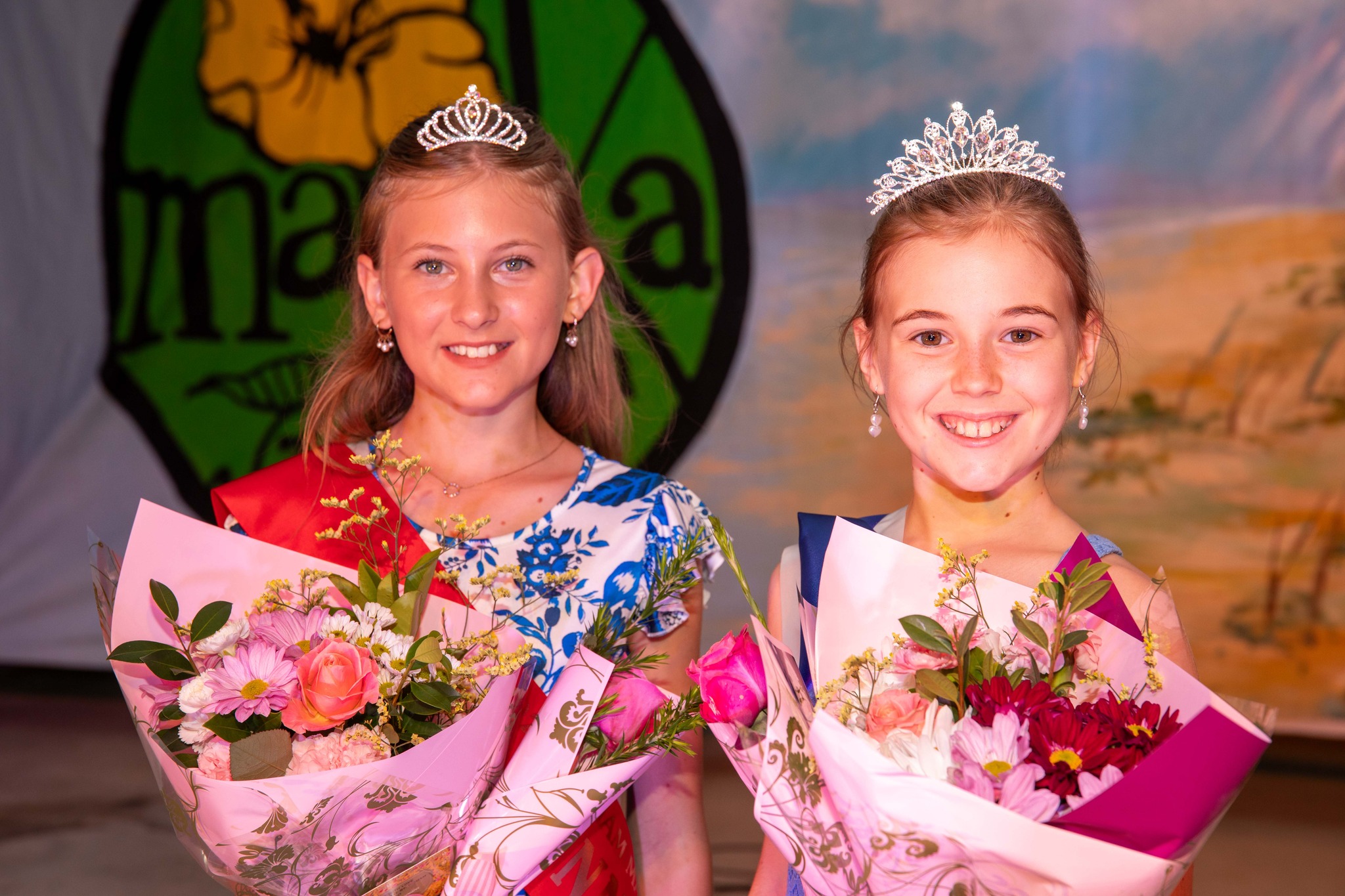
The countdown to the 2025 Maraka Festival has begun, and time is running out to register as an entrant for the Maraka Queen and Princess competitions! This year is the 65th Maraka Festival, with the Parade theme Music Thru the Ages, promises an unforgettable experience and an opportunity to show your pride in our wonderful district. We encourage those considering entering to take the step and represent their individual spirit and creativity.
If you have an interest in being crowned as our Maraka Queen or Princess, please contact us immediately at inghammarakafestival@gmail.com. This is a wonderful opportunity to shine, engage with the community, and create lasting memories.
This year's festival features a fantastic Kids Day Out on Saturday Morning, 25th October at the Ingham Showgrounds, packed with FREE activities for our youth! Enjoy Laser Tag, Gel Blasting, a Petting Zoo, Fence Painting, and a Pet Parade, along with loop de Lou Ballon artistry, all at no cost.
We are thrilled to announce that we have a limited number of FREE Ride Tickets to give out for the Mardi Gras. Our special guest performer, Peter Cullen, will be joining us, the Maraka Committee to hand out the free tickets from the Maraka Tent at the Mardi Gras from 6pm or a further undetermined time,TBA.
Don�E��Et miss out on the chance to be part of this vibrant celebration that highlights the spirit of Ingham and the Hinchinbrook Shire. Join us in making the 65th Maraka Festival a memorable event for everyone in our community! Contact us today to register as an entrant for the Maraka Queen or Princess event or to learn more about other festival activities.
tt

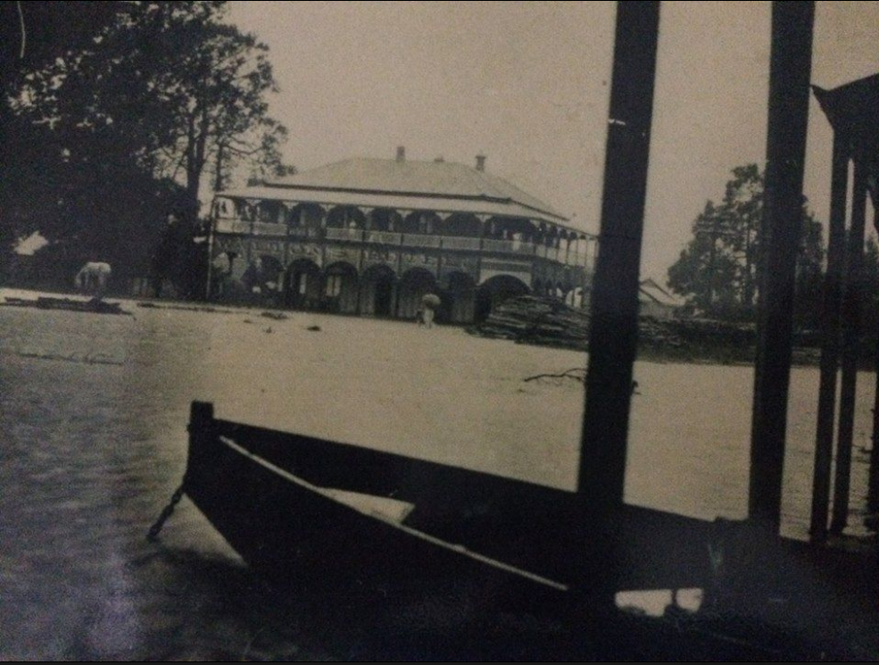
The recent flood is still very much on our minds as it wreaked so much loss and trauma. Residents still talk of past floods and compare flood heights each time a flood event occurs. There is now unlikely to be anybody alive who experienced the worst flood on record, the 1927 flood. poet Dan Sheahan wrote of that flood that the Herbert River: “poured over the countryside like a drunken demon … bringing death and destruction in its wake.”
When a cyclone crossed the coast north of Cairns on February 9, it became a disastrous rain depression, filling the catchment area and swelling coastal streams. Meanwhile, rain poured down locally, the most being over Hawkins Creek which received in excess of 1,333.5 millimetres (52 1/2 inches).
When there was some warning that a flooding event was on the way, people rushed to the shops for fear of a shortage of food. The Police Magistrate had to take control and ration the food supply. The hospital kitchen baked bread for people if they supplied their own flour. Two babies were born during the flood despite there being 18 inches of water over the maternity ward floorboards. Dr Leckie visited his patients in his swimming costume, and many people adopted that attire to move through the flood waters. Apparently, it was business as usual in the hotels, with patrons and barmen alike standing chest-high in water!
The Herbert River broke its banks at Bemerside, sending flood waters coursing down onto the low-lying areas of the Valley. It was so sudden, widespread and ferocious that it literally swept away everything in its path, isolating Ingham and Halifax in a sea of water.
Because of a lack of communication, it was not known how each township fared. It was not until Tom Mullins set out from Halifax for Ingham on foot and was noticed on the rise near Cordelia by two men that it was revealed that Halifax hadn’t been washed away. They hoisted him on their backs and kept calling out, ‘Halifax is saved! ’
There was a tragic loss of life. In the Herbert River Valley alone there were in excess of 25 lives lost. People sheltered where they could, crawling up into ceilings and on roofs, while some took refuge at the convent in Abbott Street or at the hospital. Amongst the dead were Salvatore Lizzio, Mitakara Sukezaymon, James MacMillan, and Ambulance Superintendent Edgar Von Alpen.
The heavy loss of life at Bemerside was because the river cut a new channel from Gairloch Bridge right across to the Seymour, creating a large racing stream. Members of the Russo, Sofra and Ragonese families (eight adults and six children) took refuge in Giuseppe Strano’s house, which was not bolted to its seven-foot blocks (as many houses were not in those days). It floated away, breaking into pieces in the strength of the current and ending up in the Anabranch. All the people clinging to the roof were thrown into the floodwater. Only three adults survived.
Encampments on Palm Creek of both Aboriginal people and Melanesian people were washed away. While the total number of these residents’ lives lost is untallied, Lily Cassady and five children, including Volki and George Palmer, and one man were known to have lost their lives.
1,500 horses were calculated to have drowned, and loss of crops, stock and property was estimated to have been in the vicinity of £300,000, though it was much higher. Farm paddocks were stilted over to the depth of several feet in some areas. Roads, bridges and railway lines were damaged, and homes were lost or damaged. At least nine homes on Townsville Road were washed away.
At Father Mambrini’s instigation, a Catholic Committee was formed to erect a monument for a communal grave for those bodies recovered. The monument was dedicated to the Sacred Heart of Jesus and was blessed on November 17, 1927. The unveiling ceremony was performed by the Chairman of the Shire, Mr Frank Cassady and an address given by Parish Priest, Dr Kelly. The memorial towers above all the other tombstones and stands forever as a reminder of the fearful potential of the Herbert River.
Contributed with thanks by Dr. Bianka Vidonja Balanzategui.



Locals are being encouraged to give their pre-loved or new toys a second life by donating them to support veteran families in need.
The initiative, run through the Wounded Heroes Veterans Centre in Hyde Park, aims to bring joy to children while lending a helping hand to families who have served our country.
Wounded Heroes Australia was established in 2007 to provide immediate financial support to veterans & their families. Now they have established a Veteran Centre in Townsville with an OPSHOP & Cafe.
Organisers are calling on the community to rummage through cupboards, toy boxes, and sheds for items that can be donated.
�E��E�E���E��EEvery toy brings a smile, and every donation makes a difference,�E��E�E���E��E they said.
,, Marak
>Firea
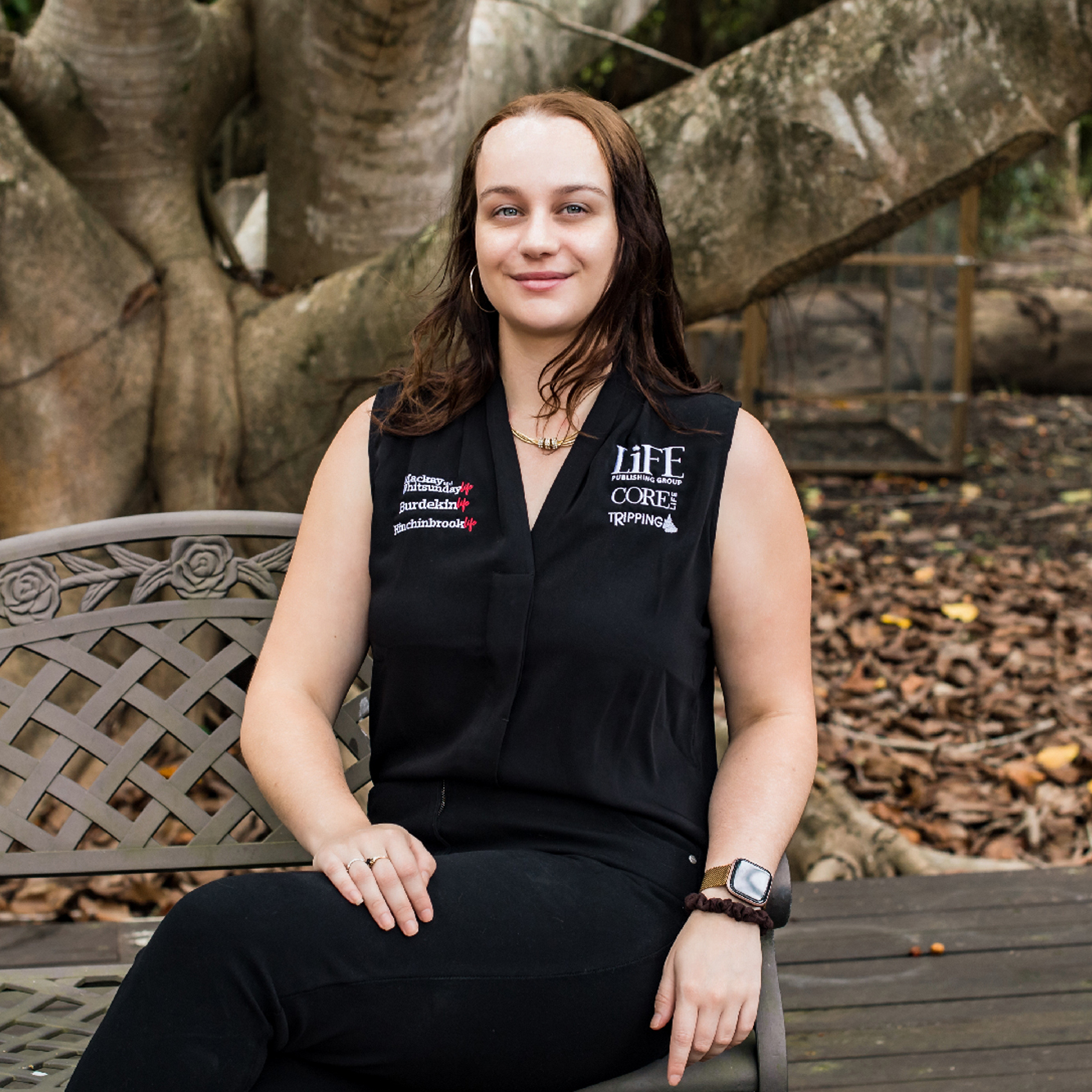
Hiya Hinchinbrookshire!
Now that it's coming to the tail end of the year, things are starting to really happen. Large-scale events such as the Rodeo last week and the Seafest soon to come, or the cross-school ball and many school discos, just show how packed everyone's schedule is this time of year. Huge props to anyone who is managing it all - school, work, a business, and planning and pulling off an event on the side - you all deserve a treat and a holiday!
Please know that if there's an event in the community, the paper wants to know about it! Nothing is too small to have its story known and told. Just reach out to myself or the lovely Sherie, you can find our emails in the contacts section of the paper or on the Hinchinbrook Life website for our online readers.
I'm still on the lookout for sponsors to support me as a Maraka Queen entrant. If you�E��Ed be interested in being a sponsor, please reach out. Shout-out to Hinchinbrook Life and the Ingham Lions Club for being my first ones and for showing their support. Here's hoping that having your local journo participating and not just snapping pics on the sidelines gets everybody excited for Maraka!
Victoria
Fun Fact: A parade float is a decorated platform, either built on a vehicle like a truck or towed behind one. In the past, Maraka has seen utes, flatbed lorries and even boats being towed, used as floats for parade participants to perch in.
ww
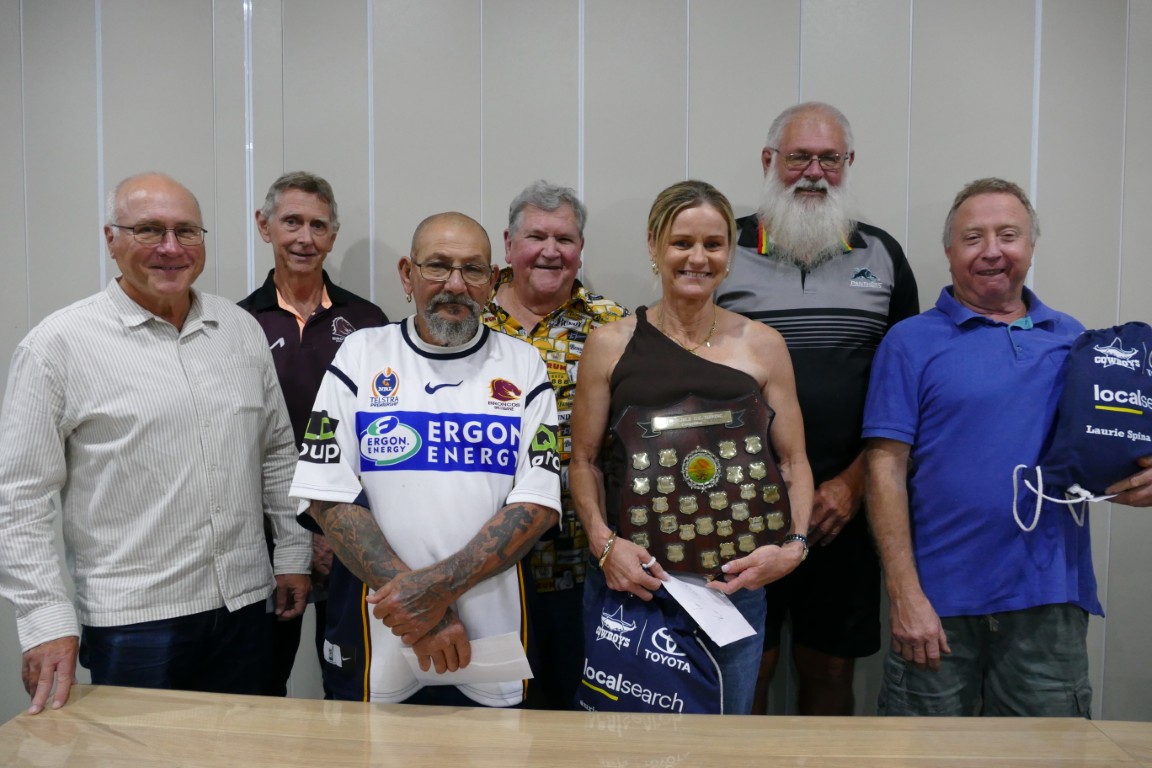
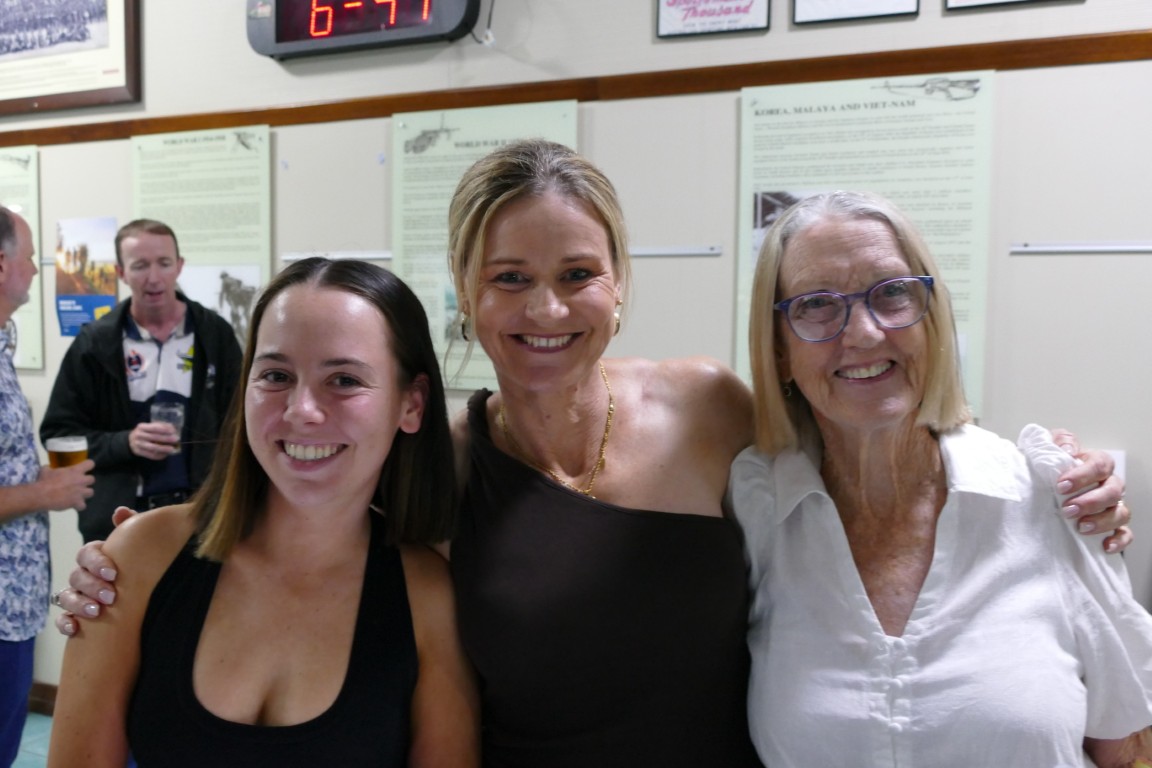
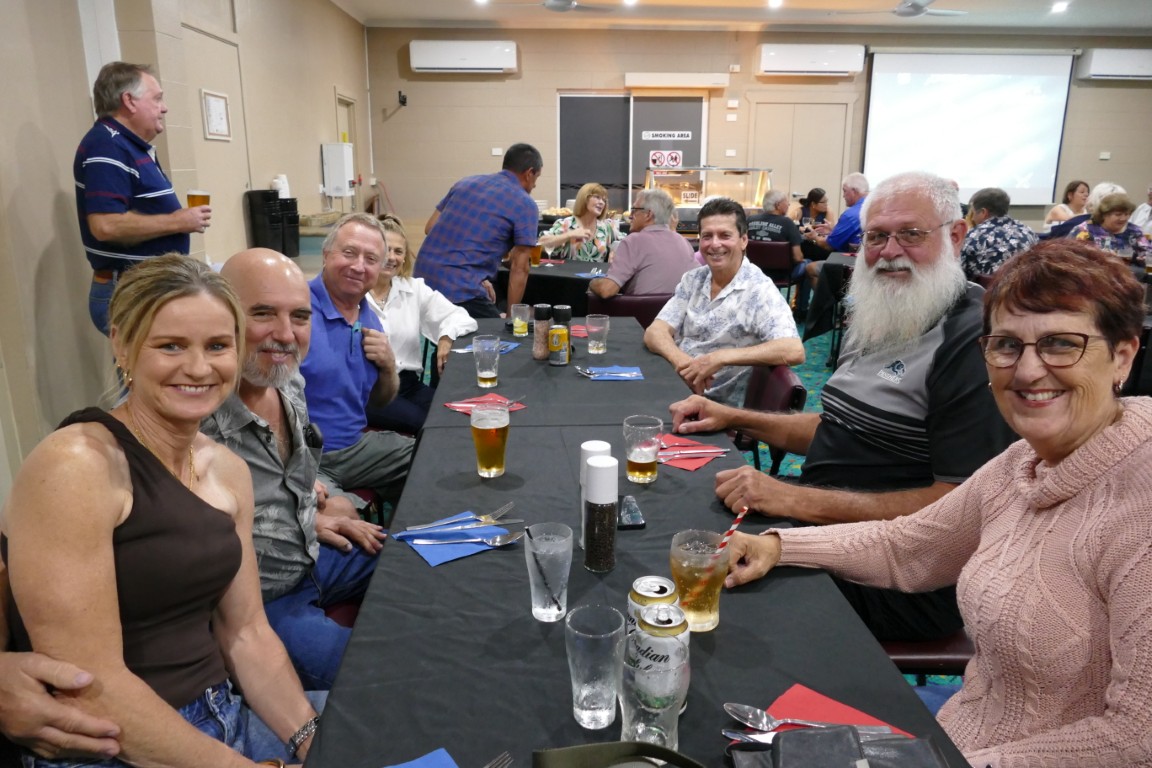
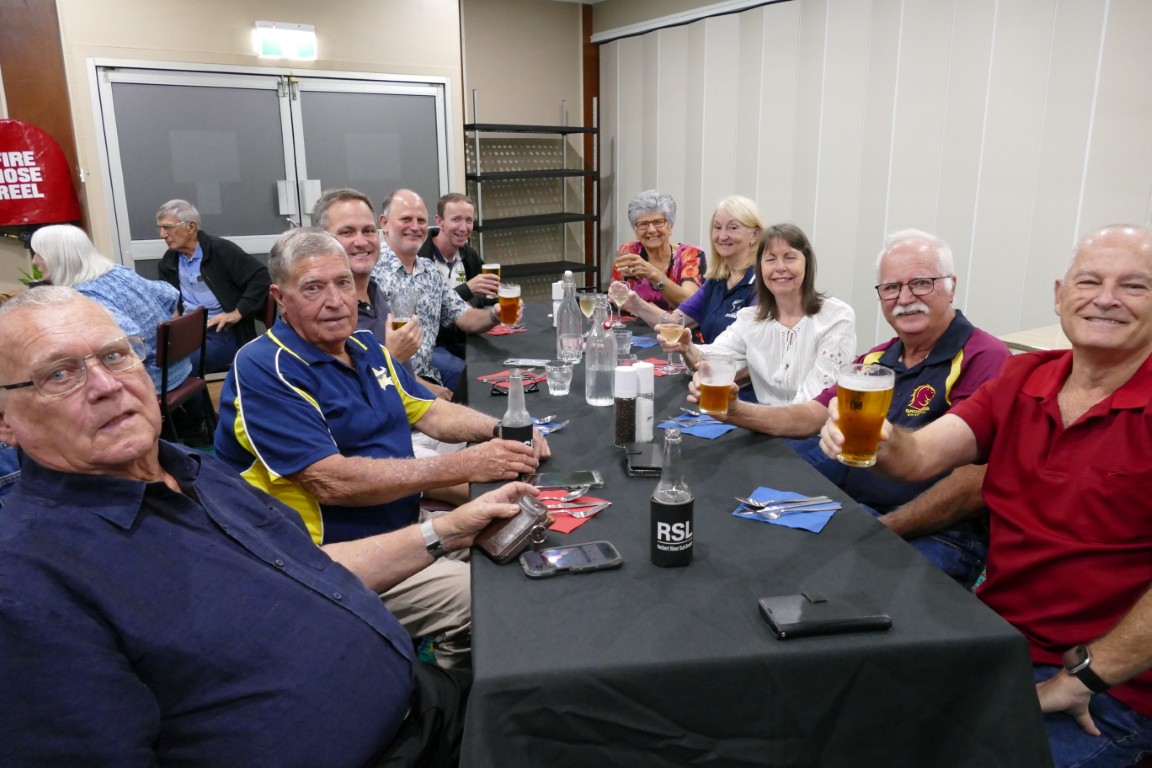
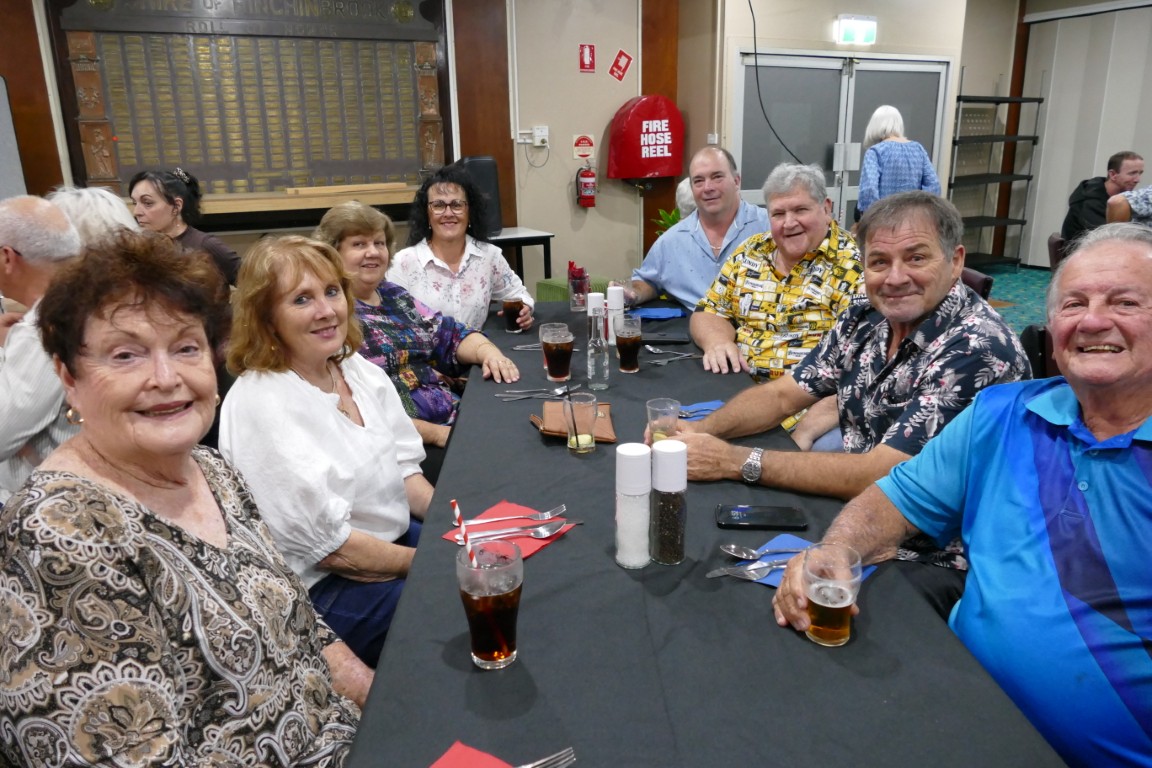
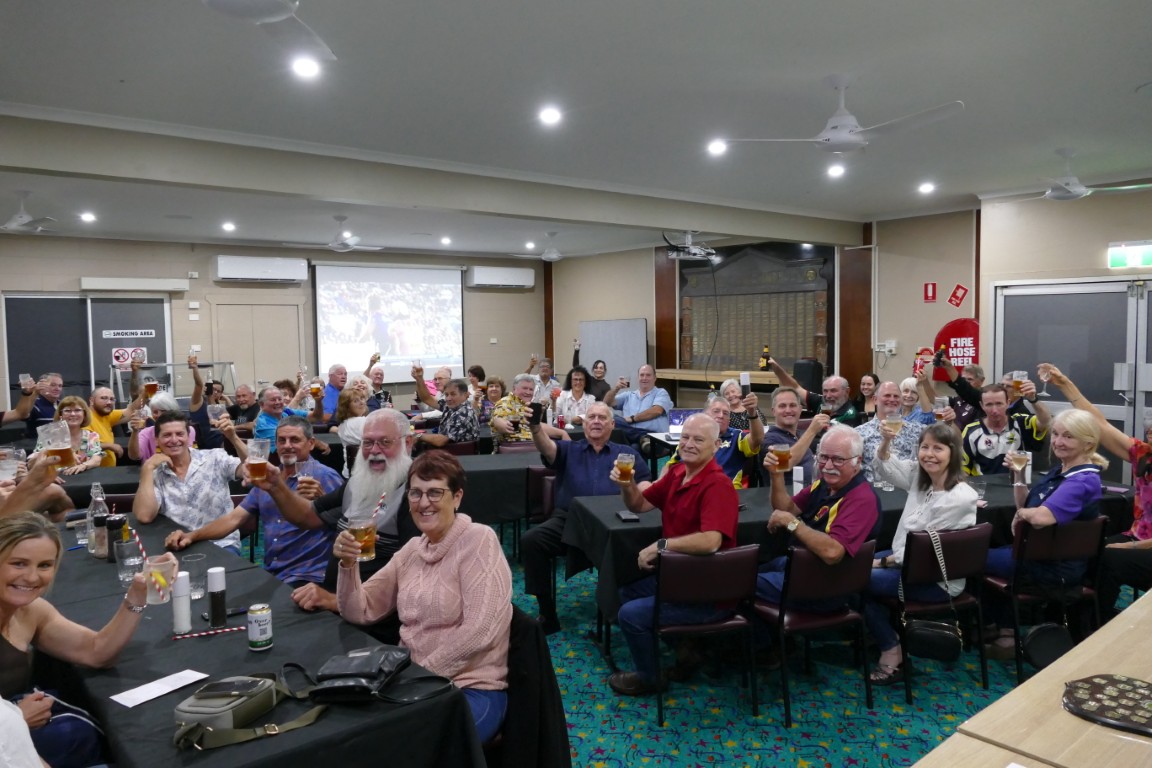
The 25th anniversary of the IGC NRL Tipping competition was marked with a lively celebration at the Ingham RSL, where participants gathered to toast a quarter-century of friendly rivalry and community spirit. The night brimmed with high spirits, storytelling and anticipation as long-time tippers mingled with newer faces, united by their shared love of rugby league.
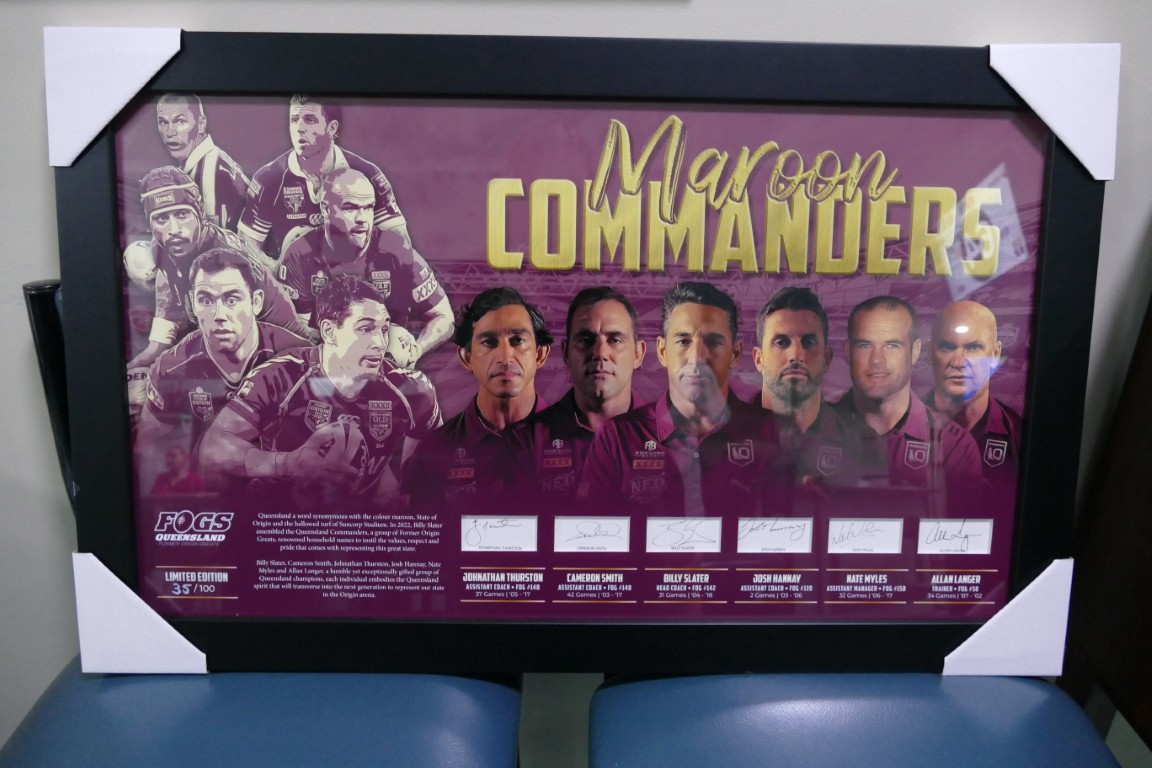
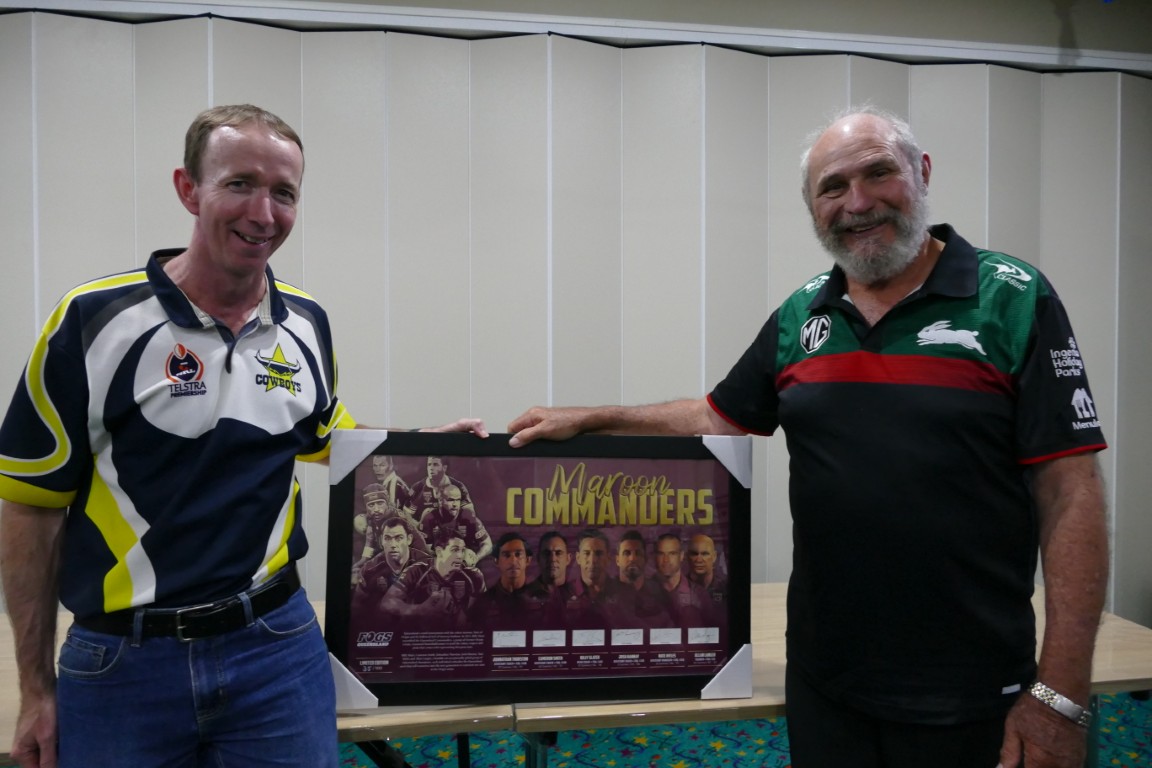
A major highlight of the evening was the charity raffle for a framed and signed �E��EMaroon Commanders�E��E photograph featuring Queensland Origin legends. The prized piece of memorabilia sparked excitement among the crowd, with every ticket snapped up before the evening's game had begun. The raffle raised an impressive $1,000, which will be donated to Ingham Meals on Wheels to support their vital work in the community. The generous contribution drew loud applause from the room, underscoring the competition�E��Es commitment to giving back.
With its mix of competition, camaraderie and a strong show of community support, the 25th anniversary event captured the essence of what the IGC NRL Tipping competition has become, not just a contest of sporting predictions, but a cherished annual tradition that brings Ingham locals together.
Publishers Indemnity. Any individual or entity that places advertising, supplies copy material, or submits editorial content to Life Publishing agrees and undertakes to ensure that all such material:- Does not infringe upon any copyright, trademark, or other intellectual property rights;- Is free from any content that could be considered defamatory, libelous, or slanderous;- Does not infringe upon any rights related to privacy or breach of confidence;- Contains no obscene, indecent, or otherwise unlawful material;- Complies fully with the Trade Practices Act and all other applicable laws, regulations, or statutes. Furthermore, by submitting or placing such material, these individuals or entities agree to indemnify and hold harmless the publisher, Life Publishing and Events Pty Ltd, and/or its agents from and against any and all investigations, claims, demands, liabilities, damages, costs, or judgments arising out of or in connection with the material provided. All material is believed to be accurate at the time of printing and remains the copyright of Life Publishing and Events Pty Ltd.
© 2026 Life Publishing Group Ltd.
