
Independently Owned, Locally Grown, Community Loved
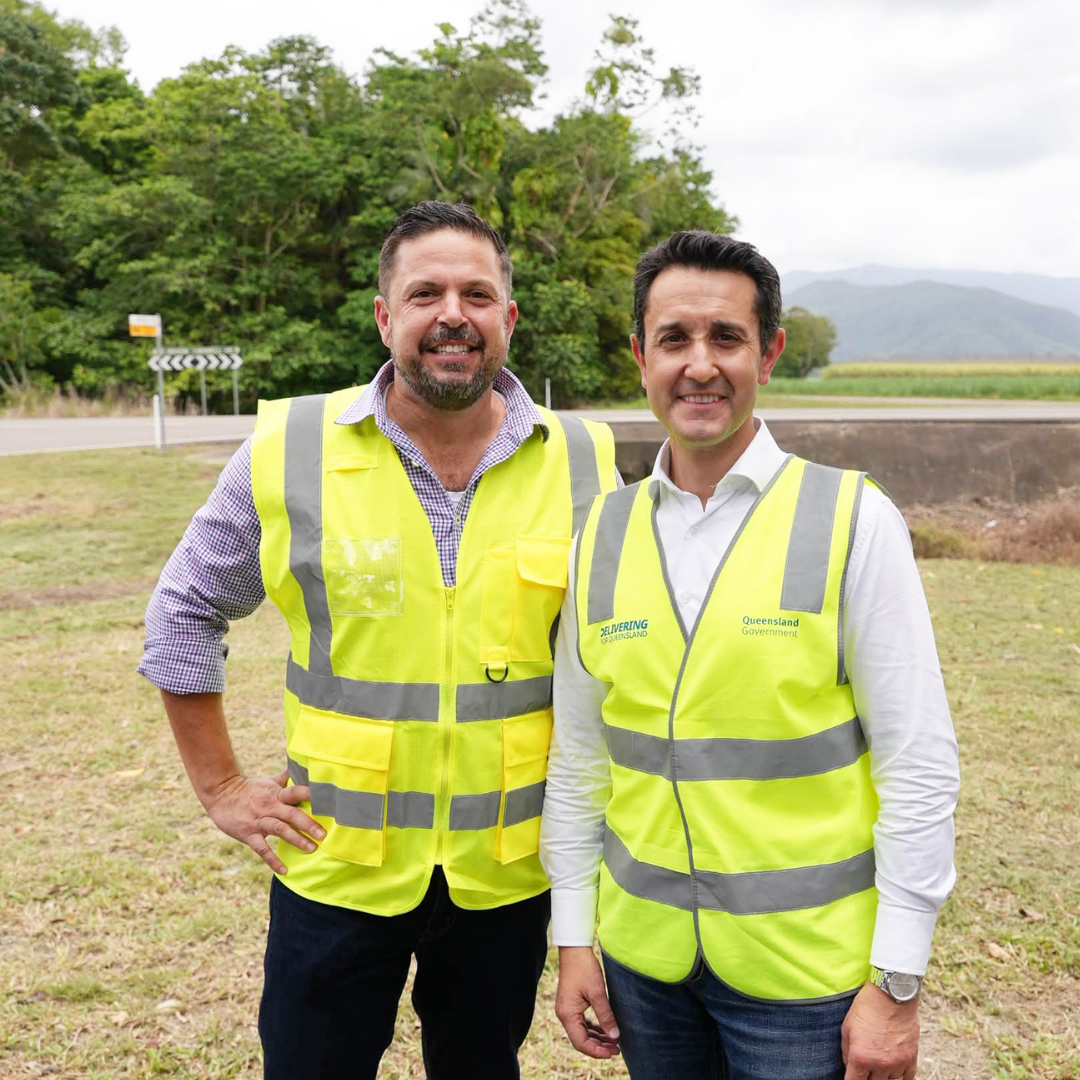
A major Bruce Highway upgrade is underway, with works at Gairloch, Ripple Creek, Ingham-Halifax-Bemerside Road and the Cardwell Range targeting safer travel and improved flood resilience. The long-awaited improvements aim to reduce the severity of flooding across key sections of highway and help prevent head-on crashes, addressing challenges that can disrupt communities and isolate motorists during the wet season.
Read the full story
This NQIB Country Cups Challenge Qualifier Race Day, racegoers are invited to embrace this year’s theme, Country Glamour. The Herbert River Jockey Club event will feature 10 Fashions on the Field categories, catering to everyone from junior entrants to experienced fashionistas. Categories include Forrest Beach Realty Fashions on the Field, Ingham Mazda Contemporary Lady of the Track, NQ Travel & Cruise Classic Lady of the Track, The Bloom Room Townsville Millinery and Lifelong Supports Best Dressed Man of the Track. Junior and youth categories, alongside Spotter’s Choice, will offer further opportunities to take part. Three judges will bring their individual fashion and racing experience to the competition. Amy Byrnes grew up immersed in racing, travelling to meetings with her family and making memories at Cluden Park. Now a racehorse owner herself, she enjoys attending meets across Queensland and internationally. Amy will be looking for confidence, personality and the joy an outfit brings to its wearer, with an appreciation for thoughtful accessories and finishing touches. Milliner Cat Murphy brings more than a decade of experience creating headwear worn at race meetings across Australia and in London. A passionate racing enthusiast, she values outfits that work cohesively with the theme, combining comfort, confidence and attention to detail. Millinery will naturally be a particular focus, whether a bold statement piece or a classic, understated design. Marnie Davidson brings a competitive edge, having collected 27 sashes during three years of Fashions on the Field competitions around Australia. Her achievements include finalist positions at Flemington’s Melbourne Cup Derby Day and Turnbull Stakes, as well as qualifying for several major fashion events. A self-confessed lover of coordinated looks, Marnie will be keeping an eye out for the little details that bring an outfit together. With experienced judges and a Country Glamour theme, racegoers are encouraged to bring their own interpretation of raceday style to the track. For event information and the full list of categories, visit hrjc.com.au. Dress to impress at the Country Cups this November. Photo sourced: Herbert Rivr Jockey Club
Read the full story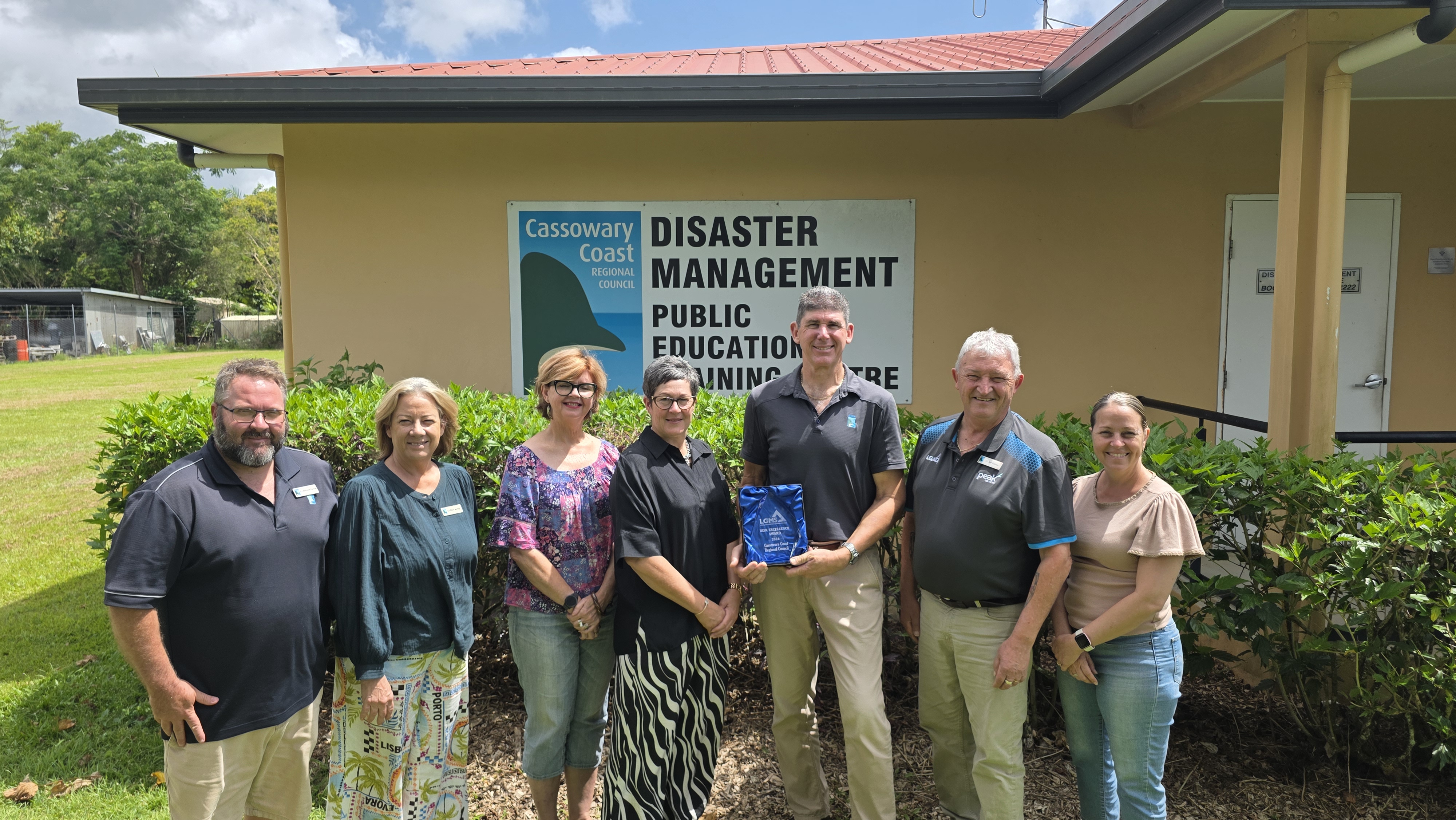
Cassowary Coast Regional Council has been recognised for its innovative approach to flood monitoring, taking home the Local Government Mutual Services (LGMS) Risk Excellence Award at the Local Government Association of Queensland (LGAQ) Conference on Tuesday evening. The award recognises Council's Flash Flood Sensor Network project, which uses radar technology to monitor water levels at known flood-prone locations across the region. The information from the flood sensors is integrated into Council’s Disaster Dashboard, giving residents, emergency services and Council access to local conditions as they change. Cassowary Coast Mayor Teresa Millwood said the recognition highlighted Council's commitment to finding practical ways to improve community safety and disaster preparedness. "Living on the Cassowary Coast, we know how quickly heavy rainfall can turn into dangerous flooding, particularly in areas where water levels can rise with very little warning," Mayor Millwood said. "These sensors give us another set of eyes on some of our known flood trouble spots, providing real time information without having to send staff out into potentially dangerous conditions. "What's particularly important is that this information isn't just for Council. Our residents in flood prone areas can also access this information on the Disaster Dashboard to help them asses their risk, get prepared and make plans in case flooding looks likely." The network has already supported information sharing with local police and State Emergency Service personnel around Mission Beach, helping emergency services monitor conditions at known flood-prone locations. Previously, monitoring these locations relied heavily on weather forecasts, community reports and staff inspecting conditions on the ground. The technology provides another source of information to support earlier identification of rising water levels, planning for potential road closures and coordinating responses during heavy rainfall. Council is continuing to assess the network through a three-year trial, using observations from residents and emergency services to verify sensor readings and evaluate its effectiveness. Residents can access flood monitoring information, road updates and other important disaster information on Council’s Disaster Dashboard by ticking *New Water Levels Visit: www.disaster.cassowarycoast.qld.gov.au Caption: Cassowary Coast Regional Council has been recognised for its innovative approach to flood monitoring. Photo supplied
Read the full story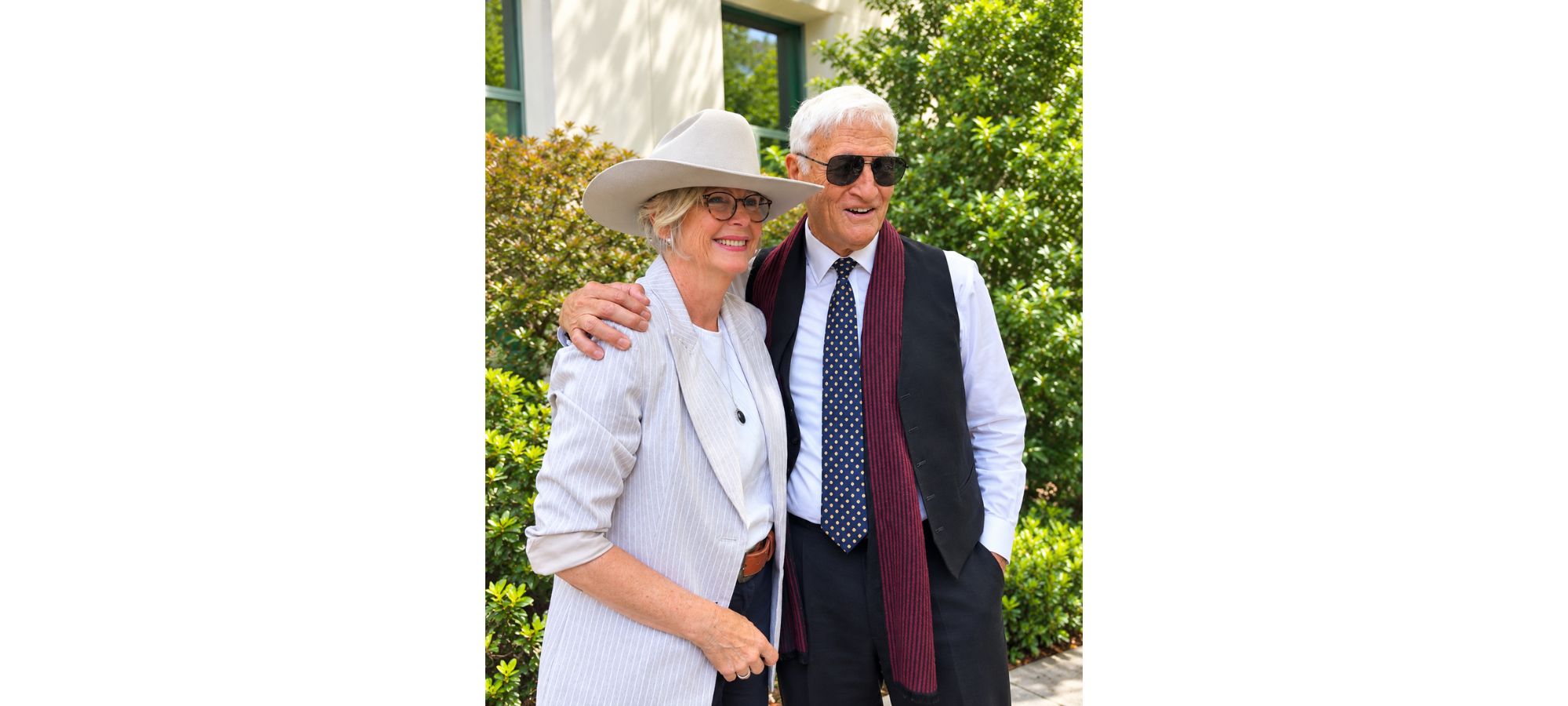
I have spent sleepless nights since last Monday, praying for my long-term and good friend in the Parliament, Helen Haines, along with her family, staff and the first responders to an inexcusable act on a beautiful human being inside and out, who has brought much sparkling joy and enlightenment to the centre of the crossbench. Whilst we are at opposite ends of the country and representing significantly different electorates, my tremendous respect of Helen’s tenacious advocacy for what she believes in, matches my great appreciation of our genuine friendship. We don’t represent a political party based in Melbourne or Sydney or Brisbane – we represent the people who sent us to parliament: the people of our electorate. And there’s no doubt that a terrible blow has been struck against democracy and the people of Australia. A lady in every sense of the word, Helen is a true moderate of the highest regard across the political spectrum – with the ability to get on with people with very definite views like the teals on one hand, and people like himself on the other. And I cannot help but think of her smiling face, whenever I leave the Chamber and tap her on the shoulder to ask, “You right if I leave this all under your control, Helen?” and her cheerful reply, “Yes Bob,” both of us laughing. Not to mention her culinary skills in constructing the most delicate of sponge cakes. Though I react quite frankly with rage and fury at this evil that can have no exculpatory explanations, may we all pray that God’s blessings are with Helen and her family, staff and friends as we all rally around them to provide the support they need during this extremely difficult time. Hon. Bob Katter MP, Federal Member for Kennedy Federal Kennedy MP Bob Katter at Australian Parliament House with his independent crossbench colleague Helen Haines MP, the Member for Indi. Photo supplied
Read the full story
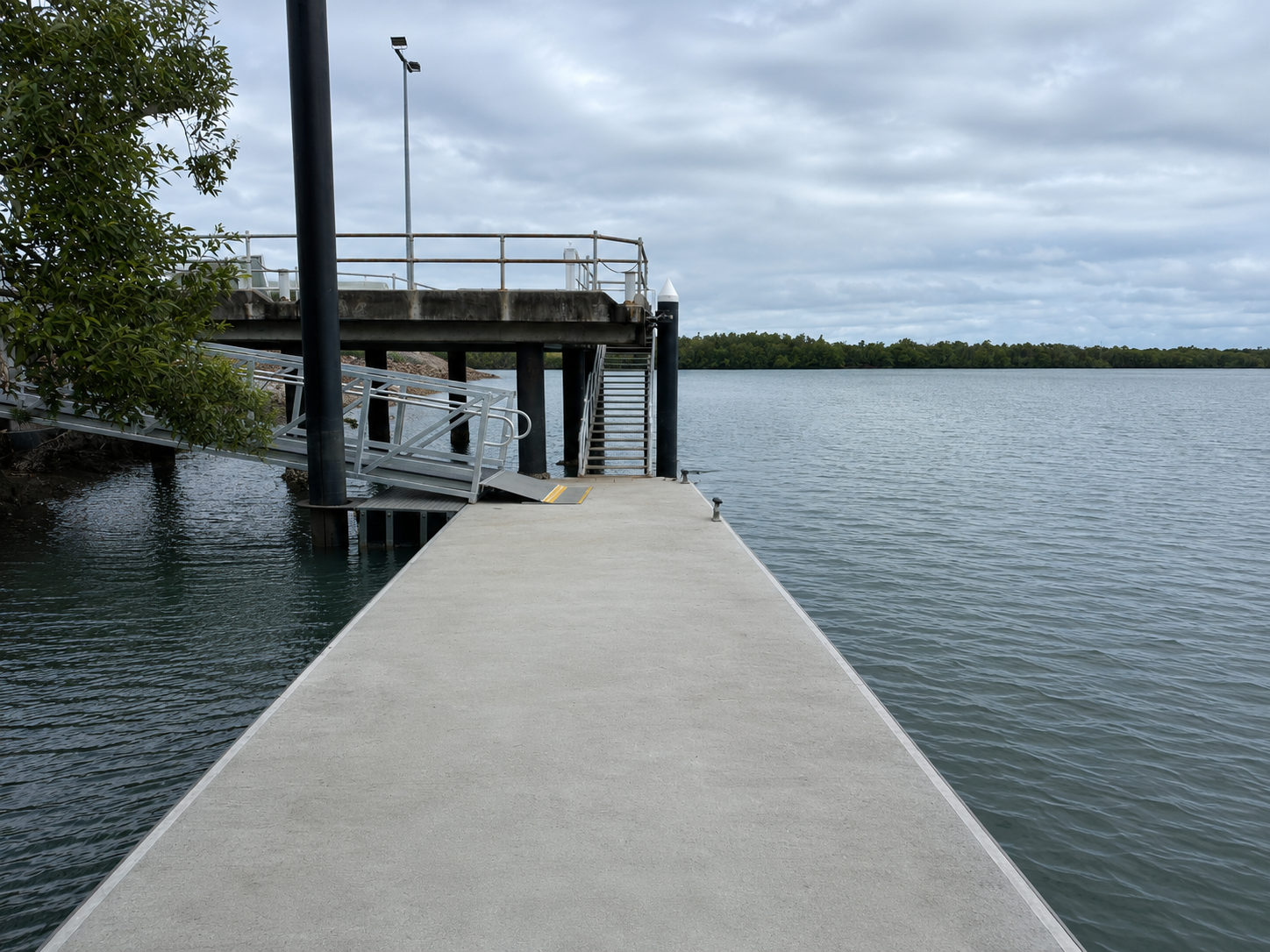
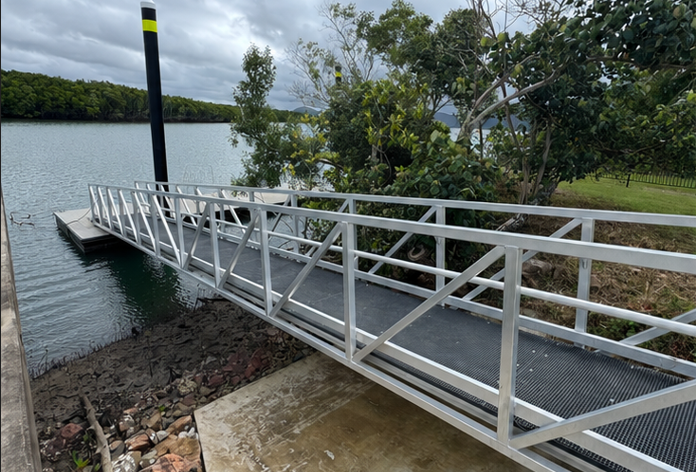
A new pontoon at Dungeness has been successfully completed. Photo supplied: Hinchinbrook Shire Council
A new pontoon at Dungeness has been successfully completed, delivering more efficient marine access at the gateway to the Hinchinbrook Channel.
The project was delivered through a $556,000 investment from the Queensland Government through the Transport Infrastructure Development Scheme, in partnership with Hinchinbrook Shire Council, providing practical infrastructure to support local industry, tourism, and the broader community.
Member for Hinchinbrook Wayde Chiesa said the completed project highlights the importance of investing in regional Queensland.
“This is a great example of the Crisafulli Government delivering practical infrastructure that supports regional communities,” Mr Chiesa said.
“Through our Transport Infrastructure Development Scheme, we’re partnering with councils to get projects like this built; projects that improve access, support local businesses, and strengthen regional economies.”
The new pontoon on Denney Street is designed to support commercial operators and improve day-to-day marine access, making it easier and more efficient for businesses that rely on the water.
Hinchinbrook Shire Council Mayor Ramon Jayo said the completion of the project marks an important milestone for the region.
“Dungeness is a key departure point to Hinchinbrook Island, the reef, and some of the best fishing grounds in North Queensland,” Mayor Jayo said.
“This new pontoon strengthens that role, improving access for operators and enhancing the experience for locals and visitors alike.”
“It’s about delivering the kind of infrastructure our community needs — practical, well-planned, and built to support our future.”
Mayor Jayo said the project forms part of Council’s broader vision for the area.
“This is just the start. We’re continuing to advocate for further investment in critical projects like marine access at Forrest Beach and upgrade to sewerage infrastructure at Lucinda; projects that will unlock growth, support tourism, and strengthen our region,” Mayor Jayo said.
The completed structure measures 13 metres in length and 3 metres in width, providing a durable and fit-for-purpose facility to support ongoing marine activity.
The Dungeness pontoon will help strengthen the area as a destination, support local businesses, and deliver lasting economic and lifestyle benefits for the region.
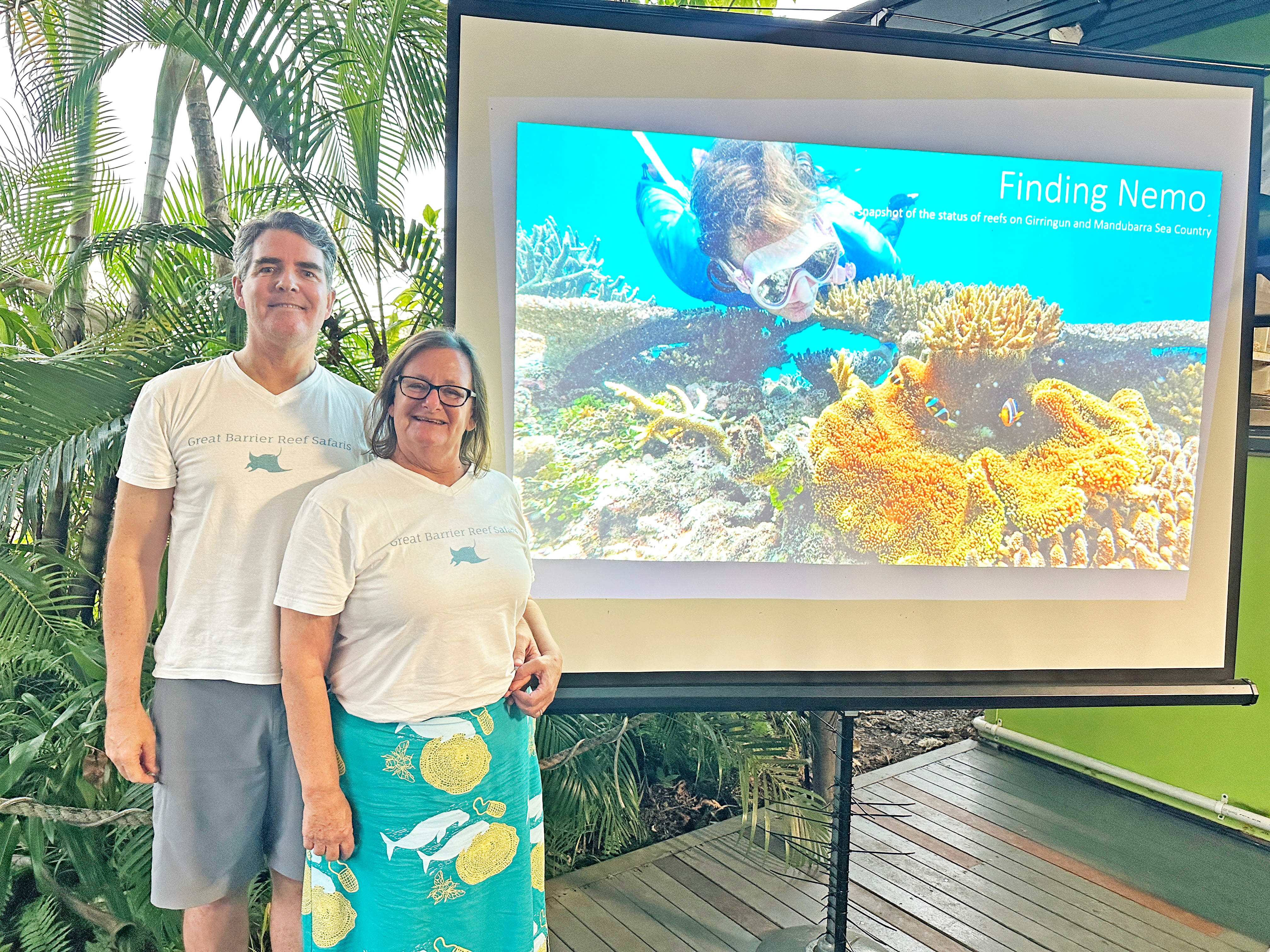
Dr Adele Pile and Stuart Alexander ahead of their talk on monitory the reef. Photo Credit Sian Bantock
The July edition of Science in the Pub brought a full house to Shanti Cafe on Tuesday 14th July, with guest speakers Dr Adele Pile and Stuart Alexander sharing insights from their ongoing reef monitoring work.
This month also marks a major milestone for the event, celebrating the second anniversary since the inception of Science in the Pub.
The first talk centred on the mass bleaching events that occurred on the Great Barrier Reef between 2024 and 2025. There was significant media coverage of the issue, and Dr Adele Pile wanted to bring the conversation directly to the people of Mission Beach. She was also keen to share the positive news that the reefs closest to the community were among the 25 per cent that were not affected.
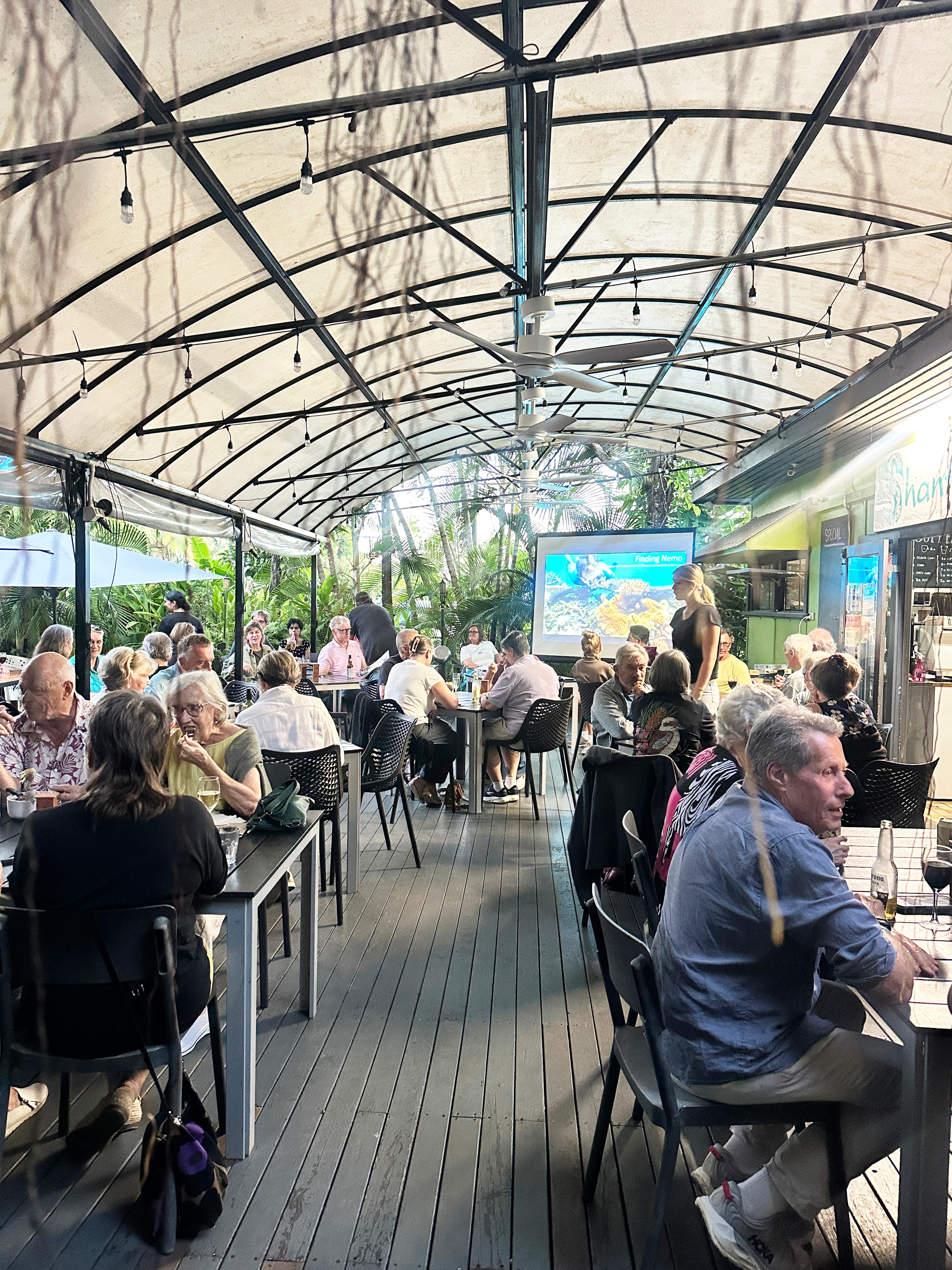
Dr Adele Pile worked in collaboration with Cassowary Coast Tourism to deliver a presentation to a group of enthusiastic attendees, sharing the wonders of the reef. Sean Daly from Citizens of the Reef also joined the event with a call to action, encouraging the local community to contribute to the upcoming Great Barrier Reef Census.
In 2024, Amber Kellett, newly appointed as Sustainability Education Officer at Cassowary Coast Regional Council, saw the potential in the concept and proposed it become a monthly event. Working alongside Shanti owner Patrick to help secure guest speakers, Science in the Pub as we know it today was born.
"Stuart and I could not be prouder of the direction that Amber and Patrick have taken our initial concept," said Dr Adele Pile.
"We've learned so much from new species of microbes endemic to the origins of human speech and everything in between. But more importantly it is that sense of community that unites us as we sit under the stars, enjoying a meal and a cool drink whilst learning something new."
If you want to get involved and assist with your own reef monitoring when you're next diving, snorkelling or fishing, simply snap a picture of the reef and upload it to the community monitoring program, Eye on the Reef. You can download the app or head to: www2.gbrmpa.gov.au.
Updates on the latest Science in the Pub events can be found on the Shanti Facebook page or the Cassowary Coast Regional Council's social media pages. Bookings are encouraged as spaces are limited. To reserve your place, contact Shanti Cafe on 0435 166 656.
%20Topaz%20Gigapixel%202x%20scale.jpg)
Kerry Clow has been re-elected for a fourth term as President of the Cassowary Coast Business Women's Network, continuing her commitment to supporting women in business across the region. Photo source: CCBWN
Some people build careers, while others build communities, and Kerry Clow has spent more than two decades doing both. Over the course of her career rich in leadership development, organisational culture and employee relations across Australia and New Zealand, Ms Clow has helped people become stronger leaders while empowering women in business across the region to build confidence, connection and opportunity.
Since moving to the Cassowary Coast in the early 2000s, Ms Clow has become one of the driving forces behind the Cassowary Coast Business Women's Network (CCBWN), an organisation she credits with helping her establish a strong supportnetwork and quickly feel at home.
"In my career, I had mainly worked for big organisations that offered me professional development and connections, and I felt that the CCBWN was a great conduit to connect women working in small business or being self-employed in this regional area."
Ms Clow said her passion for leadership was shaped while working on major construction projects, where she witnessed first-hand that people and culture were just as critical to success as engineering and construction.
"I had the privilege of working with some amazing mentors and being involved in large projects that focused on the 'people' issues with the same priorities as the engineering and construction," she said.
"It became so evident that effective leadership was fundamental to those successes that I immersed myself in understanding what makes great leaders, before ultimately delivering programs to help organisations develop leadership capability within their teams."
Although now semi-retired, Ms Clow continues to work with organisations in leadership development, team building and recruitment.
"Leadership is necessary at every level. Never judge who has the ability to lead, and emotional intelligence is key," she said.
"It has been very rewarding to work with people over many years, seeing them grow from first-time leaders into senior leadership roles and knowing I may have played a small part in that journey."
Recently re-elected for a fourth term as CCBWN President, Ms Clow has helped transform the organisation into one of the region's leading voices for business, with membership growing from fewer than 50 to 80 women.
Now, the CCBWN exists as one of the Cassowary Coast's leading business organisations, representing local women in business while contributing to regional reference groups that share valuable industry insights with members.
"There clearly is a need for building connections for professional like-minded women that the CCBWN fills," Ms Clow said.
"The CCBWN was established 22 years ago [under a different title] and has continued to grow into a network that creates a space for women to learn from, support and encourage one another, while celebrating each other's successes."
While CCBWN’s membership has almost doubled during her time as President, Ms Clow believes the network's greatest strength lies in the diversity of its members, and looking ahead, she hopes more women will step forward to take on leadership roles and help shape its future.
"The value of the network continuing to grow is that our membership becomes more diverse. There are some amazing backgrounds, skills and stories within the group, and the CCBWN provides a space for those to be heard and celebrated,” she said.
"If anyone is thinking about taking on the role next year, I'd encourage them to come along, see what we do and get involved. If you have good communication skills, initiative and a genuine interest in continuing the legacy of the CCBWN, all the systems and procedures are in place, with an Alumni group and Executive Team ready to support you."
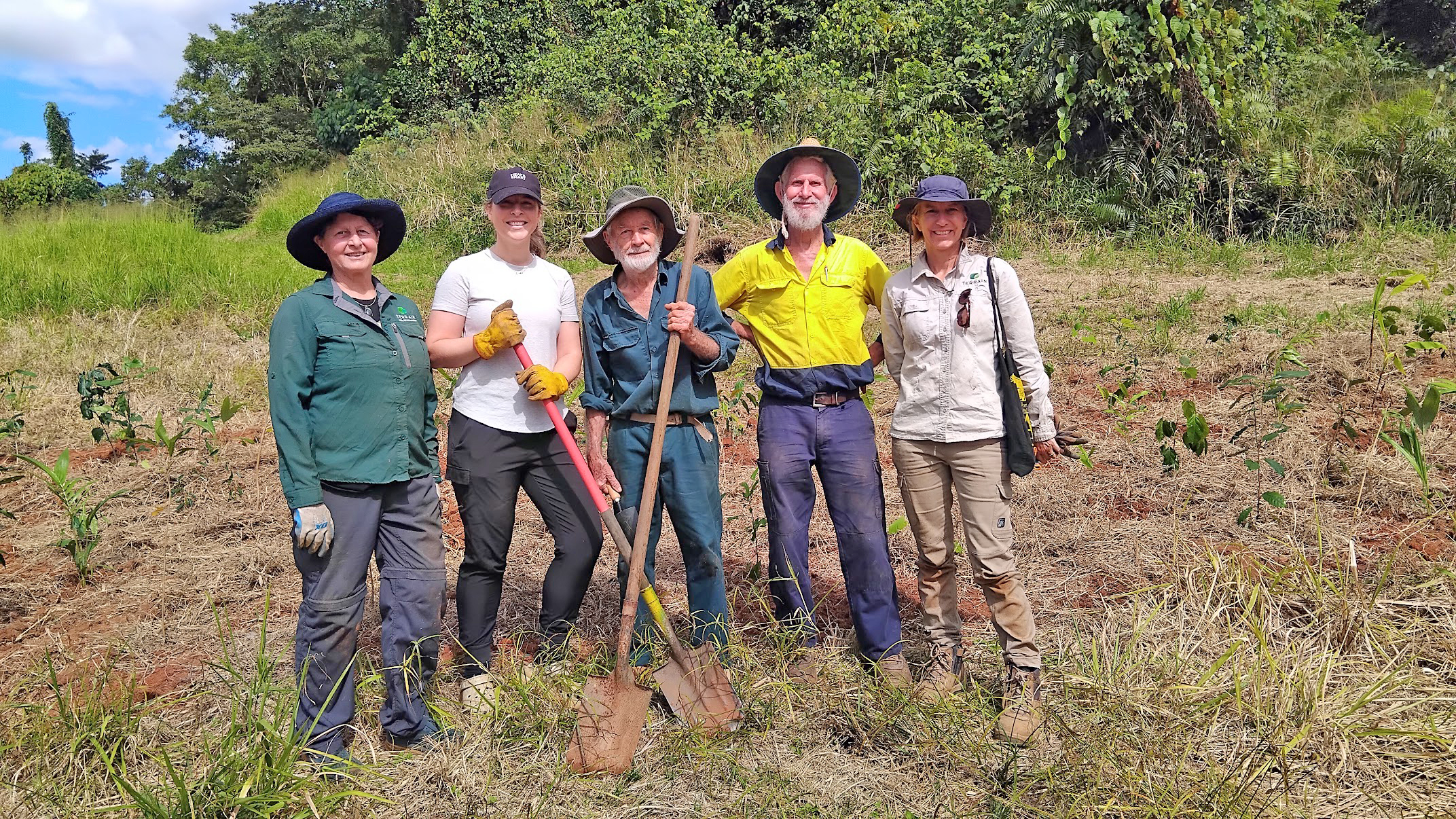
Terrain Member with Kate Blank C4 Habitat Coordinator, Peter Trotts Nursery Coordinator(Centre) and Peter Rowles C4 President with Sponsor Terrain. Photo Credit Madeleine Beekman
After six years of dedicated restoration, Community for Coastal & Cassowary Conservation (C4) has entered the final stage of revegetating the 16-hectare Gurrbum Nature Reserve, transforming land once overrun by invasive guinea grass into a thriving native habitat.
With just six planting beds remaining, the first trees of the final stage were planted on Saturday, July 17, by a team of 20 volunteers.
“It’s getting close to completion,” said C4’s President Peter Rowles.
“This is the second-last planting. This area adjoins remnant rainforest and a creek where the revegetation work will have a great impact. We’ve gone from solid guinea grass to trees.”
Restoration work began in January 2020 and, in partnership with the Queensland Trust for Nature (QTFN), C4 secured the property as a protected Nature Refuge, safeguarding it from future development.
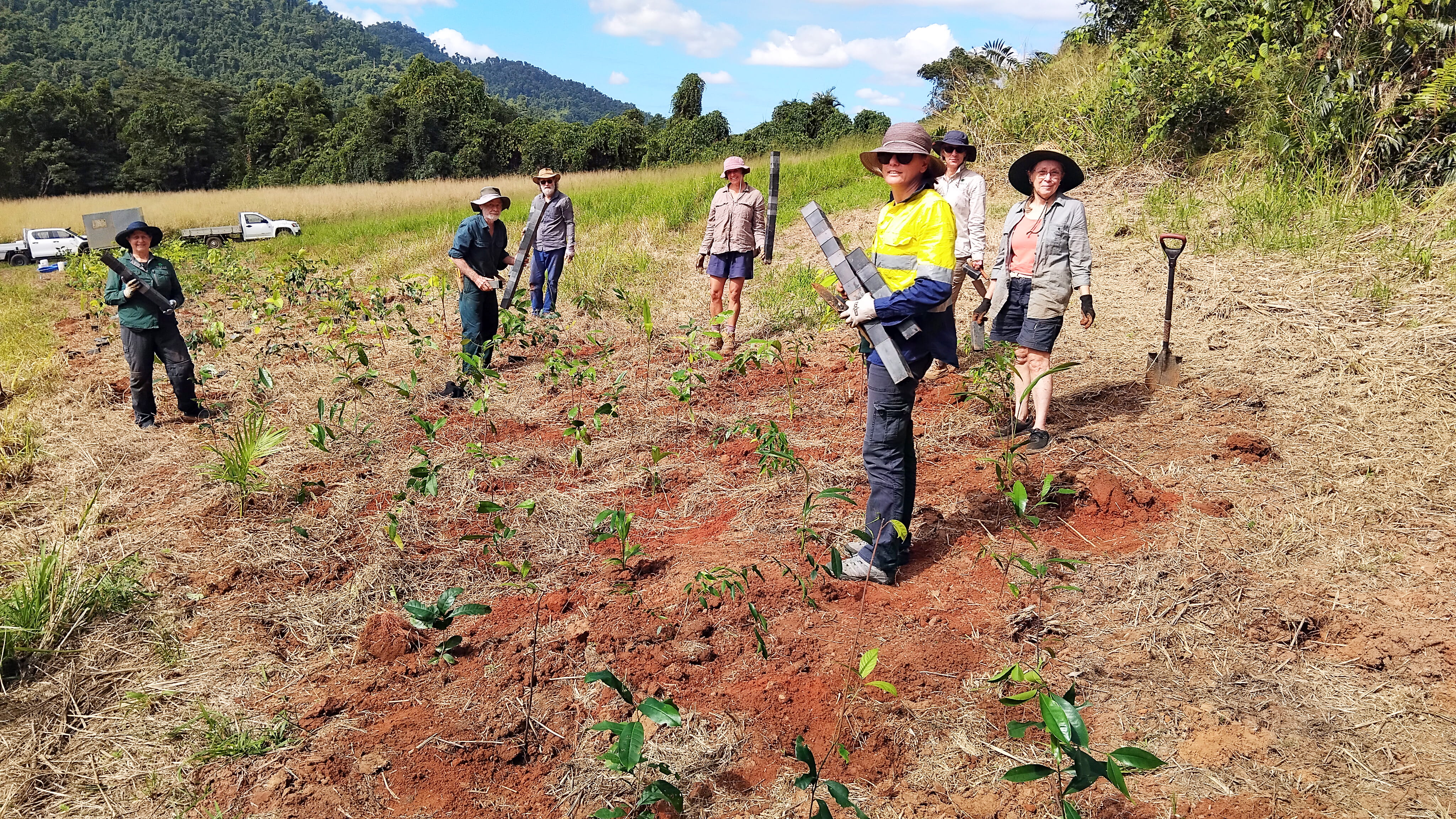
Throughout the years their work has been supported by volunteers and sponsors.
The latest planting has been funded through Terrain Natural Resource Management's Green Connections Project, supported by a $2 million Queensland Government investment in forest restoration to expand wildlife corridors and reconnect forests from the Daintree to Ingham.
The Guurbum Reserve sits within the Smiths Gap which is a strategic location for connectivity across the landscape.
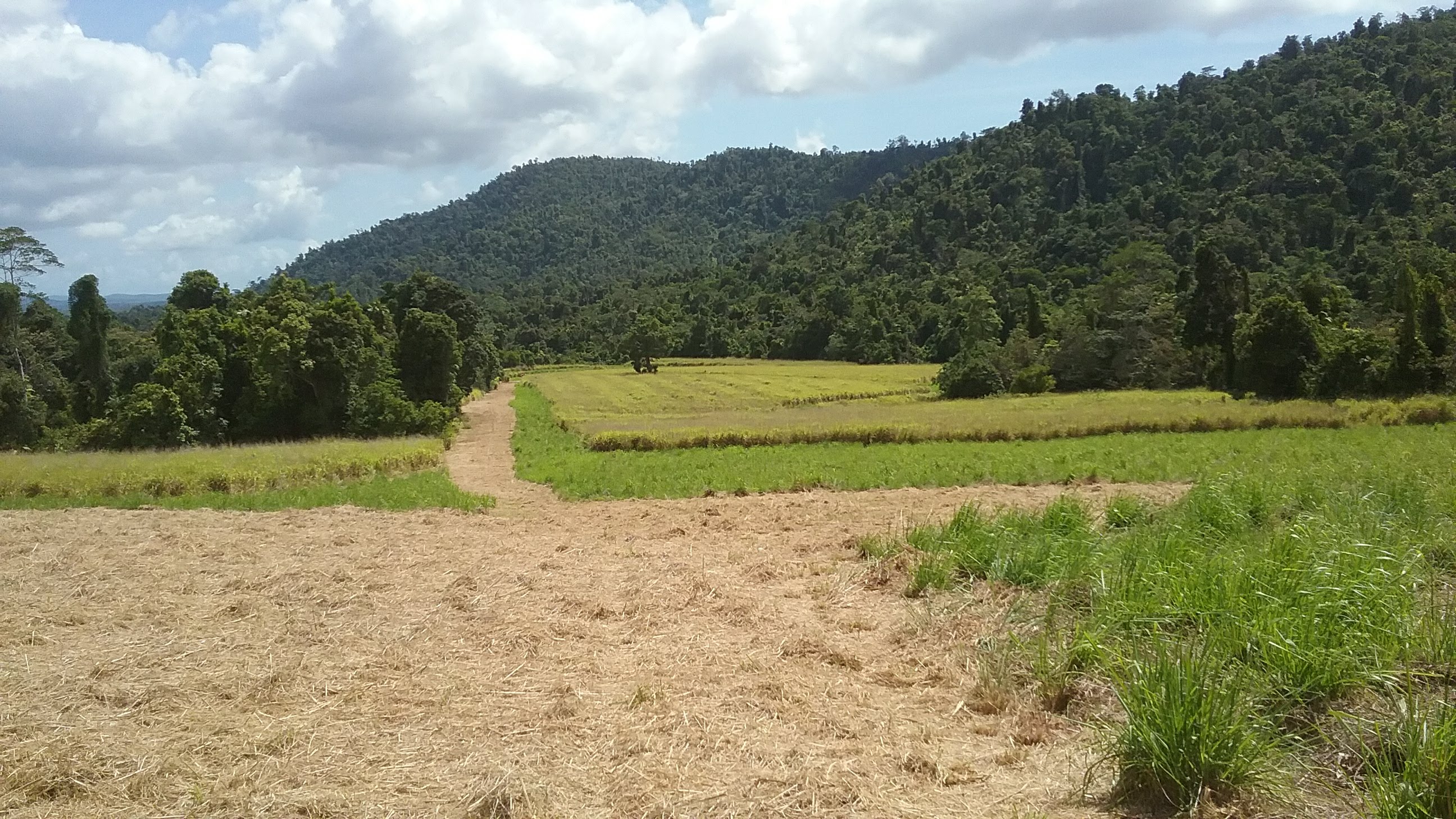
“It’s at a pinch-point in Smith’s Gap – the longest and widest rainforest corridor in Australia. This corridor links the coast, at Mission Beach, with the ranges,” shared Terrain NRM’s Tony O’Malley
The restored reserve will act as a vital passage for the endangered Cassowary and other native species.
It will connect Japoon National Park, Tully Gorge National park and the Walter Hill Range Conservation Park. The work will ensure safe passage for Wildlife and will strengthen biodiversity across the region.
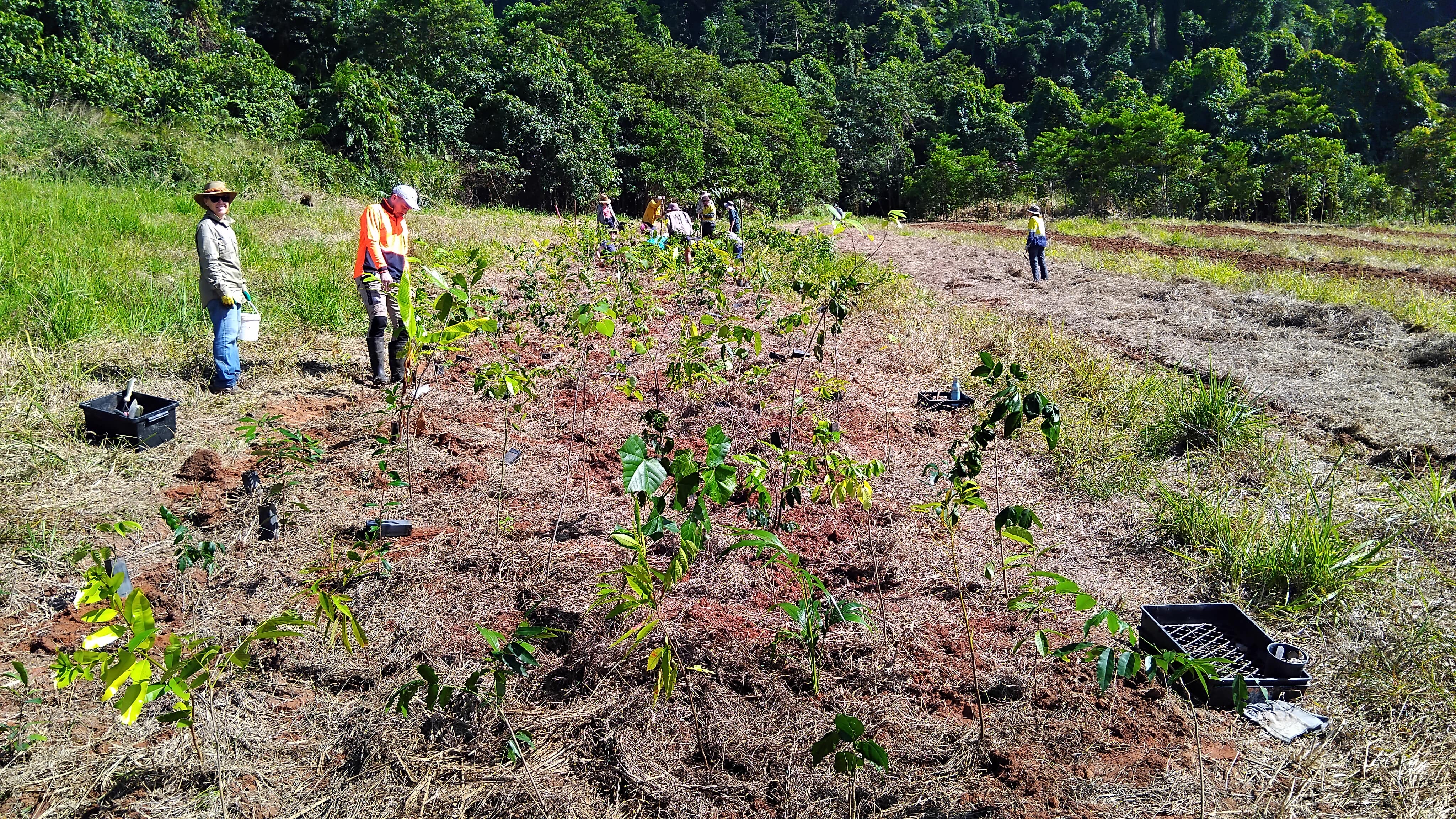
More than 6,500 native trees and plants have been installed since the project began.
“Each of the new trees were planted by hand as part of a dense planting layout. This method encourages rapid canopy formation, helping to suppress invasive weeds and reduce maintenance,” said Mr Rowles.
Madeleine Beekman, the secretary for C4 was part of the team planting the final stage.
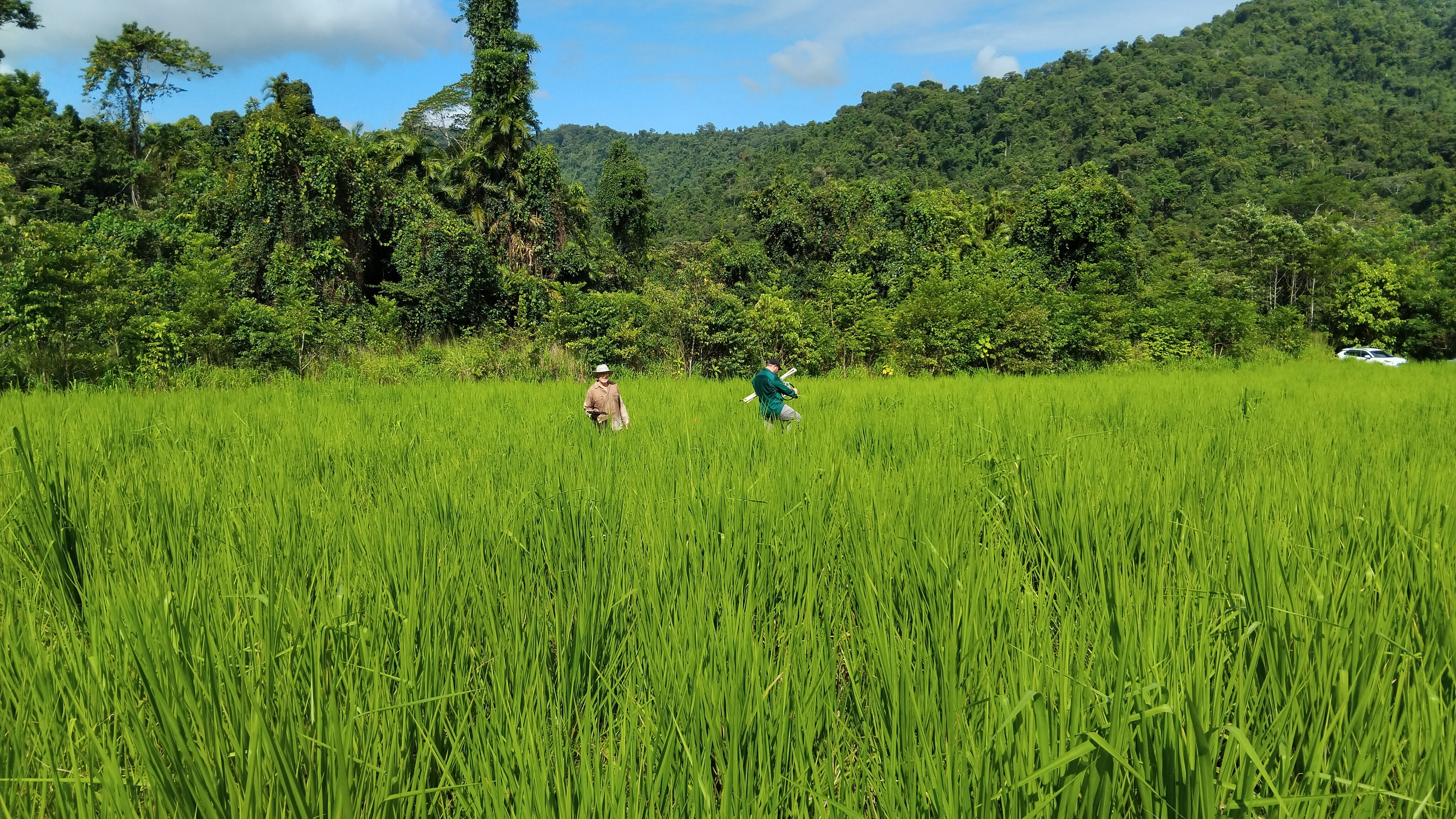
“On Saturday, we planted the first 800 trees of what will be the final stage of restoring the critical cassowary habitat,” she explained.
Over the last six years there have been a variety of people supporting the project by dedicating their time, resources or money. The final stage of planting is expected to be completed by the end of the month.
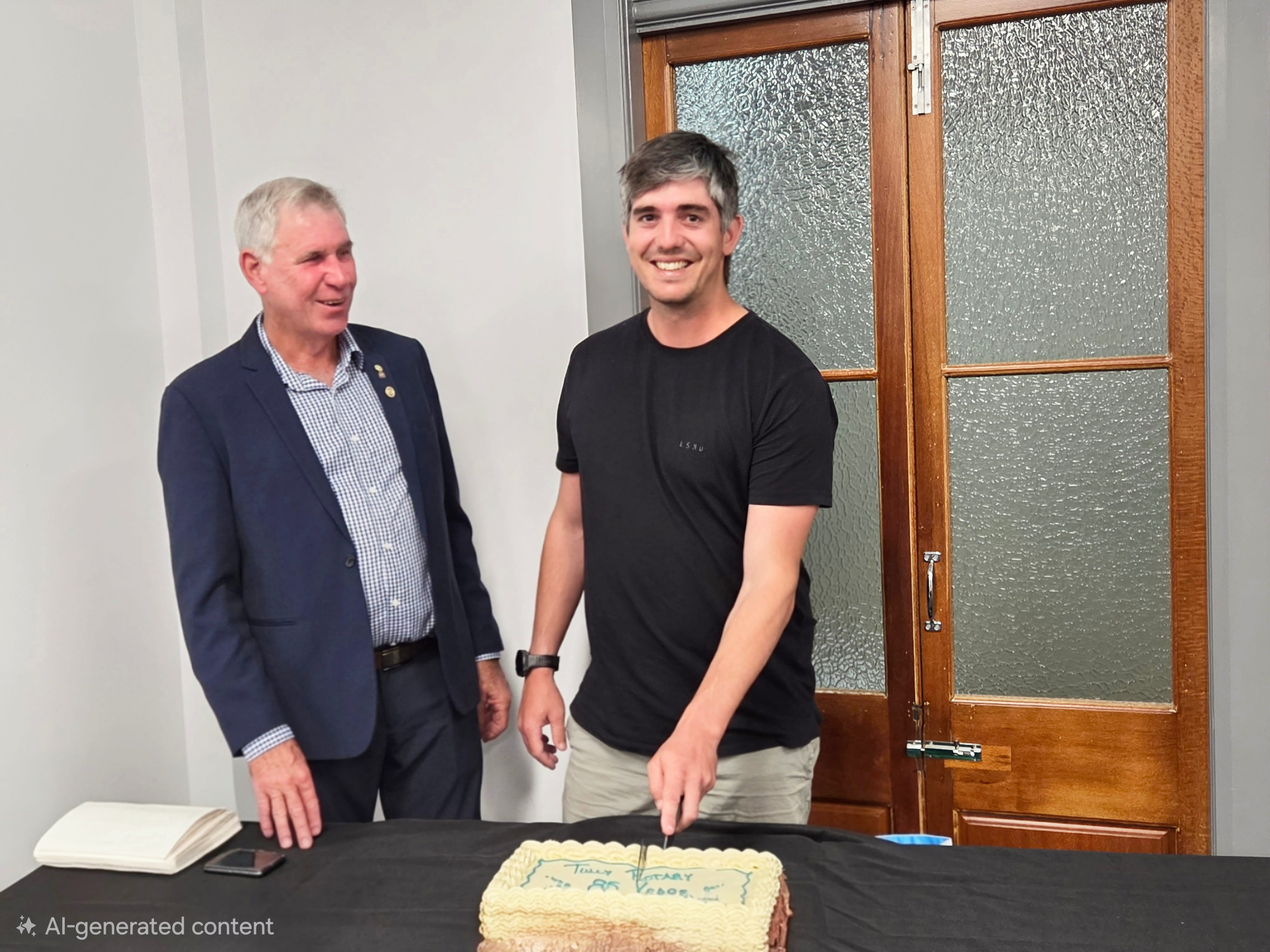
85th Cake Cutting with President Wiliam Moran and youngest Tully Rotary Member, Kieran Borgna Photos Supplied
The Tully Rotary club marked a major milestone this weekend as they celebrated their 85th Anniversary under the guidance of President William Moran.
The inaugural meeting was held on 25th May 1941 and, since then the club has remained committed to servicing the community.
“Our club’s mission is to encourage and foster the ideal of service to club and community, both locally and internationally,” explained President William Moran.
“We achieve this through club activities and project and vocational and youth development.”
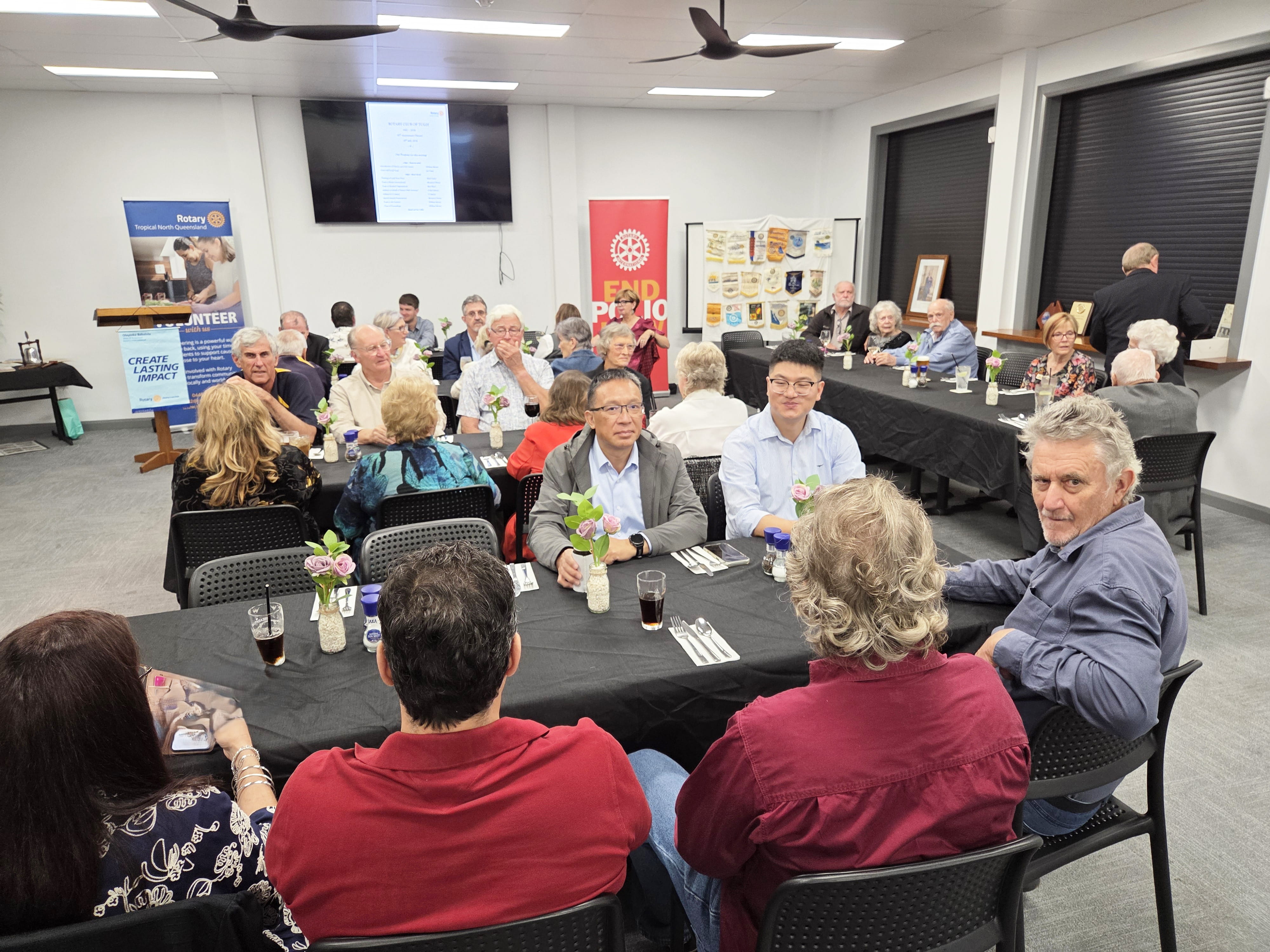
Over the past 85 years the club has supported countless initiatives and funded local community projects as well as charitable events.
They are also proud supporters for a variety of causes including; Purple Socks - Domestic and Family Violence Awareness, National Youth Science Forum and Read to me Day.
In attendance at the 85th Anniversary celebration were long time supporters of the organisation, including local Rotarians, past Rotary District Assistant Governor Col Lawson, Cassowary Coast Regional Councillors Ellen Jessop and Trudy Tshui, Peter Reed from Tully Lions and friends of Rotary.
During the festivities, President William Moran said that the success of the club is due to the community’s unwavering support.
“For the past 85 years The Rotary Club of Tully has been extremely fortunate to have the support of the Tully Community which has contributed at today’s value well over $3 million toward our fundraising efforts,” he shared.
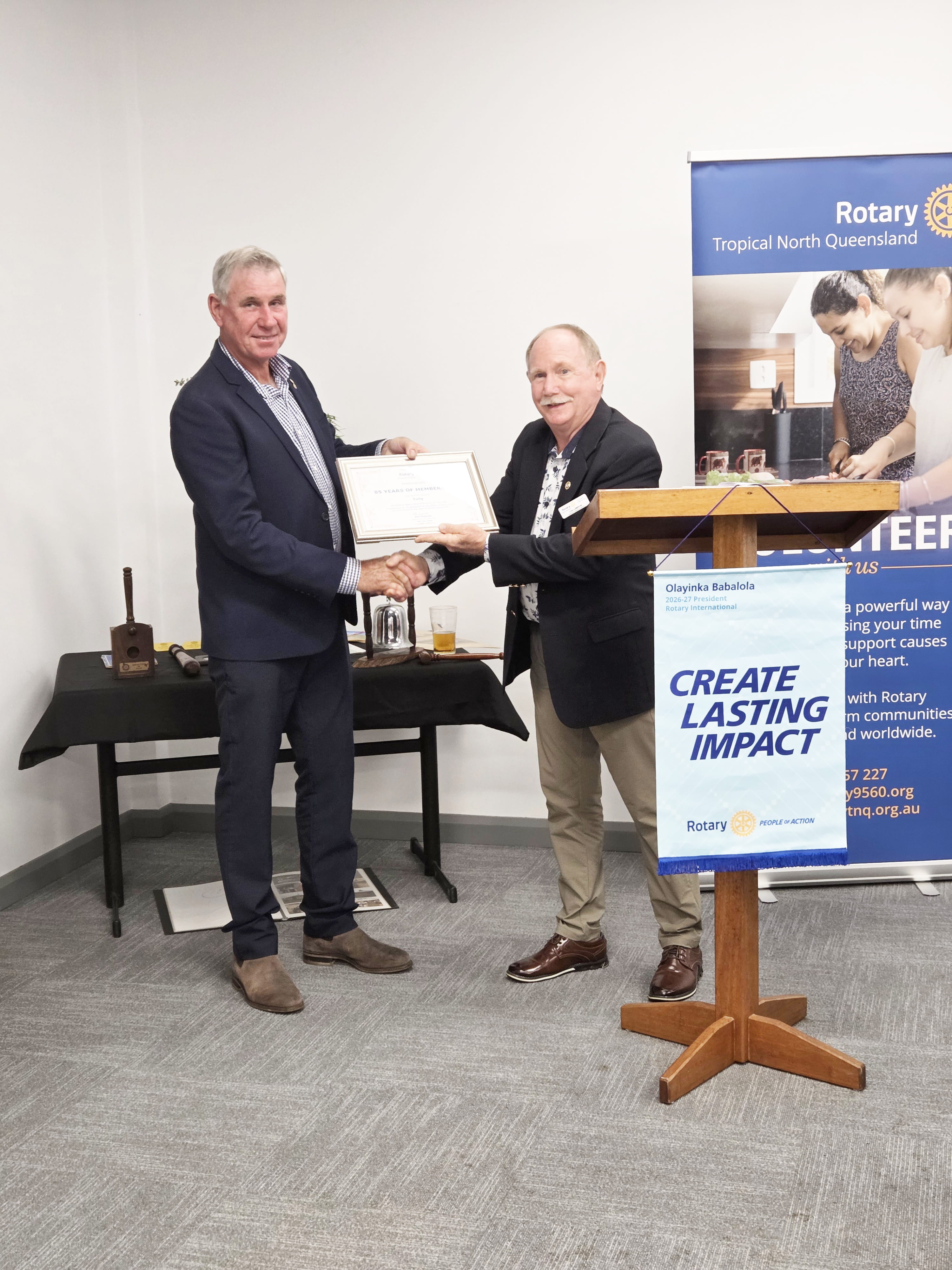
The celebrations continued as President William Moran and club member Joe Vasta were presented with the Paul Harris Fellow recognition.
The award is one of the Rotary’s highest honours and is awarded to individuals who have made a significant contribution to the club.
“This honour carries the name of Rotary’s founder, Paul Harris, a man who believed deeply in the power of fellowship, service, and the idea that ordinary people, working together, can create extraordinary change.”
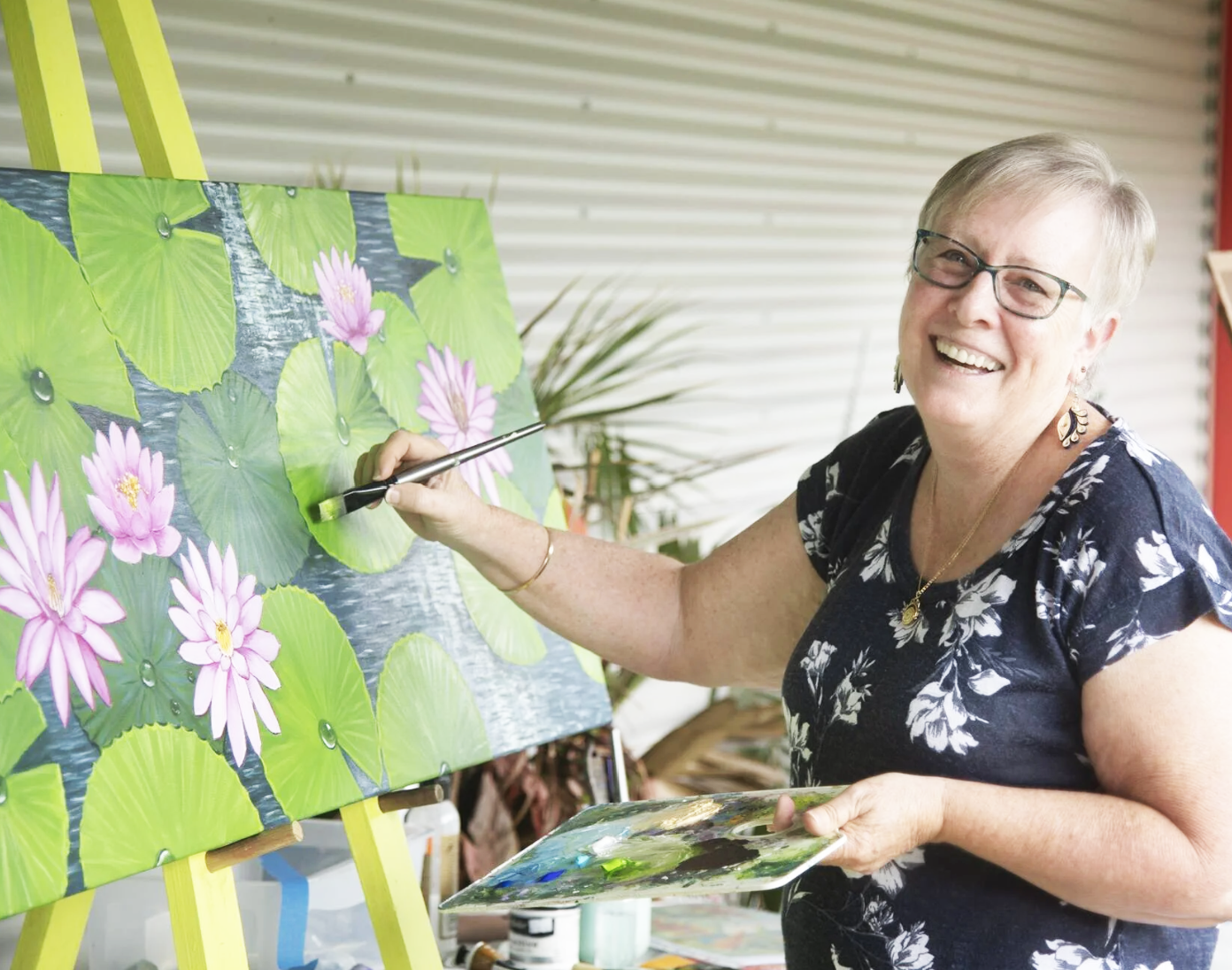
Marcia Baker’s appreciation for colour and fine details are at the heart of every art piece she creates. Photo source: Mission Arts
Having called Mission Beach home for nearly two decades, Marcia Baker draws endless inspiration from the region's golden beaches, swaying palms and tropical landscapes, all of which have helped shape the artist she has become.
Ms Baker's artistic process often starts with the click of a camera, capturing the colours, light, shadows and fleeting moments of natural beauty that surround her and later find their way into her work.
“One of my favourite daily rituals is walking along the beach at sunrise with my iPhone in hand, capturing the ever-changing colours of the sky, the reflections on the water, and the beauty of Mission Beach as it awakens,” Ms Baker reflected.
“Living in the Cassowary Coast means being surrounded every day by incredible natural beauty - from the rainforest and beaches to the vibrant birdlife and marine life. It's a place where inspiration is never far away.”
Ms Baker's creativity knows few boundaries, with the Mission Beach artist embracing everything from acrylic painting and mosaics to handmade crafts and the intricate art of paper quilling; a passion that found its way back into her life following a two-year-long caravanning adventure around the country.
“Rediscovering quilling reminded me that creativity doesn't have an expiry date. It felt like rediscovering a forgotten part of myself,” she said.
“Paper quilling satisfies my love of precision and detail. I enjoy taking simple strips of paper and transforming them into intricate designs that have depth, texture and movement.”
Constantly embracing a strong sense of curiosity and a deep appreciation for the natural world, Ms Baker has never confined herself to a single artistic medium. Instead, she embraces the opportunity to experiment, finding that each discipline offers a unique avenue for creative expression.
“Each medium allows me to express my creativity in a different way, and that’s what I love about being an artist,” she said.
“Although each medium is different, they all share one thing in common – they allow me to celebrate the extraordinary beauty of the Cassowary Coast and to share that sense of wonder with others through my art.”
One of Ms Baker's most popular creations remains a handmade paper-quilled cassowary greeting card; a fitting tribute to one of the Cassowary Coast's most iconic residents. Its enduring popularity comes as little surprise, with the striking bird holding a special place in the hearts of both locals and visitors to the region.
Whether she's painting a coastal scene or crafting a delicate paper creation, Ms Baker's love of the tropics shines through, with the colours, textures and natural beauty of Mission Beach serving as a constant source of inspiration.
“I want my artwork to evoke a sense of happiness, warmth and joy. Whether it's a painting, a mosaic, a handmade pair of earrings or a quilled greeting card, I want people to feel the happiness and beauty that inspired me to create it,” she said.
“If someone takes a closer look at one of my artworks and discovers something new each time they see it, or if it reminds them of a special place, a happy memory or simply brightens their day, then I've achieved what I set out to do. Sharing beauty and creating a connection through art is the most rewarding part of being an artist.”
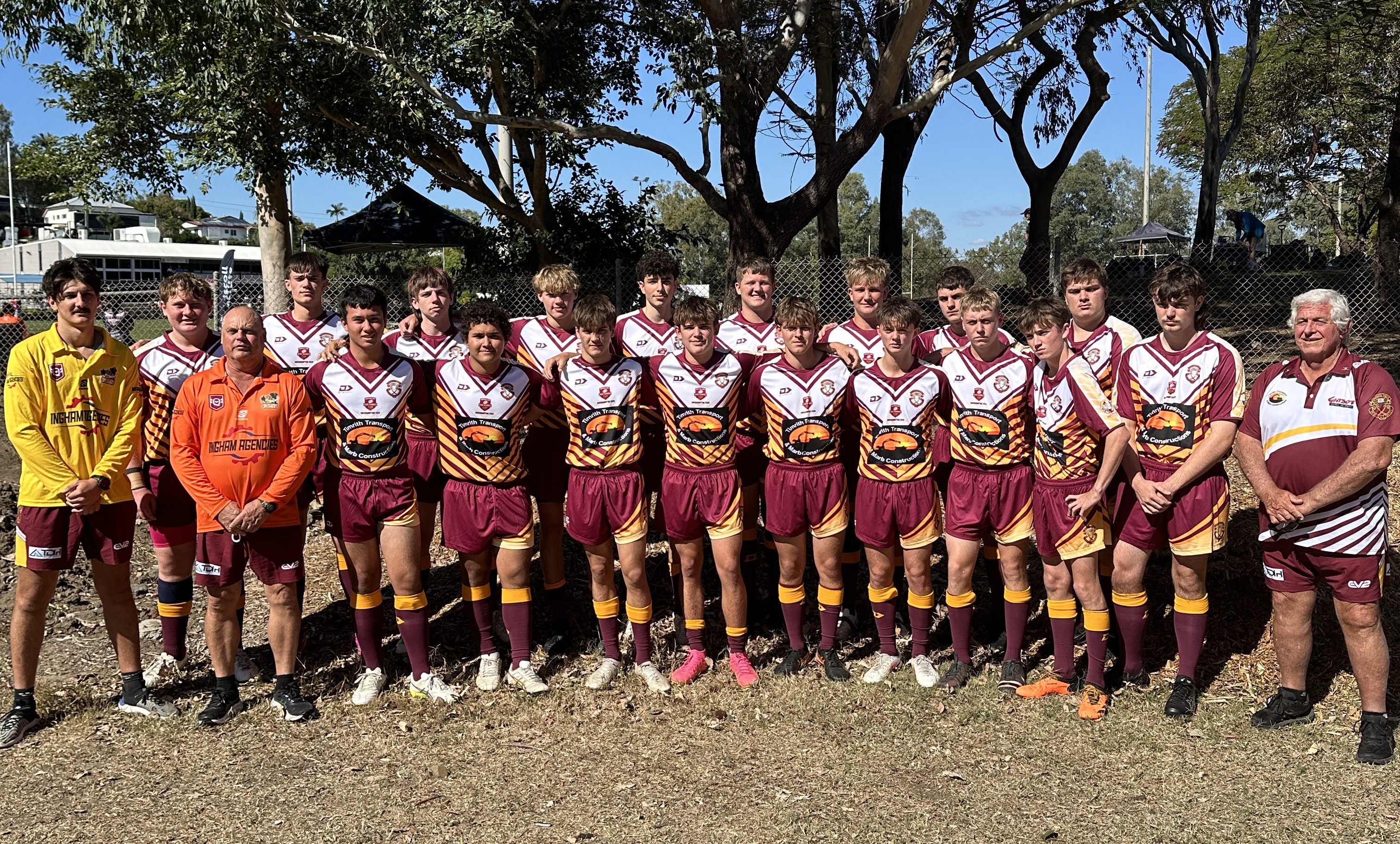
Ingham SHS Open Rugby League Team. Photo supplied
Ingham State High School's Open Rugby League team returned from the Queensland State Schools Cup in Rockhampton as runners-up in Division 2, marking a memorable debut at the state-wide tournament.
Guided by Coach Mark Cockburn, Trainer/Manager Jason Brown, and League Safe Trainer Hunter Winkel, the Ingham High squad proudly represented both their school and the Hinchinbrook community in their first appearance at the competition, which is now in its second year.
Despite opening the tournament with losses to North Rockhampton SHS (28–6) and Bundaberg SHS (44–0), the team showed remarkable resilience, bouncing back with impressive victories over the Barbarians (20–13) and Rockhampton SHS (22–6) to earn a place in the Division 2 Grand Final.
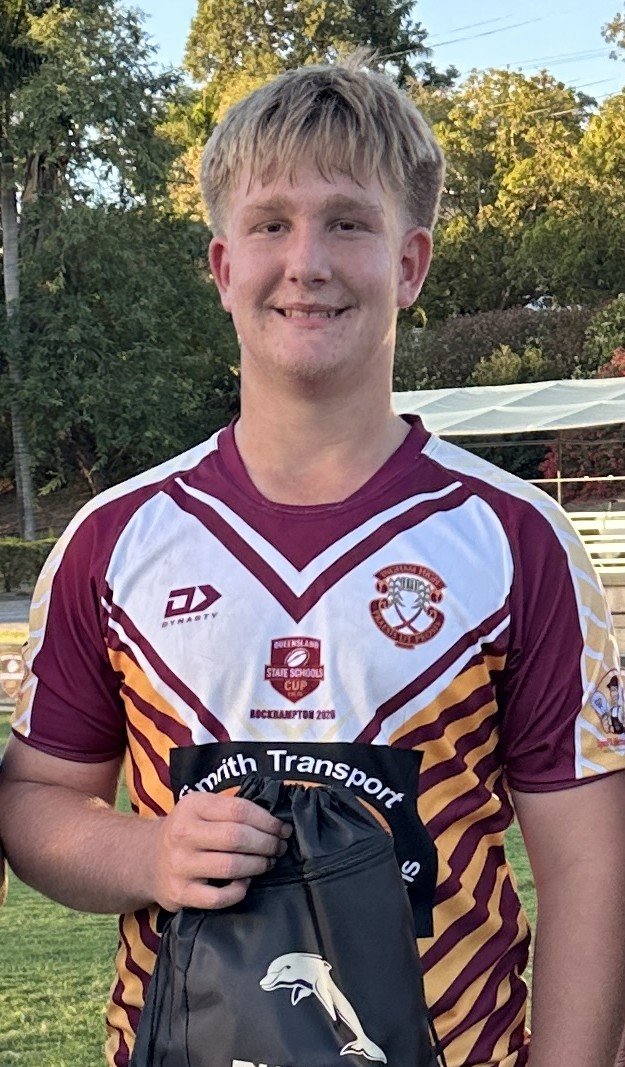
Ingham High fell 18–0 to Yeppoon SHS in the decider, but their determination, teamwork and sportsmanship throughout the week were widely praised.
Individual performances were recognised throughout the tournament, with Jackson Hodge, Matthew Kondisenko, Carter Bates, Nick Stokes and Noah Jones each earning Player of the Match honours. Adding to the school's success, Matthew Kondisenko was also selected in the Queensland State Schools Cup ‘Open Boys Merit Team’.
Ingham State High School would like to thank the following sponsors; Wilmar Sugar and Renewables, Hinchinbrook Real Estate, TDH Plumbing Solutions, SpinFX Electrical, Timrith Transport and Marb Constructions, Guido's Panel and Paint, MENZ, Rotary Club of Hinchinbrook, and Wholelife Pharmacy for their generous support of the team.
The school congratulates all players and staff for representing Ingham State High School with pride, integrity and commitment, thanking the Queensland State Schools Cup for providing an outstanding opportunity. With valuable experience gainedand all but two players eligible to participate again next year, the team is already looking forward to returning even stronger in 2027.
At a time when families have countless choices about their children's education, the right school is not always the largest one, but the one that provides the environment where each child can grow, learn and succeed.
Halifax State School demonstrates the unique strengths of a small school, where personalised learning and strong community connections place every child at the centre of their education.
In a small school, no student becomes just another face in the crowd. Teachers know their students, understand their strengths and challenges, and work closely with families to support their progress. Individual learning goals, targeted support and opportunities for extension help ensure every child is appropriately challenged and celebrated for their achievements.
These close relationships help create confident learners who feel comfortable fully engaging in school life. At Halifax, the strong connections between students, staff and families foster a genuine sense of belonging.
A smaller school does not mean fewer opportunities. Halifax students can access a range of sporting, cultural, artistic and community experiences that help develop well-rounded young people. Multi-age learning environments also encourage collaboration, leadership and resilience.
Halifax State School's strong community connections, valued family involvement and local partnerships enrich learning, while its caring environment supports student wellbeing, confidence and future success.
“Small School. Big Future.” is more than a slogan. It reflects a philosophy that educational success is measured not by a school's size, but by the opportunities and care it provides.
At Halifax State School, every child matters and every goal counts.
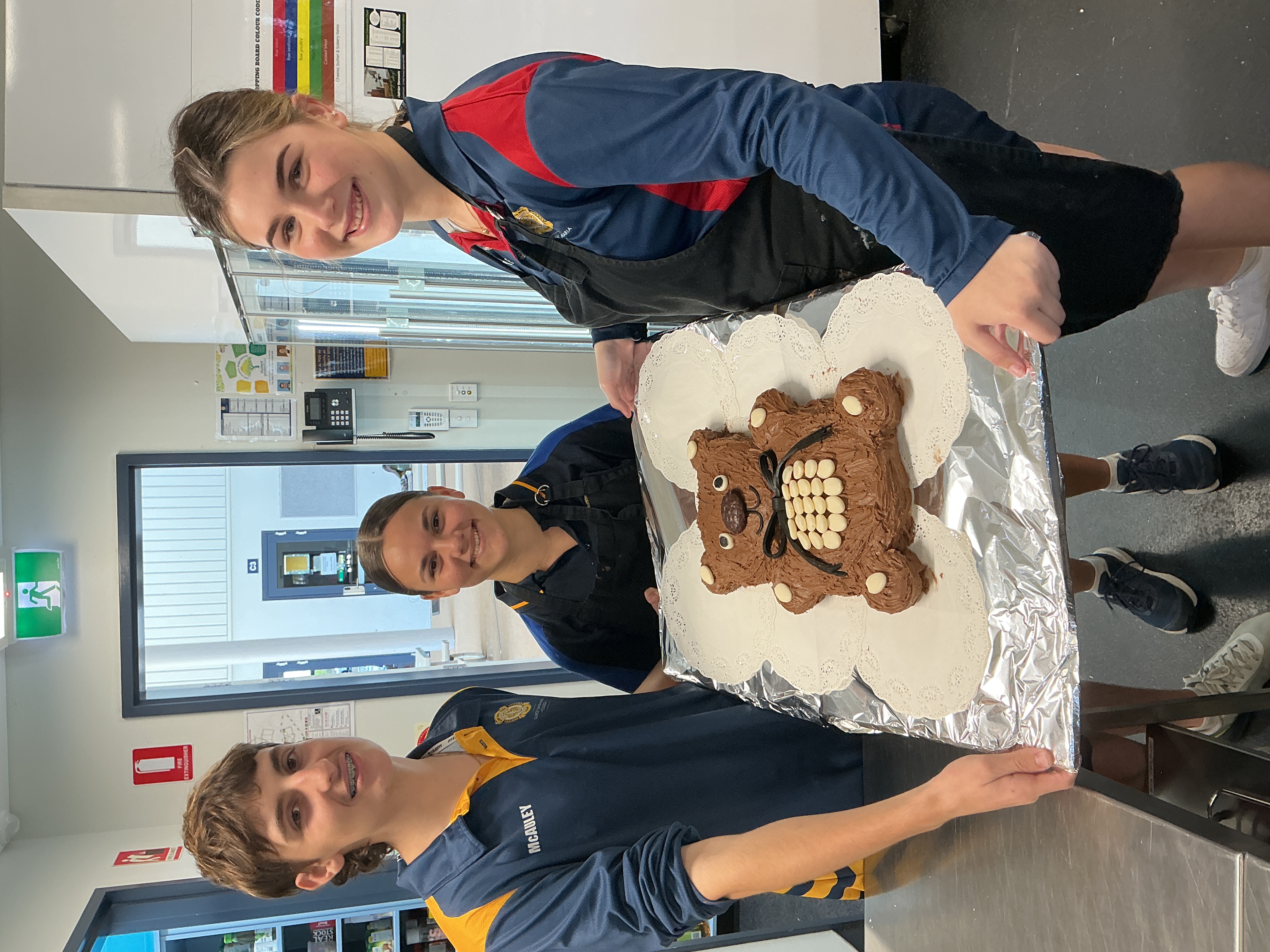
Kynan, Holly and Charlotte’s Ingham Show cake. Photo supplied
With Gilroy Santa Maria College
Delicious delights have been crafted at Gilroy Santa Maria College in abundance recently, thanks to the talents of Hospitality students. From catering opportunities, to creating with colourful imaginations- there’s been plenty of cooks in the kitchen.
Recently Year 11 and 12 students studying the Certificate II in Hospitality, set early alarms to cater for the Year 7 Expo breakfast at the College. The menu saw a variety of flavours and colours incorporating incredible attention to detail.

Before the school holiday break students warmly hosted past Rugby League and Netball players back to the College for a special Alumni event on the Chapel lawn. This presented another opportunity for their culinary skills to shine, going beyond all expectations with outstanding butlered service.
To finish Term 2, Year 9 Food Tech students at GSMC were inspired by the iconic Women’s Weekly Children’s Birthday Cake Book for their Ingham Show entries.
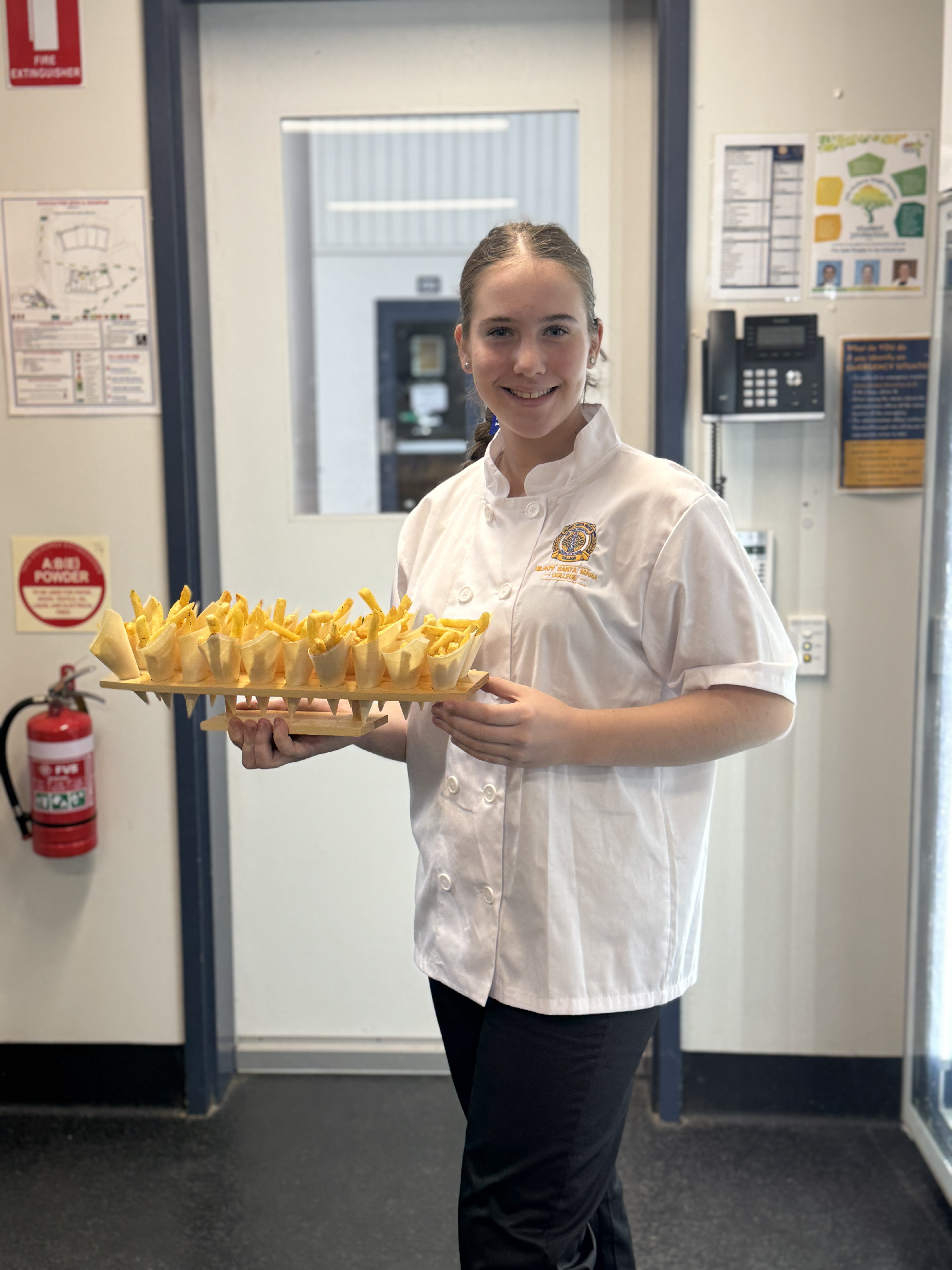
The hard work in the College kitchen paid off, with students placing first, second, third and highly commended for their entries. This enthusiasm saw the Ingham Show Society receive a record number of secondary school submissions.
As the only school in the Hinchinbrook Shire offering a Certificate II in Hospitality, this vocational education pathway will open doors for students to gain employment across the Hospitality and Tourism industries.

We can’t wait to see what’s created next in the state-of-the-art industrial training facility that is the Gilroy Santa Maria College kitchen.


Hi Readers,
One of the greatest strengths of the Hinchinbrook Shire isn't our buildings or facilities — it's our people.
Across our community, hundreds of volunteers quietly give their time to make our shire a better place. They coach our children on weekends, serve on committees, organise community events, raise funds for local causes, support sporting clubs, assist during emergencies, and lend a helping hand wherever it's needed. Many do so without seeking recognition or thanks.
As a Councillor, I have the privilege of attending many community events throughout the year, and I am continually reminded that behind every successful event is a dedicated group of volunteers. Whether it's setting up before sunrise, cooking a barbecue, selling raffle tickets, cleaning up afterwards, or spending months planning behind the scenes, these contributions often go unseen but never go unappreciated.
Volunteering isn't measured by the number of hours you give — it's measured by the difference you make. Every act of kindness, every hour donated, and every person willing to get involved helps build a stronger, more connected community.
If you've ever considered becoming a volunteer or joining a local community group but aren't sure what's involved, there's a great opportunity coming up. The 'Back to Basics' Hinchinbrook Volunteer Workshops will be held on 23–24 July, providing valuable skills, knowledge and support for both new and existing volunteers.
To register for these free sessions, visit: How to do a Plan on a Page
Good Governance: Not for Profit Health Check
For more information, please contact Hinchinbrook Shire Council on (07) 4776 4600. To every volunteer, committee member and community supporter across the Hinchinbrook Shire, thank you. Your generosity, commitment and community spirit help create opportunities for others and make our district the welcoming place we are all proud to call home.
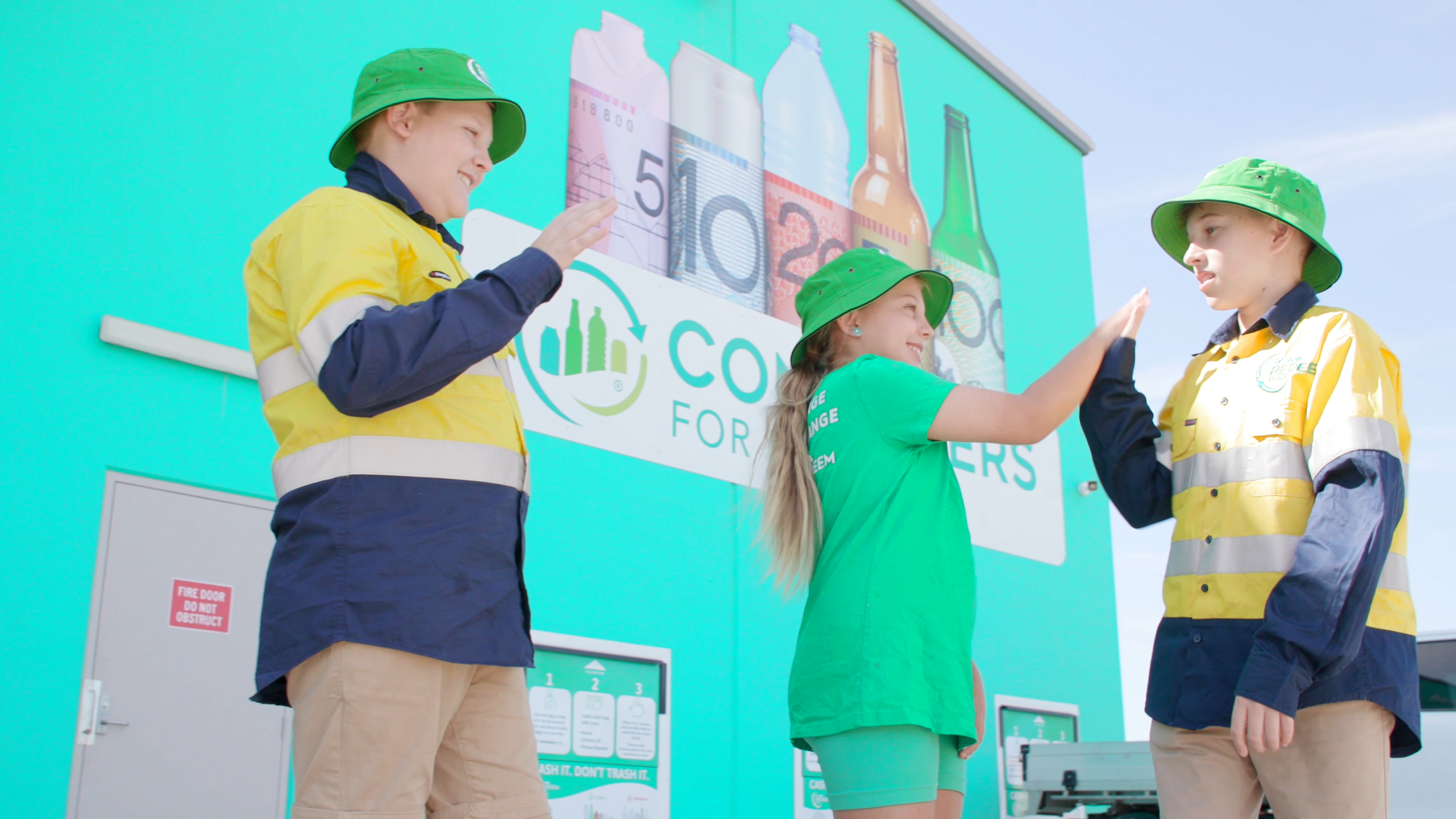
MAMS Group Container for Change facility in Townsville. Photo supplied
The MAMS Group has been recognised as a finalist in the 2026 Containers for Change Changemaker Awards, acknowledging the business's contribution to recycling, sustainability and community across North Queensland.
The Ingham family-owned company operates Containers for Change depots in Ingham, Innisfail, Tully and Townsville and, since joining the scheme in 2018, has helped return millions of dollars to local families, schools, sporting clubs, charities and community organisations through container refunds and fundraising initiatives.
MAMS Group founders Brian and Bernice Day were among the early advocates for recycling in the Hinchinbrook region, working alongside Hinchinbrook Shire Council to introduce recycling initiatives at a time when the concept was still new to many people.
.jpg)
Mrs Lannen said this recognition also celebrated the Day family legacy that began long before Containers for Change.
"It's incredibly special to receive this recognition because it reflects a journey that began with Mum and Dad's vision many years ago," she said.
"Mum and Dad built MAMS on the belief that looking after the environment and supporting the local community go hand in hand. As the next generation of our family business, we're incredibly proud to continue building on that foundation.
"Containers for Change has allowed us to introduce another recycling initiative that not only benefits the environment but also puts money back into the pockets of North Queensland families, schools and community organisations. That's something we're very proud to be part of."
While the environmental benefits of the scheme are significant, Mrs Lannen said the greatest reward has been seeing the positive impact on local communities.
"We've been fortunate to build genuine relationships with our customers and community groups. Whether it's helping schools and sporting clubs fundraise or simply seeing familiar faces each week, it's incredibly rewarding to know we're part of something that gives back."
Regardless of the outcome of the awards, Mrs Lannen said being named a finalist was already a significant achievement.
"This recognition belongs to our staff, our customers and every community member who has supported our depots over the years," she said.
"Thank you for choosing to recycle with us. Every container returned helps create cleaner communities while making a real difference for local families, schools, sporting clubs and charities."
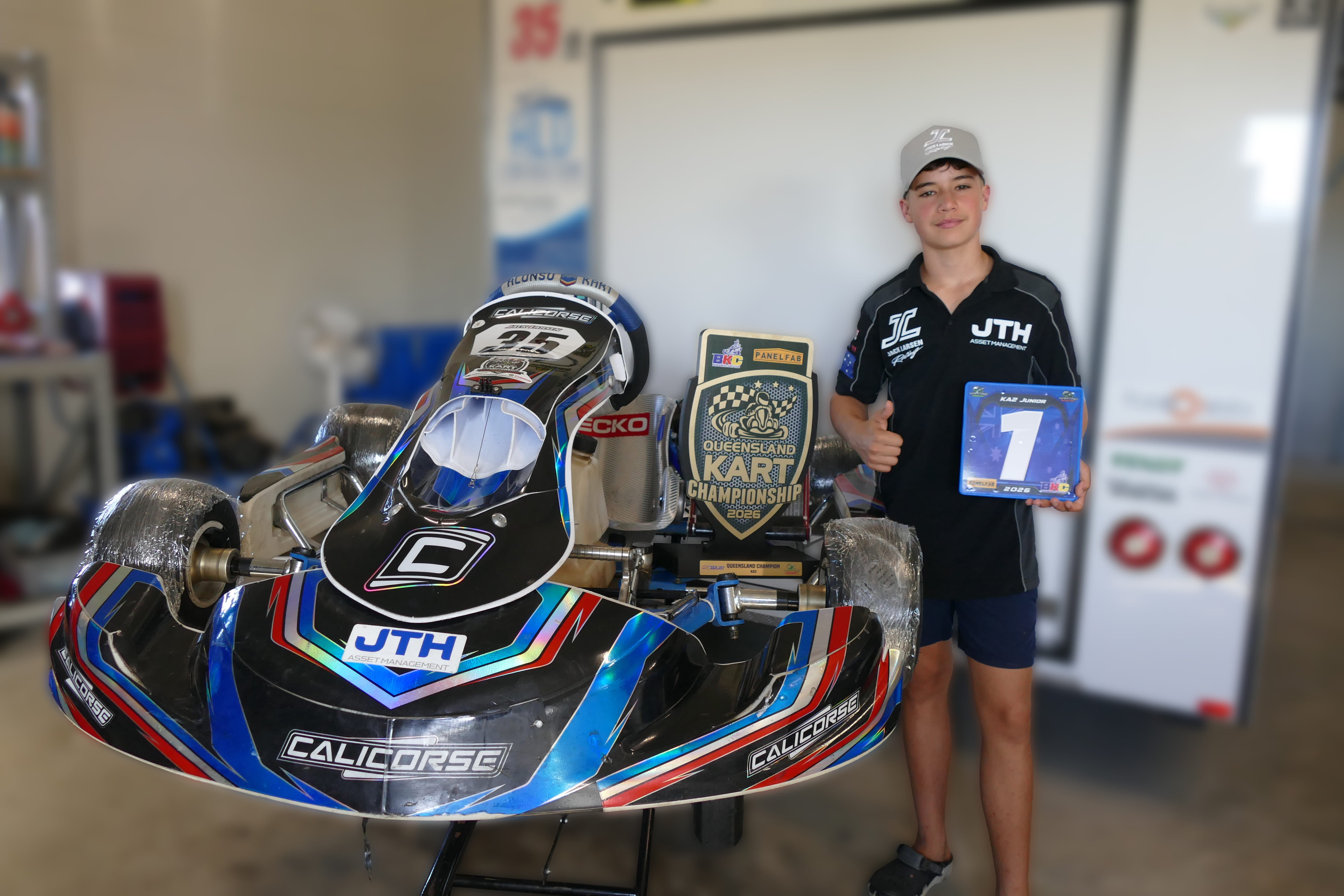
Jack Larsen and his go kart, with his state championship trophy. Photo credit: Victoria Velton
The Blackrock boy of 13-years-old has been crowned the 2026 KA2 Queensland Champion after a dominant weekend at the state championships, where he claimed pole position in the qualifiers and went on to win the final by huge 5.7 seconds lead. And now, Jack Larsen is already looking beyond his recent Queensland karting title.
The result was even more impressive considering Larsen was bumped at the start of the 20-lap final and dropped back to fourth. But Jack had confidence in his skills.
“I passed them all in the second or third lap, then I just slowly gapped away,” Jack said.
His strong finish came down to more than just speed. With only one set of tyres available for the entire championship weekend, from qualifying through to the final, Larsen had carefully managed his tyres while other competitors pushed harder.
“I think other people burnt their tyres out because they were driving too hard,” he said.
“Then my tyres were better than the other guys because I saved them during the weekend, and I slowly pulled away.”
Larsen had started the weekend in the best possible position, qualifying on pole. The advantage was particularly important at the circuit, where being on the outside through a pair of right-hand corners could leave drivers running onto the dirt and losing grip.
It was only the second time Larsen had raced at the track and qualifying first was also the moment he began to believe he could win the State championship.
The KA2 field included some serious competition, including the driver who had been leading the Australian Championship before the Queensland round, as well as several other previous state champions.
“It was quite competitive,” Jack said. “There were definitely some difficult people to race. They’re good racers, but they’re difficult to beat.”
Larsen has been racing since he was eight and said the sport has given him so much beyond just the competition.
“Meeting new people, making friends, building relationships, and setting up my future to have the best outcome possible,” he said.
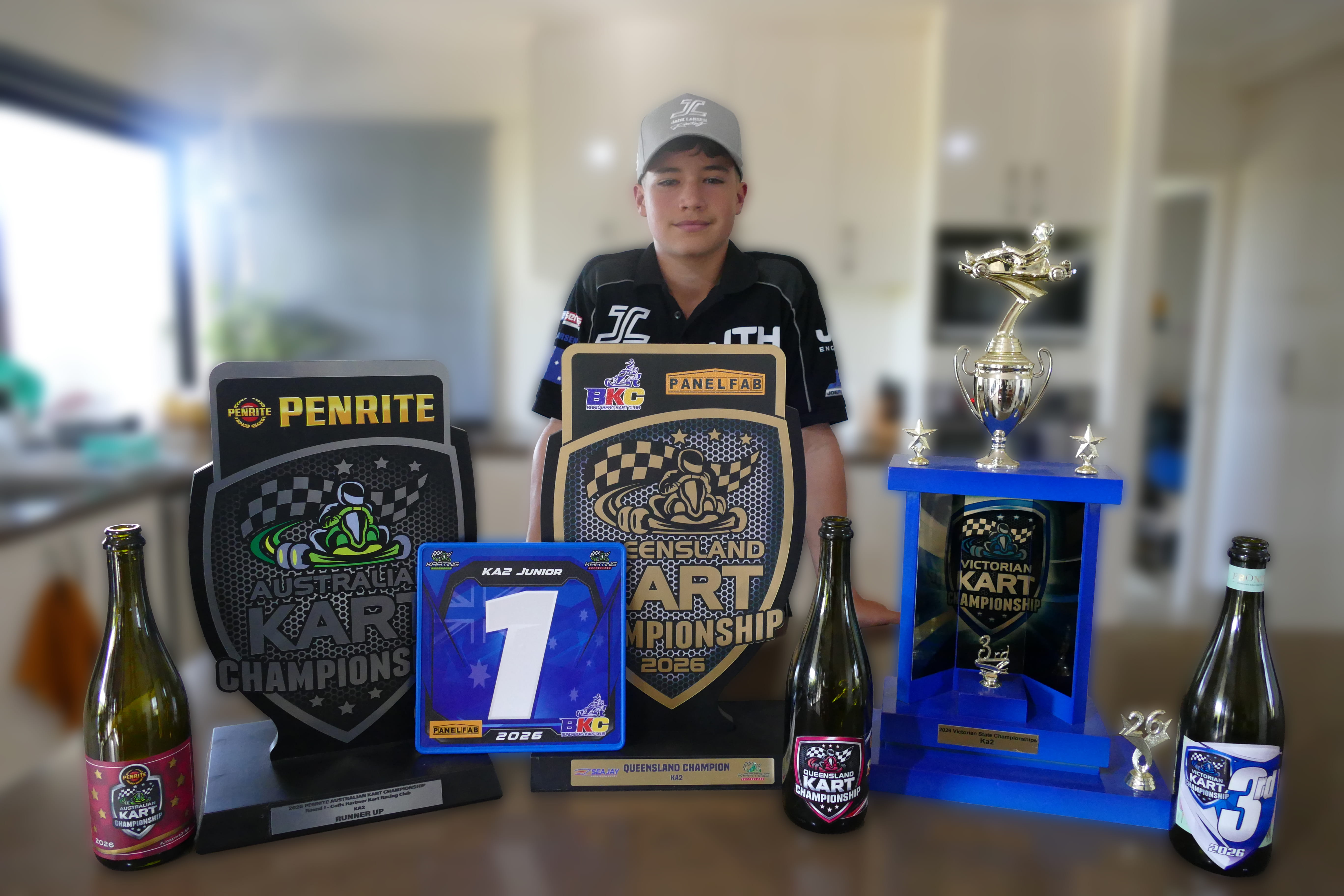
That future may eventually take him beyond karting and into cars. While his current focus is on an Australian title, Larsen and the team behind him are already looking at the next steps in his motorsport career, with Formula Ford being discussed as a potential future career goal.
“There are different steps,” he said. “The next steps are into cars, and you get to the step where you actually start making money in it.”
The path to that point will require plenty of hard work, with success often coming down to the smallest details.
“It’s finding very fine things that you need to fix,” he said.
While he is the driver, much of the work behind the scenes is a family and team effort. His father handles much of the kart preparation, while Jack helps with tasks such as changing tyres and cleaning the kart.
He also works closely with his team, analysing data to compare speed, acceleration and performance through different races.
His father, along with coaches including multiple Australian champion Cian Fothergill, Tom Williams Motorsport, and sponsors including JTH Asset Management, Joeflo Excavations, Ingham Express Transport, A & G Drone solutions, Bronte Ag, Cosca, ASM Eathmoving Company, HLD Constructions, Russo &Vella Machinery, have all played a role in supporting his racing.
Jack has also competed internationally, travelling to Malaysia, Thailand and Italy, where he won a trip to race after finishing second in Australia the previous year. With a Queensland title now added to his achievements, Jack’s aim is now national.
“I would like to try and win a couple of Australian titles and win the Australian Championship,” Jack said.
With his goal to continue climbing the motorsport ladder, for now, he is enjoying the perks that comes with his latest achievement, including the privileges and recognition of his new State Champion status.
“When you are a state champion, you get to have a blue background behind your number,” he said.
“Then everyone who looks at your kart knows you’re a state champion.”
Jack Larsen Racing can be followed for updates on his motorsport journey on Facebook.

Students, community members and local organisations will join forces on Gulngay Country to revegetate the Tully Heads foreshore as part of this year's National Tree Day. Photo source: Shutterstock
In a region where rainforest meets reef, Planet Ark’s National Tree Day exists as a lovely opportunity for the community to come together, plant for the future and help protect the landscapes that make the Cassowary Coast such a special and beautiful place to live and visit.
Community, conservation and the great outdoors will take centre stage on Wednesday, 22nd July, as Cassowary Coast Regional Council welcomes residents to plant trees together along the lush Tully Heads Foreshore in celebration of National Tree Day.
Residents are encouraged to arrive from 11:30am at the corner of Galmahra Road and Taylor Street, equipped with a water bottle, enclosed footwear and sun-smart clothing for an enjoyable afternoon of community planting.
2026’s local planting effort will celebrate the 30th anniversary of the Planet Ark initiative and focus on revegetating a section of the Tully Heads foreshore previously impacted by illegal clearing. Volunteers will plant clusters of native tube stock; including trees, shrubs and grasses suited to the local ecosystem, with the aim of stabilising the foreshore, reducing erosion, increasing biodiversity and creating valuable habitat for native wildlife.
Set to take place on Gulngay Country, the project will unite Cassowary Coast Regional Council, Girringun Aboriginal Corporation, Lower Tully State School students and members of the local community in a meaningful day of connection, conservation and giving back to the place they call home. For local students, the event offers more than just an opportunity to plant trees; it’s a chance to learn about Caring for Country, develop a deeper appreciation for the environment and play a hands-on role in protecting the wildlife and landscapes that make the Cassowary Coast so special.
Better still, years from now, students will be able to return to Tully Heads and see the trees they planted standing tall, serving as a lasting reminder of the difference a community can make when it comes together.
Since its inception in 1996, Planet Ark’s National Tree Day has flourish into the country’s largest community tree planting and nature care event. In the Cassowary Coast, the nationwide movement focuses primarily on costal rehabilitation, and the conservation of habitats for native animals whilst allowing the community to connect and care for the nature in their own backyard.
Over the past 30 years, volunteers have dedicated more than 10 billion hours to planting trees, restoring ecosystems and helping communities reconnect with nature. Although National Tree Day officially falls on the last Sunday of July, events are often tailored to local conditions, and, as Planet Ark reminds us, there's never a bad day to plant a tree.
Residents are encouraged to RSVP via contacting Amber Kellett on 0436 801 950 or visit nationaltreeday.org.au for more information.
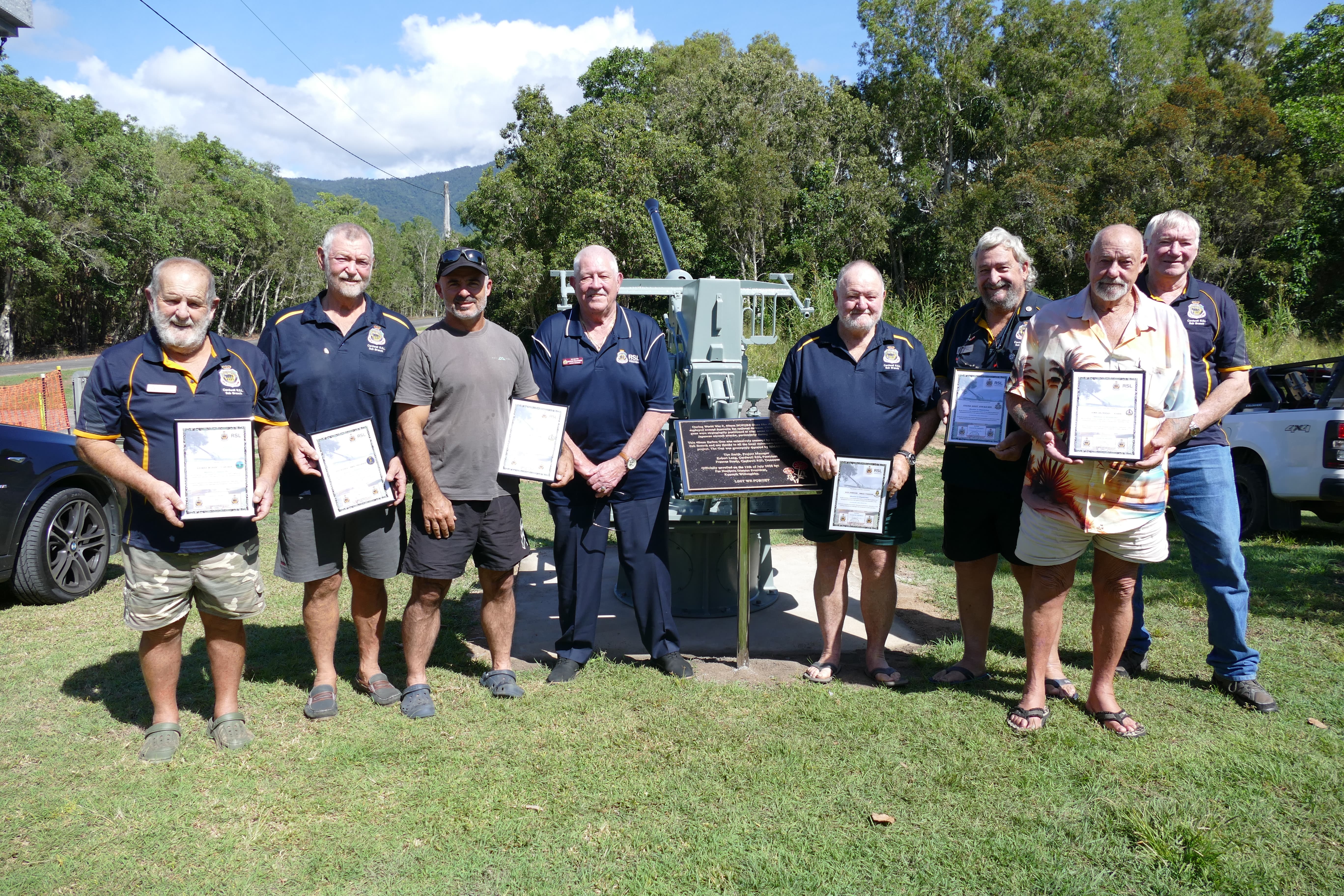
The men who worked on the restoration holding certificates of appreciation, L-R George Murray, Jeff Bidner, Tim Smith, Ken Willoughby the Far Northern District RSL Sub Branch President, Ken Johnson, Stevo Knust, John Saunders, and Rob LangPhoto credit: Victoria Velton
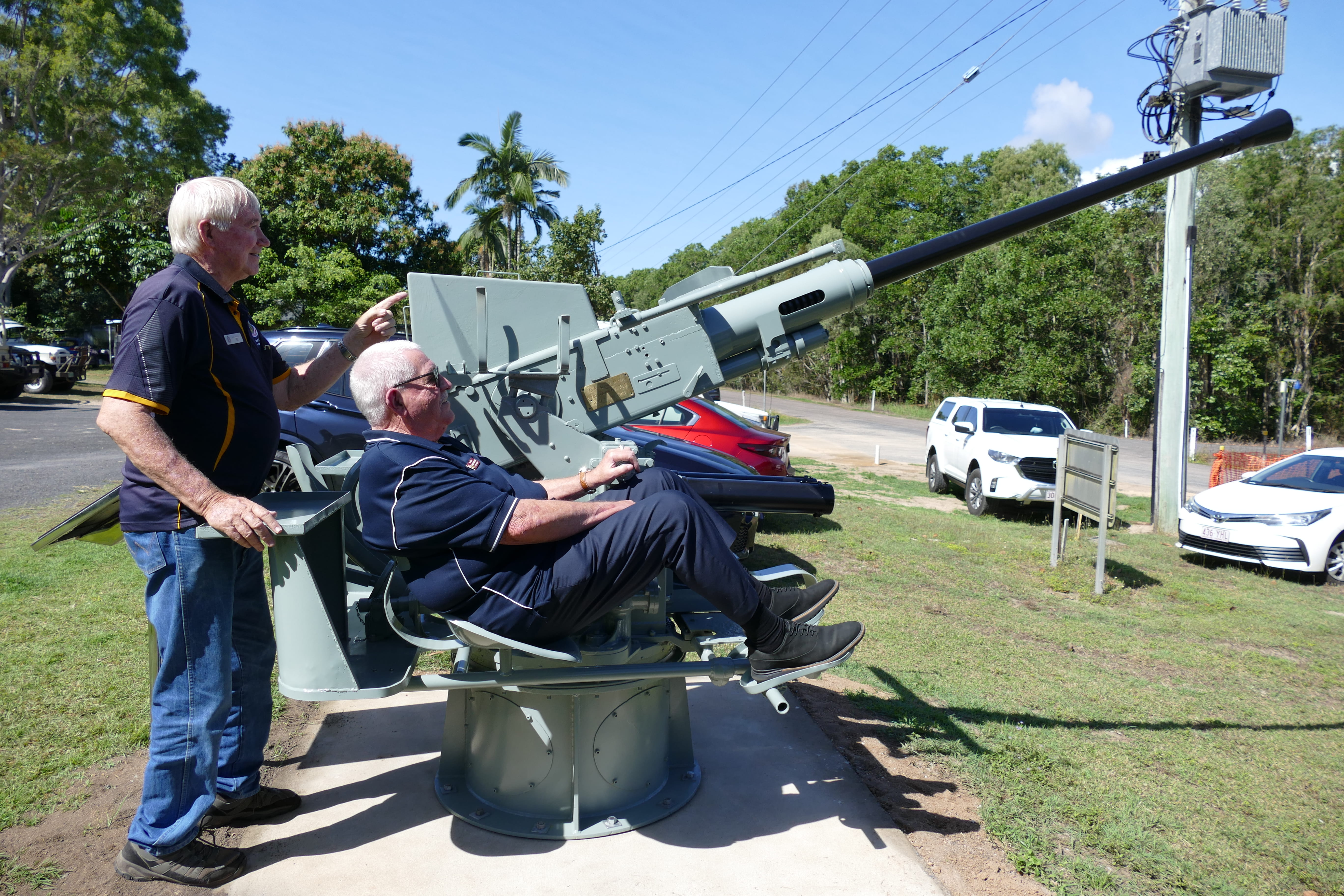
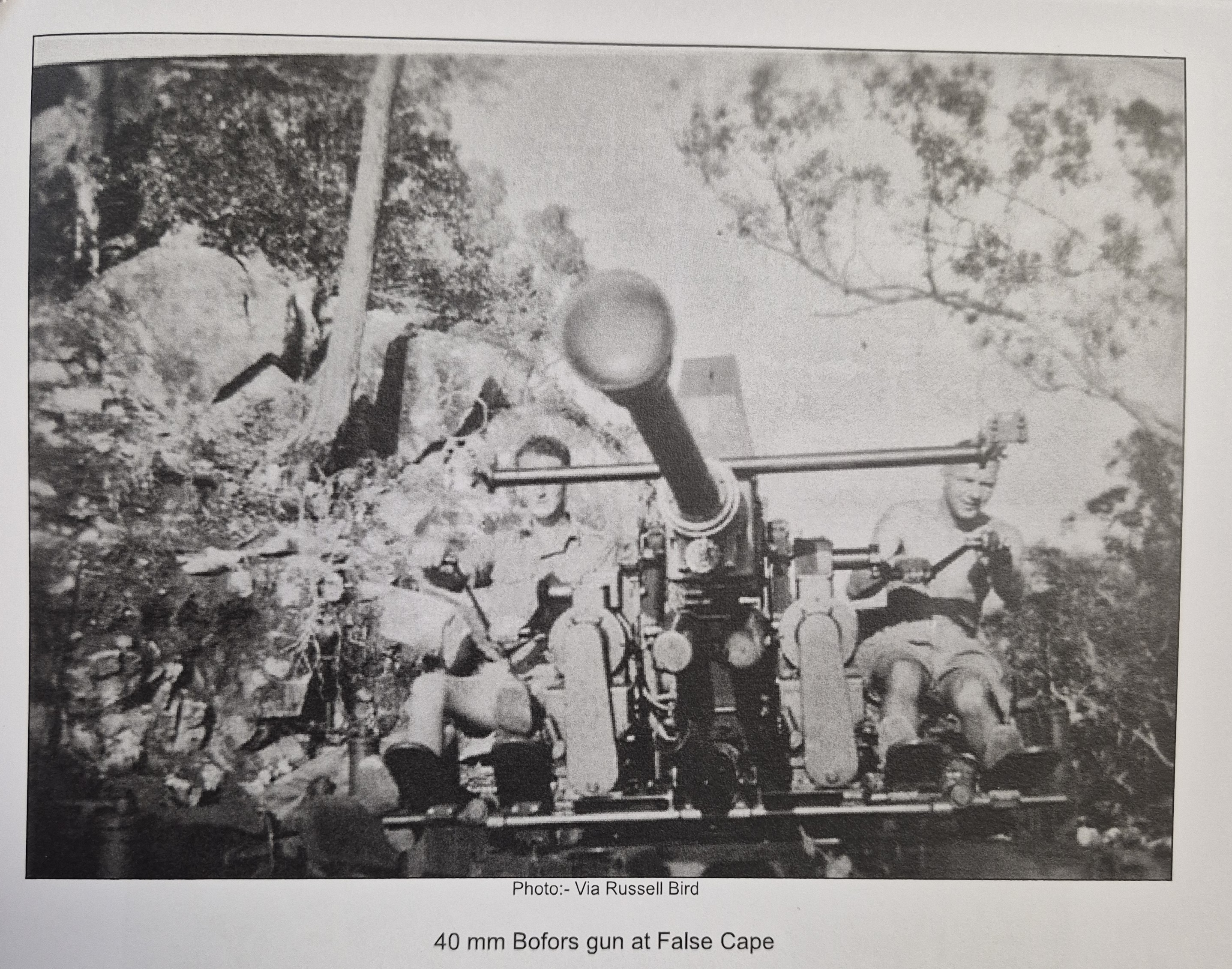
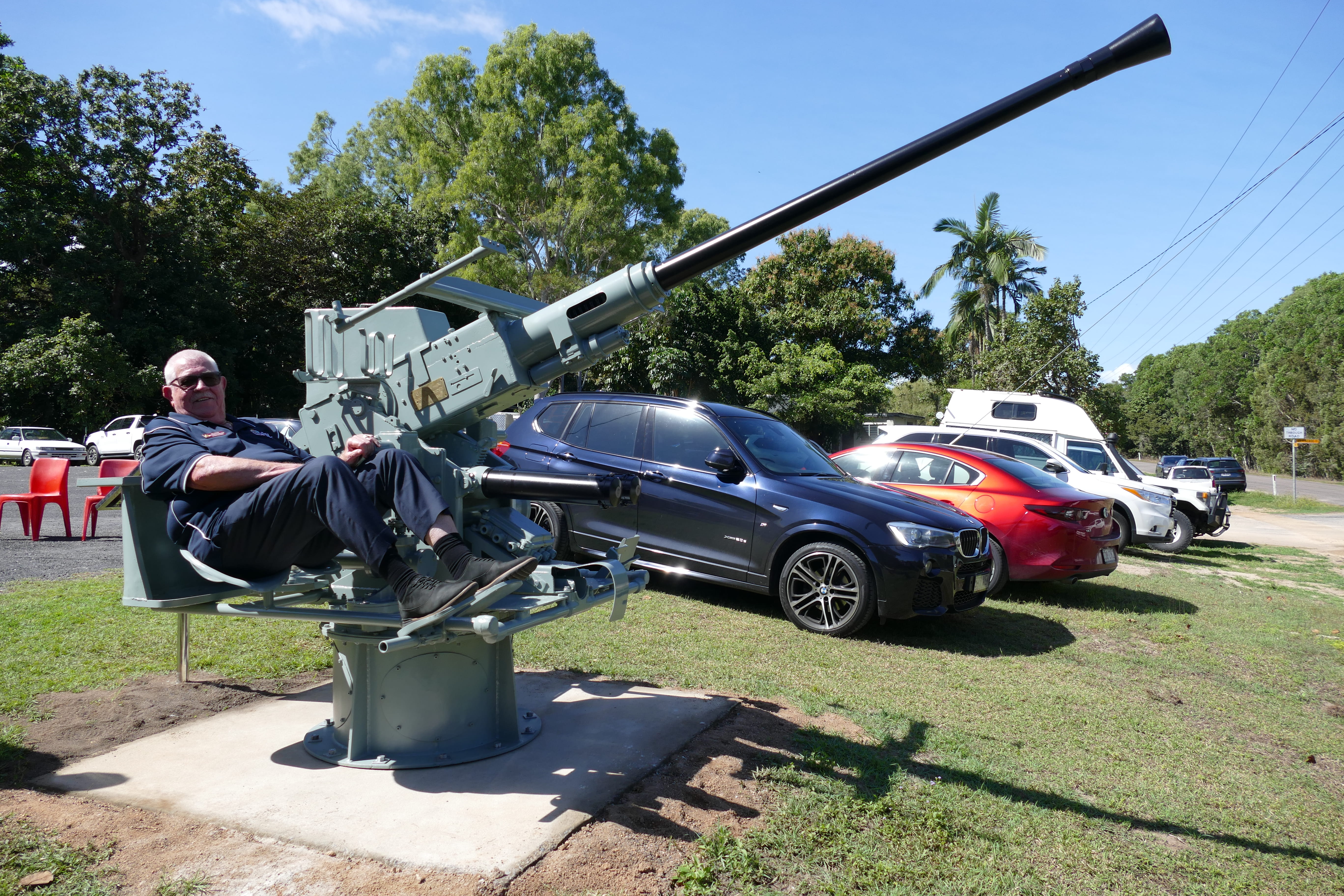
A restored World War II-era 40mm Bofors gun has officially been unveiled outside the Cardwell RSL Sub Branch, where it will stand as a lasting tribute to Australia's military history and those who served.
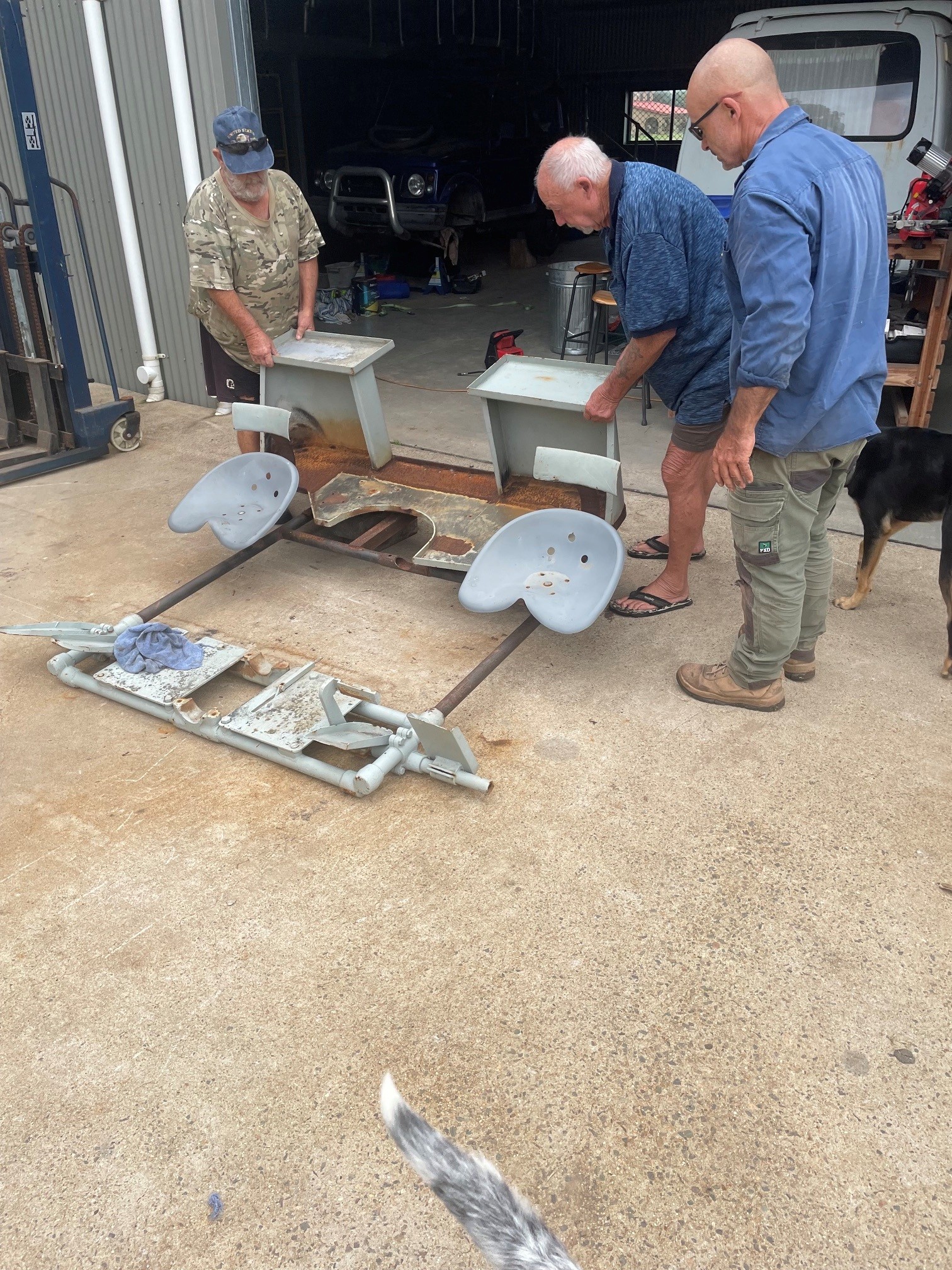
The naval gun, donated by HMAS Cairns, underwent an extensive restoration after it was found to require significant repairs before it could be placed on display.
The project was supported through grant funding under Stream A of the 2024 Anzac Day Trust Fund Grants Program, with much of the restoration also made possible through the dedication of local volunteers and businesses who recognised the historical significance of the relic and what it would mean to the Cardwell community.
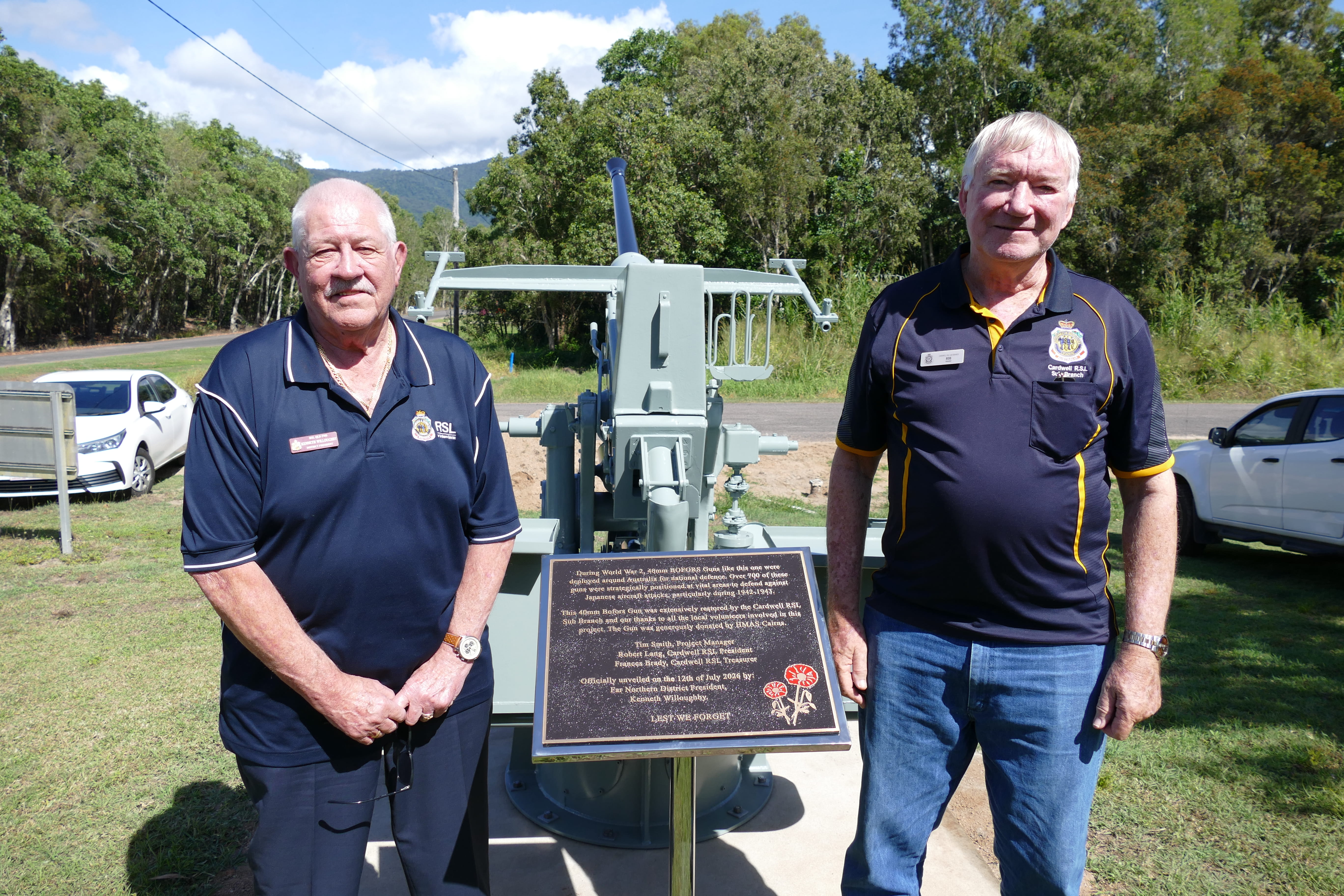
Cardwell RSL Sub Branch President Robert Lang spoke at Sunday's unveiling, sharing the history of the Bofors gun, detailing the restoration process and acknowledging the many people who contributed their time, skills and resources to return the wartime relic to its former condition.
Mr Lang thanked those involved in the project, including local businesses, volunteers and personnel who assisted with dismantling, repairs, painting and reassembly.
Now mounted outside the Cardwell RSL, the restored gun is set to become a prominent feature of the memorial precinct, serving as a reminder of the role similar weapons played during World War II and preserving an important piece of Australia's wartime heritage for future generations.
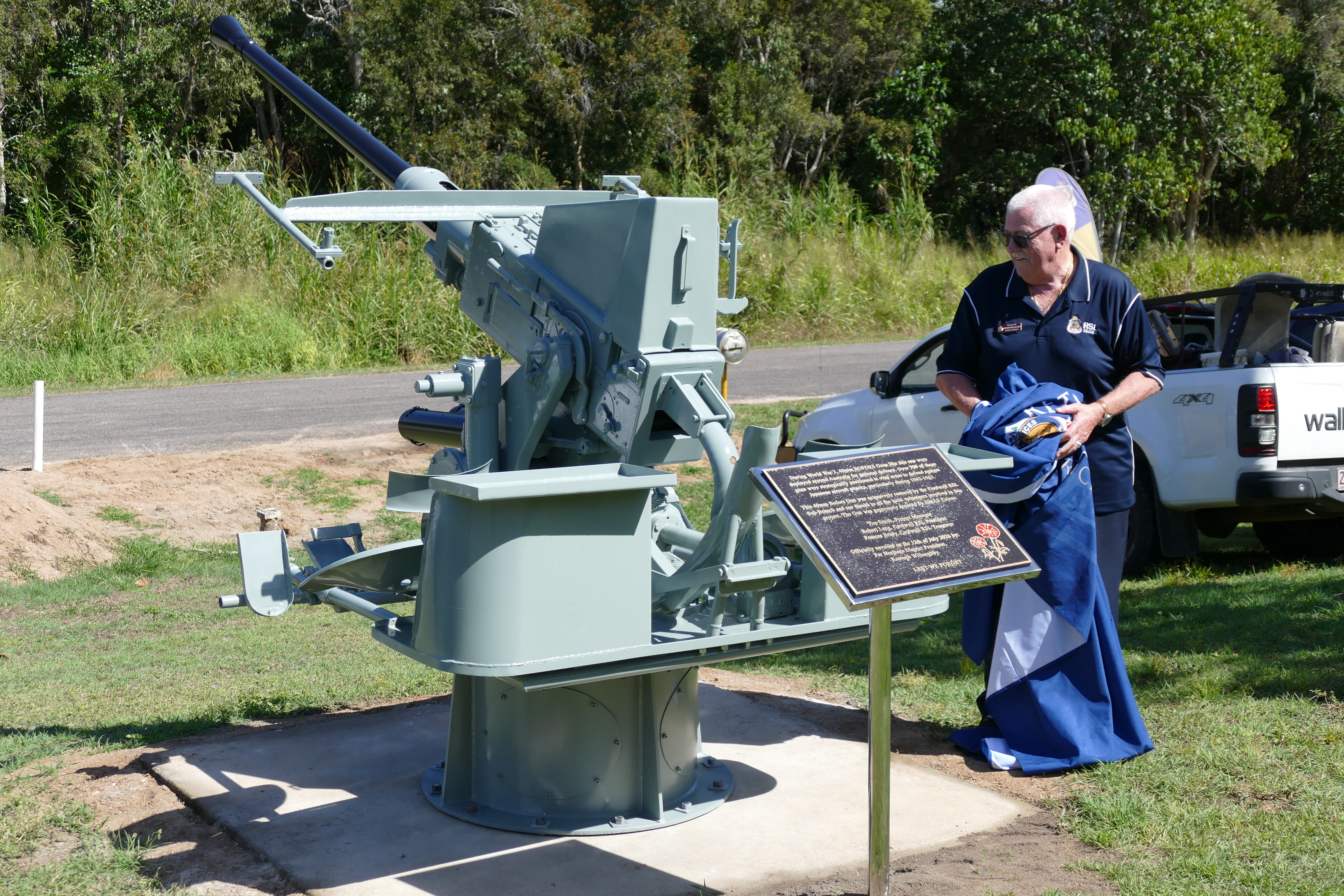
The unveiling marked the culmination of years of paperwork and months of restoration work and reflects the Cardwell RSL Sub Branch's ongoing commitment to preserving military history while honouring the service and sacrifice of Australia's veterans.

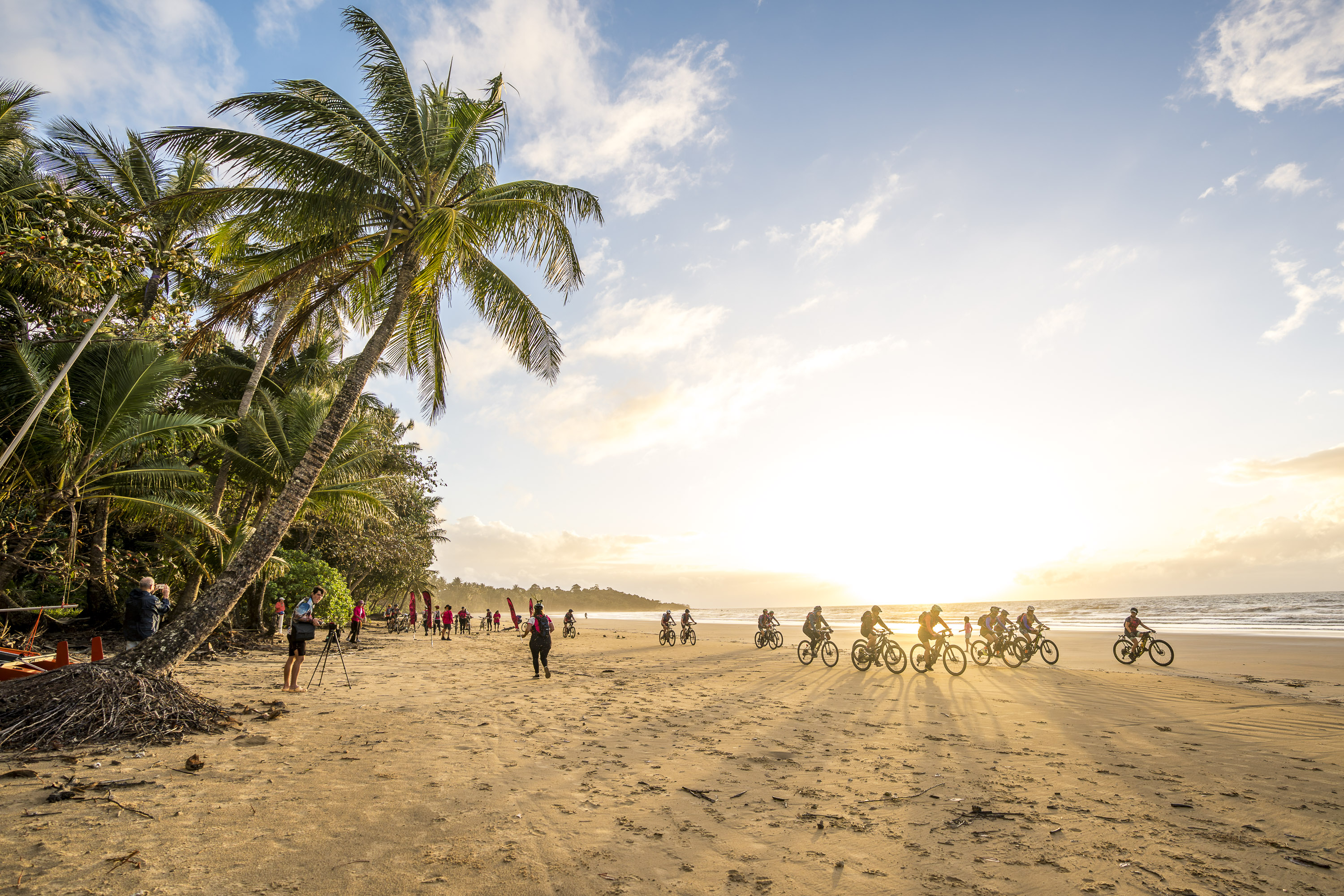
Competitors from across Australia and New Zealand tackled rainforest trails, mountain bike tracks and coastal waters as the Amazon Adventure Race returned to Mission Beach, challenging women to push beyond their limits over three demanding days. Photo credit: Margarete Oti Oliverira
Rain-soaked rainforests, rough seas, mountain trails and endless kilometres tested the grit of competitors as the Amazon Adventure Race returned to Mission Beach for its second year.
Over three demanding days, 25 all-female teams from across Australia and New Zealand tackled an unforgiving course through the Cassowary Coast, navigating by map and compass as they hiked, paddled and mountain biked across some of the region's most spectacular and challenging landscapes.
For many competitors, including Mission Beach locals Angela Olsen and Elizabeth Stavreski, it was their first taste of adventure racing. Despite being pushed well beyond their comfort zones, crossing the finish line became a triumph they will never forget.
Race directors Jan Leverton and Kim Beckinsale say the event is about far more than competition, creating an environment where women can challenge themselves, build confidence and discover what they're truly capable of.
Mission Beach once again became Australia's adventure racing capital as 25 all-female teams took on the Amazon Adventure Race, tackling three days of hiking, mountain biking, paddling and navigation through some of the Cassowary Coast's most spectacular landscapes.
Returning for its second year, the event attracted competitors from across Queensland, New South Wales, Victoria and New Zealand, all eager to test themselves in an adventure stage race unlike any other.
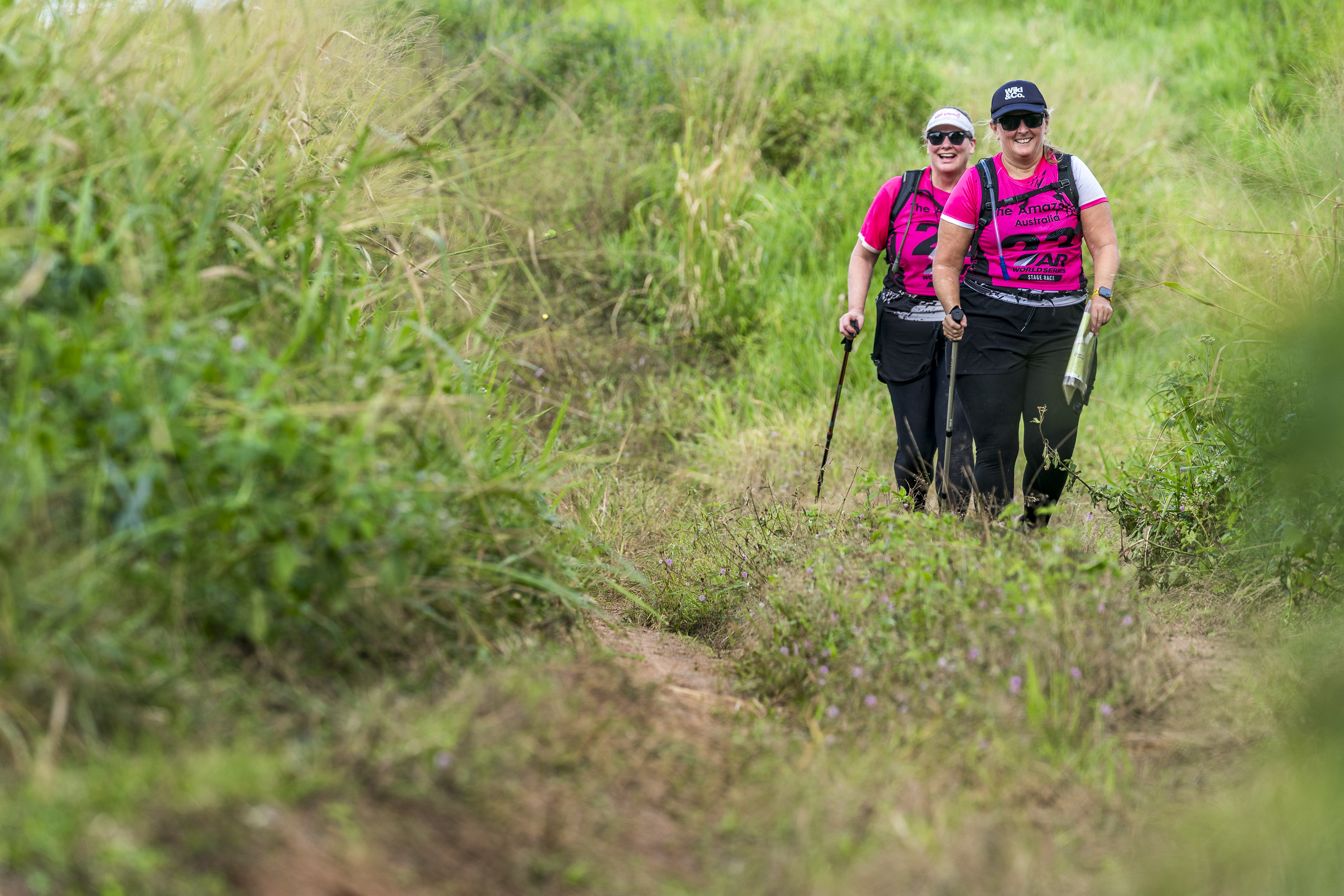
Created by race directors Jan Leverton and Kim Beckinsale, who have spent more than 25 years competing in adventure racing, the event was designed to challenge women while making the sport more accessible.
"We wanted to put an event on for women that was challenging but also nice, so we made it a stage race where they get to sleep every night," Jan said.
"With adventure racing you can't predict the distances, as they navigate themselves with a map and compass. Every day they're doing a bit of paddling, mountain biking and trekking."
Each day, competitors had eight hours to complete as much of the course as possible, relying solely on their navigation skills to find checkpoints scattered across the region.
The challenging course took racers through Tully Gorge, deep into tropical rainforest, across mixed cycling terrain and into the waters surrounding Dunk Island. However, unpredictable tropical weather added another layer of difficulty, with heavy rain and strong winds forcing organisers to make last-minute changes throughout the event.
For Mission Beach locals Angela Olsen and Elizabeth Stavreski, watching the inaugural race last year was enough to convince them to sign up.
"It was very tough, we were very much out of our depth with all of it. First adventure race, longest time I've ever been on a bike or Kayak, on foot and we finished it!" Angela said.
"We warmed into it, our first two days were tough but today which is our 3rd day was our best performance by a long shot," Elizabeth said.
Despite the physical demands, competitors were rewarded with unforgettable encounters with the region's natural beauty.
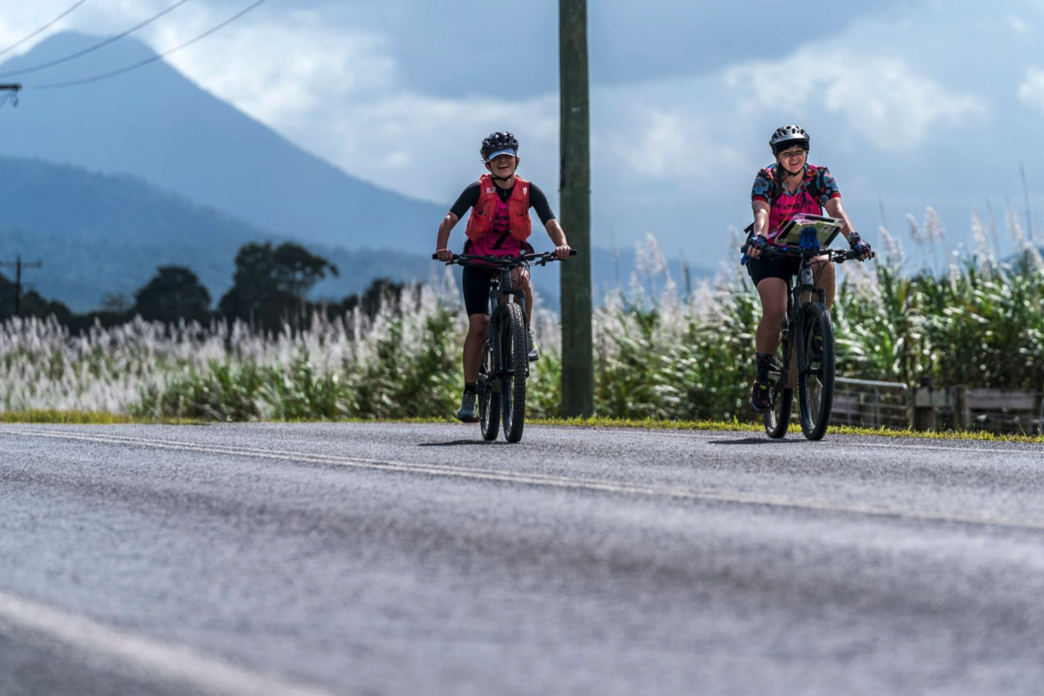
"We see so many different and cool things, cassowaries, feral pigs, turtles and a dugongs," Kristina O'Dwyer said.
She and teammate Genevieve Healy, from Brisbane, completed their second Amazon Adventure Race with an overwhelming sense of achievement.
"That last little bit was hard but I'm very happy to be here and I'm very proud of ourselves," Genevieve said.
For Jan, the event is about much more than crossing the finish line.
"We're really happy that we've got these strong, amazing women and we've developed them. Everyone's sort of loving the event, it's really hard out there… they were stretched out of their comfort zones," she said.
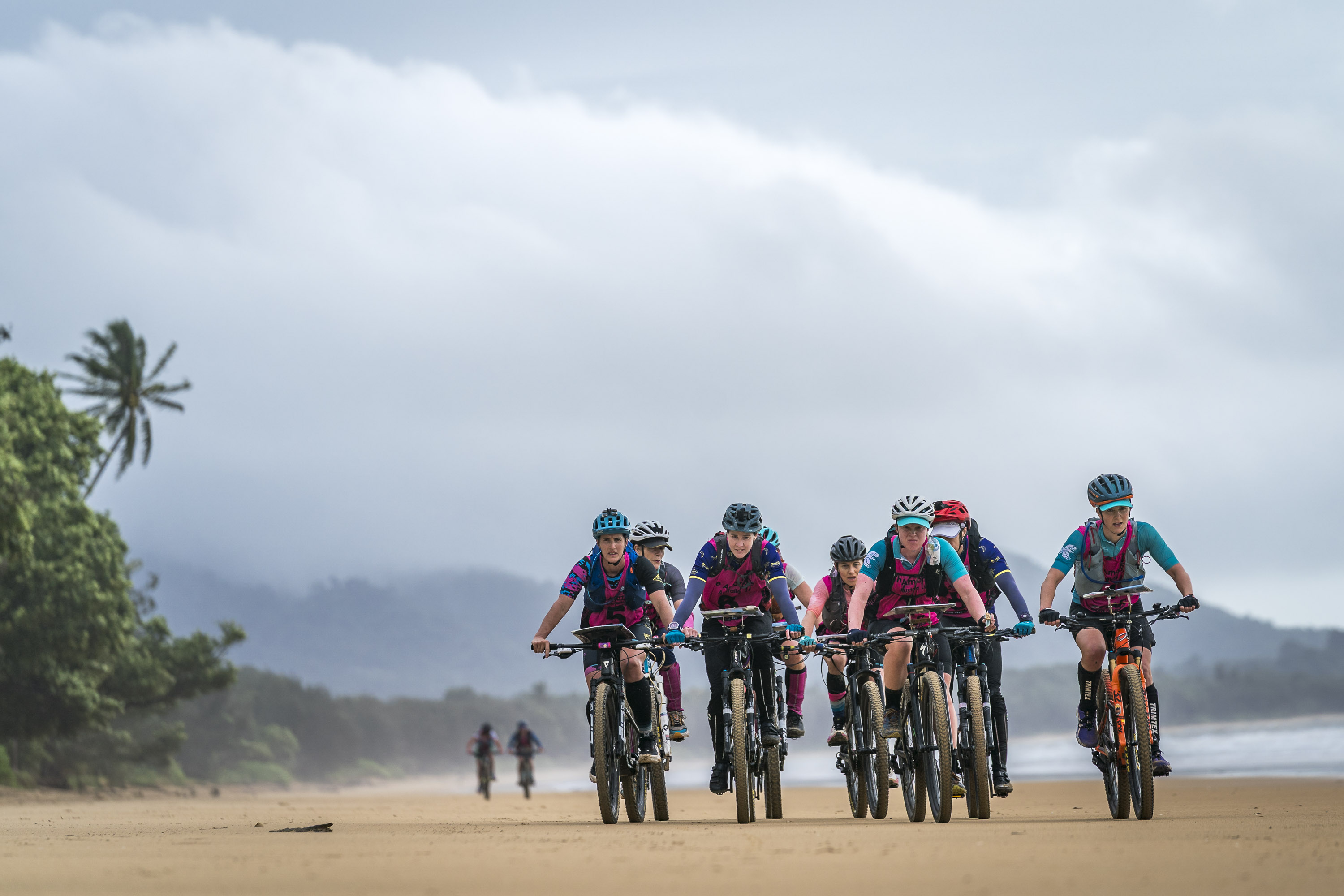
"To us is so exciting that we've helped women be that, you know, that next level and put them up on a pedestal."
While the race tested competitors physically and mentally, it also celebrated resilience, teamwork and courage, proving that the greatest achievement wasn't simply completing the course—it was discovering just how much they were capable of.
Publishers Indemnity. Any individual or entity that places advertising, supplies copy material, or submits editorial content to Life Publishing agrees and undertakes to ensure that all such material:- Does not infringe upon any copyright, trademark, or other intellectual property rights;- Is free from any content that could be considered defamatory, libelous, or slanderous;- Does not infringe upon any rights related to privacy or breach of confidence;- Contains no obscene, indecent, or otherwise unlawful material;- Complies fully with the Trade Practices Act and all other applicable laws, regulations, or statutes. Furthermore, by submitting or placing such material, these individuals or entities agree to indemnify and hold harmless the publisher, Life Publishing and Events Pty Ltd, and/or its agents from and against any and all investigations, claims, demands, liabilities, damages, costs, or judgments arising out of or in connection with the material provided. All material is believed to be accurate at the time of printing and remains the copyright of Life Publishing and Events Pty Ltd.
© 2026 Life Publishing Group Ltd.
