
Independently Owned, Locally Grown, Community Loved
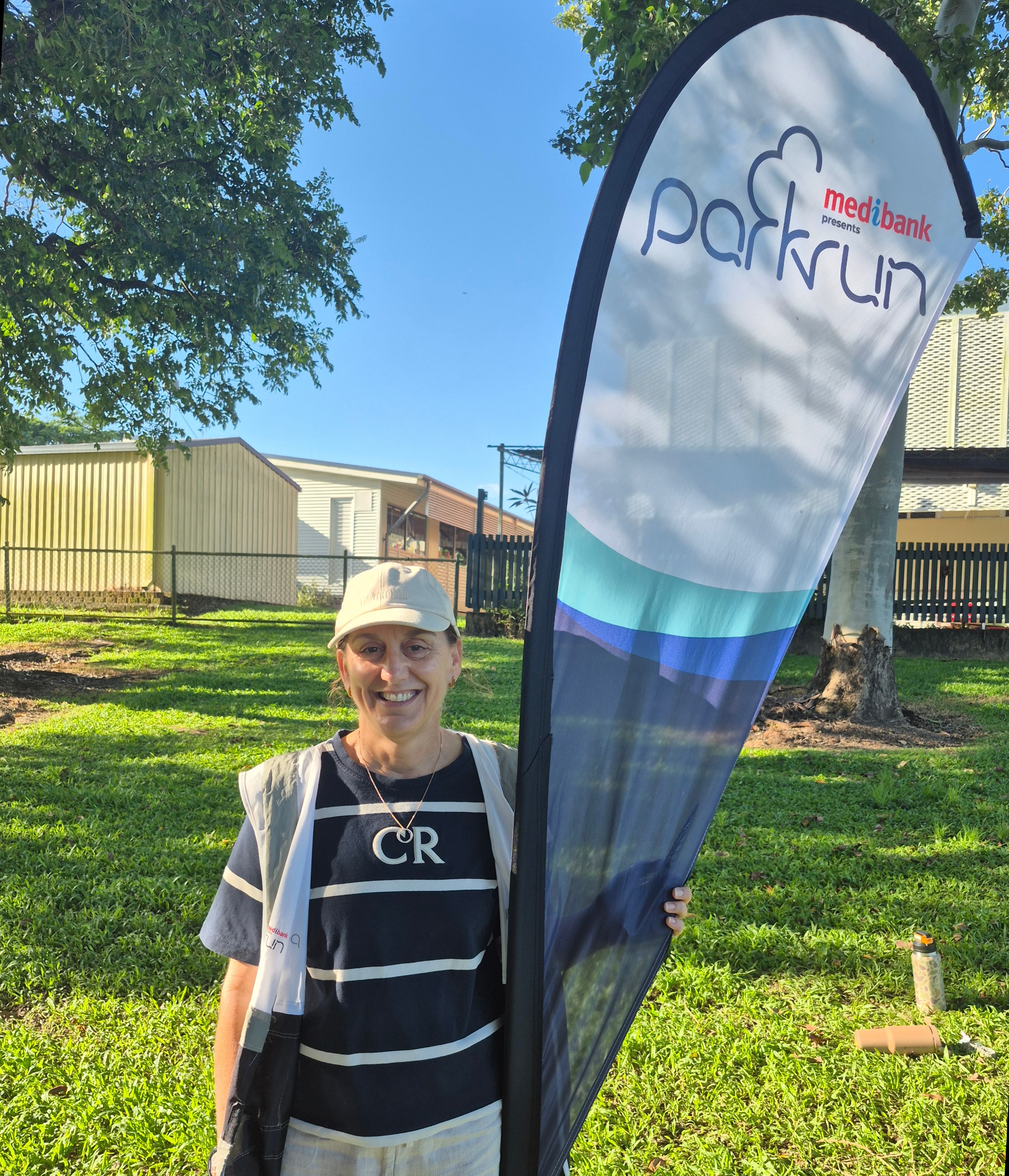
With sunshine returning and numbers swelled by visiting runners, last weekend was a lively one on the Palm Creek course. I also took the opportunity to catch up with Bridgette Duffy, who recently reached an incredible milestone, of dedicating 200 of her Parkruns to volunteering. A true triple threat, that morning Bridgette marked the day as Run Director, Event Day Course Check and Volunteer Co-ordinator, highlighting the dedication and love she felt for the community fitness event “I’m pretty pleased,” Bridgette said. “I’m happy to be able to help the community, and it’s a good cause, getting people out, seeing them running, and starting their weekend off beautifully.” Her passion for Parkrun is evident when asked why she took up volunteering at them. “I like running for starters,” she said, “but I just think it’s great for our community to have an event where families can come too. It’s a great way to get fit and healthy for everybody, and it’s just a really nice community event.” Bridgette’s volunteer journey began back at the original TYTO course in Ingham, before the course was relocated to Palm Creek. “That’s when I started my volunteer journey with Parkrun. I just thought, ‘I like to come to Parkrun, and we all need volunteers to help out and keep it going. If we don’t put our hands up, nobody else is going to, you can’t expect anybody else to’." When asked about her favourite events, Bridgette said Palm Creek holds a special place. “I love this one, probably of all the ones I’ve done. I really liked Yeppoon, it was a lovely Parkrun, but I haven’t done too many different ones.” As the wind picked up, and the last people were crossing the finish line, I asked if she had any bucket list Parkruns she wanted to try, and for future plans, she smiled saying that she doesn’t have a specific one in mind but would “love to do one overseas.” Parkrun Results: 28th March 2026 Palm Creek #118 – 31 participants Fastest time: Julian Lee (18:53) Final finisher: Julie Mac Pherson (56:46) PBs: Carter Hague (18:59), Matthew Turner (28:06), Todd Cockburn (28:37), Sophie Parker (29:40), Kira Turner (34:26) First-timers: Jackson Mathews (23:37), Darcy Toholke (23:47), Sheridan Davis (56:44) Volunteers: Bridgette Duffy, Amanda Towner, Donna Panzenbock, Matteo Mancuso, Julie Mac Pherson Cardwell #380 – 19 participants Fastest time: Luke Tamblyn (22:26) Final finisher: Graeme Lake (53:54) PBs: Bruce Boland (40:36) First-timers: Liam Matthews (23:20), Steve Upton (25:58), Jacqui Lefebvre (34:00), Chris Page (38:52), Astrid Clancy (44:46), Brendan Clancy (46:19), Sue Patch (53:33) Volunteers: Kerry Snell, Luke Tamblyn, Jan Ferguson, Terry Curtin, Graeme Lake, Anita Davina
Read the full story
A major upgrade to the Reef Ranger is set to strengthen protection efforts across the Great Barrier Reef, following a $2.9 million refit delivered by the Australian and Queensland governments. The vessel, a key asset for marine park operations since 2014, supports multi-day field trips, scientific research, compliance patrols and partnerships with Traditional Owners across remote reef and island locations. The refit introduces a range of innovative, eco-friendly upgrades designed to improve efficiency while reducing environmental impact. Among the changes are new propulsion engines capable of running on oil derived from waste cooking oils, alongside a hybrid solar and battery power system to cut reliance on diesel. Additional improvements, including a specialised silicone-based hull coating, are expected to reduce fuel use and emissions, allowing the vessel to operate more sustainably across its extensive patrol area. Queensland Environment and Tourism Minister Andrew Powell said the vessel had long been central to reef operations. “The Reef Ranger has carried rangers and researchers to some of the most iconic places in the Great Barrier Reef, places like Raine Island, Wuthara and Hinchinbrook, helping communities protect the reef we all care about,” he said. With the latest upgrades now complete, the Reef Ranger will continue its critical role in safeguarding one of the world’s most important natural ecosystems.
Read the full story
By Steve Whipps, Commander Qf14 Lucinda Coast Guard A couple and their young child from Townsville got into a spot of bother last week when on the way back from Bramble Reef after a day’s fishing, they lost all steering on their alloy boat. A radio call to Coast Guard Townsville resulted in the team at Coast Guard Lucinda being notified of the situation, and a volunteer rescue crew was activated. The rescue vessel “Snow Stafford”, manned by four crew members, and with a Radio Operator at the base, was launched in quick time and headed out to sea. Thankfully the sea was calm, and the distressed vessel was quickly located about 15 kilometres northeast of Pelorus Island. A tow line was attached, the return trip was completed without incident, and three people were very glad to be safely ashore.
Read the full story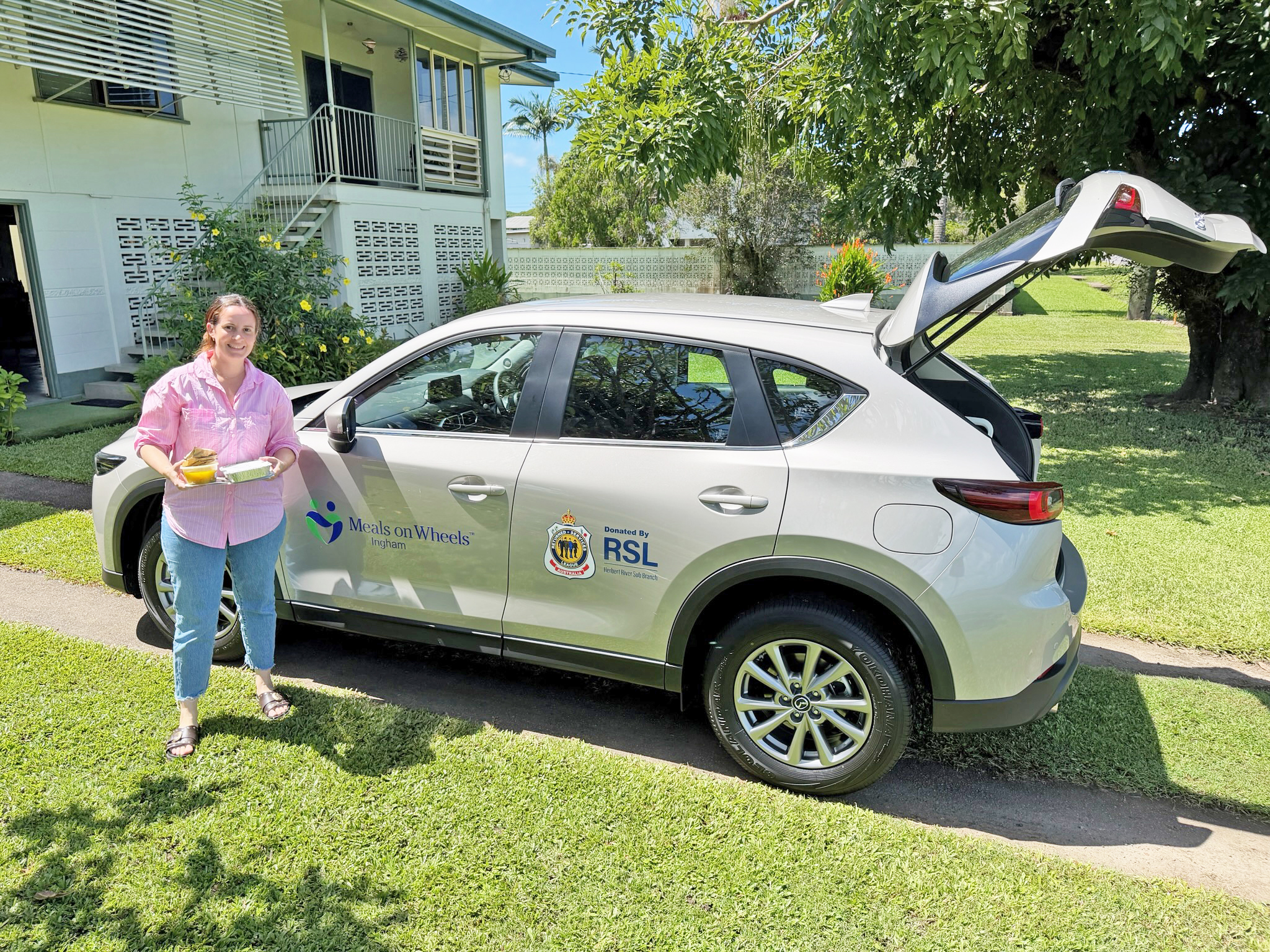
New Car, Old Meals On Wheels Charm Ingham Meals on Wheels is hitting the road in style, with a brand new vehicle set to support the volunteers who have long been the backbone of the service. The new Mazda CX-5 was made possible through funding from the Herbert River RSL Sub Branch, purchased locally through Ingham Mazda, and finished with professional signage by Global Signage, showcasing a strong show of community support. “For more than four decades, Meals on Wheels volunteers in Ingham quietly used their own vehicles to ensure meals reached those in need,” Rodger Bow said. “Recognising the strain this placed on volunteers, the decision was made that it was time to provide a dedicated vehicle.” Ingham Mazda’s Jenna Devietti said supporting the initiative was a natural fit. “We’re proud to be part of the Ingham community, so supporting organisations like Ingham Meals on Wheels is something that’s genuinely important to us,” she said. “The work they do goes far beyond delivering meals — they provide care, connection, and daily support.” To ensure the vehicle remains on the road, Ingham Mazda has also committed to five years of free servicing. “We wanted our support to be practical and ongoing, rather than a one-time gesture,” Ms Devietti said. Meals on Wheels President Rita Phillips said the donation was deeply appreciated. “At times the support that we receive is overwhelming,” she said. “Since 1983 volunteers have used their own vehicles at their own expense.” Ms Phillips said the new vehicle would ease pressure on volunteers while strengthening service delivery. “In the current economic time, this vehicle will not only assist the volunteers to continue deliveries, but also helps keep the connection of our clients to the community,” she said. “This vehicle will reduce use of the volunteers’ vehicles, which includes longer runs that include Halifax and the beaches.” “Our new Mazda will provide continuity of deliveries to all who rely on Ingham Meals on Wheels.” While the vehicle is new, the heart of the service remains unchanged. “We are so privileged to live in a community with such generosity, not only monetarily, but also selflessly volunteering their valuable time,” Ms Phillips said. “All members of our community should be proud to live in the Herbert River Valley.”
Read the full story

Residents are advised that Martin Street is no longer a sand or sandbag collection point. Sand and sandbags must only be collected from the locations listed below.
Current Sand And Sandbagging Locations:
• Ingham – Council’s Lannercost Street car park
• Trebonne – Trebonne State School car park, Kehls Road
• Cordelia – Carr’s Farm
• Halifax – Lancini’s Farm Shed, Scott Street
• Lucinda – Lions Park, Patterson Parade (near the Coastguard)
• Taylors Beach – Progress Park
• Forrest Beach – Near the water tower and skate park
Residents collecting sandbags are encouraged to check on neighbours, family members, or friends who may need assistance. Please remember to bring your own shovels when collecting sand, and for further information or enquiries, contact (07) 4776 4600.
The Hinchinbrook Local Disaster Management Group reminds the community that sand and sandbags provided at Hinchinbrook Shire Council’s designated locations are free and available for public use during emergency preparedness.
Council is extremely disappointed to have received reports of individuals taking sandbags from the public car park behind Council’s Lannercost Street office. This behaviour is unacceptable and undermines community safety and shared preparedness efforts.
There is no justification for taking sandbags from others. Adequate supplies are available at Council’s designated sand and sandbagging locations for all residents who require them.
Anyone who witnesses theft or suspicious behaviour is urged to report it immediately to Queensland Police on 131 444.
Council sincerely thanks the many residents who are doing the right thing, respecting shared resources, and supporting one another during this time.

HAPPY NEW YEAR!
Well, it’s the start of another year, and what a start it’s been. Rain, rain and more rain. Thankfully, we haven’t had any major flooding yet, and hopefully we won’t, but all we can do is be prepared and let Mother Nature do her thing.
Hopefully everyone is stocked up on extra food, fuel and medications – just in case. One thing that is sometimes forgotten is to have extra food for your animals, including dry matter (hay) for horses and cattle.
Too much green grass can cause stock to chase dry fodder, making them more likely to eat poisonous woody weeds like lantana. Three day sickness in cattle is also prevalent in this rainy weather, so let’s hope we get some sunshine soon!
The wet weather makes it difficult for our staff to keep our public spaces clean and mowed. We are trying to get as much done as possible when the sun does shine, so please be patient and know that our staff are doing their very best to keep our town looking beautiful. I’d also like to mention a special thank you to all the people around town who go that extra bit when they mow their yards; every little bit helps, and our town looks much better because of it. Staff are still chasing the flying foxes out of town, rain, hail or shine.
Our Feral Pig program has recently received funding to reduce feral pig numbers across 10,000 ha of the coastal edge from Forrest Beach to Crystal Creek. This is one of several projects that will be funded through Terrain’s Herbert Integrated Project (HIP). This project is funded by the Queensland Government and aims to improve water quality outcomes.
Landholders having issues with feral pigs can contact Council for assistance on (07) 4776 4600.
.JPG)
Hi Readers,
I hope you all enjoyed a wonderful Christmas spent with family and friends. As we move into the New Year, it’s also a timely reminder that this is the season when being prepared really matters.
Living in our shire, we know how quickly weather conditions can change. Taking a little time now to prepare can make a big difference for you and your family if an emergency occurs. Preparation doesn’t have to be overwhelming small, practical steps can provide peace of mind and help keep everyone safe.
A good place to start is with water and food. Aim to have enough supplies for at least seven to 10 days, including around 10 litres of drinking water per person, along with non-perishable food items that don’t require refrigeration.
For families with young children, check that baby food and formula are within expiry dates, and ensure you have enough nappies, wipes and bottles to last several days. Our pets are part of the family too, so remember to put aside dry food, water and feeding bowls for them.
Health and hygiene supplies are equally important. A basic first aid kit, face masks, work gloves and rubbish bags are useful to have on hand. Make sure you have essential medications, including at least a week’s supply of prescription and over-the-counter medicines. Toiletries such as toilet paper, soap, toothpaste, shampoo, sunscreen, insect repellent, tissues and hand sanitiser should also be included.
Finally, take time to gather your important documents. Keeping paper copies or scanned versions saved to a USB — such as driver’s licences, insurance policies, passports and legal documents — can save a great deal of stress when you need them most.
Preparing now helps protect what matters most.
As we welcome the year ahead, I wish everyone a very Happy and safe New Year for 2026. Please take care, stay prepared and continue to look out for one another.
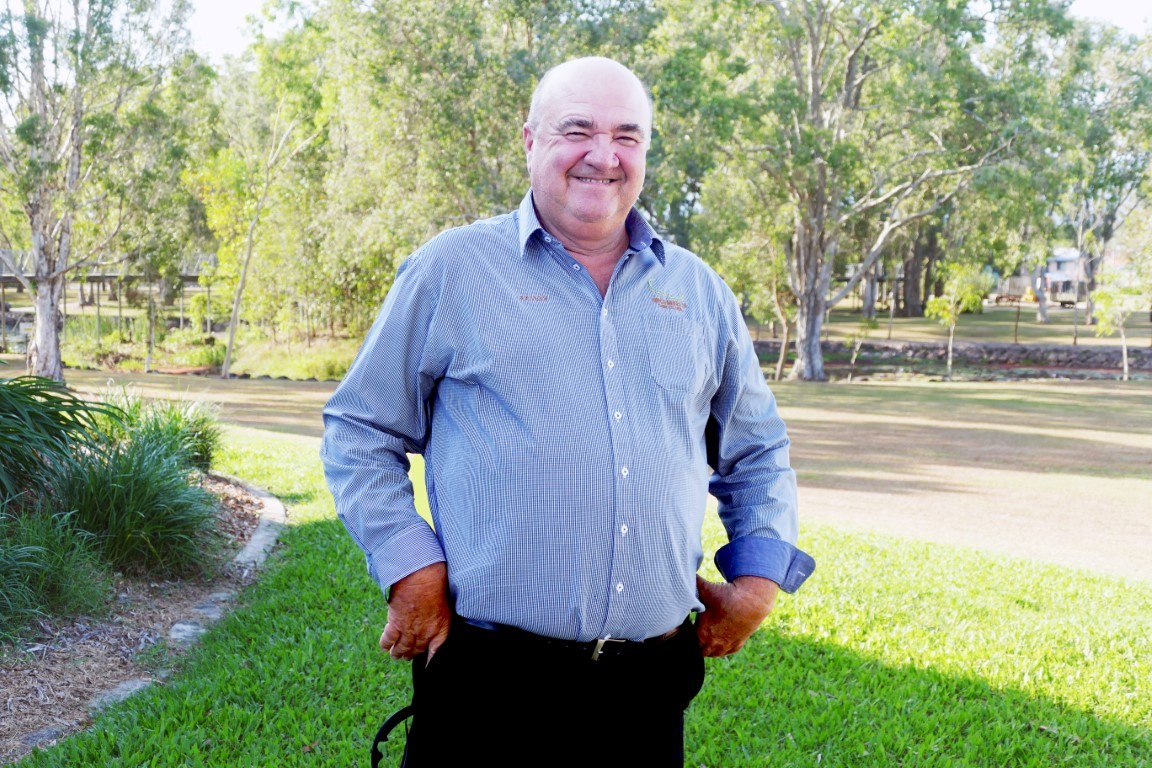
So after 16 days straight, we can all take a breath and relax.
Up to 1240mm fell in places within our district from Boxing Day 2025 to 3 January 2026, and then dealing with Tropical Cyclone Koji for a week. Fortunately, Tropical Cyclone Koji decided to leave us alone, which was a tremendous relief, but our thoughts and prayers are with the impacted residents to the south.
It has been a long and protracted exercise to this point, and the fact is that the wet season has only just started. So, we are definitely not out of the woods for now by a long shot.
We still have at least two months of potentials to consider.
I want to thank you all for your vigilance and efforts in remaining aware and prepared. You heeded the warnings, prepared, and went about your business in the knowledge that you could deal with the events unfolding, a confidence that you achieve when prepared.
Preparedness is your best form of protection, and having said that, I really want to thank all the emergency groups and agencies who have been resident in our district since essentially 29 December 2025, when the first threat of flooding arose.
Additional police, ambulance, swift water, and volunteer State Emergency personnel were pre-deployed into our district in readiness for the flooding expected from the earlier rain event, and given the behaviour of the river, quickly followed by the cyclone threat, the opportunity to stand down did not materialise until the 11th of January, 2026.
Most personnel came from afar, so were away from their homes and families for extraordinary periods, watching what this river of ours was going to do.
We sincerely thank you for your assistance and efforts.
Thank you also to all the Hinchinbrook Shire Council staff who returned to work early from their planned annual leave to undertake the necessary work to keep our communities safe. Your assistance was critical.
As I said previously, the wet season has only just begun. If anything, Tropical Cyclone Koji proved a very valuable training exercise for us all in preparedness, and we will continue to monitor our wet season developments as our new year progresses.

The Forgotten Fruit - Soursop and Starfruit Secrets
Peek into Hinchinbrook’s backyard gardens and you’ll find surprises beyond the supermarket shelf, such as starfruit, black sapote and soursop among them. These “forgotten fruits” thrive quietly in the warm, humid air, tended by growers who love the unusual.
Starfruit adds sparkle to soda water, black sapote masquerades as chocolate mousse, and soursop makes a tangy tropical ice cream. You’ll find them traded at weekend markets or tucked into farmgate stalls. They’re the secret side of Hinchinbrook — exotic, humble and full of heart.
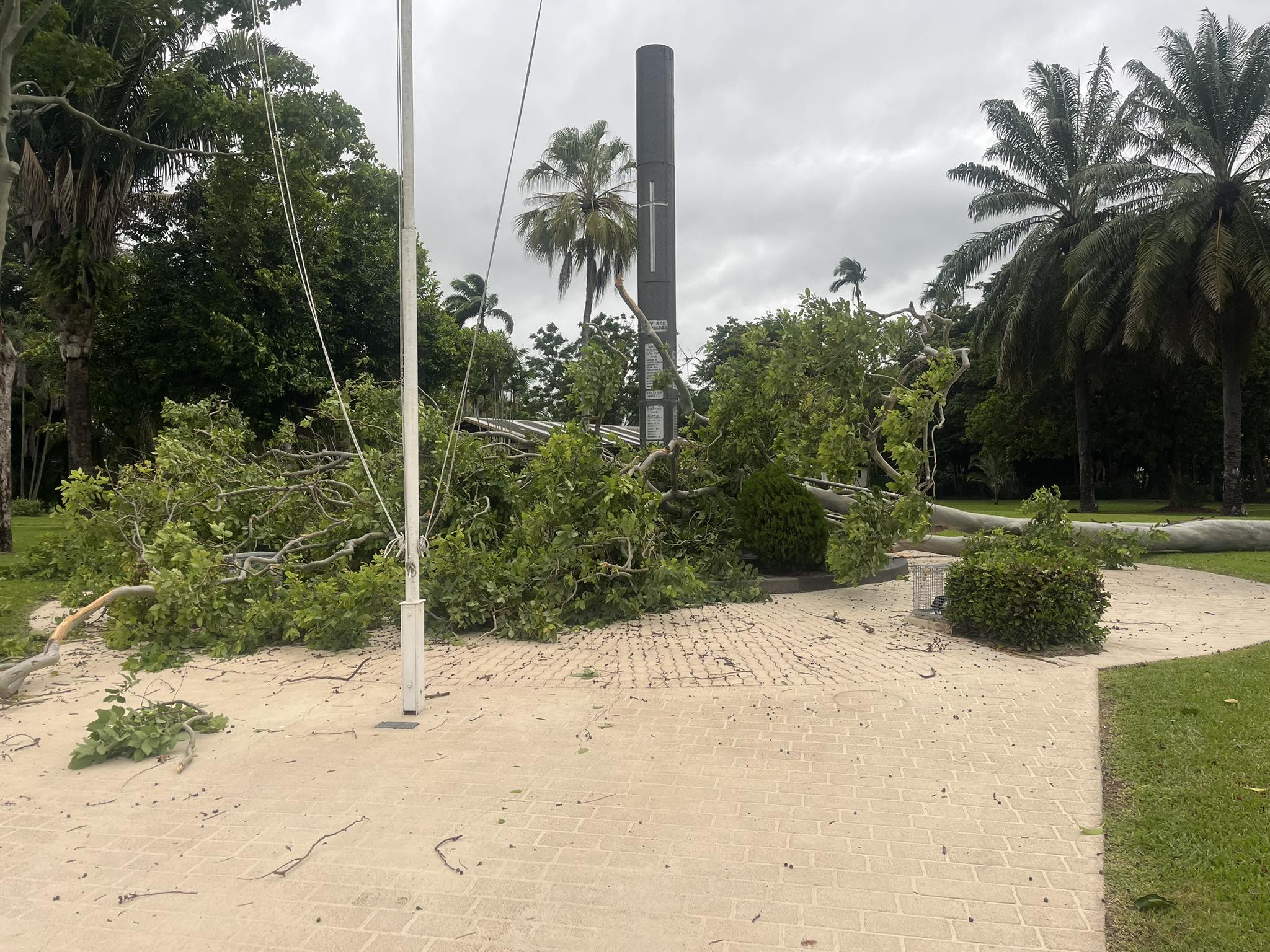
Hinchinbrook Shire Council advises residents to report any fallen trees, road damage, or other hazards affecting public areas as soon as possible.
Council was made aware of the fallen tree at the Cenotaph in the Ingham Memorial Gardens, and it was actioned for removal on the 13th of January.
The tree has not caused any damage to surrounding infrastructure. Crews are prioritising tasks that affect public safety, so they may not be able to remove the fallen tree until Monday.
One way to help is to report issues directly to Council by calling (07) 4776 4600.
For the latest updates, warnings, and official disaster-related advice, please follow the Hinchinbrook Information Disaster Facebook page.
Visit the Hinchinbrook Disaster Dashboard at https://disaster.hinchinbrook.qld.gov.au for road closures and weather updates.
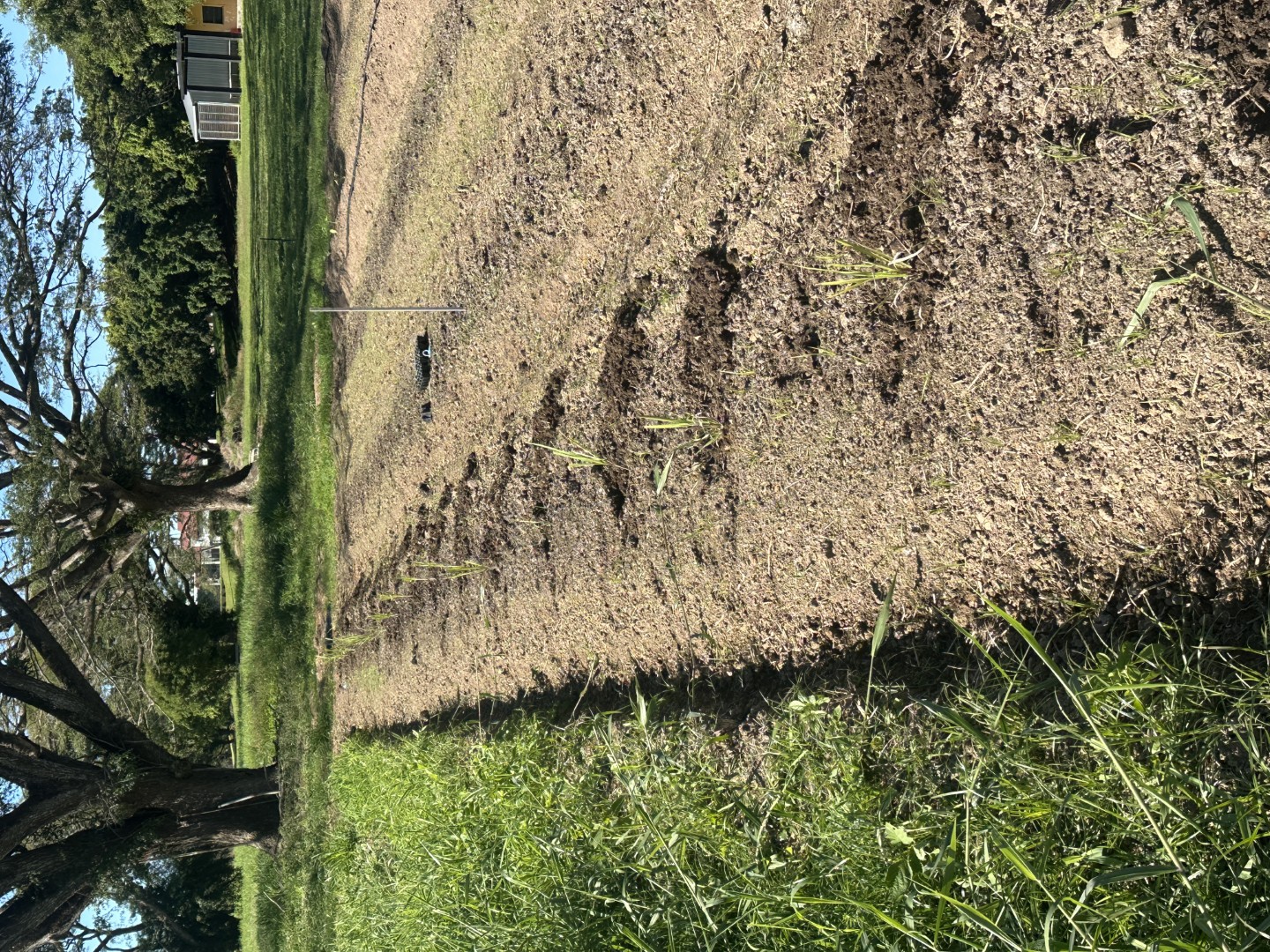
Ingham State High School is taking hands-on learning to a whole new level with its groundbreaking sugar cane tissue culture and school engagement program. Building on the success of a pilot initiative, the school applied for funding through the CQU and Agribusiness Gateway to Industry Partnership – this has allowed the school to extend this program in 2026 with the links to science and agriculture innovation. The program introduces students to the science, sustainability, and community collaboration at the beating heart of the local sugar industry.
When asked ‘What is the ultimate goal for this program?’ Jason Brown, one of the Certificate II in Rural Operations teachers at Ingham State High School, who helped create and develop this program, stated unequivocally, “It’s for the students, for the schools, and for the local industry.”
But the impact goes far beyond those three pillars.
Students from Years 11 and 12, enrolled in Science, Biology, and Rural Operations, work together to develop tissue culture samples of various sugar cane varieties. These disease-free seedlings are then distributed to local primary schools, where young learners establish and maintain their own growing areas. Through this process, students from different perspectives gain practical skills in plant propagation, observation, and sustainability.
The program runs in phases, with 2026 focused on development and facility setup. High school students collaborate with industry partners — including Canegrowers Herbert River, Herbert Cane Productivity Services Ltd, and Sugar Research Australia — to establish a small-scale tissue culture and propagation unit. This ensures the seedlings are of high quality and that students are learning practices aligned with real-world industry standards. Educational resources and workshops are developed to align with the school science curriculum, providing a structured, engaging learning experience.
Ingham State High Shool's Head of Department Pathways and Partnerships, Mrs. Kylee Rosenberger said, “These partnerships with industry allow students to experience first-hand how science and innovation drive modern agriculture.”
Once seedlings are ready, the second phase sees students visiting primary schools to conduct workshops and assist in establishing growing areas. This hands-on involvement encourages curiosity, instils agricultural knowledge, and inspires younger students to consider pursuing future careers in science, agriculture, and biotechnology. By participating in these activities, primary students are now motivated to enter their grown cane into the local agricultural show for the first time, marking a milestone for both schools and the wider community.
In 2027, the program enters its final phase, with ongoing support and monitoring of the crops as they grow toward harvest. The produce is prepared and entered into the local show, celebrating student achievement while reinforcing connections between schools, families, and the regional cane industry. Beyond immediate outcomes, the program is designed to create pathways for students into higher education, industry apprenticeships, and even leadership roles within agriculture.
Canegrowers Herbert River manager, Frank Scardamaglia, said "Canegrowers are proud to partner with Ingham State High School on this innovative and forward-thinking program. Initiatives like this deliver real benefits to the community and to our sugar industry, but most importantly they create clear and meaningful pathways for young people into agriculture.
"By actively involving both secondary and primary school students, including our work with eight local primary schools growing cane as part of the program, we are helping students feel connected to the industry from an early age. This early engagement builds understanding, pride, and aspiration, while supporting the development of a skilled future workforce and giving local students every opportunity to build their careers and futures right here in the Herbert River district.”
For senior students, the program offers even greater benefits. They can earn Certificates in Agriculture while participating, giving them a head start on qualifications essential to the industry. Facility tours and mentorship from industry specialists further enrich learning, bridging a gap in local higher education opportunities. In a region where students often need to relocate for agricultural studies, this initiative provides a vital pathway to develop local talent, strengthen the workforce, and ensure continuity between farming generations.
Dimitty Harragon, a year 12 student in the Rural Opperations course and part of a generational cane-farming family, said that she enjoyed the program and how it was envolving the younger generations in what is the districts lifeblood.
"I'm like to get even more schools involved," she said, "getting all the schools involved and going out and helping the younger kids, teaching them how to grow it and watch it grow from the plant to the sticks of cane."
She contined that helping the junior schools understand the growing statges of cane was a definite highlight of the program, and that with the Certificate II under her belt, she hopes continue in the industry, to one day take the helm of her family's cane farm.
The program’s ripple effect is already evident. Students are gaining practical skills, schools are building new connections, and the local industry is nurturing a pipeline of future farmers, scientists, agronomists, and agricultural leaders. Initiatives like these not only educate but also empower young people to explore careers they might never have considered, all while contributing to the sustainability and growth of the region’s most signature industry.
With ambitions to expand into regional science competitions, Ingham State High School is doing the groundwork, cultivating more than sugar cane, but providing the opportunity for a sweeter future.
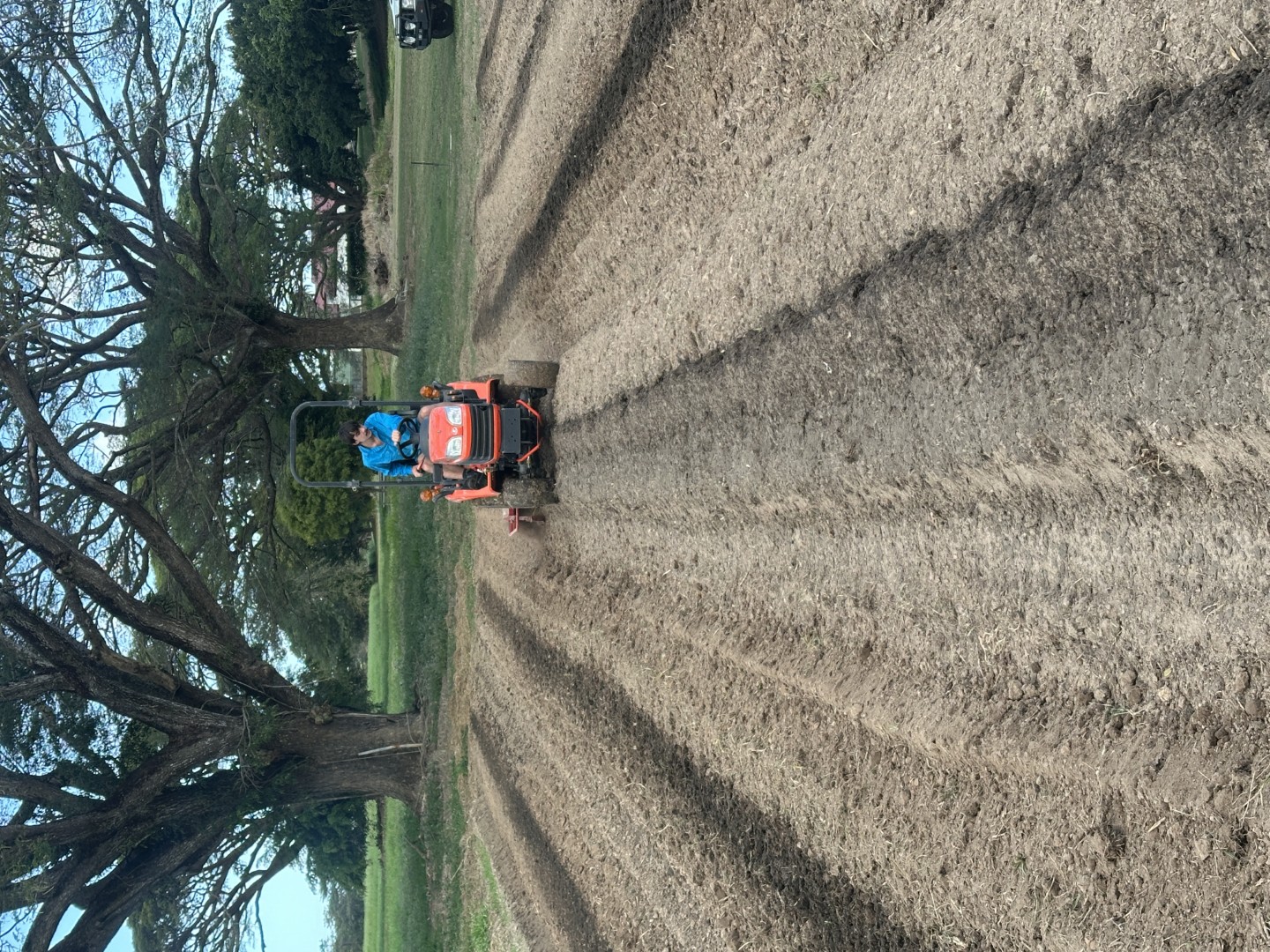
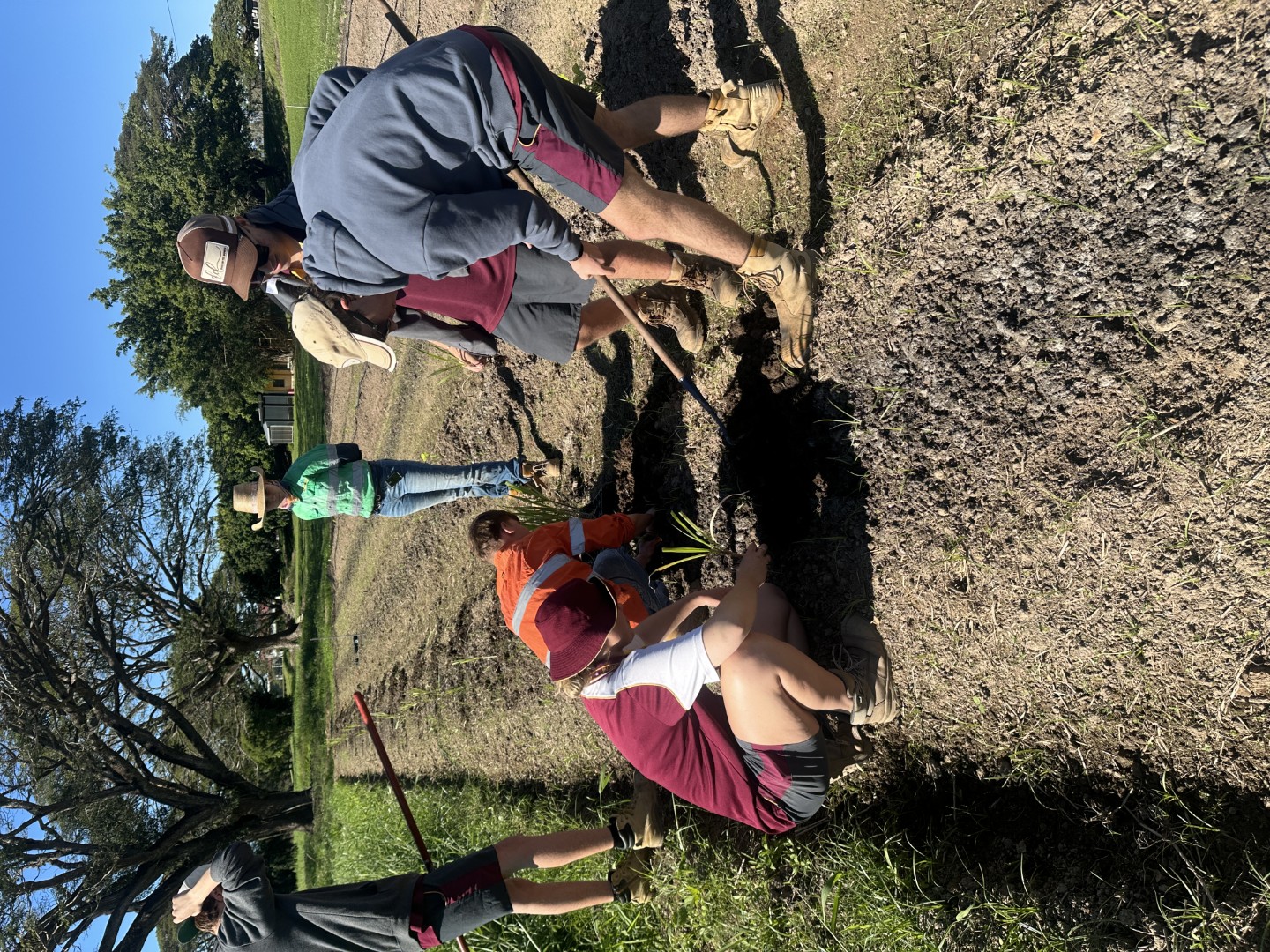
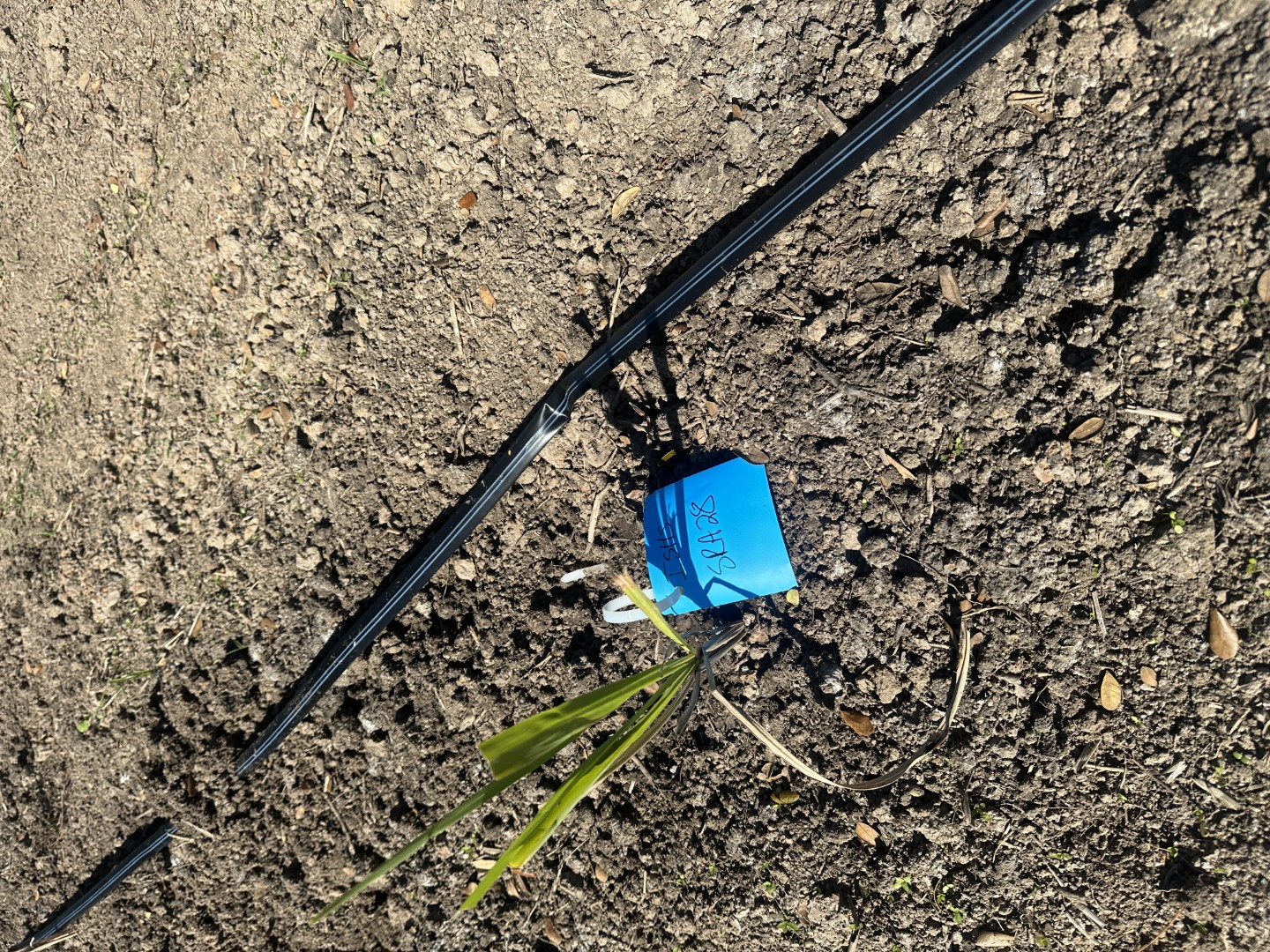
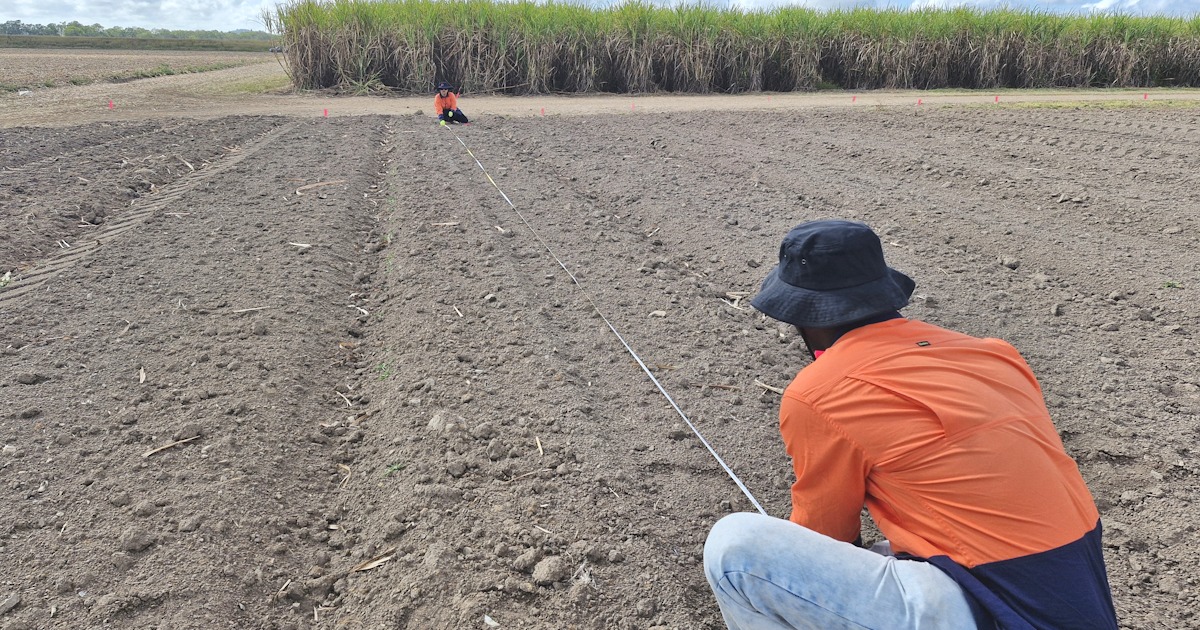
Hinchinbrook sugarcane growers are playing a key role in major new research aimed at securing effective and sustainable canegrub control for the future, as current chemical options face possible restrictions.
Canegrubs are one of the most costly pests affecting sugarcane, with moderate infestations reducing yields by 10–20 per cent and severe outbreaks cutting production by more than 40 per cent, the equivalent of around 30 tonnes of cane per hectare. Across the industry, unchecked canegrub damage is estimated to cost up to $60 million annually.
At present, neonicotinoid insecticides such as imidacloprid are the primary control option. However, these products are under review by the Australian Pesticides and Veterinary Medicines Authority, with strong indications that their use could be restricted or phased out by 2028–29.
In response, Sugar Research Australia (SRA) is leading a major project to identify alternative insecticides. Following laboratory screening of 23 products, up to 10 promising options have now progressed to large-scale field trials, including trial sites located in the Herbert River region
Chemical applications were completed in November across 12 trial sites statewide, with treatments applied to both plant cane and first ratoon crops. Over the next year, the Herbert River region trials will be closely monitored to assess effectiveness, yield protection, soil persistence and water mobility, ensuring any future recommendations meet environmental standards.
SRA’s lead entomologist, Dr Kevin Powell, said the trials were critical to ensuring growers have viable control options available before current products are withdrawn. Preliminary field results are expected by the end of 2026, with full datasets ready by 2028.
The research is expected to deliver new tools that protect Hinchinbrook yields, reduce long-term costs, and support sustainable cane farming into the next decade.
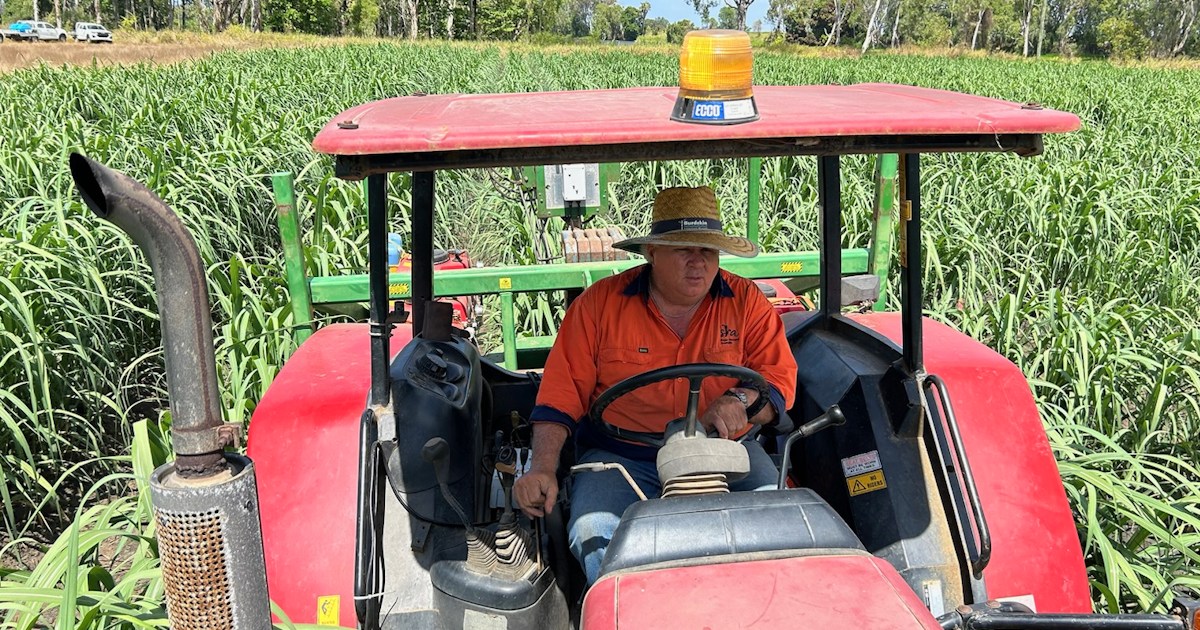

Residents of the Hinchinbrook Shire are being reminded to act quickly and responsibly if they encounter sick, injured or orphaned native wildlife, with expert help available through dedicated wildlife rescue services.
Native animals can become injured or unwell for many reasons, including vehicle strikes, disease, attacks by other animals, or becoming trapped in fencing or netting. Sadly, these incidents often leave young animals orphaned and vulnerable, requiring urgent and specialised care.
If you come across a sick, injured or orphaned wild animal (excluding marine animal strandings), the first step is to call Hinchinbrook Wildlife Support on 0477 199 758 or 1300 ANIMAL (1300 264 625) immediately. The 1300 ANIMAL (1300 264 625) service operates from 7am to 7pm, 365 days a year, providing specialist advice on the safest way to respond and ensuring the animal has the best possible chance of survival. After hours, assistance is still available through the RSPCA Hotline, which can help connect callers with their nearest wildlife rescue organisation.
Even when an animal appears to have only minor injuries, experts warn that serious internal trauma may still be present. This also applies if a dog or cat has interacted with wildlife, as even small scratches or contact with saliva can transmit harmful bacteria that require professional treatment.
For marine animal strandings, including sick, injured or deceased turtles, dolphins, dugongs or whales, the public should call 1300 130 372.
The Queensland Government appreciates the community's compassion for native animals, noting that by taking these actions, residents will be directly contributing wildlife conservation efforts accross the state.

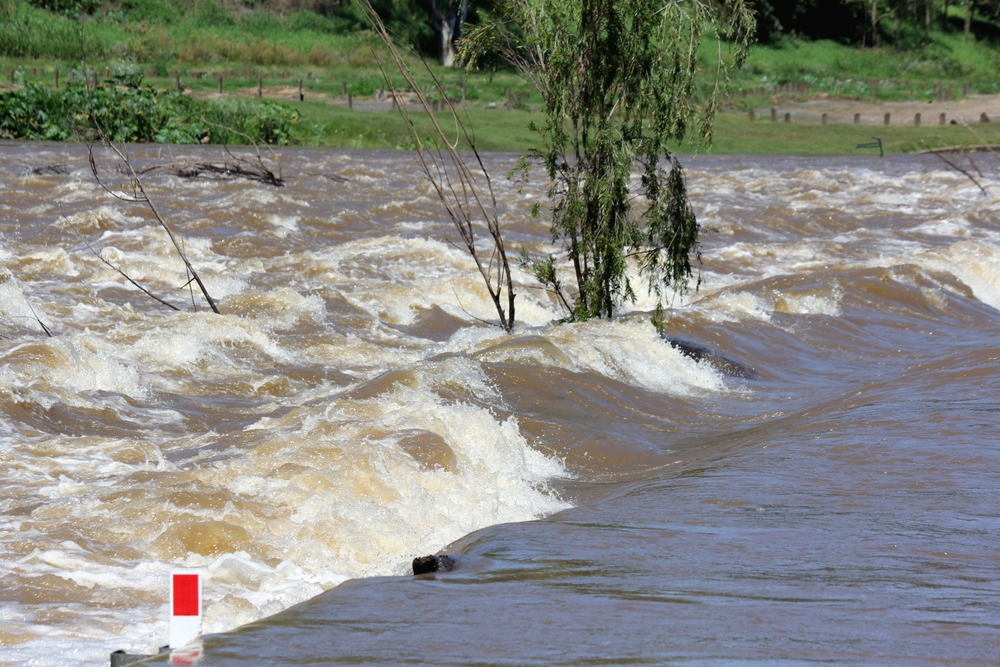
With the wet season underway and the possibility of heavy rain and flooding on the horizon, health authorities are urging North Queensland communities to be aware of melioidosis, a rare but potentially deadly tropical disease found in soil and water.
Melioidosis is caused by the bacterium Burkholderia pseudomallei, which lives naturally in deep soil and muddy water across northern Australia. Cases are most commonly reported during the wet season, particularly after periods of heavy rain or flooding, when the bacteria can rise to the surface and spread more easily.
While melioidosis is rare in healthy adults and children, it can cause severe illness if it enters the body through cuts or sores, is inhaled in contaminated dust or water droplets, or is consumed in untreated water.
Symptoms can appear anywhere from one day to three weeks after exposure and may include fever, cough, difficulty breathing, skin ulcers or non-healing sores. In serious cases, the infection can spread through the bloodstream, leading to sepsis and, if untreated, death.
People most at risk include those with underlying health conditions such as diabetes, kidney or lung disease, cancer, or weakened immune systems, as well as people who drink alcohol heavily.
The seriousness of the disease was spotlighted a couple of years ago after a North Queensland mother lost her leg after contracting melioidosis in 2024. In her case, a small cut sustained during everyday activity became the entry point for the bacteria, leading to a life-threatening illness that required intensive medical care.
Health experts say early treatment is critical. Melioidosis is treated with strong antibiotics for at least three months, and severe cases often require hospitalisation and intensive care. Prompt medical attention can be lifesaving.
There is no vaccine for melioidosis, but prevention plays a crucial role, particularly during the wet season. Residents are encouraged to:
- Avoid contact with muddy soil or flood water where possible
- Wear waterproof footwear and gloves when gardening or working outdoors
- Cover cuts, sores or wounds with waterproof dressings
- Wash skin thoroughly if it comes into contact with soil or muddy water
- Take extra care with foot and wound hygiene, especially for people with diabetes
- Consider wearing a mask when using high-pressure hoses around soil or bore water
Melioidosis does not usually spread from person to person or from animals, but exposure can lead to the illness days, months, or even years later.
Health authorities are reminding the community that while most people exposed to the bacteria do not become sick, melioidosis can be life-threatening for those who do. Awareness, early recognition of symptoms and preventative measures are key, particularly as wet weather conditions continue.
Anyone feeling unwell after potential exposure to muddy water or soil is urged to seek medical advice promptly. For health advice, residents can contact their local doctor, health centre or call 13 HEALTH (13 43 25 84) at any time. In an emergency, call 000.


Hinchinbrook Shire Council have been activated for disaster funding to assist with their counter-disaster operations and the reconstruction of essential public assets, and Townsville Council can now recoup costs for repairs to their road network.
Personal Hardship Assistance has been activated for flooded residents in Flinders and Richmond, battling the impacts of recent monsoon flooding.
Assistance includes grants of $180 for individuals and up to $900 for a family of five or more for emergency essentials like food, clothing and medicine, and funds for residents who have been without essential services for more than five days.
Three income-tested support measures targeted at uninsured residents are available as well, including Structural Assistance Grants up to $80,000 to return a home to a safe and habitable condition.
In response to the North Queensland Monsoon Trough, 18 LGAs are currently receiving financial support from the Government under the joint Commonwealth-state Disaster Recovery Funding Arrangements (DRFA).
Federal Minister for Emergency Management Kristy McBain said assistance will continue to be activated where required.
“We’re facing a significant recovery operation that will be measured in months and years rather than days and weeks,” Minister McBain said.
“As floodwaters slowly recede and we learn more about the impacts of this disaster, we will extend all support necessary to help north and north-west Queensland communities.”
Queensland Minister for Disaster Recovery Ann Leahy said the government is in constant contact with councils to make sure affected Queenslanders are cared for.
“We’re working tirelessly to support all eligible requests for Personal Hardship Assistance and other DRFA measures,” Minister Leahy said.
“Applications for hardship assistance can be made at www.disaster.qld.gov.au or by calling our 24/7 Queensland Community Recovery Hotline on 1800 173 349.”
Personal Hardship Assistance available to eligible north-west Queensland residents:
Emergency Hardship Assistance – $180 per person, up to $900 for a family of five or more to purchase immediate essentials like food, clothing and medicine.
Essential Services Hardship Assistance – $150 per person, up to $750 for a family of five or more, to assist with immediate needs following the loss of essential services at home for more than five consecutive days.
Essential Household Contents Grants – income-tested assistance for uninsured residents, up to $1,765 for individuals and up to $5,300 for couples or families to replace destroyed essential household contents such as bed linen and whitegoods.
Structural Assistance Grants – up to $80,000 for uninsured, income-tested owner-occupiers towards the repair or replacement of a disaster-damaged dwelling to return it to a safe and habitable condition.
Essential Services Safety and Reconnection Scheme – income-tested grants to help uninsured residents reconnect damaged services like electricity, gas, water or sewerage. Up to $5,000 per household.

Did you know that nbn Australia provides free community Wi-Fi services at the Ingham Showground and Halifax Hall in disaster or emergency situations!
If you are struggling with your mobile service or internet connectivity, you can go to the site and turn your mobile on to Wi-Fi calling.
That way you can browse the internet and make calls for free.Connect to the internet through the Community Wi-Fi service
Important things to know
Performance of Community Wi-Fi: This Community Wi-Fi is designed to allow you and your community to access the internet. The performance and range of the Community Wi-Fi may be impacted by several factors, including:
• Total loss of power
• Distance from the installed Wi-Fi equipment
• Environmental factors such as heavy rain, heavy dust or something else blocking the installed satellite and Wi-Fi equipment
Usage
This service may support access to video streaming; however, if multiple users try to use video streaming services, such as Netflix, at the same time, the quality of your experience may lessen. The service may be subject to data usage restrictions and other limitations. Your use of this service will be subject to the Terms and Conditions (T&Cs) from the phone and internet service provider supplying the service to your community. The available capacity of this Community Wi-Fi service may be shared with other users. Please consider others when using this service. nbn cannot guarantee the security of the Wi-Fi service, and is not responsible for the acts of any third parties that access or attempt to access your device and or files while using the internet.
How to connect
Through the Community Wi-Fi service, you and your community can connect to the Internet via Wi-Fi using any smartphone, tablet, laptop or computer. This service will be accessible inside and outside, within approximately 100 metres of the location of the Community Wi-Fi service.
To connect:
Need technical support?
Please call the Community Wi-Fi Support Team on 1300 626 267.
Installed equipment
The following equipment is owned or leased by nbn and has been installed to provide the Community Wi-Fi:
• An nbn™ Sky Muster™ satellite terminal
• Wi-Fi equipment
• There may be a backup power supply.
The installed equipment will require reliable 240V AC power, which must be supplied by the community. If a backup power is supplied, it will only allow the installed equipment to operate for up to approximately 8 hours without main power.

Harley is the super sweet snuggle machine who's ready to bring love and joy into your home. With a gentle and affectionate nature, he's perfect for families, especially those with children. There's nothing Harley loves more than cuddling up with loved ones and sharing those heartwarming moments that make family life so special.
Harley's intelligence and eagerness to please shine as she quickly picks up new tricks. Already mastering the art of sitting and well on the way to perfecting the "shake," Harley's treat-focused motivation makes training an absolute breeze. Beyond their nurturing disposition, Harley also enjoys time in the company of other dogs, getting along wonderfully with canines of all sizes.
Whether playing in the park or lounging on the couch, Harley will be a loyal companion who's always eager for affection and play. If you're looking for a loving, trainable, and dog-friendly pet to join your household, Harley might be your perfect match!
If you’re interested in meeting Harley, please complete an animal enquiry form at: https://www.angelpawsinc.com.au/forms.html.
Included in adoption fee of $495: Desexed, Micro-chipped, Up to date vaccinations, Flea, tick, and intestinal worm treated, and on ProHeart.
DOB: 13/06/2025
Sex: Male
Breed: Staffy x
Colour: White
Kid friendly: Yes
Cat Friendly: Untested
Other dogs: Yes
Fences: 6ft

As Queensland enters disaster season, driver trainers and motorcycle rider trainers are being encouraged to keep their professional credentials easily accessible, with accreditations now available through the Queensland Digital Licence app.
The Queensland Digital Licence app already supports digital driver licences, recreational marine licences and photo identification cards, and has been adopted by more than 1.2 million Queenslanders. Around 1,000 new users continue to sign up each day, highlighting growing confidence in digital credentials as a reliable alternative to physical cards.
Additional transport accreditations are expected to be added to the app in 2026, further expanding its usefulness for professionals who need quick, secure access to their credentials.
The app now allows accredited trainers to securely store their licences in one place, removing the need to carry physical cards that can be lost, damaged or left behind during severe weather events or emergency situations. With more Queenslanders relying on digital access during floods, cyclones and other disruptions, having credentials available on a mobile device provides an added layer of convenience and peace of mind.
Driver trainer and motorcycle rider trainer accreditations are the latest additions to the Queensland Digital Licence app, following the successful integration of Queensland Building and Construction Commission licences. The expansion continues the move toward providing practical, digital access to essential government services when they are needed most.
Trainer accreditations stored in the app are protected by industry-leading security measures designed to safeguard personal information and reduce the risk of identity theft or fraud. Users can also quickly check the status of their licence, including whether it is active, nearing renewal or expired, without the need to access separate systems or paperwork.
For learner drivers and riders, the app also offers reassurance, allowing credentials to be verified quickly and easily. This is particularly important during disaster recovery periods, when training and transport services may be operating under increased pressure.
With disaster season underway, the Queensland Digital Licence app offers a practical way for trainers and other licence holders to stay prepared, connected and credential-ready, no matter the conditions.
For more information on digital credentials, visit qld.gov.au/digitallicence.

By Dr Bianka Vidonja Balanzategui
The Catholic parishes of the Herbert River district have had their fair share of characterful, dedicated and inspiring priests over the decades. There would probably be few people alive today who recall Father Severino Mambrini OFM, yet for years after he had left the district, he was recalled with great love and for the way he ‘sacrificed himself for the people, giving away everything he had’.
It is hard to imagine now, but when Father Mambrini arrived in the district in 1923, Ingham was still little more than a frontier town. Among the earliest European settlers, Italians made up a significant portion of the population, and it was already customary for St Patrick’s Parish to appoint priests who spoke Italian.
Father Mambrini came to make a report on the Italian immigrants. Accompanied by one of St Patrick Parish’s assistant priests, Italian-speaking Father Morley, they travelled the district in a sulky and later motor car, taking a census over a period of two months. He was shocked but nevertheless understood why a large number of children were not baptised and that 96% of the Italian population had not been to Sunday Mass since leaving Italy.
He and Bishop Shiel recognised that the remedy might be English or Irish priests who spoke fluent Italian and Mercy Sisters who would visit the Italians in their homes to encourage the parents to send their children to the convent school.
Father Mambrini remained in the district for ten years, living in both Halifax and Ingham. He was a man of character, conviction, and unfailing “can-do,” remembered for his astuteness, racy style, zeal, and pragmatism. An amusing example of his pragmatism was that when meat was served for Friday's lunch during a home visit, he would make the sign of the cross over it, declare, “I bless you the fish,” and then sit down and partake heartily of the ‘fish’!
His zeal seems to have got him into trouble because he often came up with ideas that were either vetoed by those in authority or fell through. For instance, Bishop Shiel was not impressed when Father Mambrini suggested that the district could do with additional convent schools. The Sisters of Mercy had not long before opened a convent school in Halifax. The Bishop felt Father Mambrini was better visiting State Schools for religious instructions than suggesting impossible schemes!
is aim to provide more Catholic schools in the district was realised when Father O’Meara brought the Canossian Daughters of Charity to Trebonne to open a convent school, and when the Mercy Sisters founded another at Victoria Estate. In addition, by building small country churches, Dean Thomas Grogan brought the Church to Italians living in the farthest reaches of the Parish, just as Father Mambrini had suggested the nuns try to do.
Father Mambrini arranged for the construction of the Sacred Heart Monument in the old Ingham Cemetery, which stands over the graves of the victims of the 1927 flood. It stands as a tangible legacy of his presence in the district.
He died in Sydney aged 65 on December 16, 1940. Though absent from the district for nearly a decade, he was never forgotten and recalled fondly.
Publishers Indemnity. Any individual or entity that places advertising, supplies copy material, or submits editorial content to Life Publishing agrees and undertakes to ensure that all such material:- Does not infringe upon any copyright, trademark, or other intellectual property rights;- Is free from any content that could be considered defamatory, libelous, or slanderous;- Does not infringe upon any rights related to privacy or breach of confidence;- Contains no obscene, indecent, or otherwise unlawful material;- Complies fully with the Trade Practices Act and all other applicable laws, regulations, or statutes. Furthermore, by submitting or placing such material, these individuals or entities agree to indemnify and hold harmless the publisher, Life Publishing and Events Pty Ltd, and/or its agents from and against any and all investigations, claims, demands, liabilities, damages, costs, or judgments arising out of or in connection with the material provided. All material is believed to be accurate at the time of printing and remains the copyright of Life Publishing and Events Pty Ltd.
© 2026 Life Publishing Group Ltd.
