
Independently Owned, Locally Grown, Community Loved
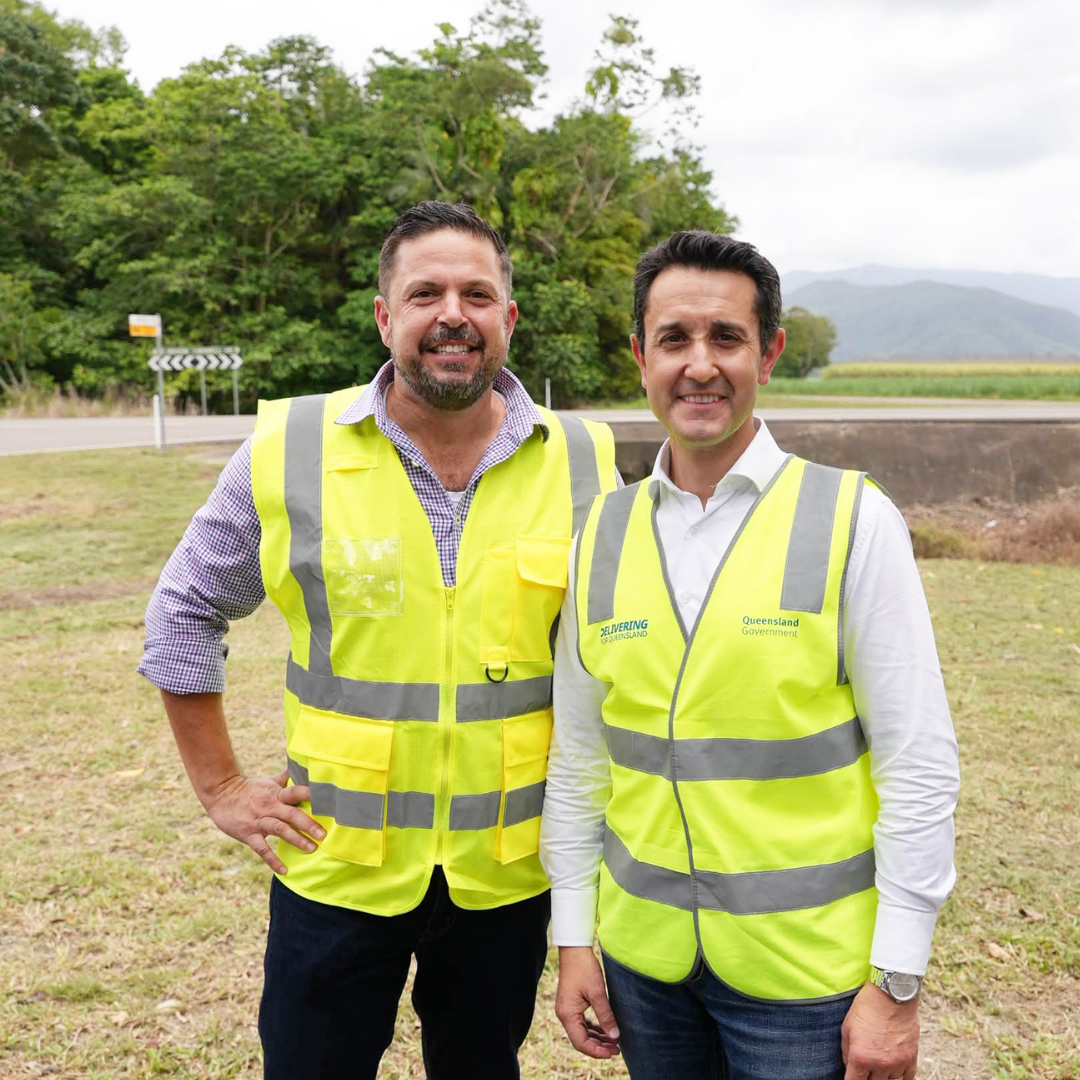
A major Bruce Highway upgrade is underway, with works at Gairloch, Ripple Creek, Ingham-Halifax-Bemerside Road and the Cardwell Range targeting safer travel and improved flood resilience. The long-awaited improvements aim to reduce the severity of flooding across key sections of highway and help prevent head-on crashes, addressing challenges that can disrupt communities and isolate motorists during the wet season.
Read the full story
This NQIB Country Cups Challenge Qualifier Race Day, racegoers are invited to embrace this year’s theme, Country Glamour. The Herbert River Jockey Club event will feature 10 Fashions on the Field categories, catering to everyone from junior entrants to experienced fashionistas. Categories include Forrest Beach Realty Fashions on the Field, Ingham Mazda Contemporary Lady of the Track, NQ Travel & Cruise Classic Lady of the Track, The Bloom Room Townsville Millinery and Lifelong Supports Best Dressed Man of the Track. Junior and youth categories, alongside Spotter’s Choice, will offer further opportunities to take part. Three judges will bring their individual fashion and racing experience to the competition. Amy Byrnes grew up immersed in racing, travelling to meetings with her family and making memories at Cluden Park. Now a racehorse owner herself, she enjoys attending meets across Queensland and internationally. Amy will be looking for confidence, personality and the joy an outfit brings to its wearer, with an appreciation for thoughtful accessories and finishing touches. Milliner Cat Murphy brings more than a decade of experience creating headwear worn at race meetings across Australia and in London. A passionate racing enthusiast, she values outfits that work cohesively with the theme, combining comfort, confidence and attention to detail. Millinery will naturally be a particular focus, whether a bold statement piece or a classic, understated design. Marnie Davidson brings a competitive edge, having collected 27 sashes during three years of Fashions on the Field competitions around Australia. Her achievements include finalist positions at Flemington’s Melbourne Cup Derby Day and Turnbull Stakes, as well as qualifying for several major fashion events. A self-confessed lover of coordinated looks, Marnie will be keeping an eye out for the little details that bring an outfit together. With experienced judges and a Country Glamour theme, racegoers are encouraged to bring their own interpretation of raceday style to the track. For event information and the full list of categories, visit hrjc.com.au. Dress to impress at the Country Cups this November. Photo sourced: Herbert Rivr Jockey Club
Read the full story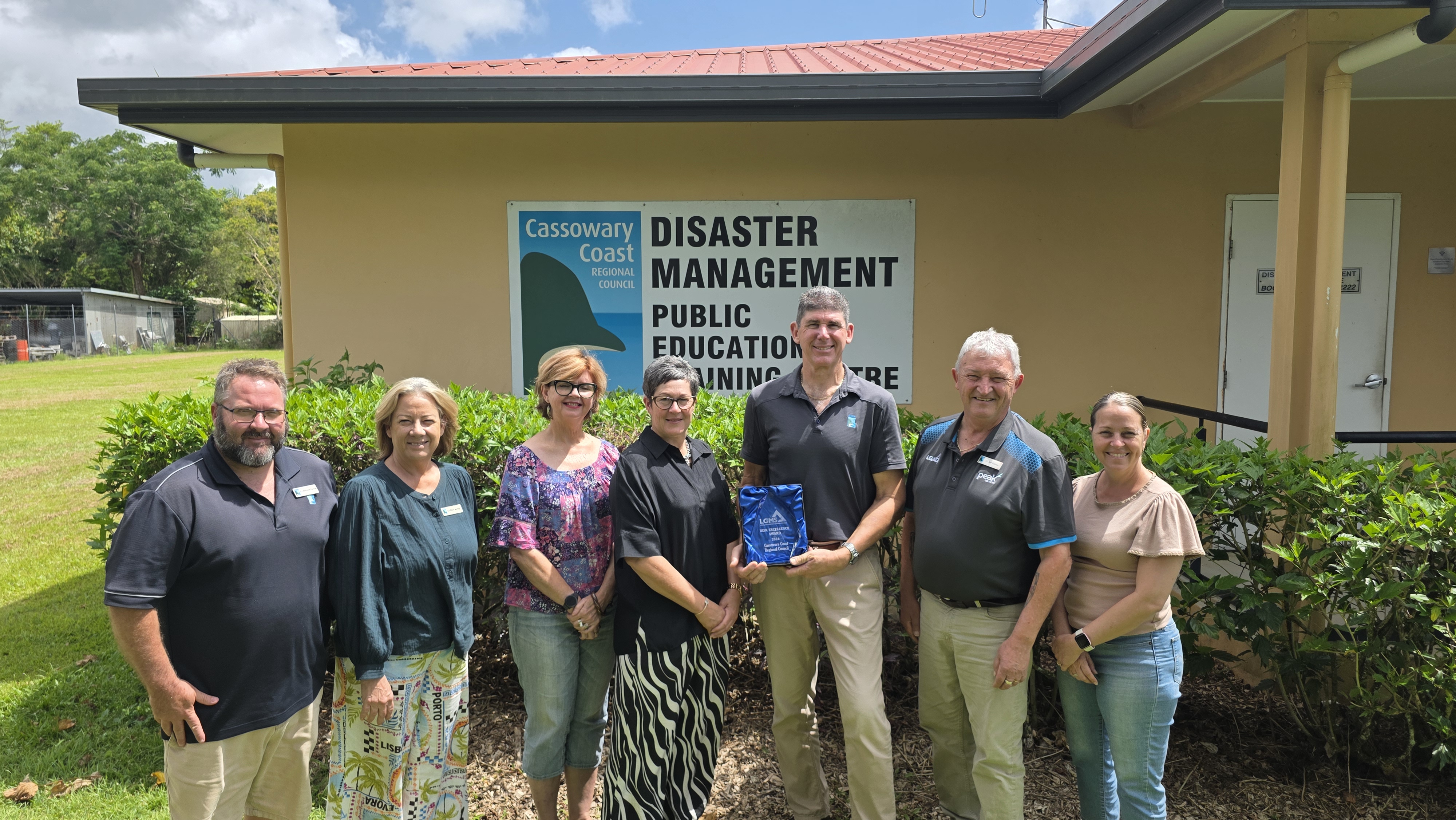
Cassowary Coast Regional Council has been recognised for its innovative approach to flood monitoring, taking home the Local Government Mutual Services (LGMS) Risk Excellence Award at the Local Government Association of Queensland (LGAQ) Conference on Tuesday evening. The award recognises Council's Flash Flood Sensor Network project, which uses radar technology to monitor water levels at known flood-prone locations across the region. The information from the flood sensors is integrated into Council’s Disaster Dashboard, giving residents, emergency services and Council access to local conditions as they change. Cassowary Coast Mayor Teresa Millwood said the recognition highlighted Council's commitment to finding practical ways to improve community safety and disaster preparedness. "Living on the Cassowary Coast, we know how quickly heavy rainfall can turn into dangerous flooding, particularly in areas where water levels can rise with very little warning," Mayor Millwood said. "These sensors give us another set of eyes on some of our known flood trouble spots, providing real time information without having to send staff out into potentially dangerous conditions. "What's particularly important is that this information isn't just for Council. Our residents in flood prone areas can also access this information on the Disaster Dashboard to help them asses their risk, get prepared and make plans in case flooding looks likely." The network has already supported information sharing with local police and State Emergency Service personnel around Mission Beach, helping emergency services monitor conditions at known flood-prone locations. Previously, monitoring these locations relied heavily on weather forecasts, community reports and staff inspecting conditions on the ground. The technology provides another source of information to support earlier identification of rising water levels, planning for potential road closures and coordinating responses during heavy rainfall. Council is continuing to assess the network through a three-year trial, using observations from residents and emergency services to verify sensor readings and evaluate its effectiveness. Residents can access flood monitoring information, road updates and other important disaster information on Council’s Disaster Dashboard by ticking *New Water Levels Visit: www.disaster.cassowarycoast.qld.gov.au Caption: Cassowary Coast Regional Council has been recognised for its innovative approach to flood monitoring. Photo supplied
Read the full story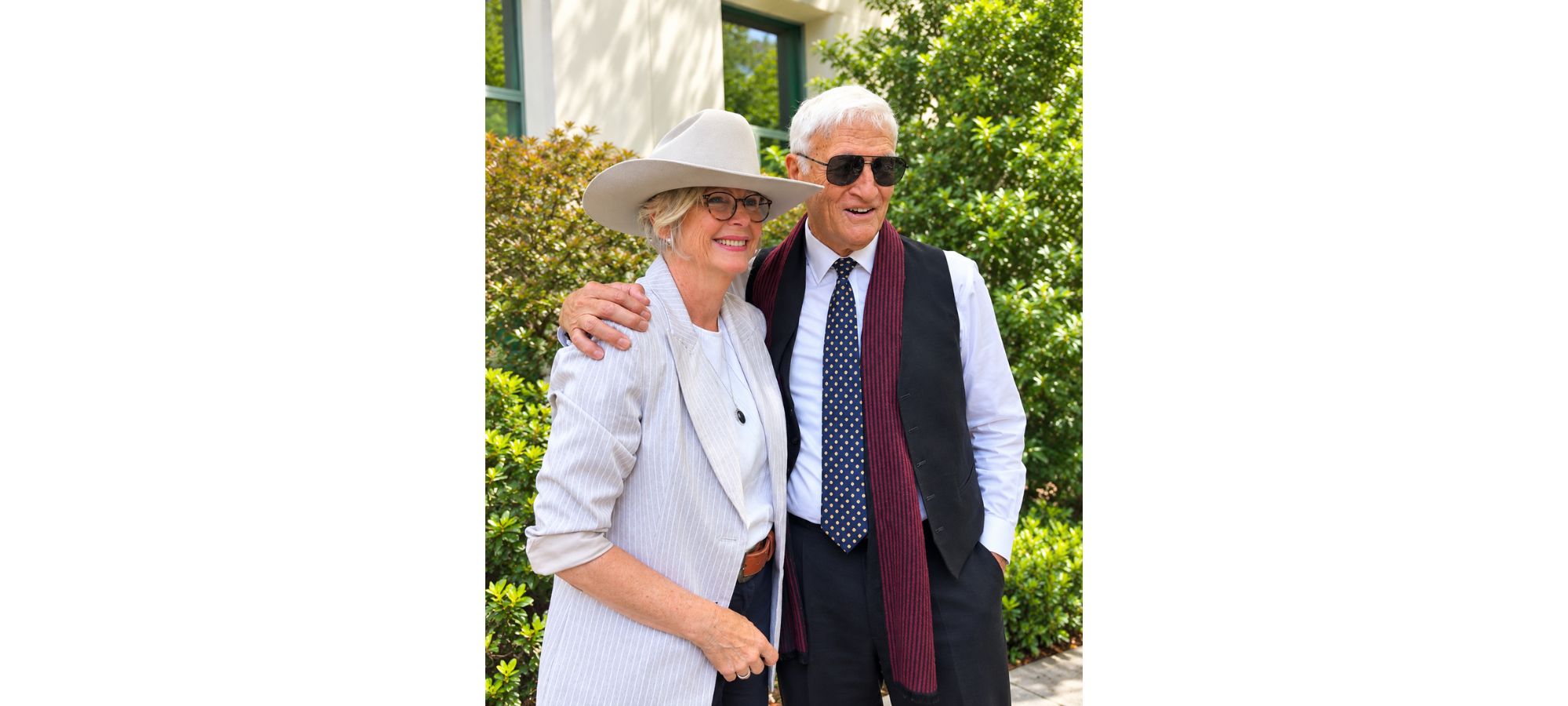
I have spent sleepless nights since last Monday, praying for my long-term and good friend in the Parliament, Helen Haines, along with her family, staff and the first responders to an inexcusable act on a beautiful human being inside and out, who has brought much sparkling joy and enlightenment to the centre of the crossbench. Whilst we are at opposite ends of the country and representing significantly different electorates, my tremendous respect of Helen’s tenacious advocacy for what she believes in, matches my great appreciation of our genuine friendship. We don’t represent a political party based in Melbourne or Sydney or Brisbane – we represent the people who sent us to parliament: the people of our electorate. And there’s no doubt that a terrible blow has been struck against democracy and the people of Australia. A lady in every sense of the word, Helen is a true moderate of the highest regard across the political spectrum – with the ability to get on with people with very definite views like the teals on one hand, and people like himself on the other. And I cannot help but think of her smiling face, whenever I leave the Chamber and tap her on the shoulder to ask, “You right if I leave this all under your control, Helen?” and her cheerful reply, “Yes Bob,” both of us laughing. Not to mention her culinary skills in constructing the most delicate of sponge cakes. Though I react quite frankly with rage and fury at this evil that can have no exculpatory explanations, may we all pray that God’s blessings are with Helen and her family, staff and friends as we all rally around them to provide the support they need during this extremely difficult time. Hon. Bob Katter MP, Federal Member for Kennedy Federal Kennedy MP Bob Katter at Australian Parliament House with his independent crossbench colleague Helen Haines MP, the Member for Indi. Photo supplied
Read the full story
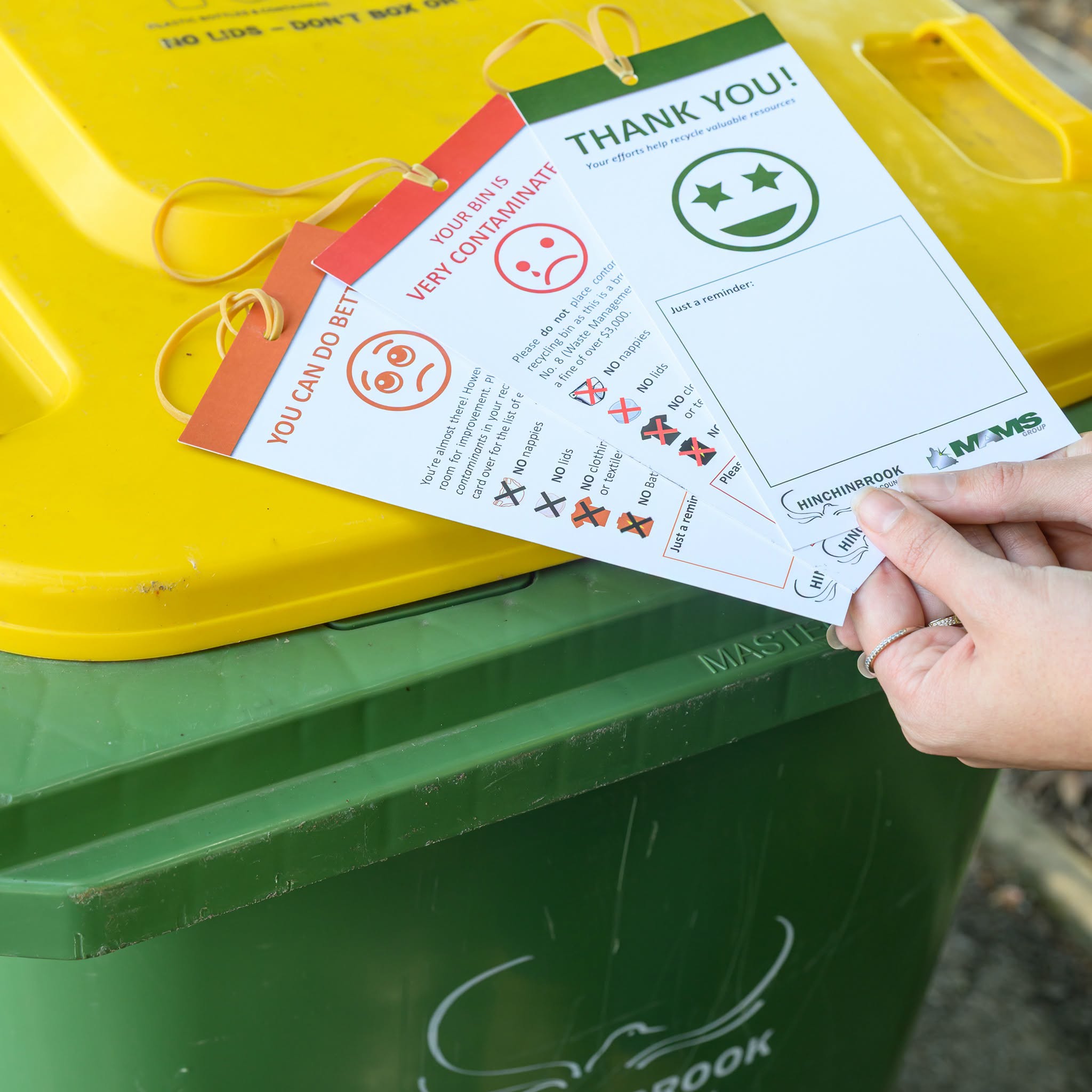
The bin tagging program will include a follow-up assessment approximately six months later. Photo sourced: Hinchinbrook Shire Council
Residents across the Lower Herbert area may notice new activity on their recycling collection days, with Hinchinbrook Shire Council conducting a Bin Tagging Education Program from 10th August to 7th September 2026.
As part of the program, Council officers will visually inspect yellow-lidded recycling bins placed out for collection. Households will then receive a feedback tag indicating how well recyclable materials have been sorted and whether contamination has been identified.
The program is intended to help residents improve their recycling practices, increase the amount of material recovered and reduce the amount of waste sent to landfill.
Hinchinbrook Shire currently disposes of approximately 4,000 tonnes of kerbside waste each year. Council estimates that diverting just 10 per cent of recyclable material from red-lidded general waste bins into recycling bins could reduce landfill waste by up to 400 tonnes each year.
The tagging program is focused on education rather than enforcement, giving households practical feedback to help them make better recycling decisions.
Inspections will take place on the collection days of Monday 24th August 2026, and Monday 7th September 2026.
The six-week program will include a follow-up assessment approximately six months later. Another six-week tagging round is planned for later in 2026, with follow-up activities continuing into early 2027.
Residents are encouraged to check what can and cannot be placed in their yellow-lidded recycling bin before collection day.
Further information is available through Hinchinbrook Shire Council's Waste and Recycling information, or by contacting the Customer Service Centre on (07) 4776 4600.

Following the announcement earlier this year of additional funding for Hinchinbrook Shire to deliver wellbeing and recovery initiatives across the community, Community Recovery and Resilience Officer Jane Carne continues to build on the important foundational work that was delivered during 2025, following the significant flooding event in February.
Jointly funded by the Australian and Queensland Governments through the Commonwealth-State Disaster Recovery Funding Arrangements (DRFA), the Community Health and Wellbeing Package is aimed at helping locals reconnect, access support and strengthen resilience for the future.
As Chair of Council’s Master Recovery process, which informed the development of Hinchinbrook’s 2025 Local Disaster Recovery Plan, I acknowledge the importance of having access to this funding. Having resources that provide ongoing support to our community as it continues to navigate the lengthy recovery process and rebuild lives and livelihoods will have a positive impact.
I believe recovery doesn’t end when the waters recede or the clean-up is finished. Successful recovery is about listening to our community, understanding what support people need at different stages, and creating opportunities for connection, healing and resilience. This funding program will enable that support to be embedded in the Hinchinbrook community right through until early 2028.
The Community Recovery and Resilience Officer has been working closely with residents, community groups and service providers to support individuals and strengthen community networks. Several events have already been delivered, with further planning currently underway to roll out more initiatives in the future.
For the business and not-for-profit community, the “Resilient Ready” program was launched in late July and is designed to support owners, managers and not-for-profit executives to build capacity and connection.
Networking events planned in conjunction with the program delivery will provide opportunities for participants to come together to share ideas, discuss opportunities or concerns, and connect in a supportive and relaxed environment.
For any community members seeking information, assistance or guidance in relation to their ongoing recovery journey, Community Recovery and Resilience Officer Jane Carne can be contacted by calling the Council office on (07) 4776 4600.
.JPG)
Hello Hinchinbrook,
The DRFA (Disaster Recovery Funding Arrangements) is jointly funded by the Commonwealth and Queensland Governments. Through these programs, funding is provided to alleviate the costs of relief and recovery activities undertaken in disaster-affected communities.
DRFA programs generally have a duration of two (2) years, allowing organisations to properly assess any damage that may have occurred, make submissions, coordinate and manage restoration and repair works, and finalise claims through the project acquittal process.
Only disaster events that are activated in accordance with the guidelines are eligible for funding.
The Queensland Reconstruction Authority (QRA) is the governing body for the DRFA program.
Council is responsible for its infrastructure assets; however, it may seek reimbursement of expenditure for the restoration of damaged infrastructure assets through the DRFA programs, subject to eligibility assessments undertaken by QRA under the guidelines set out by the Federal Government.
Residents may have already noticed some repair work being carried out, such as the clearing of debris, pothole patching, cleaning of table drains and minor grading along some roads. These activities were undertaken as emergency works, as a priority of this program is to restore the road network to a safe and usable standard.
Subsequent restoration works for essential public assets require submissions to be made to the QRA for approval of DRFA funding. Once a submission has been assessed and approved, the procurement process for the restoration works can begin.
As such, tenders were released and awarded. One of these is the Reconstruction Works under the Disaster Recovery Funding Arrangements (DRFA) Program – Sealed Road Packages.
The works involve the repair and reconstruction of multiple sealed road assets across the Hinchinbrook Shire Council area that were damaged as a result of Tropical Cyclone Jasper and the North and Far North Tropical Low weather events occurring between 29th January and 28th February 2025.
The works are geographically dispersed and include a range of treatment types, including pavement reconstruction, bitumen spray sealing, patch repairs, pothole repairs and associated ancillary works necessary to restore the assets to an appropriate service level.
Once again, it is great to be able to pick up a copy of Hinchinbrook Life and read through what has been happening and what will happen throughout our Shire. Thank you once again for the opportunity.
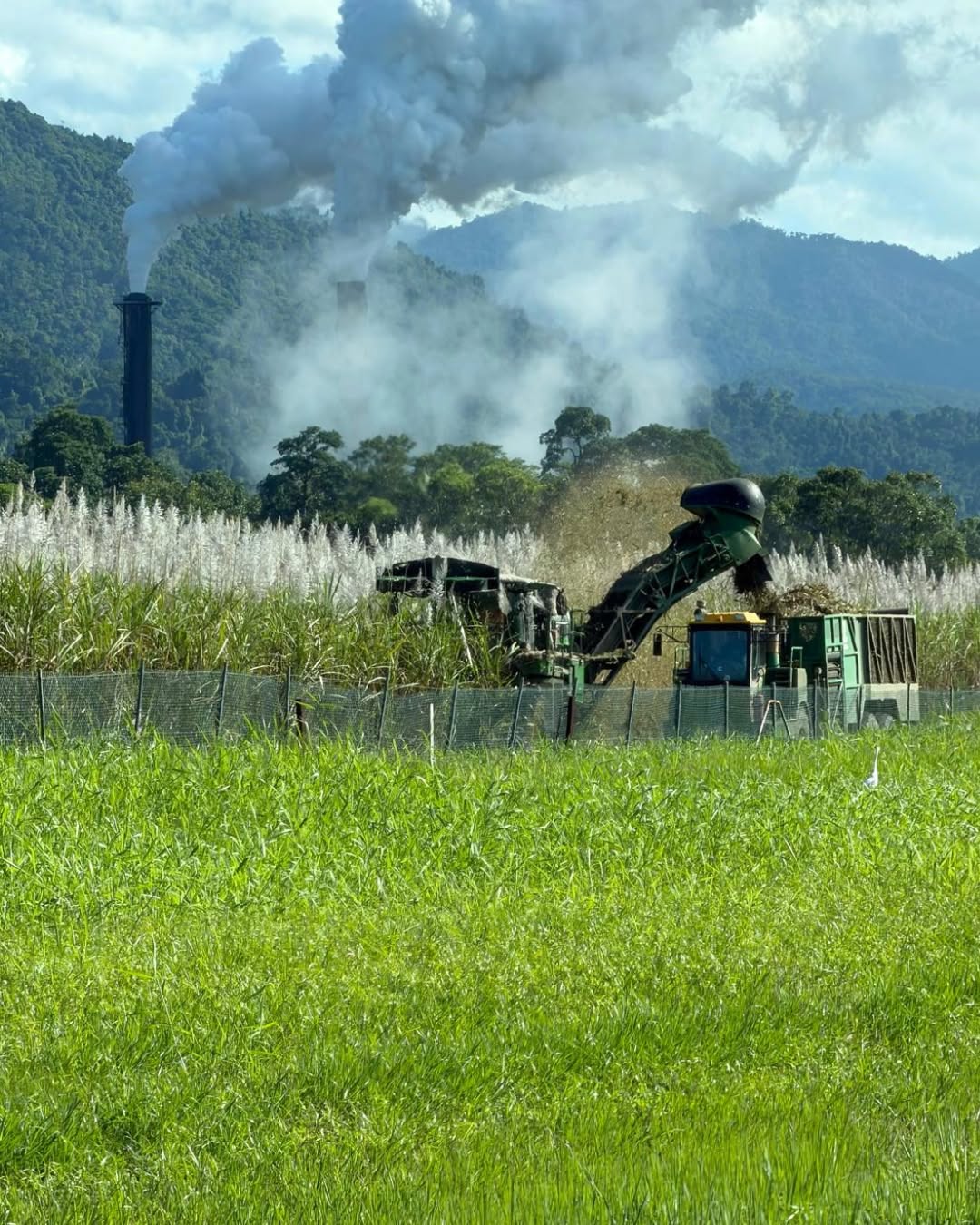
The crushing season is now well underway across the Herbert and surrounding districts. Photo credit: Wayde Chiesa MP’s Offices
By Wayde Chiesa MP, Member For Hinchinbrook
The crushing season is now well underway across the Herbert and surrounding districts, and I know it has not been without its challenges.
Our sugar industry is a huge part of the Hinchinbrook electorate – supporting local families, businesses and communities and driving our regional economy. I know the challenges our farmers face, but I hope the crush is progressing well and that growers, harvesting crews, mill workers and everyone involved across the industry can have a safe and productive remainder of the season.
Next week I also return to Parliament, and community safety will remain firmly on my agenda.
During the by-election, I made a commitment to fight for stronger bail laws and I have continued to hear loud and clear from people across Hinchinbrook that more needs to be done.
Adult Crime, Adult Time was an important first step and we are starting to see it make a difference. But too many offenders are still being granted bail, breaching their conditions and going on to commit further offences.
Bail is a privilege. If someone is given bail and commits another offence while out in the community, there must be consequences.
That is why I have continued to advocate for stronger Breach Bail, Go to Jail laws. As these reforms progress, I will continue making sure the voice of the Hinchinbrook community is heard in Brisbane.
Tuesday 18th of August also marks Vietnam Veterans’ Day, an important opportunity to recognise the service and sacrifice of the Australians who served during the Vietnam War, and to acknowledge their families and those veterans who are still very much part of our communities today.
It is particularly fitting that applications are currently open for the Queensland Government’s Honouring our Veterans Grants Program.
Funding is available to eligible organisations for projects including upgrades to facilities and memorials and initiatives that preserve and share our military history.
We are fortunate to have strong RSLs, veterans’ groups and community organisations throughout the Hinchinbrook electorate that work hard to preserve this history and support our veterans. Applications close on Friday 4th September, and I encourage local organisations with a suitable project to have a look at the program.
Whether it is backing our agricultural industries, making our communities safer, supporting our veterans or fighting for better roads and services, my job is to make sure the issues that matter to our communities are heard.
There is plenty of work ahead, and as Parliament returns, I will continue making sure Hinchinbrook has a strong voice and a seat at the table in Brisbane.
By Mary Brown, President of the Hinchinbrook Chamber of Industry, Tourism & Commerce
As we move through the second half of 2026, the Hinchinbrook Shire is gearing up for a busy and exciting period, with a strong calendar of community events in the pipeline as the region prepares to welcome the festive season.
From community celebrations and markets to sporting events, Christmas activities and the return of the Hinchinbrook Festival of Events 2026, there is plenty happening across the region, providing an important boost for local businesses and creating opportunities for residents and visitors to come together.
The Hinchinbrook Chamber of Commerce, Industry & Tourism Inc. recognises the important role events play in strengthening our local economy and showcasing everything our region has to offer. Events provide much more than entertainment. They encourage people to travel to Hinchinbrook, stay overnight, dine locally, shop with local businesses and explore the many attractions throughout the region. For our small businesses, increased visitation can have a significant flow-on effect.
As we continue through the busy second half of the year and then flow into the festive season, the Chamber is encouraging the community to get behind the many events being delivered by local organisations, businesses, community groups and volunteers.
“The strength of Hinchinbrook’s events calendar is a reflection of the incredible people in our community who continue to put their time, energy and passion into creating opportunities for everyone to enjoy,” Hinchinbrook Chamber President Mary Brown said.
“Every event, whether it is a major festival or a small community gathering, provides an opportunity to bring people together and encourage visitors to experience what Hinchinbrook has to offer.”
One of the highlights on the horizon is the Hinchinbrook Festival of Events 2026, running from 17th October to 26th November 2026.
This campaign will once again showcase the diverse range of events across the Hinchinbrook region, providing residents and visitors with a reason to get out, get involved and experience the vibrant community spirit that makes the region unique.
The Chamber says the festival also provides an important promotional opportunity for Hinchinbrook, encouraging visitors to plan their trips around events and discover local businesses, attractions, accommodation and hospitality along the way.
As the festive season approaches, the Chamber is also encouraging residents to think local when planning their celebrations. Whether that means purchasing gifts from local retailers, dining at local restaurants and cafes, booking local accommodation for visiting family and friends, or attending one of the many community events on offer.
“Events and tourism go hand in hand with a strong local economy,” Ms Brown said.
“When we support our local events and businesses, we are supporting local jobs, local families and the future of our community.”
The Chamber looks forward to promoting Hinchinbrook over the coming months and encourages everyone to make the most of the upcoming events.
With a busy calendar ahead and the festive season just around the corner, there is plenty to look forward to in Hinchinbrook, and plenty of reasons to get involved, get out and support local.
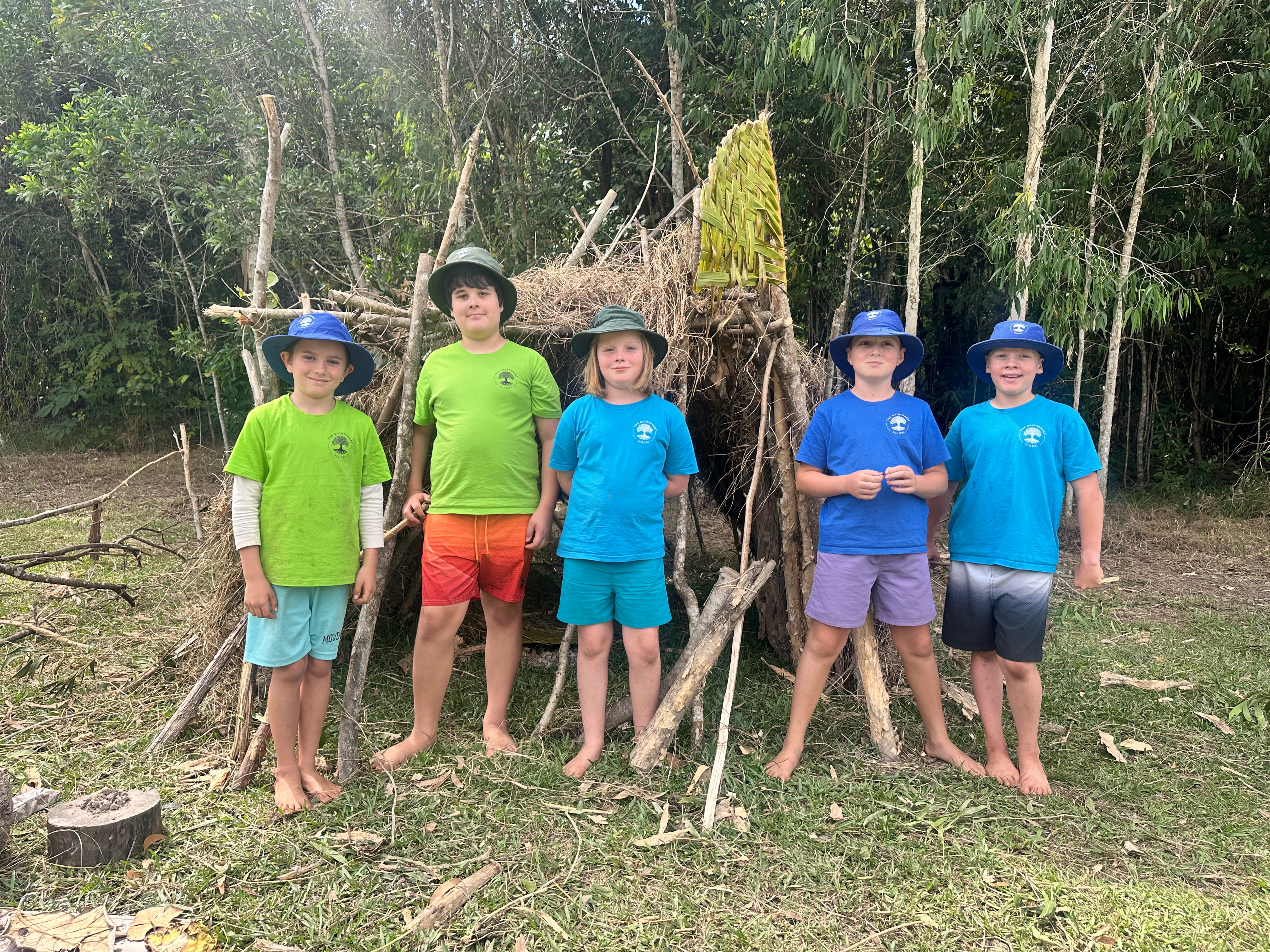
Creators of ‘The Hut’ Arlen, Noah, Angus, Zepher and Hayden. Photo Credit: Sian Bantock
By Sian Bantock
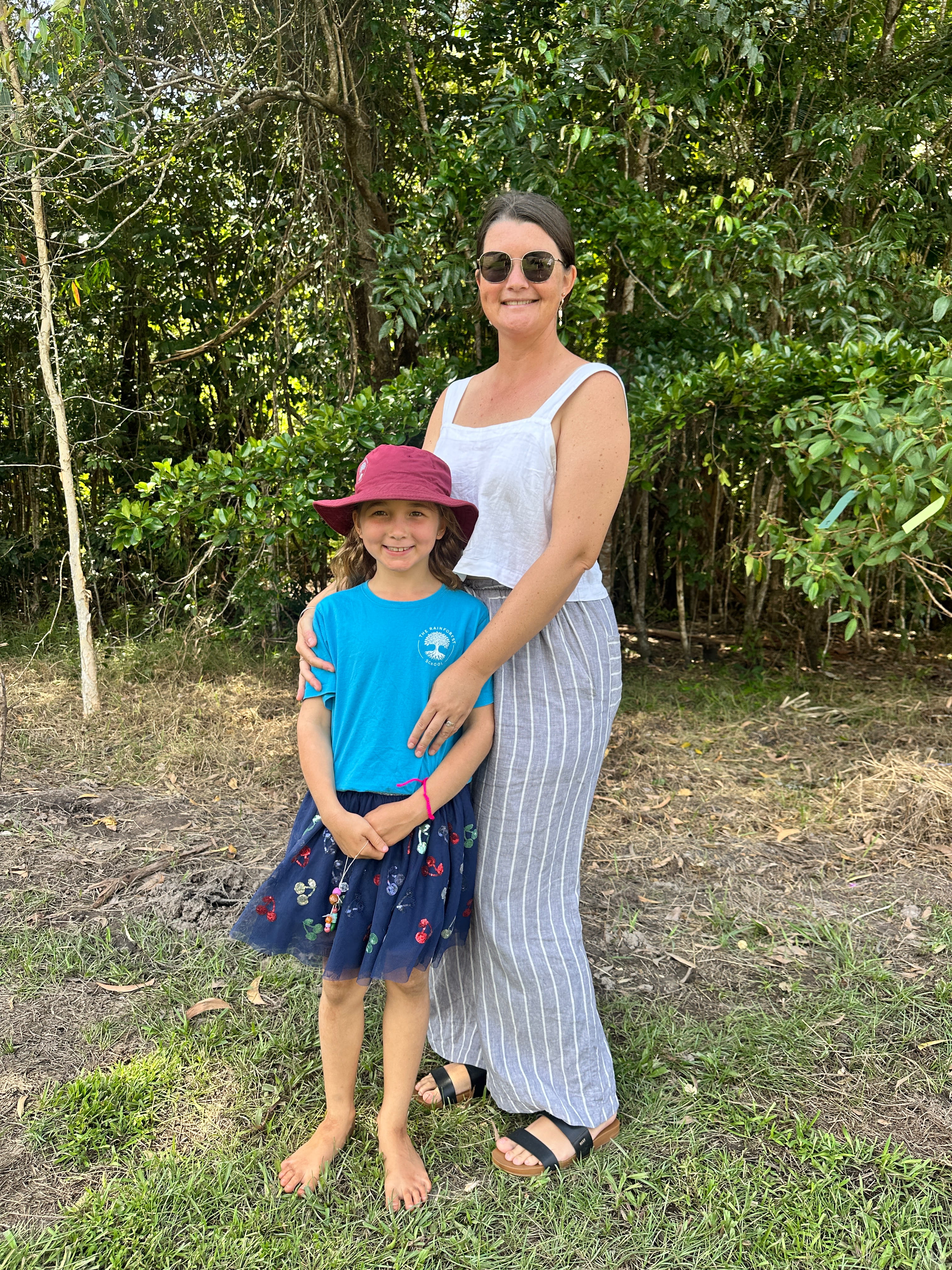
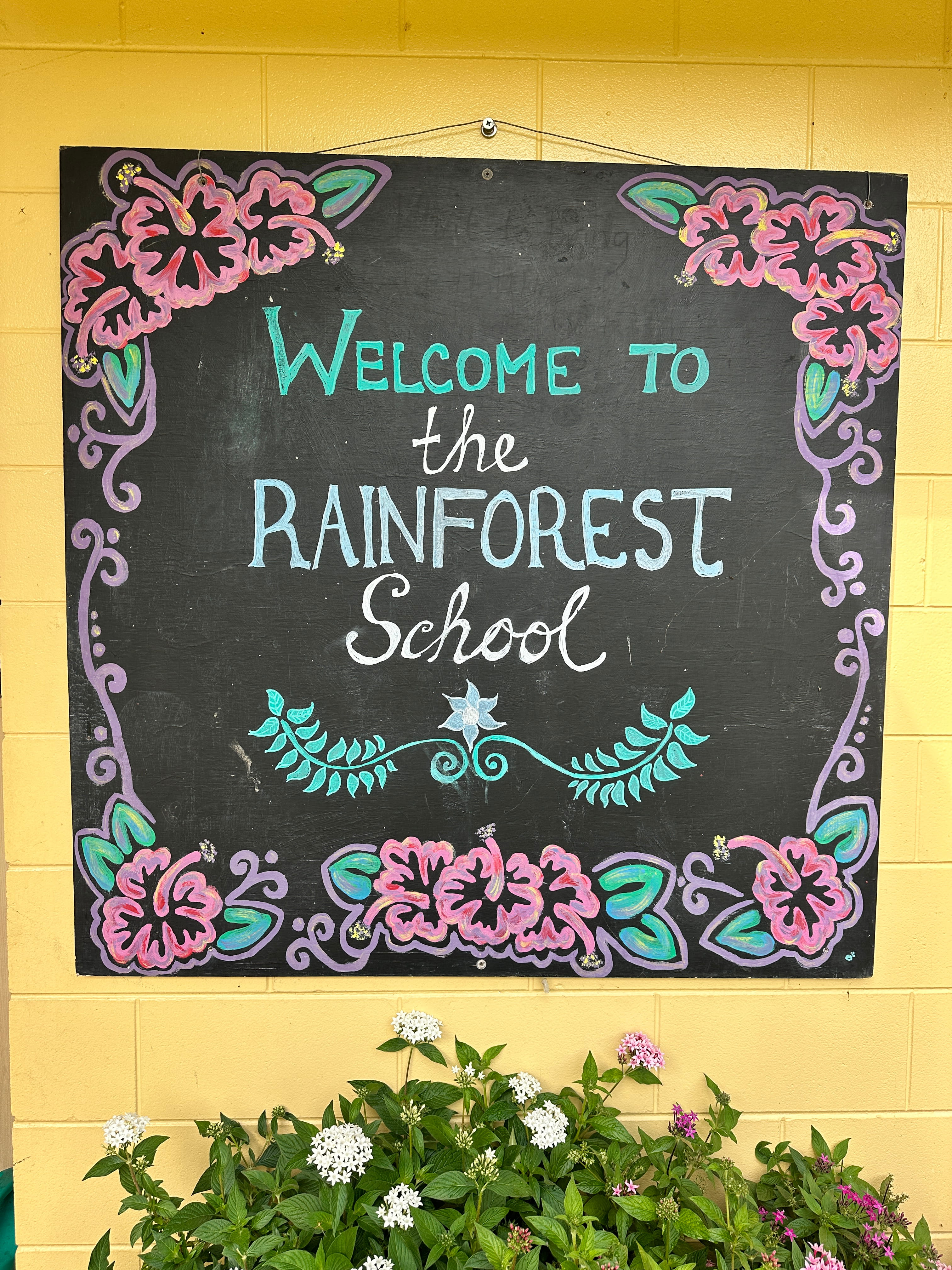
The Rainforest School, at Frogs Hollow in South Mission has celebrated a shared community milestone after securing a 30-year lease to remain on its current premises. This major milestone reflects the dedication and perseverance of the school community, volunteers, Cassowary Coast Regional Council and many other supporters who helped make it possible.
The Rainforest School is a government-accredited independent primary school which offers the full Australian Curriculum from Prep to Year 6. Their classrooms are multi-age and approach teaching through creativity, in an environment that feels like home rather than a traditional classroom. Students also participate in practical programs away from the classroom such as a kitchen/ garden program where they develop life skills learning about healthy foods and sustainability.
The achievement comes two years after the school lost its previous premises at Dundee Park in the 2024 floods. The new lease provides certainty and stability so the school can plant roots at Frogs Hollow.
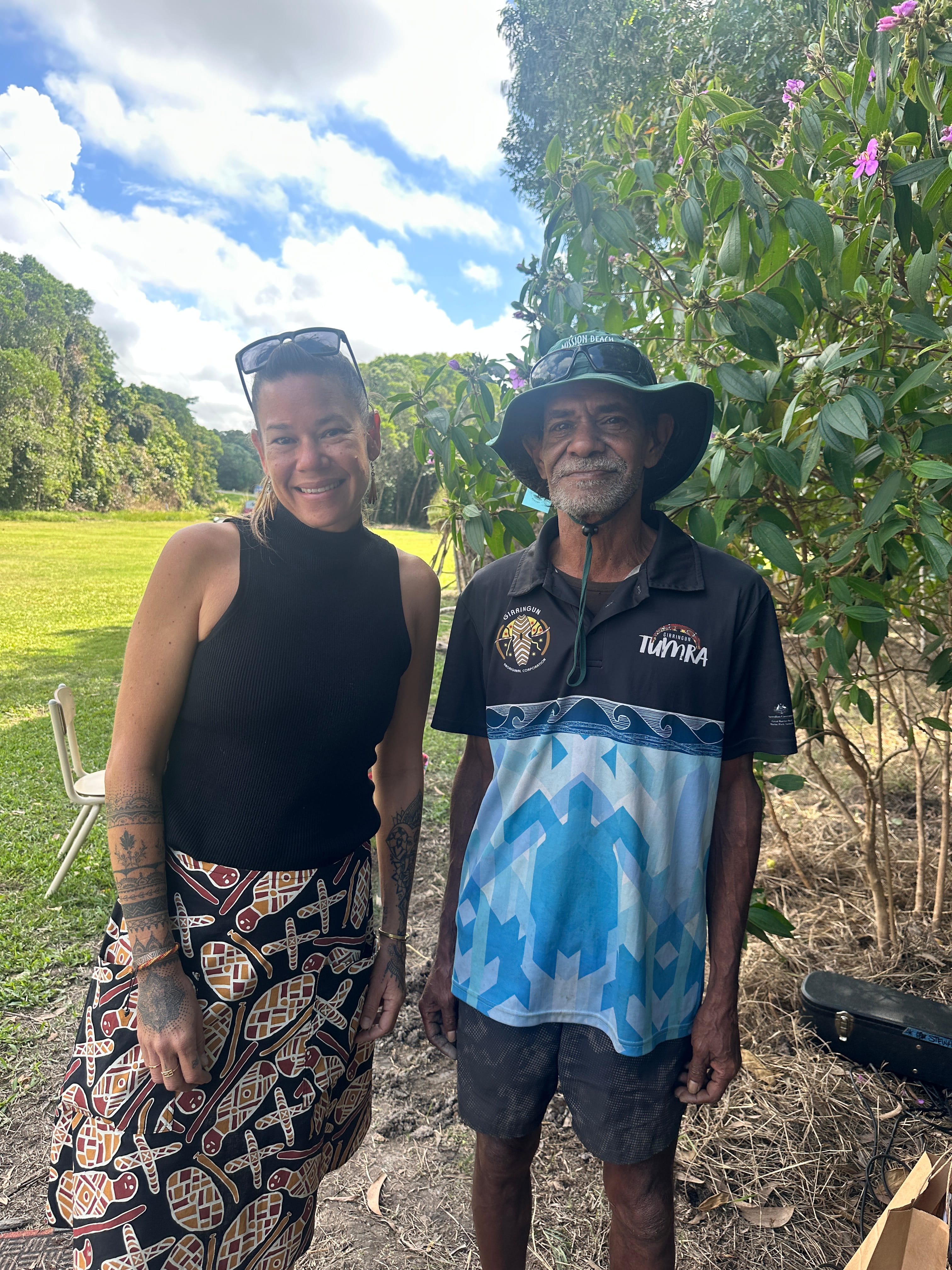
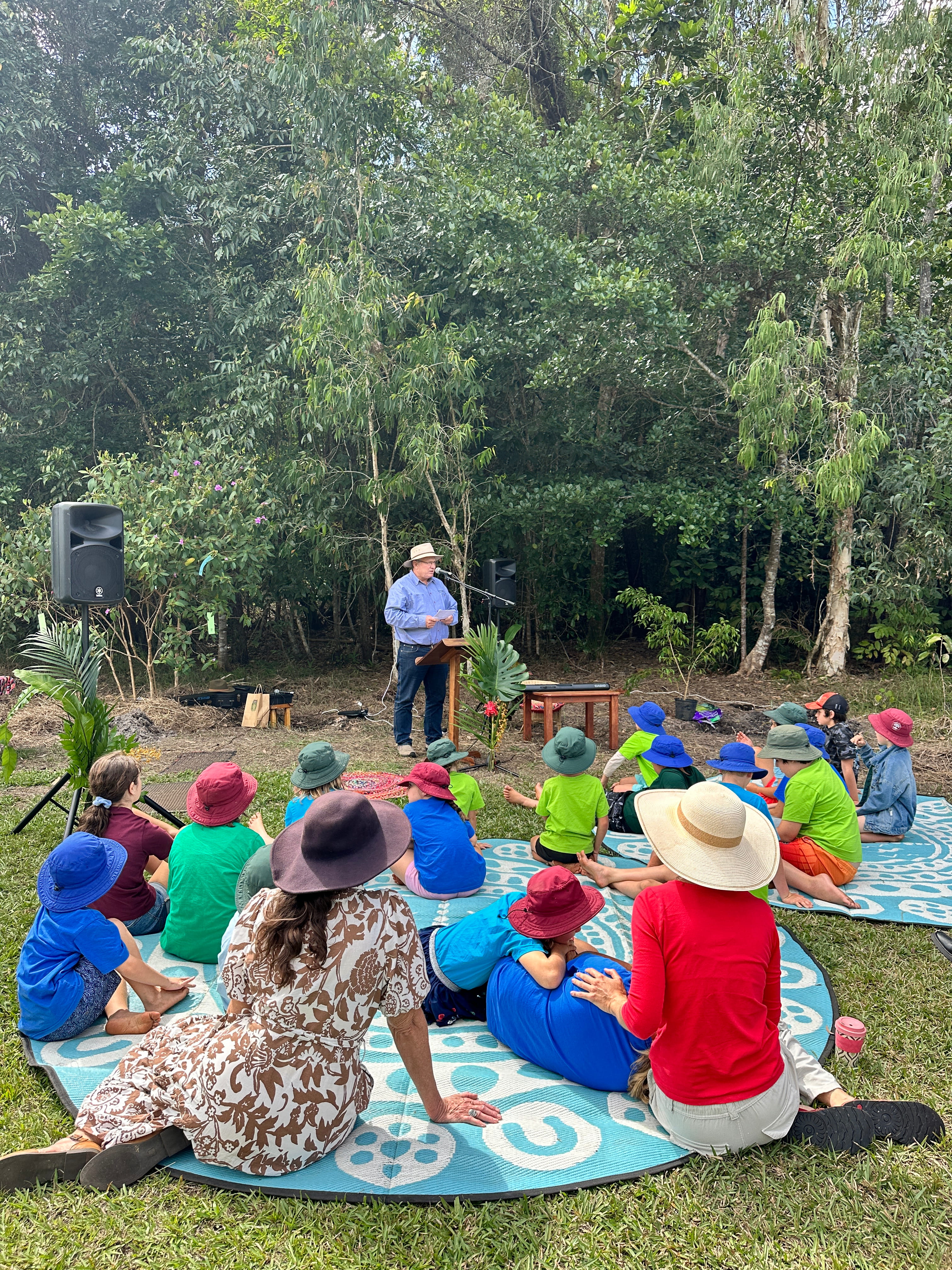
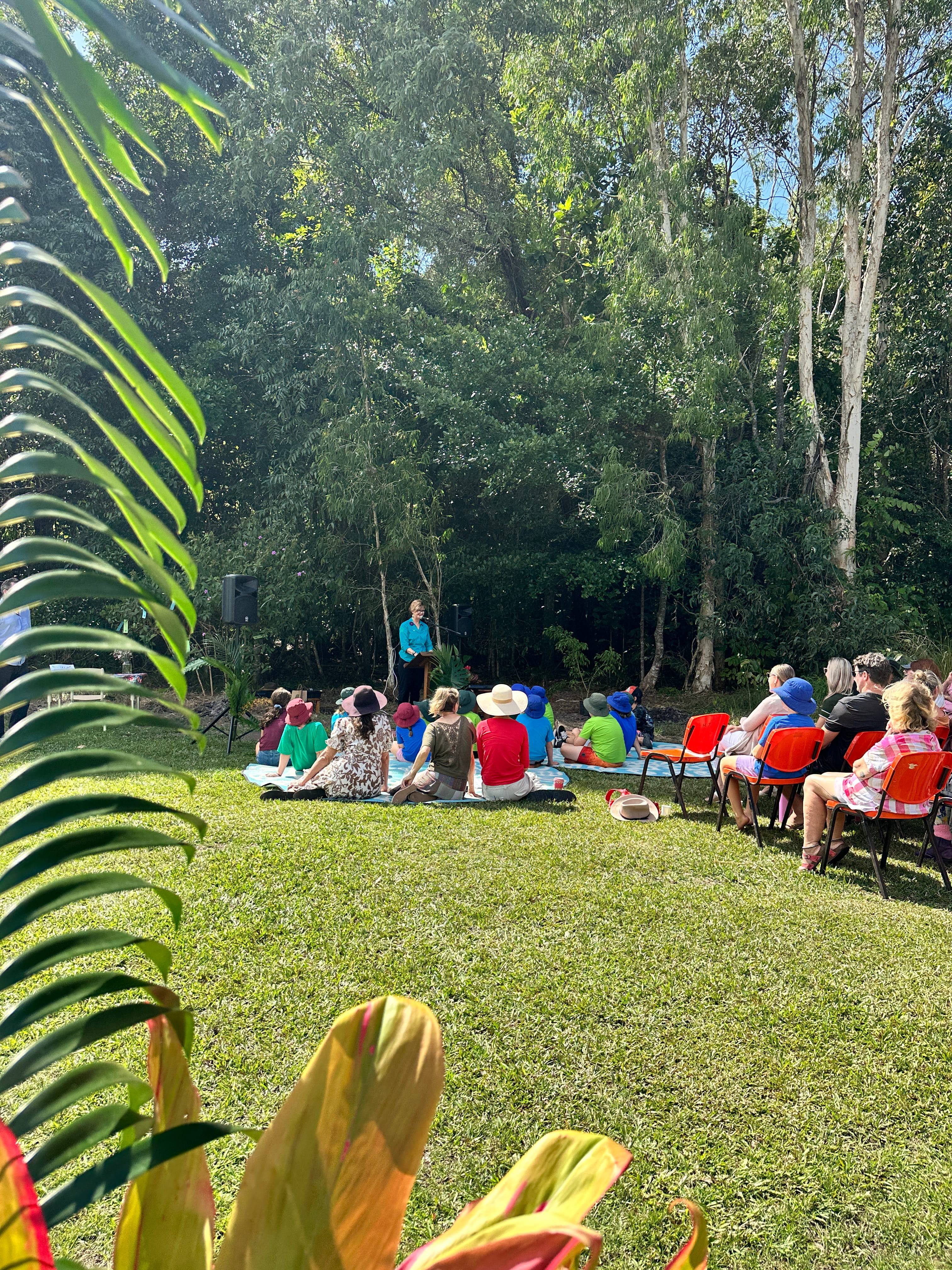
An official handover ceremony was held on Friday 14th August attracting strong support across the local community.
Proceedings began with Leonard Andy and Melissa Kelly who welcomed those in attendance to Djiru Country.
“This is a significant milestone and one that reflects the commitment, vision and hard work that has gone into establishing the school and creating opportunities for the community,” Melissa Kelly said.
“Djiru is proud to continue supporting The Rainforest School and to work alongside you as you move into this next chapter. We value the relationship we have built and look forward to continuing that partnership in the future.”
Guests also heard from Cr Trudy Tushci and Member for Hill Shane Knuth, Board Chair Fiona Nicotra and Principal Carolien Franken.
Some of the students also shared their hopes for the future:
“I hope this school lasts forever,” said Year 2 pupil Ted.
“I hope that students find this a happy place for learning and having fun,” said Bee from Year 4.
“I hope the hut stays forever,” said Year 5’s Hayden.
The Hut, which has become a staple of the school's grounds over the last term was built by Hayden and his friends using sticks collected from the surrounding rainforest and cut grass provided by the school's caretaker to create a roof.
Constructed entirely by the students in their own time without the help from teachers or parents, the project stands as a shining example of the school's philosophy of encouraging curiosity, creativity and teamwork with nature as the backdrop.
The celebrations also looked to the future; Principal Carolien Franken honoured the day by burying a time capsule which was filled with hopes and dreams for the future, to be unearthed and opened in 2036. Teacher Ian Stewart showcased the school’s musical talents, performing alongside the students. Finally, a tree was planted; a symbolic gesture of growth and permanence.
“What excites me most today is not the lease itself, it is the future it makes possible, the memories yet to be made, the friendships yet to be formed and the stories yet to be written,” said Principal Carolien Franken.
“Because ultimately this has never been about land or paperwork, it has always been about the children, about creating a place where they feel connected. A place where they are known, a place where they can grow into capable compassionate and resilient young people and a place, they can call home.”
The Rainforest School Spring Fair will take place on Saturday 5th September, which is a family-friendly celebration with local food stalls and refreshments available. The community is invited to attend from 10am - 2pm.
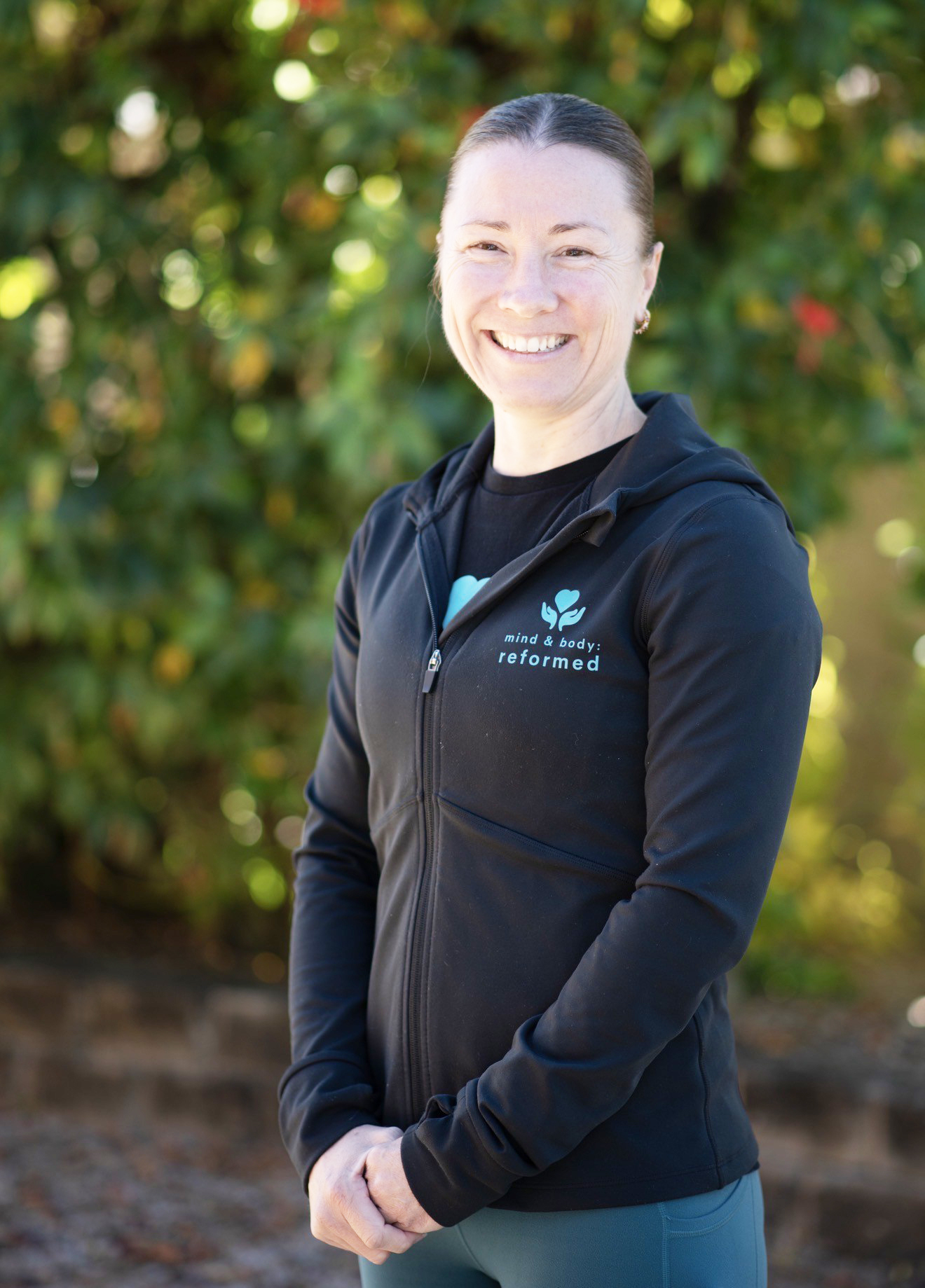
Mind & Body: Reformed Owner and Cassowary Coast Business Women's Network Inc. Vice President Alicia Roelofs is passionate about empowering others through movement and community. Photo supplied
By Chelsea Ravizza
Although she's only recently joined the Cassowary Coast community, Alicia Roelofs has already made a lasting impression. As the owner of Mind & Body: Reformed and Vice President of the Cassowary Coast Business Women's Network Inc.(CCBWN), Ms Roelofs has developed a strong passionate for helping people build confidence, whether that's through movement, business or encouraging others to step outside their comfort zones.
“You don’t have to be ready – you just have to be willing to take the first step,” she said.
“Confidence rarely comes before you begin; it grows because you begin.”
As Vice President of CCBWN Ms Roelofs hopes to help create more opportunities for networking, education and collaboration while encouraging more women to step into leadership roles, start businesses and believe in what they're capable of. She believes that when local businesses thrive, the entire community benefits.
"I've always believed that strong communities are built by people supporting one another," Ms Roelofs said.
"The Cassowary Coast Business Women's Network provides an opportunity for women to connect, learn from each other and build meaningful professional relationships, and I wanted to be part of helping that continue to grow."
Ms Roelofs and her husband relocated to the region in search of a better balance between work, family and wellbeing, and while starting a business in a new community came with its challenges, she said the experience has been incredibly rewarding.
"I've met so many supportive people, and it's inspiring to see how local businesses genuinely want to see each other succeed. That sense of collaboration has made building Mind & Body: Reformed feel like much more than opening a studio—it's become a place where people connect, support each other and improve their health together,” she said.
"I wanted to create a space where everyone feels welcome, regardless of their age, fitness level or physical limitations, and the most rewarding part of what I do is watching people achieve things they never thought possible – those moments remind me why I started the business."
Intertwined throughout every aspect of her life, that philosophy extends well beyond her business. At 39, with no background in gymnastics or dance, Ms Roelofs stepped outside her comfort zone and tried aerial skills and Lyra after watching her children take classes. What began as a personal challenge soon became a passion, and she now competes in aerial competitions while hoping to one day bring aerial silks, Lyra and hammock classes to the Cassowary Coast.
“[Beginning aerial skills and Lyra] reminded me that growth happens when we’re willing to be beginners and that decision completely changed my perspective,” she said.
“It wasn’t always easy, but every small achievement built confidence and proved that age shouldn’t stop us from learning something new.”
Whether she's helping clients discover confidence through movement or supporting women in business as Vice President of CCBWN, Ms Roelofs hopes to empower others to take that first step, believing confidence is built by embracing new opportunities rather than waiting to feel ready.
"Whether it's walking into your first exercise class, starting a business, or introducing yourself at a networking event, everyone starts somewhere," she said.
"The people who seem the most confident today were once beginners too. Don't let fear of failure stop you from discovering what you're capable of. You might surprise yourself, and that first small step could end up changing your life."
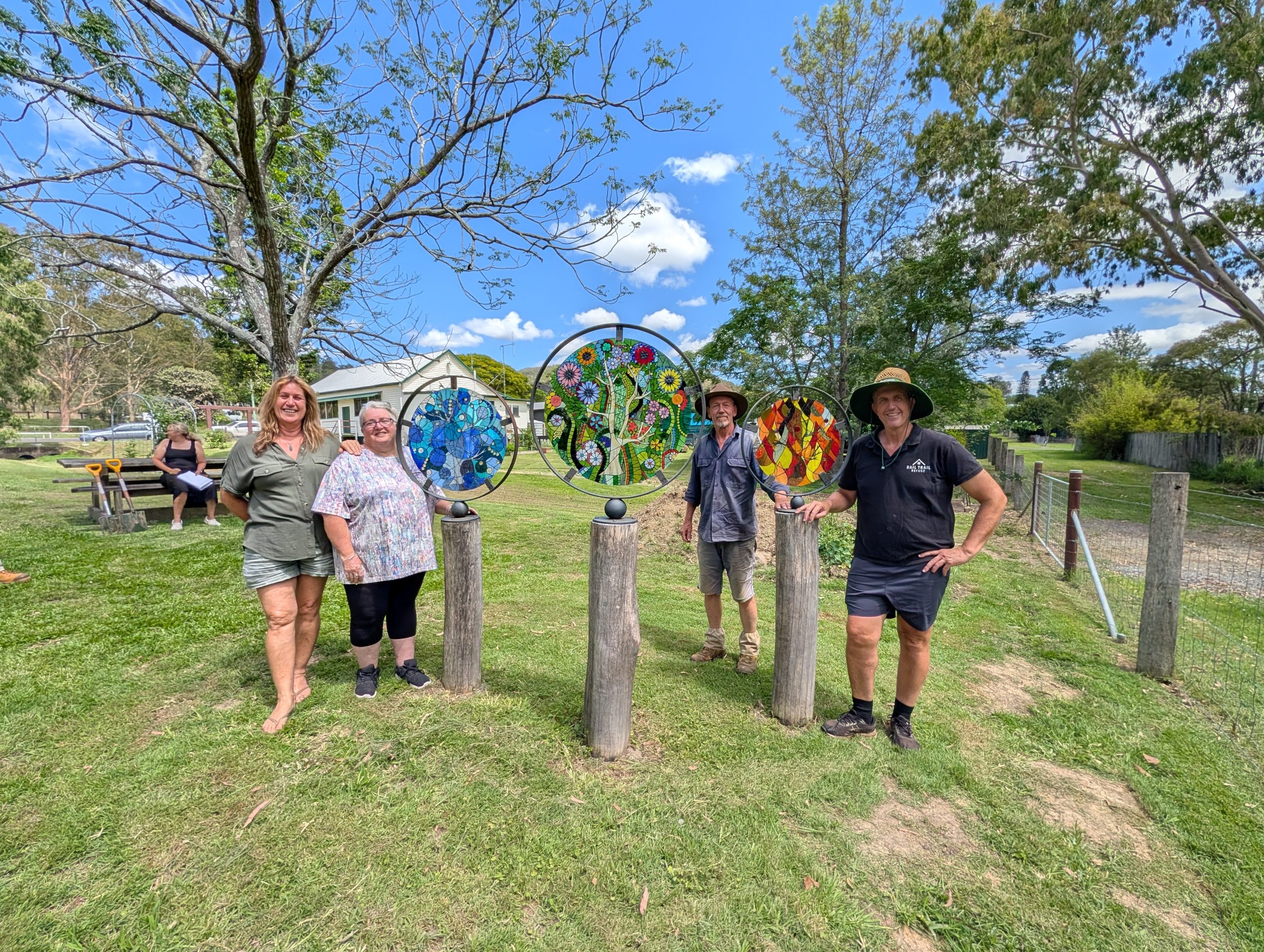
Community groups across the Cassowary Coast are invited to apply for grants of up to $5000 through the CleanCo Queensland Community Futures Fund. Photo supplied
Community groups across the Cassowary Coast are being encouraged to put their projects forward for a share of up to $5000 through CleanCo Queensland’s Community Futures Fund.
Applications are now open for the annual funding round, with not-for-profit organisations, community services, First Nations initiatives, educational institutions and environmental associations eligible to apply. CleanCo Queensland’s Community Futures Fund provides sponsorships of up to $5000 for projects that contribute to the wellbeing of local communities, with applications closing at 5pm on Monday 7th September.
As part of 2026’s program, CleanCo Queensland are particularly seeking projects that strengthen community identity and belonging, promote inclusion and equality, support local prosperity, improve community infrastructure and services, or protect and enhance the local environment. Projects that provide an ongoing benefit to the community or environment, while helping communities move towards a net-zero future, are also preferred.
One of six eligible local government areas across the state, alongside Cairns, Tablelands, Mareeba, Ipswich and Somerset, the Cassowary Coast is being encouraged to put forward local projects that could benefit from the funding.
A CleanCo Queensland spokesperson said the region held a particular connection to the organisation through its Kareeya Power Station.
“The Cassowary Coast region is home to CleanCo's Kareeya Power Station, which has been part of the Tully community for almost 70 years,” the spokesperson said.
“Through the Community Futures Fund, we encourage applications that respond to what matters most locally and strengthen the local communities we operate in. This includes First Nations initiatives, community services organisations, sporting clubs, arts and culture, education or environmental projects.
“We’re keen to hear directly from local groups about practical ideas that can make a meaningful difference in their community.”
CleanCo Queensland encourages those interested to learn more about the program via cleancoqueensland.com.au/community/futuresfund or email her directly via community@cleancoqld.com.au.
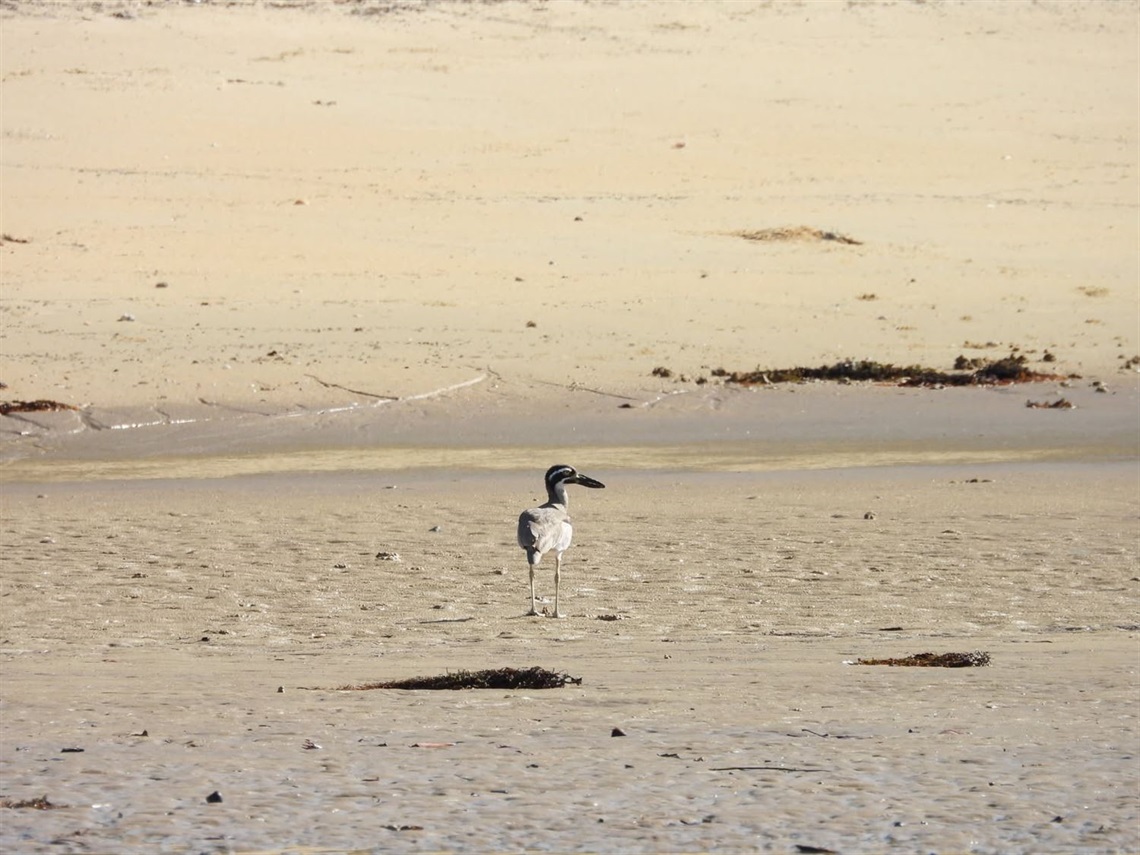
Locals are being encouraged to lend a hand in protecting the Cassowary Coast’s turtles and shorebirds through a new community monitoring program. Photo supplied
Volunteers Wanted to Help Protect Cassowary Coast Wildlife
The Cassowary Coast’s beaches are home to some very special residents, and locals are being invited to lend a hand in protecting them.
With shorebird nesting season approaching, Cassowary Coast Regional Council is trialling seasonal closures at known nesting areas at Wongaling Beach, Coconuts, Tully Heads and Hull Heads from 1st September 2026 to 1st March 2027.
The closures follow reports of dogs and vehicles disturbing nesting sites and are designed to give vulnerable birds, including little terns and red-capped plovers, a safer place to raise their young.
Council is also looking for community members to become part of a new shorebird and sea turtle monitoring volunteer program! No wildlife expertise is required, with training and resources provided. Volunteers will help observe nesting activity, record sightings and report signs of disturbance, helping build a clearer picture of how turtles and shorebirds use the region’s coastline.
The program will bring together volunteers, Traditional Owners, rangers, Council staff and partner organisations to create a coordinated local monitoring network. Importantly, volunteers won’t be expected to handle wildlife or nests. Their role will focus on observing and reporting safely and consistently.
With coastal wildlife facing pressures from human activity, extreme weather and changing coastal conditions, the community can play an important role in helping protect these species for years to come. To register your interest, email shorebirdseaturtle@ccrc.qld.gov.au or call 1300 763 903.
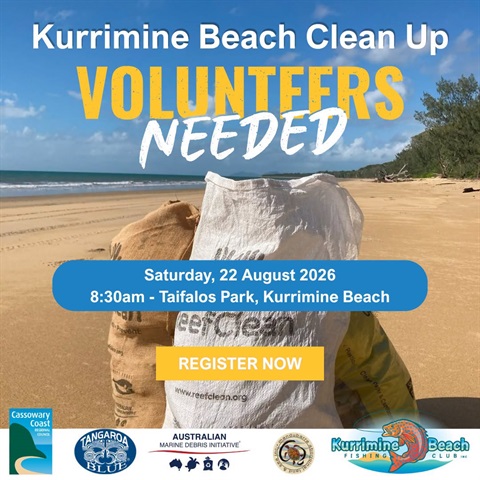
Cassowary Coast residents are being encouraged to roll up their sleeves, join forces and help keep Kurrimine Beach a beautiful and clean place to visit and enjoy at a community clean-up this Saturday 22nd August.
Held in partnership with Tangaroa Blue, Mandubarra Rangers, Kurrimine Beach Fishing Club Inc and Kurrimine Beach Progress Association, the 2026 Kurrimine Beach Clean-Up will bring together local residents, community groups and organisations to work along the length of the coastline and remove rubbish from the beach
Volunteers will meet at Taifalos Park on Saturday at 8:30am before getting to work on the beach, with all participants invited to enjoy a well-earned barbecue lunch together to conclude the morning and celebrate their efforts.
Attendees are asked to register individually via www.surveymonkey.com/r/ZRQYSQJ, provide any dietary requirements when registering so catering can be arranged, and come prepared with enclosed shoes, a hat and water bottle. Participants under the age of 16 must have a parent or guardian present.
Residents of all ages are encouraged to take part in the free family-friendly event, contribute to the care of the local environment, and take advantage of the opportunity to work closely with one another to protect one of the region’s much-loved coastal areas.
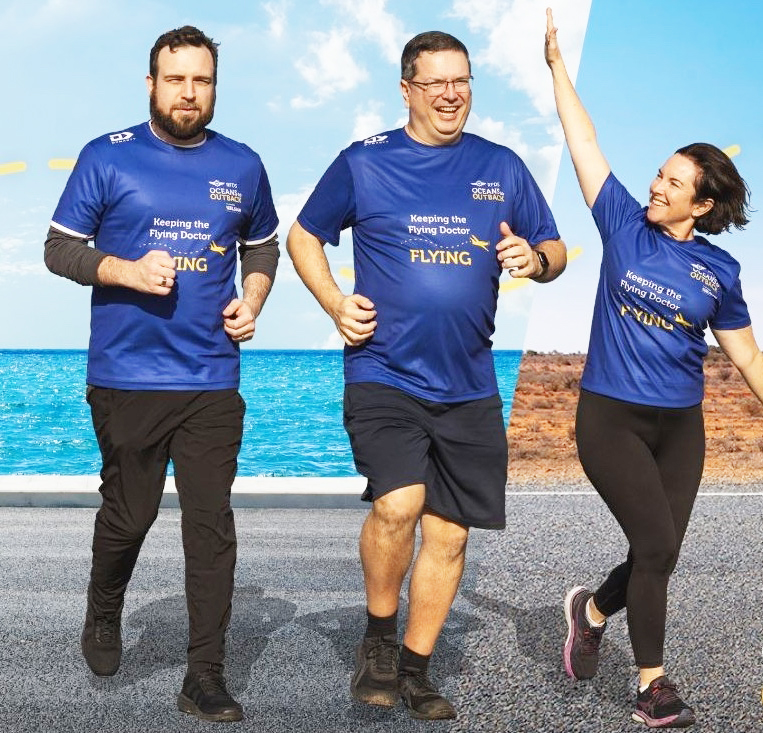
Want to get active this October while doing some good for those living in rural and remote communities? The Royal Flying Doctor Service’s Oceans to Outback challenge is calling on residents across the state to walk, run or ride their way through the month while raising funds to help keep the Flying Doctor flying.
Participants can choose from 42km, 87km (represents the number of RFDS aircraft across the country) or 98km challenges, or set their own distance, with activities able to be completed at their own pace throughout October.
Registration is free, and participants who fundraise will receive a free T-shirt.
Whether you tackle the challenge solo, round up a group of friends or get your workplace involved, every kilometre and dollar raised helps the RFDS deliver vital healthcare to people who may live hundreds of kilometres from the nearest major medical service.
Since the challenge’s inception five years ago, its already made a significant impact, with more than $13.9 million raised to help support patients transported, medical chests and remote telehealth consultations.
So, lace up your shoes, dust off the bike or gather your walking crew and get moving for a cause that reaches far beyond the finish line!
Registrations are FREE and can be made via www.oceanstooutback.org.au.
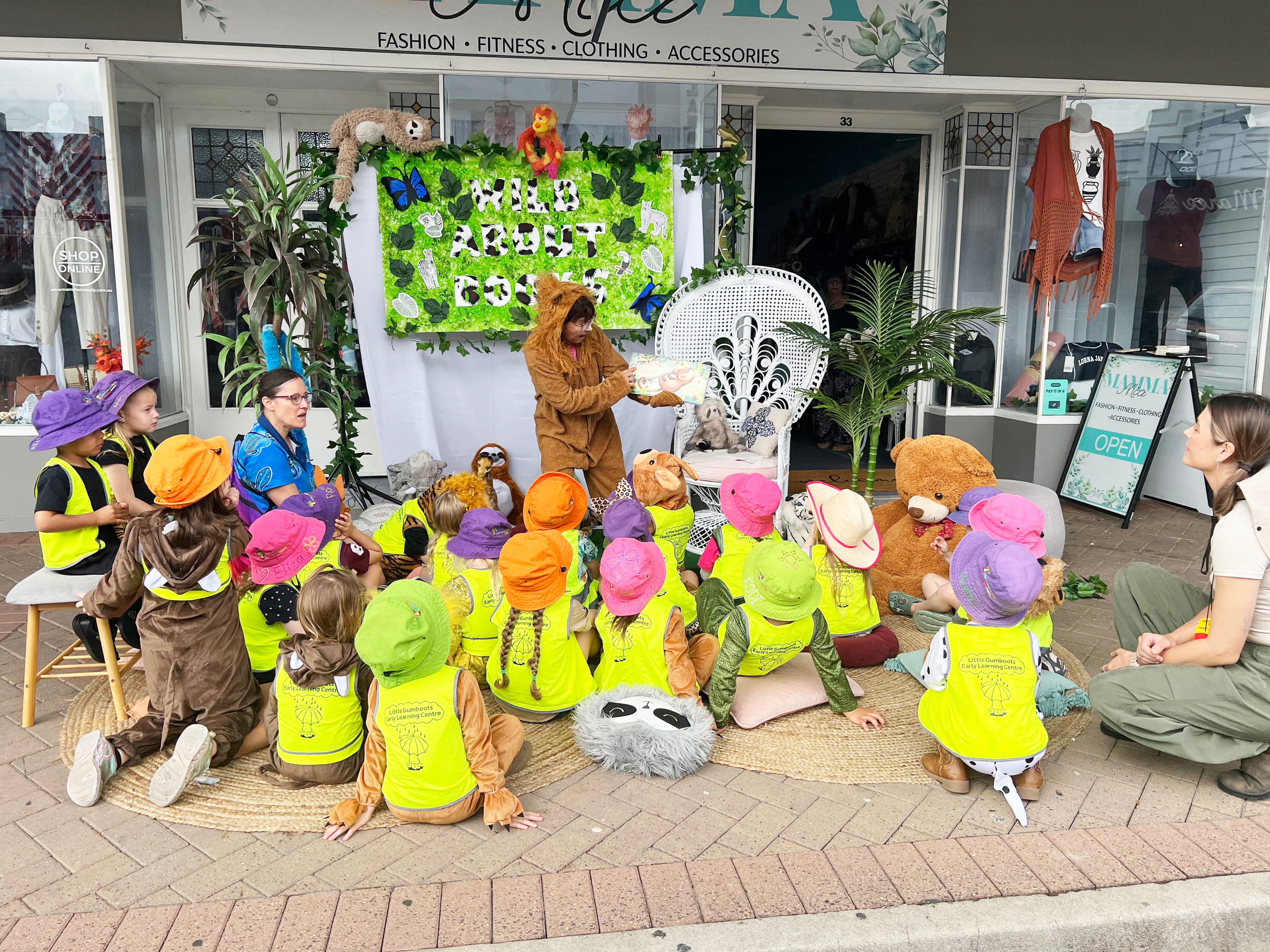
Mamma Mia shop reading ‘Make me Smile’ to young children. Photo Supplied
By Sian Bantock
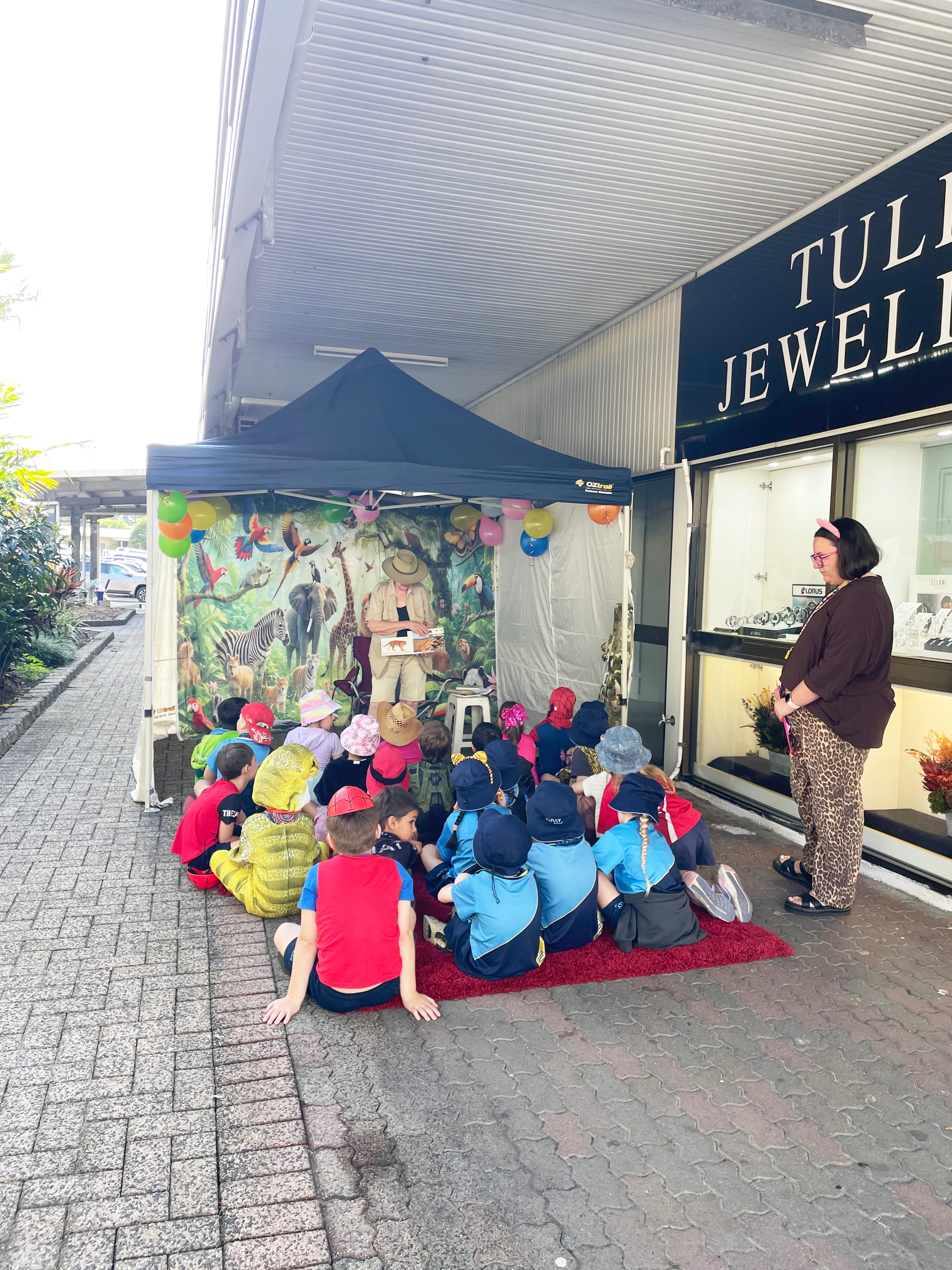
Children taking part in Read to Me Day flocked to the heart of Tully on Tuesday 11th August, dressed as their favourite book characters for a day of celebrating the joy of reading.
The 2026, theme this year, ’Wild About Books!”, encouraged local children to immerse themselves in stories while promoting literacy.
The event was a colourful success thanks to the enthusiastic support of Tully’s business community. Many owners embraced the spirit of the day by dressing in costume, creating interactive displays and performing engaging reads for eager students.
Organised by the Tully Chamber of Commerce, Read to Me Day has become a cherished community tradition, running for over a decade.
Chamber President Evelyn Watson understands the positive impact the event has on the young community.
“It’s amazing how excited the children get; for the children it’s nice when there’s something to break up the monotony of school,” Evelyn said.
“The business loves to have them there, it’s something nice that brings the young kids with older generation and bridges that gap.”
In 2025 the future of the Chamber was uncertain, with potential dissolution putting beloved community events such as ‘Read to me Day’ and ‘ Xmas on the Street’ at risk.
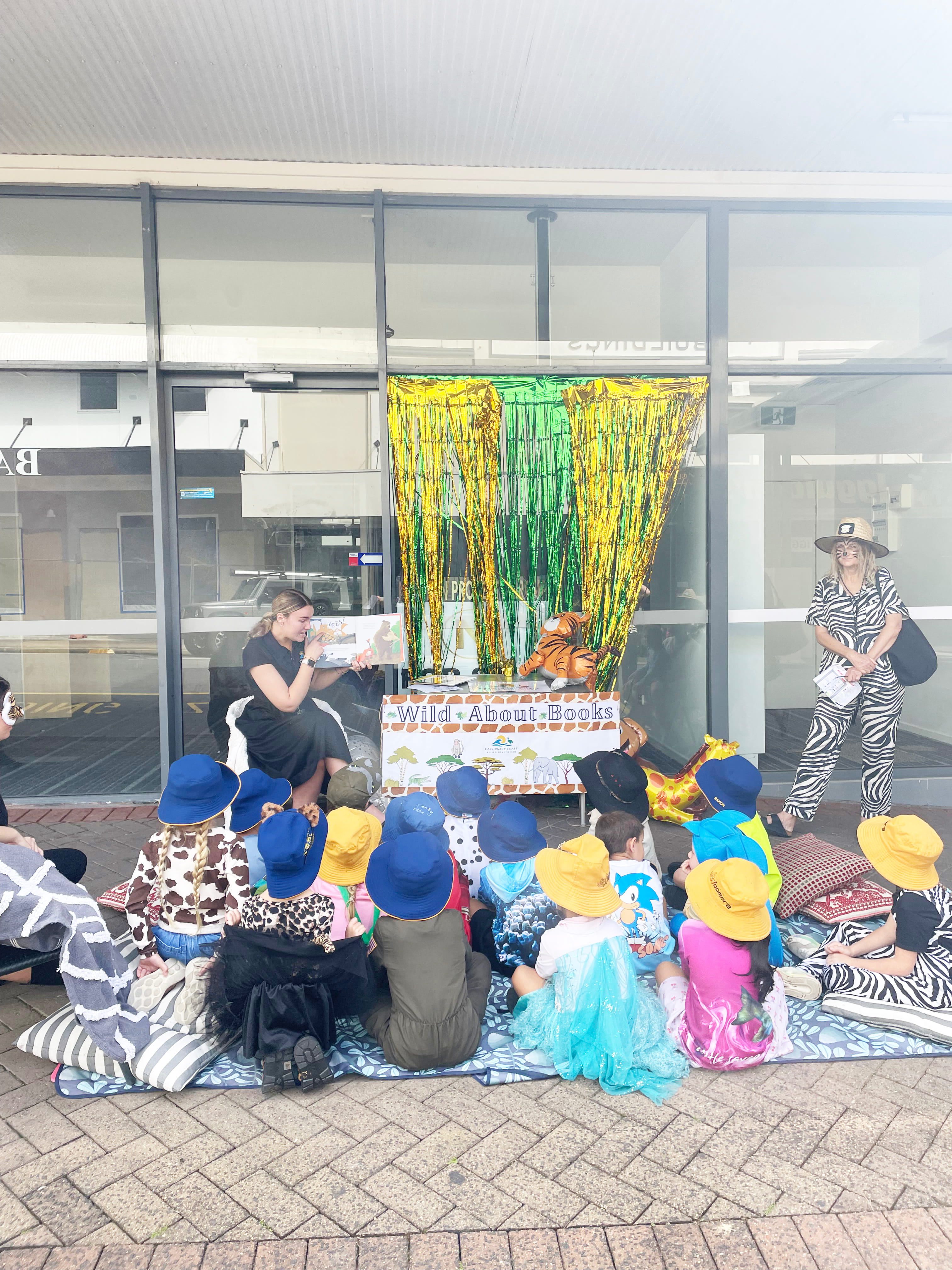
Recognising the important role the Chamber plays within the community, current President Evelyn Watson and Treasurer Abigail Webster and former Chamber Treasurer Jene Valaris fought to continue its long-standing legacy.
The Tully & District Chamber of Commerce recognize that the success of ‘Read to me Day’ is made possible through the ongoing support from the local businesses.
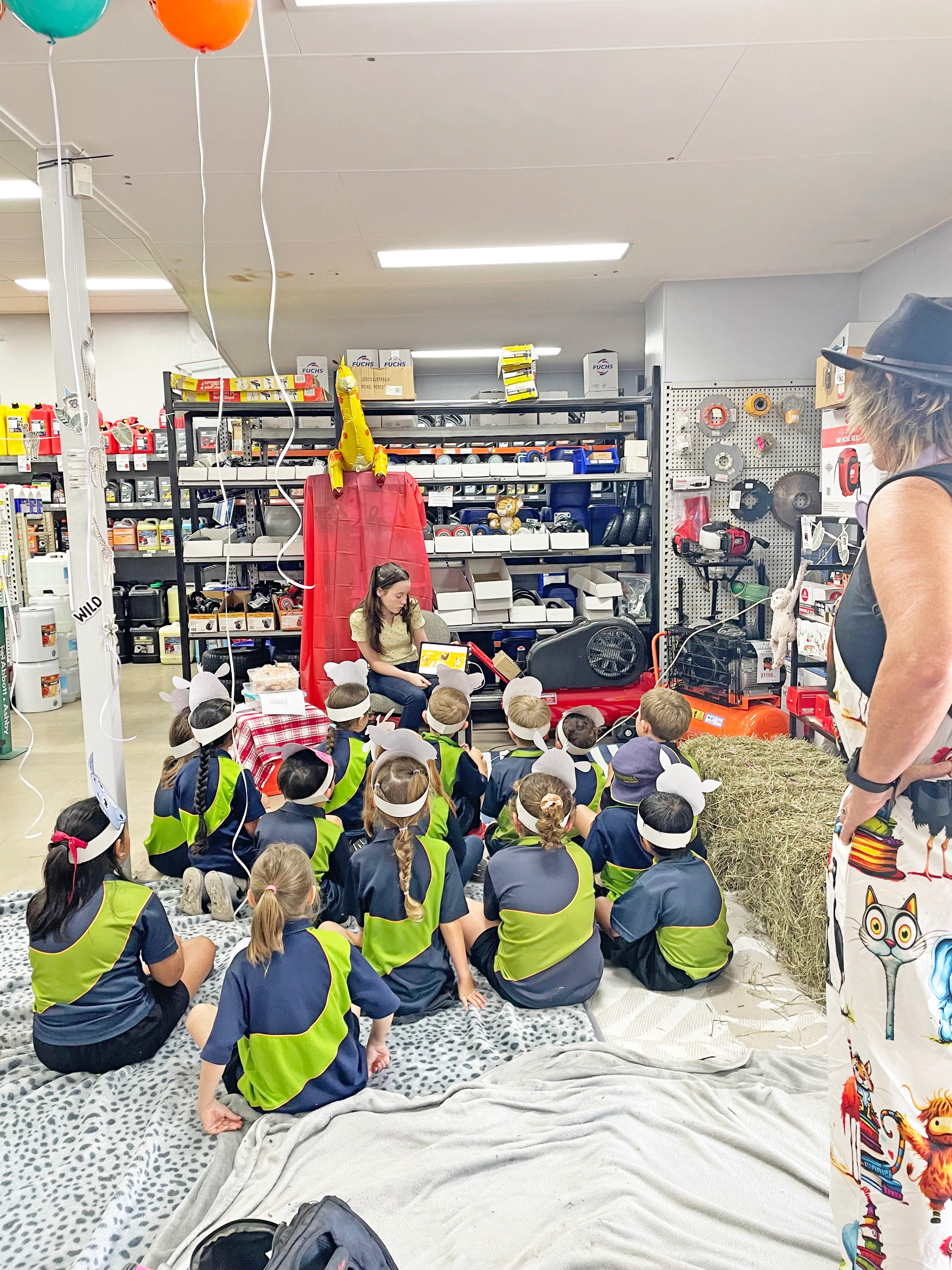
“The Tully & District Chamber of Commerce would like to thank everyone who participated in this year's Read to Me day earlier this week! Whether you read a story, heard a story read, or just appreciated the beautiful weather, we want to thank the community for coming together to celebrate the love of books with our young ones,” a spokesperson shared.
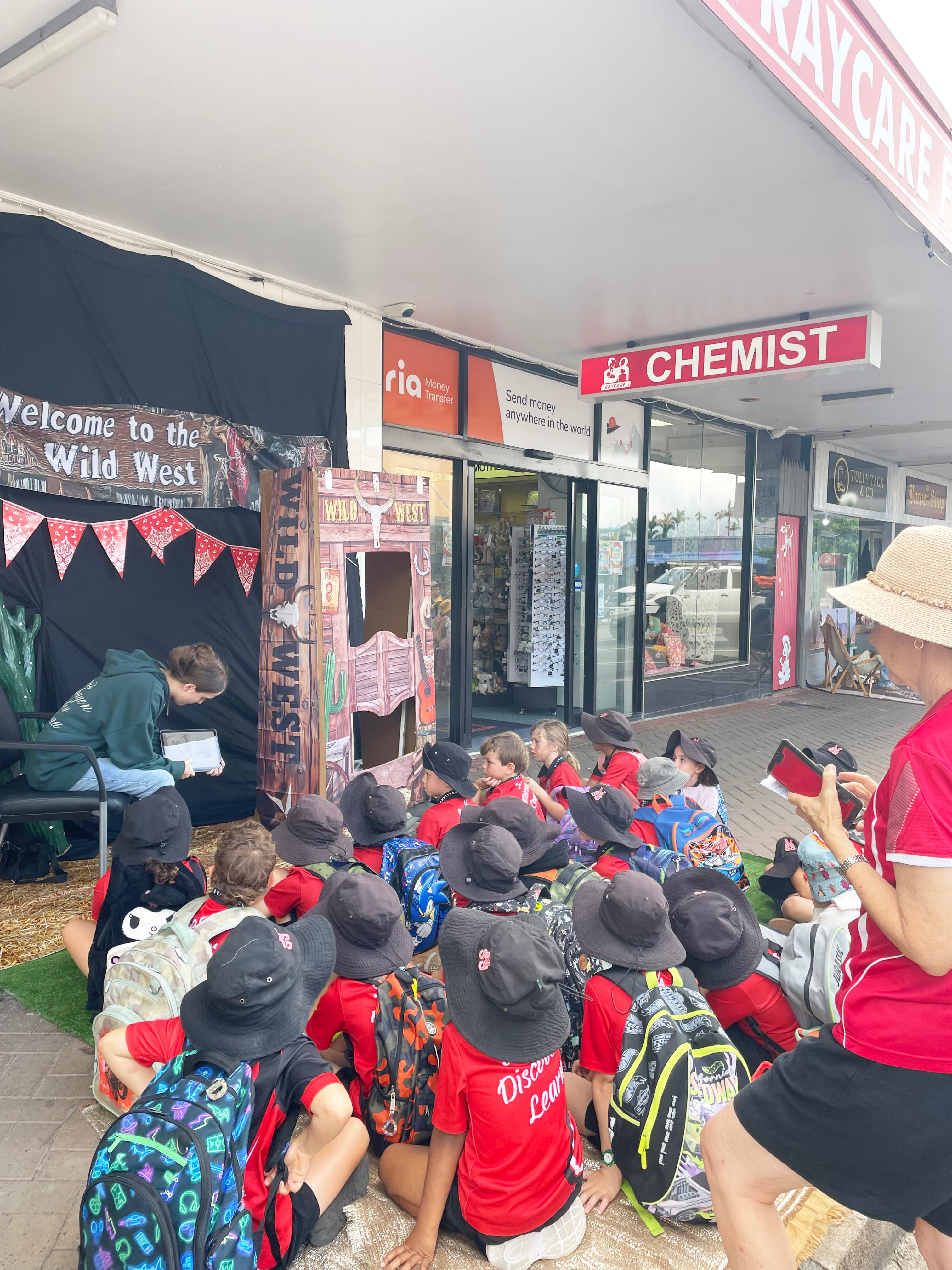
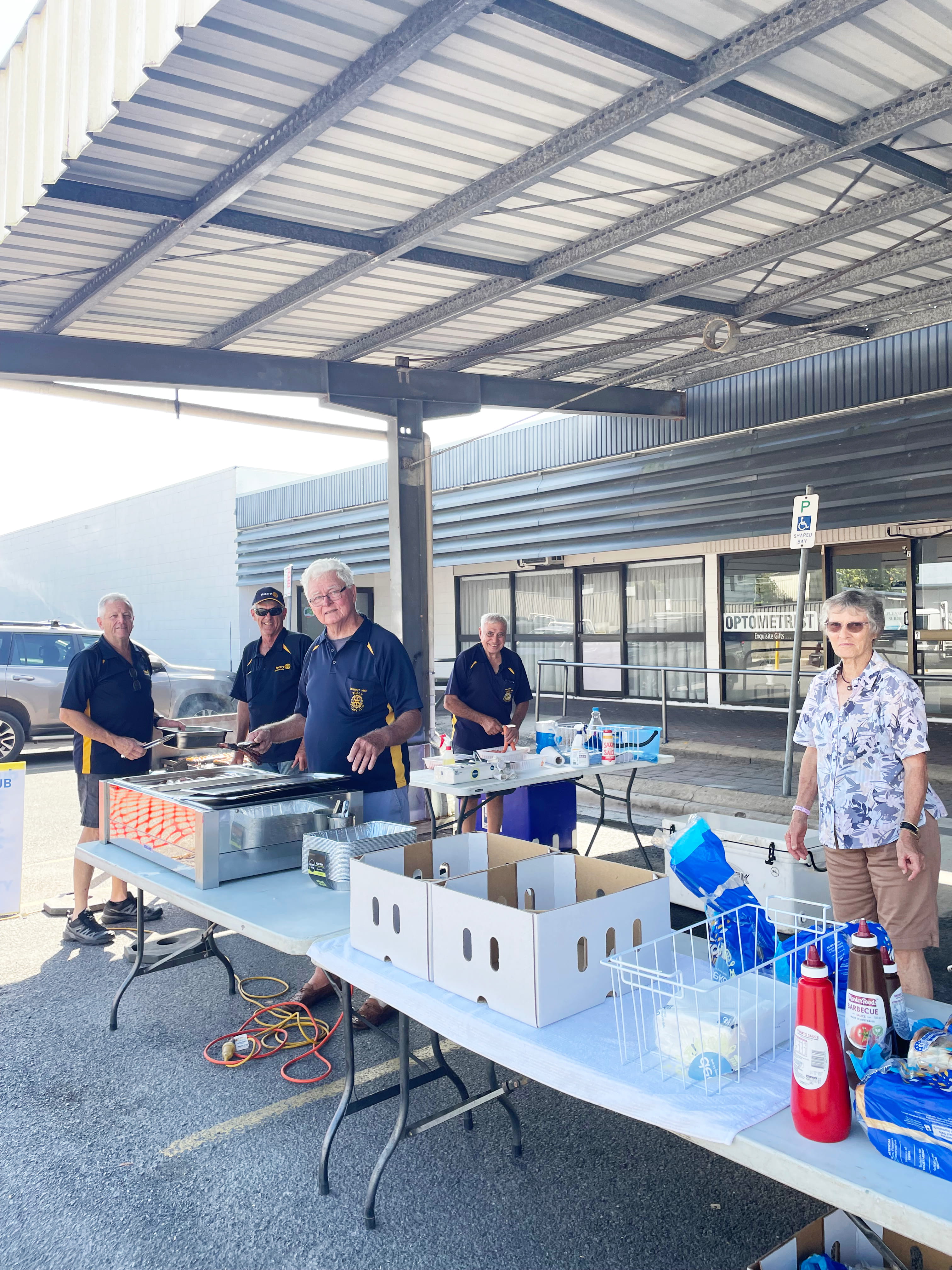
“A special thank you to all the schools and businesses that made this day possible - we wouldn't have been able to do it without you! A further thank you goes to the Tully Rotary Club for putting on the sausage sizzle that kept everyone fed and happy throughout the morning - your ongoing support and collaboration is greatly appreciated! We are so glad everyone could participate, and look forward to next year's event!”
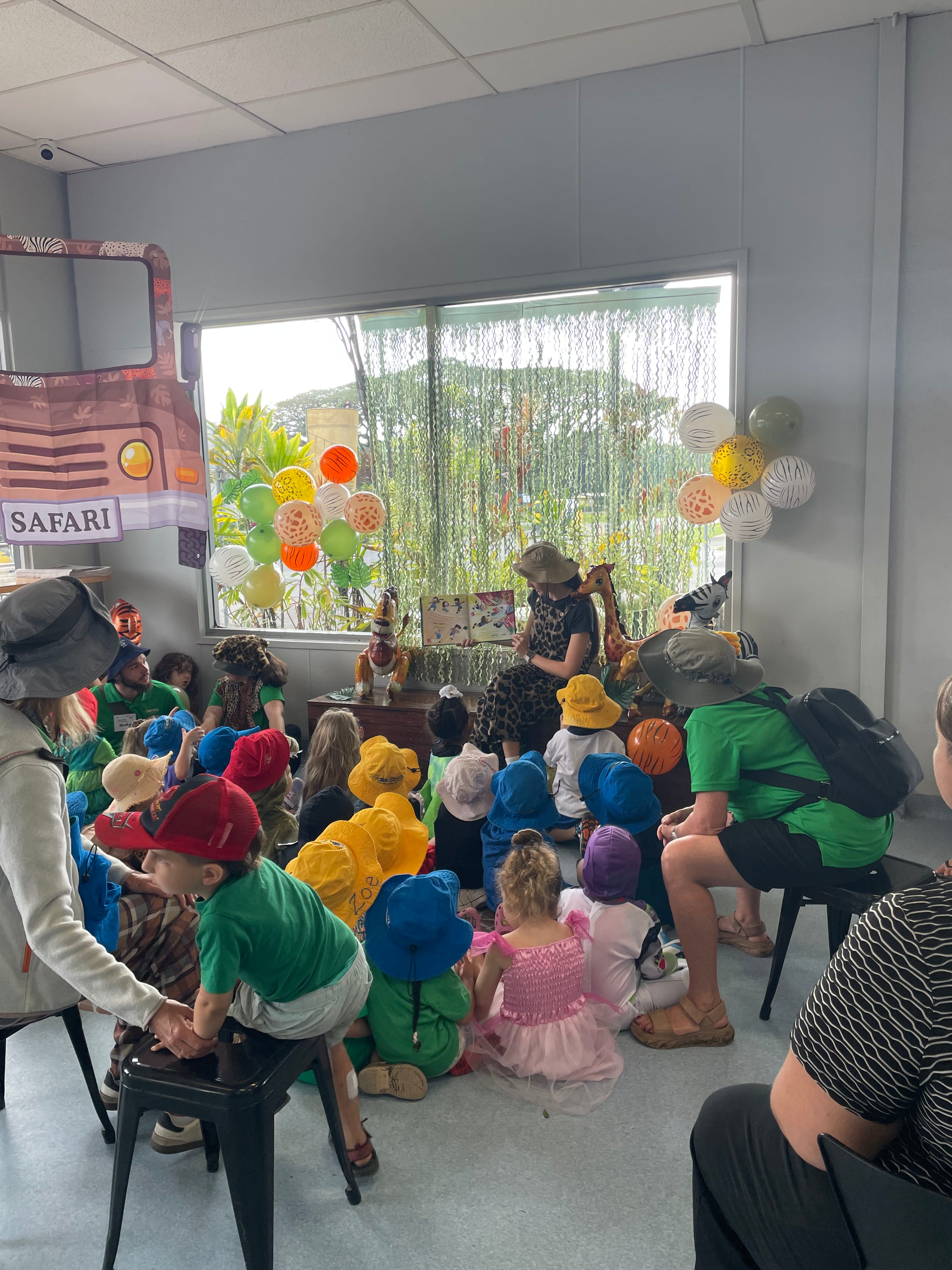
The Tully & District Chamber of Commerce’s next community event will be Xmas on the street; they welcome volunteers to get in touch via email: tullychamber4854@gmail.com

A 14-year-old boy has been charged following an alleged armed robbery at a Goondi Bend business, while Queensland Police Service (QPS) officials continue to seek information about a number of stolen vehicles across the Far North.
Innisfail Police allege the teenager entered a business on Palmerston Drive at about 12:30pm on Thursday 6th August, and threatened staff with a knife before stealing cash. No one was physically injured during the incident.
The boy was arrested a short time later, with Child Protection Investigation Unit detectives charging him with one count each of robbery with violence and stealing. He appeared in the Innisfail Children’s Court on Monday 17th August.
Meanwhile, police are seeking public assistance to locate vehicles stolen across the Far North in recent weeks.
Among those reported stolen are a black 2021 MG ZST taken from Cairns North, a white 2011 Mitsubishi Pajero stolen from Edmonton, a red 2003 Hino FC Series tip truck taken from Mareeba and a green 2008 Subaru Forester stolen from Earlville.
QPS said 31 vehicles had been reported stolen in the month, bringing the 2026 total to 491. In 2025, 808 vehicles were reported stolen. QPS are reminding motorists to lock their vehicles, remove valuables, secure spare keys and ensure homes and vehicles are kept secure.
Anyone with information about the alleged robbery or stolen vehicles is urged to contact Policelink by providing information using the online suspicious activity form 24hrs per day at www.police.qld.gov.au/reporting or report crime information anonymously via Crime Stoppers anonymously by calling 1800 333 000 or reporting online at www.crimestoppersqld.com.au.
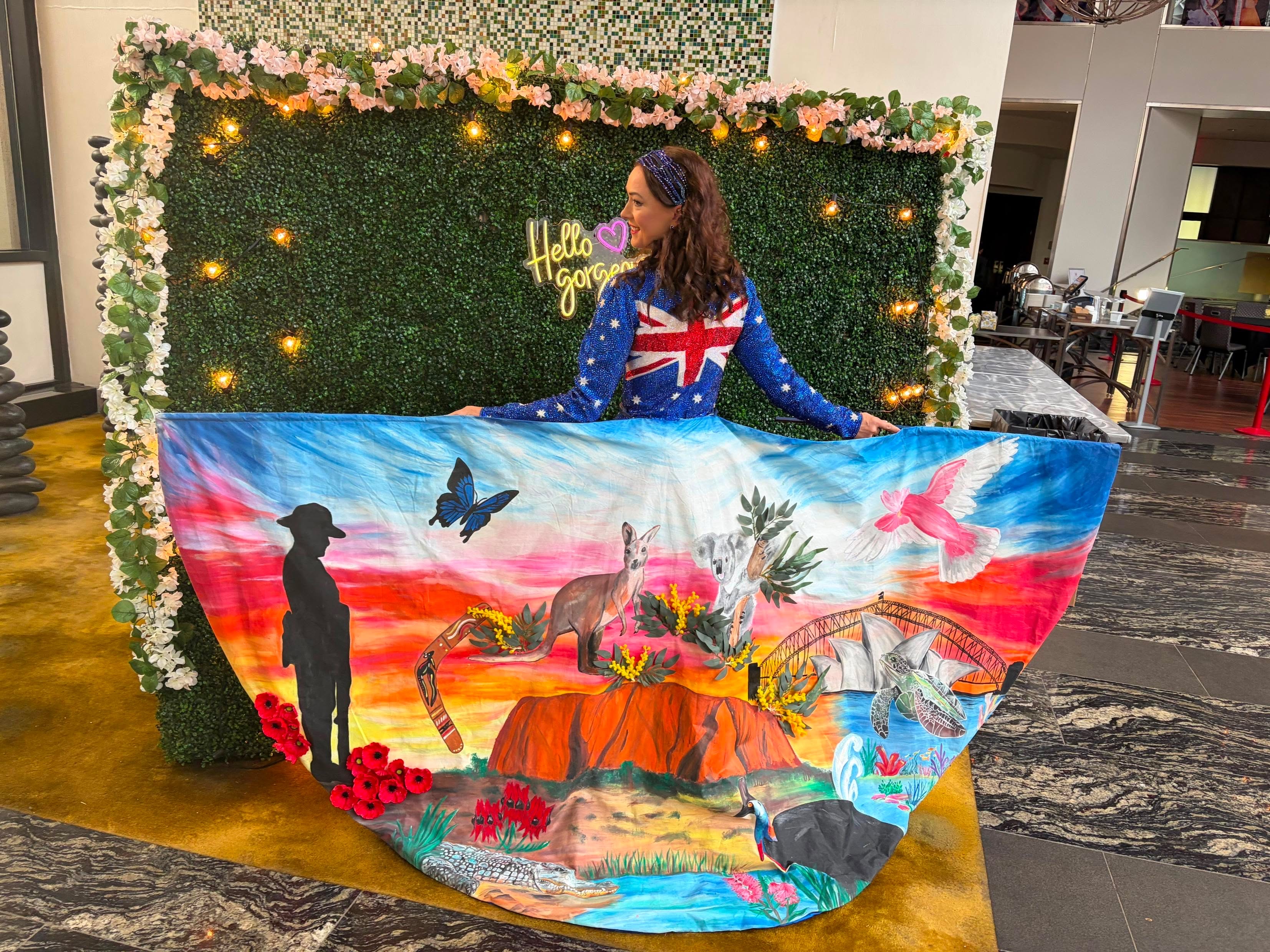
Victoria proudly displaying her Aussie heritage with handmade costume - Photo Supplied
By Sian Bantock
Victoria Letheby, a Mission Beach local has claimed a major international title after impressing judges at a prestigious American pageant.
The Coast to Coast Pageant, now in its 27th year, traditionally only accepts American entrants but opened its doors to international competitors for the first time last year.
Victoria was one of six Australians who made the long journey to New Jersey to compete alongside 325 candidates in the four-day event.
Throughout the weekend constants hoped to secure a place in the Supreme Ceremony which has just 30 coveted spots. Victoria not only made the cut - she won ‘Ms Division Supreme’ for the 30-39 age group.

Reflecting on her win, Victoria said the result was unexpected especially as it was her first American pageant.
“I was over the moon, I wasn’t expecting anything; when they called the names out I was crying my eyes out. It was also special having Team Aussie cheering me on,” Victoria said.
Her favourite section was ‘National Wear’ where she showcased her love of sewing and embody in a handmade costume celebrating her Australian Heritage. The leotard featured 90,000 gemstones, and the blue satin inside was fitted with lights to resemble the Milky Way, as well as images of Uluru, Soldiers from WW1 and a nod to her home town of Mission Beach with the Cassowary and the Ulysses Butterfly.
“I’m proud to be an Aussie and to be in America wearing our national flag and wearing the things that make us us. I’m the proudest Aussie you’ll meet,” Victoria said.

Victoria has been entering pageants since she was 18 but one of her most notable achievements was the Miss World Charity Queen title in 2025.
“I’ve tried to do pageants that help communities, fundraising for charities by doing fun runs,” Victoria said.
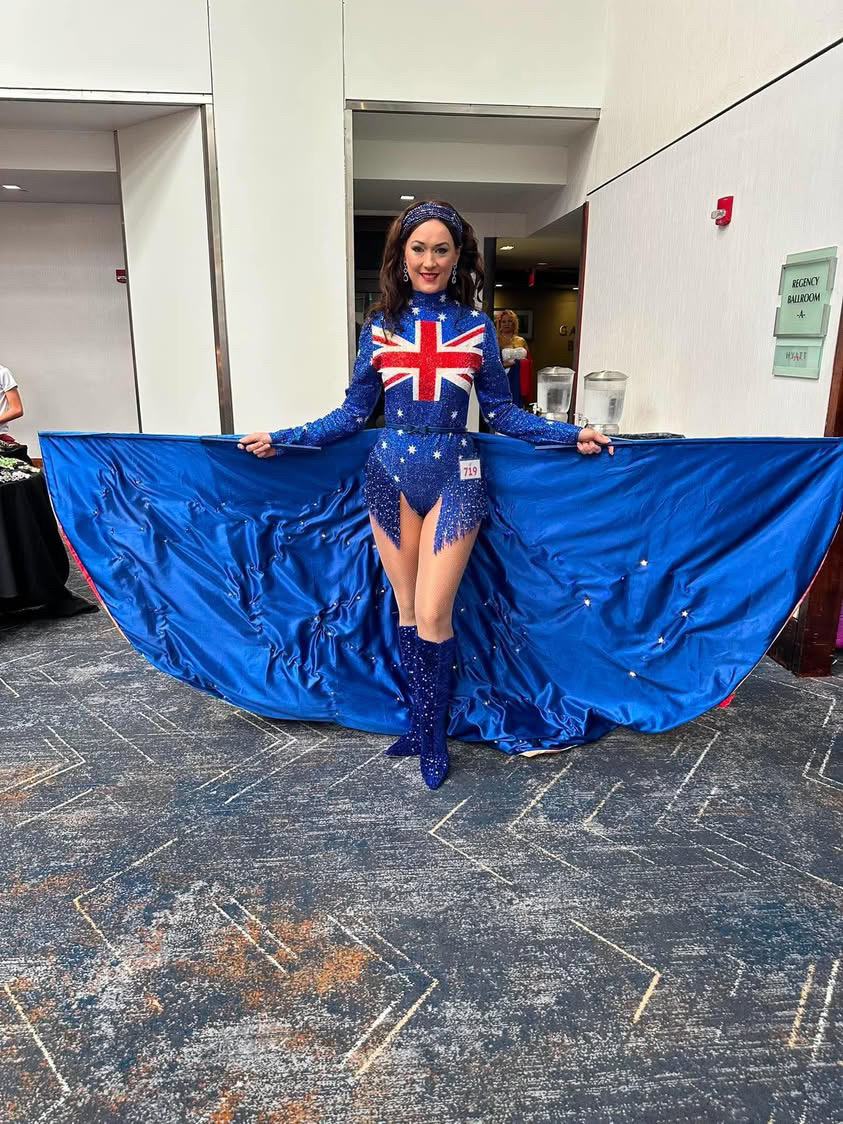
“I belong to the United Heroes of the world and so I cosplay as Wonder Woman, and I’ll be running in the Dream Land fun run at the end of the month.”
Victoria will hold her Coast to Coast title for the next year before handing over the crown to the 2027 winner. Follow her journey as Ms Division Supreme on Instagram at @miss_curly_sue_coast2coast

Accolades from the Pageant:
Winner - International Ms Division Supreme Coast to Coast 2026
Lauren’s Legacy Honouree
Divisional Runway Winner
3rd Runner- Up Top Model
1st Runner-Up Photogenic
1st Runner -Up Print Model
1st Runner- Up Spokesmodel
People’s Choice Recognition
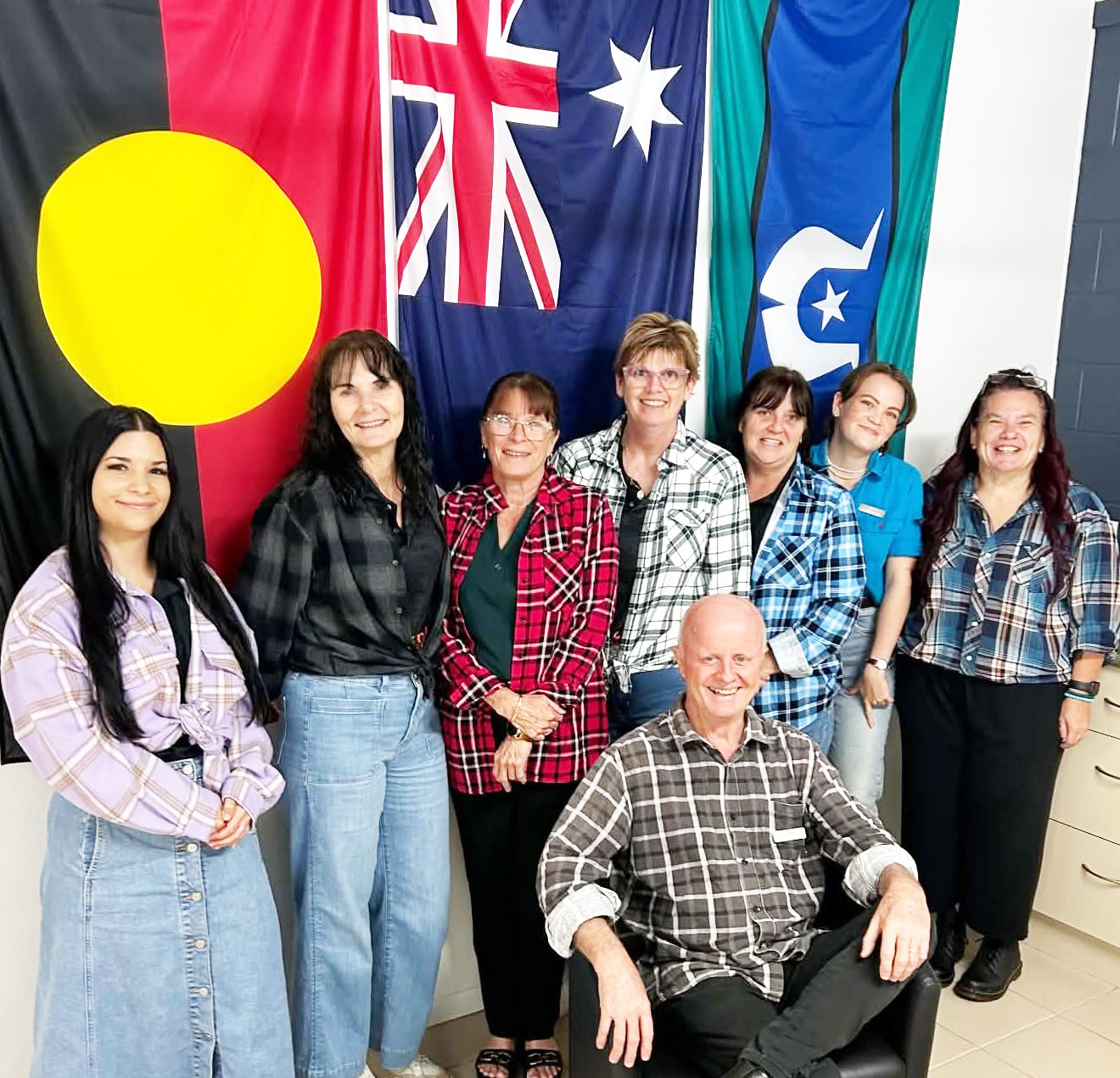
Tully Support Centre’s Stacy, Chris, Lana, Max, Jude, Abbie, Christy and Ross all threw on a flanno last Friday in support of Flanno for a Farmer. Photo supplied
Tully Support Centre has joined communities across Australia in showing their support for the farmers who help keep the country going, taking part in Flanno for a Farmer on Friday 14th August.
The annual initiative provides a simple way for Australians to stand behind farming families facing tough times, while raising funds to support those who need it. For Tully Support Centre Community Development Worker and Centrelink Agent Maxine Britton, getting involved was a natural fit for an organisation committed to supporting the local community.
“Our community is built on farming, and our farmers are an important part of the Cassowary Coast. Getting behind Flanno for a Farmer is simply one way of showing that we care, that we recognise the challenges many farming families face, and that no one should have to go through difficult times alone,” she said.
“We believe everyone deserves support, respect, and a sense of belonging, and that's what community is all about.”
Ms Britton said the challenges facing farming families could often go unseen, with work continuing despite the pressures behind the scenes.
“Machinery still runs. Crops are still planted. Work continues, day after day. But behind the scenes, many farming families are adjusting, stretching, and carrying more than they should have to,” she said.
For the Tully Support Centre, wearing a flanno was a small gesture with a bigger message: farmers are seen, valued and not alone. To learn more about Flanno for a Farmer or make a donation, visit flannoforafarmer.com.au
Publishers Indemnity. Any individual or entity that places advertising, supplies copy material, or submits editorial content to Life Publishing agrees and undertakes to ensure that all such material:- Does not infringe upon any copyright, trademark, or other intellectual property rights;- Is free from any content that could be considered defamatory, libelous, or slanderous;- Does not infringe upon any rights related to privacy or breach of confidence;- Contains no obscene, indecent, or otherwise unlawful material;- Complies fully with the Trade Practices Act and all other applicable laws, regulations, or statutes. Furthermore, by submitting or placing such material, these individuals or entities agree to indemnify and hold harmless the publisher, Life Publishing and Events Pty Ltd, and/or its agents from and against any and all investigations, claims, demands, liabilities, damages, costs, or judgments arising out of or in connection with the material provided. All material is believed to be accurate at the time of printing and remains the copyright of Life Publishing and Events Pty Ltd.
© 2026 Life Publishing Group Ltd.
