
Independently Owned, Locally Grown, Community Loved
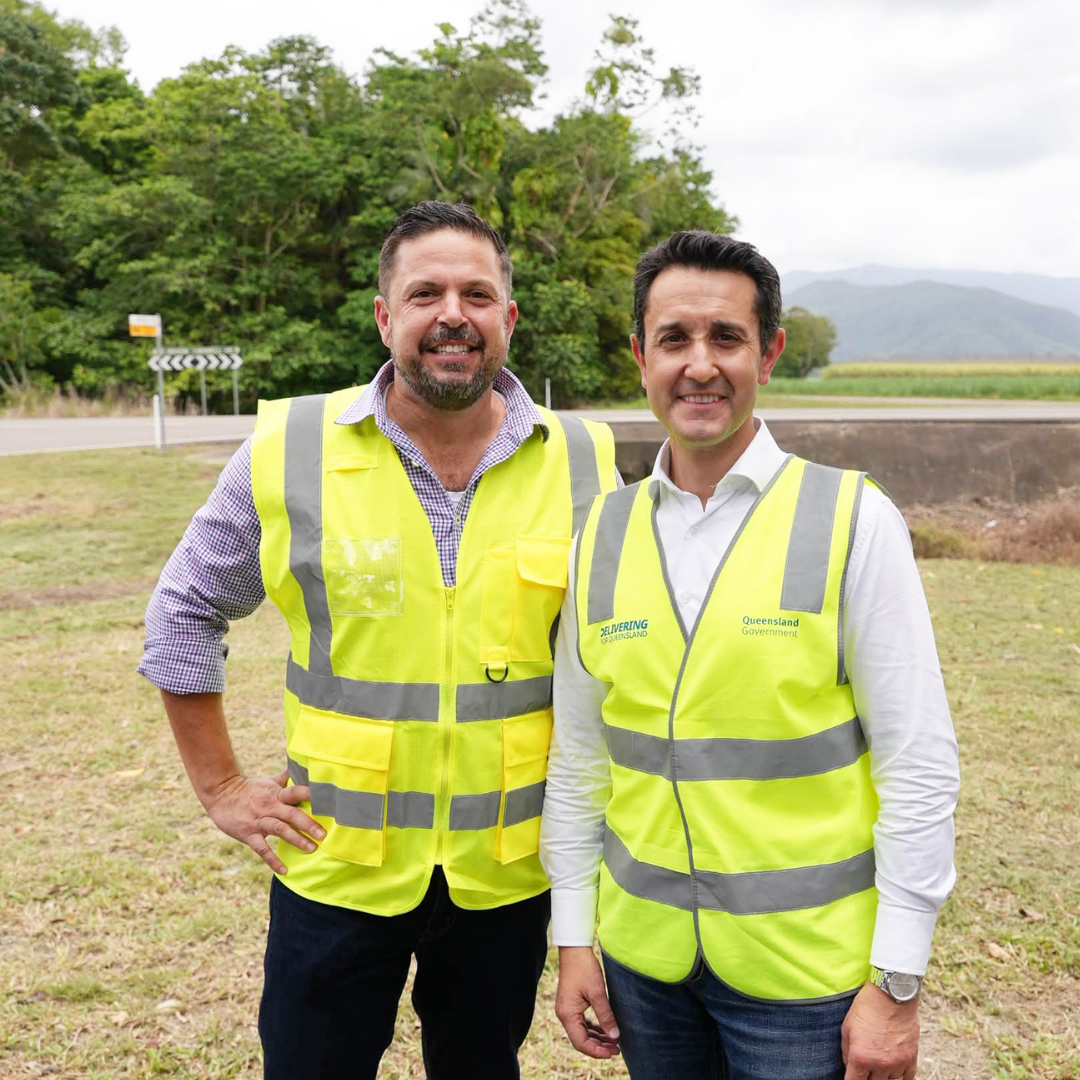
A major Bruce Highway upgrade is underway, with works at Gairloch, Ripple Creek, Ingham-Halifax-Bemerside Road and the Cardwell Range targeting safer travel and improved flood resilience. The long-awaited improvements aim to reduce the severity of flooding across key sections of highway and help prevent head-on crashes, addressing challenges that can disrupt communities and isolate motorists during the wet season.
Read the full story
This NQIB Country Cups Challenge Qualifier Race Day, racegoers are invited to embrace this year’s theme, Country Glamour. The Herbert River Jockey Club event will feature 10 Fashions on the Field categories, catering to everyone from junior entrants to experienced fashionistas. Categories include Forrest Beach Realty Fashions on the Field, Ingham Mazda Contemporary Lady of the Track, NQ Travel & Cruise Classic Lady of the Track, The Bloom Room Townsville Millinery and Lifelong Supports Best Dressed Man of the Track. Junior and youth categories, alongside Spotter’s Choice, will offer further opportunities to take part. Three judges will bring their individual fashion and racing experience to the competition. Amy Byrnes grew up immersed in racing, travelling to meetings with her family and making memories at Cluden Park. Now a racehorse owner herself, she enjoys attending meets across Queensland and internationally. Amy will be looking for confidence, personality and the joy an outfit brings to its wearer, with an appreciation for thoughtful accessories and finishing touches. Milliner Cat Murphy brings more than a decade of experience creating headwear worn at race meetings across Australia and in London. A passionate racing enthusiast, she values outfits that work cohesively with the theme, combining comfort, confidence and attention to detail. Millinery will naturally be a particular focus, whether a bold statement piece or a classic, understated design. Marnie Davidson brings a competitive edge, having collected 27 sashes during three years of Fashions on the Field competitions around Australia. Her achievements include finalist positions at Flemington’s Melbourne Cup Derby Day and Turnbull Stakes, as well as qualifying for several major fashion events. A self-confessed lover of coordinated looks, Marnie will be keeping an eye out for the little details that bring an outfit together. With experienced judges and a Country Glamour theme, racegoers are encouraged to bring their own interpretation of raceday style to the track. For event information and the full list of categories, visit hrjc.com.au. Dress to impress at the Country Cups this November. Photo sourced: Herbert Rivr Jockey Club
Read the full story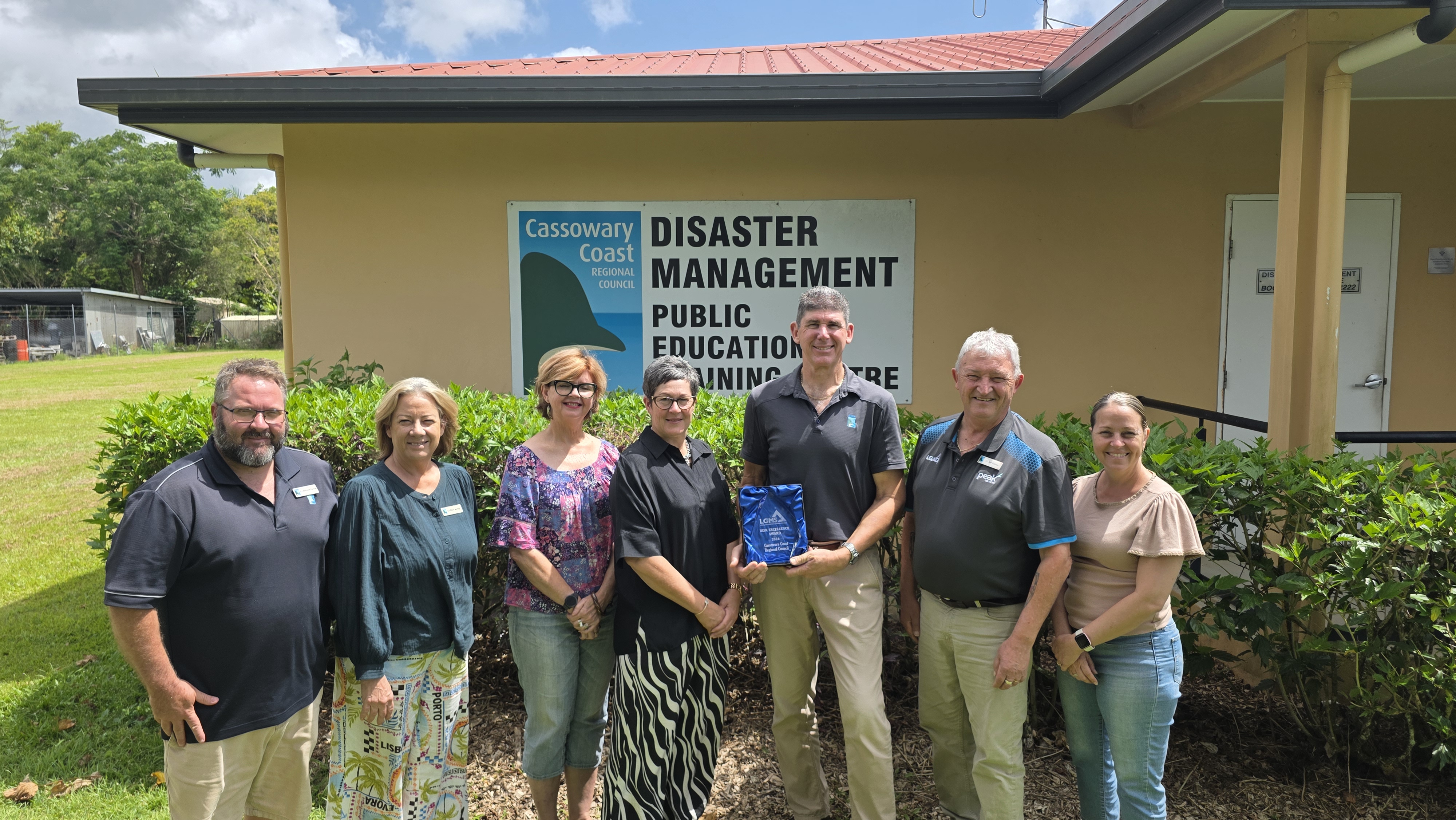
Cassowary Coast Regional Council has been recognised for its innovative approach to flood monitoring, taking home the Local Government Mutual Services (LGMS) Risk Excellence Award at the Local Government Association of Queensland (LGAQ) Conference on Tuesday evening. The award recognises Council's Flash Flood Sensor Network project, which uses radar technology to monitor water levels at known flood-prone locations across the region. The information from the flood sensors is integrated into Council’s Disaster Dashboard, giving residents, emergency services and Council access to local conditions as they change. Cassowary Coast Mayor Teresa Millwood said the recognition highlighted Council's commitment to finding practical ways to improve community safety and disaster preparedness. "Living on the Cassowary Coast, we know how quickly heavy rainfall can turn into dangerous flooding, particularly in areas where water levels can rise with very little warning," Mayor Millwood said. "These sensors give us another set of eyes on some of our known flood trouble spots, providing real time information without having to send staff out into potentially dangerous conditions. "What's particularly important is that this information isn't just for Council. Our residents in flood prone areas can also access this information on the Disaster Dashboard to help them asses their risk, get prepared and make plans in case flooding looks likely." The network has already supported information sharing with local police and State Emergency Service personnel around Mission Beach, helping emergency services monitor conditions at known flood-prone locations. Previously, monitoring these locations relied heavily on weather forecasts, community reports and staff inspecting conditions on the ground. The technology provides another source of information to support earlier identification of rising water levels, planning for potential road closures and coordinating responses during heavy rainfall. Council is continuing to assess the network through a three-year trial, using observations from residents and emergency services to verify sensor readings and evaluate its effectiveness. Residents can access flood monitoring information, road updates and other important disaster information on Council’s Disaster Dashboard by ticking *New Water Levels Visit: www.disaster.cassowarycoast.qld.gov.au Caption: Cassowary Coast Regional Council has been recognised for its innovative approach to flood monitoring. Photo supplied
Read the full story
I have spent sleepless nights since last Monday, praying for my long-term and good friend in the Parliament, Helen Haines, along with her family, staff and the first responders to an inexcusable act on a beautiful human being inside and out, who has brought much sparkling joy and enlightenment to the centre of the crossbench. Whilst we are at opposite ends of the country and representing significantly different electorates, my tremendous respect of Helen’s tenacious advocacy for what she believes in, matches my great appreciation of our genuine friendship. We don’t represent a political party based in Melbourne or Sydney or Brisbane – we represent the people who sent us to parliament: the people of our electorate. And there’s no doubt that a terrible blow has been struck against democracy and the people of Australia. A lady in every sense of the word, Helen is a true moderate of the highest regard across the political spectrum – with the ability to get on with people with very definite views like the teals on one hand, and people like himself on the other. And I cannot help but think of her smiling face, whenever I leave the Chamber and tap her on the shoulder to ask, “You right if I leave this all under your control, Helen?” and her cheerful reply, “Yes Bob,” both of us laughing. Not to mention her culinary skills in constructing the most delicate of sponge cakes. Though I react quite frankly with rage and fury at this evil that can have no exculpatory explanations, may we all pray that God’s blessings are with Helen and her family, staff and friends as we all rally around them to provide the support they need during this extremely difficult time. Hon. Bob Katter MP, Federal Member for Kennedy Federal Kennedy MP Bob Katter at Australian Parliament House with his independent crossbench colleague Helen Haines MP, the Member for Indi. Photo supplied
Read the full story
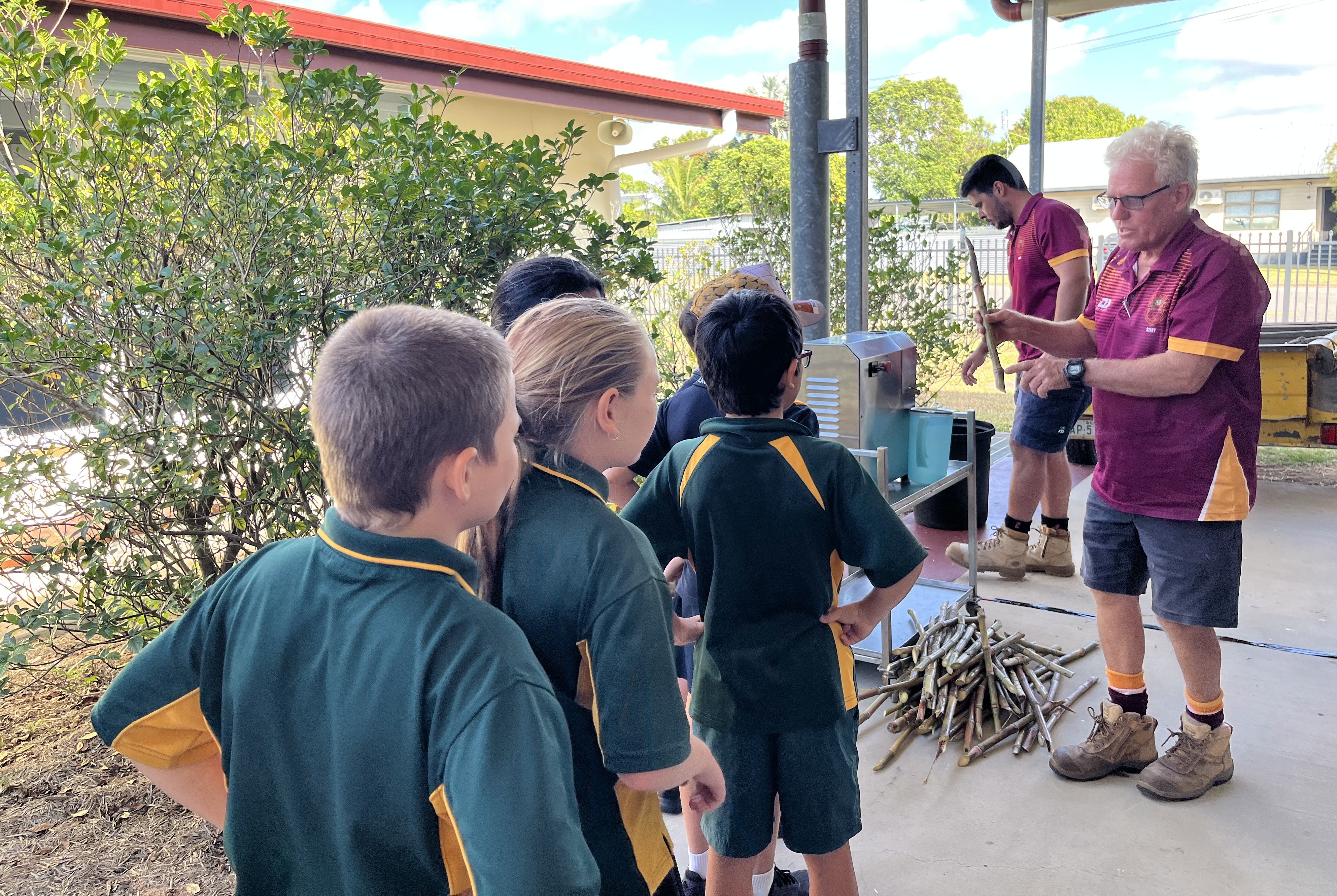
Teacher Mr Max Fenoglio assists students from Forrest Beach State School to make fresh sugar cane juice during the recent Year 5 Transition Day. Photo supplied: Ingham State High School
Contributed with thanks by Ingham State High School
At Ingham State High School, we recognise the importance of preparing future students for the transition from primary to secondary education. To give students the best possible start to their high school journey, the school offers a comprehensive Transition Program involving all local primary schools across the district.
The program begins in Year 5, with students attending a full day of engaging rotational activities focused largely on STEM — Science, Technology, Engineering and Mathematics.
The program continues throughout Year 6, with High School Experience Days held across the year. These days provide students in their final year of primary school with a valuable opportunity to become increasingly familiar and comfortable with the high school environment before making the transition to Year 7.
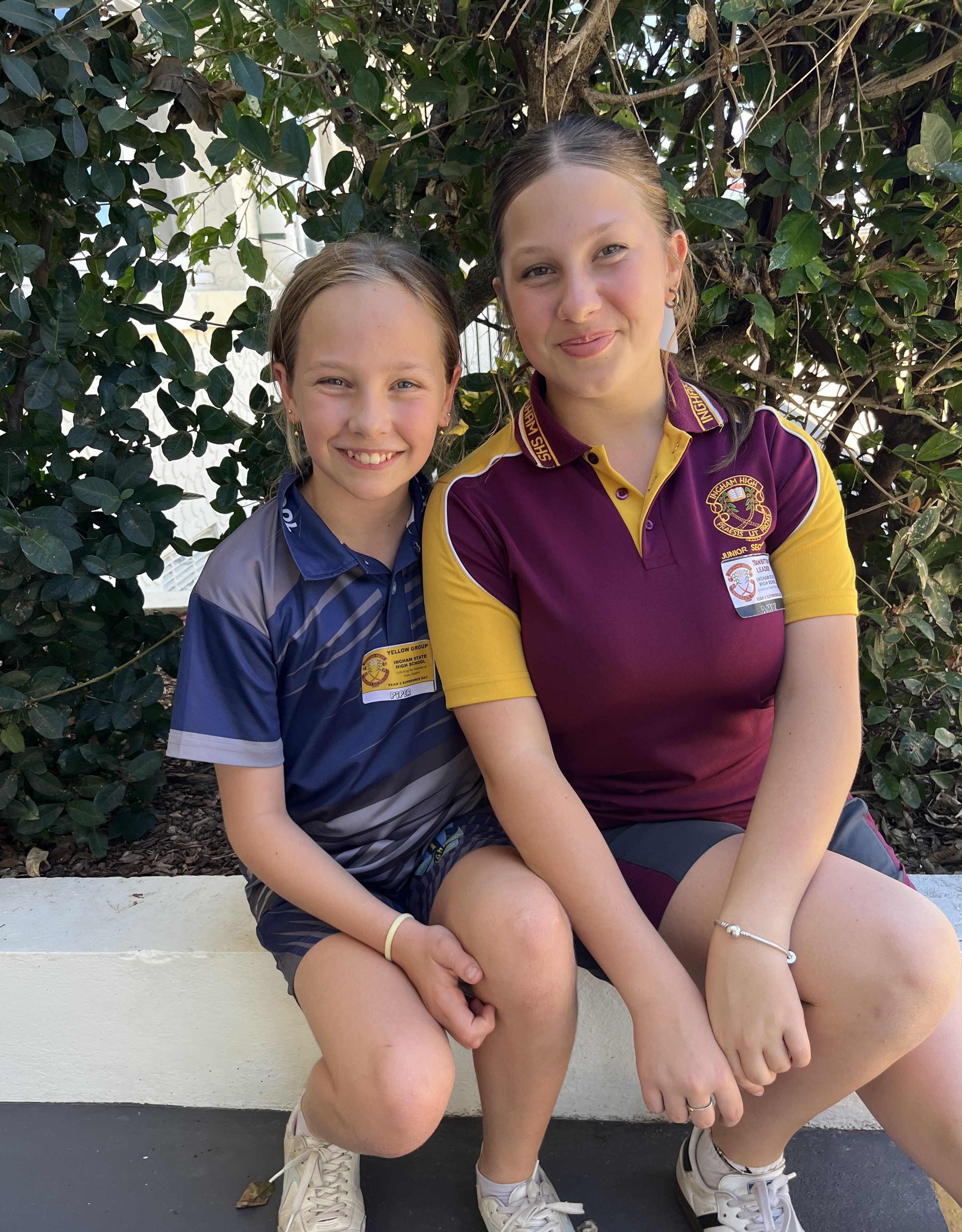
A particularly important part of the program is the involvement of the school’s Year 9 Student Leaders. These students play a key mentoring role throughout the transition days, welcoming future students, escorting them around the school and helping them feel comfortable and confident in their new surroundings.
Two further Year 6 Experience Days will be held in 2026 on Friday 23rd October and Monday 7th December.
Through opportunities to explore, learn, connect and build confidence, Ingham State High School's Transition Program aims to ensure students feel supported and ready to embrace the opportunities of secondary education.
For further information about the Transition Program or enrolment opportunities, parents and caregivers are encouraged to contact Ingham State High School on (07) 4797 1333 or email admin@inghamshs.eq.edu.au
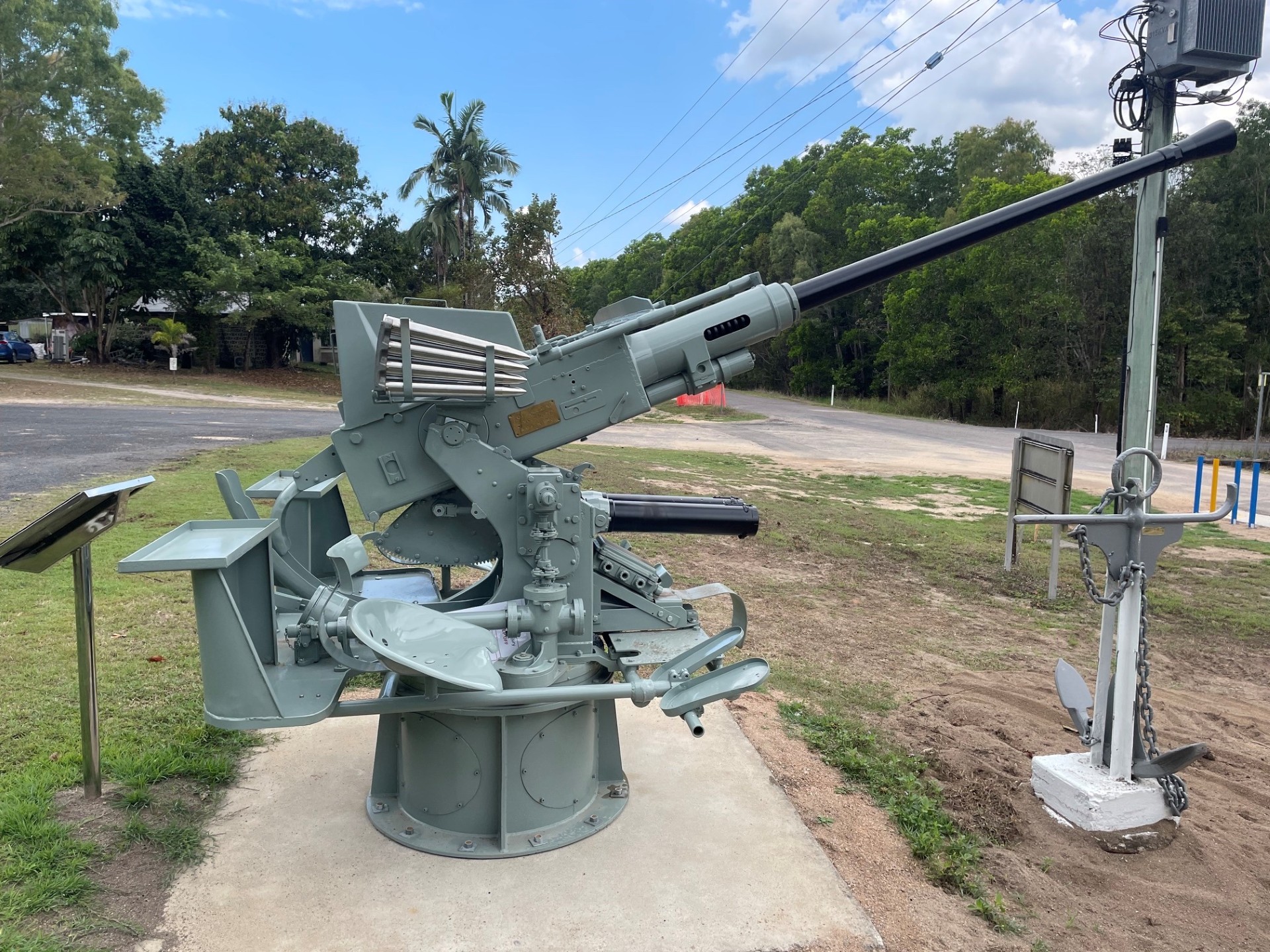
Photos supplied: Robert Lang, President of the Cardwell RSL Sub Branch
A new addition was recently added to the previously refurbished 40mm Bofors gun at the Cardwell RSL Sub Branch, with four stainless steel simulated rounds crafted to accompany the historic weapon.
The addition was made possible through the concept provided by Toby Wilkes, a former Royal Australian Navy stoker, who put his Defence Force experience to work on the project. The lathe work was provided by a local boat repair workshop.
Cardwell RSL Sub Branch President Robert Lang said the team was grateful for Toby’s contribution and the work of volunteers who continued to lend their skills to the community.
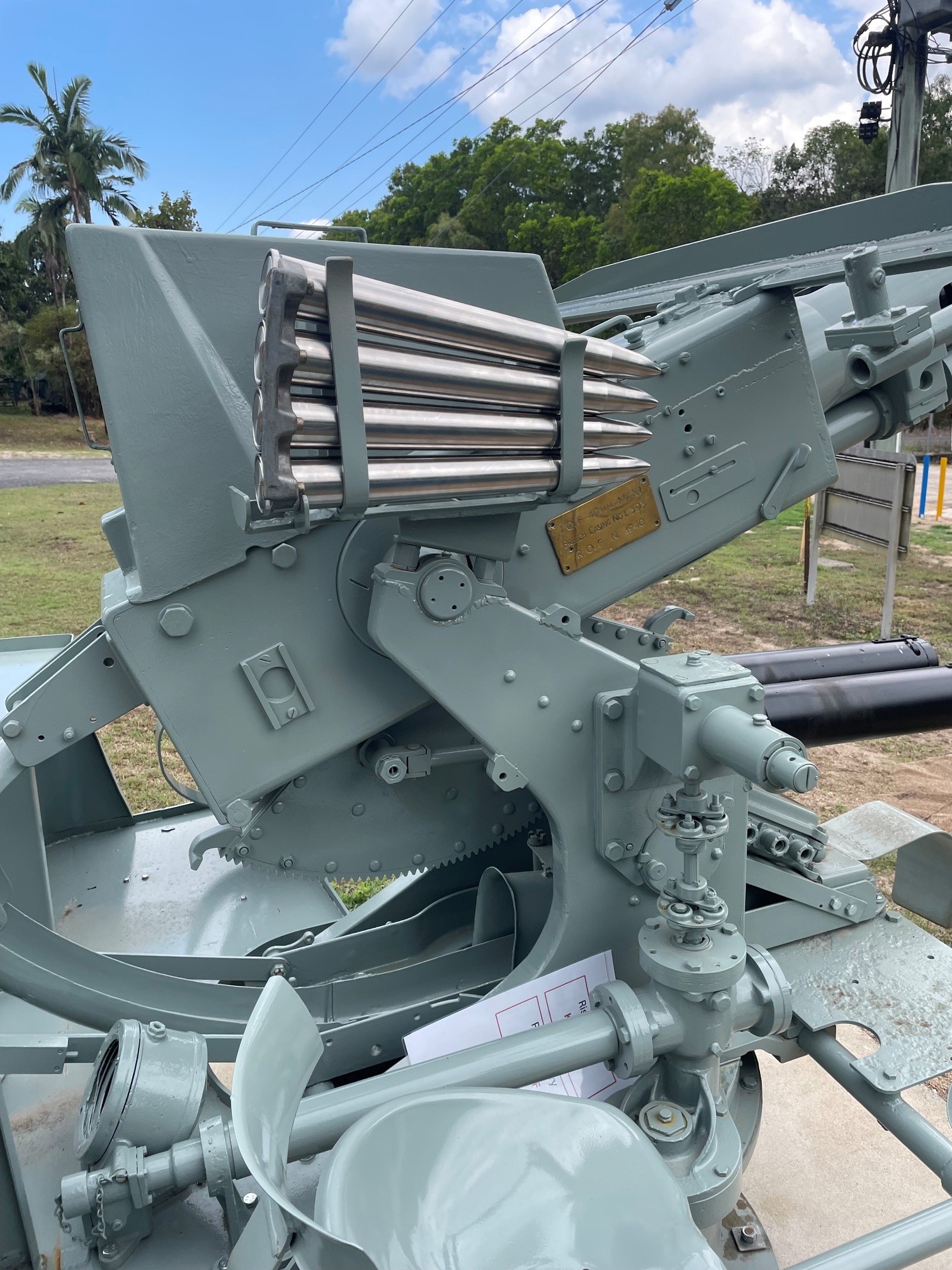
“Our thanks to Toby Wilkes, a former Royal Australian Navy stoker. Toby is one of many talented volunteers who regularly apply their skills learned in the Australian Defence Force to good effect at the Cardwell RSL.”
The four stainless steel simulated rounds add another visual element to the Bofors gun, helping present the historic piece as part of the sub branch’s ongoing recognition of Australia’s military history.
For the Cardwell RSL Sub Branch, the project is also another example of the contribution former Defence personnel continue to make long after their service has ended.
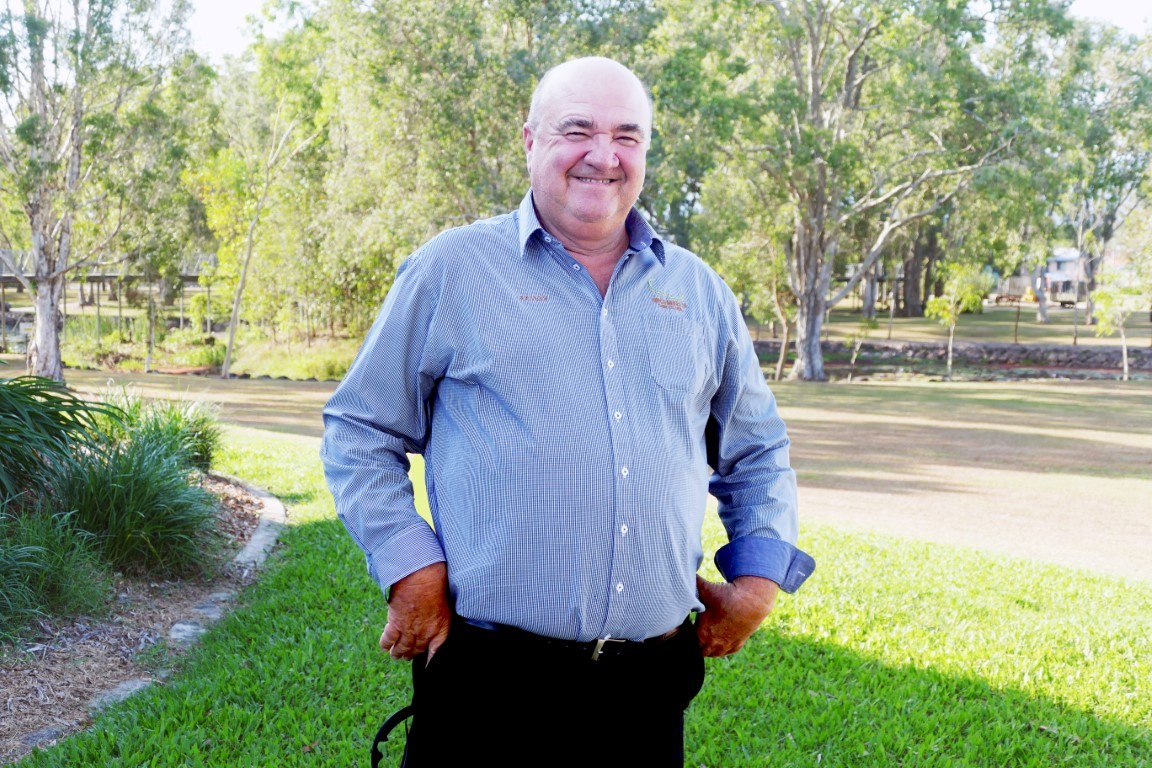
I would like to formally recognise and congratulate Council's Strategic Communications Coordinator, Carenda Jenkin, on recently being named Queensland's Communications Professional of the Year at the Local Government Association of Queensland's LGx Awards for Excellence.
This is a significant achievement when you consider that the award recognises communication excellence across local government in Queensland.
It is a highly competitive field, particularly given the size, resources and budgets available to many of the larger city councils throughout the state. In my view, Carenda's success reflects her exceptional ability to communicate effectively and her deep understanding of regional communities.
Carenda has spent almost 25 years telling the stories of country towns, local people, volunteers, businesses and community organisations. She understands that communication is not just about sharing information.
It is about connecting people, building trust and helping communities understand what is happening around them.
Communication in local government is critical. It is important that our community remains informed about what Council is doing, what we are proposing to do and what we are delivering on behalf of residents. That is what accountability is all about. Effective communication ensures information is shared openly and the community has the knowledge it needs to understand Council's decisions and actions.
Since joining Hinchinbrook Shire Council in June 2025, Carenda has thrown herself into the role. If you have ever worked with her, you will know there is very little she will not put her hand up for. Whether it is helping community groups, supporting Council projects, promoting tourism opportunities, advocating on major issues or communicating during disaster events, she genuinely cares about achieving positive outcomes for the people of Hinchinbrook.
Community members have already commented on the improved flow of information coming from Council over the past year, and that is something we want our community to become accustomed to and can be confident will continue.
One of my biggest concerns arising from the 2025 flood event was our inability to get information out to the community as quickly and effectively as we would have liked. At a time of crisis, our community needed timely and accurateinformation. While widespread power outages and the resulting loss of communication capabilities were major factors, we also navigated the early stages of that event without dedicated communications expertise. That created significant challenges for Council. Fortunately, we have now addressed that gap through securing the services of Carenda, whose expertise will continue to strengthen our communications capability into the future.
On behalf of Council and the Hinchinbrook community, congratulations, Carenda, on this well-deserved recognition. We are incredibly proud of your achievement and grateful for the contribution you continue to make to our organisation and our community.

During the Hinchinbrook by-election, one message came through loud and clear – our community wanted stronger action on crime.
People were frustrated with the revolving door of offenders being granted bail, breaching their conditions and going on to commit more offences.
I heard that message, and since being elected I have continued to advocate for stronger consequences when offenders breach the trust that comes with being granted bail.
Last week, we took a significant step forward.
The Crisafulli Government introduced Breach Bail, Go to Jail legislation into the Queensland Parliament, delivering what will be the toughest bail laws in the country.
Under the proposed laws, if a youth offender is on bail and commits an Adult Crime, Adult Time offence, they will face a mandatory minimum 12 months detention.
Importantly, the reforms also apply consequences to adult offenders who commit prescribed serious offences while on bail.
The legislation will also strengthen the test applied when bail is being considered. Courts will need to be reasonably satisfied that an offender will comply with their bail conditions and will not commit another offence while released into the community.
That is an important change.
Bail should be a privilege, not a revolving door back onto our streets.
Adult Crime, Adult Time was an important first step in restoring consequences for serious offending. We are starting to see progress, but we have always said that when the laws need to be strengthened, we will act.
That is the difference listening to the community can make.
For me, this is also about delivering on what people across Hinchinbrook told me during the by-election. I said I would take their concerns about bail and repeat offending to Brisbane and fight for stronger laws.
We have done that, and now legislation is before Parliament.
There will always be more work to do when it comes to community safety. No government should ever declare the job finished while Queenslanders continue to become victims of crime.
But this is another significant step towards putting victims first, holding offenders accountable and making our communities safer.
The people of Hinchinbrook asked for stronger consequences.
We listened. We advocated. And now we are acting.
Funding Opportunity Opens for Hinchinbrook Events
Hinchinbrook event organisers have a new opportunity to secure funding to grow local events, attract visitors and deliver greater economic benefits to the region.
The Hinchinbrook Chamber of Commerce, Industry & Tourism Inc. is encouraging local event organisers to explore the newly opened Homegrown Round 2, 2026 funding program, delivered as part of the Queensland Government's Destination 2045 tourism strategy.
The program provides grants of between $15,000 and $100,000 across four funding streams, supporting Queensland events that have the potential to attract visitors, generate overnight stays and strengthen local economies.
For a region such as Hinchinbrook, where community events play an important role in bringing people into our towns and showcasing what the region has to offer, funding opportunities such as Homegrown can provide valuable support for event growth.
Funding can be used for activities including out-of-region marketing, program enhancements, accessibility and sustainability initiatives, as well as specialist support to help events increase their tourism impact.
The Queensland Government invested $1.17 million through the first round of Homegrown funding in 2026, supporting 21 events that are anticipated to generate more than $90 million for the Queensland economy.
The second round builds on this investment, with eligible events taking place between April 2027 and June 2028 able to apply.
The Hinchinbrook Chamber sees the program as an opportunity for local organisers to think beyond simply staging an event and consider how events can contribute to the broader visitor economy.
Well-promoted events can encourage visitors to stay longer, dine locally, shop locally and explore other attractions throughout the Hinchinbrook region. This creates flow-on benefits for accommodation providers, hospitality businesses, retailers, tourism operators and other local businesses.
The Chamber also recognises the important role that events, community festivals, sporting events, markets and cultural activities can play in positioning Hinchinbrook as a destination for many and diverse visitors.
Well planned and delivered events are not only about what happens on the day. They provide an opportunity to tell the story of our region, showcase local talent and businesses, encourage visitation and build reasons for visitors to return.
The Chamber encourages eligible local event organisers to investigate the Homegrown program and consider whether funding could assist in taking their event to the next level.
Applications for Homegrown Round 2, 2026 close Tuesday 6th October 2026, with funding available for eligible events held from April 2027 to June 2028.
For Hinchinbrook, continued investment in events means continued investment in our visitor economy, our local businesses and the vibrancy of our communities.
For more information visit teq.queensland.com.
Hinchinbrook Shire Mayor Ramon Jayo is part of a growing chorus of North Queensland leaders warning proposed changes to federal disaster funding could leave regional councils and ratepayers shouldering a greater share of recovery costs.
Hinchinbrook Shire Council is among five councils within the North Queensland Regional Organisation of Councils (NQROC) opposing proposed changes to disaster funding arrangements expected to take effect from July 2027.
Under current arrangements, in place since 2018, the Federal Government contributes 75 per cent of eligible costs associated with disaster preparation, reconstruction and resilience, while Queensland contributes 25 per cent.
NQROC says the proposed model would reduce the Federal Government's contribution to 50 per cent.
According to Queensland Reconstruction Authority figures cited by NQROC, Queensland could receive $213.5 million less each year under the proposed arrangements, while the Federal Government would gain almost $329 million annually when changes across the country are considered.
For Hinchinbrook, a region regularly exposed to cyclones, flooding and severe weather, Mayor Jayo said local governments were already stretching ratepayer dollars as far as possible.
“Our communities expect essential services and infrastructure to be restored quickly after a disaster, but that becomes increasingly difficult if councils are required to shoulder more of the financial burden,” Mayor Jayo said.
“Strong disaster recovery funding isn't a luxury for regional communities, it's a necessity.”
Hinchinbrook Shire Council has joined councils from Townsville, Burdekin, Charters Towers and Palm Island in lodging submissions outlining concerns about the potential impact on communities, infrastructure and long-term disaster recovery.
Townsville Mayor Nick Dametto backed the concerns, calling for the Federal Government to listen to councils responsible for rebuilding following natural disasters.
“We're calling on Canberra to listen to the people on the ground who are rebuilding roads, bridges, water networks and community facilities after every flood, cyclone and severe weather event,” Mayor Dametto said.
“Councils across Australia are waiting with bated breath to see whether their voices are being heard. If Canberra doesn't listen, this will be a disaster of a deal.”
Queensland Senator and Shadow Minister for Northern Australia Susan McDonald has also criticised the proposed changes after hearing concerns from councils at the Australian Local Government Transport Conference in Cairns.
“These are councils already struggling with rising costs, stretched budgets, low rates bases and increasing demands on their services,” Senator McDonald said.
“Regional Queenslanders already face higher costs and longer recovery times. The last thing they need is Labor shifting more of the burden onto councils and local ratepayers.
“The Albanese Government should scrap these cuts and ensure councils have the support they need to rebuild when disaster strikes.”
NQROC is calling on the Federal Government to ensure regional communities are not left carrying a greater share of disaster recovery costs and is seeking greater transparency around the review process through a public submission dashboard.

Image from Pexels
Parents and carers across the Cassowary Coast are invited to take part in a FREE online workshop designed to help children develop healthy relationships from an early age.
The Raising Respectful Kids Workshop will explore practical ways parents can teach children about consent, personal boundaries and healthy friendships, providing families with tools to start important conversations at home.
Hosted online via Zoom, the session will run from 1pm to 2:30pm on Thursday 3rd September, making it easy for parents and carers to join from home.
The workshop has been made completely free for families across the Cassowary Coast, Atherton Tablelands and Mareeba as part of an Australian Government-funded children and parenting initiative by VPG.
Bookings are essential, with registrations required by Wednesday 2nd September.
To register or find out more, contact Kate at kate@vpginc.com.au or 0488 321 605.

Professional Innisfail real estate shopfront. Photo supplied
Real estate, for Annette Swaine, extends beyond property. At its heart, it is about people, supporting clients through important life decisions and helping them confidently navigate what comes next.
Based in Innisfail, Annette works with clients across the Cassowary Coast in residential, rural and commercial property. As the leader of Professionals Innisfail, she has built her approach around understanding individual needs, providing trusted guidance and making what can often be a complex process feel simpler.
Annette is supported by a team with expertise across the region’s diverse property market, including her husband David Swaine, who specialises in commercial, business and rural sales. Professionals Innisfail also has an experienced rental management team with strong local knowledge, providing property management services for landlords and tenants across the region.
From productive rural land and established town centres to coastal communities, lifestyle properties, businesses and commercial investments, the team offers clients access to knowledge across a broad range of property needs.
“There is a strong sense of connection and resilience across the region, and I feel privileged to live and work in a place where relationships still matter,” Annette said.
Annette’s commitment to the region has also driven the expansion of Professionals Innisfail through the acquisition of other local real estate businesses.
“The decision was driven by a belief in the future of the Cassowary Coast and a desire to provide stronger, more comprehensive service across the region,” she said.
Bringing established businesses and teams together has strengthened the agency’s local knowledge, experience and networks, while allowing it to retain the personal service expected from a regional agency.

“We can offer broader market reach, share expertise and provide clients with more support across different property types and locations,” Annette said.
Annette believes reputation is built through consistency, honesty and follow-through, particularly when circumstances become challenging.
“I believe in giving clients clear, realistic advice rather than simply telling them what they want to hear,” she said.
Working across residential, rural and commercial property has reinforced that there is no one-size-fits-all approach. A family selling its home has different priorities to a farmer planning succession or a business owner considering an investment.
“Each situation requires careful listening, specialist knowledge and a strategy tailored to the client’s goals.
“Online research is useful, but it cannot replace current advice from someone who understands the area at street and property level,” Annette said.
Community involvement is equally important to Annette, who believes a regional agency should be part of the community it serves. Professionals Innisfail supports local sporting, business networking and community events throughout the year.
Outside the office, Annette enjoys spending time on the water aboard her boat, Over The Moon. Fishing is her favourite pastime, and she is a long-term committee member of the Innisfail Game Fishing Club, as well as a sponsor and participant in the annual Innisfail Billfish Tournament.
Annette’s plans for the future is to drive Professionals Innisfail to continue growing while maintaining its personal approach and strengthening its presence across the Cassowary Coast.
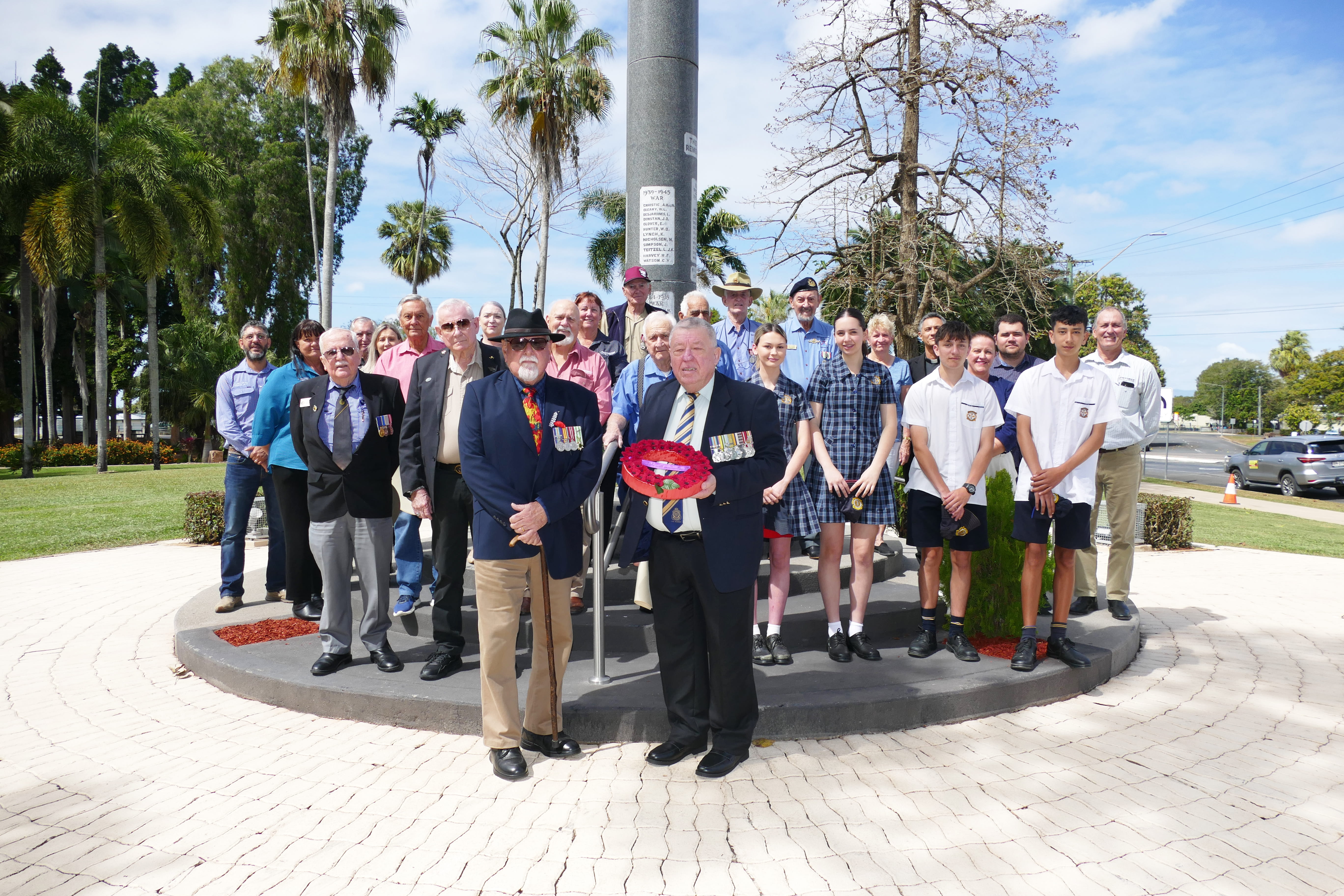
Sixty years after the Battle of Long Tan, Vietnam Veterans’ Day provided an opportunity for the Hinchinbrook community to pause and remember those who served during one of Australia’s most significant and difficult military conflicts.
Veterans, families, community members and Hinchinbrook Shire councillors gathered at Ingham’s cenotaph on Tuesday 18th August to honour those who served, those who made the ultimate sacrifice and the families who carried the impact of the war.
The commemoration also reflected on the experiences of Vietnam veterans after returning home and the importance of ensuring their service and stories continue to be remembered by future generations.
By Victoria Velton
Vietnam Veterans’ Day was commemorated across the region on Tuesday 18th August, marking 60 years since the Battle of Long Tan and remembering the Australians who served during the Vietnam War.
At Ingham’s cenotaph, veterans, Hinchinbrook Shire councillors, families and community members gathered to honour those who served, including the 18 Australians who lost their lives at Long Tan on 18th August 1966.
Herbert River RSL President Rodger Bow addressed those gathered, reflecting on the battle, the experiences of Vietnam veterans and the importance of continuing to remember their service.
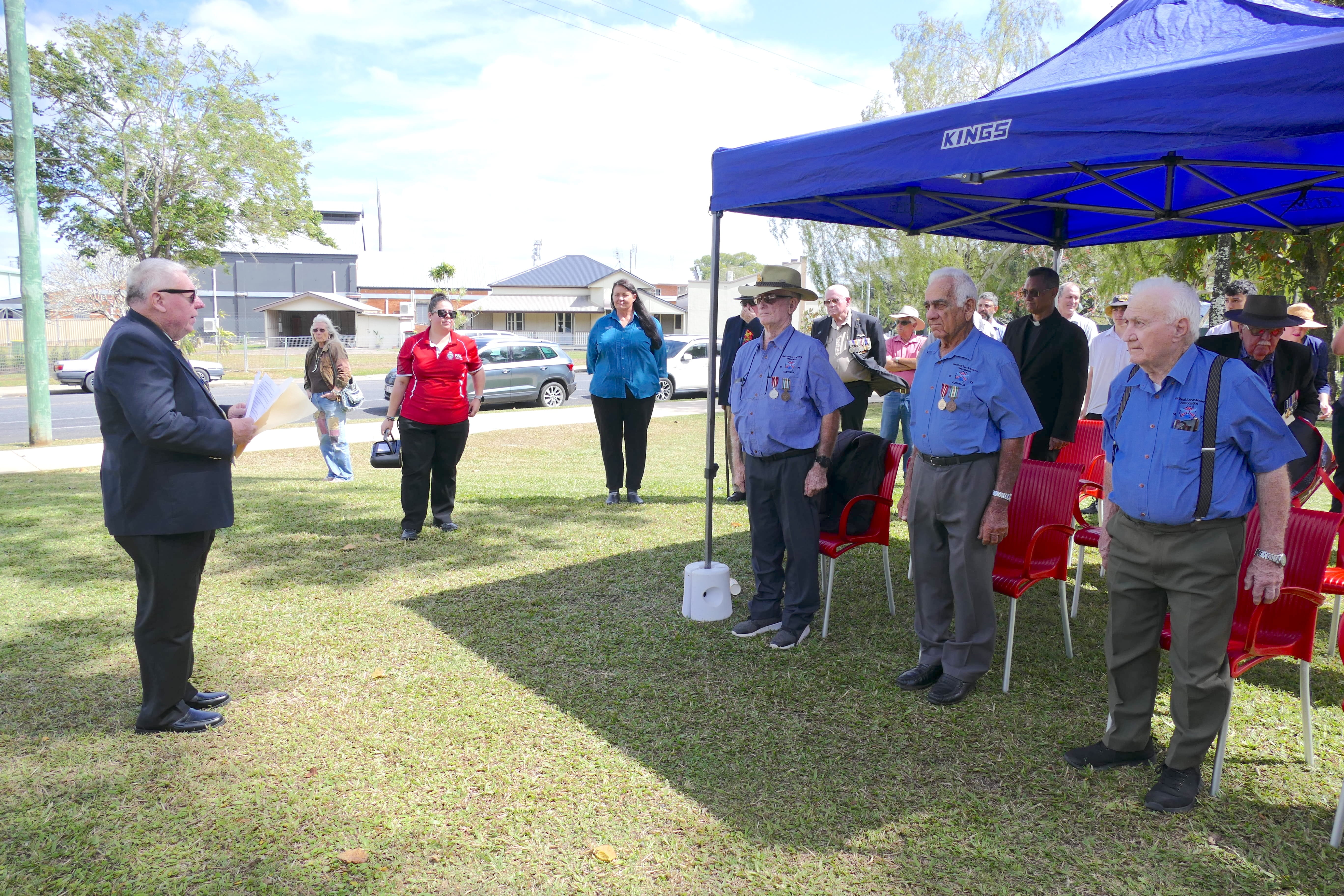
“Families and friends, today we come together to mark 60 years since the Battle of Long Tan. We gather in remembrance, we gather in gratitude, and we gather in respect for those whose courage and sacrifice have become an enduring part of Australia’s military history,” Mr Bow said.
The Battle of Long Tan took place in a rubber plantation in Phuoc Tuy Province, South Vietnam, where D Company, 6th Battalion, Royal Australian Regiment, faced a much larger enemy force.
In heavy rain, poor visibility and with ammunition running low, the Australian soldiers held their position, supported by Australian, New Zealand and United States artillery, Royal Australian Air Force helicopter crews and armoured and infantry reinforcements.
“Together, they showed the strength that comes from training, leadership, teamwork and mateship,” Mr Bow said.
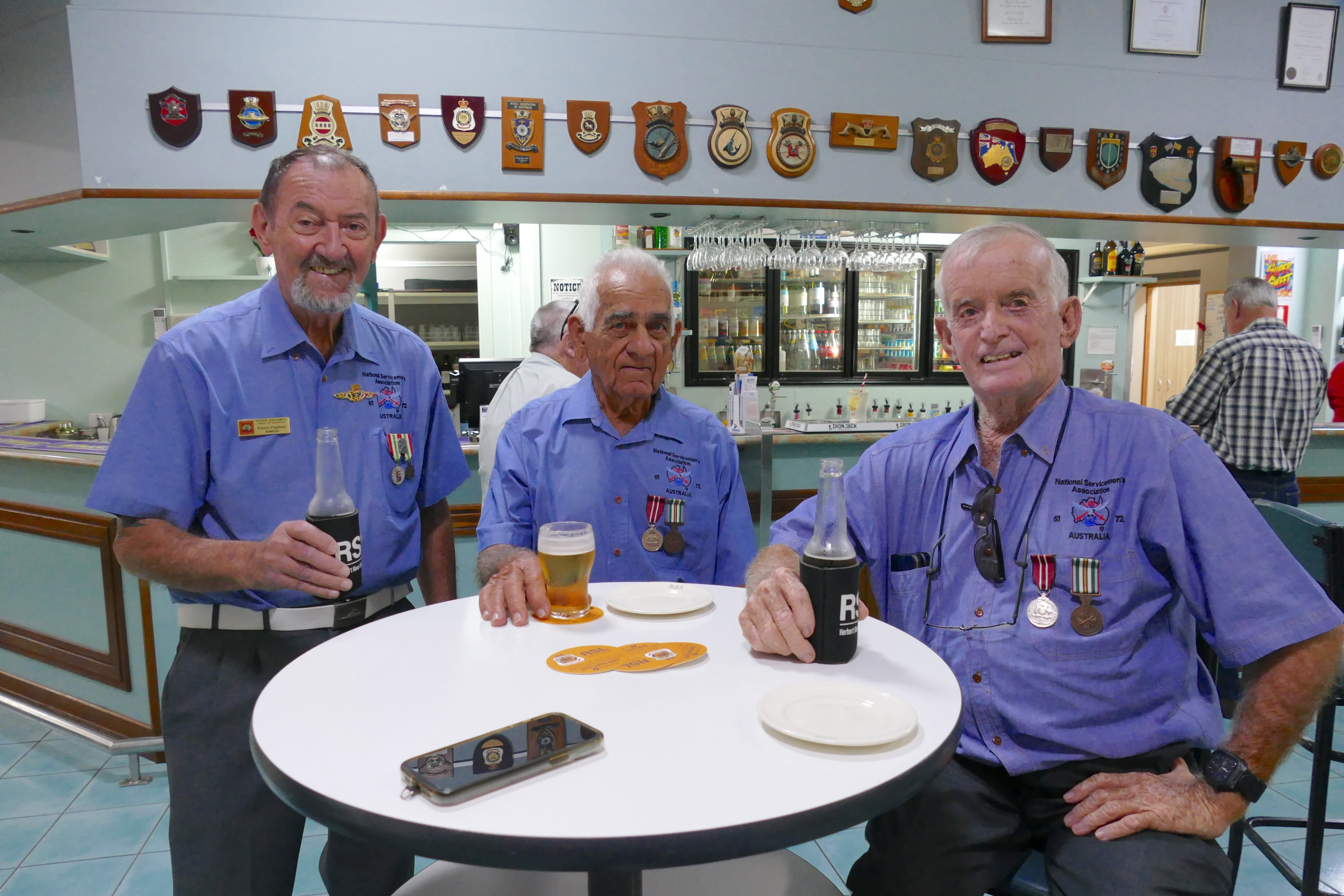
The 18 Australians killed at Long Tan were remembered, along with those wounded and the families who continue to carry the loss.
Mr Bow also acknowledged the broader experiences of Vietnam veterans, noting that for many, the effects of their service continued long after they returned home.
“Some carried visible wounds; others carried wounds that could not be seen,” he said.
The ceremony also recognised the many Australians who served throughout the Vietnam War, including regular soldiers, national servicemen, sailors, airmen, nurses and support personnel.
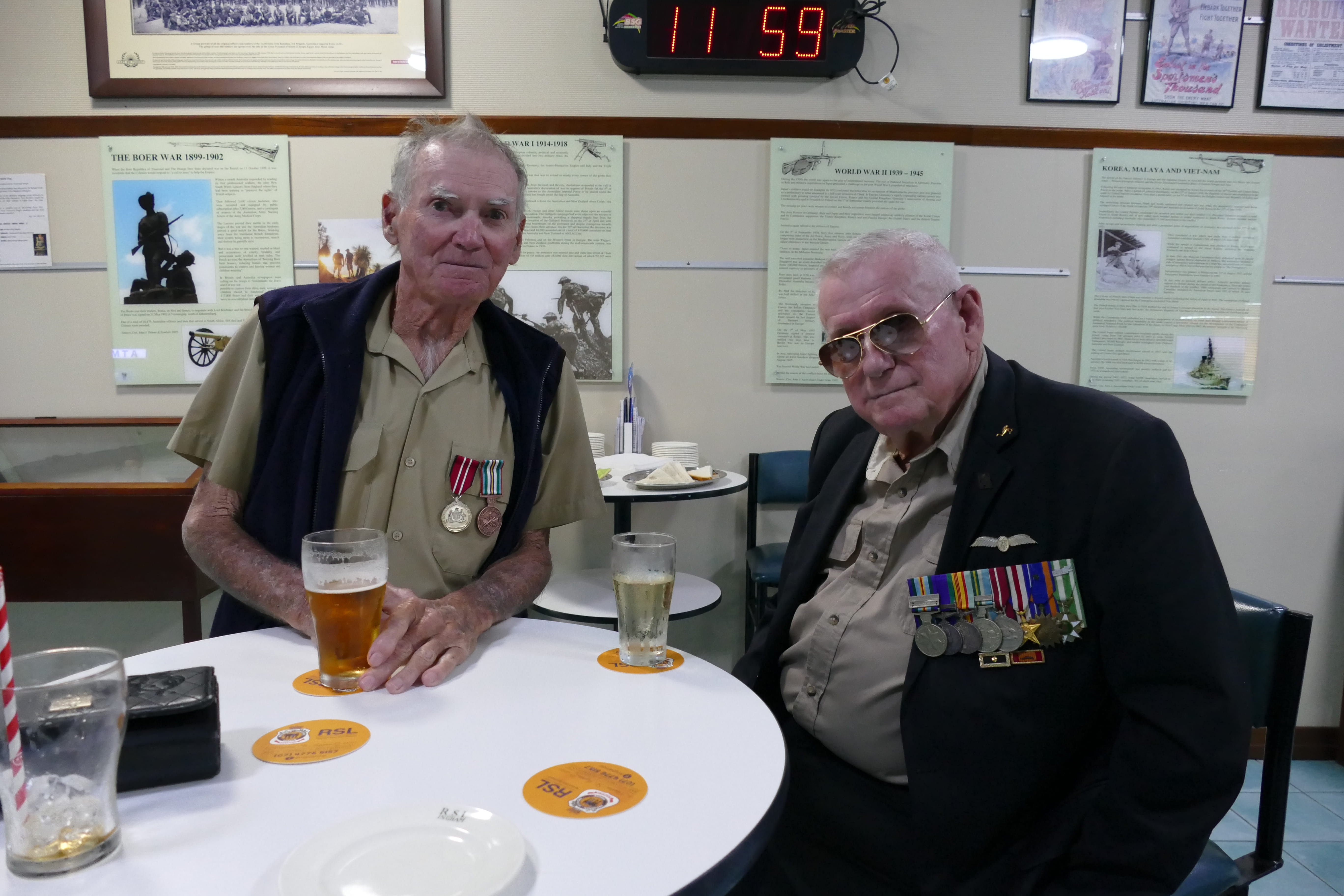
Mr Bow reflected on the delayed welcome received by many Vietnam veterans when they returned to Australia, saying time could not undo what happened but could strengthen understanding and gratitude.
The community was encouraged to keep the stories of Vietnam veterans alive through families, schools and local communities.
“The values shown at Long Tan still speak to us today. Courage under pressure, loyalty to mates, calm leadership, commitment to duty,” Mr Bow said.
.jpg)
The ceremony concluded with veterans invited back to the Herbert River RSL Club for refreshments and an opportunity to continue the commemoration together as a community.
“We will remember them, lest we forget.”
Women across the Hinchinbrook Shire will have access to free, confidential healthcare when the Mobile Women’s Health Clinic visits Community Health at Ingham Health Service on the last Monday of every month.
The monthly visiting clinic provides a range of women’s health services at no cost, including cervical screening, contraception advice, sexual health checks and support for a range of reproductive and menstrual health concerns.
Hinchinbrook Shire Council Acting Mayor, Mary Brown hopes local women take advantage of the free, confidential service, and access the support, no matter how big or small their health concern may seem.
“Access to healthcare can be more challenging in regional communities, so having a free, confidential women’s health clinic available locally is incredibly valuable,” said Acting Mayor Brown.
“It means women can access preventative screening, advice and support close to home, without the added cost or inconvenience of travelling.”
Cervical screening appointments can cater for women requiring routine or overdue screening, follow-up after previous results and eligible patients seeking self-collection options. The clinic also offers contraceptive counselling and reviews, information about contraceptive options and long-acting reversible contraception. Women can also seek confidential STI screening and advice, as well as support for concerns including periods and menstrual health, menopause and perimenopause, vaginal or vulval concerns and broader reproductive health questions.
The service forms part of the visiting well-women’s services available through Ingham Health Service.
With no concern considered too small to discuss, women are encouraged to make an appointment if they have been putting off a health check or simply want to talk through a concern.
“If you’ve been putting off making an appointment, I’d encourage you to take that first step,” encouraged Acting Mayor Brown.
The next clinic will be in region on Monday, 31st August at the Community Health Ingham Hospital. Appointments can be booked by contacting Community Health on 07 4720 3028.

nbn Local North Queensland Regional Development and Engagement Manager Casie Scott. Photo supplied
Hinchinbrook is benefiting from ongoing upgrades to the nbn network, supporting better broadband experiences for homes and businesses across the region. nbn is upgrading hundreds of eligible homes and businesses from older copper-based connections to full fibre via Fibre to the Premises.
nbn Local North Queensland Regional Development and Engagement Manager Casie Scott said moving to full fibre can provide access to higher-speed plans through participating internet providers.
“Full fibre is designed to support modern household and business needs, where multiple people and devices are often online at the same time,” she said.
“It can help support smoother transactions, video calls, streaming, gaming, cloud-based tools and smart home technology.”
Regional Queensland communities are also benefiting from major improvements to the nbn Fixed Wireless network. The nbn Fixed Wireless and Satellite Upgrade Program, delivered through a $750 million investment from the Australian Government and nbn, has expanded coverage, boosted capacity and introduced higher-speed Fixed Wireless plans for eligible premises.
“For regional households and businesses, improved connectivity can make it easier to access telehealth, support online learning, run a business, use digital tools and stay connected with family, friends and community,” she said.
“With wet season and severe weather events a regular consideration, reliable connectivity also helps people stay informed, communicate with customers, staff and loved ones, and access important services when needed most.”
Whether you are working from home, running a business, supporting students, streaming entertainment or simply wanting to improve your online experience, you can check your access technology at www.nbnco.com.au/checkregional
Contributed with thanks by nbn
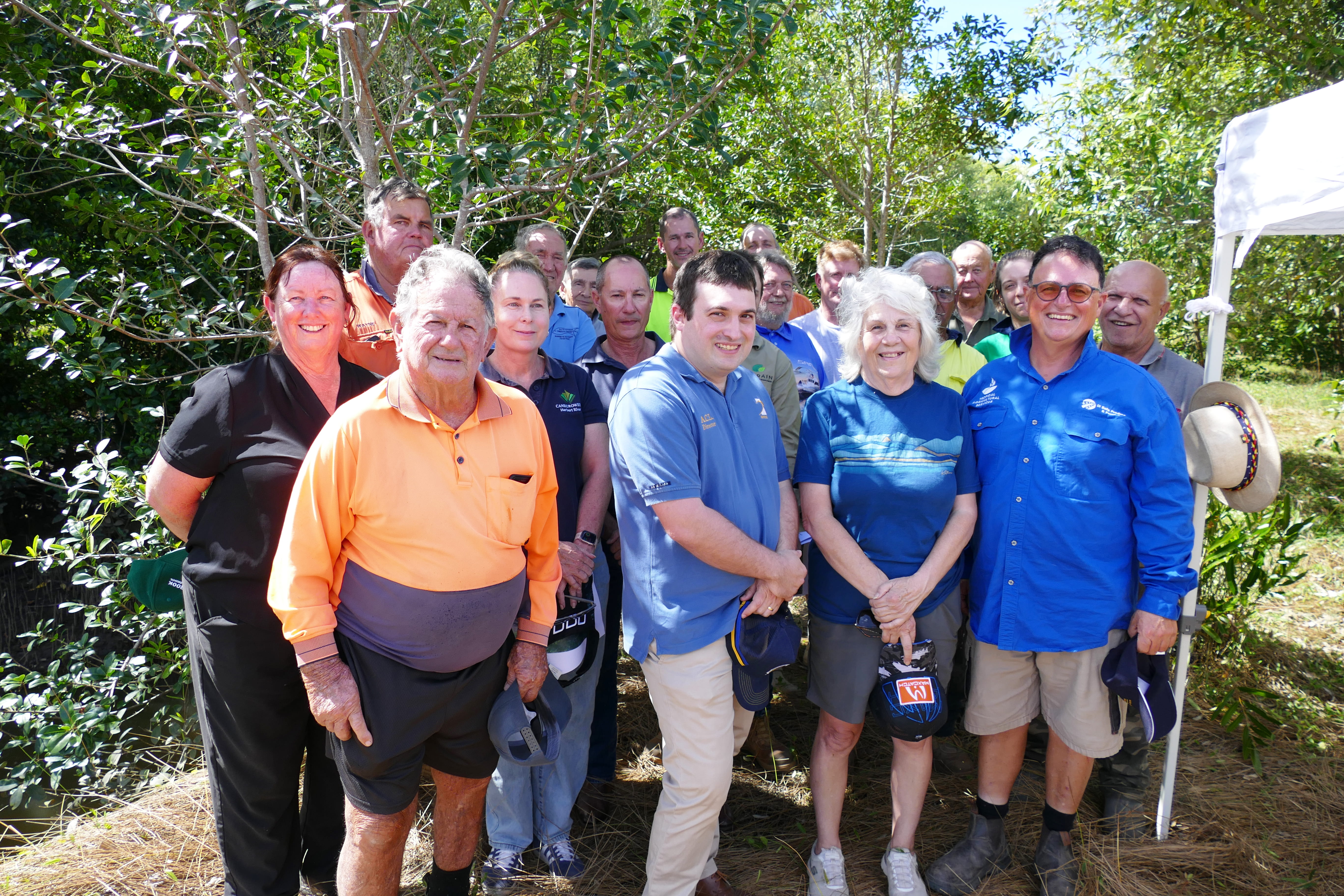
Many stakeholders gathered to discuss the project, from local farmers, industry representatives, contractors, Traditional Owners, and supporters of the project. Photo credit: Victoria Velton
By Victoria Velton
A collaborative project at the Halifax Rifle Range Drain is aiming to tackle sediment, improve drainage and create a model for future waterway works across the Hinchinbrook region.
The drain sits at the interface between farming land, Halifax township, government land and mangrove wetlands, carrying water from across the surrounding area towards the coast.
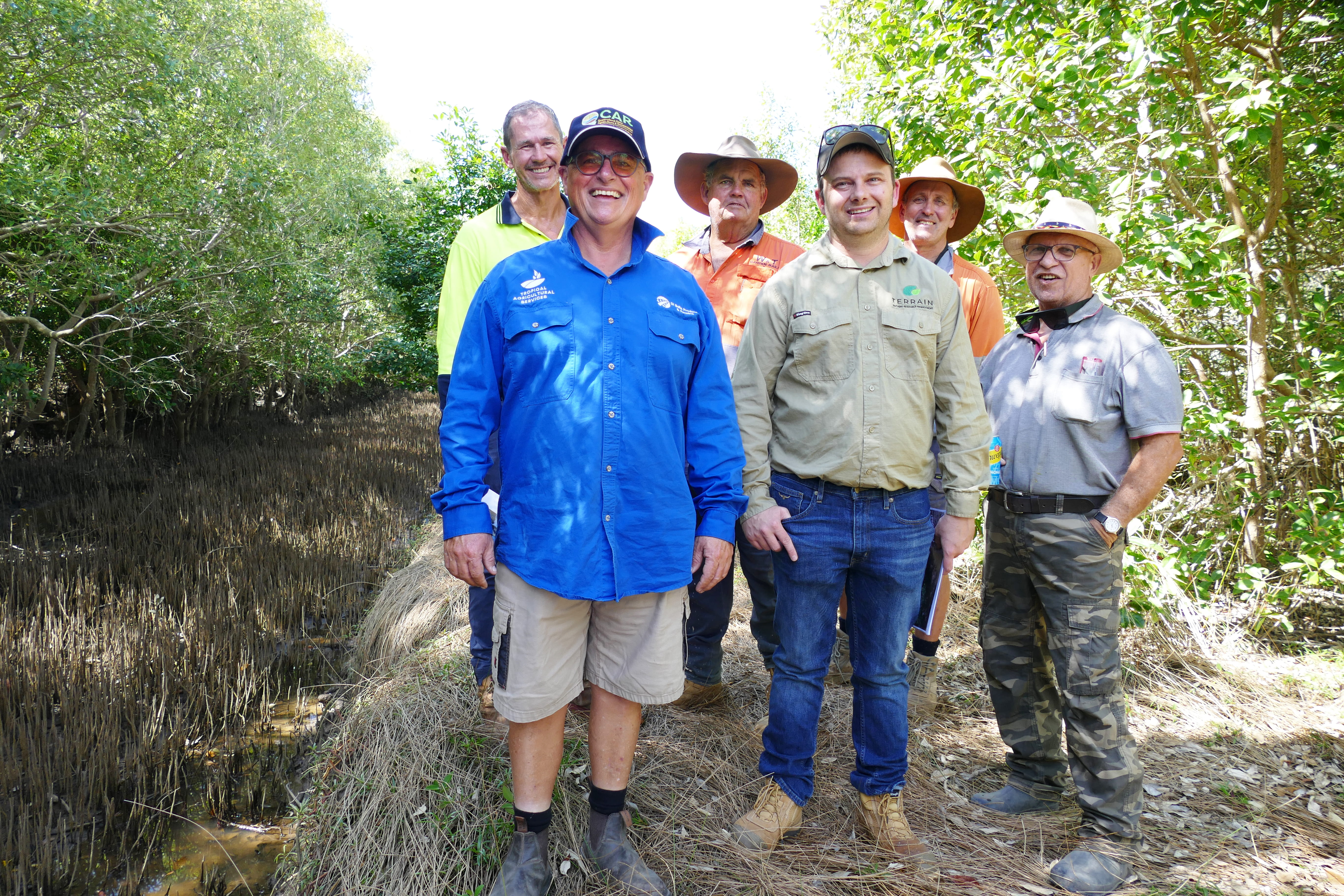
The planned works will focus on removing significant sediment build-up along approximately 280 metres of the drain, improving water flow and reducing the impacts of flooding while also supporting fish passage and aquatic habitat.
The project has brought together local farmers, Hinchinbrook Shire Council, the Herbert River Improvement Trust, Traditional Owners, contractors, government representatives and Terrain NRM, which has provided funding through the Herbert Integrated Project.
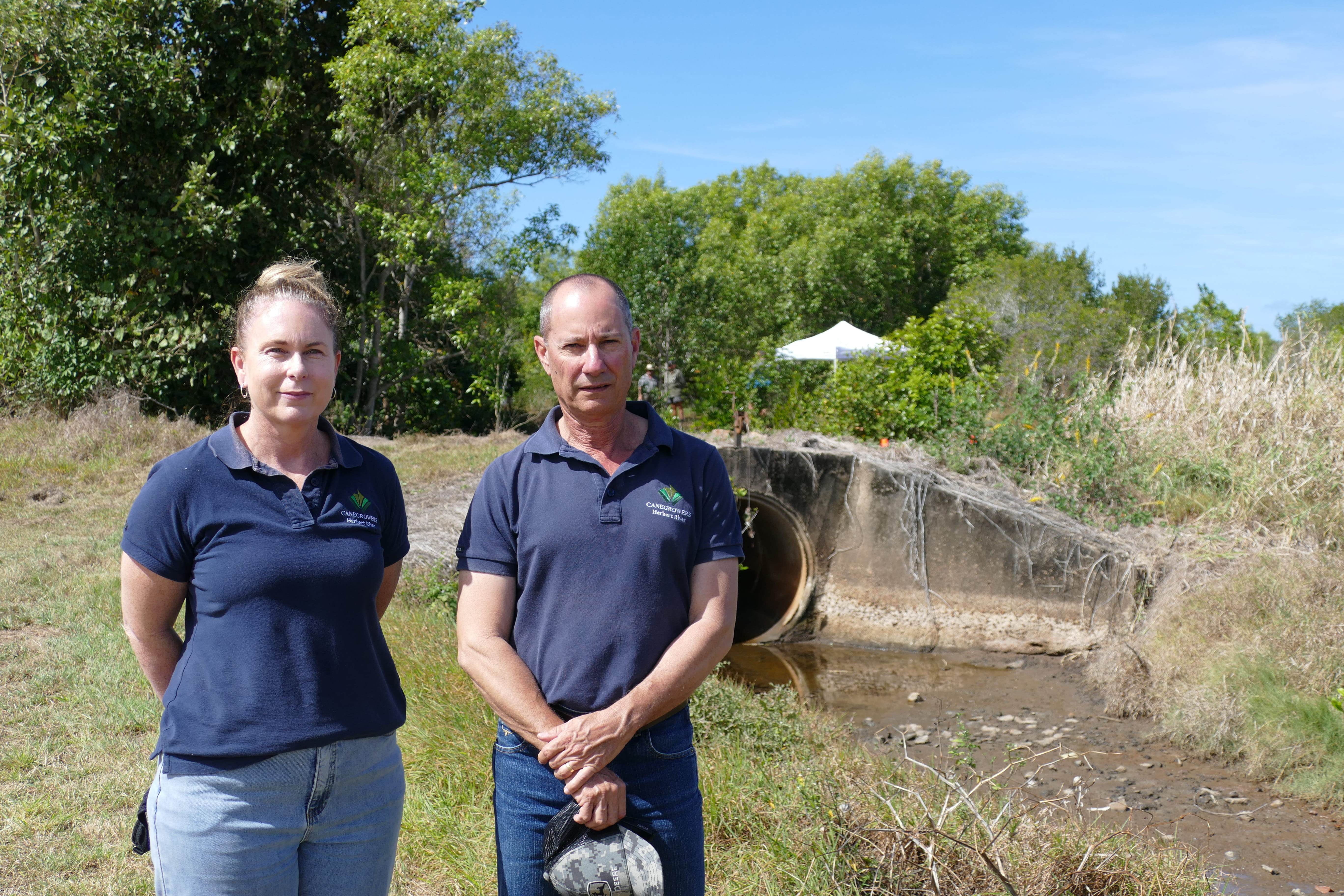
Councillor and Cane Farmer Andrew Carr said the project had the potential to extend well beyond Halifax.
“This is going to be one of the four showcase projects that we’ve identified as our priorities,” Cr Carr said.
“But if we can get this right, it can become business as usual, and not just for us.”
The aim is to closely monitor the project and document its results, creating a blueprint that can be applied to other drainage systems facing similar challenges.
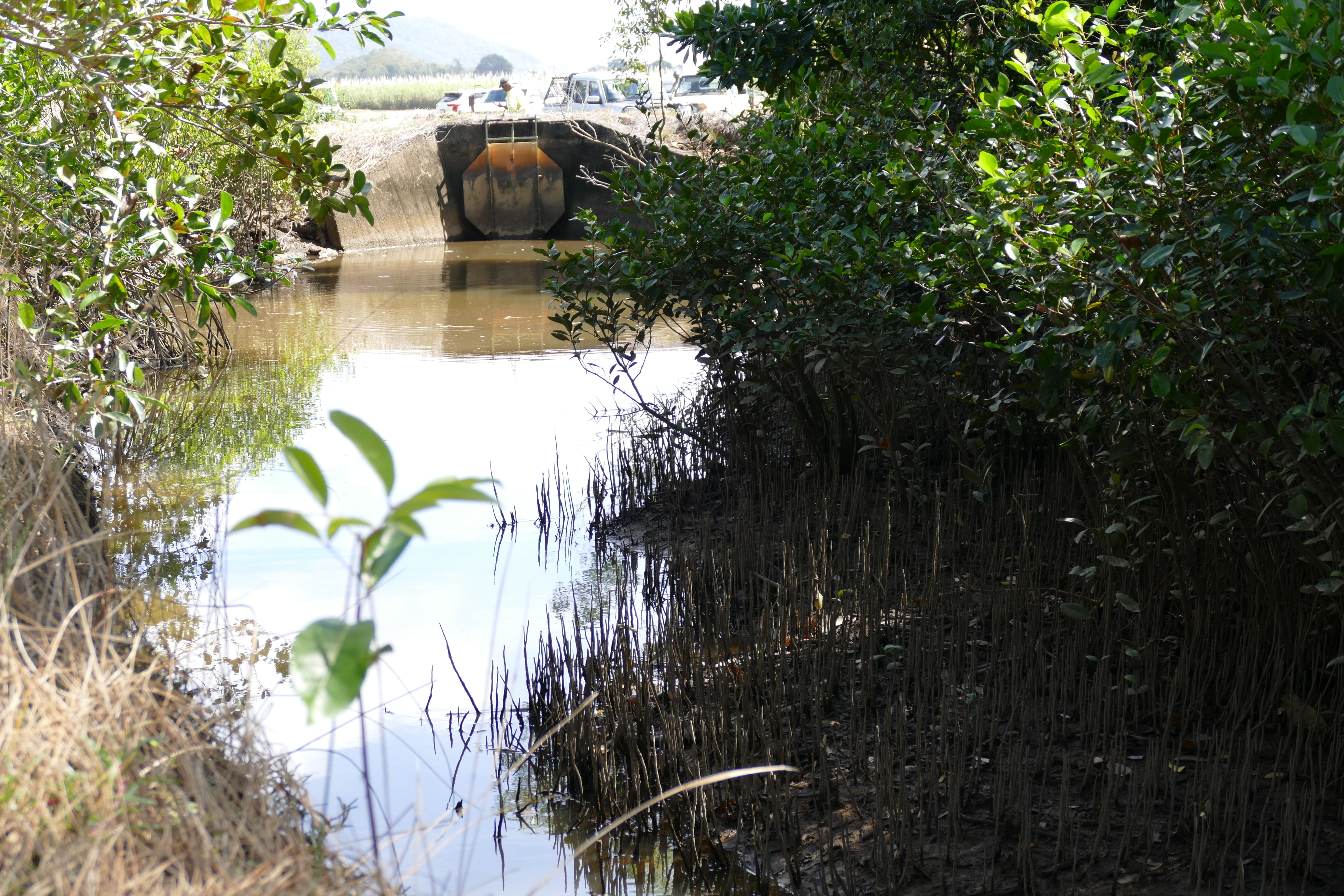
Lawrence Di Bella, Tropical Agricultural Services Consultant, QCAR representative, local farmer and project stakeholder, said the benefits would extend across the ecosystem. The work is intended to establish a more practical approach to maintenance, with regular pruning and sediment management helping prevent the drain from returning to its current condition. Di Bella said he had seen the difference after previous works on the drain from 12 years ago.
“The prawns and the fish that were in here six months later were so lively… it was actually nice to come back six months later and see the system was working really well.”
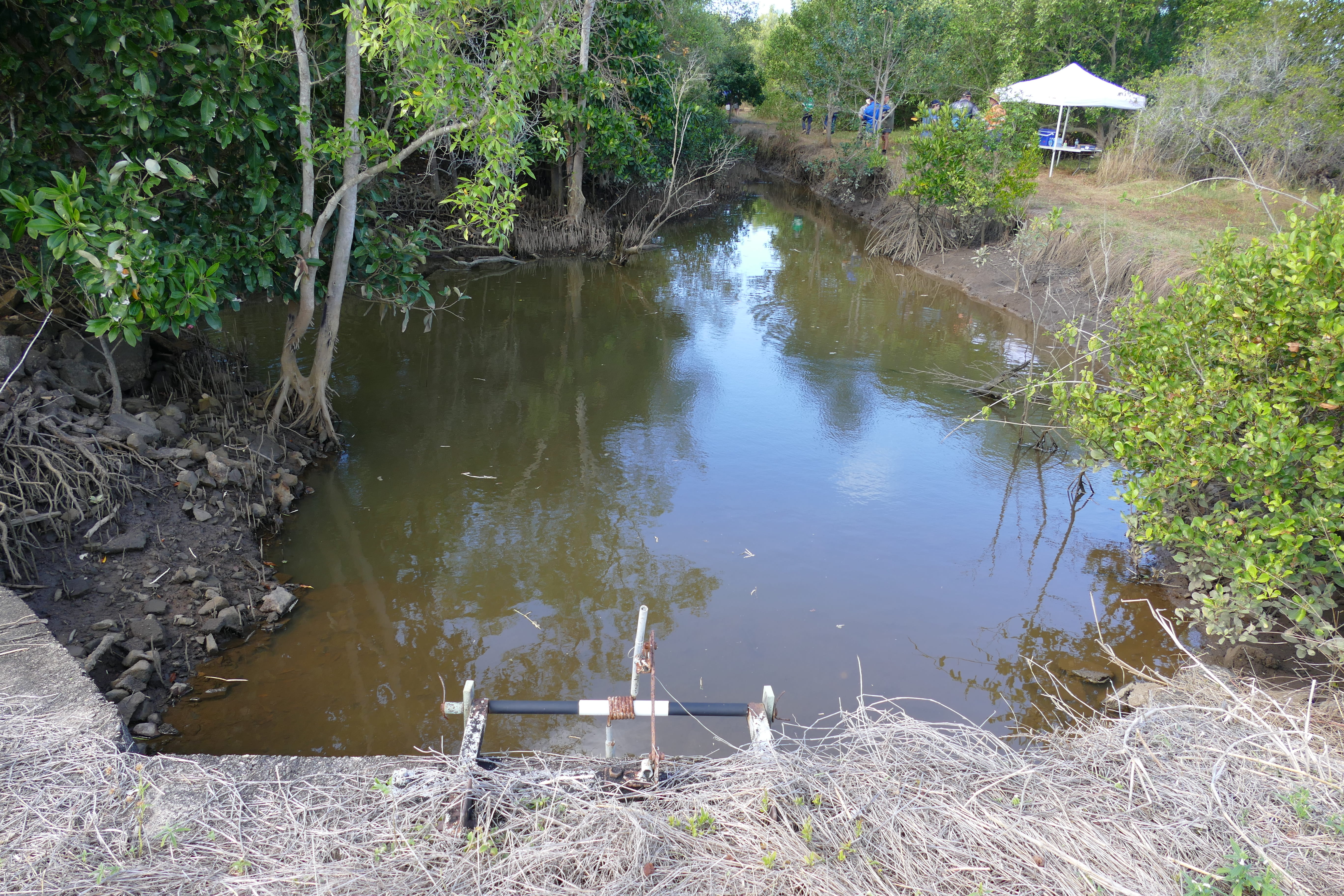
Traditional Owners have also been involved in planning, ensuring the project can provide a consistent approach across connected waterways and communities. The representatives said the partnership was important because “everything flows north”, with lessons from the Halifax project potentially benefiting communities from Cardwell to Tully and Mission Beach.
Di Bella said funding from Terrain NRM had been critical to getting the project underway.
“I’d like to thank Terrain NRM for funding this because without the funding, this project wouldn’t be happening,” he said.
.jpg)
Terrain NRM representative Jamie said the project could provide a valuable example for future sites.
“That would be good to get an example transferable over to the other sites, because as you (Di Bella) mentioned, this is a pretty common issue,” Jamie said.
Cr Carr said the project’s results could ultimately be used well beyond Hinchinbrook.
“We will be doing a heap of monitoring on this site, and we’re going to write this site up as a scientific paper,” he said.
“That’s what governments look at: they want sound science to base decisions on.”
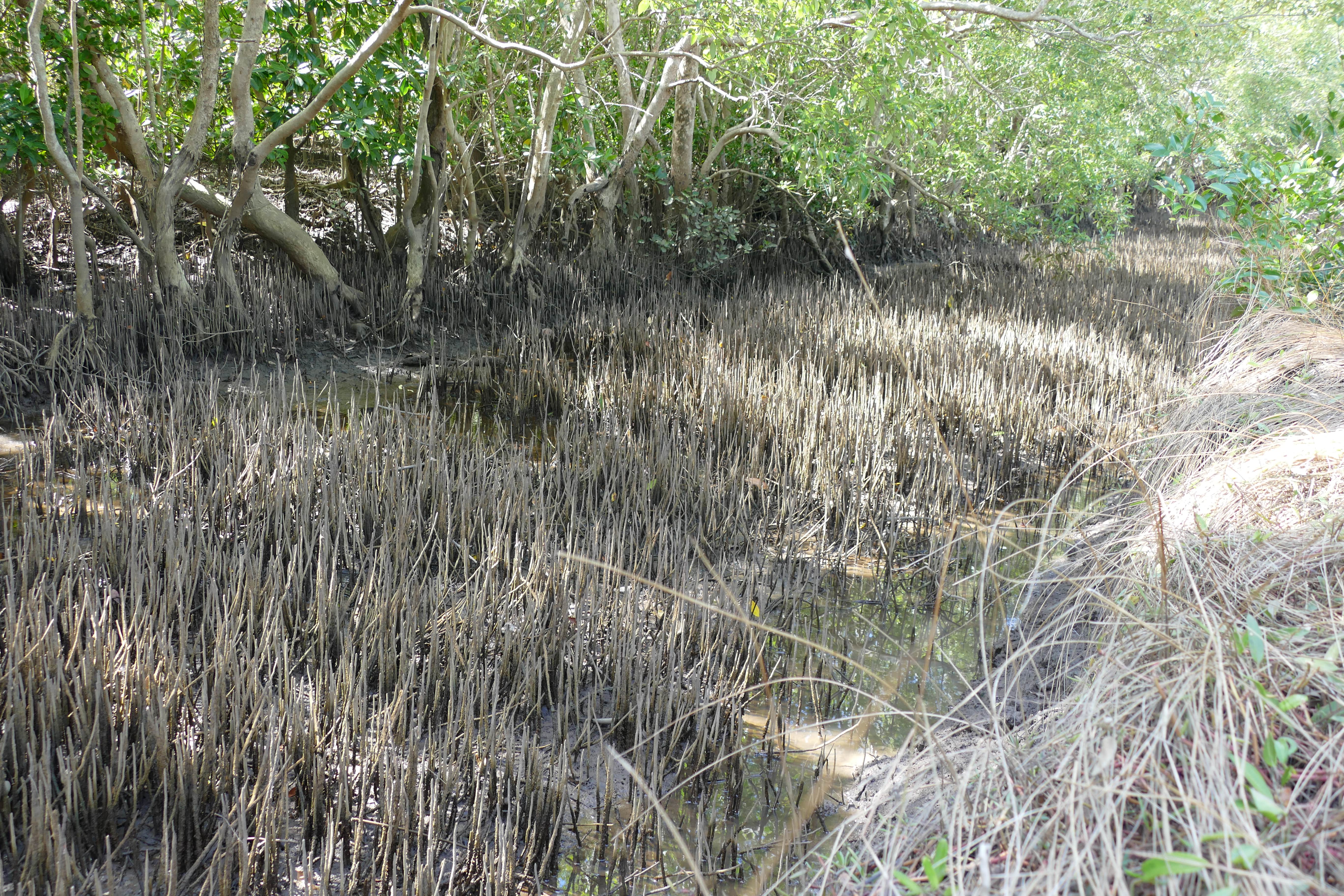
With multiple stakeholders and community representatives now working from the same plan, the Rifle Range Drain could become a practical demonstration of how coordinated drainage, farming, flood management and environmental priorities can work together. For the project partners, that combination of improved drainage, healthier waterways and better coordination is the ultimate goal, with the hope that what is learned at Halifax can help shape drainage solutions throughout the wider Herbert catchment and beyond.

Regional Arts Development Fund (RADF) for 2026 grant applications are now open for 2026, with Round One closing on 27th September 2026. This funding is a partnership between Queensland Government (through Arts Queensland) and Hinchinbrook Shire Council, designed to support and grow arts, culture and heritage in our Shire.
RADF empowers communities by investing in locally driven creative projects that reflect our unique identity and priorities. It is a flexible funding program that allows Council to tailor support to meet the needs of our community.
Council welcomes creative applications from local artists, community groups or anyone with a colourful vision for our Shire.
One very recent example of RADF funded project, that is nearing completion, is the first stage mural artwork that has been installed on the western wall of the laneway between Hinchinbrook Shire Council building and the neighbouring property. This vibrant and modern artwork has been a collaboration between the property owner, local business owner, secondary school and artist.
Project leads, Amber Pollock and Kristina Fontana, have conceived and managed the delivery of this lively and colourful project and I commend them for their vision. This mural has transformed one wall of the laneway, into a vibrant depiction of our Hinchinbrook lifestyle.
The students and staff from Gilroy Santa Maria College, who have worked with Kristina on this project and were excited to contribute to the creative design and delivery of this mural. The ladies acknowledged delivery of this project would not have been possible, without the assistance of the RADF grant and expressed their gratitude to all involved to achieve this outcome.
Whilst the first stage is nearing completion, the ladies have a broader vision to bring the remainder of the laneway to life, by delivering additional artworks and other features that will activate the space and enhance the appeal of the area.
Early planning has now begun for the next stage artworks, where it is intended to invite students from other local schools to participate and contribute to the creative makeover of the CBD.
On behalf of Council and local residents, I would like to express our appreciation to all involved for their commitment, artistic talents and vision, to bring this project to fruition for the community to enjoy.
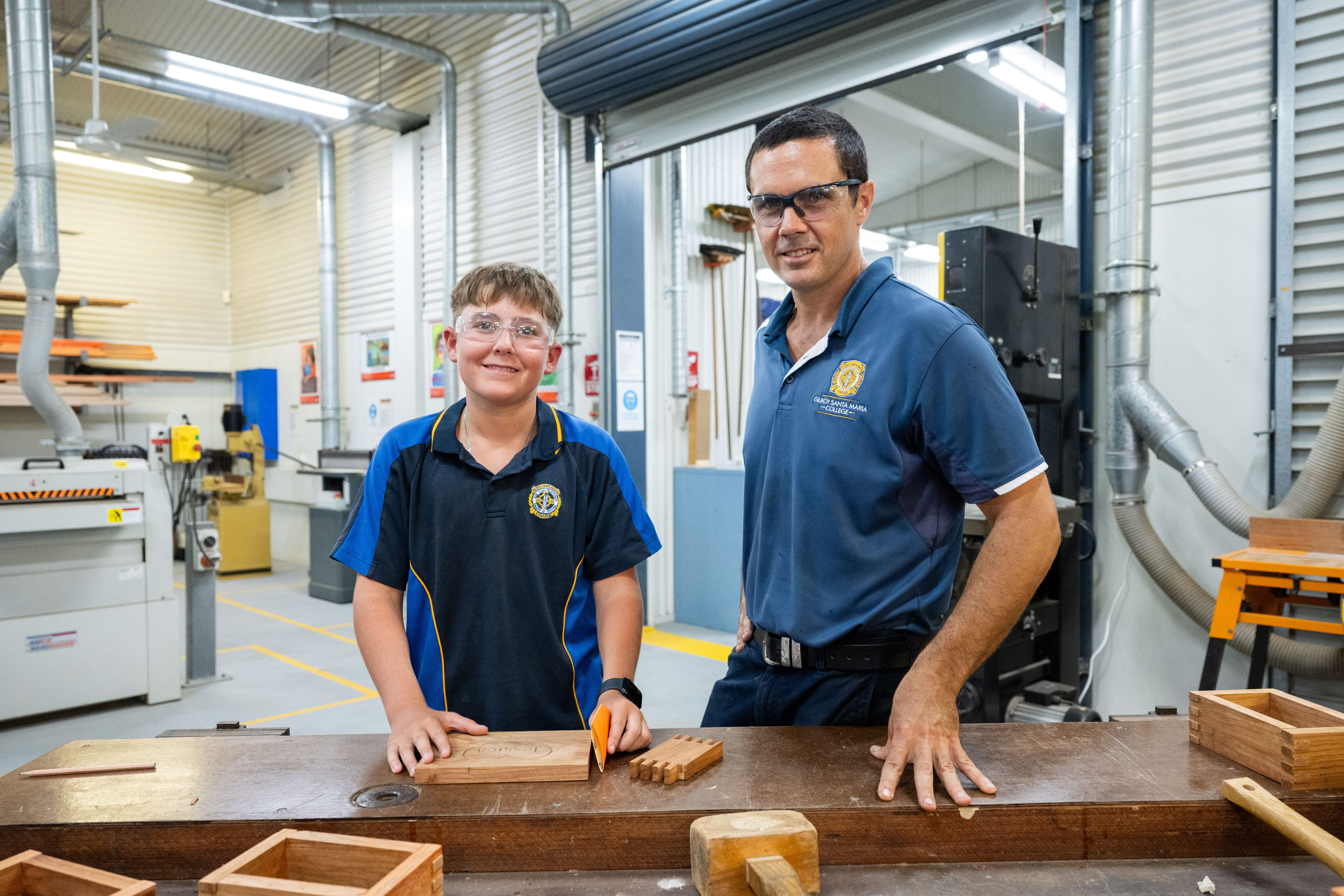
Mr Matthew Giliberto, GSMC Academic Leader in Technologies and Arts Photo supplied
Students at Gilroy Santa Maria College are met by a dedicated and experienced staff group providing an education that goes beyond.
Led by College Principal Mrs Johanna Smith, the staff includes an even mix of male and female teaching staff, many of whom are past students returning to the College to nurture future generations.

Whether a student shines academically or in the extra-curricular space, they are guided and encouraged by enthusiastic staff. Support extends beyond the classroom, with staff offering lunchtime and after-school academic support to help students achieve beyond their expectations. Students seeking an extensive extra-curricular experience can also benefit from staff and coaches who have fulfilled these roles at a national level.
Adding to the Catholic school experience at GSMC is extensive Pastoral Care, delivered through planned strategies and informal experiences that build supportive relationships between students and College staff. This includes daily interactions, Pastoral assembliesand special school events such as the College Fun Run.
Pastoral Care can also take a formal approach, with College Guidance Counsellors Mrs Kate Stringini and Mr Jonny Pearce catering to GSMC students.

Beyond the classroom, students experience College grounds featuring cricket nets, football and soccer fields, bordered by shady gum trees, well-groomed gardens and manicured lawns. Maintained by Facilities & Maintenance Manager Mr Peter Staples and Groundsman Mr Frank Smallwood, the outdoor spaces provide an enjoyable setting for team sports, HPE lessons and group meditations.
Contributed with thanks by Gilroy Santa Maria College
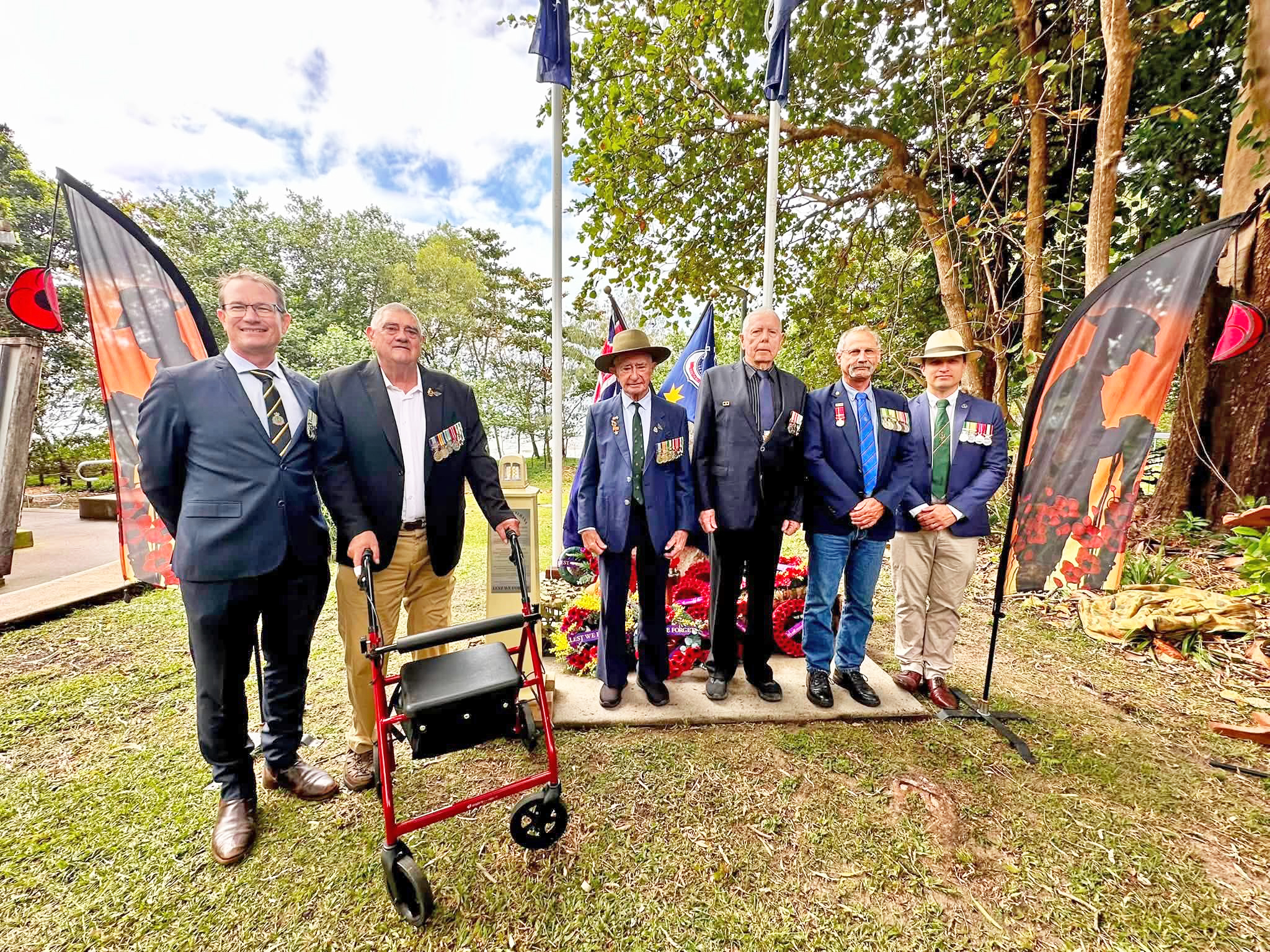
Pte Jake Healy of 31/42 RQR, Errol a Timor Veteran, Lt Col Merrick Lalor CO 31/42 RQR with Vice President RSL Randall Russell in the centre, Piper Jock Reid, WO1 Glenn Herbert RSM 31/42 RQR and Pte Egide Ndazimana 31/42 RQR. Photo supplied
By Sian Bantock
60 Years On From The Battle Of Long Tan
Communities across the Cassowary Coast stood together in remembrance on Tuesday 18th August, commemorating Vietnam Veterans’ Day and marking 60 years since the Battle of Long Tan.
Services were held at Wongaling Beach and Cardwell, bringing together veterans, families, school students, community organisations, service personnel and residents to honour the more than 60,000 Australians who served during the Vietnam War.
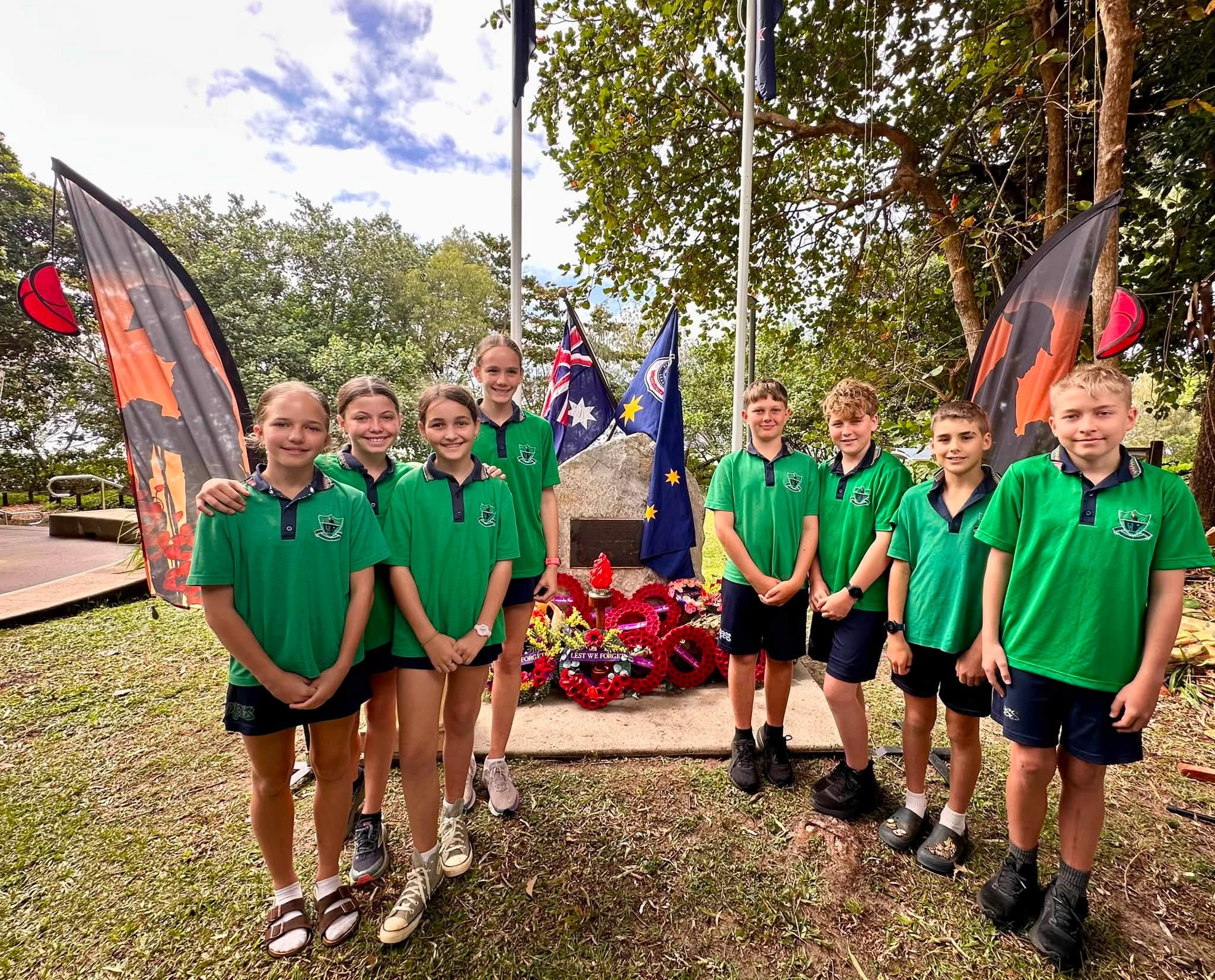
At Wongaling Beach, approximately 80 people gathered for the Tully RSL Sub-Branch service, where a new memorial obelisk dedicated to Vietnam veterans was unveiled, creating a lasting tribute to those who served, those who returned and those who never came home.
In Cardwell, the community also gathered in solemn reflection, ensuring the service and sacrifice of Australia’s Vietnam veterans continues to be remembered six decades on from Long Tan.
Lest We Forget.
The Cassowary Coast community came together at Wongaling Beach on Tuesday 18th August to commemorate Vietnam Veterans’ Day and mark the 60th anniversary of the Battle of Long Tan, one of Australia’s most significant military engagements of the Vietnam War.
Approximately 80 people gathered at Rotary Park for the Tully RSL Sub-Branch memorial service, paying tribute to the Australians who served during the conflict and remembering those who made the ultimate sacrifice.
On 18th August 1966, soldiers of Delta Company, 6th Battalion, Royal Australian Regiment fought an estimated 2,000 North Vietnamese and Viet Cong troops in a rubber plantation near the village of Long Tan.
The anniversary is now commemorated nationally as Vietnam Veterans’ Day, recognising the more than 60,000 Australian servicemen and women who served throughout Australia’s involvement in the Vietnam War.
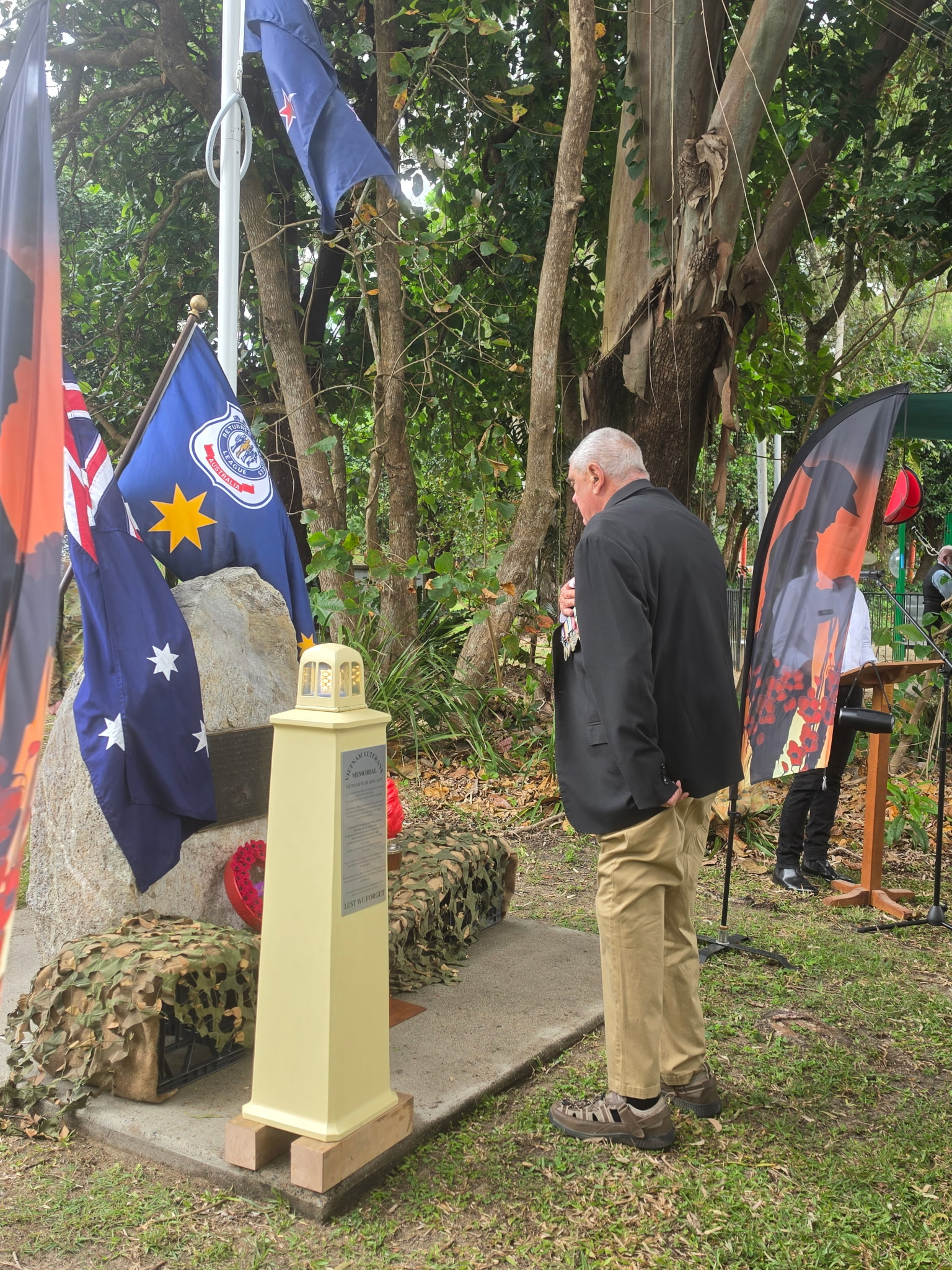
Tully RSL President Karl Adams said he was grateful to see such strong community support for the local commemoration.
“A big shout out to the local schools, the ladies from Legacy, Lions club, red cross, CleanCo and Officers and Soldiers from the Jungle Training Wing and 31/42 RQR,” Mr Adams said.
The service also marked the unveiling of a new Vietnam Veterans memorial obelisk, created by local blacksmith Brent Cook to provide a lasting tribute to those who served.
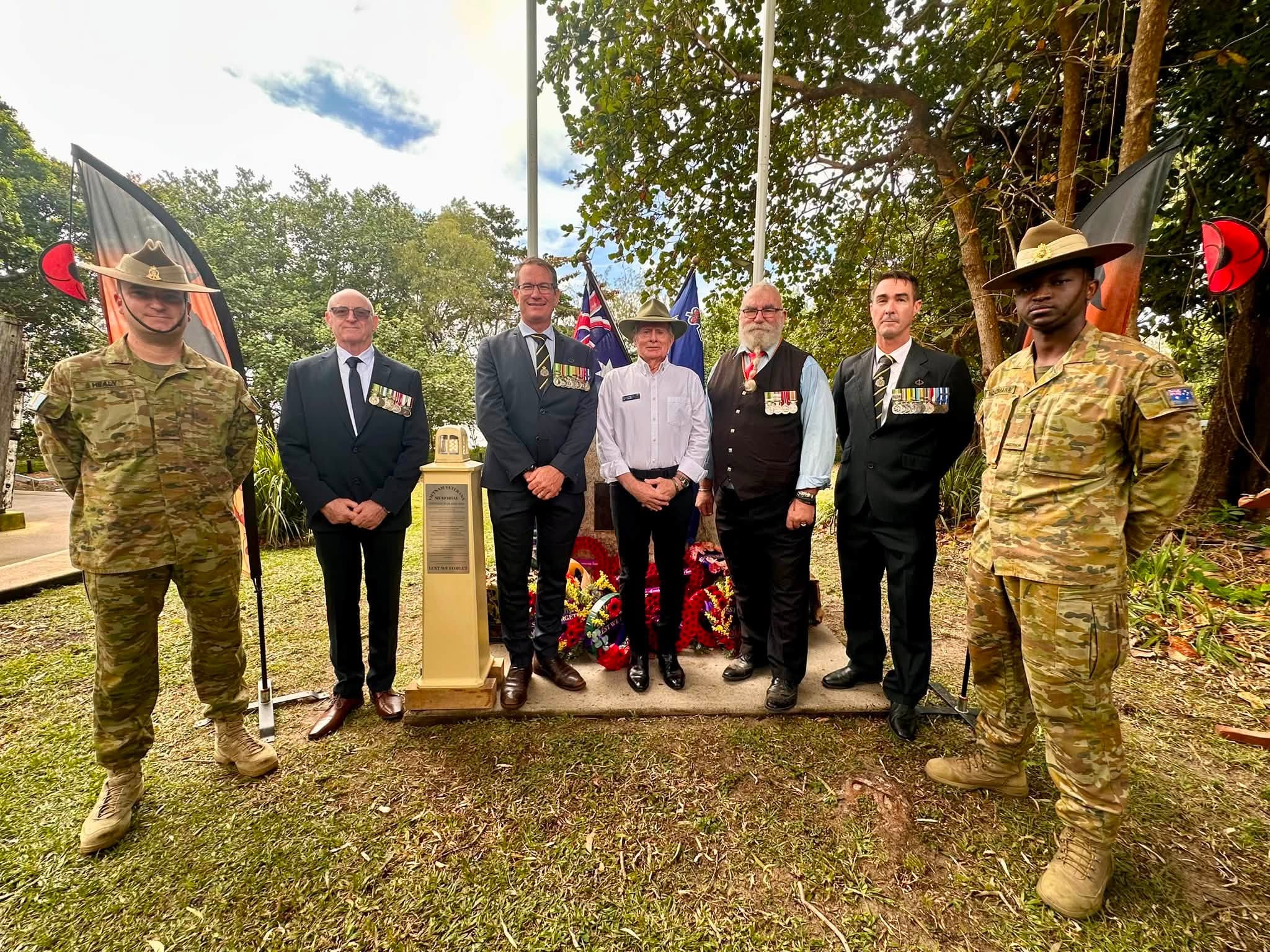
“This obelisk was created thanks to donations from Cassowary Coast Community Association, Lions Club, Rotary Club, and the RSL. Next year Tully RSL intends to get a second obelisk made dedicated to the Afghan Veterans,” Mr Adams said.
The Mission Beach Community Association contributed $500 towards the new memorial, as did the Lions Club of Mission Beach, helping establish a permanent place of remembrance at Wongaling Beach.
“May it stand as a tribute to those who served, those who returned, those who still carry the impact of their service, and those who never came home,” the association shared.
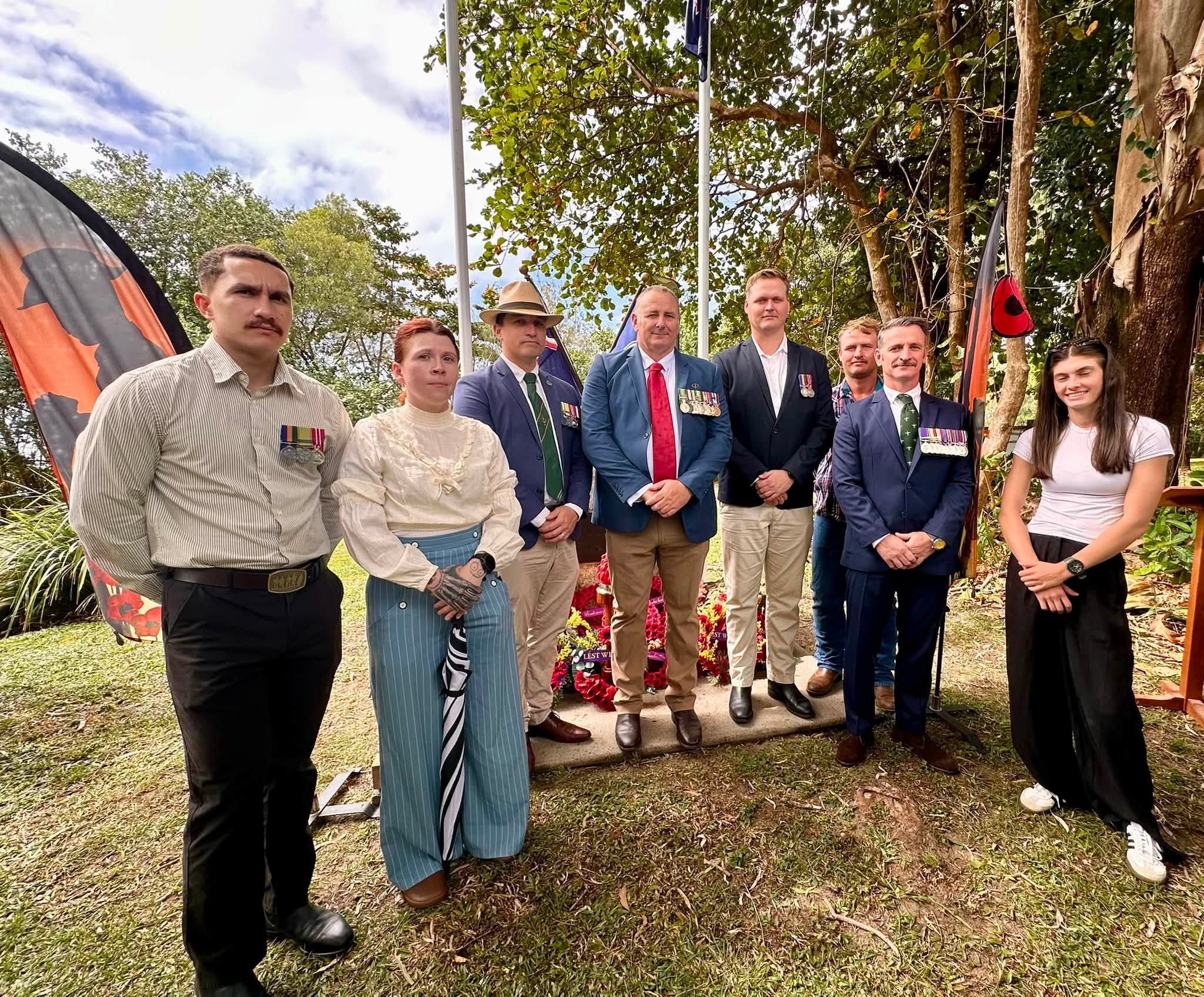
“To our Vietnam veterans and their families – we remember, we honour, and we thank you.”
Cassowary Coast Regional Councillor Trudy Tschui also attended the commemoration and reflected on the importance of ensuring the sacrifices of veterans are carried forward by future generations.
“Let us pledge to honour their legacy by ensuring that their sacrifices are never in vain,” Cr Tschui said.
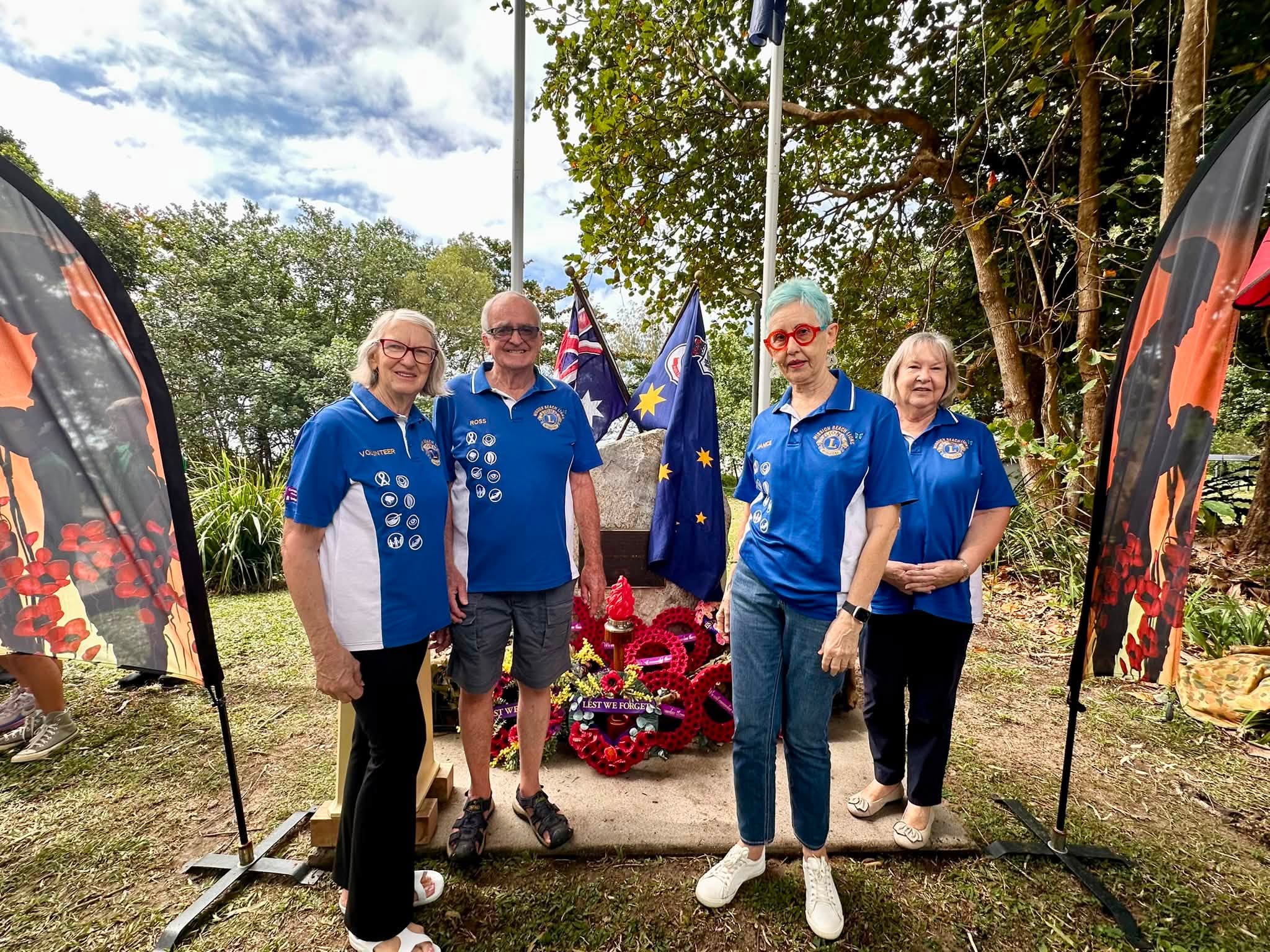
“And in their honour let us continue to build a society that cherishes the values they fought to defend-courage, mateship, and an unwavering dedication to our Country.”
With local schools, community organisations, veterans, service personnel and residents standing together, the commemoration provided an opportunity to reflect not only on those lost during the Vietnam War, but also on the enduring impact of service on veterans and their families.
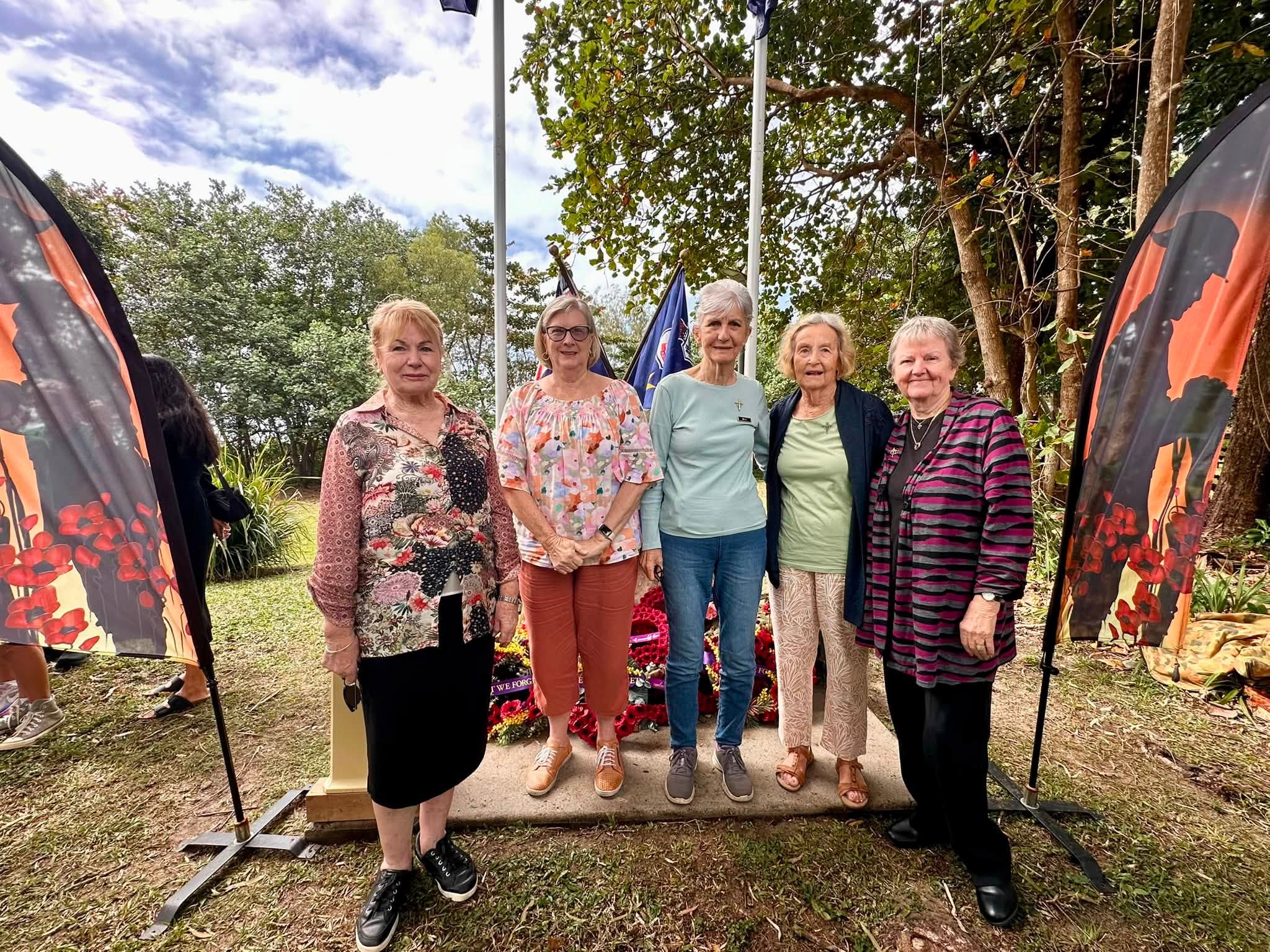
The newly unveiled memorial will now stand at Wongaling Beach as a permanent reminder of their service and sacrifice.
Lest We Forget.
Publishers Indemnity. Any individual or entity that places advertising, supplies copy material, or submits editorial content to Life Publishing agrees and undertakes to ensure that all such material:- Does not infringe upon any copyright, trademark, or other intellectual property rights;- Is free from any content that could be considered defamatory, libelous, or slanderous;- Does not infringe upon any rights related to privacy or breach of confidence;- Contains no obscene, indecent, or otherwise unlawful material;- Complies fully with the Trade Practices Act and all other applicable laws, regulations, or statutes. Furthermore, by submitting or placing such material, these individuals or entities agree to indemnify and hold harmless the publisher, Life Publishing and Events Pty Ltd, and/or its agents from and against any and all investigations, claims, demands, liabilities, damages, costs, or judgments arising out of or in connection with the material provided. All material is believed to be accurate at the time of printing and remains the copyright of Life Publishing and Events Pty Ltd.
© 2026 Life Publishing Group Ltd.
