
Independently Owned, Locally Grown, Community Loved
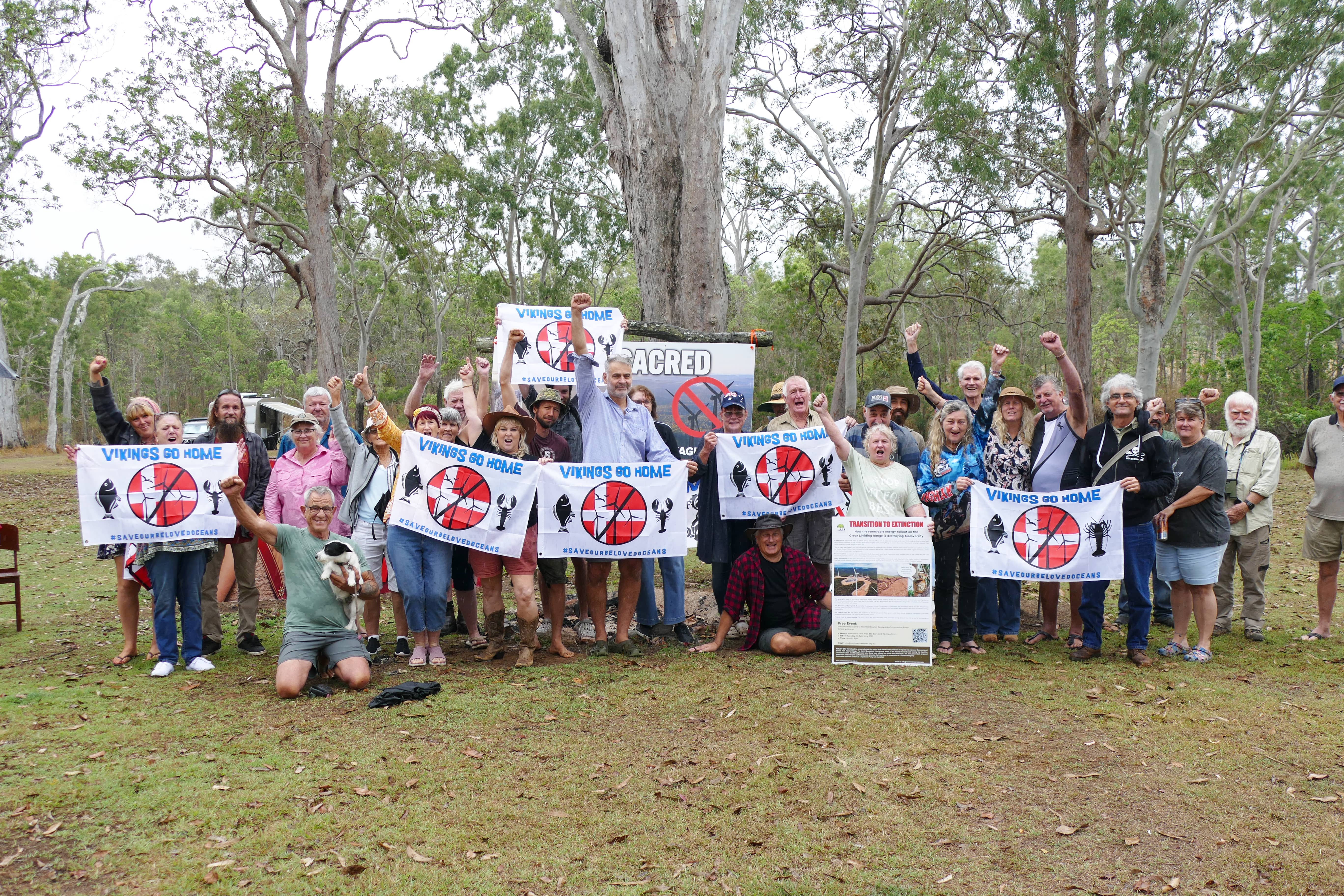
By Victoria Velton Residents, wildlife carers and environmental advocates gathered at Mt Fox last Saturday to voice concerns about the proposed Gawara Baya wind farm, warning that the development, located just 4.8 kilometres from the Wet Tropics World Heritage Area, could permanently alter a landscape they say is critical to local wildlife and the survival of vulnerable species. The concerns voiced by attendees who live and work among the surrounding bushland include the clearing of habitat, potential increased traffic on narrow rural roads, noise and disturbance to wildlife and the spread of feral predators. Mt Fox Community Progress Association president Kim Armstrong said the community was facing a significant decision about the future of its environment. “This is a very significant moment in our area. Do we stand up and protect our natural environment or do we stand by and allow it to be destroyed?” Ms Armstrong asked. One of the most immediate concerns raised at the rally came from local wildlife carer Brandie Becke, who said the area had provided a relatively safe environment for releasing rehabilitated animals back into the wild. Ms Becke said she had chosen Mt Fox because of its quiet roads, surrounding national park and extensive Crown land. She fears the proposed wind farm's construction and operation could undermine those conditions, particularly if traffic increases substantially on the region's gravel roads. “We might have around 50 cars at a really busy time, but we're going to end up with around 250, 300 vehicles travelling around on our roads,” Ms Becke alleged. She described the roads as potholed and narrow, with limited separation between roadways, private properties and protected areas. She said increased traffic could pose a serious risk to animals accustomed to moving freely through the area, particularly if drivers unfamiliar with the roads were travelling through more frequently and at greater speed. Ms Becke also stressed that land clearing could remove important habitat and leave animals with fewer safe places to move. “I brought [the animals] up here so I could release our animals into a safe environment,” she said. “What am I doing now? I'm just putting them back in the exact same situation that they came from in the beginning.” Noise and disturbance were also raised as concerns, with Ms Becke arguing that the effects of industrial development on wildlife could extend well beyond what people are able to hear. She said she feared the impacts would not be limited to mammals and marsupials, but could also affect frogs, lizards, birds and other wildlife, including through disruption to breeding. The potential effects of low-frequency noise on animal communication were another focus of the rally. Dr Roger Martin, a wildlife ecologist and biologist who has studied koalas since 1977, spoke extensively on the noise effects of the turbines, arguing that wind turbine noise could mask calls used by native animals to communicate. These concerns were raised alongside broader questions about habitat fragmentation and whether wildlife would continue to be able to move safely through the landscape if development expanded across the ranges. Other speakers included photographer and bushwalker Steven Nowakowski, who spoke about development planned for the region, and poet and carpenter Ardi Arda, who attended to show support and love for the community. Mr Nowakowski also read a letter from Jeanette Kemp, a former Queensland Government principal botanist. The rally also drew support from Martine Shephard, who travelled from Western Australia, where she is involved in campaigns concerning proposed developments at Geographe Bay and Kalbarri. She spoke about the experience of communities confronting large-scale industrial projects and brought a message of solidarity to the Mt Fox residents. Ms Shephard was credited with the slogan “Vikings Go Home”, which appeared on banners held by protesters. Beyond the immediate footprint of the proposed Gawara Baya project, speakers expressed concern about the cumulative effects of wind farm developments across mountain ranges, arguing that individual projects should not be considered in isolation when assessing their potential effects on wildlife corridors and connected ecosystems. They also questioned the arrangements for rehabilitating land after construction and decommissioning turbines at the end of their operational lives. Speakers raised concerns about what would happen to infrastructure left behind and whether adequate restoration and rewilding plans would be in place. The potential attraction of feral predators to construction and maintenance roads was another issue raised. Speakers warned that increased roadkill could provide an additional food source for predators such as cats, adding pressure to rare and endangered wildlife already affected by habitat disturbance. According to Windlab, the company behind the proposal, biodiversity will be a key consideration throughout the project. “Gawara Baya has been designed to preserve almost 99% of potential habitat across its host cattle property for the life of the project,” their resources state. “More than that, Gawara Baya will be the first renewable energy project in Australia to be delivered with a robust, measurable program for achieving biodiversity net-gain. “This is part of our long-term, beyond compliance commitment to doing more for nature. Our approach is informed by more than 8,000 hours of detailed ecology studies and four years’ in-depth stakeholder consultation, collaboration and codesign. “In Australia, Australia’s energy generation sector is by far our nation’s biggest source of greenhouse gases emissions. Decarbonising our energy system is the clear action we must take to address the compounding effects of climate change, including biodiversity decline. “At the same time, Windlab has committed to leading practice ecological restoration and threat abatement programs that not only address the local scale impacts of the project, but support overall better outcomes for regional biodiversity at a landscape scale.” The Mt Fox community rally members holding their protest banners. Photo credit: Victoria Velton Dr Roger Martin speaking about the projects effect on native animals. Photo credit: Victoria Velton Martine Shephard travelled from W.A. to show support to the Mt Fox locals. Photo credit: Victoria Velton Signs about the project are prevalent in the Mt Fox area. Photos credit: Victoria Velton
Read the full story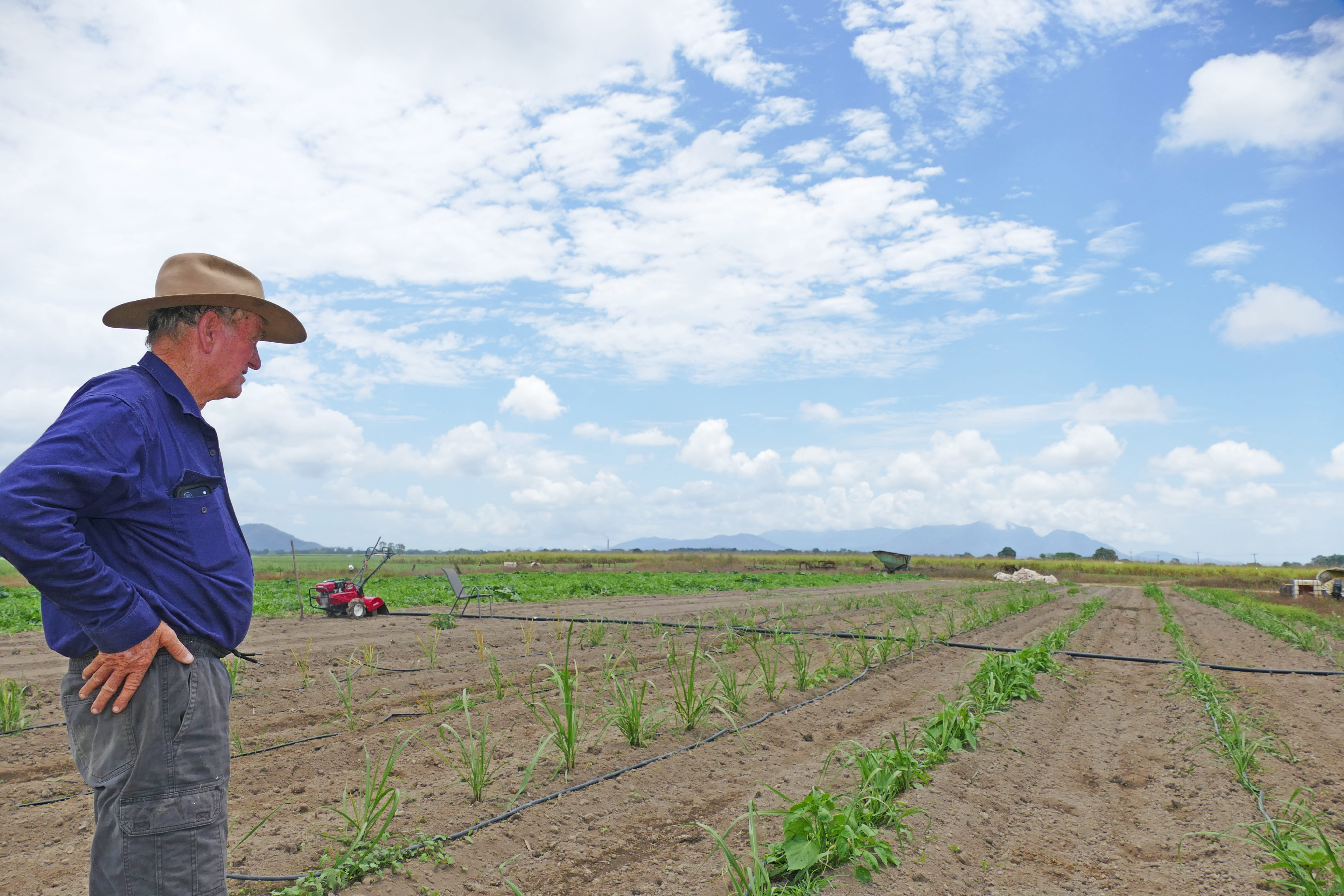
By Victoria Velton Welcome to the Cutting The Cane, a column where we have a chat with those supporting the backbone of the local economy: the farmers behind the sugar. This week Dave Perkins, a farmer of 63 years, answered our questions on his trial tissue culture operations. What stage are your paddocks at now? The paddock, the normal plant, was planted about two and a half months ago, and the tissue culture was planted about five weeks ago. What varieties of tissue culture are you trialling? I've planted all the new varieties that SRA give us. But I still keep going on with the old ones. I went back to a few Q 96 this year. That's not tissue culture, but that was some plants I bought just to see how they would perform. We used to grow a lot of Q 96 here before. So, I’ve got a mix of old variety and the new variety that's come out this year. I don't trust the new varieties too much. So, I always have a fallback one. Why have you chosen the varieties that you've growing? Because I know they grow well here. I got Q 96 this year because even though it's an old variety, our farm here used to grow about 60% Q 96. Though I might only have one trailer for next year. That's about it. It’s a very sweet variety. When you look to buy or trial new cane varieties, what are your priorities? I like to get a variety that's smut resistant. Other than that, I asked my friend Darrin Harrigan, who started me on tissue culture about four years ago and he hasn't led me astray. I like a variety that's going to ratoon well, that's the main thing: ratooning well. If it doesn't ratoon, it's not worth it. And smut is like a virus on the cane. It gets a black sooty smudge on the leaf, and then the centre of the cane, and then it ends up killing it. The varieties that are not resistant to it, they will eventually get it. Photo credit: Victoria Velton
Read the full story
By Joe Bond — The Honest Garden, Forrest Beach From a little piece of rhizome to a beautiful harvest - There is something pretty amazing about growing ginger and turmeric - you plant what looks like a rather unimpressive little piece of root into the ground, wait patiently, and months later you can dig it up to discover a whole collection of beautiful new rhizomes underneath the soil. Here at The Honest Garden in Forrest Beach, ginger and turmeric have become part of our tropical garden. Ginger and turmeric aren’t technically roots, classified as rhizomes, which are underground stems. When you buy fresh ginger or turmeric, you can often see little buds or “eyes” on the rhizome. These are the growing points. Rather than planting the whole piece, you can cut a healthy rhizome into sections, making sure each piece has at least one or two good growing buds. Allow freshly cut pieces to dry for a day or two before planting. This can help reduce the chance of the cut surface rotting once it is in the soil. Our North Queensland climate is particularly suited to growing ginger. Ginger loves warmth, moisture and rich, well-drained soil. It doesn’t want to sit in waterlogged ground, but it also doesn’t like being allowed to dry out completely. Choose a warm position with good light. Ginger can tolerate some shade and, in our hot tropical climate, some protection from the harshest afternoon sun can be beneficial. Plant the rhizomes only a few centimetres below the surface, with the growing buds facing upwards. Then comes the hard part… Be patient! Turmeric enjoys very similar conditions to ginger. Plant healthy turmeric rhizomes in rich, well-drained soil, with the buds facing upwards. Keep the soil consistently moist while the plant is actively growing. Turmeric produces beautiful green foliage and, given enough time, develops a lovely underground crop. It can also be grown in containers, provided the container is large enough to allow the rhizomes to spread and has good drainage. One of the most important things we have learnt at The Honest Garden is that healthy plants start with healthy soil. Adding well-made compost or other suitable organic matter to the soil before planting can help improve its structure and provide nutrients. This is where composting and gardening really come together. It is a wonderful natural cycle — from garden, to kitchen, back to garden again. This is probably the hardest part of growing ginger and turmeric. You have to wait. Both plants spend a lot of their growing season developing their underground rhizomes while the foliage grows above the ground. As the growing season comes to an end, the leaves will naturally start to yellow and die back. This is a good indication that the plant is moving towards dormancy and the rhizomes may be ready to harvest. You can harvest younger ginger earlier if you prefer tender ginger, while allowing it to mature for longer produces a stronger, more developed rhizome. Turmeric is generally left to mature before harvesting. Harvesting is like opening a little treasure chest. Carefully loosen the soil around the plant and lift the rhizomes from the ground. Brush away the excess soil and separate what you want to use immediately from healthy pieces that you might like to keep for planting the following season. And this is one of the best things about growing ginger and turmeric — you can save some of your harvest to grow your next crop. A Few Simple Tips Choose healthy rhizomes with firm flesh and visible growing buds Use good-quality, well-drained soil. These plants enjoy moisture but don’t like sitting in stagnant water Keep them watered while they are actively growing, particularly during hot, dry periods Feed the soil with compost or suitable organic matter Give them room to grow. The rhizomes will spread underground Be patient. Much of the action is happening where you can’t see it! Save some healthy rhizomes from your current harvest to plant again Growing ginger and turmeric is a great example of how gardening doesn’t always have to be complicated. You don’t need a huge garden. You don’t need expensive equipment. You only need a healthy piece of rhizome, good soil, warmth, water and a little patience. And when you finally dig beneath those leaves and uncover a beautiful crop of fresh ginger or turmeric, there is something incredibly satisfying about knowing you grew it yourself. So, if you’ve got a spare corner of your garden, why not give ginger or turmeric a go? You might just dig up a little tropical treasure of your own.
Read the full story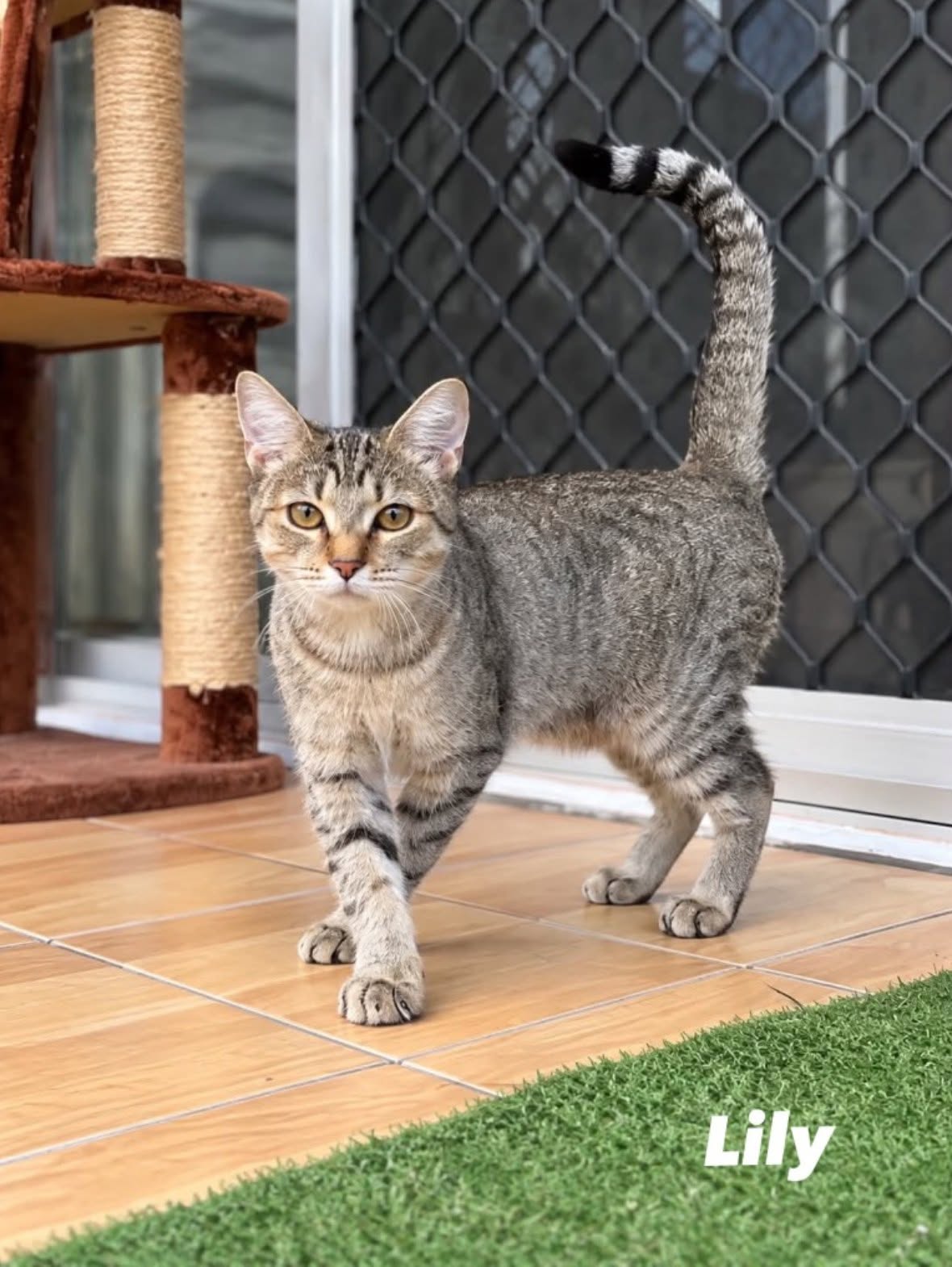
A 6-month-old kitten with such a big heart! Lily knows how to share the things that really matter: she loves cuddles and she loves her food. She’s at that wonderful age where she’s playful and curious, but also ready to build a strong bond with their forever family. Lily is a calm and gentle cat, she’s sweet, affectionate, and loves taking things at her own pace. Give her a comfy spot, some tasty food and a good cuddle, and she’s a very happy girl. Raised with other cats, she knows how to be a good playmate and friend to any other feline companions your household might already have. Included in adoption fee of $225 DESEXED, MICRO-CHIPPED, up to date VACCINATIONS, FLEA/TICK/INTESTINAL WORM treated. Enquire today at angelpawsinc.com.au/pets-for-adoption/cats/ Sex: Female Breed: Domestic Short Hair Colour: Grey Tabby DOB: 01/03/2026 Cat Friendly: Yes Dog Friendly: Unsure Kid Friendly: Mostly
Read the full story

The 2026 Ona Mission endurance event was a roaring success, with participants running, paddling and cycling across the rainforests and bays of Mission Beach.
With a short and long course to choose from, both seasoned and rookie athletes came together for a varied event with a unique community vibe.

The annual Tilapia Tournament will return to Warrina Lakes this October. Photo supplied by Cassowary Coast Regional Council
Locals are being encouraged to grab their rods and help tackle one of the region’s invasive pests when the annual Tilapia Tournament returns to Warrina Lakes during the October school holidays.
Cassowary Coast Regional Council will host the free, family-friendly fishing competition from Thursday 1st October to Saturday 3rd October, combining a day out for the community with an important effort to protect local waterways and native aquatic life.
The tournament challenges participants to catch and remove Tilapia, an invasive pest fish capable of rapidly establishing large populations and outcompeting native species.
Tilapia feed on plants, insects and small native fish and can produce hundreds of young in a single season. Their nesting behaviour can also stir up mud and damage important habitat for native fish and other aquatic species.
Fortunately for competitors, the pest fish are relatively easy to catch and will take a variety of bait, including corn, bread, worms and pellets.
Cassowary Coast Mayor Teresa Millwood said every fish removed during the tournament would contribute to improving the health of the local ecosystem.
“The Tilapia Tournament is a fantastic opportunity for locals and visitors to get involved in protecting our waterways while enjoying a free, family-friendly event during the school holidays,” Cr Millwood said.
“Every Tilapia removed from Warrina Lakes helps reduce the pressure on our native species and improves the health of our local ecosystem. I encourage everyone to come along, register and be part of this important community effort.”
The tournament is open to all ages, although children under 14 must be accompanied by an adult.
Participants are encouraged to bring their own fishing gear, hat, sunscreen, water bottle and camping chair, with prizes also up for grabs throughout the event. Entry is free, however registration is essential. Further information and registration details are available through the Cassowary Coast Regional Council website.

Bronze for Kathy White. Photo credit: Xavier Keutch Photography
By Victoria Velton
Mission Beach Outrigger Canoe Club paddler Kathy White has returned from the Singapore IVF Va’a World Sprints Championships with two world titles and an individual bronze, after helping an Australian crew achieve a feat not seen in almost three decades.
Kathy joined fellow Mission Beach paddlers Clare James and Kate Rolfe, alongside Emma Morgan, Sue Lockwood and Kate Rolfe from Hekili Outrigger Canoe Club in Cairns, to form a combined six-person V6 crew.
The team claimed gold in both the 500m straight sprint and the 1000m sprint featuring three turns, finishing the championship undefeated in both events.
According to Kathy, the last time an Australian team won gold in both V6 sprint events was in 1996.
“It’s a fierce competition,” Kathy said, explaining crews must progress through heats, semi-finals and finals, with some forced to race through repechage.
Conditions in Singapore added another challenge, with intense heat and humidity testing even the Far North Queensland paddlers.

Despite the pressure, the crew remained calm and focused, relying on the work they had put in during months of preparation.
The six paddlers are seasoned competitors across V12, V6, V1 and OC1 racing, but, as Kathy pointed out, are not professional athletes.
“We all work, have family commitments and are time poor; however, we committed to each other to train mostly individually and together as much as we could,” Kathy said.
Previous coaching from Tuki Brown helped lay the foundations for the campaign, giving the crew confidence that they had something special.
Kathy was the paddler sitting in seat one.

“I am completely focused on my role of stroke with my sight firmly on the finish line, feeling the energy of the canoe and knowing how to get the most out of us to finish strong with lifts when needed,” she said.
For Kathy, the achievement was made possible by the trust between the six paddlers.
Before and after every race, the crew openly discussed what had worked and what could be adjusted.
“It’s often the small changes that make the difference when there are sometimes hundredths of a second between places.”
Kathy also returned home with an individual bronze medal after finishing third in the 500m V1 straight sprint, an achievement she said she was incredibly proud of.

She credited her coach Robyn Saultry for mentoring her through two major world-level challenges this year, including the 52km Kaiwi Channel Solo OC1 crossing from Molokai to Oahu in May.
She also shared the success with her family, friends and the Mission Beach Outrigger Canoe Club community.
For Kathy, Mission Beach itself plays an important role in developing paddlers like her and her team, who are prepared for challenging conditions.

“When you get to paddle in paradise, it’s easy to quickly develop a love of outrigger canoes or any water sport or outdoor adventure for that matter,” she said.
“We don’t shy from adverse conditions, quite the opposite, we thrive on it.
“Not many people can say that they paddled around an island before or after work. We are truly blessed.”

Monique Toichev with one of the winning smoked brisket pies. Photo credit: Victoria Velton
By Victoria Velton
Ingham's own Mick’s Bread Kitchen has taken gold on the national stage with four pies on the podium at the 2026 Official Great Aussie Pie Competition.
The Ingham bakery took home two gold, one silver and one bronze medal across its four entries, with its Pork Pie, and the Smoked Brisket Pie created by Mick’s daughter Monique Toichev, both earning gold.
The Ned Kelly Pie claimed silver, while their humble Plain Pie also made its mark with a bronze medal.
For Monique, seeing her Smoked Brisket Pie recognised at a national level was a particularly proud moment.
“It feels pretty amazing,” she said, “We put in a lot of work into that pie, with our pastry chef Aidan perfecting the pastry and us perfecting the seasoning for the brisket. It all works together perfectly.”
The team watched the results unfold live, with the gold-medal announcement making for an exciting moment at the bakery.
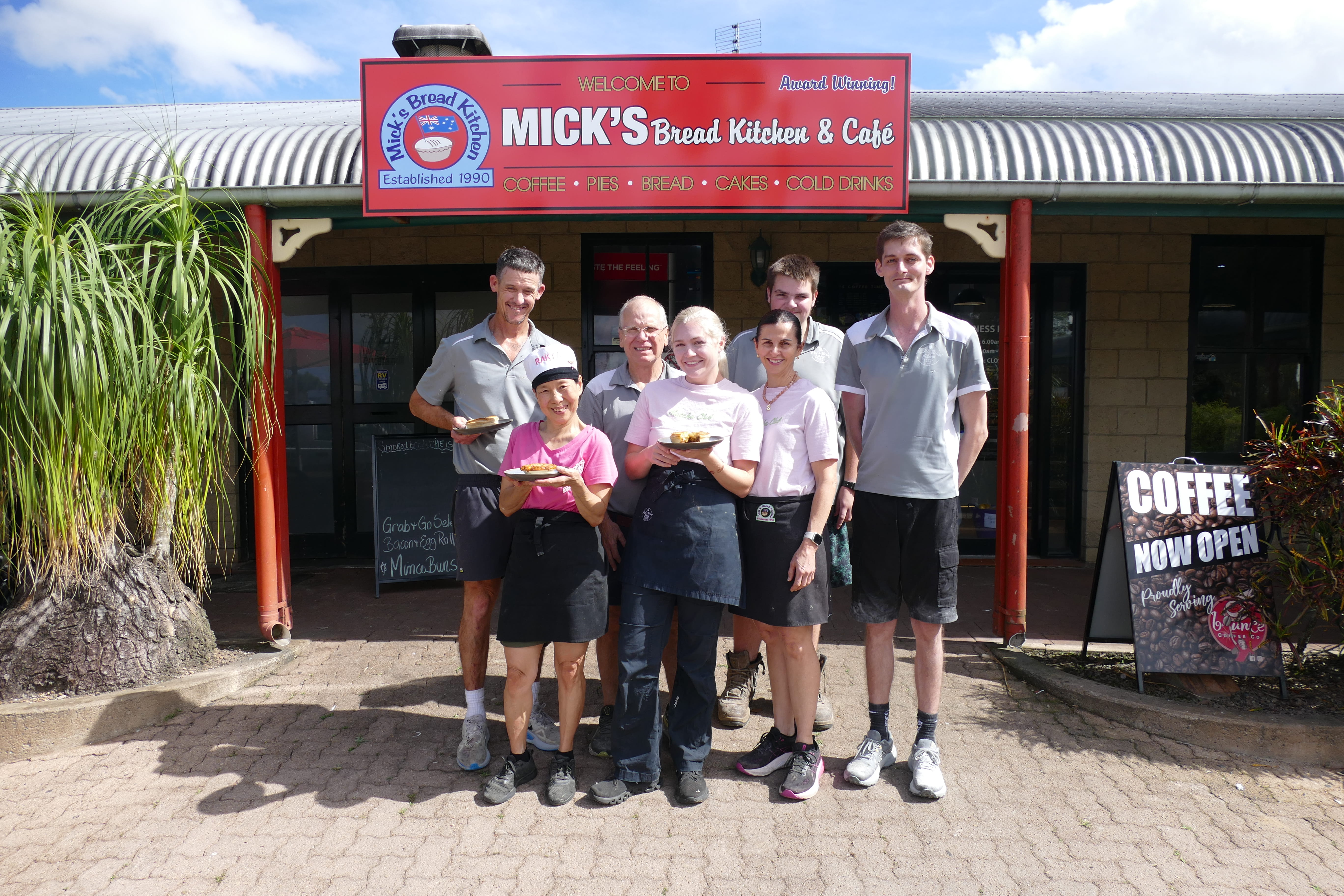
The strong showing across all four entries was even more reason to celebrate, with Monique saying the team was very happy with the results. The competition is one of the biggest events of its kind in Australia, making the four-medal haul a significant achievement for the local bakery.
Monique said the response from customers since the results has been particularly encouraging, with the gold medal Smoked Brisket Pie quickly becoming a favourite among locals.
The gold-medal creation will remain on the menu, alongside the bakery’s other award-winning varieties.

With the team already looking towards developing new flavours and creations, the latest awards may be spark the creation of more recipes to vie for space on Mick's pie oven's shelves.
For now, Ingham can enjoy the bragging rights of having four locally-made pies recognised on the national stage, with two gold medals sitting proudly at the top of the podium.
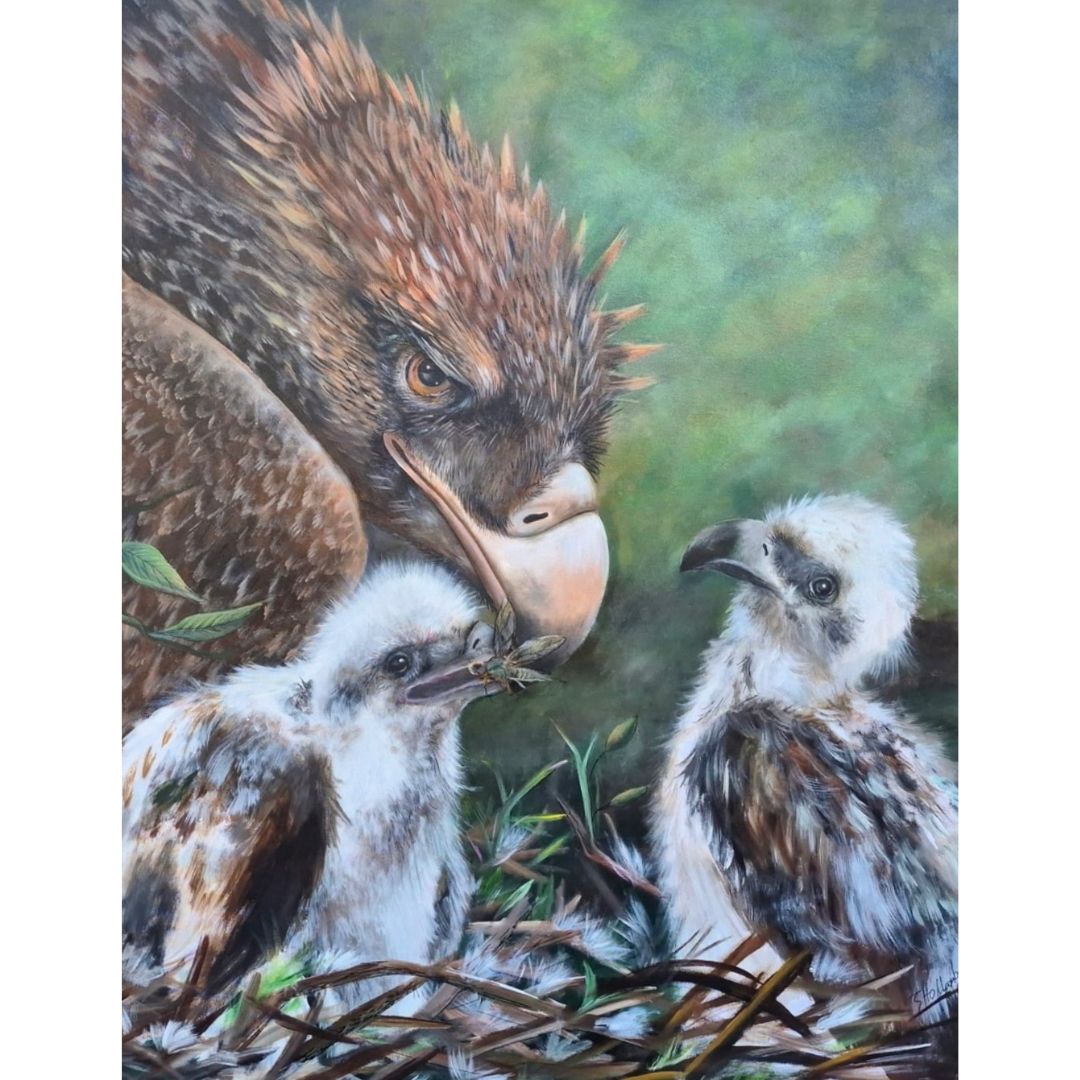
People's Choice Award winner: Entry No. 59, ‘I'll Be Watching You’ by Sue Hollamby
Contributed with thanks by Hinchinbrook Shire Council
One captivating artwork has claimed the hearts and votes of visitors, with Townsville artist Sue Hollamby's I'll Be Watching You named the Ergon Energy Network People's Choice Award winner at the 11th Hinchinbrook Birdlife Art Awards.
The announcement follows another successful exhibition at TYTO Regional Art Gallery, where hundreds of visitors immersed themselves in a celebration of artistic talent and the remarkable birdlife that inspires it.
Depicting a protective adult bird keeping watch over two chicks in their nest, I'll Be Watching You captivated audiences with its extraordinary realism, intricate detail and intimate portrayal of life in the natural world.
The striking composition drew viewers into a tender moment between parent and young, ultimately earning the highest number of public votes.
Community and Cultural Services Portfolio Councillor Donna Marbelli said the People's Choice Award remains one of the most meaningful categories of the exhibition, as it reflects the direct voice of the community.
"The People's Choice Award allows visitors to form a personal connection with the artworks and recognise the pieces that resonate most strongly with them," Cr Marbelli said.
"Sue's artwork captured a beautiful moment in nature. The level of detail, the storytelling and the connection between the birds clearly struck a chord with visitors, making it a deserving recipient of this year's award."
Cr Marbelli said the Birdlife Art Awards continue to showcase the power of art to inspire conversations about the environment while celebrating both emerging and established artists.
"The exhibition not only highlights exceptional artistic talent, but also encourages people to pause, observe and appreciate the incredible birdlife and biodiversity that surrounds us."
Council thanks the many visitors who attended the exhibition and participated in the voting process, as well as the artists, sponsors and supporters whose contributions helped make this year's awards another outstanding success.
Visit hinchinbrook.qld.gov.au for the latest events at TYTO Regional Art Gallery and other Council organised and supported events.

A Lighter Way To Get Your Protein
For anyone who finds traditional protein shakes a little too thick, heavy or milk-like, Noway! Collagen Protein and Protein Water offers a refreshing alternative.
Designed to mix into cold water like a cordial, this collagen protein powder turns a regular water bottle into a light protein drink that can be sipped throughout the day. There is no thickshake to prepare or heavy feeling afterwards. Simply add to water, shake and go about your day.
Collagen, providing around 20g of protein per serve, is hydrolysed into smaller peptides, and the product is dairy-free, naturally sweetened and designed to be enjoyed chilled.
Protein is an important part of a balanced diet, helping maintain and build muscle, while collagen is one of the body's major structural proteins. As we age, maintaining muscle mass and supporting everyday physical wellbeing becomes increasingly important, making convenient protein options useful for busy lifestyles.
Rather than saving it just for the gym, Noway! Collagen Protein Water can be mixed into a bottle before heading out for the day and enjoyed as you go.
Noway! products are available at Ingham WholeLife Pharmacy & Healthfoods, with four flavours currently on discount: Kiwi Apple, Vanilla, Chocolate and Mixed Berry.
The new Kiwi Apple flavour will also be available for taste testing throughout next week, giving locals the chance to try the newest addition to the range. Also, with any purchase of a 750g flavour, customers will receive a 260g Kiwi Apple for free.
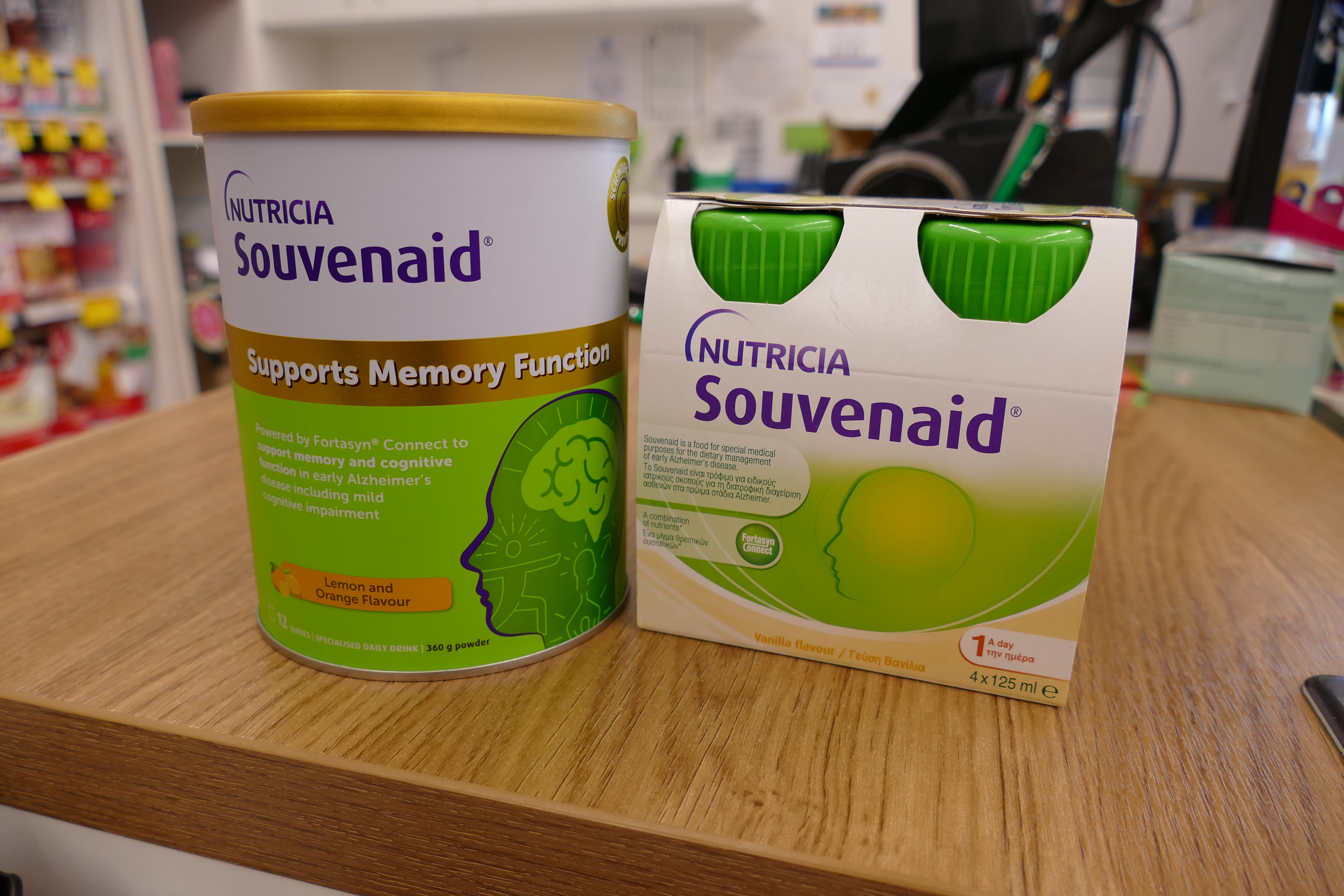
Supporting Memory Through Nutrition
The little things that once seemed ordinary - like remembering a name, finding the right word or recalling a familiar moment - can become increasingly difficult for a person living with Alzheimer’s disease. While there is no cure, supporting overall health and nutrition can form an important part of caring for someone through the early stages of the disease.
Souvenaid is a specialised medical nutrition drink designed to nutritionally support memory function in people in the early stages of Alzheimer’s disease, including mild cognitive impairment. It provides a combination of nutrients formulated to support the growth of connections between brain cells, known as synapses.
Good nutrition is important throughout life, and the brain relies on a range of nutrients to function properly. Souvenaid contains a combination of omega-3 fatty acids, choline, phospholipids, uridine monophosphate, B vitamins and antioxidants, bringing these nutrients together in a convenient daily drink.
Available as a ready-to-drink 125ml bottle or as a powder, Souvenaid comes in a variety of flavours, making it easy to incorporate into a daily routine.
For families navigating the challenges of memory loss, small measures that support wellbeing can make a meaningful difference. Souvenaid is designed to complement a normal diet, providing specialised nutritional support alongside broader care and lifestyle measures.
Souvenaid is a Food for Special Medical Purposes and must be used under medical supervision. It does not cure or alleviate Alzheimer’s disease, so anyone considering it should speak with their doctor or healthcare professional about whether it is appropriate for them.

Thinking about being a teacher? 2027 Shaping Future Educators scholarships are now open. Photo sourced: Shutterstock
Contributed with thanks by Townsville Catholic Education
Townsville Catholic Education is strengthening its commitment to addressing the national teacher shortage by expanding its suite of scholarships designed to support emerging educators.
Aimed at Year 10 high school students and university students with a passion for teaching, the 2027 Shaping Future Educators Scholarship Program provides students with opportunities to access financial assistance, practical experience and a clear, supported pathway into the profession.
This program has been carefully structured to guide aspiring teachers at key points in their learning journey. Year 10 students at Townsville Catholic Education schools can undertake a Certificate III and university-level education subjects at no cost, with optional school placements, and the chance to apply for a second scholarship when they begin their teaching degree.
University students in their first or third year can access up to $10,000 in financial support, along with professional development, final-year teaching experience, and weekly placement allowances.
“These scholarships are an investment in future educators, offering meaningful financial support, mentoring and real-world learning opportunities,” said Louise Vella-Cox, Acting Executive Director.
Applications for the 2027 Shaping Future Educators scholarships are now open and will close on 30th September 2026.
For more information or to apply, visit www.tsv.catholic.edu.au/about/scholarships

‘Anyone who accidentally comes into contact with electrical infrastructure while in a vehicle or operating machinery to remain in it.’ Photo supplied: Ergon Energy
Contributed with thanks by Ergon Energy Network & Energy Queensland
Ergon Energy Network is urging anyone hiring an excavator, including DIY renovators, landscapers and rural property owners, to take extra care around overhead and underground powerlines.
With excavators relatively inexpensive and easy to hire, Ergon has seen a rise in incidents where people accidentally dig into underground power cables or hit overhead powerlines when extending an excavator arm or even just moving about on site.
These incidents can have serious consequences and last year alone Queensland’s power network was struck 85 times by excavators.
Striking electrical infrastructure can cause severe injury or death, either to the operator or people nearby.
It can also cut power to homes, businesses and essential services, and result in costly repair bills for the person responsible.
In some cases, the sudden loss of power is impacting those vulnerable people in our community resulting in potential life-threatening situations.
“When you hit powerlines and cables you rarely get a second chance,” Ergon Area Manager Chris Pell said.
“Contact with electricity can kill in an instant. Even if someone walks away physically unharmed, they may still face a large damage bill and be responsible for cutting power to their local community.”
Before starting any digging, Ergon is reminding people to check what’s below the surface and above their heads.
Underground cables may not be visible, even on a private property, while overhead powerlines can be overlooked when excavator arms, booms or attachments are raised.
“Always look up before you lift and plan your work so machinery stays well clear of overhead powerlines,” Mr Pell said.
“Before digging, it’s essential to check for underground services by using the free Before You Dig service at byda.com.au.”
Ergon also recommends keeping a safe distance from all powerlines, never assuming a line is insulated or safe to touch and stopping work immediately if you’re unsure about the location of electrical infrastructure.
“Hiring an excavator might be cheap, but hitting a powerline could cost a life,” Mr Pell said.
“A few simple checks can prevent serious injury, power outages and expensive mistakes.”
Mr Pell also urged anyone who accidentally comes into contact with electrical infrastructure while in a vehicle or operating machinery to remain in it.
“Anyone who accidentally hits the network should never attempt to exit the vehicle, as live electricity can pass through their body from the vehicle and cause a serious electric shock,” Mr Pell said.
“If your vehicle becomes entangled, the safest approach is to stay, call, wait. That is, stay inside the vehicle, call Triple Zero (000), and wait for emergency services and our crews to arrive.
“If a secondary life-threatening situation, such as a fire, forces you to leave the vehicle, avoid touching the potentially electrified vehicle and the ground at the same time. Open the door, jump clear as far as possible, and shuffle your feet until you are at least 10 metres away.”
Anyone who damages electricity infrastructure or comes into contact with powerlines should keep well clear and call Triple Zero (000) immediately.
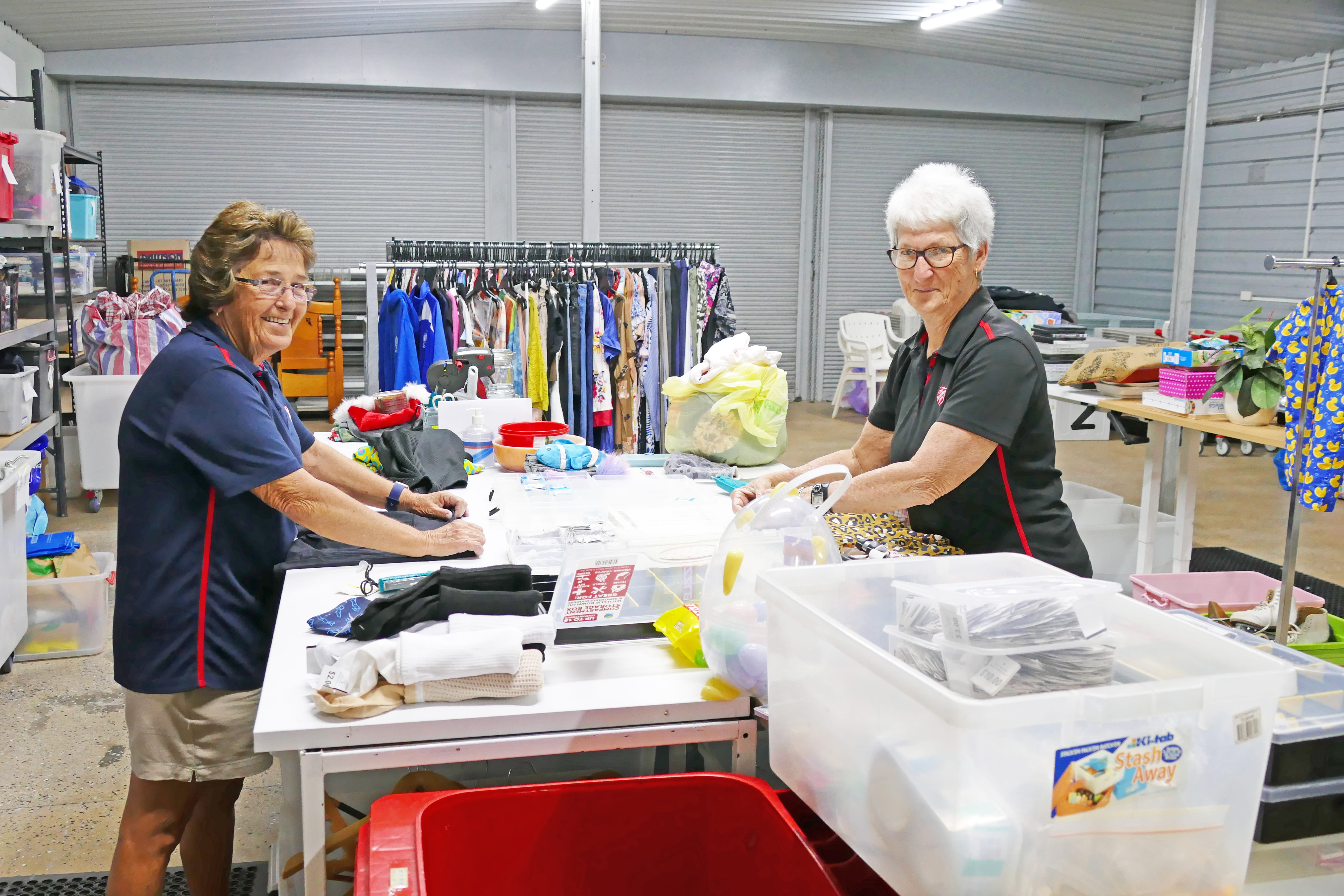
Returning volunteers, Wendy van den Dolder and Colleen Dametto Photo credit: Victoria Velton
Ingham’s second-hand shopping scene has welcomed Salvos back into the community, with the Salvation Ingham Family Store recently opening its new location on Lannercost street.
The reopening brings the town’s number of second-hand stores back to three, restoring the number of local op shops in operation prior to the 2025 weather event that flooded Salvo’s previous premises on Herbert Street, before the building was demolished to make way for the Moduline factory.
For Manager Jean Barnett, finding a new home for the store has been a long time coming.
While the closure meant the Family Store was temporarily absent from the town’s op-shopping scene, plans to return were always in the background as the team searched for a suitable new premises. Now, Jean said they have found a perfect location.
“We love it. It’s beautiful,” she said.
The new store offers a wide variety of donated goods, including second-hand furniture, household items, clothing, toys, and bric-a-brac. The front section has a boutique-style clothing display, while further inside shoppers will find ladies’, men’s and children’s clothing, a $1 rack and a large bric-a-brac section leading through to furniture and manchester.

The variety has already been welcomed by locals, with Jean saying customers have been particularly happy to once again have somewhere to donate goods as well as another place to shop.
For a town still rebuilding and reshaping itself after the floods, the return of another community store adds another familiar service and shopping option to the local landscape.
Jean said the reception since opening has been overwhelmingly positive, with locals showing their support for the new premises and the team behind it. That team includes many of the volunteers who worked at the previous store, along with some new faces.

Jean put the volunteers first in her praise, saying they work hard behind the scenes to keep the store running.
“Without the volunteers, we wouldn’t be able to do what we do,” she said.
With donations continuing to come through the doors and volunteers happily returning to their roles, for Jean and the team, the new location represents a fresh start, but that same community spirit that has always been at the heart of the store remains.
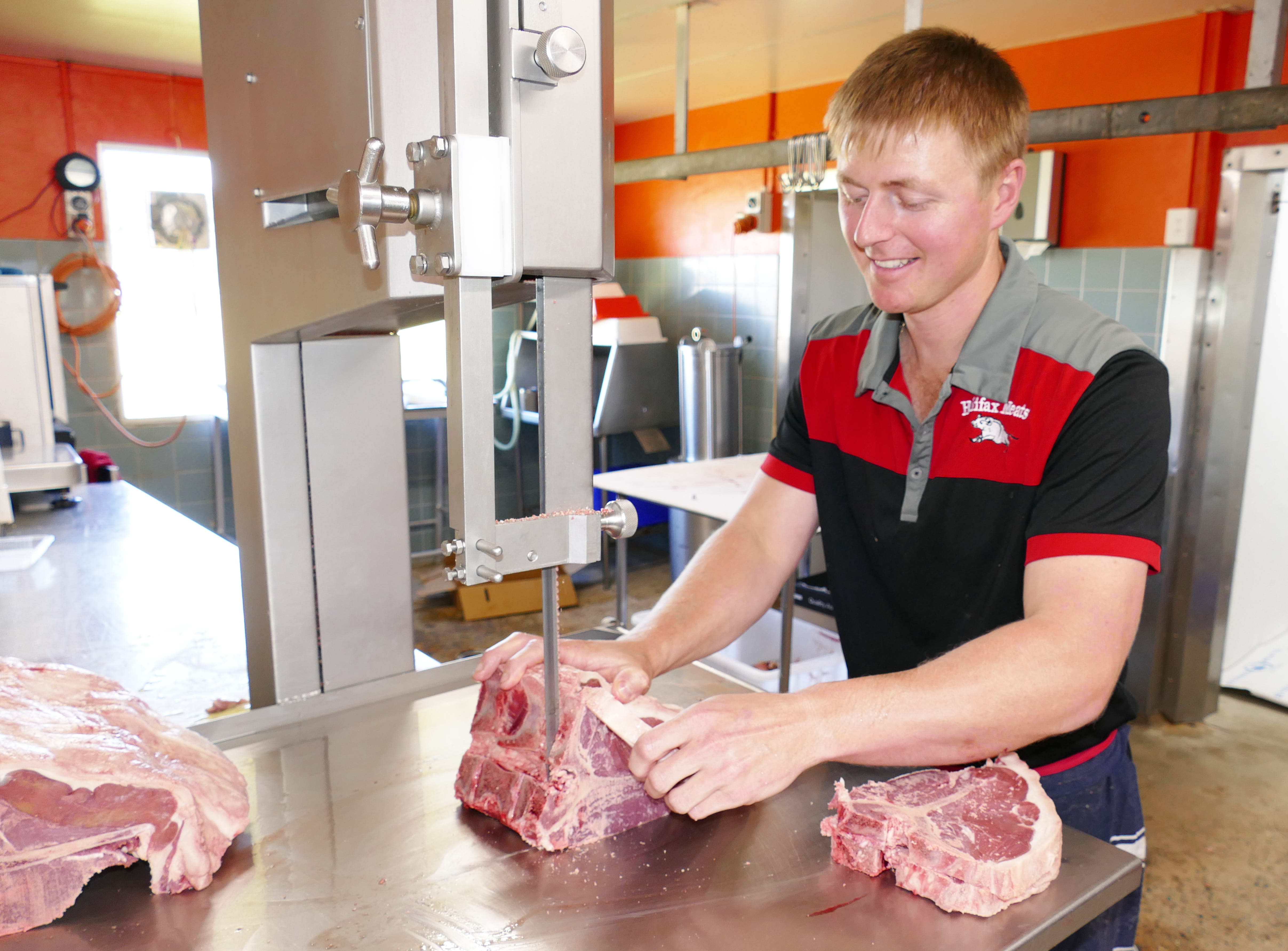
Close up, David cutting T-bones Photo credit: Victoria Velton
By Victoria Velton
Halifax Meats has come away with a major result at the 2026 North Queensland Best Beef Carcase Competition, taking second place in the Class 1 Droughtmaster steers category.
The Ingham butcher was represented by its supplier, Rocky Creek Abattoir, with the winning cattle selected from producers supplying beef to the abattoir.
Halifax Meats’ entry, supplied by producer Peter Vitco, scored 228.38 points in the 200 to 280 kilogram Class 1 category, narrowly finishing behind the winning entry from Denelle Coutts and Kieran Mouldey with Byrnes Quality Meats, which scored 233.25 points.
For Halifax Meats, the result is more than simply a trophy or a placing. Owner David Edmonds said it was an exciting piece of feedback and a physical representation of the skill and care that goes into providing customers with quality meat.
“That’s sort of what our goal is, not to sell as much as we can. It’s just to make sure that we’re selling a quality product,” David said.

The competition is part of a broader agricultural event designed to bring together different parts of the North Queensland beef industry, from producers and the people growing feed for cattle through to abattoirs, butchers and consumers.
The carcases entered are assessed after the cattle have been processed, with the competition providing recognition to producers who have produced high-quality cattle within the relevant weight class.
While the carcase competition is a highlight, David said the event also provides an opportunity for the industry to learn about developments in cattle production, agriculture and the science behind producing quality beef.
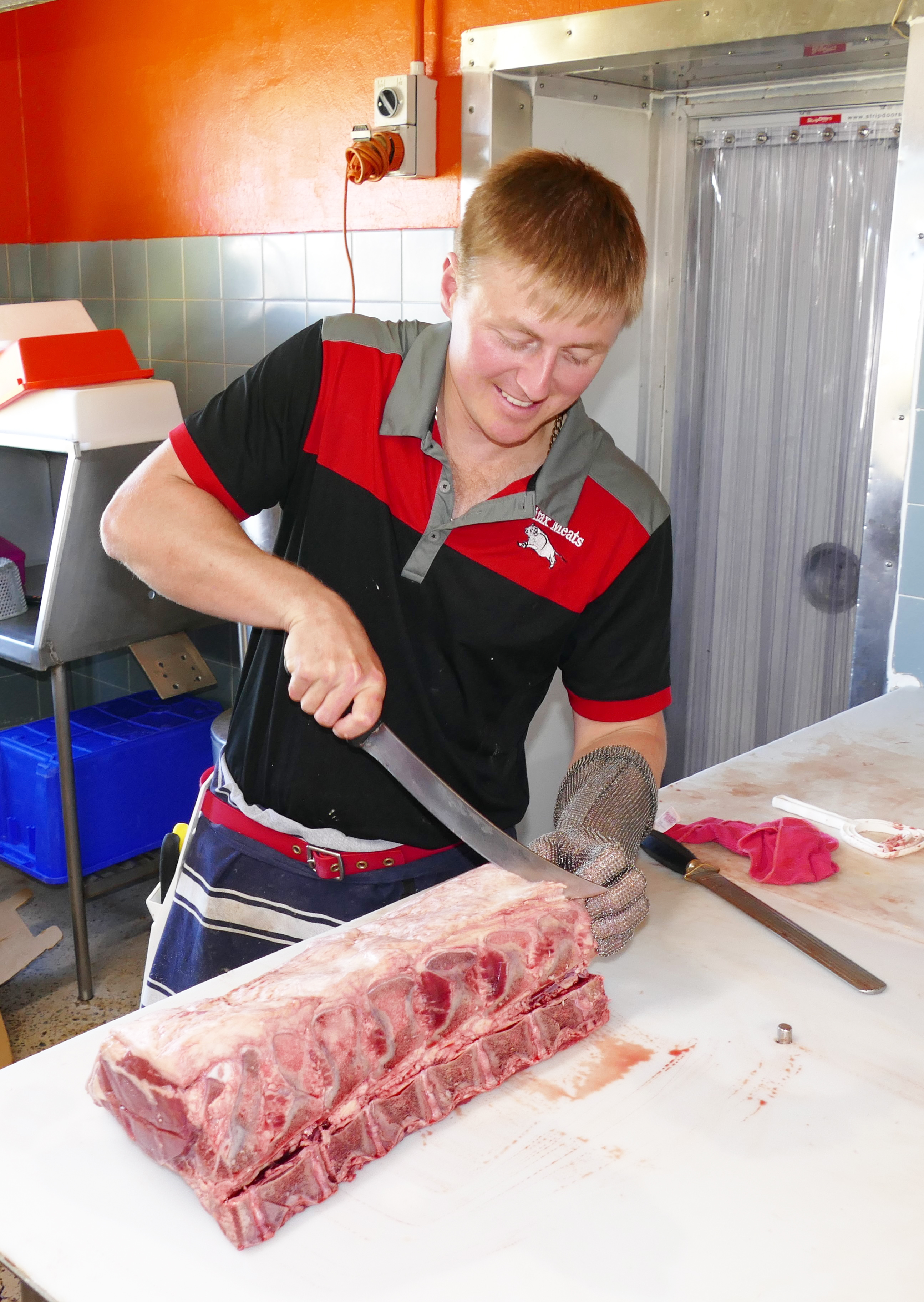
Coming second is a welcome acknowledgement of Halifax Meats’ ongoing commitment to quality.
“It’s just good news and good feedback,” David said.
“It’s sort of a physical representation of your skill as a butcher.”
The result places Halifax Meats among the recognised businesses in this year’s North Queensland competition, with the Class 1 runner-up adding another achievement to the Ingham butcher’s reputation for quality produce.
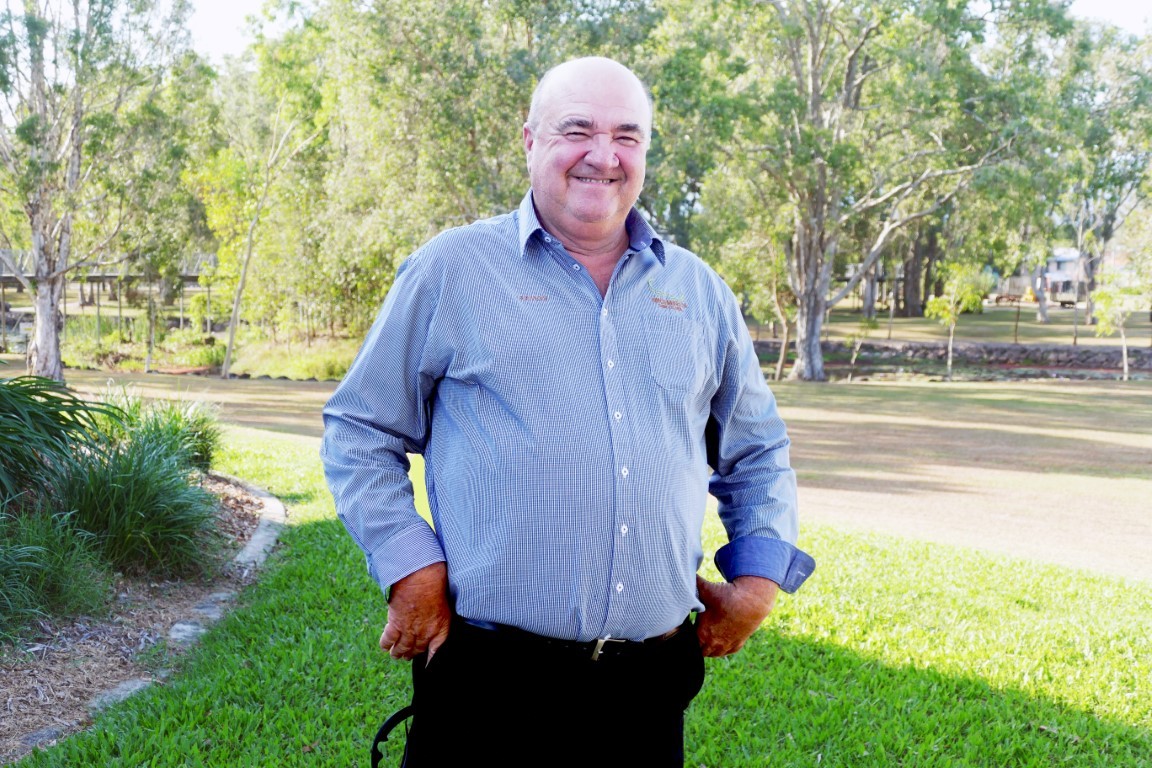
I have been approached by a growing number of residents who are finding it increasingly difficult to obtain affordable insurance, with some unable to secure cover at all. Many are telling me that premiums have become unaffordable, while others have been refused cover because their property is located in a known flood area or has a history of flood claims.
Over recent years, we have seen significant increases in home, contents and business insurance premiums, largely driven by the cost of flood cover. As a result, three concerning trends are emerging across our community.
Firstly, some property owners are choosing not to insure at all. This leaves them exposed not only to flood impacts, but also to other risks such as cyclone, storm and fire.
Secondly, some owners are reducing the value of assets they insure in an effort to lower premiums. While understandable, this can leave families and businesses underinsured and unable to fully recover following a major event.
Thirdly, there is a growing perception among some people that insurance will cover any loss, reducing the incentive to take practical steps to protect furniture, equipment and other assets from floodwaters. Ultimately, these losses contribute to increased claims and higher premiums for everyone.
For most families, their home is the single largest investment they will ever make. Without adequate insurance, recovering from a cyclone, storm, fire or other disaster can be extremely difficult.
The affordability and availability of insurance is a serious issue for communities like ours, and Council has been raising these concerns with both State and Federal Governments for several years. In my view, there is clear market failure in some areas, and governments need to work with industry to find practical solutions that improve access to affordable cover while strengthening community resilience.
One option worthy of consideration is allowing property owners to choose whether flood insurance is included in their policy. Giving people the ability to opt in or opt out of flood cover could help reduce premiums while maintaining protection against other risks such as cyclone, storm and fire.
Equally important is greater transparency from insurers around how premiums are calculated and how risk is assessed for individual hazards. Property owners should also receive clearer recognition for mitigation measures and resilience investments, such as building above recognised flood levels or undertaking flood-proofing works.
To help build a stronger case for change, Council will release a community survey seeking feedback from residents and businesses about their experiences with insurance affordability and accessibility.
I strongly encourage everyone to take a few minutes to complete the survey by visiting www.surveymonkey.com/r/FNBY7SF or scanning the QR code before it closes at 5.00pm on Tuesday 6th October 2026.

The more information we can provide to decision-makers, the stronger our advocacy will be.
We need real local data to demonstrate the impact rising insurance costs are having on our community and to push for meaningful reform.

At the August General meeting council was tabled with a revised package to deliver the Queensland Government's Works for Queensland (W4Q) package for the 2024-20274 period. Among the challenges faced during this period, acknowledging the 2025 flood event, the most significant being a substantial increase in the projected costs to deliver each project. As such, the project list was subsequently reassessed to maximise the delivery of priority works within the available funding and program eligibility guidelines and timeframe.
The 2024-2027 Queensland Government's W4Q program prioritises investment in projects that enhance essential Council services, contribute to community and regional economic development, and supports the long-term sustainability of Queensland councils. Council over the period of the last few months has reviewed the currently approved W4Q projects.
The review has resulted in the need to apply for a change to a number of projects. These changes have resulted for a variety of reasons, some of which are mentioned above.
Acknowledging the hard work put in by the whole Hinchinbrook Shire Council team in reviewing the projects, Council endorsed the updated list of projects for the Queensland Government's 2024-2027 W4Q Funding totalling $3,230,000 as follows:
• Taylors Beach Seawalk (Stage 1 Design Only) $61,772.83;
• Taylors Beach Playground Shade Covering and Site Improvements $65,000;
• Extension of Reticulated Sewerage Toobanna Township (Design) $375,500;
• Extension of Reticulated Sewerage along Sir Arthur Fadden Parade (Design) $170,000;
• Revamp Borello Park Lucinda (concept design) $38,727.17;
• Riverview Park enhancement $20,000;
• Half Basketball Court, Merv Wacker Park $141,350.69;
• Pump Track, Merv Wacker Park $606,587.34;
• Ingham Showground car park $211,193.36;
• Merv Wacker Park Improved Car parking $181,193.36;
• Vince Corbett Park Infrastructure Upgrade Forrest Beach $1,255,494.21; and
• Half Basketball Court Leo Park Trebonne $103,181.04.
This revised package is proudly funded by the Queensland Government in association with the Hinchinbrook Shire Council.
We look forward to seeing these projects begin and eagerly await their completion.
In the meantime Hinchinbrook residents, take care, stay safe and be kind.
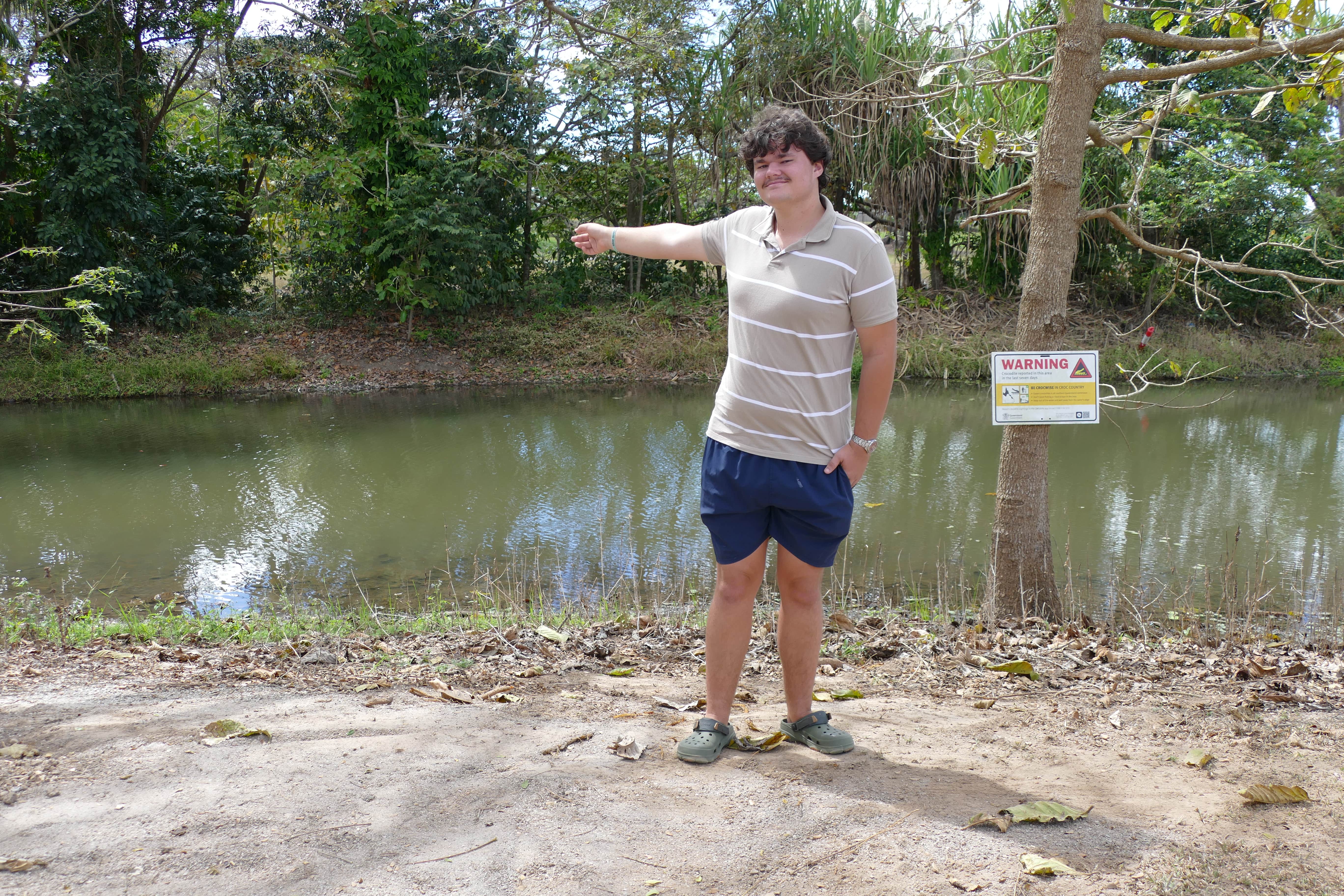
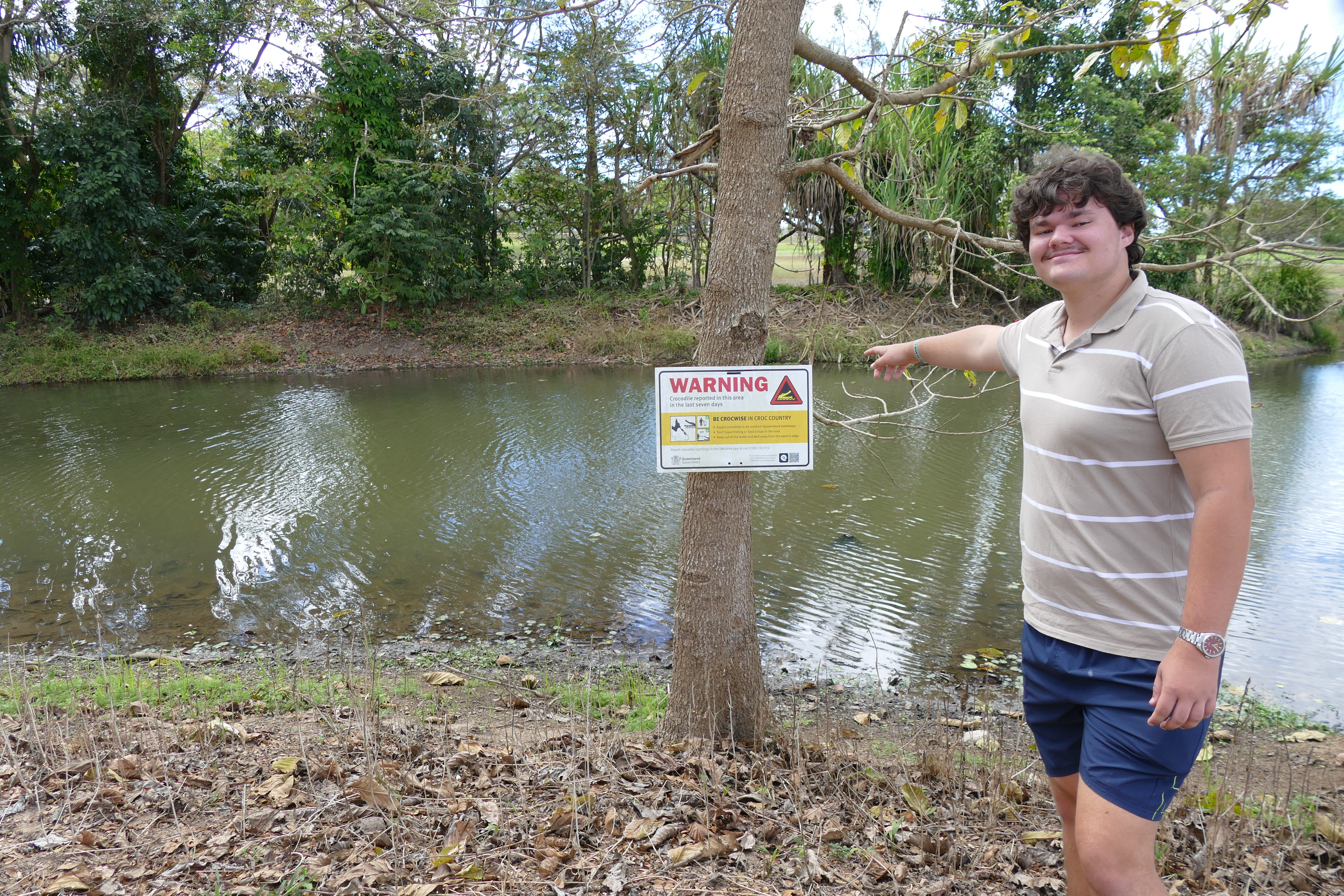
Local resident Coen Luxford indicating to the dirt spot on the far bank where the crocodile would often bask. Photo credit: Victoria Velton
By Victoria Velton
A juvenile crocodile was removed from the waterway near Ingham State High School on the afternoon of the 1st September. Reportedly, it had become a too familiar sight to locals and visitors using the area, with signs warning of its presence.
The crocodile, estimated to be around one to one-and-a-half metres long, was captured by the Department of Wildlife during an operation witnessed by local resident Coen Luxford.
Coen regularly walks through the area and happened to be nearby when he noticed Department of Wildlife vehicles arriving.
“I saw some Department of Wildlife utes come down the side. I thought, oh - let's go check that out and see what’s going on,” Coen said.
He soon spotted the crocodile trap sitting in the water, with the operation already underway.
“It was a very interesting exercise watching them trying to get him out,” he said.
The removal has provided some reassurance for people who use the pathway, particularly those concerned about children or dogs being close to the water's edge.
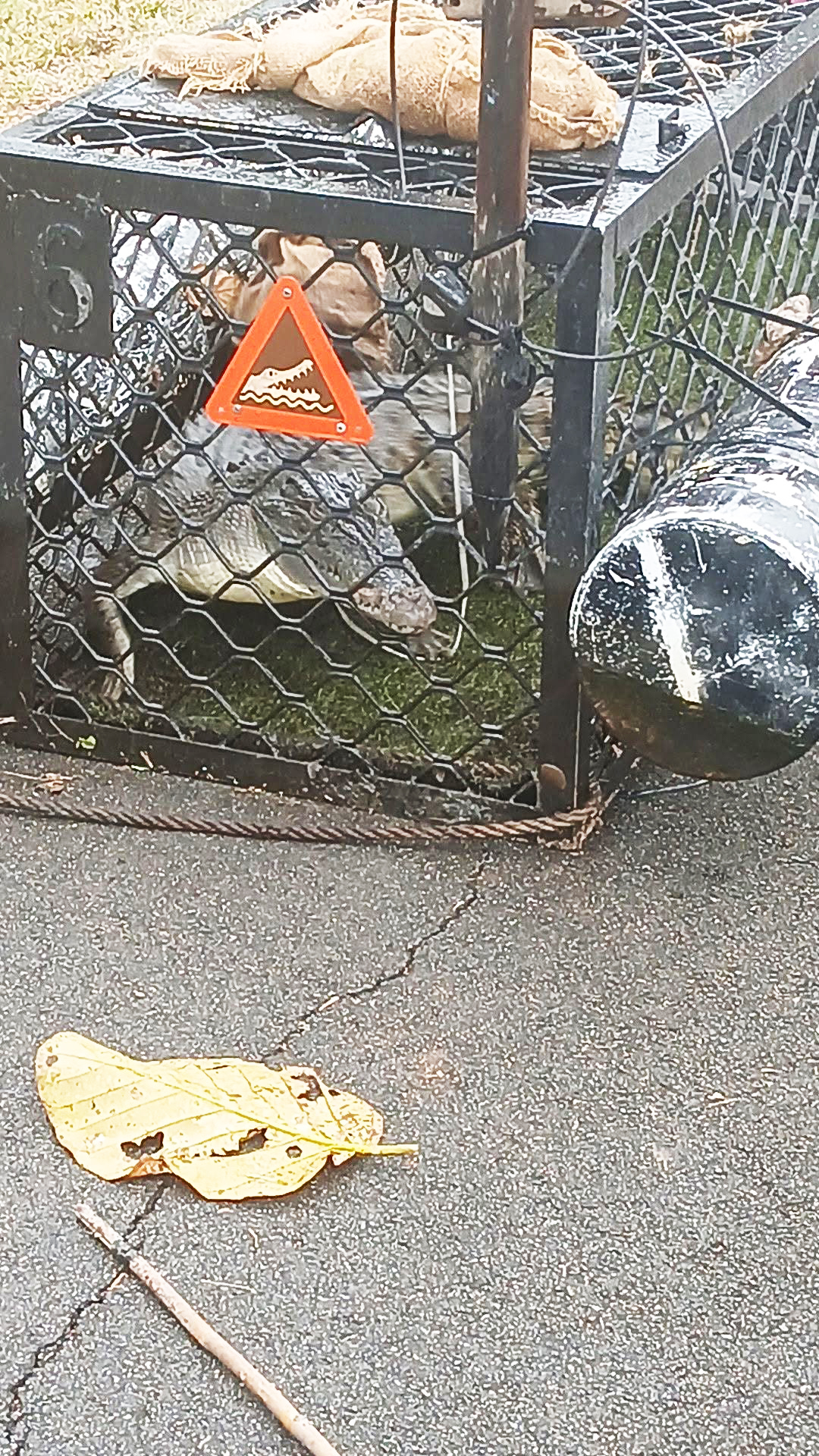
“There’s no guardrails or such between the pathway and the water, and I can understand some people’s concerns if they were worried about the crocs sitting on the water bank near the path and snatching up Fido,” Coen said.
However, Coen said the arrival of crocodiles in the waterway is nothing particularly unusual, with the animals often moving into the area following floods.
“Crocs move into the pond every year after every flood. They always come in, and the Department of Wildlife always does a good job catching them,” he said.
Coen estimated that two or three crocodiles have been removed from the waterway over the past five years.
With the water currently low and visibility reduced, Coen said people should continue to take care around the waterway, regardless of whether a crocodile is currently known to be present.
“There’s always signs on the pond warning people of possible crocodiles, so it’s always good just to be wary, because you never know what’s under there,” he said.
The young crocodile had also become something of a local celebrity, with people regularly stopping to see if they could spot it from the pathway.
Its preferred position along the bank made it particularly easy to see, according to Coen.
“He was really visible, a great tourist attraction,” he said.
While the removal has brought relief to some locals and upset to others who enjoyed the young croc's presence, Coen expects the waterway will once again attract a crocodile following the next significant rainfall.
"If you wanted to have a look at a croc in its natural habitat, this would probably be one of the safest places you could do it," he remarked, as long as people are respectful to the animal and maintain a safe distance.
With summer rains approaching, residents may not have to wait long before another reptilian resident makes an appearance.
Always be CrocWise, keep your distance, never approach or disturb a crocodile, and keep children and pets well away from the water’s edge. Remember: if you are near a crocodile habitat, always assume a crocodile could be nearby and heed warning signs.

The Hinchinbrook Visitor Information Centre has been recognised as a finalist in the 2026 North Queensland Tourism & Events Awards, due to the role it plays in helping visitors discover everything the Hinchinbrook region has to offer.
Now, the centre is asking locals and visitors to show their support by casting a vote.
For the team, the nomination is an opportunity to celebrate the service they provide to visitors and the local tourism industry. Whether the team has helped you plan a holiday, suggested somewhere new to explore, or simply helped make yourstay a little easier, every vote counts.
The People’s Choice Award also offers a little something for those who take part, with voters going into the draw to win a $500 holiday voucher.
Voting is now open. Visit awards.townsvilleenterprise.com.au to cast yours.
Publishers Indemnity. Any individual or entity that places advertising, supplies copy material, or submits editorial content to Life Publishing agrees and undertakes to ensure that all such material:- Does not infringe upon any copyright, trademark, or other intellectual property rights;- Is free from any content that could be considered defamatory, libelous, or slanderous;- Does not infringe upon any rights related to privacy or breach of confidence;- Contains no obscene, indecent, or otherwise unlawful material;- Complies fully with the Trade Practices Act and all other applicable laws, regulations, or statutes. Furthermore, by submitting or placing such material, these individuals or entities agree to indemnify and hold harmless the publisher, Life Publishing and Events Pty Ltd, and/or its agents from and against any and all investigations, claims, demands, liabilities, damages, costs, or judgments arising out of or in connection with the material provided. All material is believed to be accurate at the time of printing and remains the copyright of Life Publishing and Events Pty Ltd.
© 2026 Life Publishing Group Ltd.
