Independently Owned, Locally Grown, Community Loved

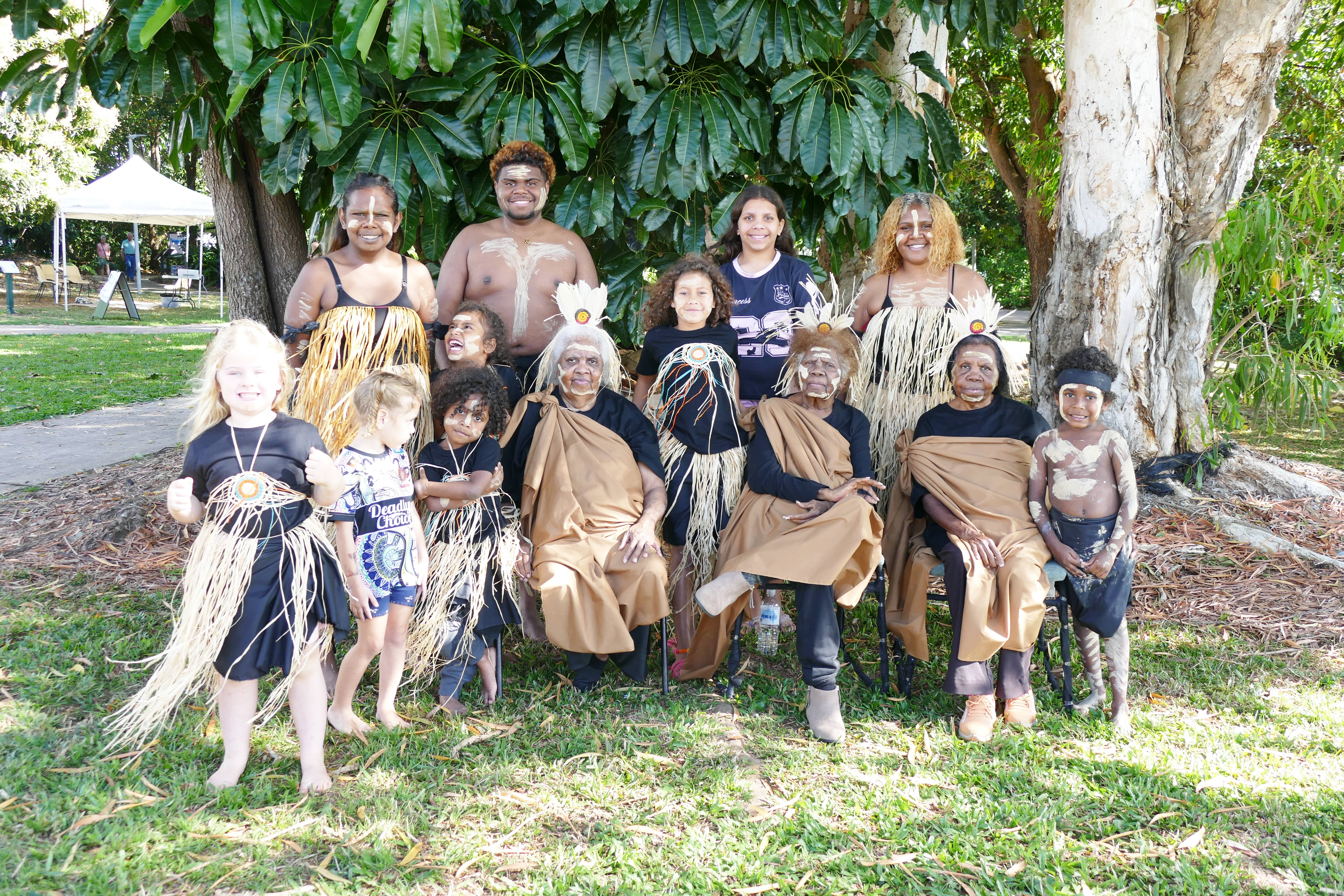
The Girramay people at the Cardwell NAIDOC market Photo credit: Victoria Velton
Hosted by the Girramay people on Girramay Country, the Cardwell Markets marked the 50th anniversary of NAIDOC Week on Sunday with a celebration of storytelling, traditional dance, bush tucker and weaving.
More than a cultural display, the morning was an opportunity for visitors to hear stories, sample traditional foods, and witness how language, traditions and cultural knowledge are passed from Elders to younger generations, ensuring stories, customs and identity continue for generations to come.
"We're celebrating 50 years of NAIDOC. We've included our Elders because without our Elders, there's no one to teach the young people,” Auntie Tracey of the Girramay said.
"It's very important that our children and people in general understand why we celebrate. Many years ago, a lot of our people fought and advocated for us as Indigenous peoples. This is about acknowledging them and celebrating who we are."
Rather than presenting individual displays, organisers deliberately linked every activity together to tell the story of Indigenous life.
"It's not a celebration that's separated," Auntie Tracey said.
"Every stall you see here is connected.
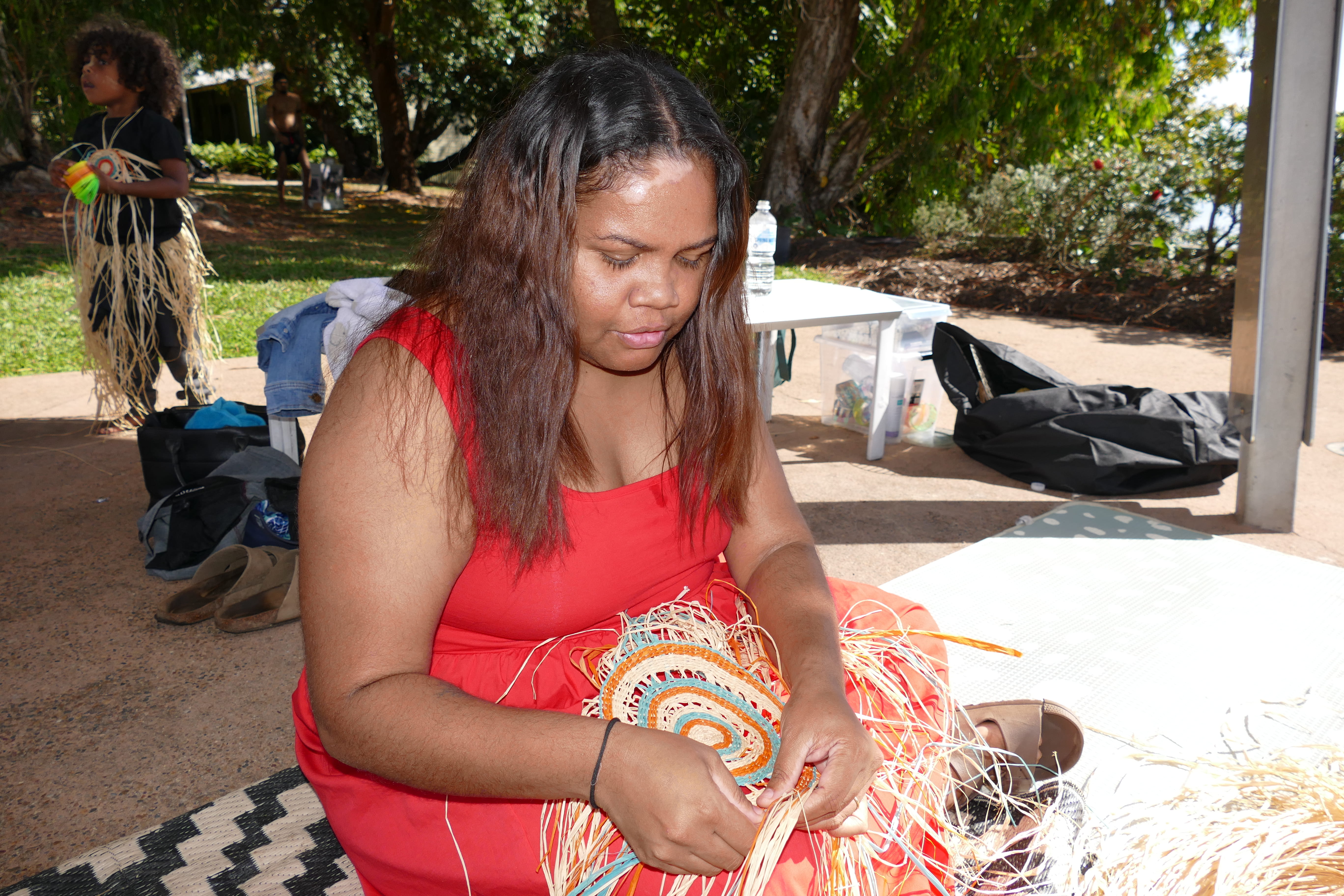
"We lived off the land. We ate bush tucker. We heard stories from our old people. We learned to hunt and gather food. We stayed with our mums and aunties to learn weaving.
"But it all comes back to our Elders. That's where you hear their heart and their aspirations. They don't just teach you who you are individually. They teach you through the land, and you automatically grow in the character of who you are."
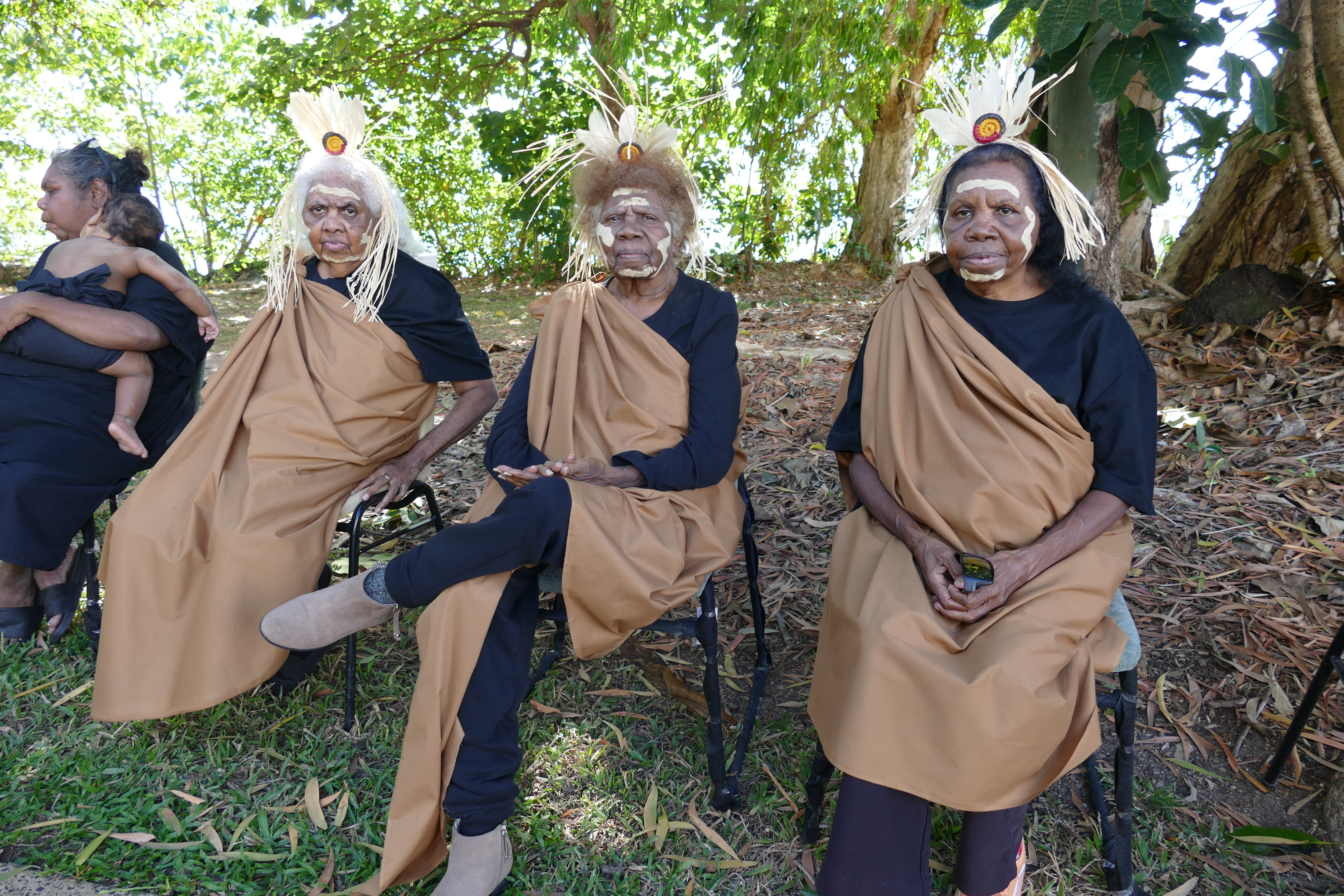
Language also formed an important part of the day's activities with Auntie Tracey sharing stories explaining that many Aboriginal people carry both an English name and a traditional language name.
"We all know our English names, but it's important to know the story behind the language names our old people gave us."
One story centred on young performer Jarves, whose language name, ‘Doondu’ (Dundu), means "little bird", while fellow dancer Dante carries the language name ‘Mugirray’, (Mudgoia) meaning "big brother".
Traditional bush tucker was another highlight, with visitors able to sample wallaby and fish cooked over the fire, while traditonal dance stories were performed.
"It's the leanest meat and it (wallaby) was readily available for our people to feed their families. We also live by the sea, so fish has always been important too."
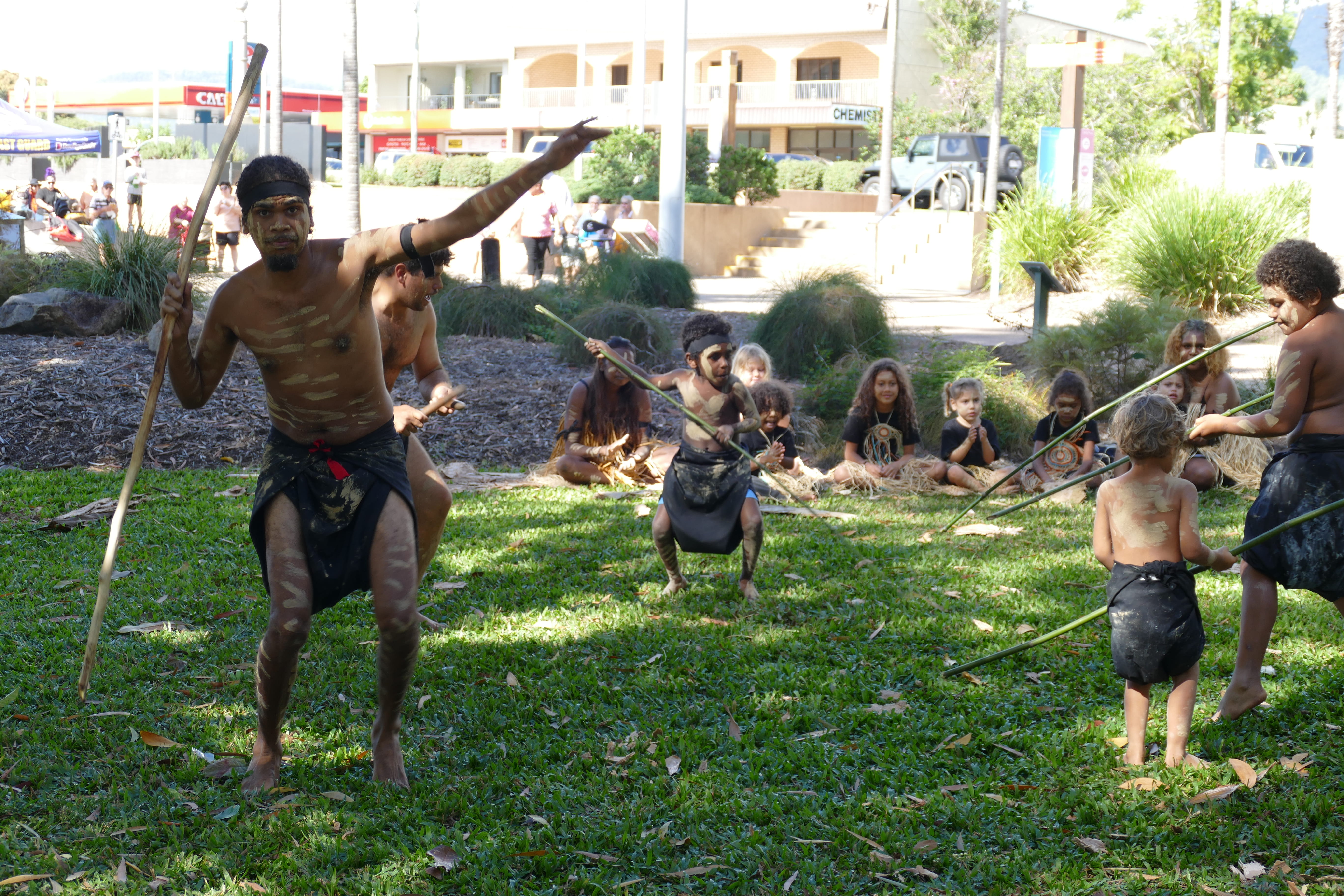
The Gundulu or Gunduy dance told the story of a greedy man who was captured and transformed into a cassowary, while the Djarrugan dance depicted the scrub hen building its nest.
Women and girls moved together for the Jarra dance, sharing the story of the soapy foam tree and the waves, while the men and boys took to the grounds for the lively Jiggirra Jiggirra, or Mr Willy Wagtail dance, described as a "show-off" dance.
.jpg)
The Girramay people were dressed in weavings by Girramay and Mamu woman Martha Rudken. The colours of the chest pieces represented the sea country, orange and blue represents the sun and the sea together.
The performances were accompanied by singer Evander Cora, helping share Girramay stories with visitors as Cardwell joined communities across Australia in celebrating the history, culture and achievements of Aboriginal and Torres Strait Islander peoples.
.jpg)
.jpg)
Publishers Indemnity. Any individual or entity that places advertising, supplies copy material, or submits editorial content to Life Publishing agrees and undertakes to ensure that all such material:- Does not infringe upon any copyright, trademark, or other intellectual property rights;- Is free from any content that could be considered defamatory, libelous, or slanderous;- Does not infringe upon any rights related to privacy or breach of confidence;- Contains no obscene, indecent, or otherwise unlawful material;- Complies fully with the Trade Practices Act and all other applicable laws, regulations, or statutes. Furthermore, by submitting or placing such material, these individuals or entities agree to indemnify and hold harmless the publisher, Life Publishing and Events Pty Ltd, and/or its agents from and against any and all investigations, claims, demands, liabilities, damages, costs, or judgments arising out of or in connection with the material provided. All material is believed to be accurate at the time of printing and remains the copyright of Life Publishing and Events Pty Ltd.
© 2026 Life Publishing Group Ltd.