Independently Owned, Locally Grown, Community Loved

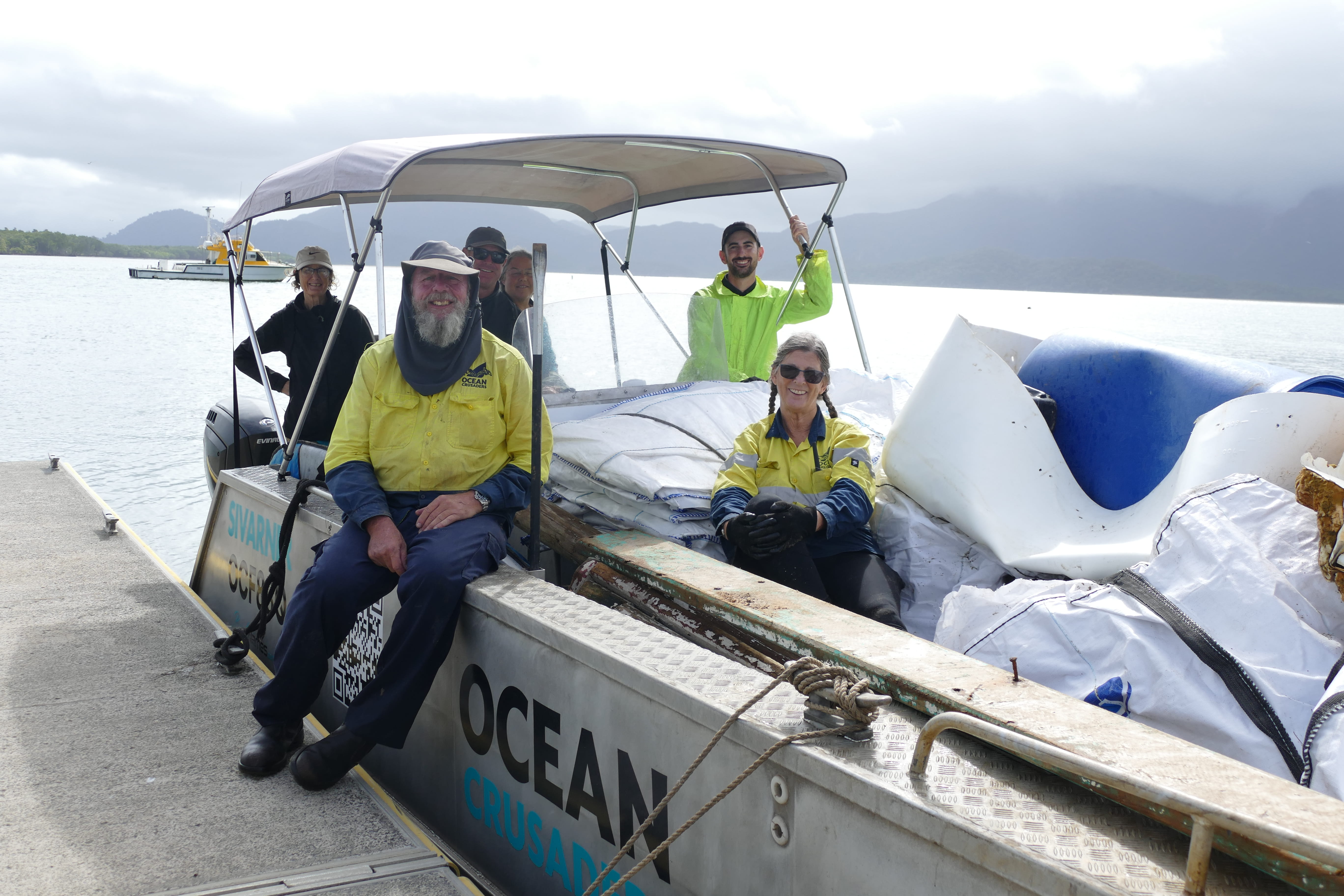
With tyres hanging from cranes, volunteers hauling white chemical drums through the sand and piles of plastic bottles stacked high on the beach, the scale of rubbish washing onto Hinchinbrook Island is difficult to ignore.
For Ocean Crusaders founder Ian Thomson, however, the cleanup is a step back to where the journey all began in 2010.
"I picked up a heap of dead turtles out of the Whitsundays. A few of them had died because of plastics, and I wanted to do something about it," he said.
Mr Thomson initially set a solo sailing world record around Australia to raise awareness of marine plastic pollution before establishing Ocean Crusaders as a hands-on conservation organisation.
"There's plenty of people trying to educate people," he said.
"We actually need to go pick up the stuff and get it out of the environment and save our wildlife."
Since 2016, the organisation has removed more than one million kilograms of debris from Australian waterways. With operations now expanding into North Queensland through an Environmental Recovery Grant, the team recently removed 5.7 tonnes of rubbish from Townsville in just 10 days before beginning work around Hinchinbrook Island.
The current campaign is only the beginning, with crews scheduled to return later this year to clean the northern reaches of Hinchinbrook, the Family and Barnard Islands, Palm Island group and, potentially, areas throughout the Cassowary Coast.
One of the biggest surprises for the Ocean Crusaders team has been where the rubbish is actually coming from. Many people assume debris washing onto Hinchinbrook Island has drifted across the Coral Sea from overseas, but Mr Thomson said the clean-up tells a very different story.
"People would say the rubbish around here is foreign, but 99.9 per cent of what we're picking up at the moment is Australian rubbish," he said.
"It's coming out of our towns and ending up on our beaches. We've got to stop blaming other countries and actually look after our own crap first."
In the Hinchinbrook region, much of that rubbish is believed to be carried down the Herbert River during the annual wet season before washing ashore on the island's beaches and becoming trapped in the mangrove forests.
"The big white drums are coming from farms. The tyres are coming off farms," Mr Thomson said.
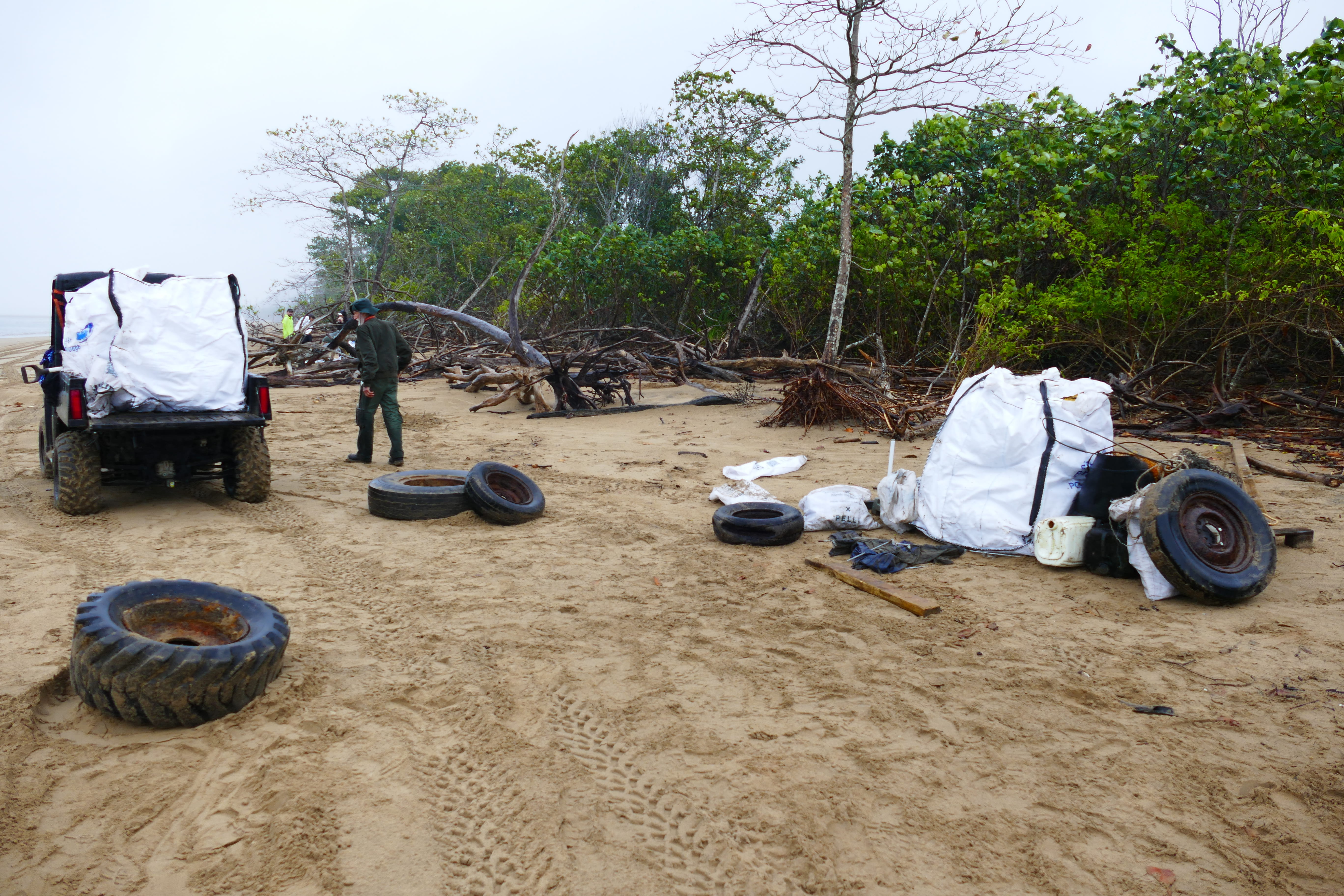
"Farmers don't throw tyres away; they're too expensive to dump, so they just put them around their farms, and when they go under, sadly they just wash away.”
Plastic bottles and aluminium cans remain common finds despite Queensland's Containers for Change scheme, while polystyrene continues to dominate many of the organisation's clean-ups.
"On beaches like this it's a little bit less because it blows further into the mangroves, but in places like Brisbane, Sydney and Melbourne around 30 to 35 per cent of what we collect is polystyrene."
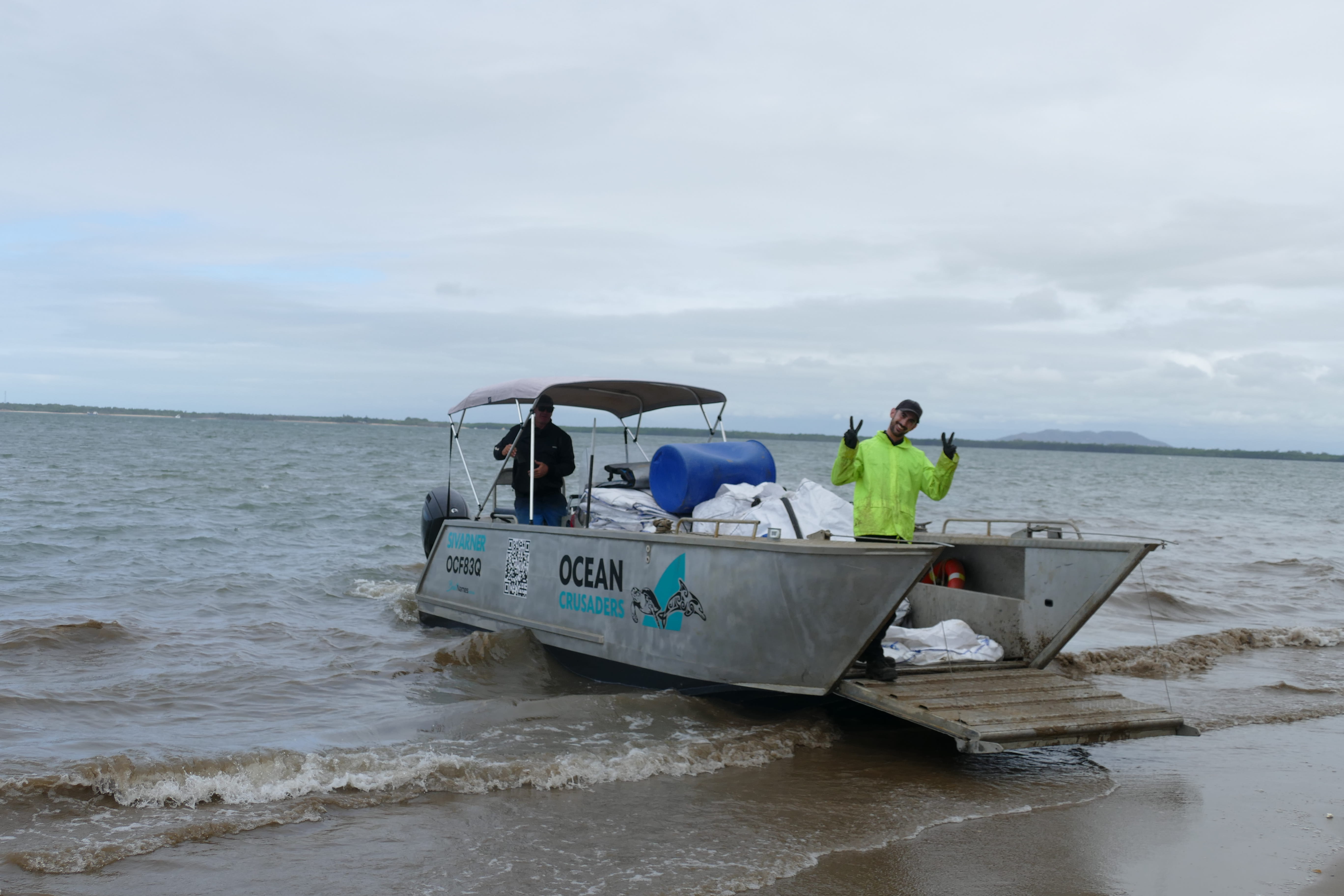
Working just five-hour days over three days, volunteers covered only about two-and-a-half kilometres of beach between George Point and the island's western point.
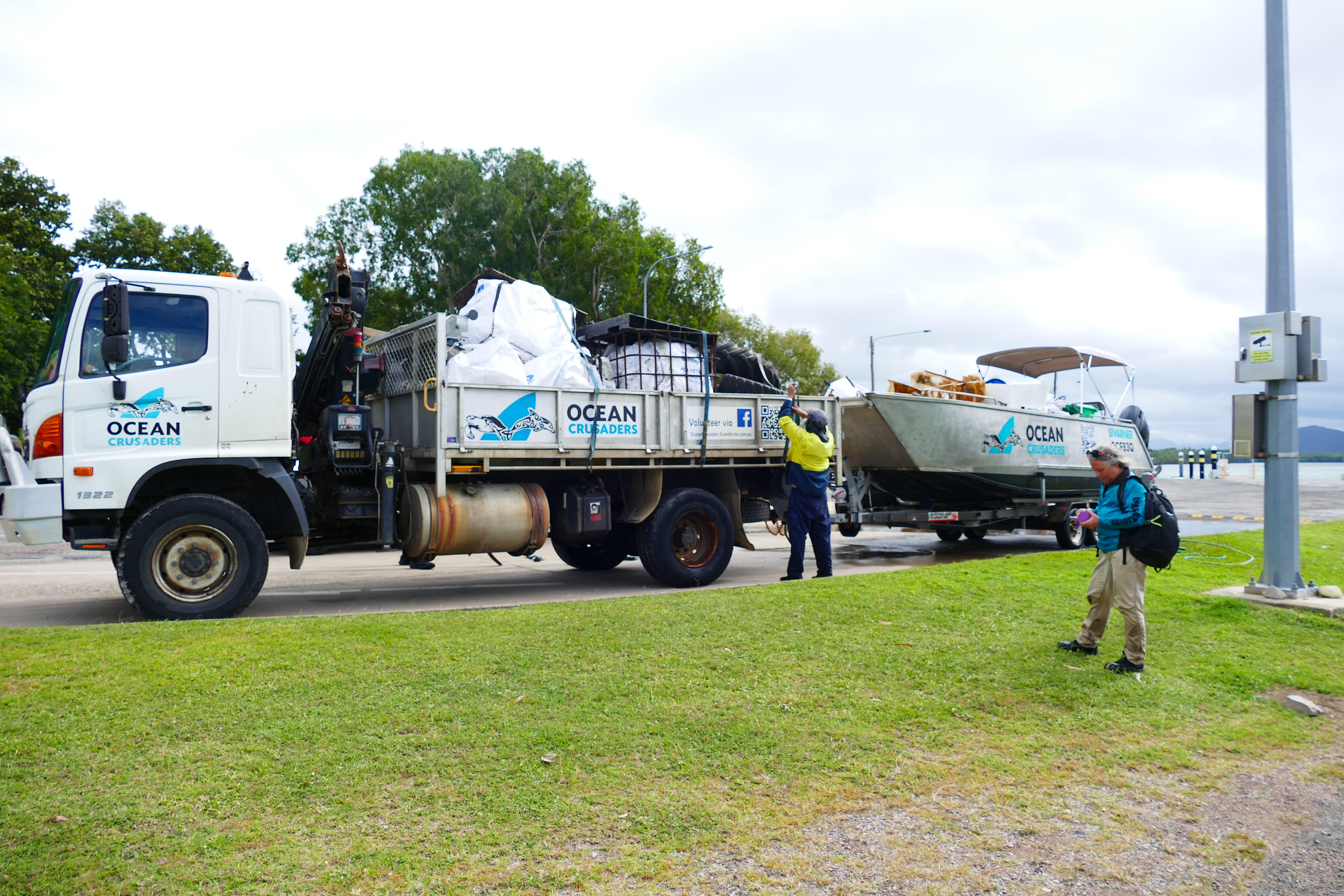
Even so, they filled a truck and boat with an estimated two-and-a-half tonnes of rubbish.
"We've only scratched the surface," Mr Thomson said.
The operation has been made possible by Ocean Crusaders' specialised equipment, including a four-wheel-drive truck fitted with a crane and a shallow-draft work boat capable of reaching isolated creeks and beaches.
"There's not many boats that can do what we did today," Mr Thomson said.
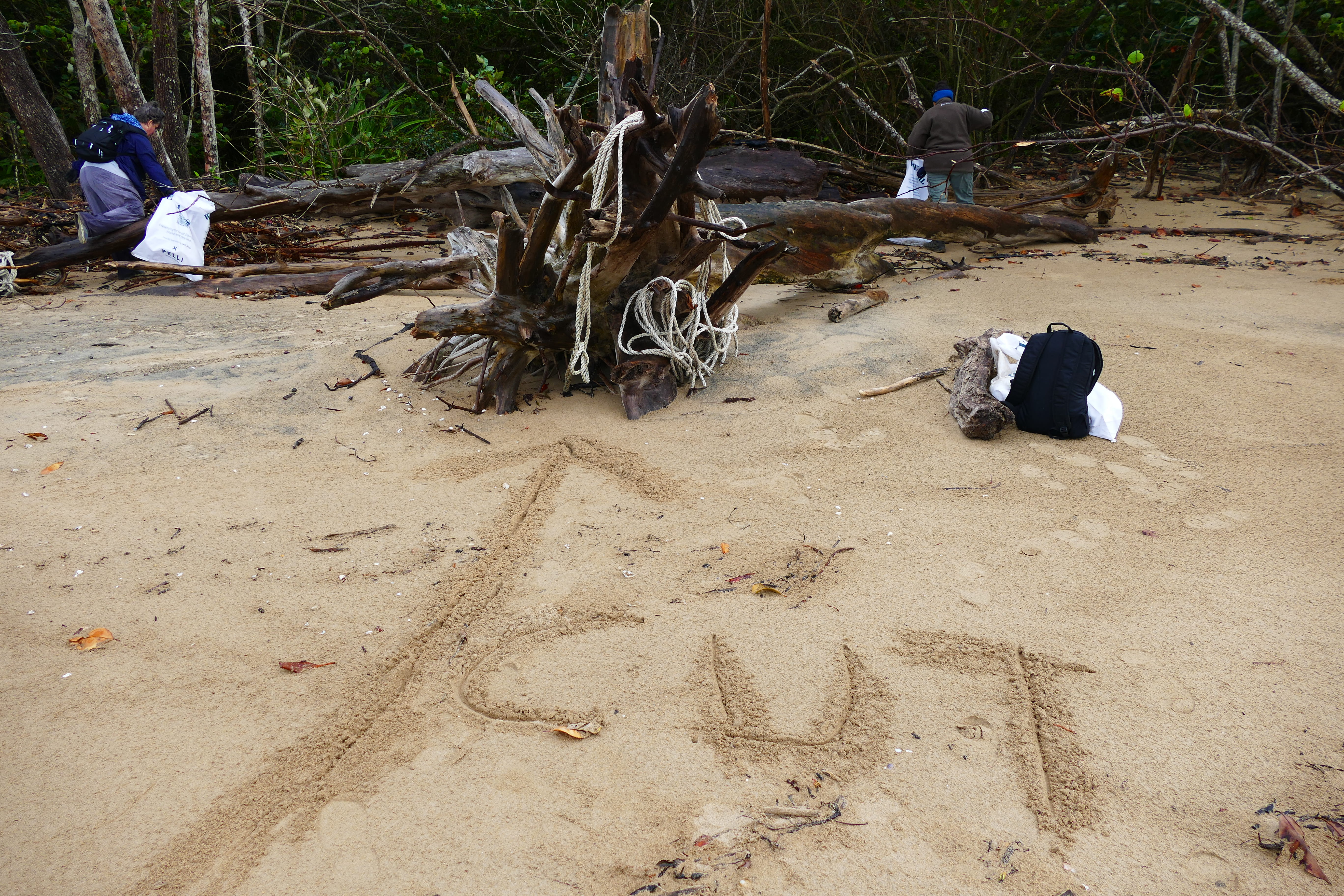
"It's why councils call us after floods and cyclones."
Following Cyclone Alfred earlier this year, councils across South East Queensland queued for assistance, with Ocean Crusaders prioritising locations closest to river mouths to stop debris reaching the ocean. Now the organisation hopes to apply that same approach across North Queensland.
While the work is physically demanding, volunteers say the spectacular locations make every cleanup worthwhile.
Volunteer Moira said cleaning beaches and mangroves offered the chance to experience nature while helping protect it.
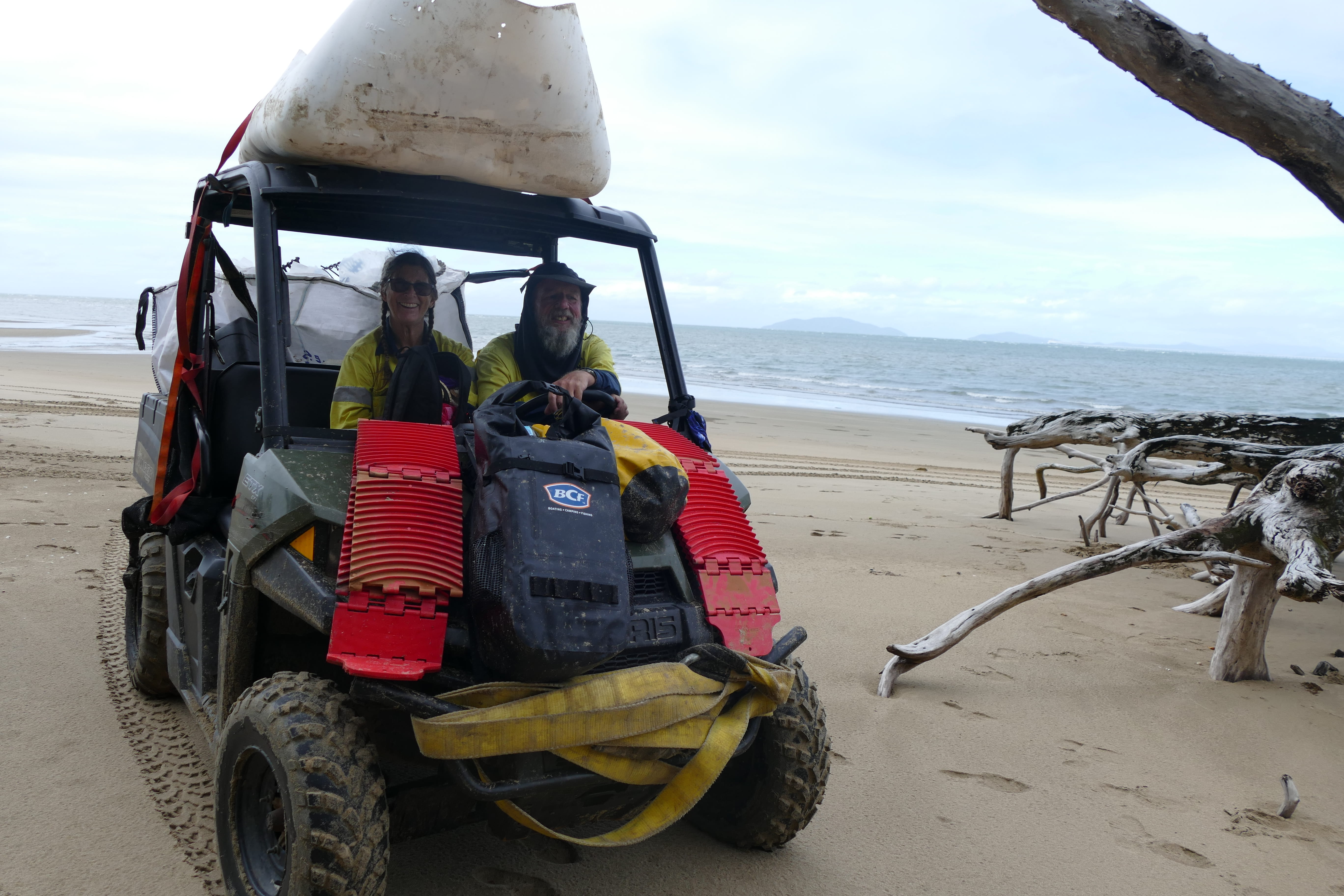
"The whole reason for doing this is to reduce the negative human impact on nature, so that we're leaving a place better than we found it," she said.
She particularly enjoys working through mangrove forests where storm surges trap debris among the trees.
"I like the trees, the forest, the flowers, the fungi - just the smells in there."
Long-time volunteer Layne has spent almost a decade travelling across Queensland with Ocean Crusaders and took recreation leave from work to join the Hinchinbrook operation.
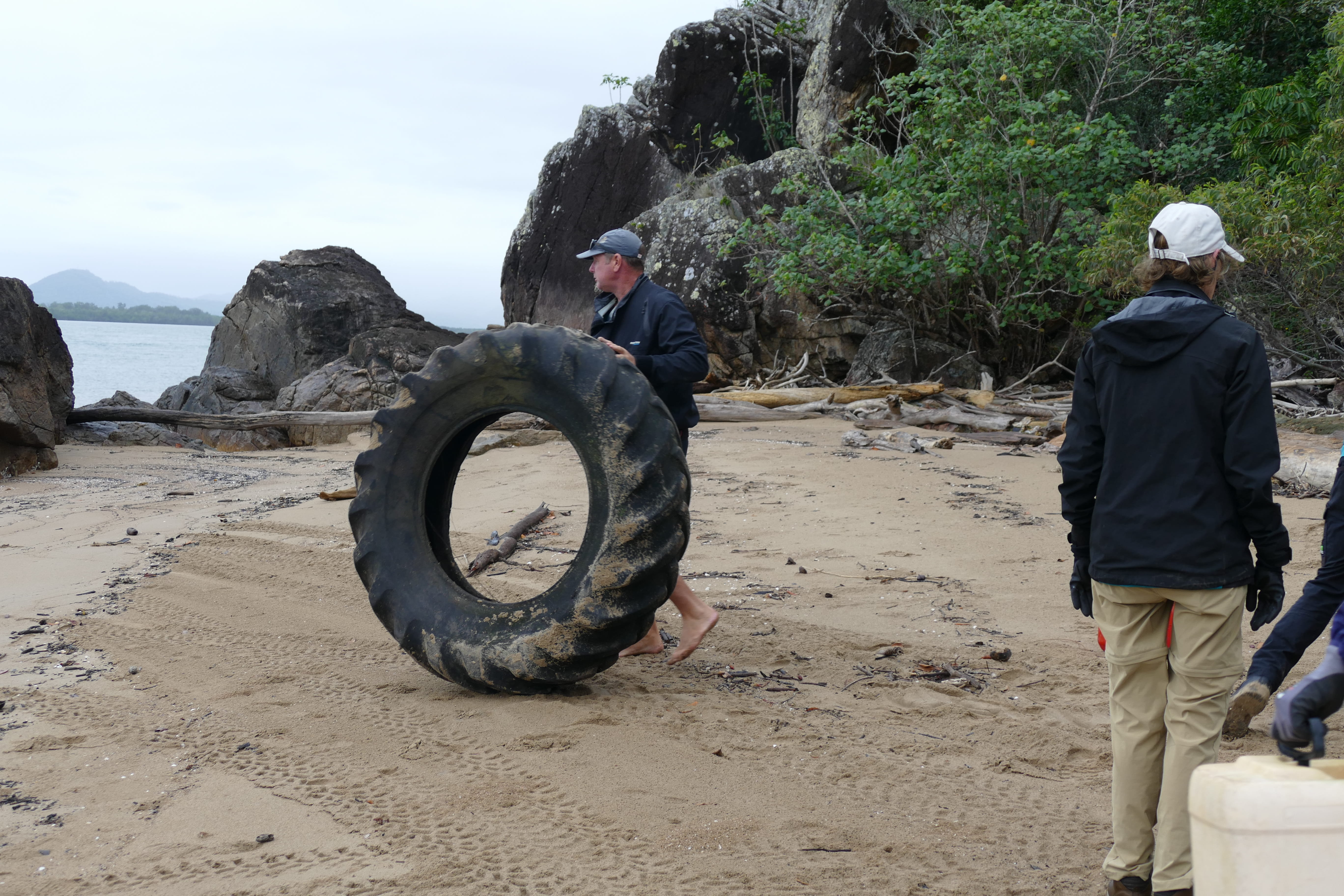
"I'll do what I'm told and clean up where we need to clean up," he said.
"I'm more of a mangrove person than a beach person. Beaches are just too hard to walk around on the soft sand."
During the Hinchinbrook cleanup, one unusual discovery prompted a response from emergency services.
"We found an aluminium phosphide canister," Layne said.
"What resulted from that was quite interesting. Learning the emergency response processes and procedures from the Queensland Fire Department about how they had to dispose of it."
Volunteer Deborah, who has been with Ocean Crusaders since before COVID, said the organisation regularly takes volunteers into environments few people ever experience.
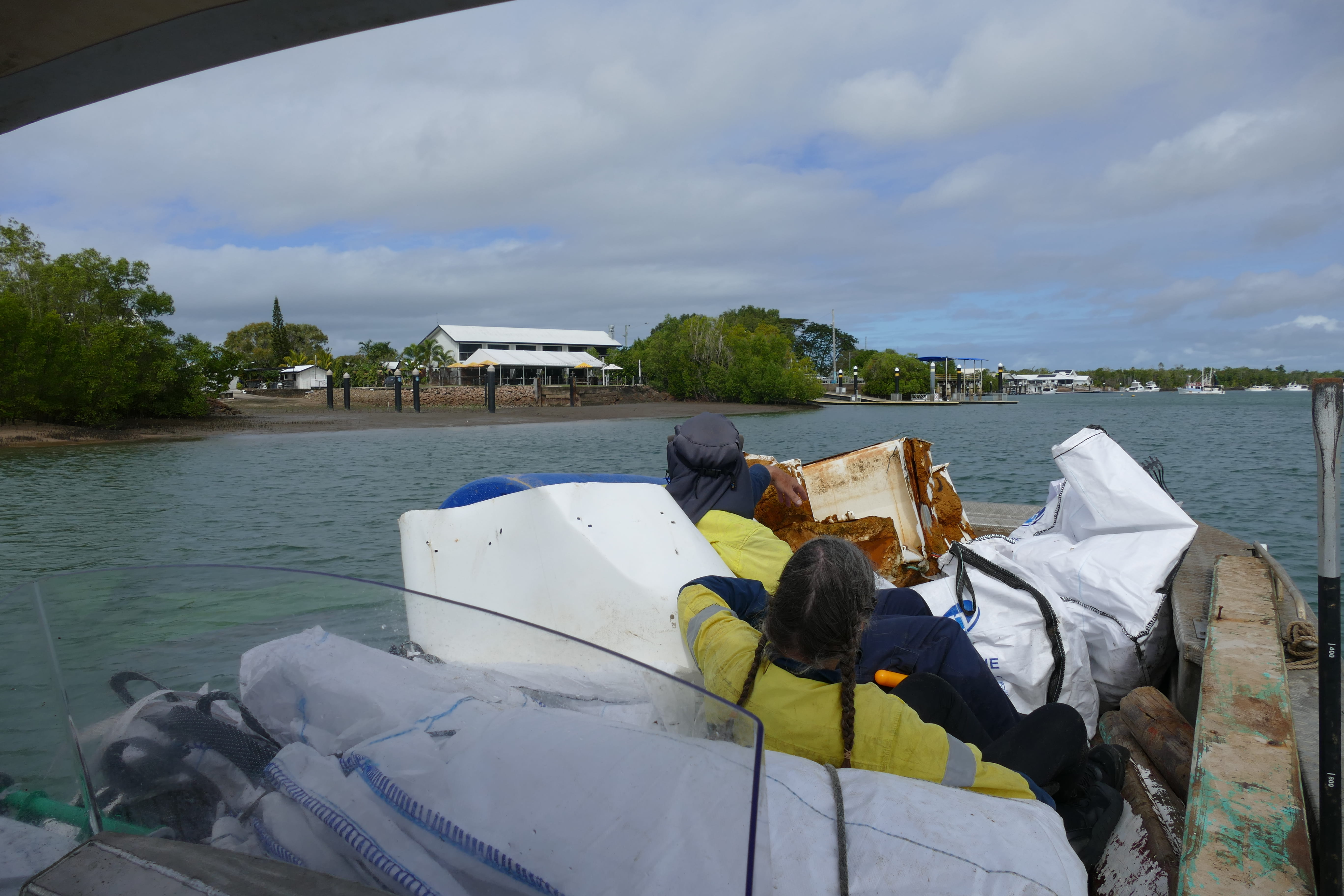
"Ocean Crusaders has taken me to some of the most magical places in the mangroves that you would expect to see on a David Attenborough film," she said.
"Blue underneath, green above, full of wildlife. Spectacular."
She said the team had recovered everything from truck tyres and water tanks to half refrigerators and even what first appeared to be an eight-person spa.
"We finally realised it was the entire top of a boat!" she laughed.
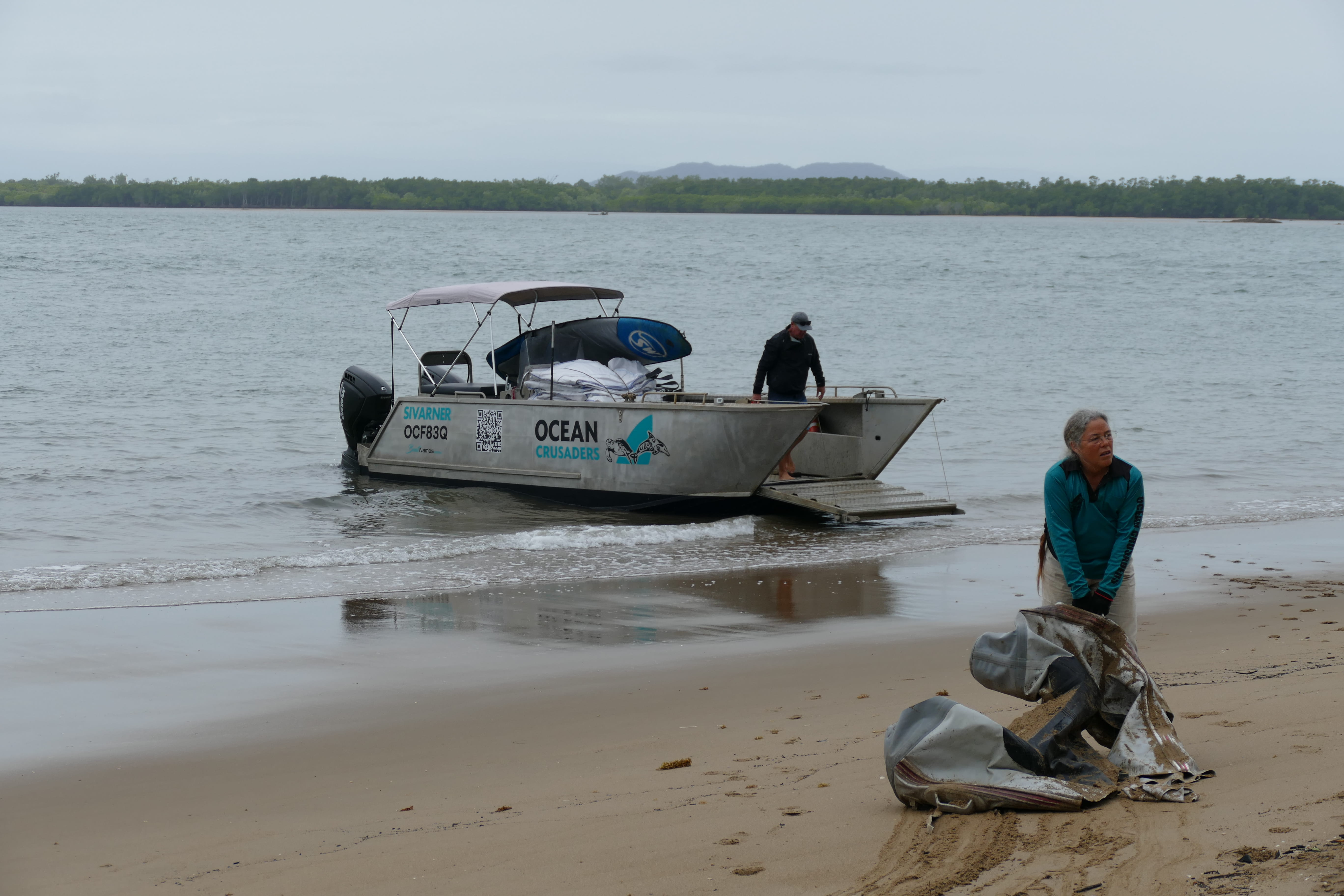
For Mr Thomson, however, every unusual find reinforces the same message.
"We're not a 50-kilo-a-day cleaner. We're closer to a one-tonne-a-day cleaner," he said.
"You'll come home tired. You're usually wet or filthy, but when you look at the boat or the truck and you see how much rubbish there is, it's a satisfying feeling of just going, 'We did that. We're making a real, real difference.'"
Ocean Crusaders is largely volunteer-run, with community members able to register for future clean-up events through the organisation's website.
Publishers Indemnity. Any individual or entity that places advertising, supplies copy material, or submits editorial content to Life Publishing agrees and undertakes to ensure that all such material:- Does not infringe upon any copyright, trademark, or other intellectual property rights;- Is free from any content that could be considered defamatory, libelous, or slanderous;- Does not infringe upon any rights related to privacy or breach of confidence;- Contains no obscene, indecent, or otherwise unlawful material;- Complies fully with the Trade Practices Act and all other applicable laws, regulations, or statutes. Furthermore, by submitting or placing such material, these individuals or entities agree to indemnify and hold harmless the publisher, Life Publishing and Events Pty Ltd, and/or its agents from and against any and all investigations, claims, demands, liabilities, damages, costs, or judgments arising out of or in connection with the material provided. All material is believed to be accurate at the time of printing and remains the copyright of Life Publishing and Events Pty Ltd.
© 2026 Life Publishing Group Ltd.