
Independently Owned, Locally Grown, Community Loved
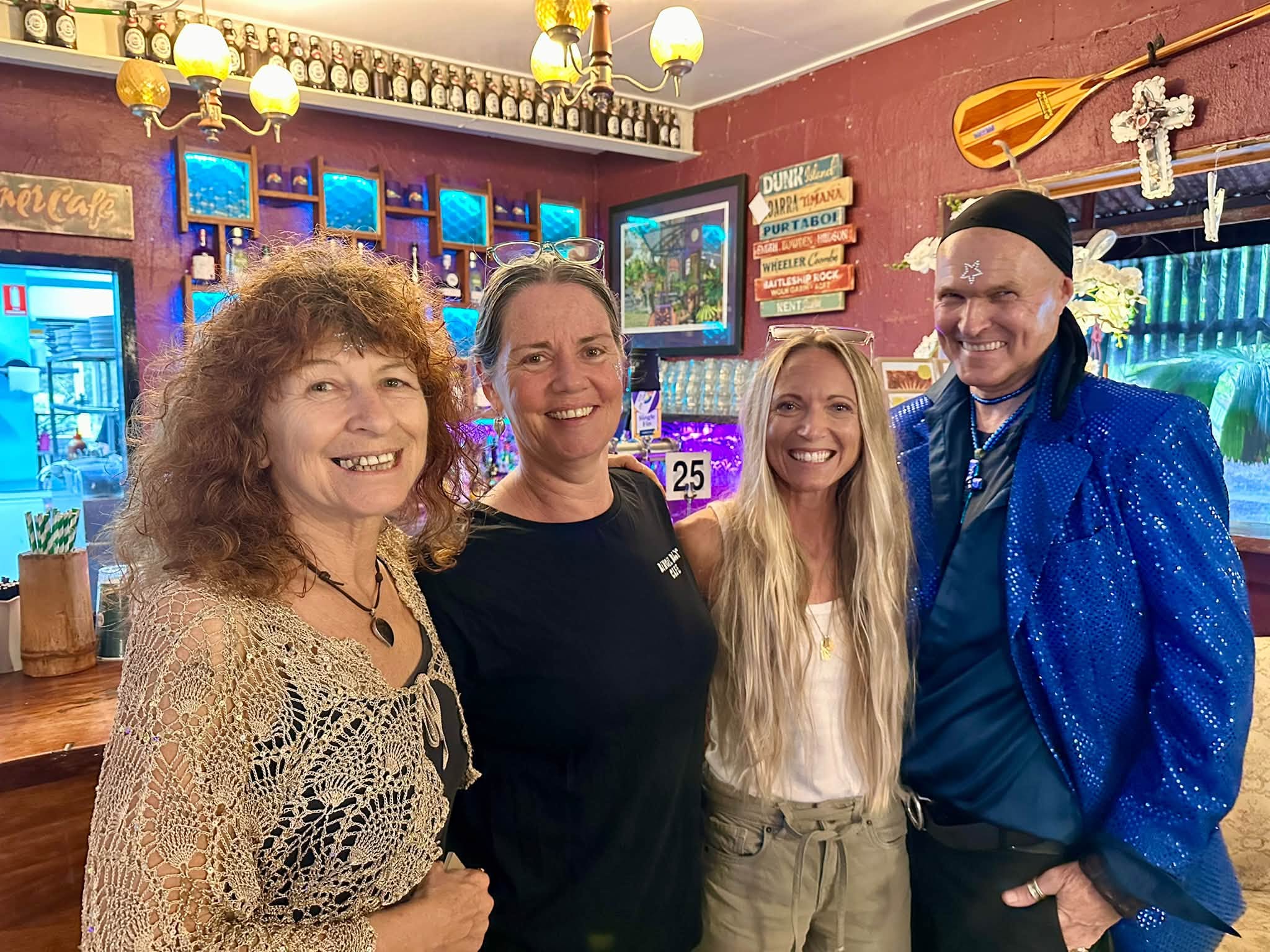
More than 20 local artists and artisans came together at Bingil Bay Cafe for the opening of Mission Beach All Stars, celebrating the depth of creativity across the Mission Beach community. While wet weather kept the opening-night crowd a little smaller than usual, curator and organiser Bernard KC said the cafe’s exhibitions had developed a loyal following. “The locals are always completely supportive,” Bernard said. “We’ve got proper regulars now.” The exhibition brings together artists at different stages of their practice, continuing the cafe’s focus on giving local creatives a welcoming place to show their work. “It’s our chance to let everyone have a go,” Bernard said. He added that Mission Beach itself played a big part in nurturing such a strong creative community. “It’s more of a village, more natural — it’s a perfect spot for artists. There’s so much to be inspired by,” he shared. The opening night also featured live music and door prizes donated by local businesses, including Massage by Yoko and the brand-new Bingil Bay Distillery. Mission Beach All Stars will remain on display at Bingil Bay Cafe until October 30. 1: Angelika Jakob, Donna Spratling, Eb Harper and Bernard KC 2: Donna, Geoff and the BBC team 3: Jenn Payne Tropical Paradise Art 4: Judy Brady 5: Sally Moroney Photo credit: Imogen Kars
Read the full story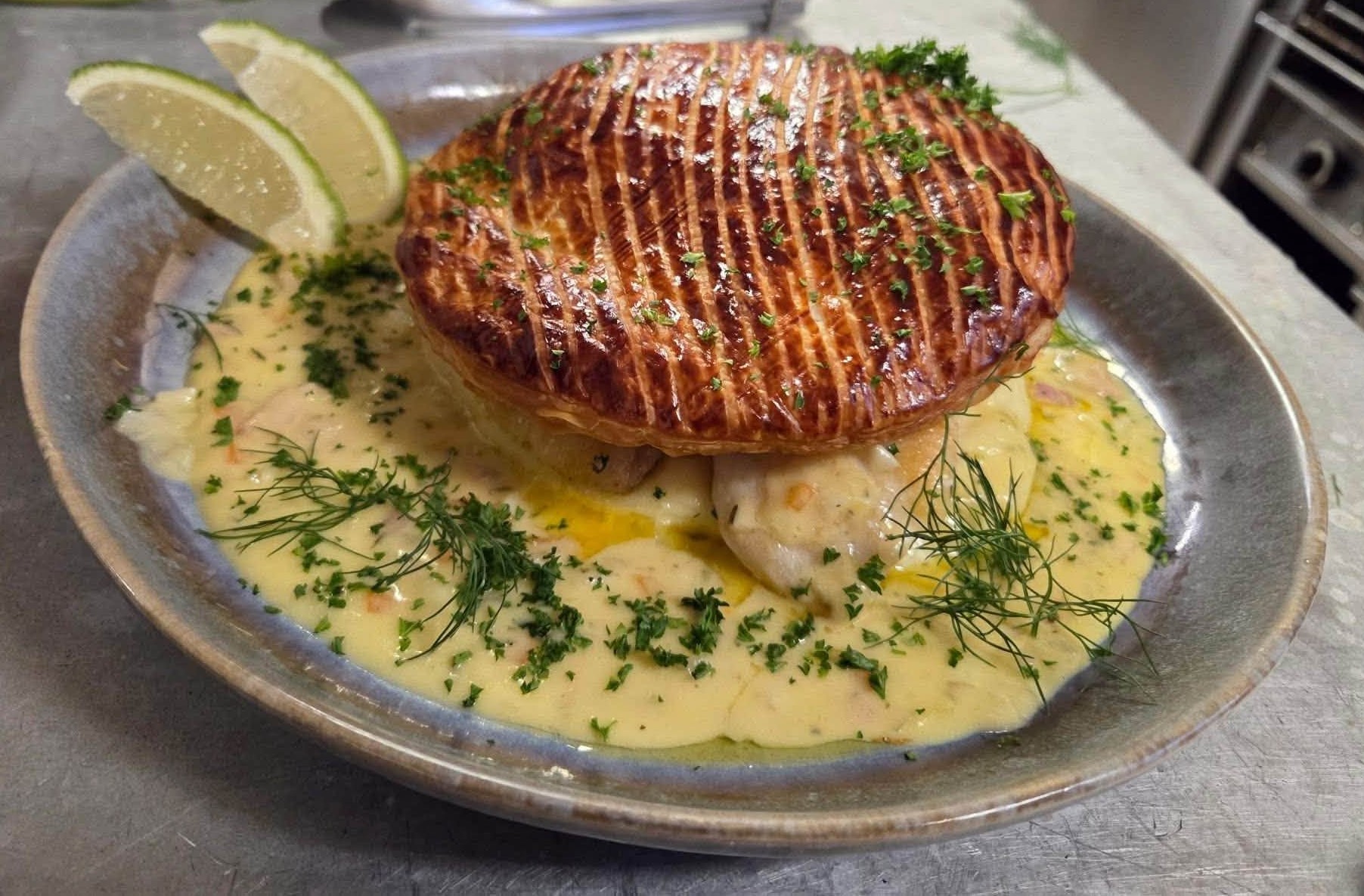
Seabreeze Cafe Lounge is soon to celebrate its ninth birthday, marking almost a decade as a familiar part of the Hinchinbrook and Cardwell community. While the business has spent the past nine years serving locals as a cafe, the team has recently taken Seabreeze in a new direction, introducing an evening dining experience featuring à la carte meals and tapas. The new restaurant offering gives locals another option for dining out in the area, with a relaxed atmosphere, creative dishes and the added appeal of BYO. The evening menu has already been attracting attention from locals, with diners enjoying the opportunity to try the chef's changing creations and share a selection of dishes with friends and family. Recent specials have included the Fresh Off the Boat Open Fish Pie, which proved popular enough to make a return to the menu two weeks in a row. The dish features pan-fried Nanygai (Saddle Tail Snapper), fennel and bacon cream sauce, garlic mash and a golden pastry top, showcasing the fresh and creative approach being brought to the new evening dining experience. For Seabreeze, the move from a traditional cafe into evening dining marks an exciting new chapter as the business approaches its ninth birthday. After almost a decade in the local community, the team is continuing to focus on good food, relaxed dining and creating a place where locals can enjoy something different without having to travel further afield. With its combination of cafe favourites during the day, specialised evening dining, tapas and BYO, Seabreeze is building on what customers already love while offering locals something new to enjoy. The new direction is helping the business carve out a fresh place in the local dining scene as it celebrates the milestone that started it all almost nine years ago. Caption: The menu sees fresh ingredients transformed into dishes of class. Photo sourced: Seabreeze Cafe Lounge
Read the full story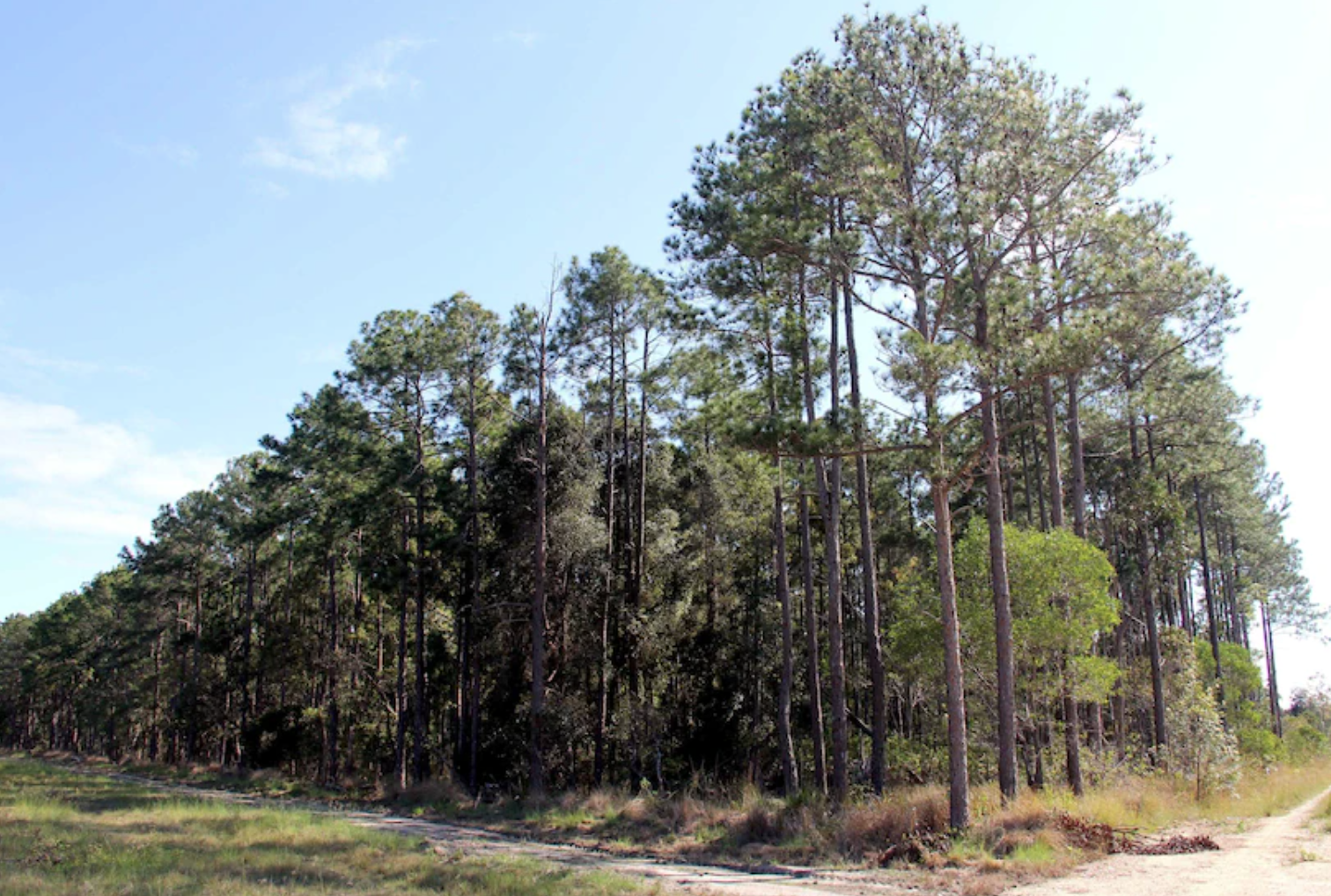
The Cassowary Coast has been identified as one of North Queensland’s most prospective areas for future plantation expansion, putting the region in a potentially strong position to benefit from a new $150 million federal forestry funding program. Research undertaken for the North Queensland Regional Forestry Hub found significant areas of land across the Cassowary Coast could potentially support commercial forestry under the right market and policy conditions. Timber Queensland Acting CEO Clarissa Brandt said significant areas of land could potentially support commercial forestry, although establishing new plantations remained a long-term investment decision. “Interest from landholders tends to depend on factors such as profitability, market certainty, access to processing facilities and the availability of complementary revenue streams such as carbon projects,” Ms Brandt said. “The funding may help improve the investment environment, but it is unlikely to result in large-scale plantation expansion overnight.” The comments follow the Federal Government’s announcement of $150 million in grants and initiatives through its Forestry Growth Fund, including up to $15 million to support plantation establishment. Up to $85 million will target modern wood-product processing, value-adding and manufacturing, while $30 million will support industry innovation and $15 million will focus on workforce capacity and regional career pathways. The first grant opportunities are expected to open in coming months. Ms Brandt said forestry investment could generate employment throughout the supply chain, including plantation management, harvesting, haulage, equipment operation, sawmilling, manufacturing, transport and maintenance. North Queensland’s forestry and wood-products sector already supports around 1,500 direct and indirect jobs. “While it would be unrealistic to suggest North Queensland will receive a large share of the national funding, any successful local projects could support additional employment and help strengthen existing businesses,” Ms Brandt said. However, securing investment remains a challenge. Ms Brandt said North Queensland’s relatively small forestry footprint could make it more difficult to attract investment, training providers and processing infrastructure, while workforce shortages, freight costs, limited local training, investment uncertainty and timber supply were also constraining growth. Despite those hurdles, she said the new national fund presented an opportunity for the region to build on work already undertaken through the North Queensland Regional Forestry Hub. “Recent Hub research has highlighted opportunities to expand future timber supply, strengthen workforce capability, grow local processing and increase the use of locally sourced timber products,” Ms Brandt said. With applications yet to open and projects set to compete for funding nationally, how much investment ultimately reaches the Cassowary Coast remains to be seen. But with the region already identified for its plantation potential, the coming funding rounds could provide an opportunity to turn that potential into further local investment, industry growth and jobs. CAPTION: The Cassowary Coast has been identified as one of North Queensland’s most prospective areas for future plantation expansion. Photo supplied
Read the full story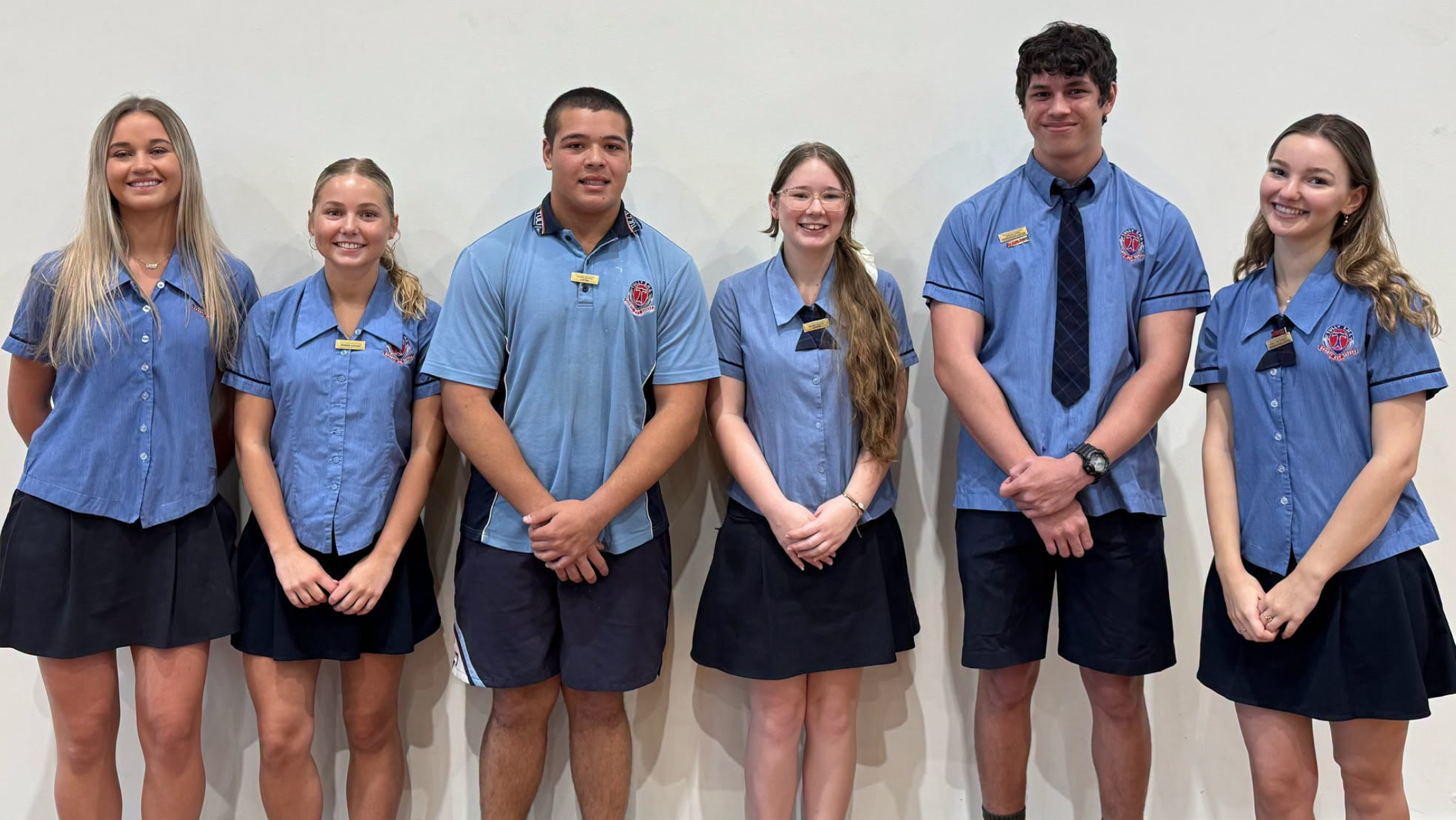
A new group of students is preparing to step up and represent Tully State High School, with the school announcing its 2027 student leadership team. Jackson and Jordyn have been named School Captains for 2027, leading a team of students recognised for their commitment, leadership and willingness to contribute to the school community. Joining them will be Annie as Sports Captain, while Jesse will serve as President of the Student Leadership Team alongside Vice President Corrinne. Breanna has been selected as the school’s Indigenous Leader. Leadership roles have also been announced across Tully State High School’s sporting houses. Isaak and Aiden will lead Walter Hill, Hannah and Makayla have been named Tyson House Captains, Riley and Logan will lead Mackay, and Lee and Charlie will take on the roles for Kirrama. The school congratulated its incoming leaders following the announcement and said it looked forward to seeing the students lead, inspire others and make a positive difference throughout 2027. While the announcement looks ahead to a new year of student leadership, Tully State High School also took the opportunity to recognise those preparing to hand over the reins. The school thanked its outgoing 2026 student leaders for their dedication, enthusiasm and service throughout the year, acknowledging the contribution they have made to the wider school community. The newly announced team will officially take on their leadership roles in 2027, representing their fellow students across school activities, sporting events and the wider Tully community.
Read the full story
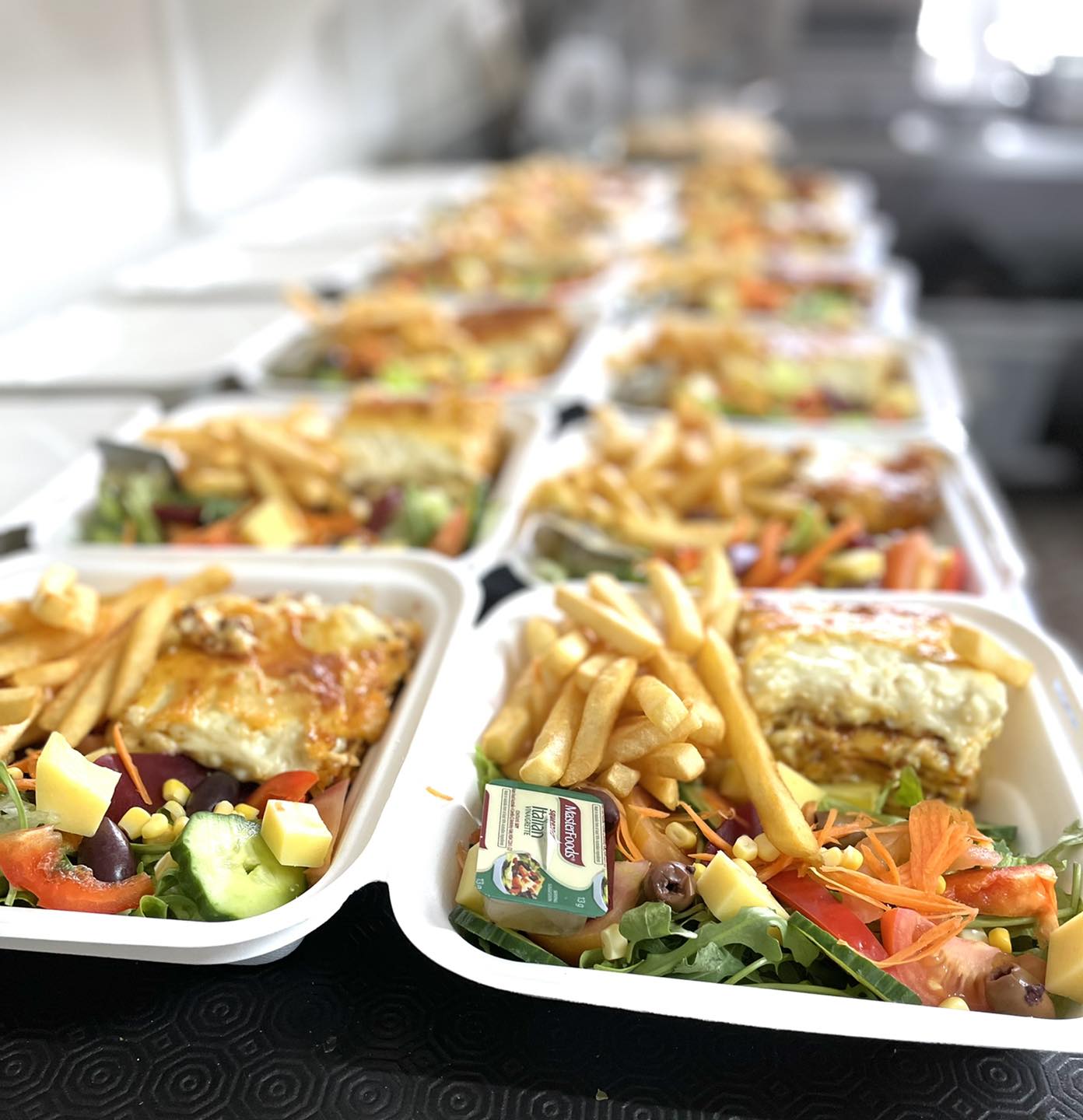
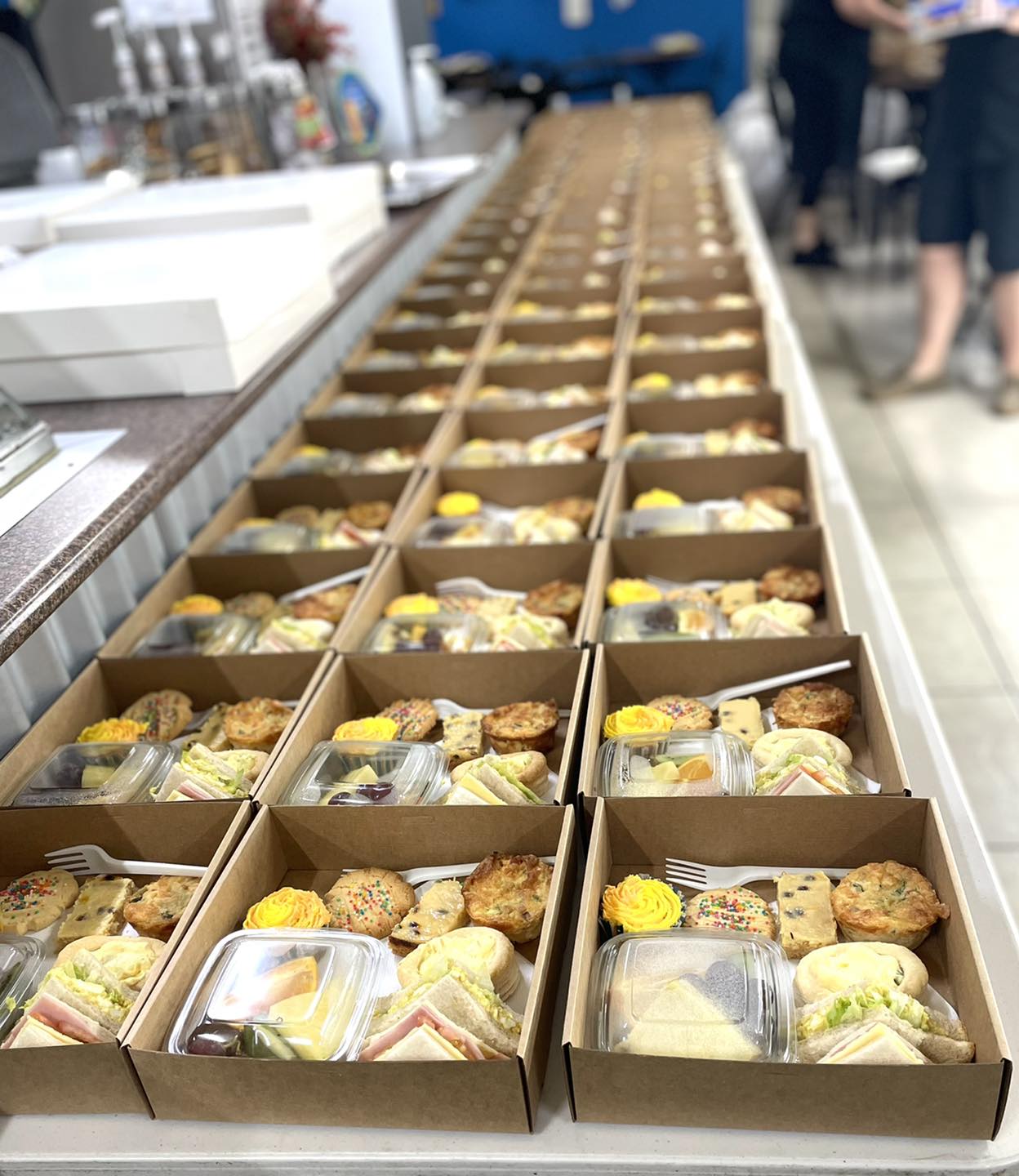
The Majestic Café has long been a local favourite, a bustling hub where friendly faces and warm hospitality are as much a part of the menu as the coffee and cakes. Family-run and community-focused, the café prides itself on being a welcoming spot for everyone, whether you are dropping in for your morning coffee, meeting friends for lunch, or looking for professional catering for a special occasion.
In recent months, the team has placed greater focus on catering and event services, from conferences and meetings to birthday parties and weddings. This shift has helped the café continue moving forward after the devastating 2025 floods, which left lasting memories and challenges. Yet despite the hardships, the Majestic Café has not lost sight of what makes it special: delicious food and genuine service.
The café champions its staff, creating a positive workplace where team members thrive. Many of the ladies on the team say they love working at the café so much that they often linger after hours, enjoying a chat once the doors are closed and the open sign is flipped. Their latest addition, Max, a Year 12 student from Ingham State High School completing his work experience, has been warmly welcomed. Customers have quickly noticed his enthusiasm and excellent service, further adding to the café’s charm.
Inside is a place where you can settle in with a paper, sip away at some coffee or share a slice of scrumptious cake with a loved one. With the lunch menu being equally enticing, offering ever-changing specials that keep regulars coming back for more. From hearty bolognese to classic milkshakes, there is something to suit every taste.
For many in the community, the Majestic Café is more than a place to eat and drink. It is a meeting point, a comfort, and a symbol of resilience through the years. Whether it's daily dining or large-scale catering, the café continues to serve with warmth, flavour, and a commitment to community connection.

Friday nights just got a whole lot tastier at Forrest Beach Takeaway, where pizza lovers can indulge in a mouth-watering selection of flavours starting from just $21.50. Whether you’re in the mood for classic favourites or something a little more adventurous, there’s something for everyone.
Choose from crowd-pleasers like Supreme, Meatlovers, Hawaiian, Pepperoni, Godfather, or the Tropically-inspired BBQ Chicken. For those seeking something a little different, try the Bianco, Huntsman with its creamy garlic base, Antipasto, or Spanish Prawn pizzas, all priced from $21.50 to $25.50. Seafood lovers won’t be disappointed either, with the seafood pizza offering a delicious ocean-fresh option.
For families or friends looking to customise their pizza, gluten-free bases are available on request, and you can even add anchovies for just $2 extra. Pizzas are served from 5:30pm, making Friday nights the perfect opportunity to unwind, catch up with friends, and enjoy a relaxed, delicious meal in the comfort of home.
Forrest Beach Takeaway’s Friday Night Pizza has quickly become a local favourite, combining quality ingredients with generous toppings and unbeatable flavours. Whether you’re a long-time resident or just visiting the area, treat yourself this Friday to a pizza that hits all the right notes and starts the weekend off on a tasty high.

The Herbert River RSL is making weekday lunches something to look forward to, with a line-up of hearty specials that deliver on both taste and value. Running from Tuesday to Friday, between 11:30am and 1:45pm, diners can enjoy a delicious meal for just $17, with terms and conditions applying.
Each day brings a different favourite to the table. Tuesdays are all about the crowd-pleasing “Tradie Tuesday” special, where you can sink your teeth into a loaded burger served with a pot of beer or a soft drink. Midweek diners can enjoy a classic rump steak on Wednesday, a 200g cut cooked to perfection and served with salad and chips.
Thursday keeps things traditional with a chicken parmigiana, the golden crumbed favourite topped with rich Napoli sauce and cheese. To finish the week, Fridays feature the ever-popular fish and chips, with your choice of battered, crumbed or grilled fish, served alongside a pot of beer or a soft drink.
Serving up more than just a good meal, it is an opportunity to enjoy great company in a relaxed and friendly atmosphere. Whether you are a local regular or just dropping in, the Herbert River RSL lunch specials are a reason to gather, have a great feed and enjoy your lunch break for just $17!
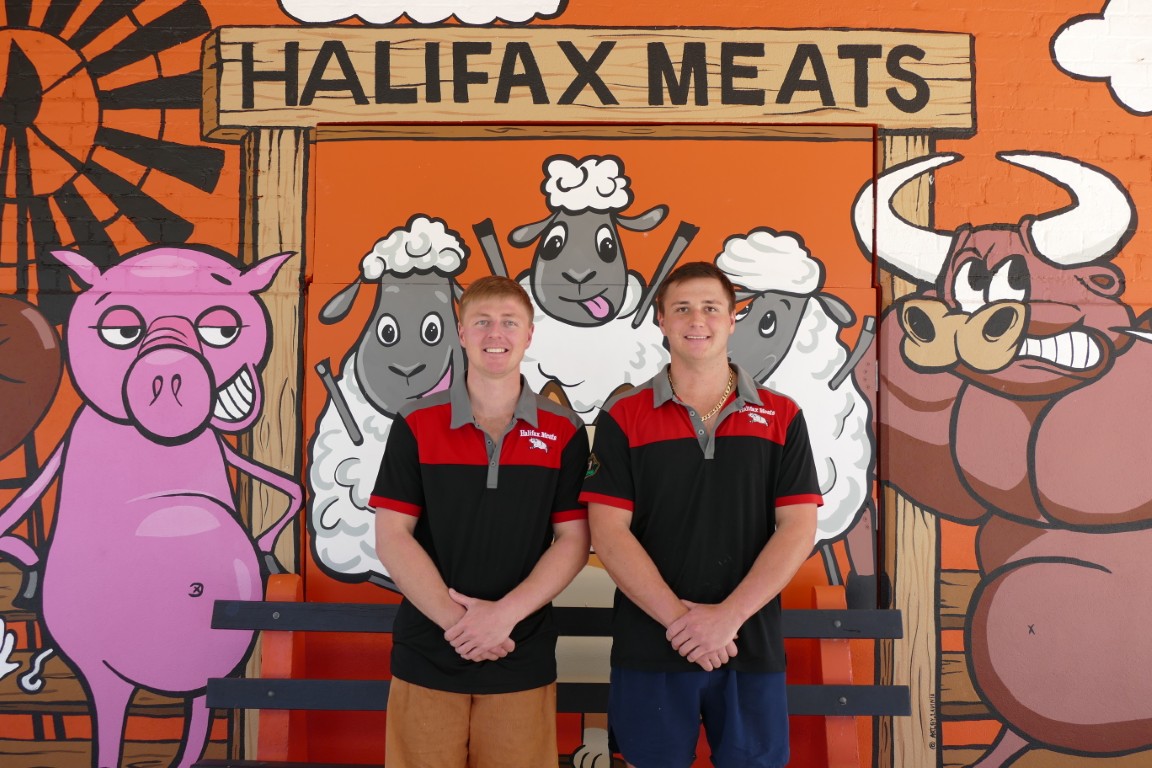
Here at Halifax Meats, we are a family-owned and operated butcher shop located in the heart of Halifax, a small historic town nestled between the beaches east of Ingham. Since first opening in 2009, our focus has always been on providing not just quality meats, but a true paddock-to-plate experience for our customers. Over the years, locals and visitors alike have come to know us as much more than a butcher; we are part of the community.
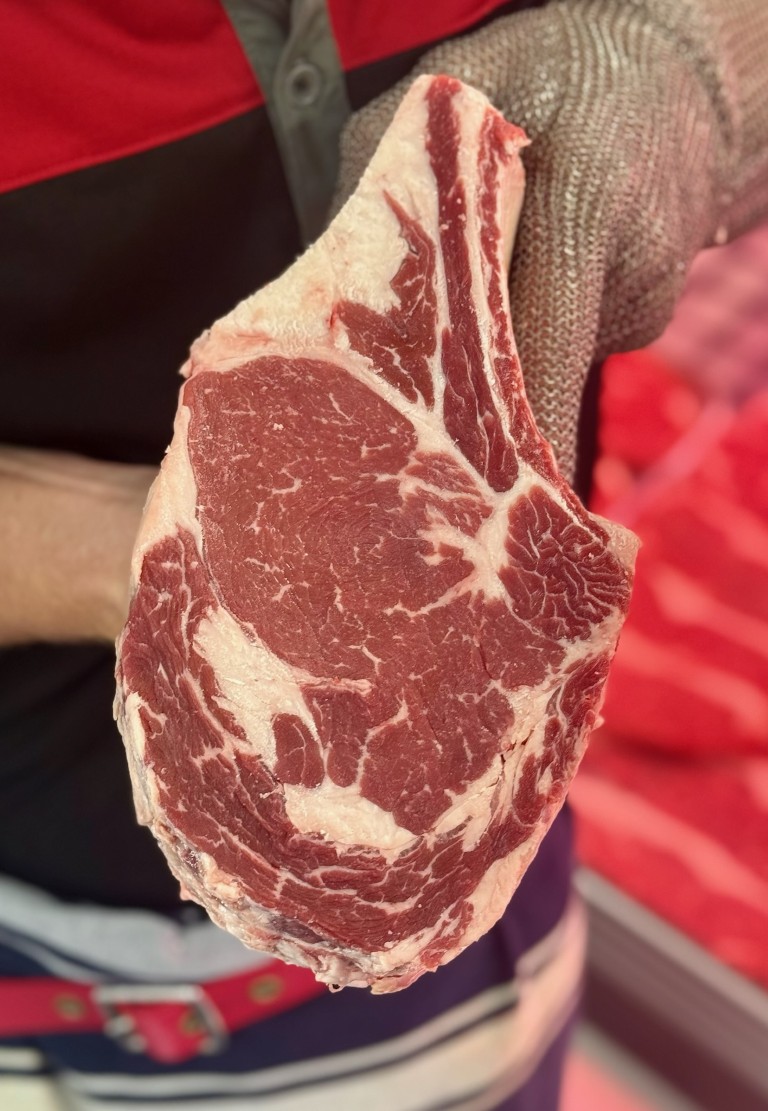
We offer a wide variety of quality meats and smallgoods, all handcrafted and made right here in-store. Our beautiful grass-fed Tableland beef is a standout, renowned for its authentic taste, tenderness and flavour. For those looking to impress, our tomahawk steaks are a show-stopper, packed with bold flavour and perfect for the barbecue. Customers also love our convenient oven-ready parcels, prepared with only the finest cuts of meat, making dinner time easy without sacrificing taste or quality.
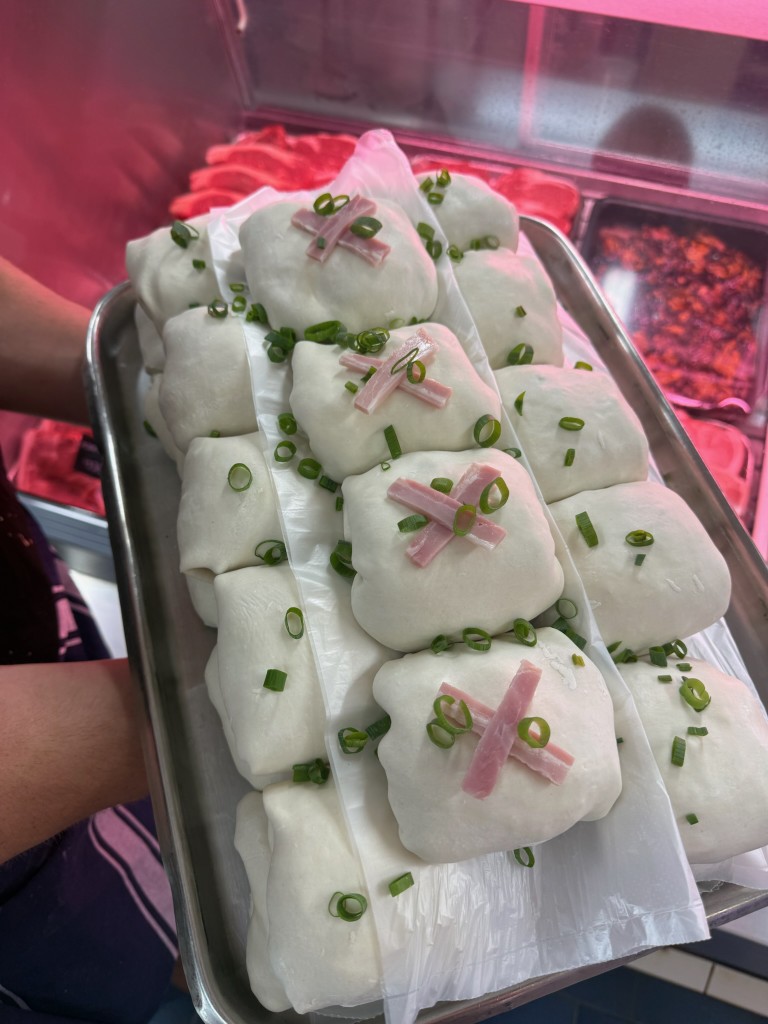
Our smallgoods range has something for every occasion. From our delicious traditional wood-smoked leg ham and Bushman’s ham, through to kabanas, beersticks, chorizos and salamis, everything is made with care and attention to detail. With many more options available in store, there’s always something new to try. Each product reflects the pride we take in crafting food that people love to share with family and friends.
At Halifax Meats, we also pride ourselves on sourcing and supplying the best possible local products. We believe in supporting local farmers and producers, ensuring our customers enjoy the freshest and highest quality items available.
To make life easier, we provide a wide range of services, including online ordering, home deliveries, free slicing, and expert advice on both products and cooking methods. We even offer shipping to Palm Island residents, ensuring no one misses out on our great range.
You will find us on Halifax's main street, easily recognised by our colourful mural that has become a landmark in itself. Step inside, meet the team, and experience the friendly service and quality that Halifax Meats has built its reputation on.
Located at 25 Macrossan Street, Halifax. Call (07) 4777 7711, or visit halifaxmeats.com.au


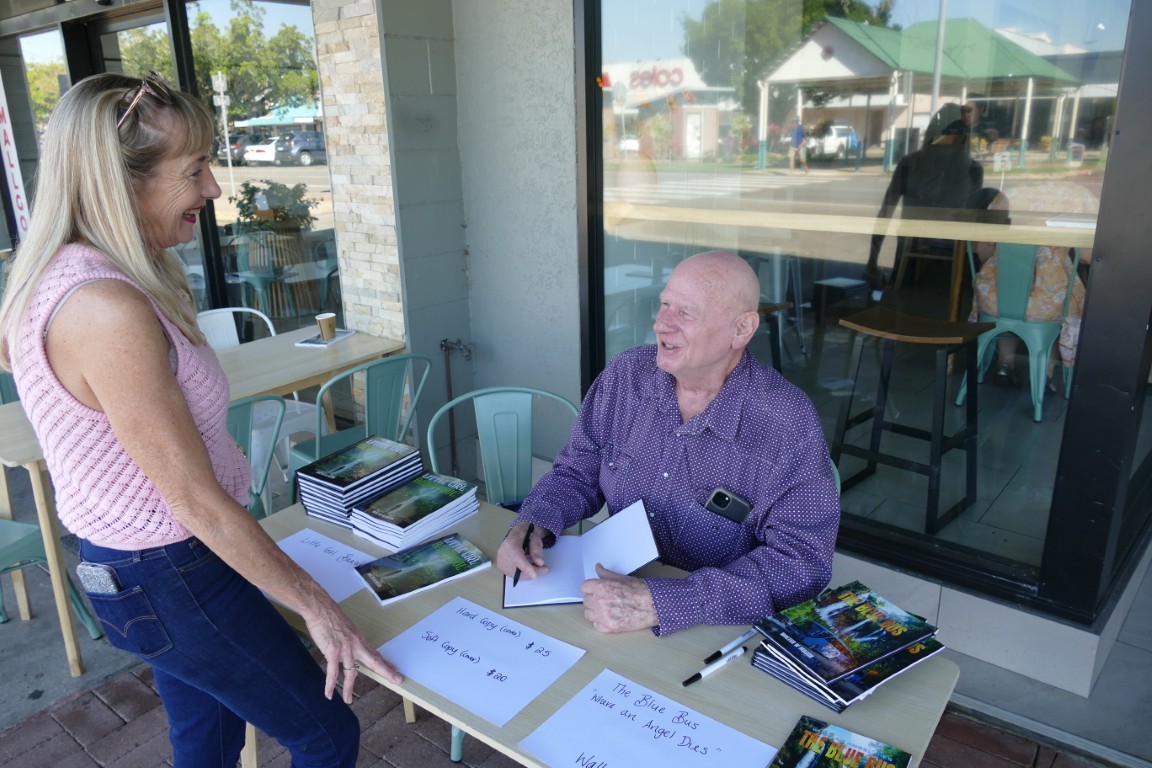
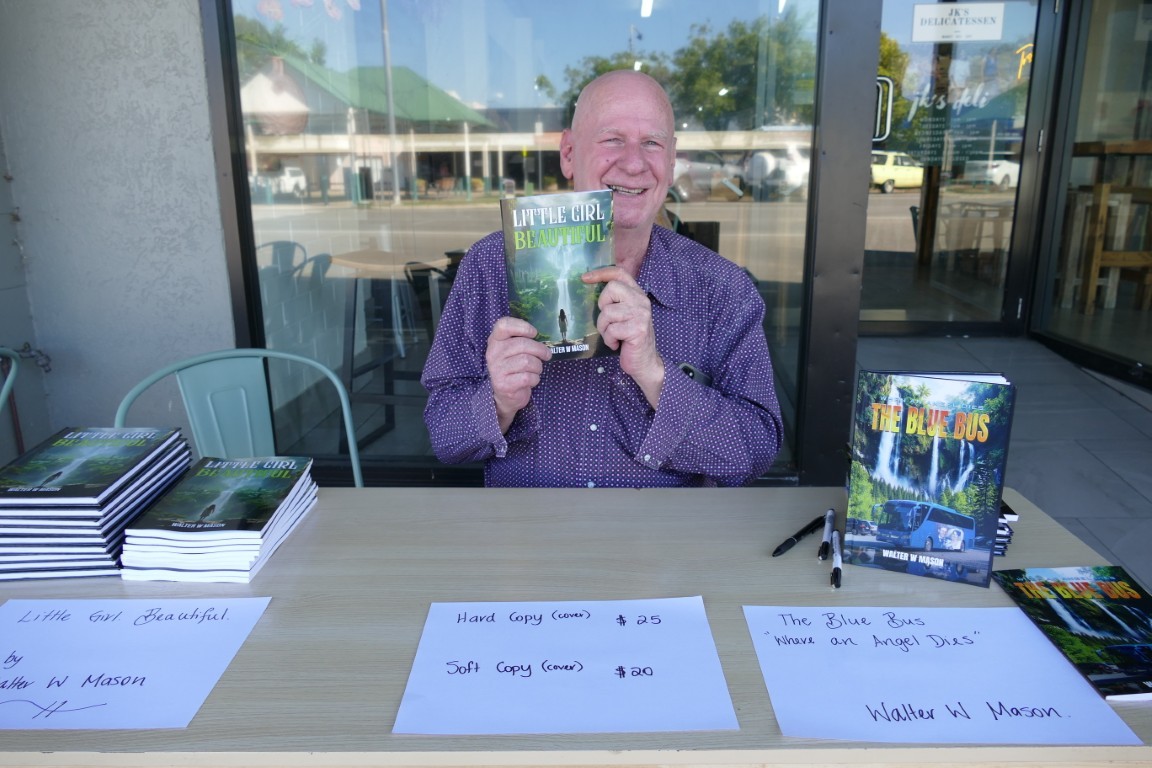
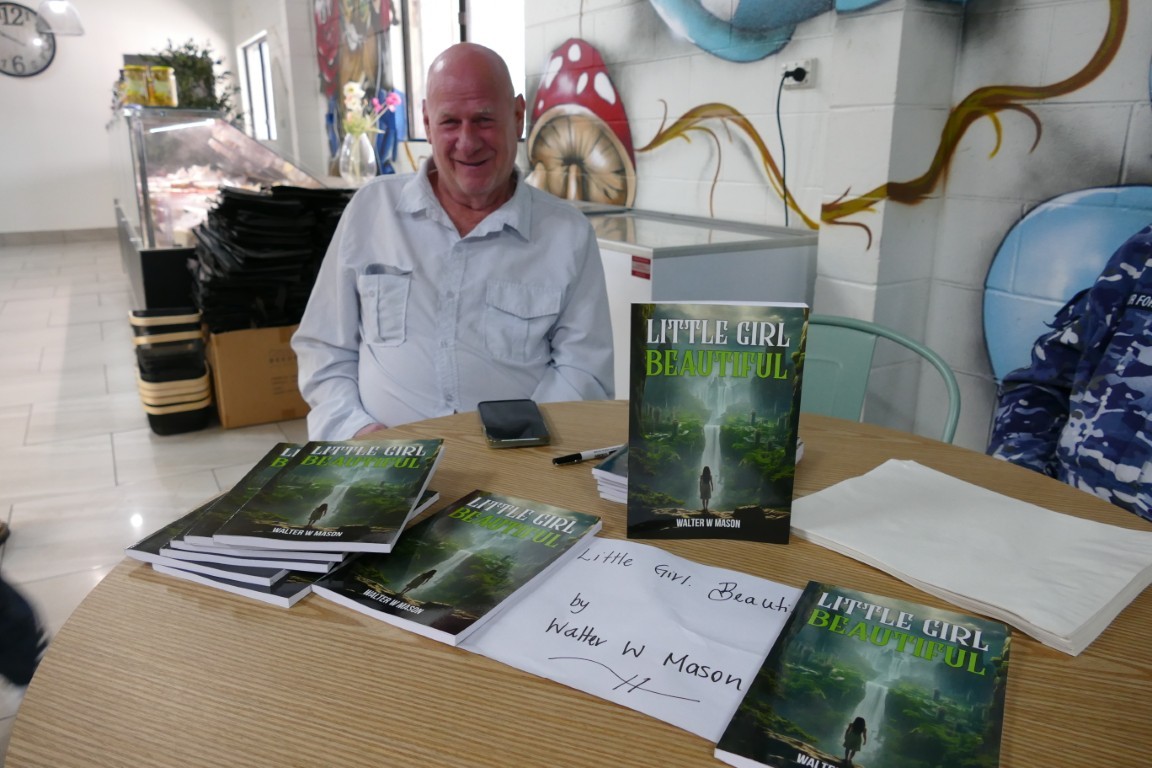
Ingham welcomed local author Walter W. Mason for the launch of his two highly anticipated books, Little Girl Beautiful and The Blue Bus, and the event was nothing short of a triumph. The community gathered in high spirits, catching up with Mason, sharing stories, and celebrating a lifetime of connection to the region. By the end of the launch, every copy of The Blue Bus had sold out, and Mason was down to his last box of Little Girl Beautiful. Those who missed out eagerly placed orders online, ensuring his work would continue reaching readers far beyond the district.
Mason, who has spent almost all his life in Ingham, is known for weaving the North Queensland landscape and its people into his stories. Little Girl Beautiful is a gripping novel set in the district, with the Wallaman Falls area imaginatively modified to suit the narrative. The story follows Sebastian Castorana’s desperate search for his missing daughter, exploring family secrets, cultural tensions, and suspense against the lush backdrop of Queensland. The novel marks a departure from Mason’s earlier humorous tales, tackling darker, more intense themes with authenticity and depth.
The Blue Bus, Mason’s memoir, is an intimate account of his fifty-year marriage to his wife, Leigh, and their journey through love, loss, and the devastating onset of dementia. The book captures both the joy of their early romance and the heartbreak of caregiving, offering a raw, heartfelt testament to devotion, resilience, and enduring love. As guests at the launch shared conversations with Mason, many were moved by his candour, humour, and the courage with which he recounts personal tragedy.
The atmosphere of the launch, held at JK's Delicatessant and Cafe, was warm and convivial, with Mason chatting with everyone who stopped by, old friends catching up, and coming together to celebrate local talent. Heartfelt exchanges filled the space, reflecting both the personal and universal themes of Mason’s work. His stories, whether fictional or memoir, resonate deeply with anyone familiar with the landscapes and people of North Queensland.
Available on Amazon and Booktopia, Mason’s books stand as a powerful reflection of a life lived deeply, enriched by love, tragedy, and the beauty of the local environment. The launch was more than its books; it was a celebration of storytelling, community, and the enduring impact of one man’s remarkable life.

After months of hard work and determination, I Love Boutique has officially reopened its doors, bringing a fresh burst of fashion, colour, and style back to the community. For Amber Pollock, the moment feels nothing short of amazing. “It’s definitely been a long slog to get here, but now that we’re finally open, it’s just wonderful,” she said with a smile.
The boutique offers an exciting mix of women’s fashion, shoes, and accessories, along with a touch of kidswear and swimwear. Shoppers will also find unique extras such as hand lotions and candles, many of which are locally made. Amber went on to explain that stocking local products is a way to support homegrown talent while giving customers something special.
True to its name, I Love Boutique is filled with colour and vibrancy, reflecting Amber's passion for fun and lively fashion. “I love colour, so there’s always plenty of it in store,” she said. The boutique’s new look is designed to encourage locals to shop small, shop local, and keep their community thriving.
The reopening also marks the end of a challenging chapter. Following the floods, the business was forced to operate from a temporary location. During that time, the support of other local businesses and the wider community proved invaluable. “We are so incredibly thankful to the girls at MENZ and Damo’s Workwear for letting me invade their space since the floods,” Amber said. “Our boutique wouldn’t have survived without the generosity of the community, and we are truly grateful.”
Now, with a brand-new space and renewed energy, I Love Boutique is ready to welcome customers old and new, offering a shopping experience that celebrates fashion, colour, and community spirit.


By Victoria Velton
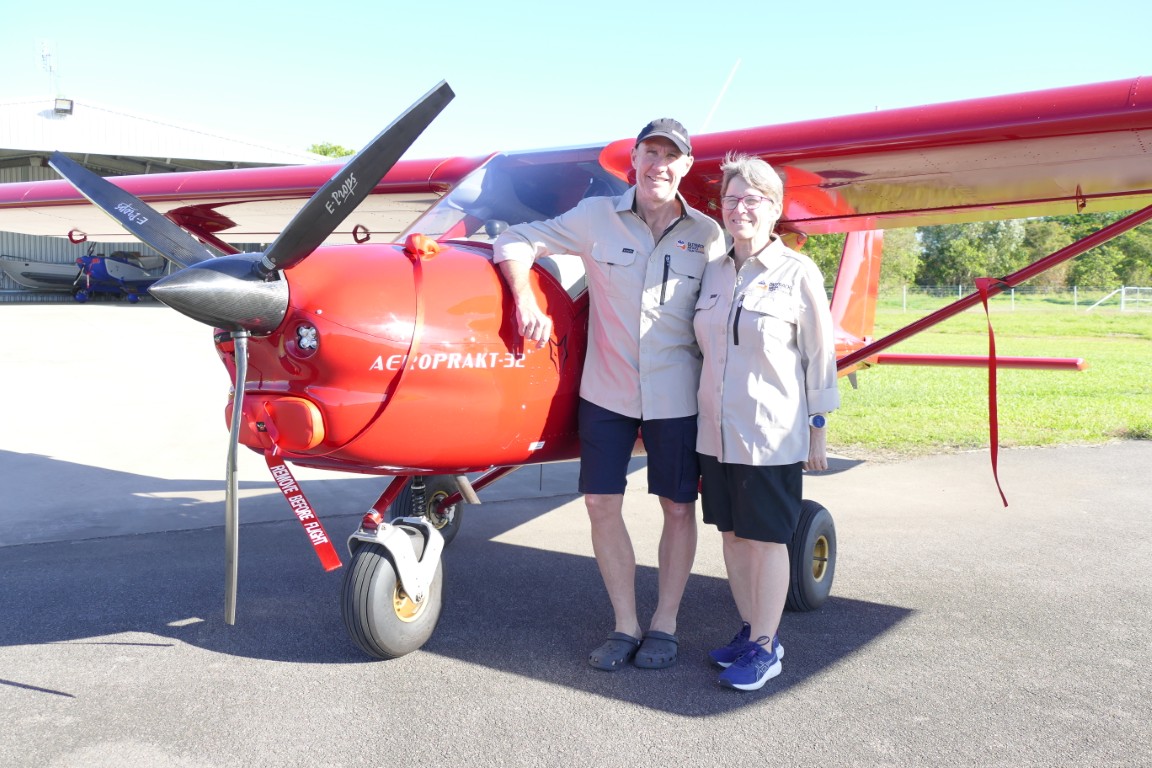
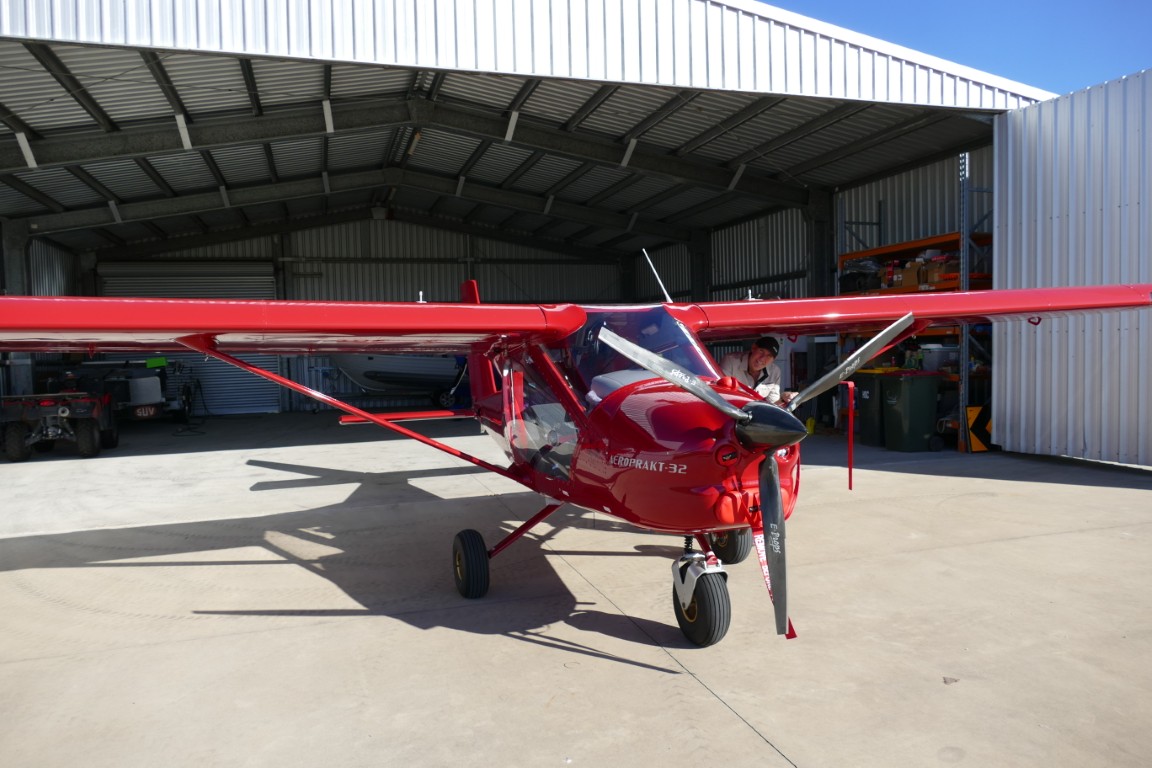
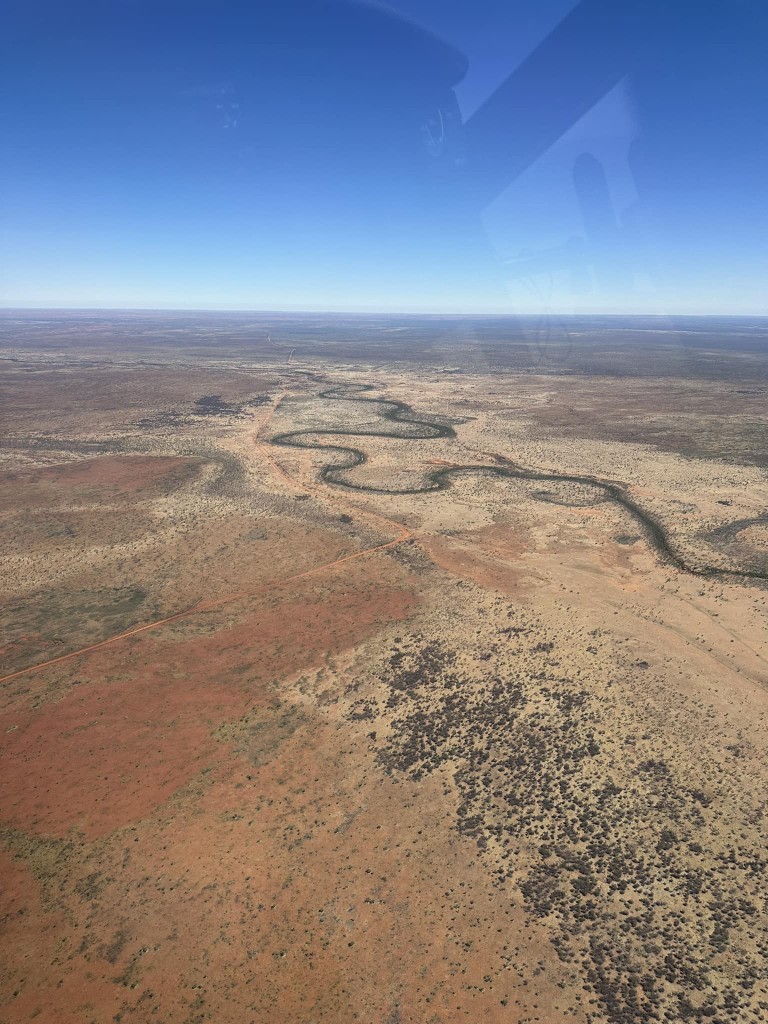
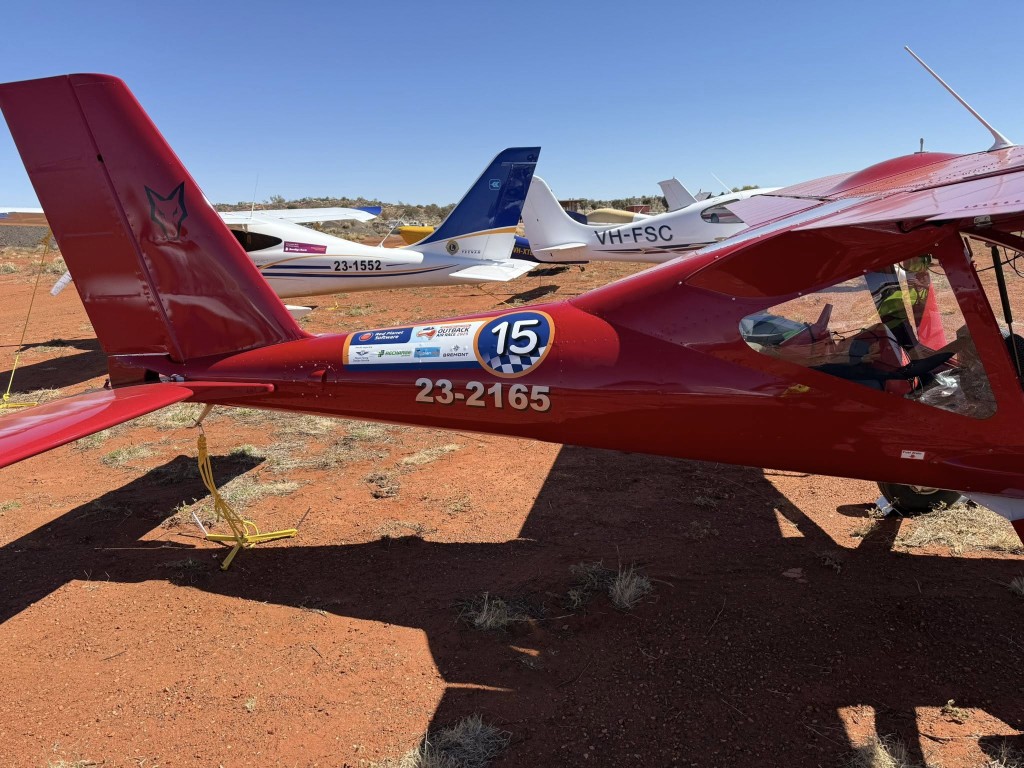
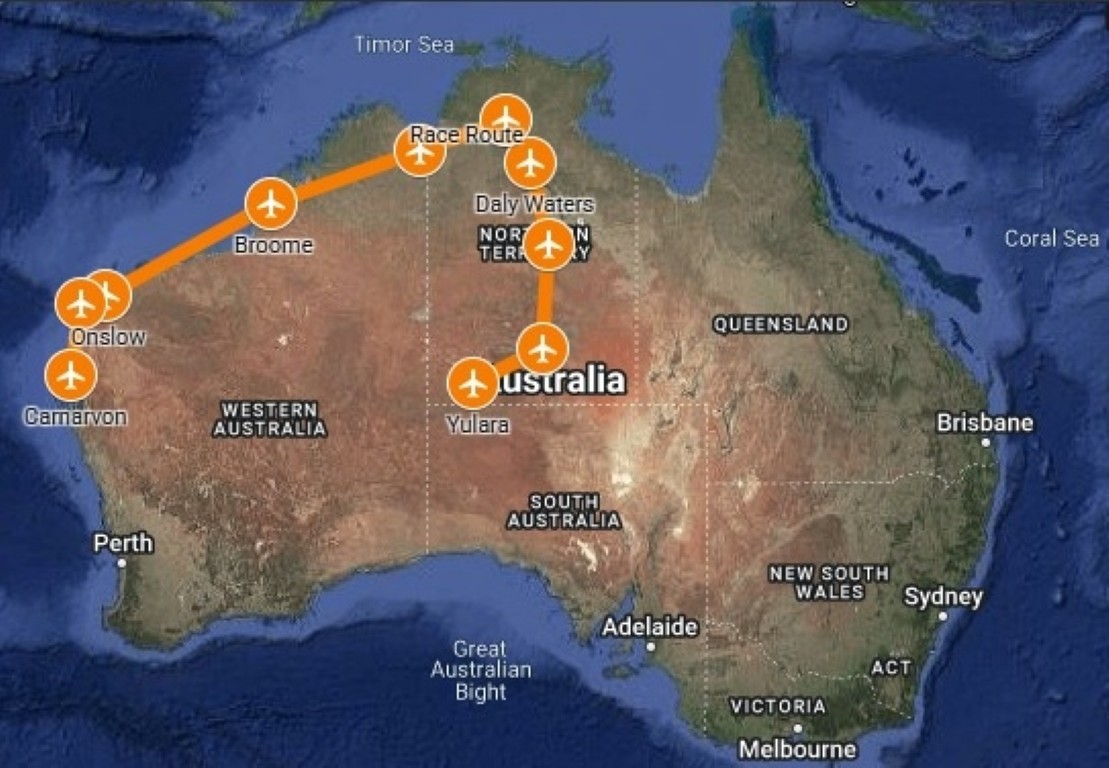
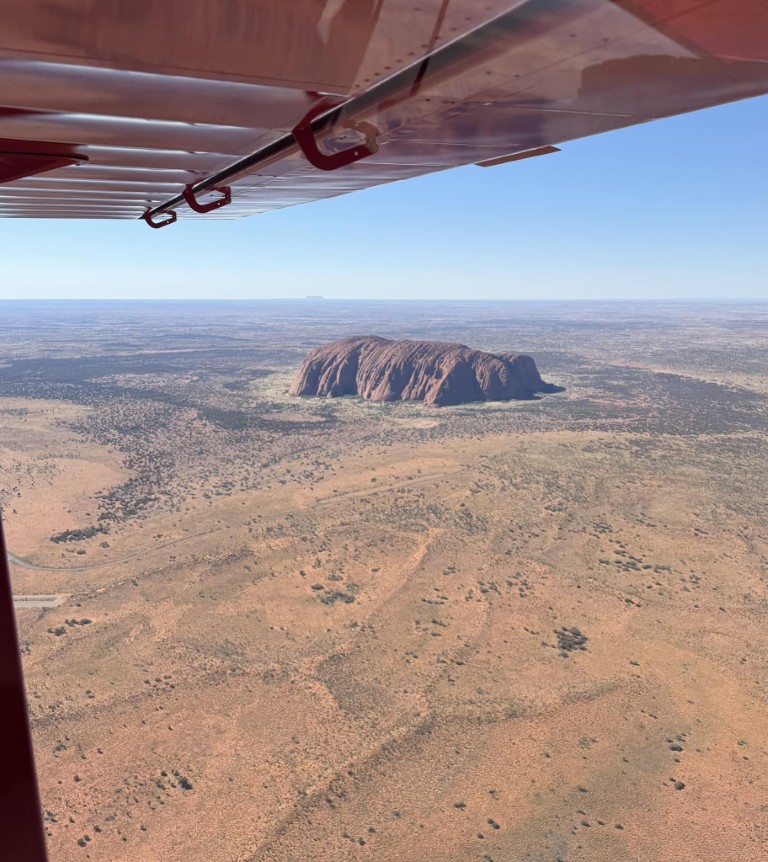
Chris and Tracey Castles have taken to the skies on a 26-day, 10,500-kilometre journey as part of the Royal Flying Doctor Service Outback Air Race 2025. Flying under the banner of Team 15 – Rookies, the pair are navigating their fire engine red A32 Vixxen through some of Australia’s most remote regions in a rally that is less about speed and more about navigation, timing, and precision. Their mission is twofold: to embrace the adventure of a lifetime and to raise $75,000 for the RFDS, whose services have long been a lifeline across regional Australia. Continued on page 3
Chris and Tracey Castles are no strangers to adventure, but their latest endeavour has lifted their ambitions sky-high. On Wednesday, 20 August, the Ingham couple embarked on the Royal Flying Doctor Service Outback Air Race 2025, joining 45 other aircraft and around 100 participants in the charity challenge.
The event is less of a speed race and more of a rally. Pilots navigate between remote points, testing accuracy, timing, and teamwork. While both were engineers in the RAAF, Chris will act as the lead pilot for the rally, while Tracey is the load master and provides moral support.
“The race is really all about raising money for the Royal Flying Doctor Service,” Chris explained. “They do a lot of good work around the country, and we’ve been beneficiaries of that on occasion as well. So, it’s really about giving back while also getting to see Australia from a unique perspective.”
The Castles’ fundraising story has been remarkable. “Our first target was $20,000, then we raised it to $25,000, then $50,000, and now $75,000,” Tracey said with a smile. To date, they are just shy of $60,000, thanks to the generosity of family, friends, and community supporters.
The couple are also offering raffle tickets for a $20,000 bespoke travel experience, with the draw scheduled for 8 September via: https://www.raffletix.com.au/?ref=5dezp&sref=xb79cnc9
Though they would love to win the rally, Chris and Tracey’s ultimate goal is to support the service that delivers critical medical care to rural and outback Australians. “It’s a win-win,” Tracey said. “The love of flying and the chance to help the Flying Doctor Service.”
Follow their progress on Facebook at 'Rookies RFDS Outback Air Race 2025' or donate to keep Team Rookies soaring towards their target via the QR code!

.jpeg)
Hiya Hinchinbrookshire!
Daffodil Day was last week, and it's a day I look forward to every year since I can remember. I have always loved daffodils, being my mother's and grandmother's favourite flower. They also remind me of my historic family roots in Ireland, where many varieties of daffodils line the streets and pop out of every nook and cranny, making the towns and countryside a sea of creamy white, yellow and orange delight.
Growing up in Brisbane, on Daffodil Day, every town square, school and business that could get their hands on daffodils were hawking them for a noble cause - raising funds for the Cancer Council.
This year in Hinchinbrook, it saddened me to hear that not many knew about the day or its importance. Huge shout-out to the teams of both Petal and Beanz in Tully and the folk at Rachel Cauchi Optometrists in Ingham. Thank you for your efforts in raising awareness for the Cancer Council cause, I bought two bunches of daffodils, one for my mother and one to share with my neighbours as the flowers bring such joy to an empty window sill. If you would still like to donate to Cancer Council, you can do so here: donate.cancerqld.org.au/donate.
Victoria
Fun fact: The legend of Narcissus in Greek mythology tells the story of a beautiful youth who fell in love with his own reflection in a pool of water. Narcissus is also the genus of plants that includes daffodils and their smaller counterpart, jonquils.
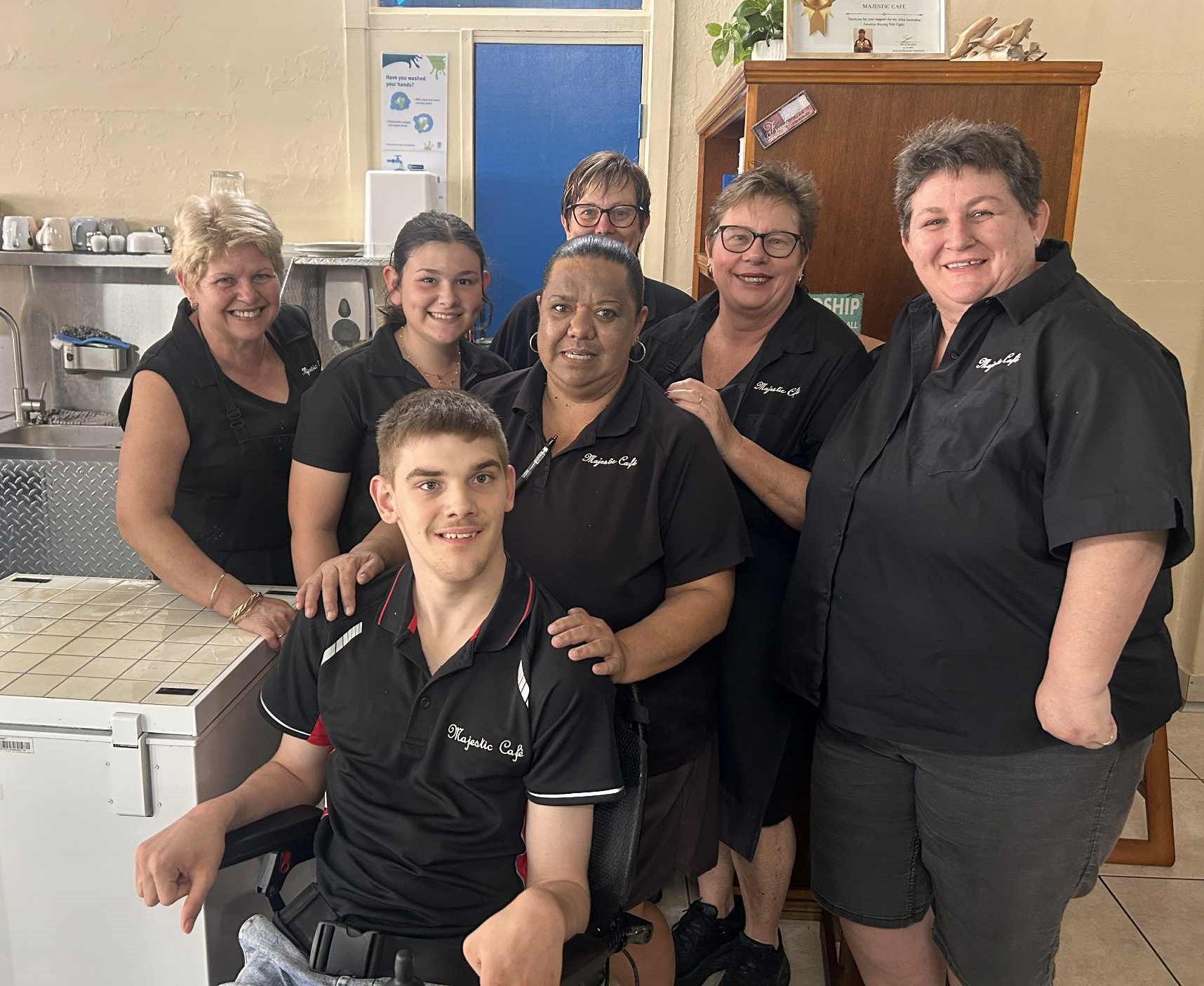
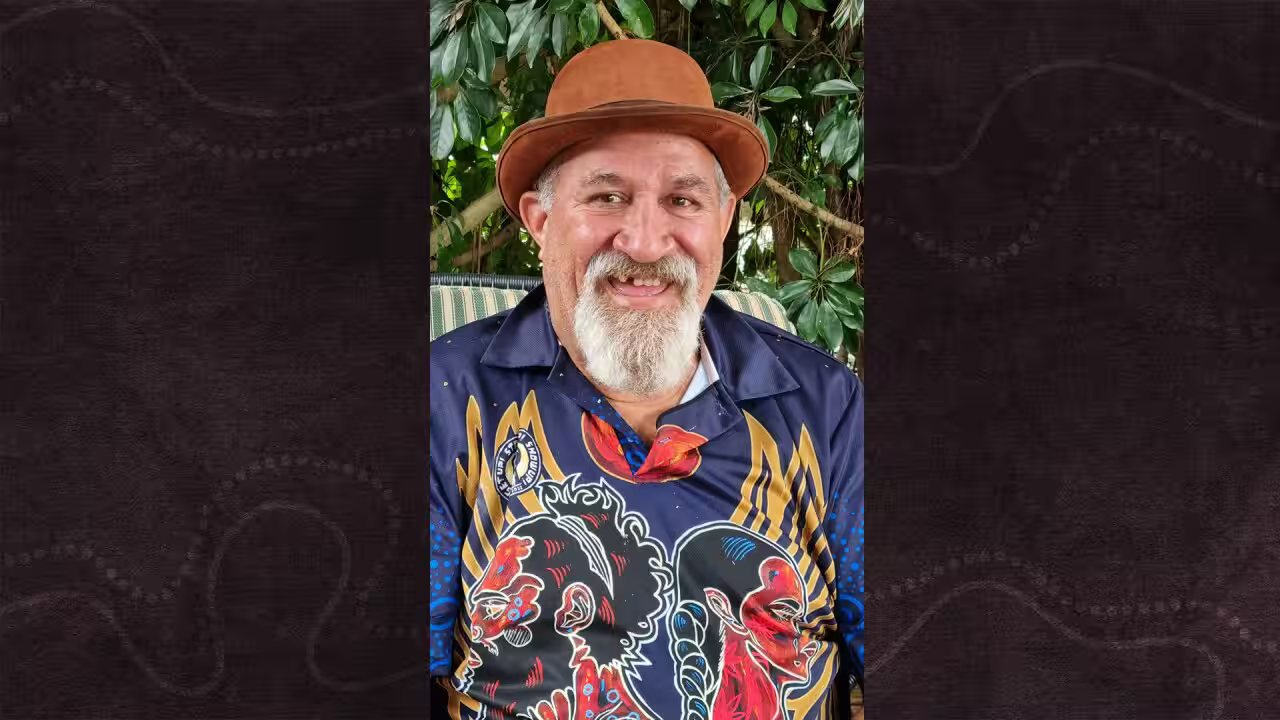
Recently, Ingham State High School shared another heartwarming update on the journey of one of their senior students, Max!
Currently nearing the end of Year 12, Max has established his very own business titled, “Max is Mobile” to further prepare for his post-schooling endeavours, and much to his delight, the community could not have been more supportive.
Touched by his ambition, the amazing team at Majestic Café have excitingly signed Max on for work experience each and every Wednesday right up until the end of Term 3 and cannot wait for Max to join the crew from 10am to 1pm each week.
Ingham State High School shared the news in a post online which has since attracted just shy of 500 interactions from members of the community adding comments commending Majestic Café on their support of local students and congratulating Max on his new business venture.
Marina and the staff of Majestic Café are not the first local business to support Max on his endeavours as just last June, Max joined Mandy Griffiths’ Mandy’s Beauty in The Bush to deliver beautiful flower bouquets across the Hinchinbrook Shire.
“With every bloom you’ve carried, you’ve brightened someone’s day. Thank you for the sunshine you’ve so effortlessly shared,” wrote Mandy.
“Well done, Max, because of you. You’ve made the world bloom a little brighter one petal at a time.”

On Friday, 22 August 2025, Ingham witnessed a powerful and heartfelt farewell for “Slammin’ Sam” Backo. One of this region's and Halifax's own, the rugby league legend was one of the most deeply grounded greats. At St Patrick’s Church, mourners clad in Sam’s favourite colour of maroon, an emblem of both Queensland pride and Backo’s own legacy. The pews were packed, and many spilled onto the streets as family and fans alike paid their respects to the legend.
Sam Backo’s life was a story of strength in both sport and spirit. Born on Warrgamay country on 1 January 1961, he rose to prominence through gritty displays for the Raiders, Brisbane Broncos, Queensland, and Australia. But it was off the field where his legacy truly flourished. As a cultural advocate and former chairman of the North Queensland Land Council, he channelled a generational commitment rooted in his mother, Dr Evelyn Scott’s lifelong activism, into real outcomes for First Nations people.
The funeral’s eulogy, delivered by his daughter Elaine, captured the ritual’s emotional core: “we say goodbye to a husband, father, brother… and welcome his spirit home back to the land that gave him strength,” she said. Sam was laid to rest beside the plaque honouring his mother in Halifax Cemetery.
This service was more than a farewell. It was a celebration of a man who lived with fierce conviction both on the rugby field and in his community. His legacy will remain as solid and profound as the maroon tide that gathered to honour him.



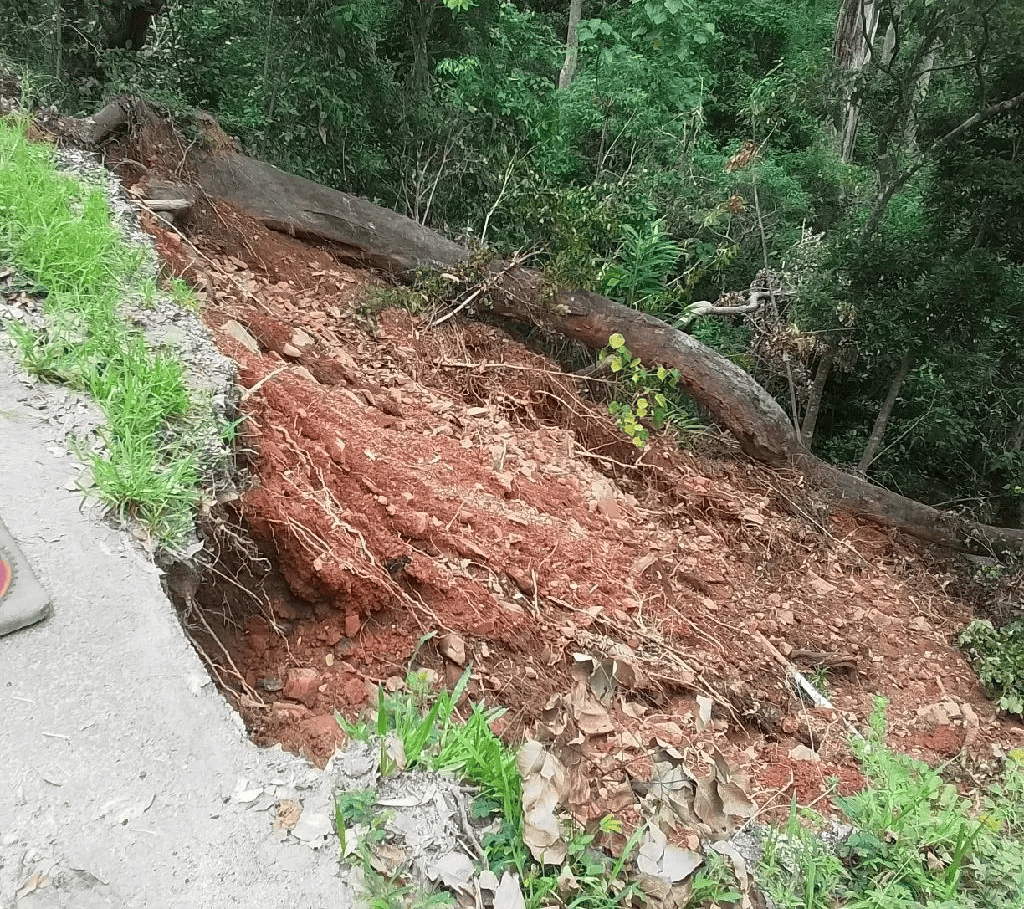
Mount Fox Road, a vital transport corridor serving residents, farmers, renewable industries and school communities, is set for a major remediation works.
The road sustained extensive damage during the February 2025 rain event, with over 35 landslip sites identified and critical drainage infrastructure compromised.
Mayor Ramon Jayo told a crowd of up to 80 people at the August Industry Breakfast held by Hinchinbrook Shire Council in conjunction with the Hinchinbrook Chamber of Commerce, Industry and Tourism that at the height of the damage, there was significant pressure to close the road completely.
“However, thanks to the dedication of local contractors and emergency crews, Council was able to maintain limited access, keeping the road open under restricted conditions,” Mayor Jayo said.
“Council has completed preliminary geotechnical assessments, with detailed design works well underway. We are preparing to go out to tender for major remediation works. This is not a short-term fix. This remediation work is undertaking full permanent repair of the sites impacted by the flooding events.”
Council started sealed pavement reconstruction on 13 August 2025, including pothole patching and surface reinstatement.
This phase is expected to take around 10 weeks, weather permitting, and Council is progressing with the planning and delivery of further works, including landslip repairs and more than $3 million in upgrades of the Mount Fox range for drainage improvements and minor road widening.
These upgrades are jointly funded by the Australian and Queensland Governments under the Disaster Recovery Funding Arrangements (DRFA), administered through the Queensland Reconstruction Authority.
Council acknowledges the inconvenience and thanks the community for its patience. The priority remains delivering a safe and durable outcome. For updates, residents are encouraged to visit the Hinchinbrook Disaster Dashboard or contact Council’s Customer Service Centre on 4776 4600.

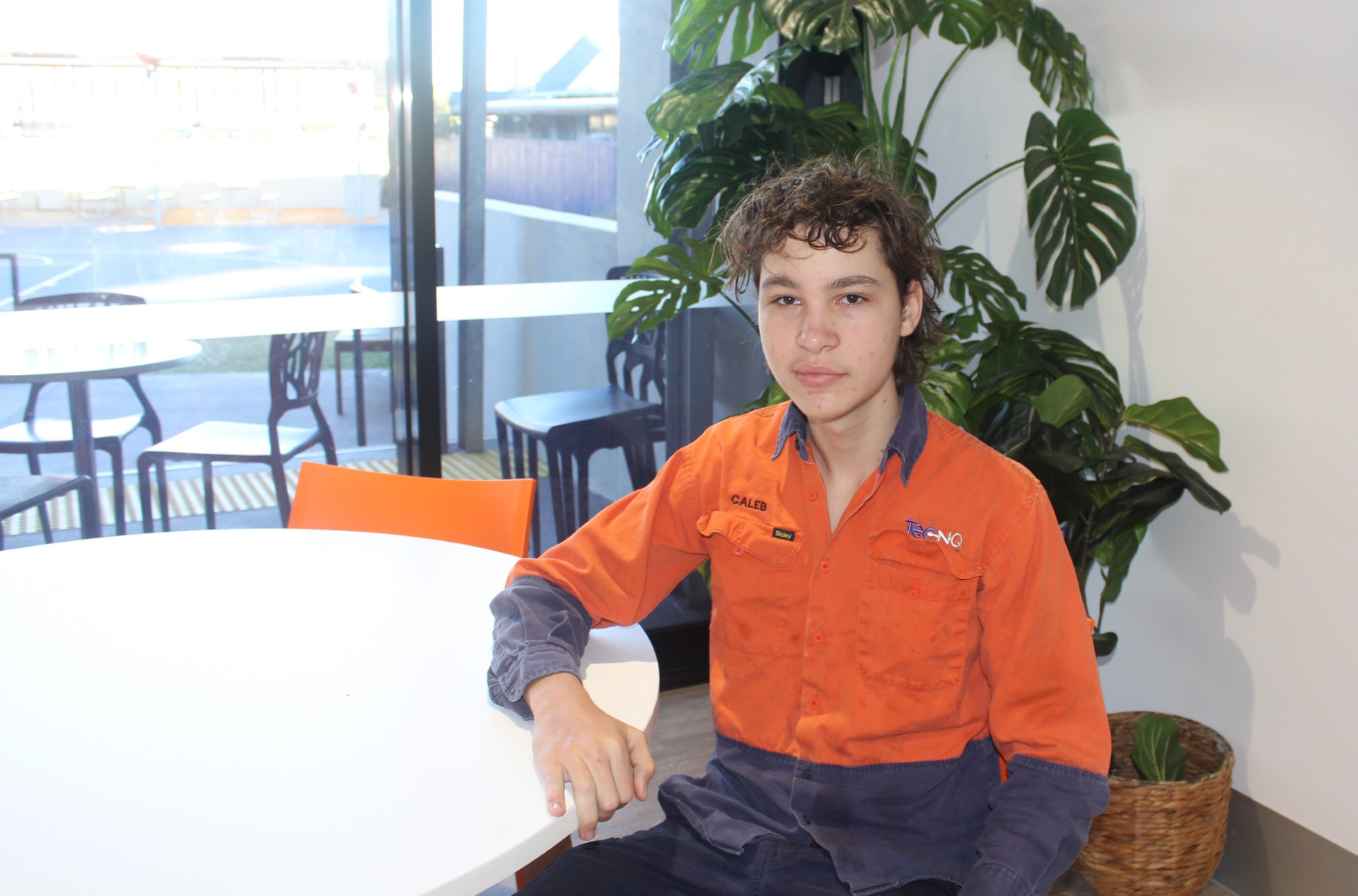
Tec-NQ House grade 11 boarding student Caleb has his sights set firmly on the automotive trade, splitting his week between the classroom, paid work, and hands-on experience at the Townsville Audi and Porsche dealership just down the road from Tec-NQ House boarding campus.
“I got to work on a timing belt,” said Caleb. “Each day I went to work experience, I walked because it was just up the road.”
Time in a prestigious workshop has given him confidence and clarity. “I get to help the workers in the workshop,” he commented. “Watching how they fix problems has shown me what the job is really like.”
Caleb isn’t waiting around for opportunity to knock. He’s stacking experience wherever he can, working part-time. “I also have a job at Dan’s Automotive,” said Caleb. “When I’m not doing work experience or school, I work there, where I am learning a lot.”
Head of Boarding, Luke Papworth, says Caleb’s initiative is exactly what Tec-NQ House is designed to encourage. “Caleb is taking every chance to learn; he’s balancing school, work experience, and a real job. That work ethic is what sets our students up for apprenticeships,” Luke said.
He also points to the advantage of transport and flexible staff support. “Transport is provided to the Tec-NQ Douglas co-educational campus each day, and students are driven to and from their workplaces as required,” said Luke. "That means students can get to placements, arrive on time, and focus on learning rather than logistics,” added Luke.
As a boarder, Caleb benefits from a supportive home base in Townsville. Tec-NQ House is a purpose-built boys-only boarding facility in Rosslea, providing accommodation for up to forty senior students from regional and remote Queensland so they can access Tec-NQ’s trade-focused senior school program.
The residence blends structure with a warm, homely feel. Students have 24/7 supervised care, air-conditioned double-occupancy rooms, modern communal lounges, computer access, a secure outdoor recreation area with BBQ facilities, and a basketball court.
Daily routines make success easier. An on-site professional chef prepares nutritious meals, staff run after-hours sport and social activities, and regular excursions build friendships.
“Boarding gives students independence with a safety net,” said Luke. “We set expectations around study, wellbeing and behaviour, and we’re right there to guide them. The result is young people who are ready for the workplace.”
That workplace-ready mindset is exactly what Caleb is building. He’s learning to communicate with tradespeople, follow procedures, and take pride in doing the small things right: clean tools, tidy bays, and careful checks before a car leaves the workshop. Each shift adds to his confidence.
Caleb’s next goal is clear: secure an automotive apprenticeship and keep learning on the tools. With Tec-NQ House providing structure, support and proximity to employers, and with the combination of work experience, paid work and school learning under his belt, he’s well on the way.
Keep up the great work, Caleb; your future is idling at the lights, and you’ve already got the green.
.JPG)
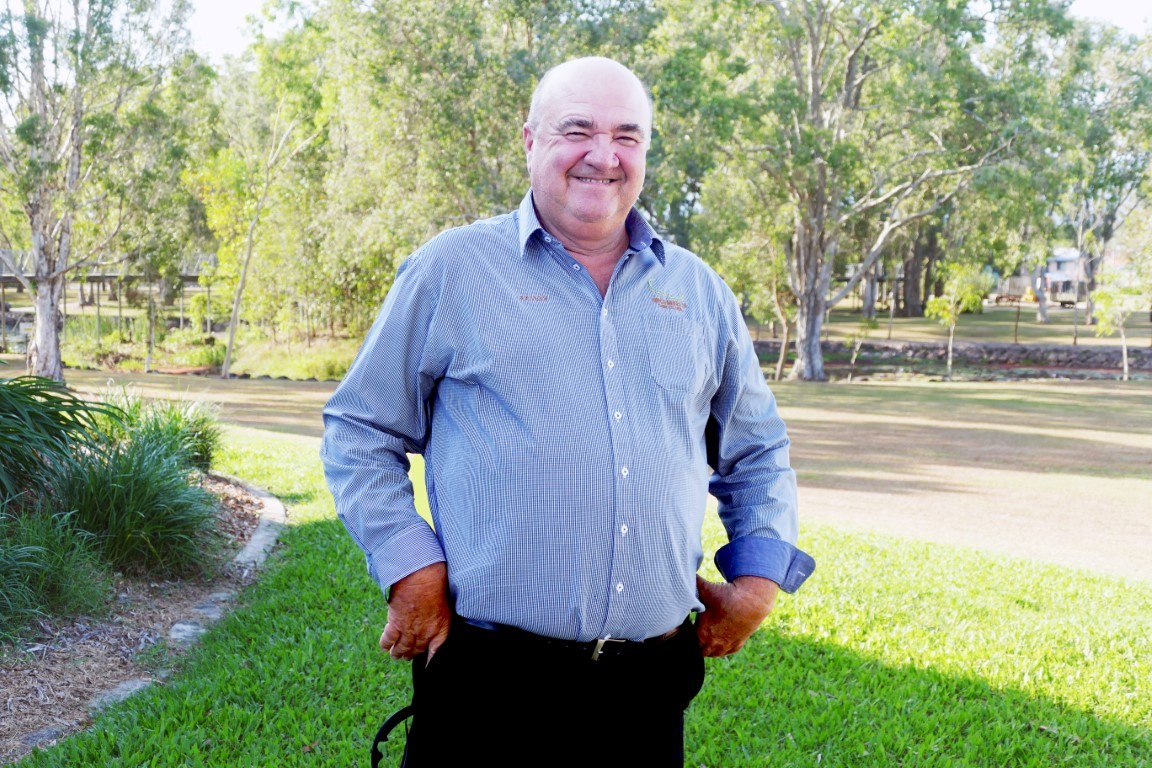
Hinchinbrook Shire Council is inviting residents to sign up to Hinchinbrook H2O, the online portal supporting digital water meters is a major step forward in smarter, more efficient water management across the Shire.
Since its rollout in 2022, the project has been helping households and Council alike better understand and manage water usage.
Jointly funded by Hinchinbrook Shire Council and the Queensland Government through the Local Government Grants and Subsidies Program, this initiative is part of Council’s long-term strategy to improve infrastructure and service delivery.
The new digital water meters provide real-time water usage data, transmitted every 60 minutes via a low-frequency radio signal — significantly weaker than a mobile phone signal and safe for residential areas.
Residents can access this data at any time through the Hinchinbrook H2O portal, giving them the power to monitor their water use, detect leaks early, and make informed decisions about their consumption.
Why Sign Up?
Depending on your property’s existing setup, you’ll receive either a full meter replacement or a retrofitted device — ensuring compatibility and seamless integration.
The system also monitors operational performance, including battery life, helping reduce long-term maintenance costs.
As the project continues, residents will receive updates on how to access and use their water data.
Contact Council via email at council@hinchinbrook.qld.gov.au, sign up at https://h2o.hinchinbrook.qld.gov.au or call 4776 4600 if you require sign-up assistance or for more information.
Water is central to life in the Hinchinbrook region. It keeps us healthy, supports our agriculture, sustains local businesses, and helps our communities thrive.
The Queensland Government has announced a review of the Wet Tropics Water Plan, which could lead to the release of unallocated water to support future growth.
This is a significant opportunity for our region, and Council encourages interested parties to get involved by lodging an Expression of Interest (EOI) before 31 August 2025.
Water plans are important tools that determine how much water is available and how it’s managed across different sectors.
They aim to balance the needs of urban, industrial, agricultural, environmental, and cultural users, while ensuring long-term sustainability.
These plans may include reserves of unallocated water, which can be released for future use without affecting current water users or the environment.
In the Wet Tropics area, unallocated water is available from two sources:
The general reserve, which includes watercourse water and groundwater depending on location, and;
The high-flow reserve, which includes watercourse water.
This means there are real opportunities for local landholders, businesses, and developers to secure water access that could support agricultural expansion, diversification into higher-value crops, or new business ventures.
By submitting an EOI, you’re helping demonstrate genuine demand for the Hinchinbrook region, which can influence future decisions and ensure we are considered in the planning process.
Lodge an EOI here at this link https://www.business.qld.gov.au/industries/mining-energy-water/water/catchments-planning/unallocated-water/eoi/wet-tropics by Sunday, 31st of August 2025.
Missing it could mean waiting years for another chance to access new water allocations.
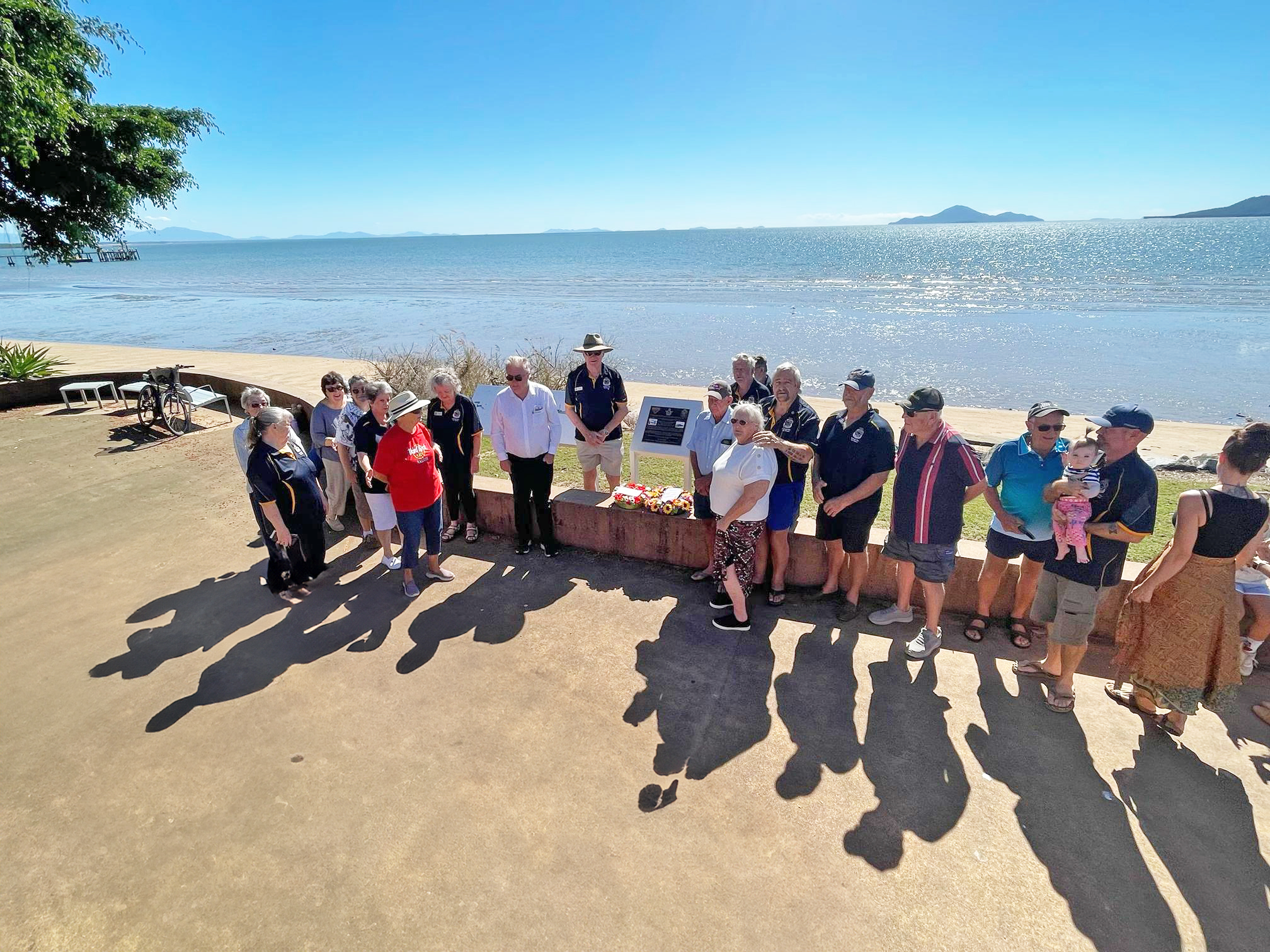
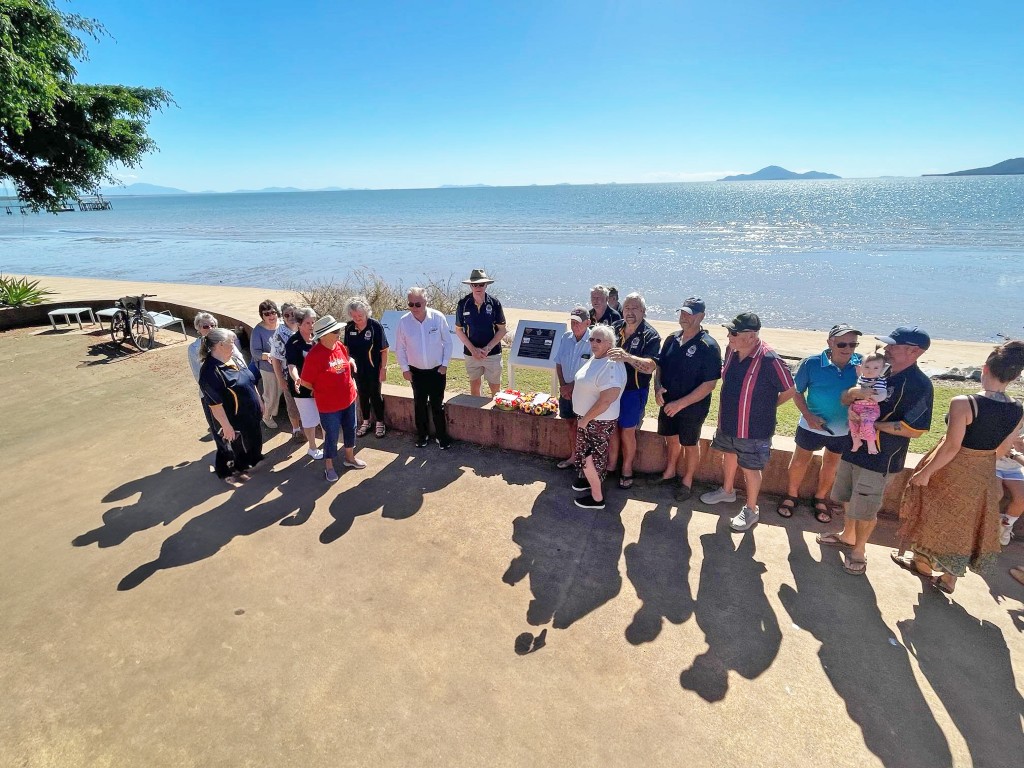
The Cardwell RSL Sub Branch has ensured an important piece of wartime history will never be forgotten with the unveiling of a bronze plaque dedicated to the Hudson Bomber crew who crashed in the Hinchinbrook Channel on May 4, 1942, during the Battle of the Coral Sea.
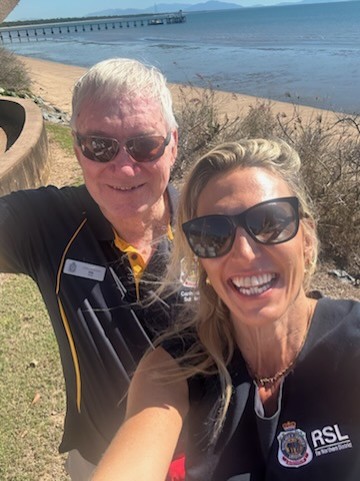
The project, a year in the making, received strong community backing with thanks extended to the Fletcher family, the Far Northern District RSL, Cassowary Coast Mayor Teresa Millwood and Councillor Chris Littlemore, who officially attended the ceremony in support. Along with Far Northern District RSL Secretary, Julie Tepaz, travelled from Cairns to attend the commemoration, and unveiled the plaque with Cr Littlemore.
The plaque serves as a reminder of how close the war came to Australia’s shores and of the sacrifices made by four young RAAF servicemen. The Hudson Bomber A16-162, caught in a tropical storm while searching for Japanese ships, crash-landed in the channel before being towed ashore at Cardwell’s main beach. Co-pilot Sgt James East tragically lost his life and was later laid to rest in Tully. Sgt Geoff Fletcher displayed remarkable bravery, rescuing his surviving crewmates from the wreckage in waters teeming with sharks and crocodiles. His legacy extends beyond the war, with his son Ken and grandson Dustin together playing a total of 664 VFL/AFL games for the Essendon Football Club (the Bombers).
The Hudson Bomber plaque now stands as a lasting tribute to courage, sacrifice and service. For more information, visit the Battle of the Coral Sea Memorial Park at 4 Coral Sea Drive, Cardwell.
Lest we forget.
Contributed with thanks by Robert Lang, President of the Cardwell RSL Sub-Branch.
Publishers Indemnity. Any individual or entity that places advertising, supplies copy material, or submits editorial content to Life Publishing agrees and undertakes to ensure that all such material:- Does not infringe upon any copyright, trademark, or other intellectual property rights;- Is free from any content that could be considered defamatory, libelous, or slanderous;- Does not infringe upon any rights related to privacy or breach of confidence;- Contains no obscene, indecent, or otherwise unlawful material;- Complies fully with the Trade Practices Act and all other applicable laws, regulations, or statutes. Furthermore, by submitting or placing such material, these individuals or entities agree to indemnify and hold harmless the publisher, Life Publishing and Events Pty Ltd, and/or its agents from and against any and all investigations, claims, demands, liabilities, damages, costs, or judgments arising out of or in connection with the material provided. All material is believed to be accurate at the time of printing and remains the copyright of Life Publishing and Events Pty Ltd.
© 2026 Life Publishing Group Ltd.
