
Independently Owned, Locally Grown, Community Loved
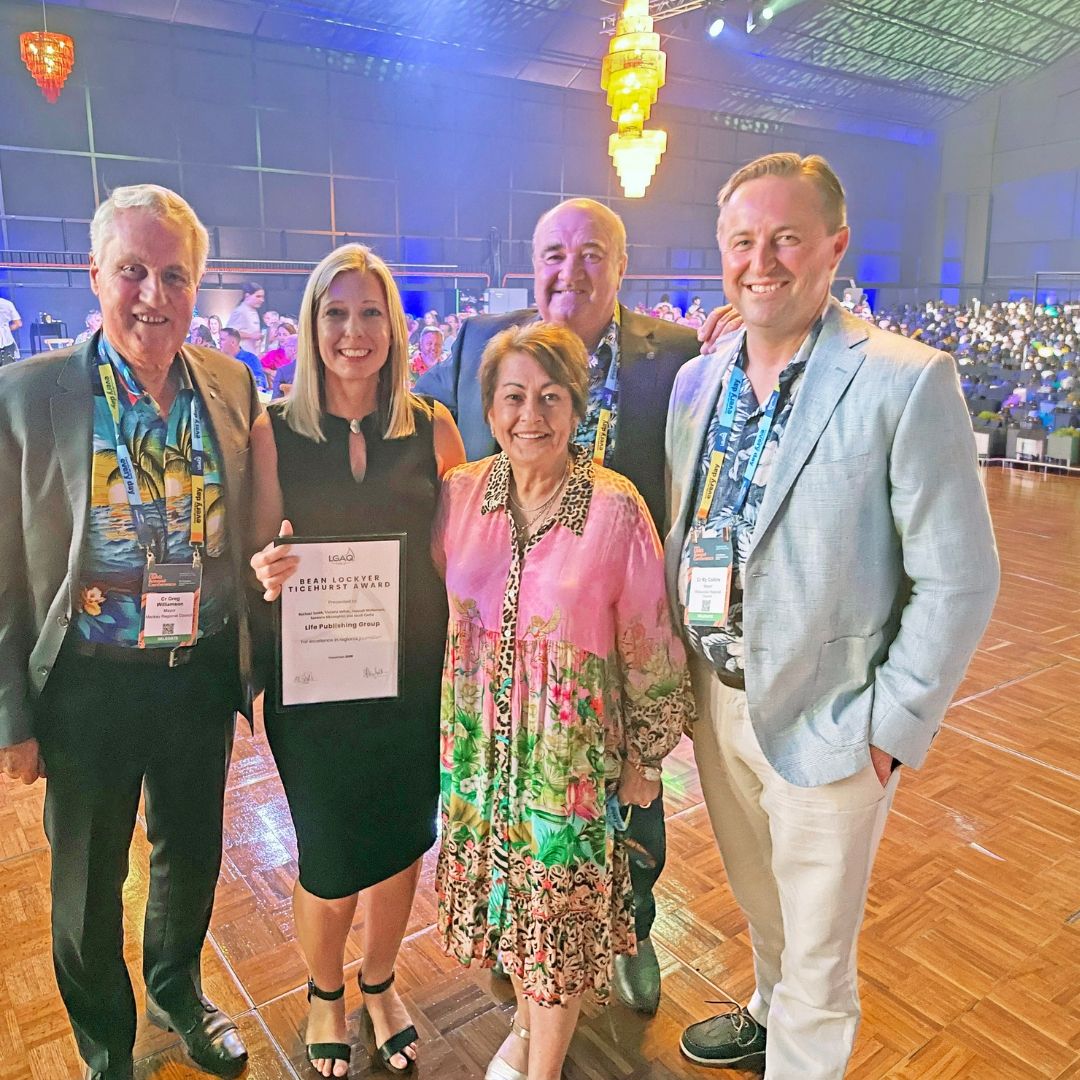
Hi Everyone, Exciting news from the Life Publishing Group team this week – we’ve won this year’s Local Government Association of Queensland Journalism Award! We’re particularly humbled by this achievement, especially given the competition with The Australian coming in second and the ABC third. This state award recognises excellence in regional journalism, and our positive, community-focused, hyperlocal coverage across the group took out the top accolade. I travelled to Cairns on Tuesday to accept the award on behalf of our team, and I would like to acknowledge all our journalists for the exceptional work they do every day across all the regions we serve. A big round of applause goes to Hannah McNamara, Victoria Velton, Jacob Casha, Zach Houtenville and our Editorial Team Leader Suzanna McLoughlin. As some of you may know, most of our journalists come to the regions as cadets, embarking on their first jobs in journalism. They are thrown into a new community and often become the only on-the-ground journalists covering local news. They are then supported by our fantastic team of professionals, and together we produce the papers our communities read every week. Every page is a team effort, from the advertising booked by our Sales Managers to the pages created by our designers, the production team bringing it all together and our journalists delivering the content. Thank you to the whole team for everything you do and well done to each journalist for collectively producing a body of work of such a high standard that we received this top gong. I would also like to mention the origins of this award, which are particularly meaningful. The LGAQ established it in honour of ABC cameraman John Bean, journalist Paul Lockyer and helicopter pilot Gary Ticehurst, who tragically died in a crash while on assignment in 2011. They were a well-liked and deeply respected crew who spent much of their time working in regional areas. Their loss sparked an outpouring of grief from regional leaders who understood the enormous contribution they made to ensuring regional Queensland was given a voice and its contribution to public life was recognised. It is an honour to continue their legacy in our own small way, ensuring regional Queensland communities remain connected and have a strong voice through positive, local free newspapers every week. The awards night was spectacular, with more than 500 Mayors, Councillors and local government staff in attendance and I was thrilled to meet up with five of the local Mayors from the regions we serve. When I was called up on stage to accept the award on behalf of the team, it was a moment that made all our dedication to regional journalism feel worthwhile. To my surprise, when I came off the stage, all our local Mayors came over to congratulate us. I was greeted by Mayor Greg Williamson from Mackay, Mayor Ry Collins from the Whitsundays, Mayor Pierina Dalle Cort from the Burdekin and Mayor Ramon Jayo from Hinchinbrook. I have to confess, I had tears in my eyes at that moment! I later found out that Mayor Ramon Jayo had nominated us for the award and that every Mayor had received a phone call from the judging committee, with each vouching for the incredible work our team does every day in their regions. Thank you to all the Mayors, including Mayor Teresa Millwood from Cassowary Coast, where we have recently expanded. It was a delight to share your table on the night! And finally, thank you to our incredible team, our Publisher Bec Douthwaite, the LGAQ for this significant recognition, and our wonderful readers and local businesses who are part of the Life community. Rach
Read the full story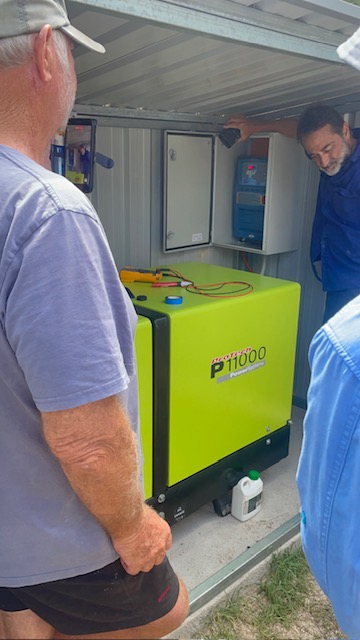
Cardwell RSL Sub Branch’s new back up generator is up and running! The generator was secured through FRRR funding, and will give the sub branch peace of mind and a contingency plan should extreme weather cause any outages come storm season. Electrician Adrian Cammeleri visited the branch this week to give RSL Members a tutorial on how to run the back up generator. “The Cardwell RSL is extremely grateful for the generous support given by the Foundation for Rural Regional Renewal (FRRR),” said Cardwell RSL Sub Branch President Robert Lang. “Without their grant funding this Gen Set compound & electrical connection would not be possible.” FRRR works with local organisations and community groups to help address regional needs, recognising the importance of locally led projects in building stronger, more resilient communities. Its funding supports a range of initiatives, from community infrastructure to disaster preparedness. Local electrician Adrian Cammeleri offered the RSL some guidance on how to use their brand new back up generator. Photo supplied
Read the full story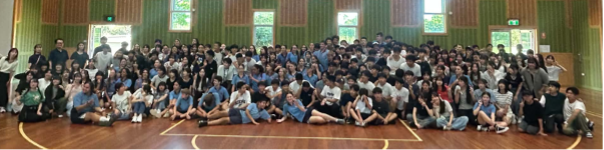
Tully State High School was delighted to welcome 162 students from Ohori Junior High School in Fukuoka, Japan, for a memorable day of cultural exchange and friendship. The visiting students spent the day getting to know our school community, sharing insights into their own school experiences, daily routines and interests. Tully SHS Year 8 students acted as buddies, proudly showing their Japanese visitors around the school and helping them feel welcome. A highlight of the visit was a range of Indigenous cultural activities facilitated by the Girringun Rangers. Students had the opportunity to try spear and boomerang throwing, hand painting and beading, providing a valuable insight into Indigenous culture and traditions. The day was filled with opportunities to learn from one another, celebrate cultural differences and build connections between the two school communities. A friendly game of dodgeball and Just Dance also brought plenty of fun and laughter! Tully State High School extends a heartfelt thank you to all the students, teachers, staff and the Girringun Rangers who contributed to making the visit such a wonderful and memorable experience. The visit was a fantastic opportunity to strengthen international connections, celebrate cultural diversity and create lasting memories for everyone involved.
Read the full story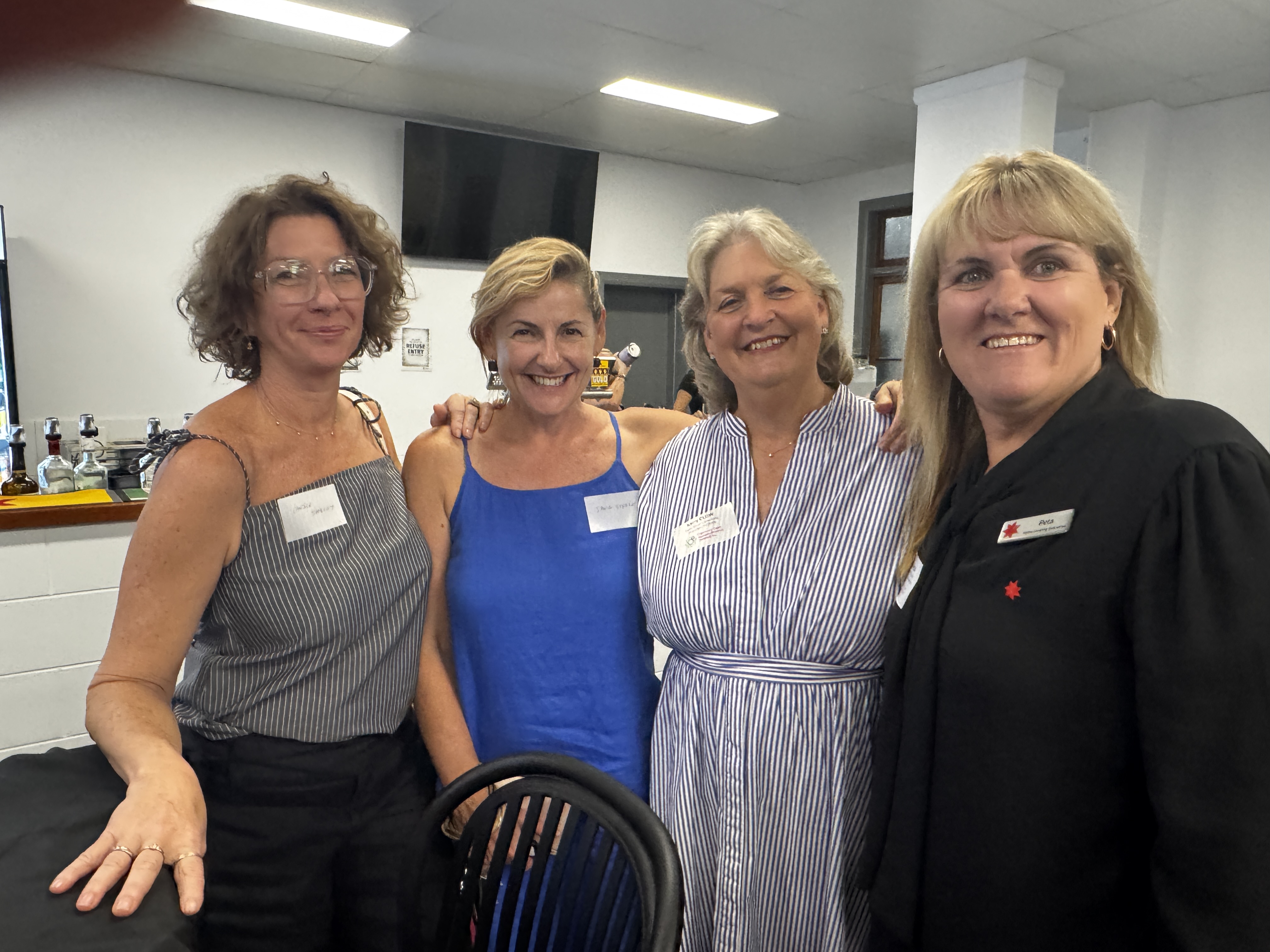
Photo credit: Helen Cook From copyright concerns to smarter booking systems, artificial intelligence is presenting both opportunities and challenges for Cassowary Coast businesses. Members of the Cassowary Coast Businesswomen’s Network (CCBWN) explored the rapidly evolving technology at an informative evening with Cairns-based digital specialist Nicky Jurd at the Mt Tyson Hotel in Tully on Tuesday 13th October. Photo credit: Helen Cook Under the theme Human vs AI, Nicky introduced participants to the growing range of artificial intelligence platforms, explaining how they differ, their practical applications and how dramatically their capabilities have improved in recent months. With technology advancing at remarkable speed, keeping up with developments is becoming a challenge in itself. The presentation explored how businesses can harness AI to improve productivity, streamline everyday tasks and work more efficiently, while also considering the risks and responsibilities associated with its use. Photo credit: Helen Cook Nicky, who established her digital business Precedence in 2000, has more than 25 years' experience helping businesses navigate technological change. CCBWN President Kerry Chow said the evening reflected the network's commitment to supporting local business women through learning, networking and shared experiences. photo credit: Susan Kelly photo credit: Susan Kelly "The Human vs AI event was exactly the kind of evening the Cassowary Coast Business Women's Network is here to create," she said. "An opportunity to connect, learn, share ideas, support one another and explore a business topic that is becoming increasingly relevant to all of us. photo credit: Susan Kelly "It was a terrific example of professional development that was practical, engaging and genuinely useful." photo credit: Susan Kelly Beyond the presentations, the network provides valuable opportunities for local businesswomen to build connections, exchange experiences, learn from one another – and enjoy a fun night out. photo credit: Susan Kelly Next month, CCBWN is supporting the ‘growHer Long Lunch’ event organised by the Tully Women in Ag group, which is an initiative focused on building awareness and understanding around wellbeing in our rural communities - Saturday 7th November at the Tully Country Club. Members and guests are welcome. Visit www.ccbwn.org.au for more information on this and future events. photo credit: Susan Kelly photo credit: Susan Kelly
Read the full story
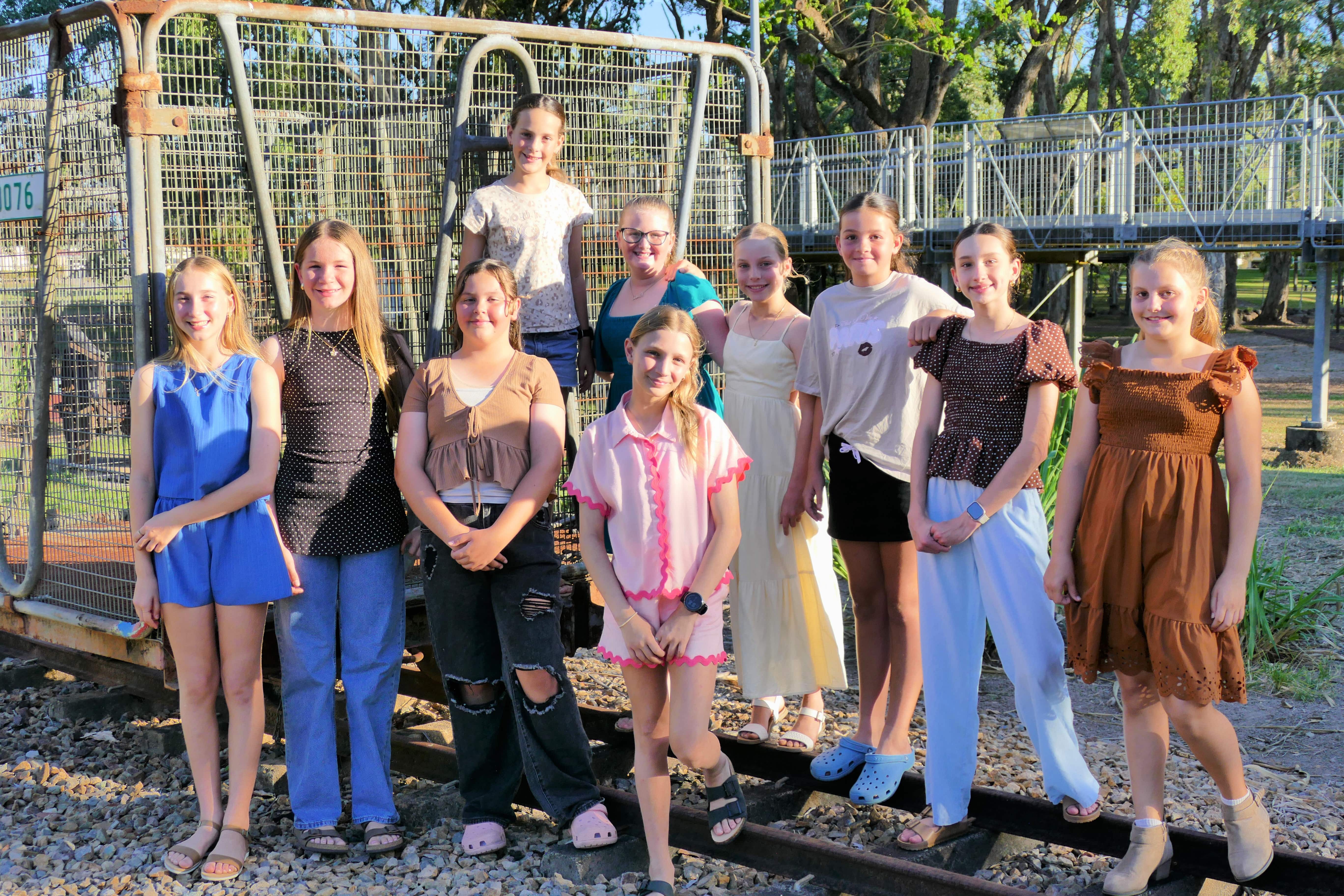
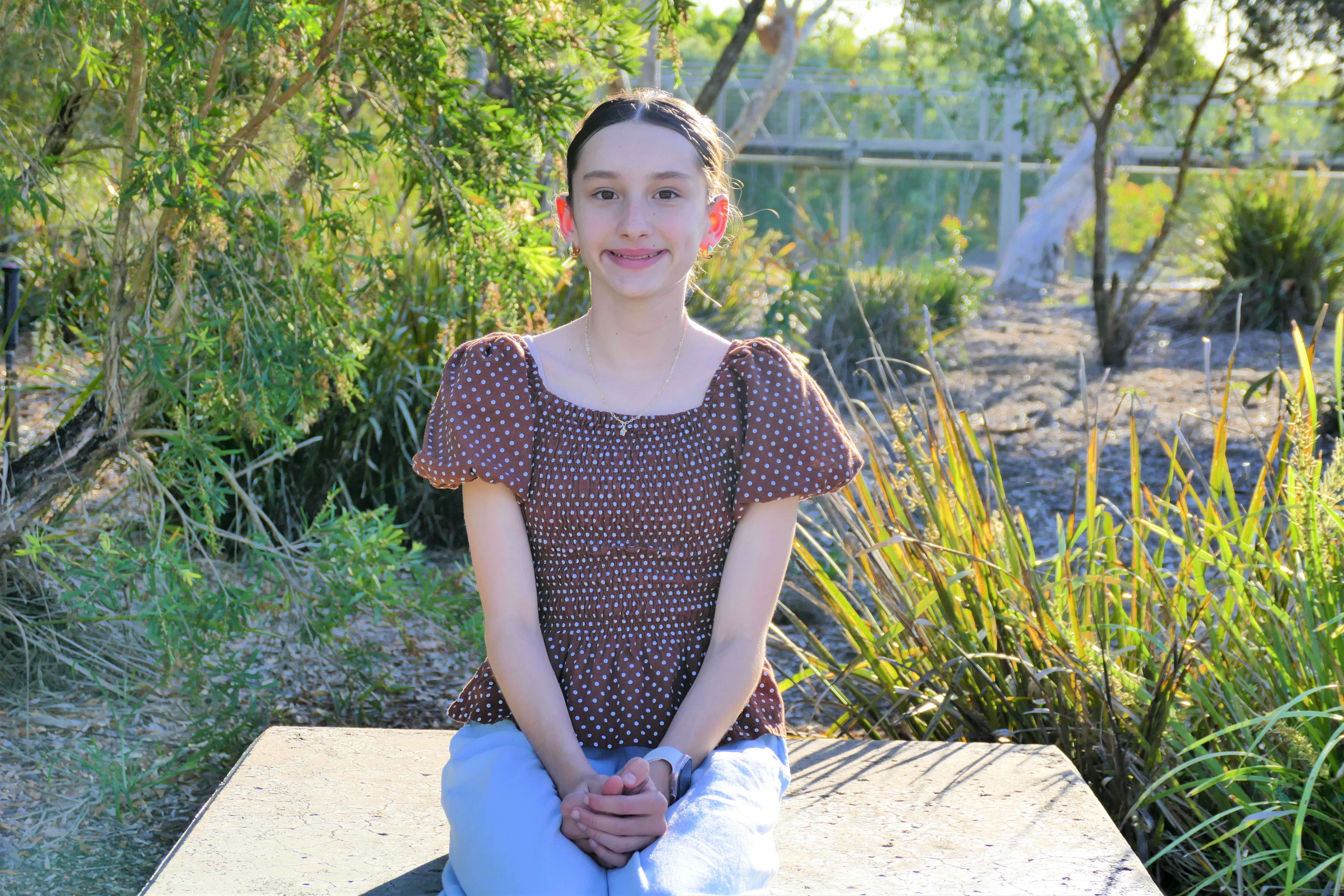
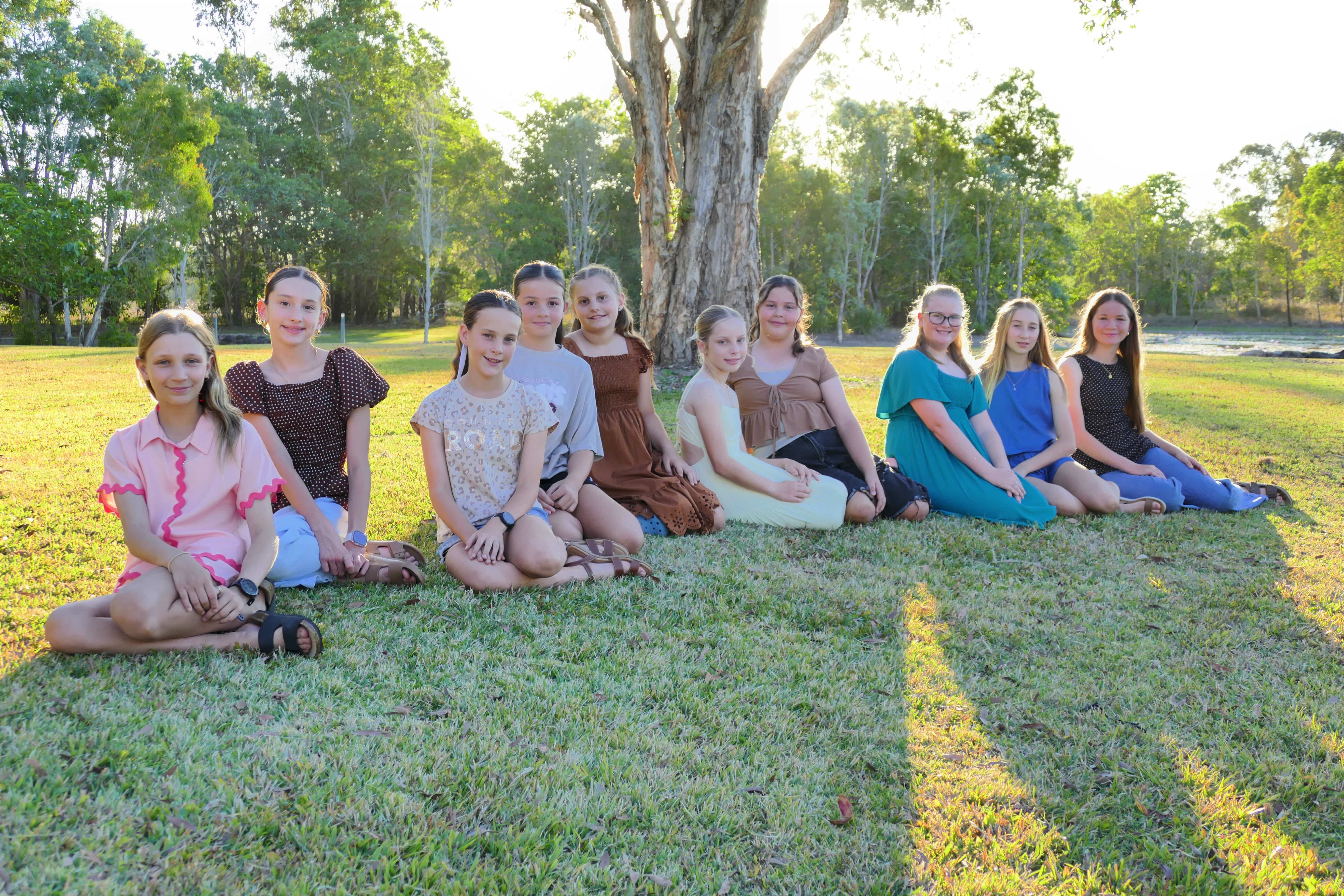
Tilda Pollock, 12 years old
“I like to dance, play netball, cook and be with my friends and family. My goals are to finish grade 12 and go to university, to try for rep netball and to become rich!”
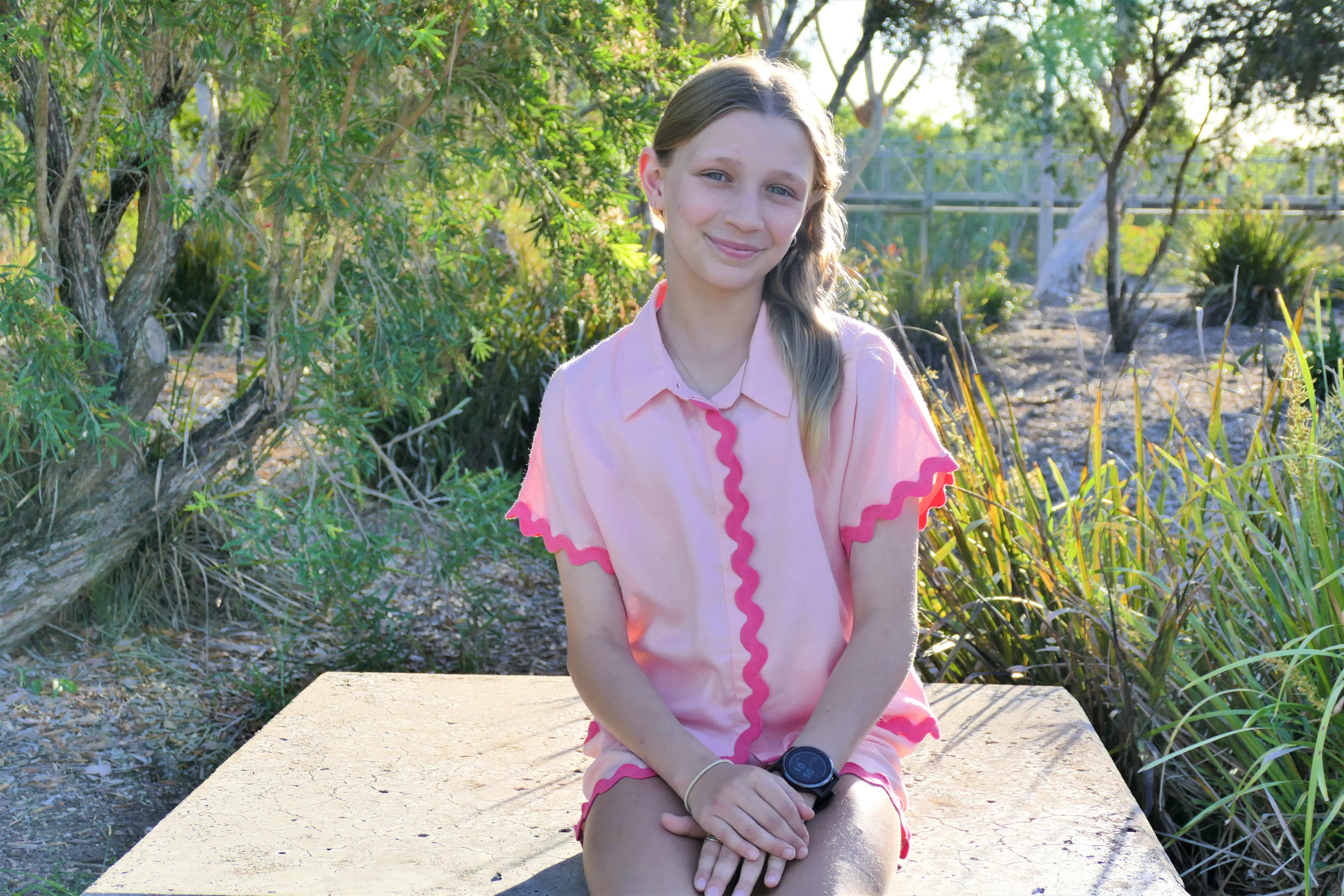
Imogen Accornero, 11 years old
“I like athletics, running, dancing and playing outside. I also like to read and help grandma in the shop. I would like a good paying job, to travel around the world and eat pasta in Italy, and see the Eiffel Tower.”

Lindsy Erkkila, 11 years old
“I like gymnastics, walking on the beach, horse riding and face painting. My goals are to become a vet, be a good person in life, and to do well at school.”

Quinn Demores, 12 years old
“I enjoy dancing and playing netball. I like to face paint and I like to go camping and going to the beach. When I grow up, I want to be a life stock vet. I want to travel to Paris, New Zealand, Japan and Europe.”
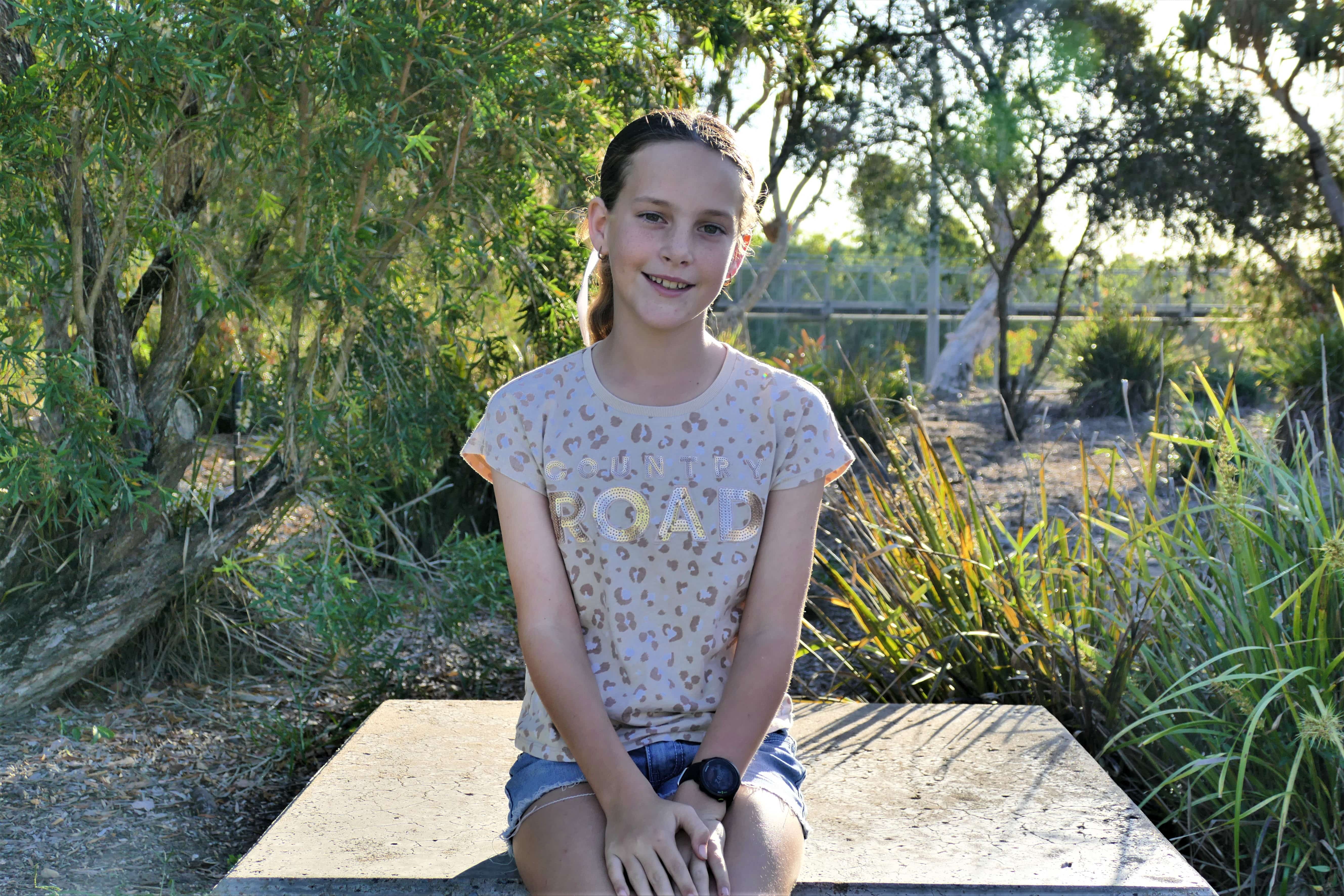
Isla Neitzt, 11 years old
“I enjoy swimming, running, dancing, reading, going to the beach, spending time with my pets, learning to ride my horse and spending time with family and friends. My goal is to become a vet because I love animals. I want to be happy, have a job I love, visit new places and experience new things, and live close to my family so I can always spend time with them.”
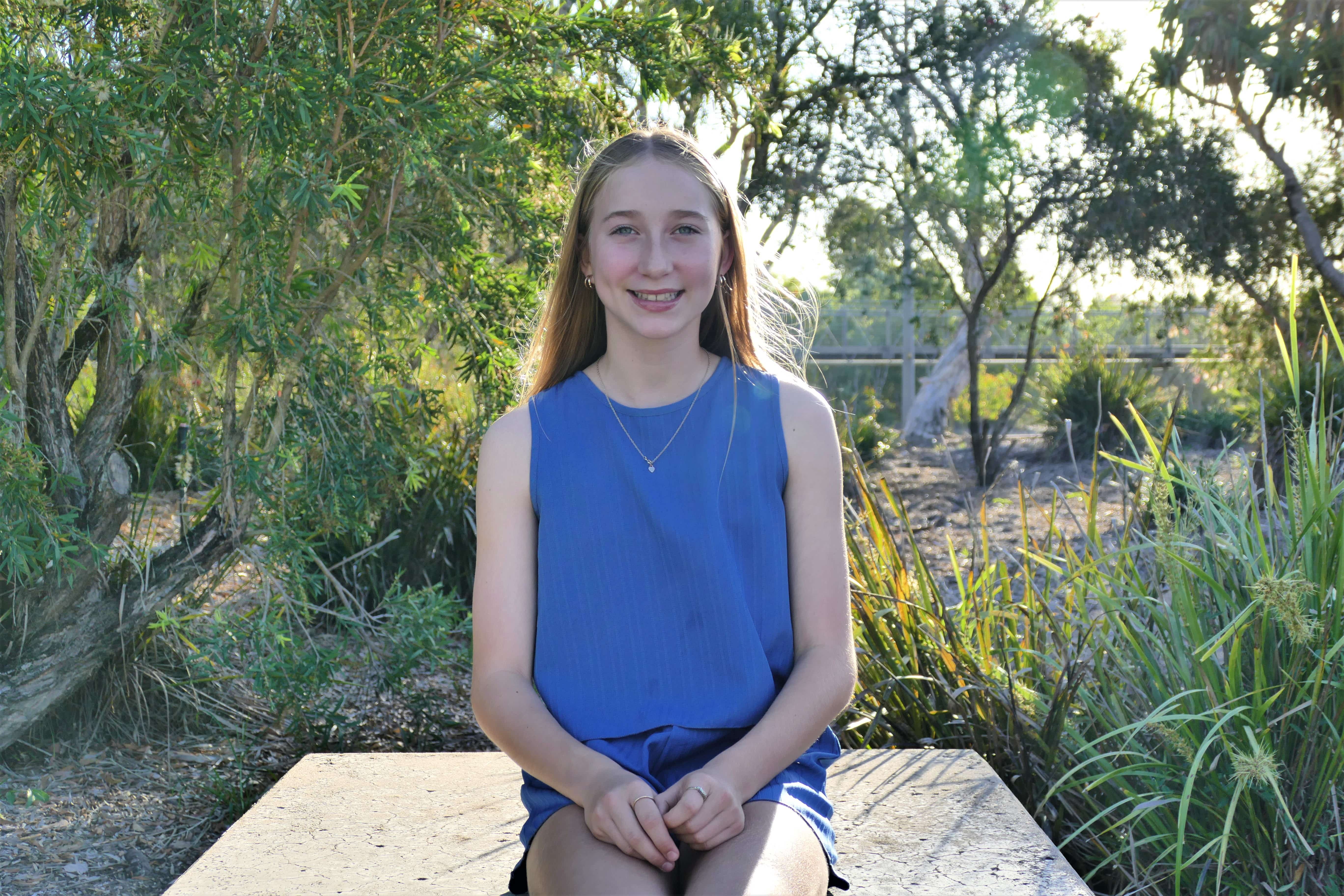
Kadence Torris, 12 years old
“I like gymnastics, soccer, swimming, Aquathlons, cross country, reading, camping and water skiing. I love to be outside and spending time with my friends. My work goals are to be a sports physio or an interior designer. But for sports, I would like to go to State for aquathlon, break a school swimming record, and run a marathon when I’m older.”

Zara Drew, 11 years old
“I love playing rugby, and I love my dad. I enjoy camping, fishing and time with friends. I love to eat amazing food and enjoy a good sleep. I want to be a good sister, a teacher, and to be a good friend.”
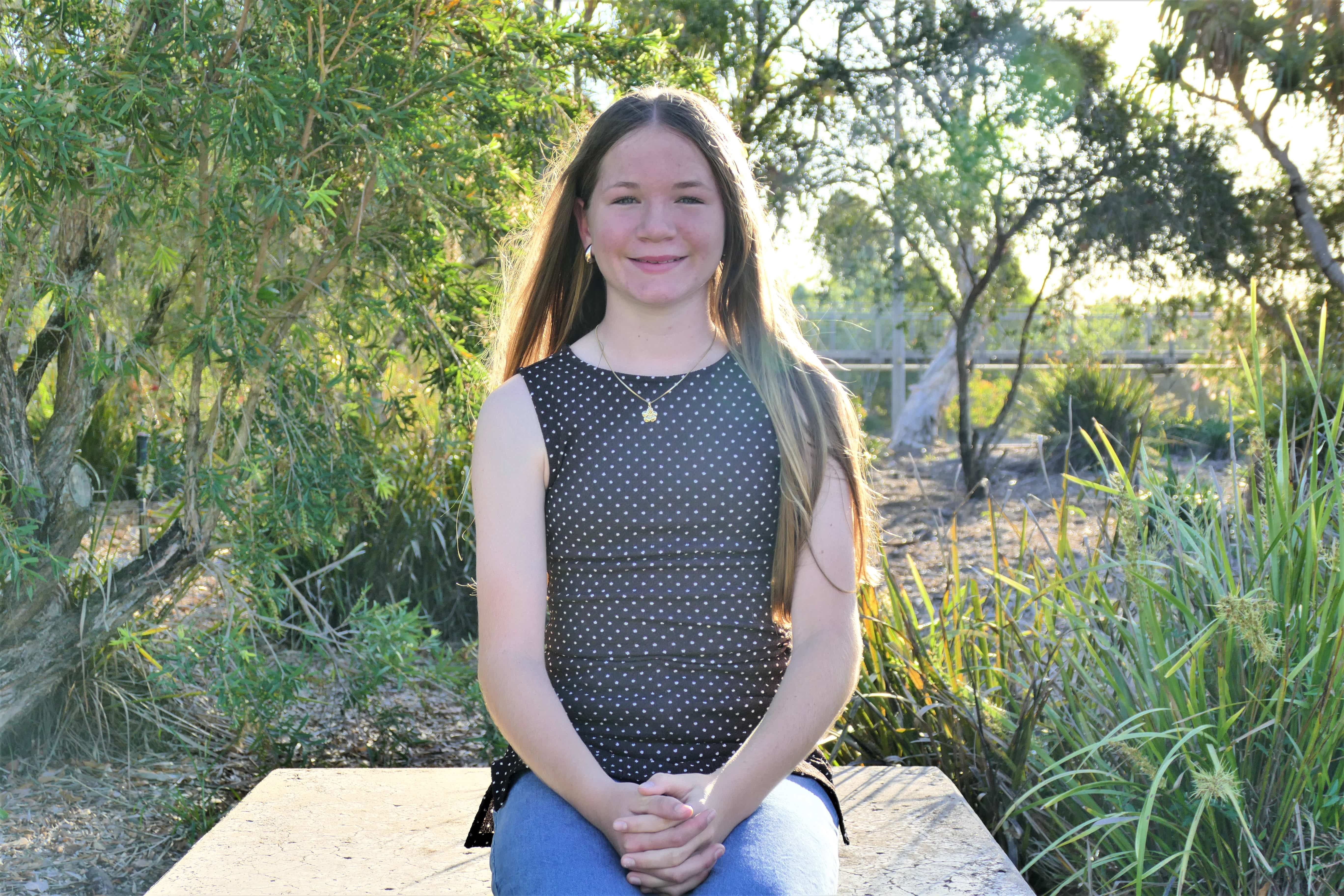
Tilly Poppi, 11 years old
“My interests are sports! Anything sports, like track and field, and futsal. I enjoy fishing and camping with friends. I’m a lover of the beach and being creative. When I grow up, I want to become an Olympian or entrepreneur.”

Edith Turner, 11 years old
“I love being active and enjoy swimming, soccer, dancing, basketball, camping, and painting. My life goals are to become a teacher when I grow up, to do well in school, and to have two children.”
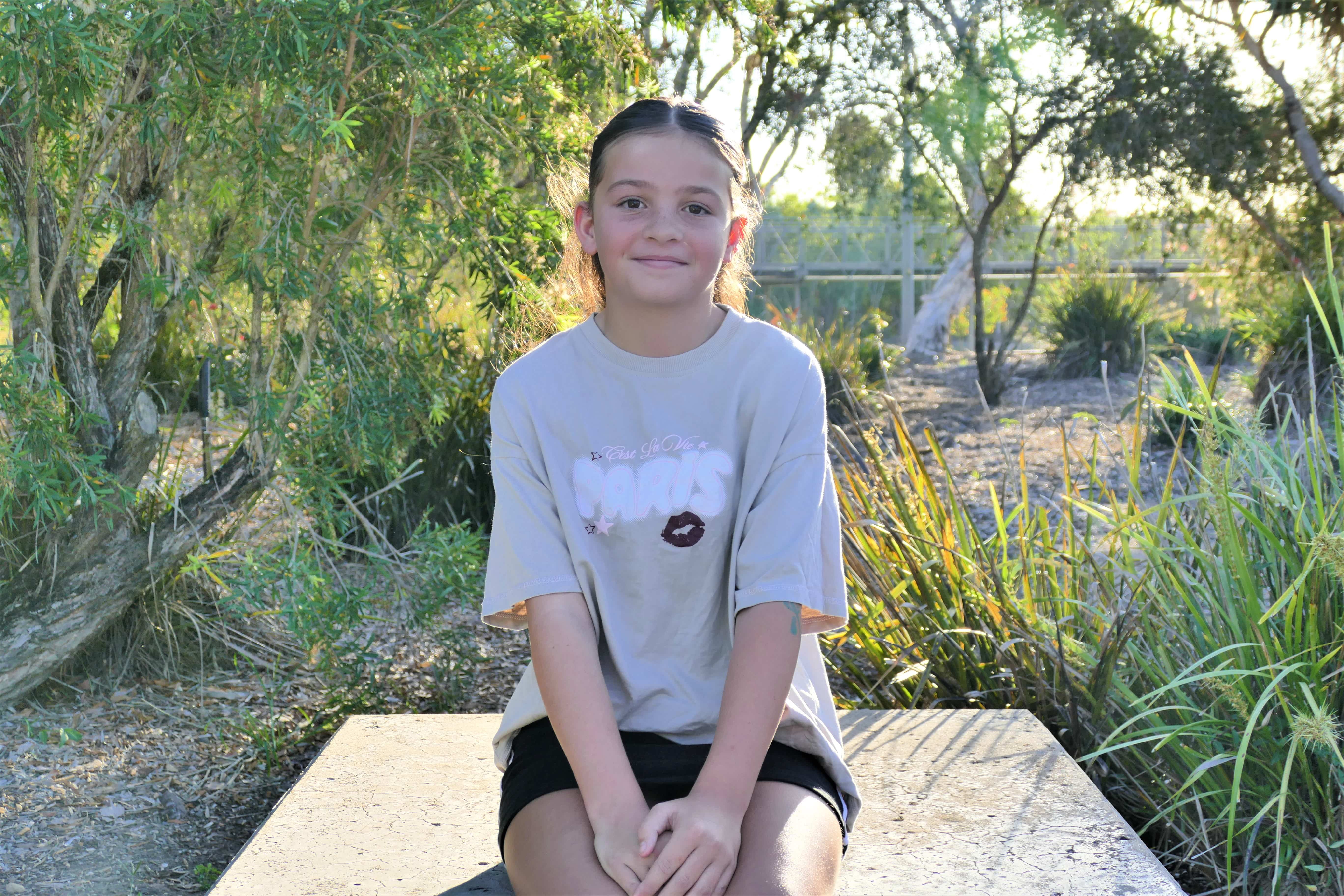
Lucy Egan, 10 years old
“I love to play rugby, playing with my friends. I enjoy going to school (only at lunch time) and good food, theatre and dance. I want to become a professional and amazing rugby footy star, be the best version of myself and have lots of friends.”
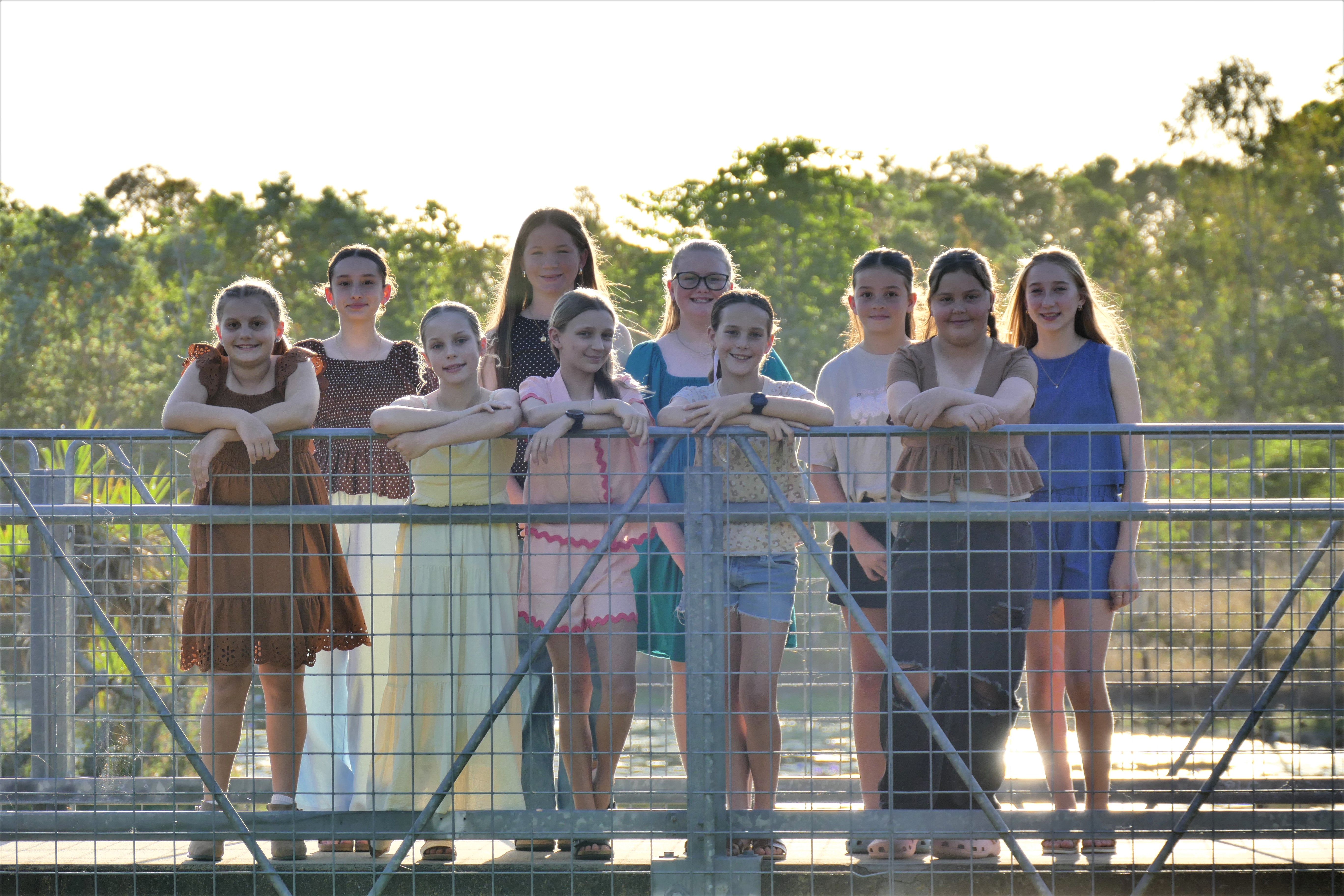
.JPG)
The Reef Guardian Council, a vital initiative involving the Hinchinbrook Shire Council, plays a crucial role in safeguarding our beautiful marine ecosystems.
As one of two Local Government councillors representing our council on this committee, I’mexcited to share the benefits of this partnership and its positive impact on our community. The Reef Guardian program aims to protect and enhance the Great Barrier Reef by fostering a sense of stewardship among local communities, schools, and organisations.
By participating in this initiative, we are not only working to preserve our precious marine environment but also engaging our community in meaningful conservation efforts. One of the key benefits of being a Reef Guardian is the access to educational resources and programs for schools. These initiatives inspire our young people to understand the importance of the reef and develop a lifelong commitment to its protection. Workshops, field trips, and hands-on activities provide students with valuable knowledge about marine life, ecosystems, and sustainable practices.
Moreover, the Reef Guardian Council fosters collaboration between various stakeholders, including local businesses, environmental groups, and community members.
This unity strengthens our collective efforts to promote sustainability and conservation, creating a vibrant, environmentally conscious community. In conclusion, the Hinchinbrook Shire Council's involvement in the Reef Guardian Council not only supports the protection of our marine treasures but also enriches our community's educational landscape.
Together, we can ensure that future generations appreciate and care for the Great Barrier Reef, forging a sustainable path for our shared environment.

The festive season is fast approaching, and the Hinchinbrook Chamber of Commerce, Industry & Tourism Inc is excited to announce the return of its much-loved Shop & Win Christmas Campaign, officially launching Monday 19th October 2026.
With the rising cost of living continuing to place pressure on households and businesses alike, this year's campaign carries an important message — supporting local has never been more important.
The annual Shop & Win initiative encourages residents to keep their Christmas spending close to home, supporting the local businesses that contribute so much to the strength and vibrancy of the Hinchinbrook community.
From our retailers and hospitality venues to service providers and family-owned businesses, every local purchase makes a difference. Shopping locally not only supports the business behind the counter but also helps sustain local employment, encourages investment and keeps money circulating within our regional economy.
Importantly, Shop & Win collection boxes will continue to be available to any local business wishing to participate, ensuring the wider business community can remain involved in encouraging local spending throughout the festive season. Chamber encourages any members of the business community who would like to be involved in this year’s campaign, either to host collection boxes or to contribute to the prize choices, please do not hesitate to reach out to Chamber to register your interest.
For local businesses, the campaign provides an opportunity to attract customers, encourage Christmas shopping and be part of a collective effort to strengthen the local economy.
For shoppers, it's a timely reminder that choosing local is about more than simply making a purchase. It's about supporting the businesses that employ our neighbours, sponsor our sporting clubs, contribute to community events and help make Hinchinbrook a wonderful place to live, work and visit.
As we approach another Christmas season, the Chamber encourages residents to consider the many fantastic businesses right on their doorstep before looking further afield.
This Christmas, let's make every local purchase count — because when we support local businesses, the whole community benefits.

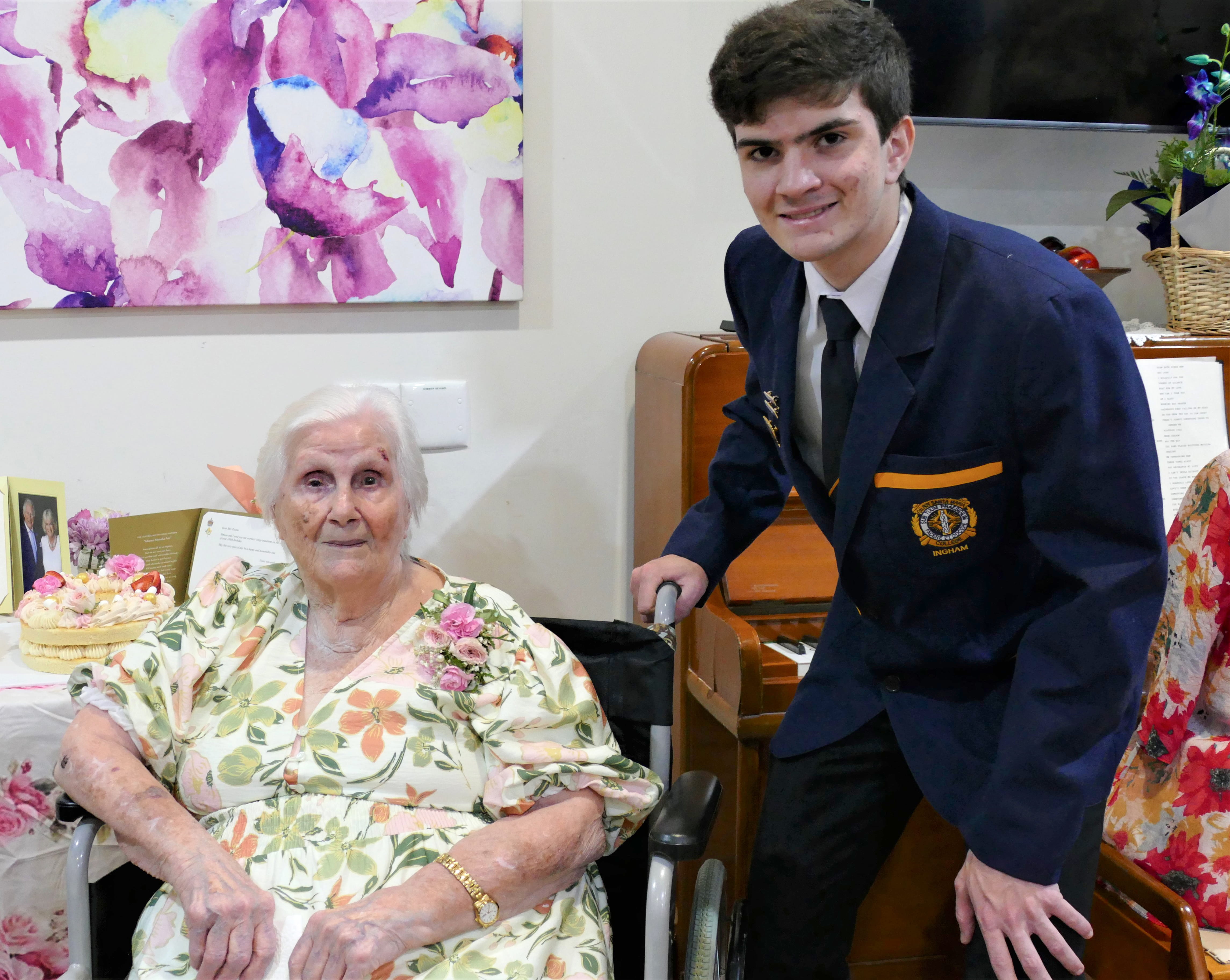
Josie with some of her loving family. Photo credit: Victoria Velton
By Victoria Velton
Josie Pisano celebrated her 100th birthday on Thursday 8th October surrounded by family, friends and the community of the Palms nursing home.
Born on October 8th 1926, in Piedmonte Etneo, Sicily, in the shadow of Mount Etna, Josie travelled to Australia at just three years old with her mother and baby sister to join her father in the cane fields of Innisfail.
She grew up in North Queensland, where she was educated and began her working life, studying dressmaking during the war years. After the war, she married Mick Pisano, a returned soldier who had also emigrated to Australia from Italy.
In 1949, the couple relocated to Ingham through the Returned Soldiers’ Settlement Scheme, establishing a farm at Braemeadows that remains in the family today, now farmed by a third-generation descendant.
Together, Josie and Mick raised four children, and Josie went on to become the family matriarch as grandmother to nine and great-grandmother to 14.
Her youngest son, Frank, described his mother as “a woman of great courage, incredible resilience” and a woman blessed with a “massive amount of love”.

Liking her wisdom to that of Solomon, Frank shared one lesson that had stayed with him.
“One of the things that my mum taught me was to always believe the best in people,” he said.
“She said, if they turn out that they weren't good, that's their problem. But she said that's much better than thinking the worst of someone and then finding out that you're wrong.”
A century on, that generous and wise spirit remains at the heart of the Pisano family.
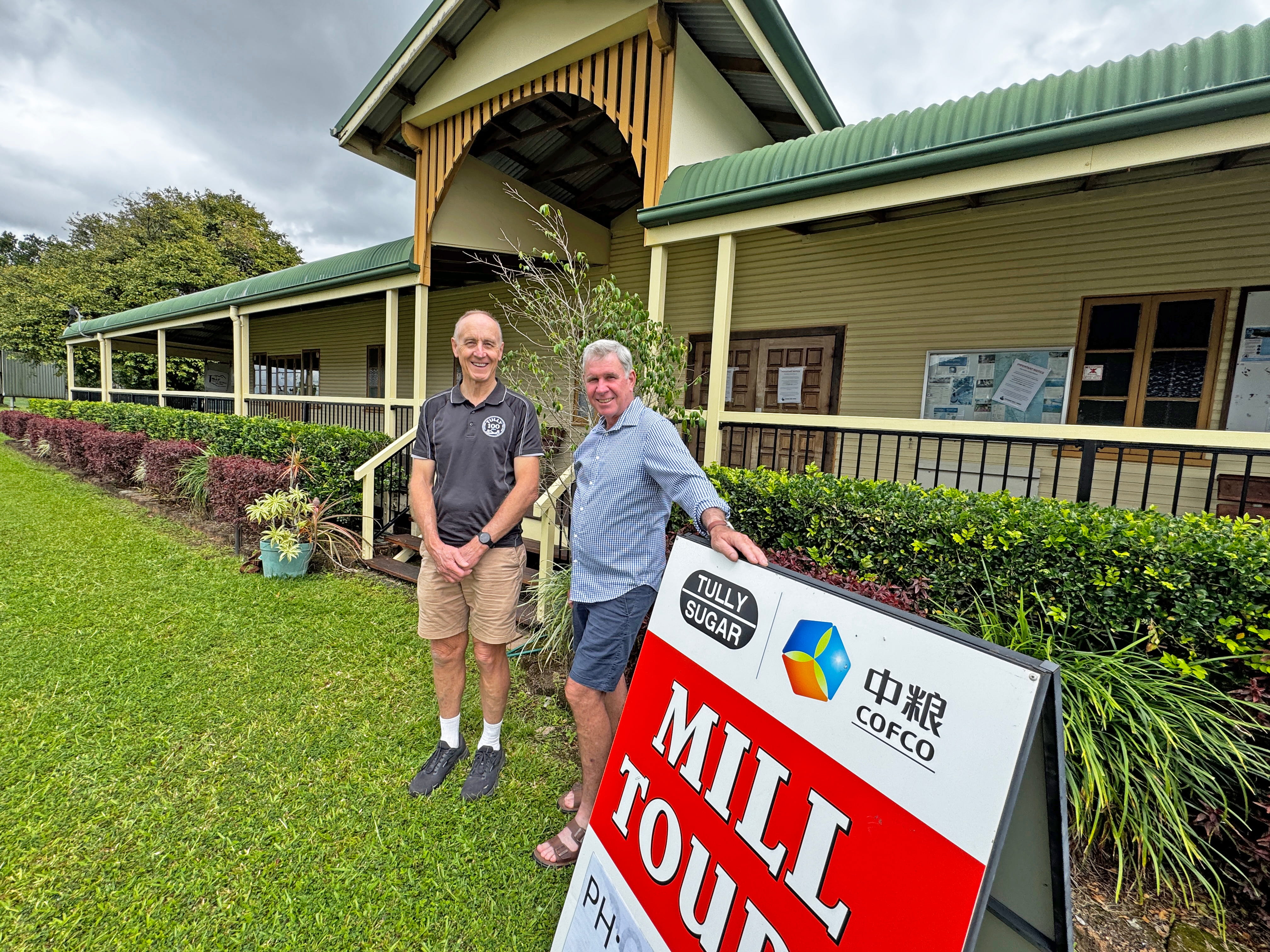
Rob Magarey and William Moran outside the former Tully Visitor Information Centre, which they hope will become the new home of the Wet Tropics Agricultural Heritage Centre. Photo credit: Helen Cook
A determined group of Tully locals is working to bring an important piece of Far North Queensland’s agricultural history home, with plans for a new Wet Tropics Agricultural Heritage Centre right on the Bruce Highway at the turn-off to town.
The community-led project would bring the former Tully Visitor Information Centre – originally the Tully Sugar Recreation Hall – back to life, creating a home for significant parts of the former Australian Sugar Heritage Centre collection while telling the broader story of the sugar, banana, timber and cattle industries.
“This is about our community’s heritage,” said committee member William Moran, whose family has farmed in the area for more than 100 years. “We’re all reliant on agriculture.”
The idea has been gathering momentum for more than a year, prompted by the closure of the Australian Sugar Heritage Centre at Mourilyan following flooding associated with Cyclone Jasper in December 2023. Its collection includes locomotives, tractors, harvesters, photographs, documents and other artefacts. With the property sold and the collection needing a new home, Tully locals saw an opportunity.
Barry Barnes, who had been involved with the Mourilyan facility, was among those keen to find a new home for the Sugar Heritage Centre. Tully Sugar was an early supporter, offering land near the mill where the group initially considered building a large shed to house the collection. Then the former Visitor Information Centre became available.
“We thought as a committee, what a golden opportunity,” William said. “It’s on the highway and there is space around it to build additional sheds.”
Committee chair Rob Magarey said the group has spent more than 12 months developing the proposal.
“We’ve carefully considered what would make a really good heritage centre,” he said. “We’ve been negotiating with the Sugar Industry Museum Committee, finding out what they would require, and we’ve been establishing ourselves as a committee that would be worthy of running a museum.”
The core committee includes Rob, William, Barry Barnes and Andrew Apap, along with Emma Hennel from Tully Sugar and Patrick Bluett, Executive Officer of Cassowary Coast Tourism.
“Once we get established, we’ll go out and ask for more people to come on board,” William said.
While the Mourilyan collection provides the starting point, the vision for the Heritage Centre is much broader.
“We want to bring our local industries together in a museum right here on the highway,” William said.
Reopening the Visitor Information Centre is another important part of the plan, with former volunteers already indicating they would be willing to return. The centre could provide local information and bookings, encourage travellers to explore more of the Cassowary Coast and once again provide a booking point for Tully Sugar mill tours.
“Ours is the only sugar mill in Australia that operates mill tours,” Rob said. “With the Visitor Information Centre now closed people probably drive on by because they think there’s no place to book.”
William explained how the project would be developed in stages, beginning with the existing building.
“Phase two would be building another shed to house all this other gear,” William said. “Then, with the banana industry coming on board, we could create a dedicated space for a collection telling that industry’s story.”
The committee is seeking commercial sponsors and local industry support, with the aim of having a paid person on site supported by volunteers.
“That way you’ve got someone here full-time, paid every day, and then your volunteers helping out,” William said. “That’s our plan.”
The immediate hurdle in progressing that plan is securing the Visitor Information building and site, with Cassowary Coast Regional Council expected to consider the proposed lease at its October 29 meeting.
If it gets the green light, William says the group is ready to move.
“We could open the doors in early November,” he said.
For now, the committee is asking the community to help get the proposal over the line by making its support known ahead of the Council meeting.
“Talk to your local councillors,” William said, “and let them know how great this Heritage Centre will be, not just for Tully but for the whole of the Cassowary Coast.”
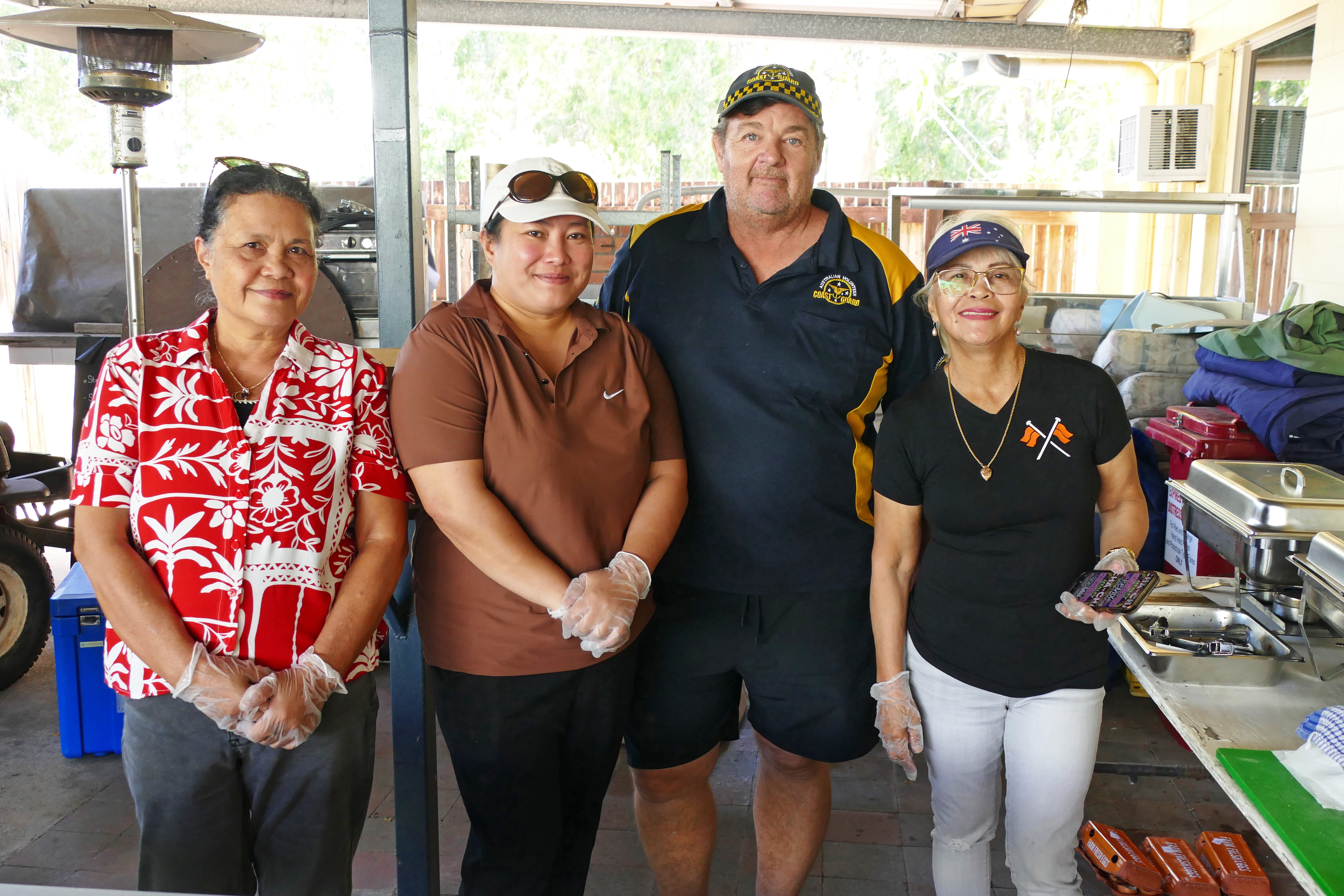
The 2026 Tropical Plant Expo. Photo credit: Victoria Velton
By Victoria Velton
Plant lovers flocked to Cardwell for the annual Tropical Plant Expo on Saturday, 3rd October, with the event showcasing everything from orchids and bromeliads to cacti, ferns and unusual tropical plants rarely seen.
Held by the local SES and Coast Guard, the expo brought together growers and sellers from across North Queensland, with a steady stream of visitors filling up trollys and baskets as they browsed the stalls and chatted with growers throughout the day.
The event has a long history in Cardwell, first beginning in 2016, before growing to the wide range of tropical plants and sellers seen today.
Organiser Louis has been involved since the beginning and has now taken over running the event, following the retirement of original organisers Tina and her late husband Anthony.
The expo was forced to take a two-year break during COVID-19, making this year’s event its ninth show.
Louis said he hoped to continue building the expo in coming years, with plans to welcome more garden-related stalls alongside the usual growers stalls, but keeping the focus firmly on plants.
The event also highlighted the camaraderie among growers, with sellers helping each other when circumstances made it difficult for someone to attend.
“You help each other out. That’s the way I look at it,” Louis said.
With sellers travelling from across the region, the expo has also become an opportunity for growers to reach new markets, with some varieties commanding significantly higher prices in southern cities.
From collectors searching for unusual specimens to families simply looking for something new for the garden, there was something for every level of plant enthusiast.
As Louis looks towards next year’s expo, the aim is to keep growing the event while maintaining its relaxed, gardening-focused atmosphere.
“It’s calm and it’s quiet. Everyone’s selling, so everyone’s doing well,” he said.

Talented local artist Lavinia has added more colourful history to the walls of Tully, transforming an iconic piece of local business life into a mural celebrating the Iggulden family.
Sharing a sneak peek on her popular Facebook page, Lavinia thanked the Iggulden family for allowing her to honour their story through her artwork.
“Before I show you the whole wall, I wanted to share the people behind it first,” she shared.
“A very big thank you to Robyn, Colin and the whole Iggulden family for trusting me with something so close to their hearts.
“It’s been so very special bringing a little piece of their family history to life.”
Lavinia also thanked Councillor Trudy Tschui for coming along to witness the completed mural and share in the special moment.
The mural was partially funded through the Cassowary Coast Shopfront Improvement Program.
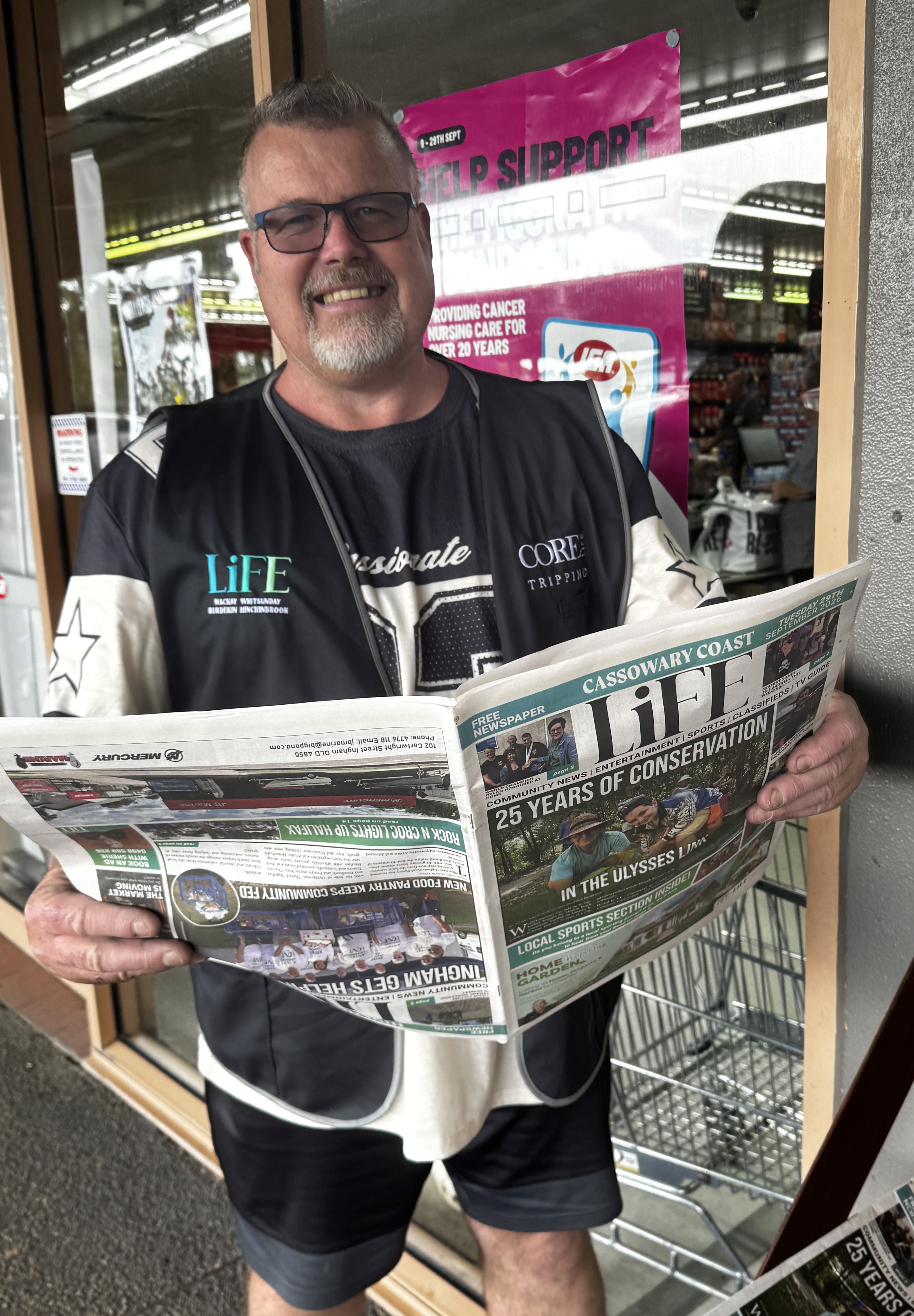
Former Australian Army soldier Steven Courtis has taken on a new role with Cassowary Coast LIFE.
Steve lives at Cordelia, near Ingham, where he is a full-time carer for his wife, and says the weekly distribution run is a welcome chance to get out and about.
“It’s a fantastic opportunity to get amongst the community,” he said.
Look out for Steve making the Tuesday morning rounds in Cardwell, Tully and Mission Beach – with plenty of local news on board.
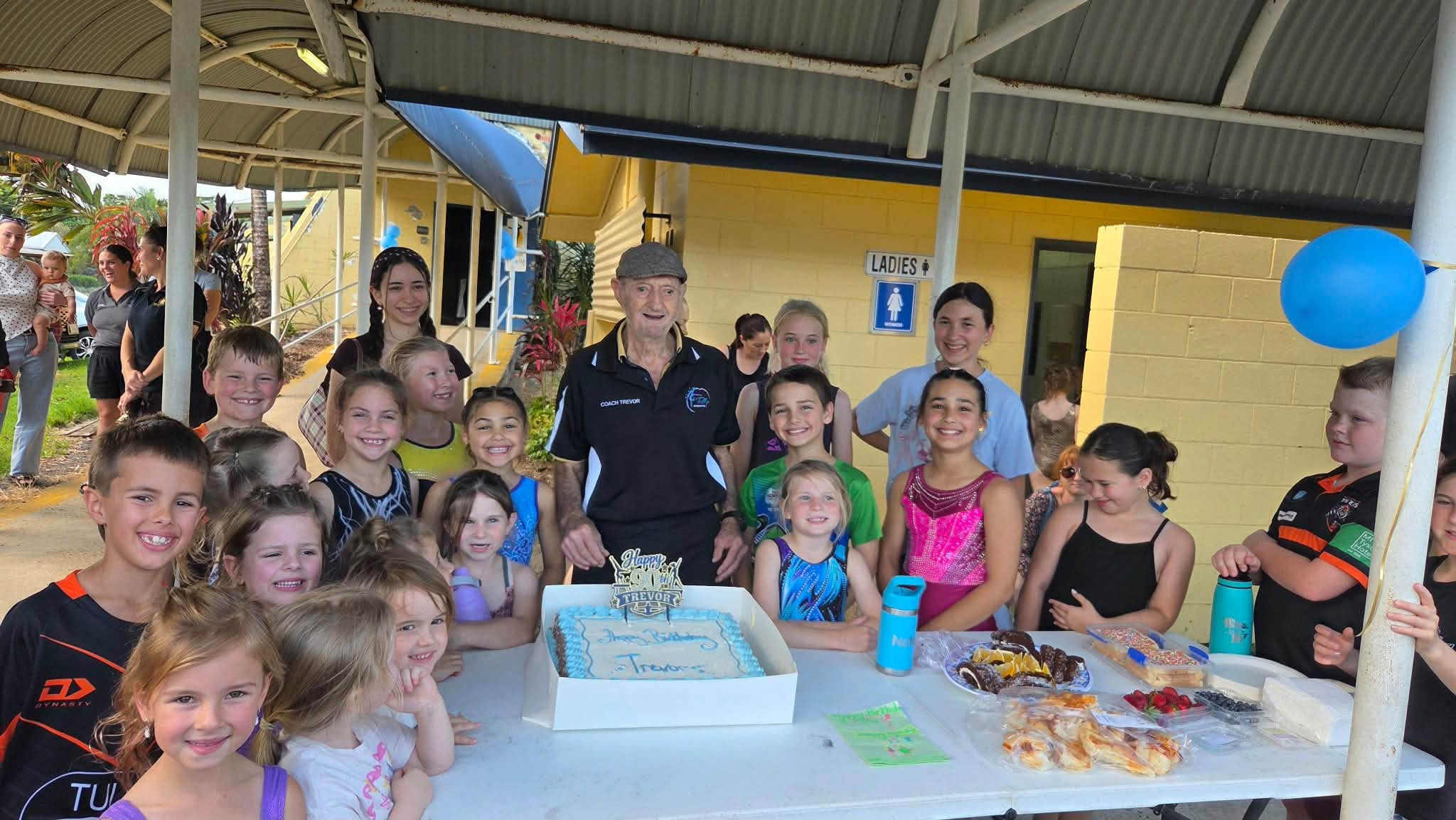
Trevor Rayner celebrates his milestone birthday with some of the young gymnasts at Tully Gym and Tramp Club
Turning 90 is an achievement. Still coaching gymnastics at 90 makes Trevor Rayner something of a legend.
The much-loved coach, mentor and friend celebrated his milestone birthday on 1st October, surrounded by past and present coaches, gymnasts and members whose lives he has touched through decades of involvement in the sport.
Trevor remains involved with Tully Gym and Tramp Club and played an important role in establishing gymnastics clubs in Tully, Ingham, Weipa and Mission Beach, helping create opportunities for generations of children to learn, grow in confidence and discover a love of gymnastics.
His contribution has earned him Life Membership of Gymnastics Queensland, but perhaps the best measure of his impact came in birthday messages from across Australia.
“You have always been the most amazing coach, friend and mentor,” former gymnast Sal wrote. “You’ll always be the only one I ever call coach.”
Others simply described him as a “legend” and a “beautiful kind-hearted person”.
Trevor has previously described his continuing involvement in gymnastics as his “purposeful physiotherapy” – keeping himself moving while doing something he loves.
After decades spent giving his time, knowledge and encouragement to others, Trevor’s 90th provided an opportunity for the gymnastics community, to give something back – a heartfelt thank you to a coach who continues to inspire the next generation.
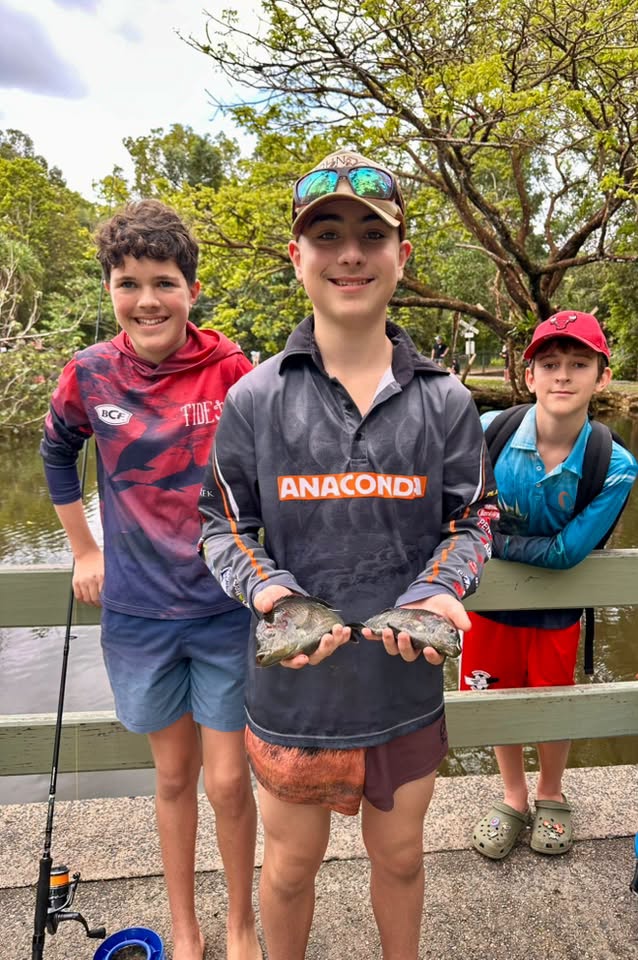
Photo supplied
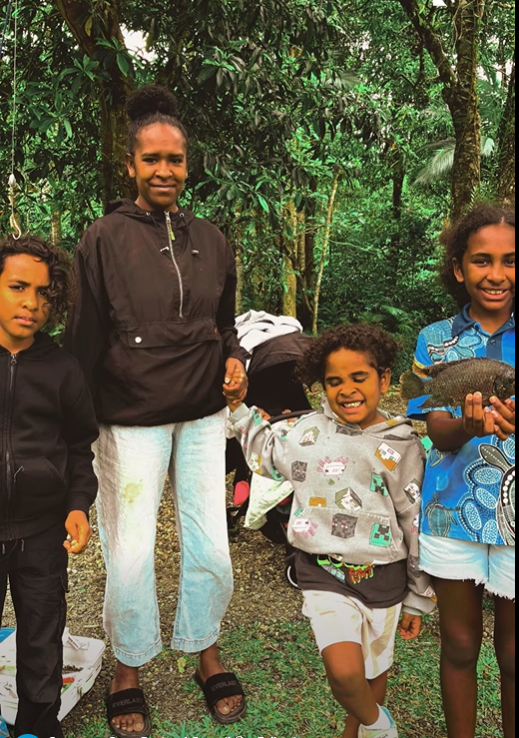
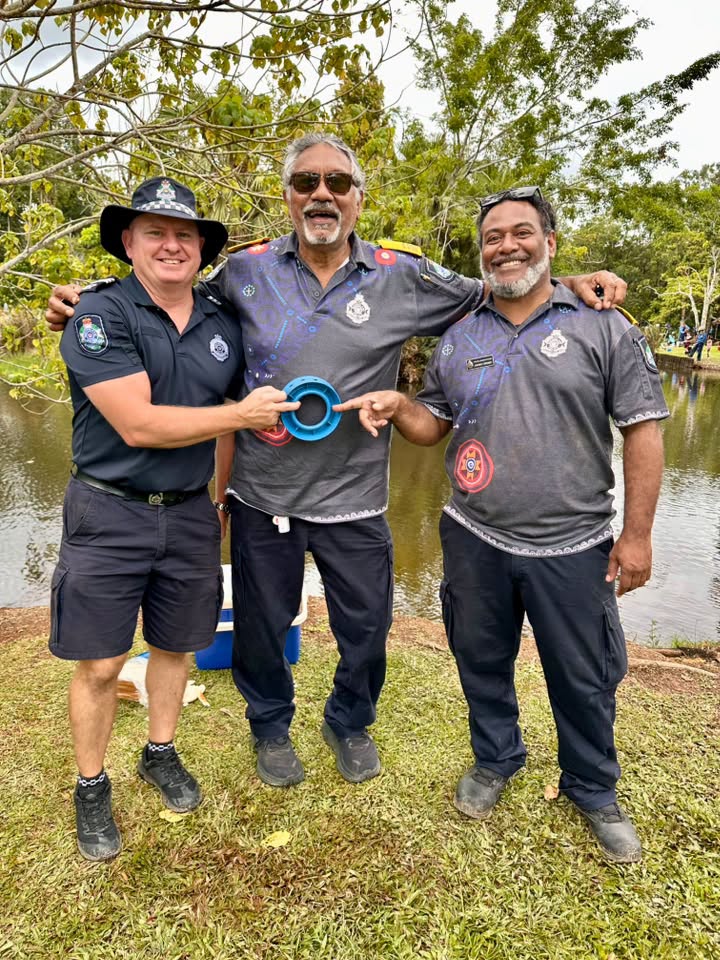
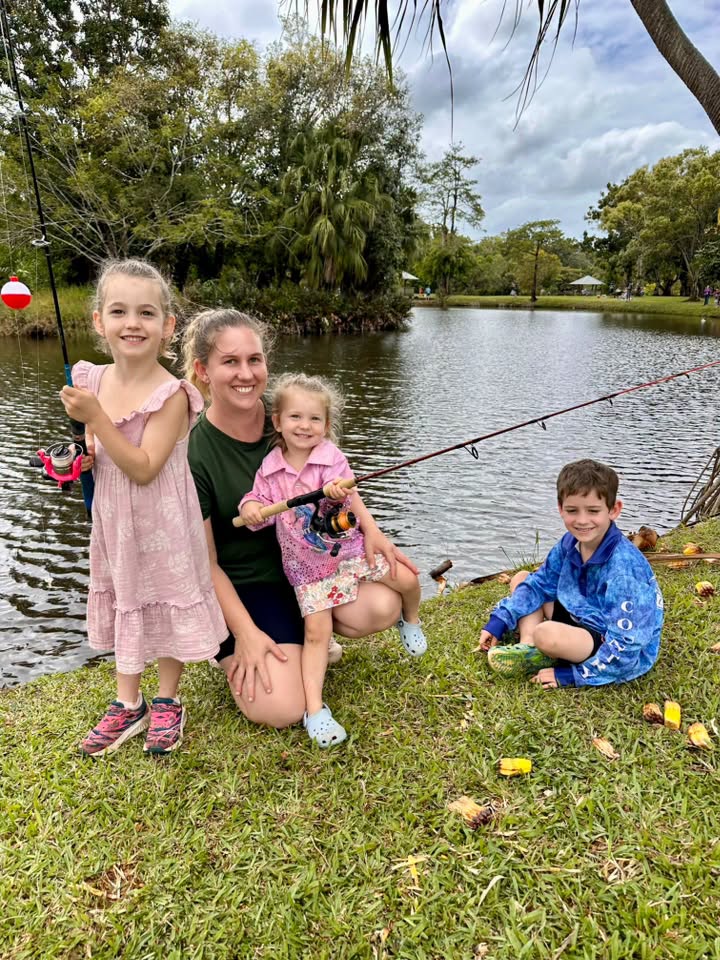
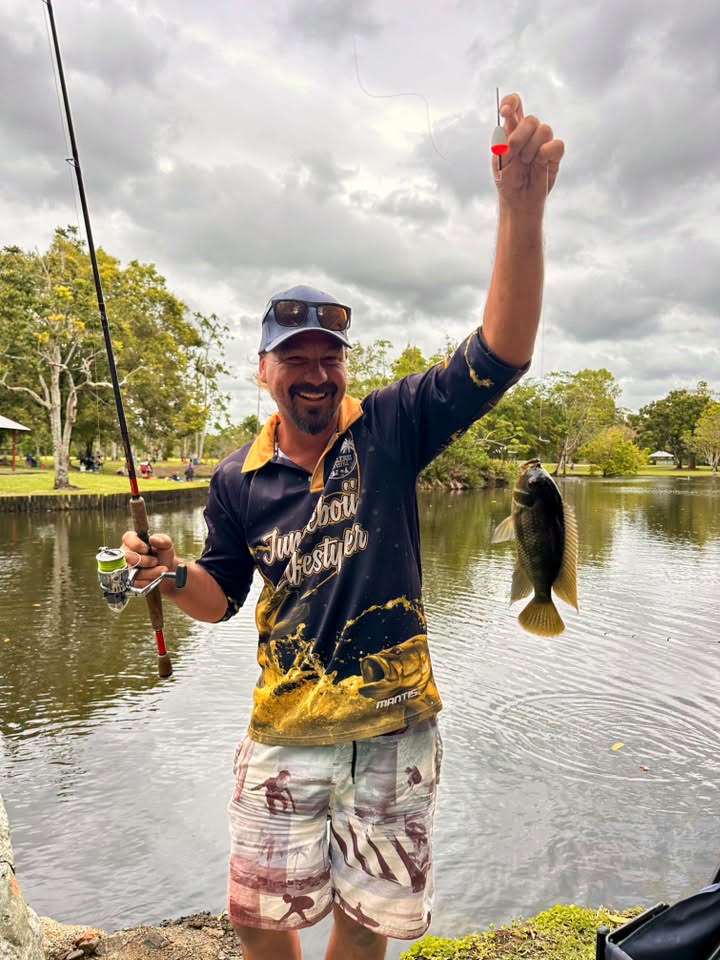
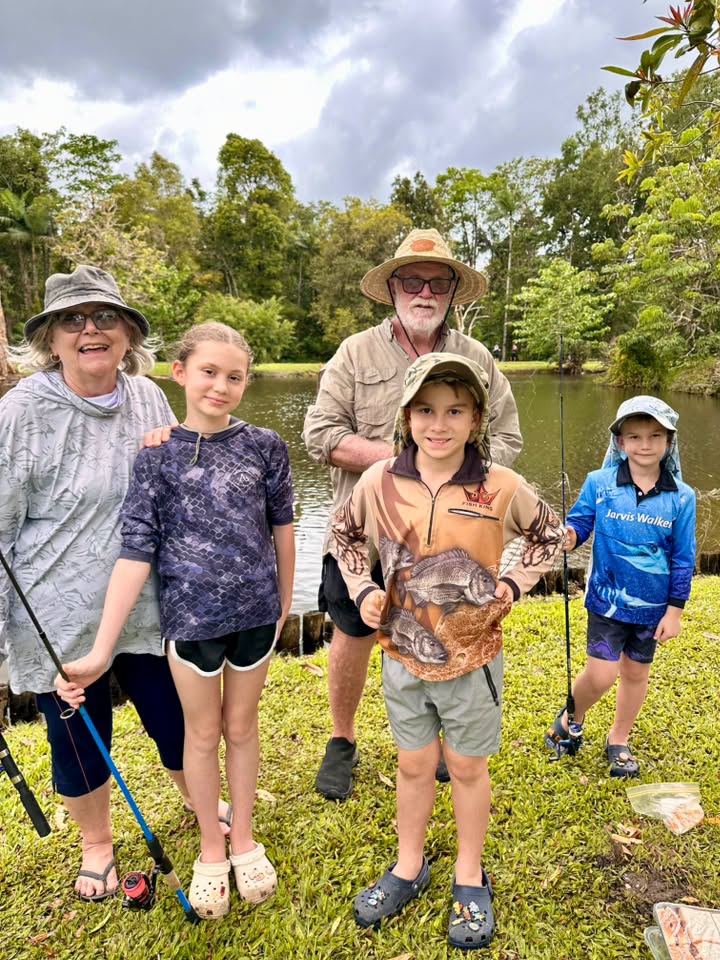
Rain couldn’t keep Cassowary Coast anglers away, with hundreds braving the wet to cast a line and help tackle one of the region’s biggest environmental pests.
The 2026 Tilapia Tournament at Warrina Lakes attracted 444 participants across three days, who collectively hauled in an impressive 2,163 invasive tilapia.
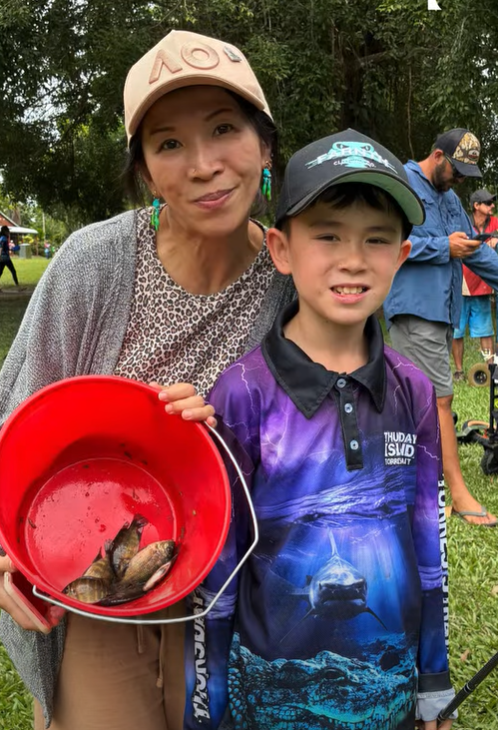
With families, visitors and fishing enthusiasts all getting involved, the annual event proved that doing your bit for local waterways can come with plenty of fun, friendly competition and even a few bragging rights.
Rain didn’t dampen the enthusiasm at Warrina Lakes, with hundreds of anglers casting a line for a good cause during Cassowary Coast Regional Council’s 2026 Tilapia Tournament.
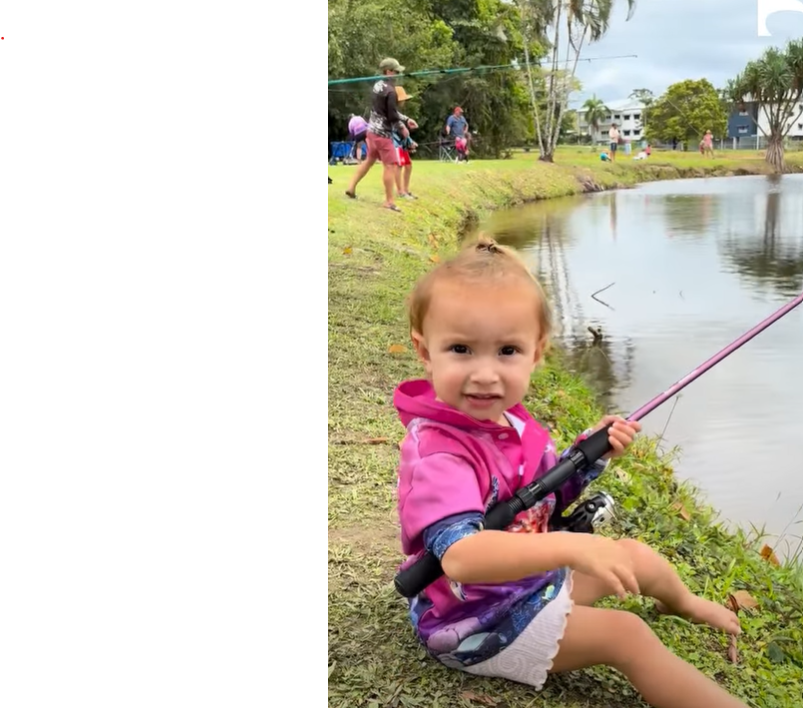
Across three days, 444 participants removed an impressive 2,163 tilapia, with local families and visitors joining in the annual event.
Tilapia are highly invasive pest fish that reproduce rapidly, compete with native species for food and habitat and can damage aquatic ecosystems, making their removal important to the health of local waterways.
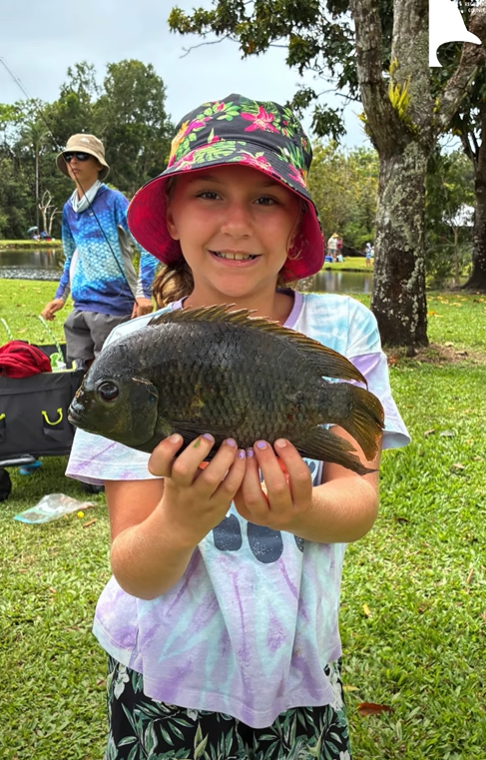
Councillor Jeff Baines described the weekend as a fantastic community effort.
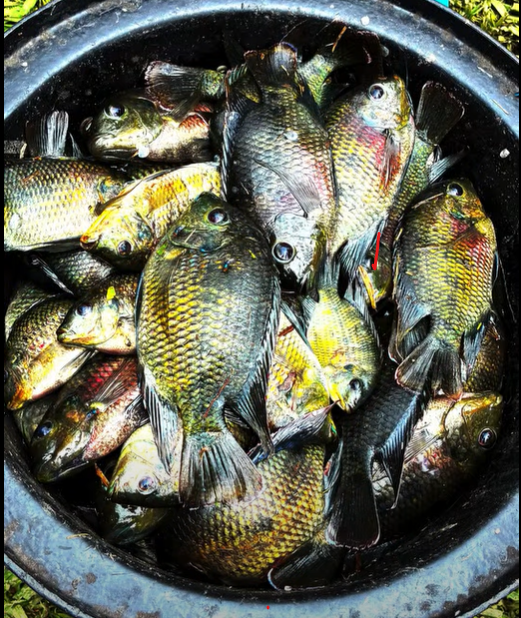
“It’s the world’s greatest Tilapia Tournament,” Cr Baines said. “It was an outstanding event and a great effort from everyone involved to help us reduce this noxious fish in our waterways and improve the health of our creeks and rivers.”
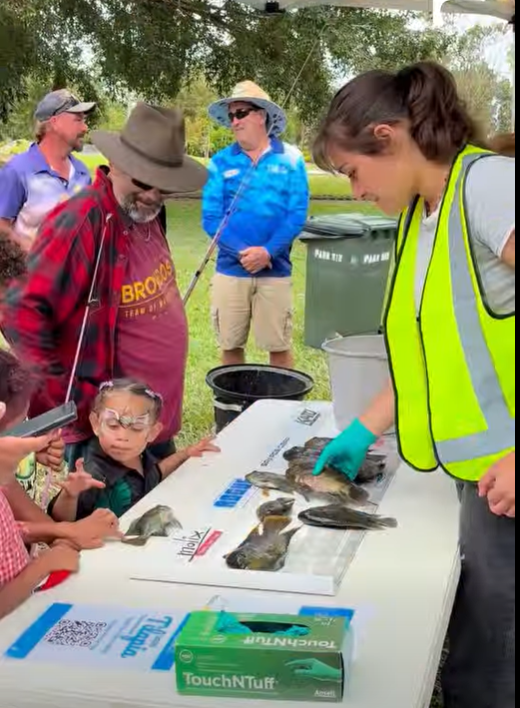
With 2,163 fewer tilapia in Warrina Lakes, this year’s tournament delivered a result worth celebrating, while generous sponsor prizes rewarded anglers for catches including the most fish and largest tilapia.
Photos supplied: Cassowary Coast Regional Council
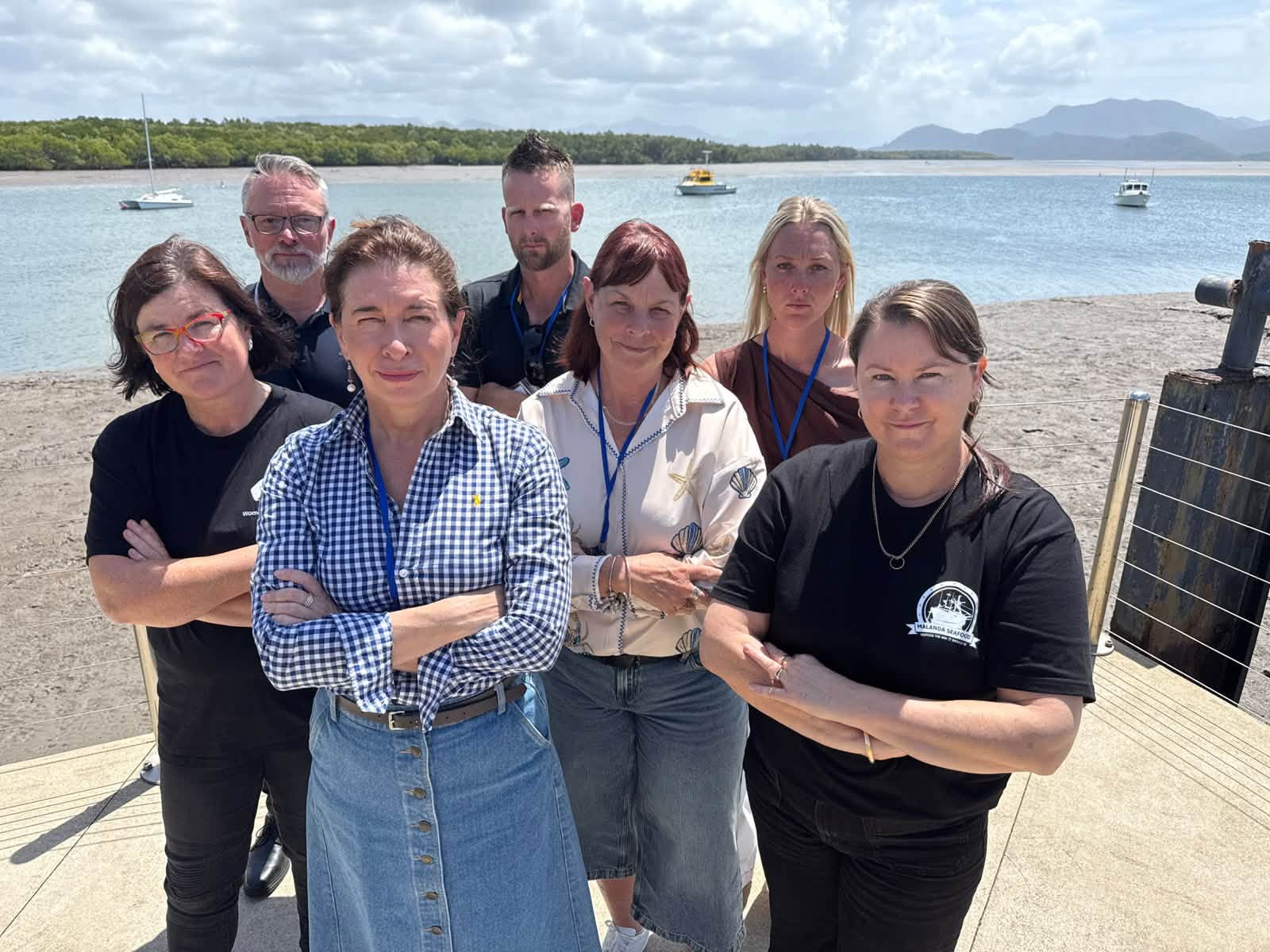
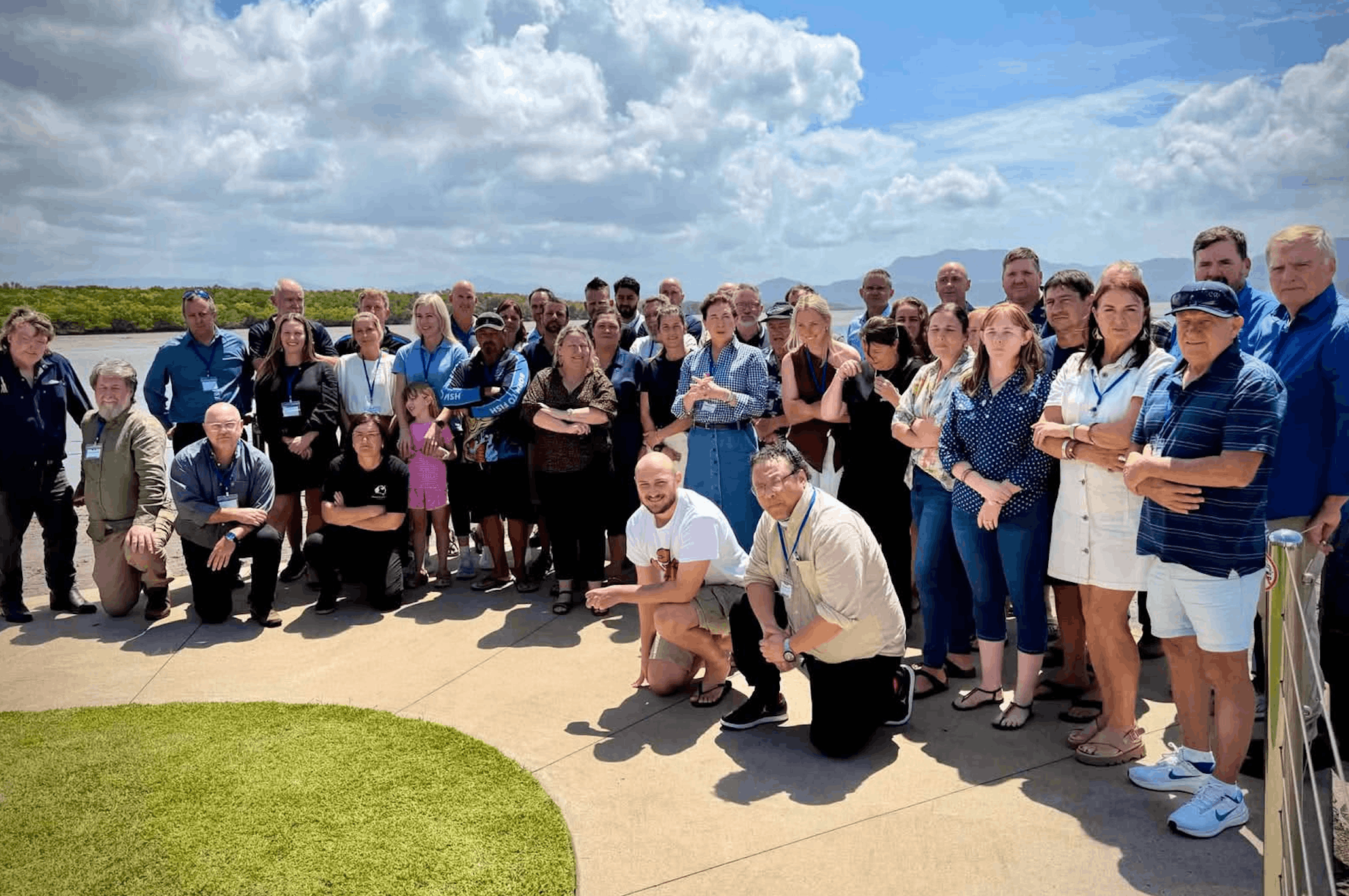
Senator Susan McDonald and seafood industry heads at the Slipway in Lucinda, as part of the Spotlight on Hinchinbrook, Seafood Industry Expo. Photo supplied: Office of Senator Susan McDonald
The planned phase-out of gillnet fishing scheduled for North Queensland waters has come under renewed scrutiny as the Queensland Seafood Industry Association (QSIA) and North Queensland Federal MPs call for delay.
Queensland’s existing policy is to phase out gillnet fishing in the Great Barrier Reef World Heritage Area by June 30th 2027, with government funding supporting industry transition and trials of alternative fishing gear.
Townsville-based Senator Susan McDonald and Member for Dawson Andrew Willcox have written to Queensland Ministers Tony Perrett and Andrew Powell seeking a three-year extension, arguing the $9 million Fish-LIGHT research program into alternative fishing methods will not conclude until 2030.
Senator McDonald said the research should be completed before the ban comes into place.
“We are asking the Queensland Government to put the science first and seek an extension from the Commonwealth until Fish-LIGHT has completed its work,” she said.
Mr Willcox said the impacts would extend beyond the commercial fisheries themselves.
“This is about Australian jobs, Australian food production and sovereign capability,” Mr Willcox said.
“Commercial fishing supports processors, wholesalers, transport operators, chandlers, marine mechanics, retailers, restaurants and other small businesses throughout regional Queensland.”
QSIA CEO David Bobbermen welcomed the federal intervention, saying the association had already approached the Queensland Ministers.
“Their public intercession on behalf of the family fishers involved in catching barramundi in North Queensland came as a surprise to us but is very welcome,” Mr Bobbermen said.
A Queensland Department of Primary Industries working group has also recorded industry calls for the NX fishery to be extended until Fish-LIGHT research concludes, while Fisheries Queensland has reiterated the Government’s position that the phase-out will proceed on June 30th.
The issue was among the fishing industry concerns being raised around the Spotlight on Hinchinbrook Seafood Industry Expo last month.

The Mount Fox roadworks are set to start progress. Photo sourced: Hinchinbrook Shire Council
Hinchinbrook Shire Council has advised that contractor mobilisation for the Mount Fox Road reinstatement project will commence from Tuesday, 6th October 2026.
Equipment, materials and resources will be moved to site during mobilisation, with appropriate traffic management in place. The road will remain open during this period.
Physical works are expected to begin on Monday, 12th October 2026. Once works commence, Mount Fox Road will be closed from 8am to 3pm, Monday to Friday, weather permitting, to allow contractors to safely undertake disaster recovery works.
Outside these closure periods, the road will reopen under traffic control. It will remain open under traffic control after 3pm on weekdays, on Saturdays, and at all other times, including Sundays and public holidays.
Motorists travelling through the work zone should expect delays of up to 30 minutes, follow traffic signage and speed limits, and allow extra travel time.
The works will include resilience-building, remediation and slope stabilisation activities aimed at improving road safety and the long-term reliability of the transport corridor.
Council is continuing to work with the Warrgamay Traditional Owners Aboriginal Corporation on the project.
The works are being delivered under the joint Commonwealth-State Disaster Recovery Funding Arrangements (DRFA) in association with Hinchinbrook Shire Council.
For more information, visit the Council's Mount Fox Road and Wallaman Falls Road Works project page or contact Council's Customer Service Centre on (07) 4776 4600.

Bees Sting donuts, delicious in every bite. Photo source: Mick’s Bread Kitchen
There’s always something new coming out of the oven at Mick’s Bread Kitchen, and this past September has delivered plenty for both sweet treat seekers and savoury connoisseurs.
Sweet tooths have had plenty to choose from, with newly returned and much-loved Bee Sting Donuts flying off the shelves, alongside freshly made Mulberry Tarts filled with silky Crème Pâtissière and topped with fresh mulberry compote, all encased in buttery shortcrust pastry.
The dessert cabinet has also been filled with some familiar favourites, including the Pistachio and Vanilla Bean Basque Cheesecakes, while the Napoleon Cake has made another appearance. Coffee and Walnut Sponge Roll, French Danishes, Cannoli and Cinnamon Scrolls have also been making their way onto the shelves.

And if you’re after something savoury, Mick’s has been on a roll there too, introducing two new sausage roll flavours. The Maple Bacon Sausage Roll brings together smoky, sweet maple and bacon, while the new Pork, Fennel and Apple Sausage Roll combines juicy pork with fragrant fennel and sweet apple, all wrapped in golden, flaky pastry.
The team at Mick's say they’re always experimenting with what’s fresh and new, so there’s always a reason to pop in and see what has just come fresh out of the oven.
Whether you’re a gourmand looking for something new to try, or simply someone who likes to enjoy a coffee with a classic go-to, pop into Mick’s Bread Kitchen - you just discover a new favourite.
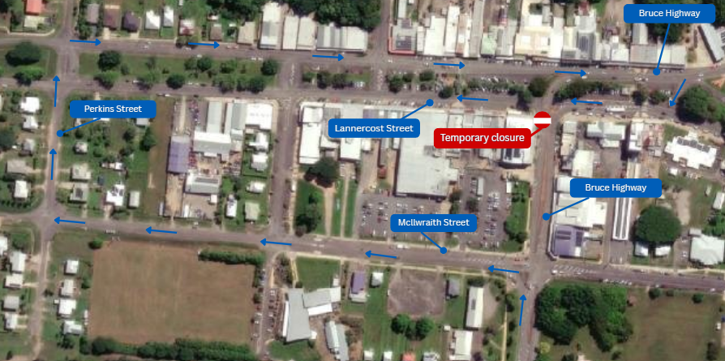
The alternate route shown, due to the lane closure. Image supplied: TMR
The Department of Transport and Main Roads (TMR) is continuing safety upgrades at the Bruce Highway and Lannercost Street intersection in Ingham as part of the Bruce Highway Safety Package.
A temporary closure of the northbound lanes will occur from 6am to 6pm on Friday, 9th October 2026. Alternative routes will be in place, with motorists asked to follow detour signage and directions from traffic controllers.
The current works program will continue from 6am to 6pm until Friday, 16th October, with works subject to weather conditions, contractor availability and construction progress.
The northbound left-turn slip lane from the Bruce Highway, known locally as Townsville Road, to Lannercost Street will remain closed after the northbound through lane reopens.
Motorists should expect speed restrictions and follow all traffic controls. Access to properties and businesses will be maintained throughout the works.
Works may be completed sooner than expected. Wet weather or unforeseen circumstances may result in activities being rescheduled to the next available shift.
TMR thanked road users for their patience and understanding while the safety upgrades are completed.
Contributed with thanks by the Department of Transport & Main Roads
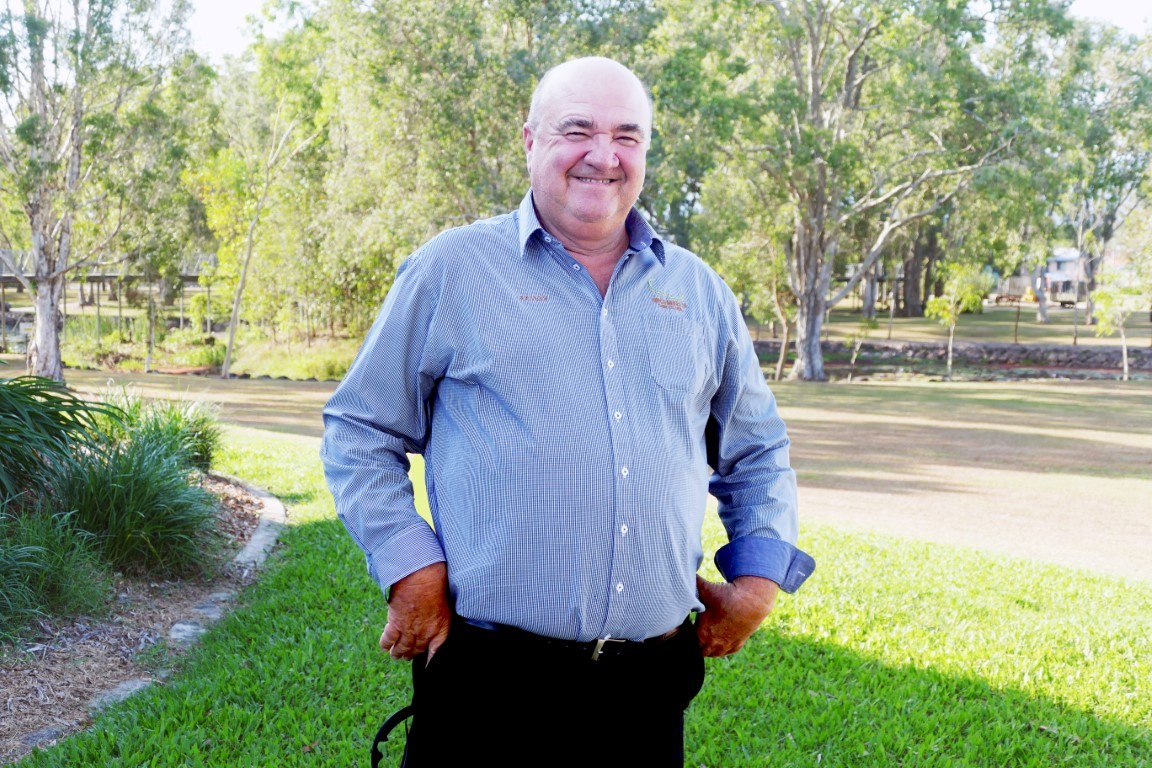
Last week, I had the pleasure of meeting with NBN Co’s Chairman of the Board, Kevin Russell, and Director, Jules Scarlett, who were visiting Ingham to inspect progress on Fibre to the Premises works.
We spoke about the trauma experienced by residents during the 2025 floods, particularly the inability of residents to communicate or receive information via the internet once systems shut down due to the loss of mains power, and the importance of resilient and reliable communications, particularly in the lead-up to and following the many natural disasters our region faces.
I was pleased to hear that upgrades have been occurring to the main transmission towers located throughout our district, including improved battery backup installations and remote-start generator capability to better cater for losses of mains power into the future. This work enhances and complements the strategic arrangements NBN has put in place with Council for the pre-deployment of smaller generation equipment and refuelling arrangements for the smaller towers located in various areas throughout the district, such as Forrest Beach and Taylors Beach.
These matters were identified and determined as critical during Council’s meetings with NBN immediately following last year’s event, and we are very pleased that NBN has listened to and acted on our district’s concerns.
As many would have noticed, NBN technicians have been busy throughout Ingham, installing fibre in many streets, homes and businesses as part of the Fibre to the Premises program. This program aims to eliminate the need for communication nodes in streets that have previously been susceptible to failure due to floodwater infiltration, making the new full-fibre connection faster and more reliable.
I urge residents and businesses not to wait until a cyclone or flood is on the horizon. Check your address now and, if eligible, speak with your preferred phone or internet provider about ordering an upgrade to full fibre. NBN technicians will complete all installation works at no cost to you outside your premises and also inside, provided your internal systems are within 12 metres of the external connection box.
We know from experience that reliable connectivity is essential before, during and after severe weather. It helps you receive emergency warnings, access important information and services, check on family and friends, and keep local businesses operating.
Preparing early gives you the best chance to stay informed and connected when conditions deteriorate. A fibre upgrade is one practical step eligible residents can take now to strengthen their digital readiness ahead of the wet season.
To check whether your address is eligible, visit www.nbnco.com.au/checkregional.
Publishers Indemnity. Any individual or entity that places advertising, supplies copy material, or submits editorial content to Life Publishing agrees and undertakes to ensure that all such material:- Does not infringe upon any copyright, trademark, or other intellectual property rights;- Is free from any content that could be considered defamatory, libelous, or slanderous;- Does not infringe upon any rights related to privacy or breach of confidence;- Contains no obscene, indecent, or otherwise unlawful material;- Complies fully with the Trade Practices Act and all other applicable laws, regulations, or statutes. Furthermore, by submitting or placing such material, these individuals or entities agree to indemnify and hold harmless the publisher, Life Publishing and Events Pty Ltd, and/or its agents from and against any and all investigations, claims, demands, liabilities, damages, costs, or judgments arising out of or in connection with the material provided. All material is believed to be accurate at the time of printing and remains the copyright of Life Publishing and Events Pty Ltd.
© 2026 Life Publishing Group Ltd.
