Independently Owned, Locally Grown, Community Loved


Residents Urged To Be Responsible With Garden Waste
Beachside forests are feeling the love, with a blitz on invasive weeds and escaped garden plants and fruit trees at Mission Beach, Kurrimine Beach and Ingham’s Forrest Beach.
Littoral rainforest is critically endangered on the east coast of Australia and work is underway to better protect what is left in the Wet Tropics region.
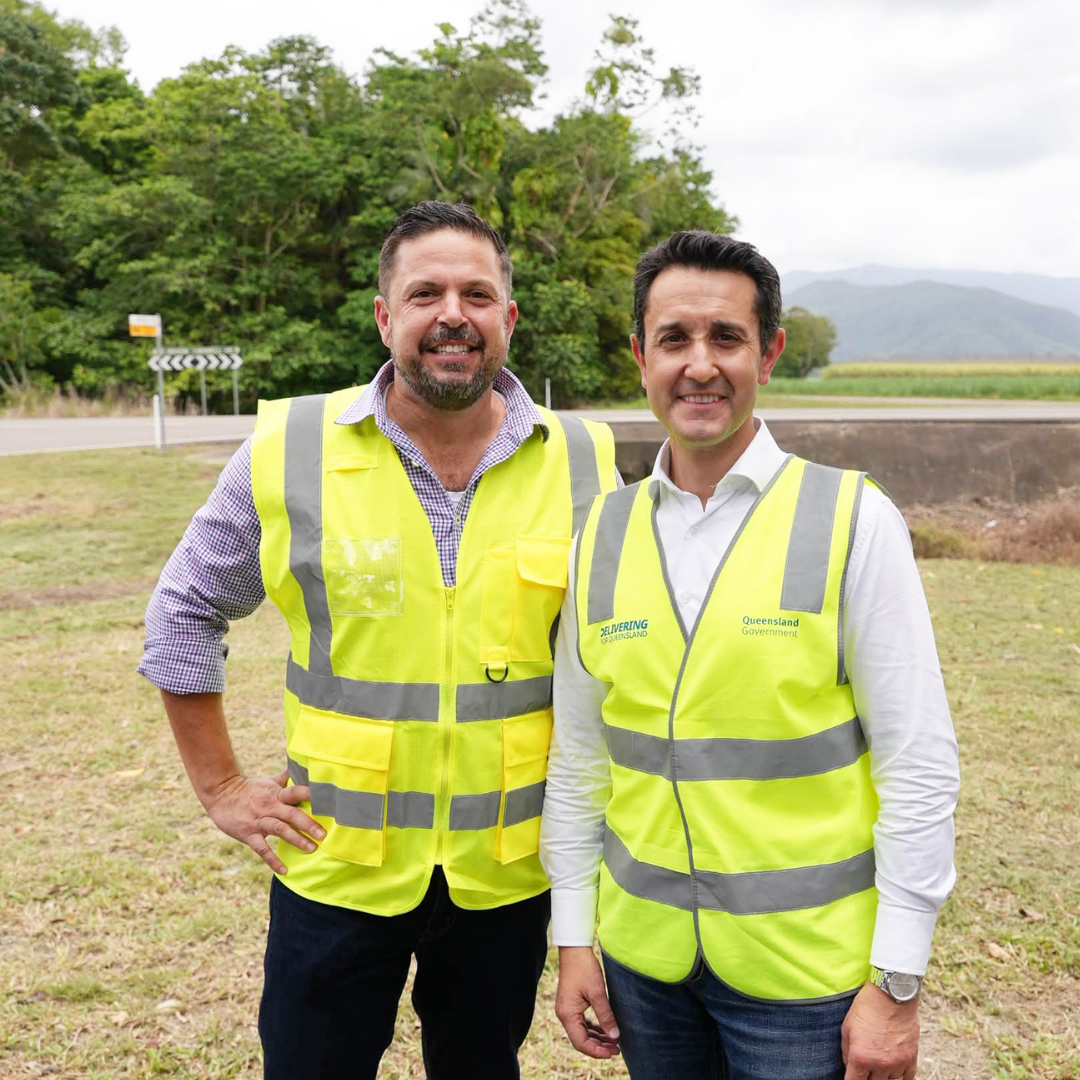
Work crews from Hinchinbrook Shire Council have been removing weeds, including lantana, prickly pear and guinea grass from the largest patch of littoral rainforest in their region: an 80-hectare council reserve between the ocean and wetlands just north of homes at Forrest Beach.
They are also removing garden plants, and cashew trees believed to have spread from an agricultural trial in the area back in the 1960s. Biosecurity and Open Spaces Portfolio Councillor Kate Milton said cashew trees had been taking over some areas of forest.
“First our council crews spent time walking through the forest area mapping weed sites, then they treated areas,’’ Cr Milton said.
“There is a lot less now but seed banks are a problem. Our crews are doing follow-up work at the moment and that’s something we’ll keep doing once a year.”
Hinchinbrook Shire Council received funding from not-for-profit organisation Terrain NRM through a project centred on the Wet Tropics region’s littoral rainforest, lowland rainforest, Mabi forest and broad leaf tea-tree woodland – all of which are threatened ecological communities. The project is also helping threatened species in wet sclerophyll forest and upland rainforest.
Terrain NRM’s Tony O’Malley said Forrest Beach’s littoral rainforest was in good condition considering its closeness to developed areas.
“The Forrest Beach community and Council are to be congratulated for preserving this outstanding patch of beachfront rainforest with its at least a century-old white apple trees.
“The best investment is keeping these kind of forests in the best possible condition so they are more resilient to threats like erosion, pest species and fire,’’ he said. “As well as its ecological value, including being home to wildlife, this reserve is an erosion buffer and a scenic area for the Forrest Beach community.”
Terrain’s ‘Forest Resilience’ project is also supporting other activities in littoral rainforest, including weed management in 122 hectares of national parkland at Kurrimine Beach by the Queensland Parks and Wildlife Service, and weed management across 22 hectares of council reserve at Clump Point in Mission Beach by the Girringun Aboriginal Corporation which is working with Djiru people.
Mr O’Malley urged people to be responsible with garden waste and to be on the lookout for plants that might be weeds at the edges of forests.
“It’s a tough gig for beachfront rainforest. On the seaside, weed seeds like pond apple get washed in on extreme tides. On the landside, there is often coastal development where people are introducing a host of exotic plants.”
The Forest Resilience project is funded by the Australian Government’s Saving Native Species program. These patches of littoral rainforests are part of the Eastern Forests of Far North Queensland priority place, identified in the Australian Government’s Threatened Species Action Plan 2022-2032.
To learn more about littoral rainforest in the Wet Tropics region, download a new booklet on Terrain NRM’s website at www.terrain.org.au/littoral-rainforest/
Contributed with thanks by Terrain Natural Resource Management
Designer notes: make this ‘Fast Facts’ into a little box down the side of the article
FAST FACTS: WHAT IS LITTORAL RAINFOREST?
Hinchinbrook Shire Council work crews are removing weeds and garden escapees from endangered littoral rainforest at Forrest Beach. Photo supplied
Littoral rainforest at Mission Beach. Photo supplied
Prickly pear weed growing wild at Forrest Beach. Photo credit: Victoria Velton

Publishers Indemnity. Any individual or entity that places advertising, supplies copy material, or submits editorial content to Life Publishing agrees and undertakes to ensure that all such material:- Does not infringe upon any copyright, trademark, or other intellectual property rights;- Is free from any content that could be considered defamatory, libelous, or slanderous;- Does not infringe upon any rights related to privacy or breach of confidence;- Contains no obscene, indecent, or otherwise unlawful material;- Complies fully with the Trade Practices Act and all other applicable laws, regulations, or statutes. Furthermore, by submitting or placing such material, these individuals or entities agree to indemnify and hold harmless the publisher, Life Publishing and Events Pty Ltd, and/or its agents from and against any and all investigations, claims, demands, liabilities, damages, costs, or judgments arising out of or in connection with the material provided. All material is believed to be accurate at the time of printing and remains the copyright of Life Publishing and Events Pty Ltd.
© 2026 Life Publishing Group Ltd.