
Independently Owned, Locally Grown, Community Loved

2026 has marked an exciting new chapter for Science at Our Lady of Lourdes with the introduction of Science as a specialist subject across the school. Aligned with the Australian Curriculum Version 9, our science program provides students with opportunities to investigate real-world phenomena through hands-on learning, creativity, inquiry and play. At Lourdes, we believe that students learn best when they are actively engaged in meaningful experiences that allow them to question, explore, design, test and create. Across every year level, students have been immersed in learning that encourages curiosity while developing important skills such as collaboration, critical thinking, problem-solving and resilience. Our Year 2 students have stepped into the role of designers and inventors by creating their own fidget toys. Students investigated how materials can be changed and selected for specific purposes, using the design process to create products that are both practical and engaging. They have loved seeing how different products can be made, especially their favourite toys. Students at Our Lady of Lourdes have had lots of fun being inventors. Photos supplied
Read the full story
Feel the Magic is providing vital support to children and families across Australia who are navigating the pain of grief, offering a range of free early intervention programs designed to help young people “face, feel and heal” after the death of a parent, guardian or sibling. At the heart of the organisation is a belief that no child should face grief alone. Its programs create a nurturing, supportive environment where children aged 7 to 18 can express their emotions, learn coping strategies, and connect with others who understand their experience. Through its virtual camp programs, Feel the Magic is able to reach families regardless of location. These online sessions bring together grieving children to learn a shared “grief language”, build practical emotional tools, and reduce feelings of isolation through connection with other families. The organisation also offers specialised programs for those impacted by suicide bereavement. These include virtual camps, a one-day face-to-face “Let’s Talk Suicide Family Day Camp”, and the signature Camp Magic experience—an intensive 2.5-day overnight program where children are paired with trained volunteer mentors who provide one-on-one support throughout the camp. Camp Magic focuses on helping children understand grief, regulate difficult emotions and develop healthy coping strategies in a safe and structured environment. A concurrent emotional literacy workshop is also available for parents and guardians, helping families better understand grief responses and strengthen communication at home. For older participants, Grad Camp supports young people aged 16 to 19 as they transition into adulthood while continuing to process their grief experience. Across all programs, Feel the Magic emphasises connection, understanding and hope, with the organisation noting that even a single day can make a meaningful difference in a child’s journey through grief. To learn more about how you can get involved email lauren.galbraith@feelthemagic.org.au. WHAT: Family Day Camp WHEN: 26th July WHERE: The Cathedral School, Townsville
Read the full story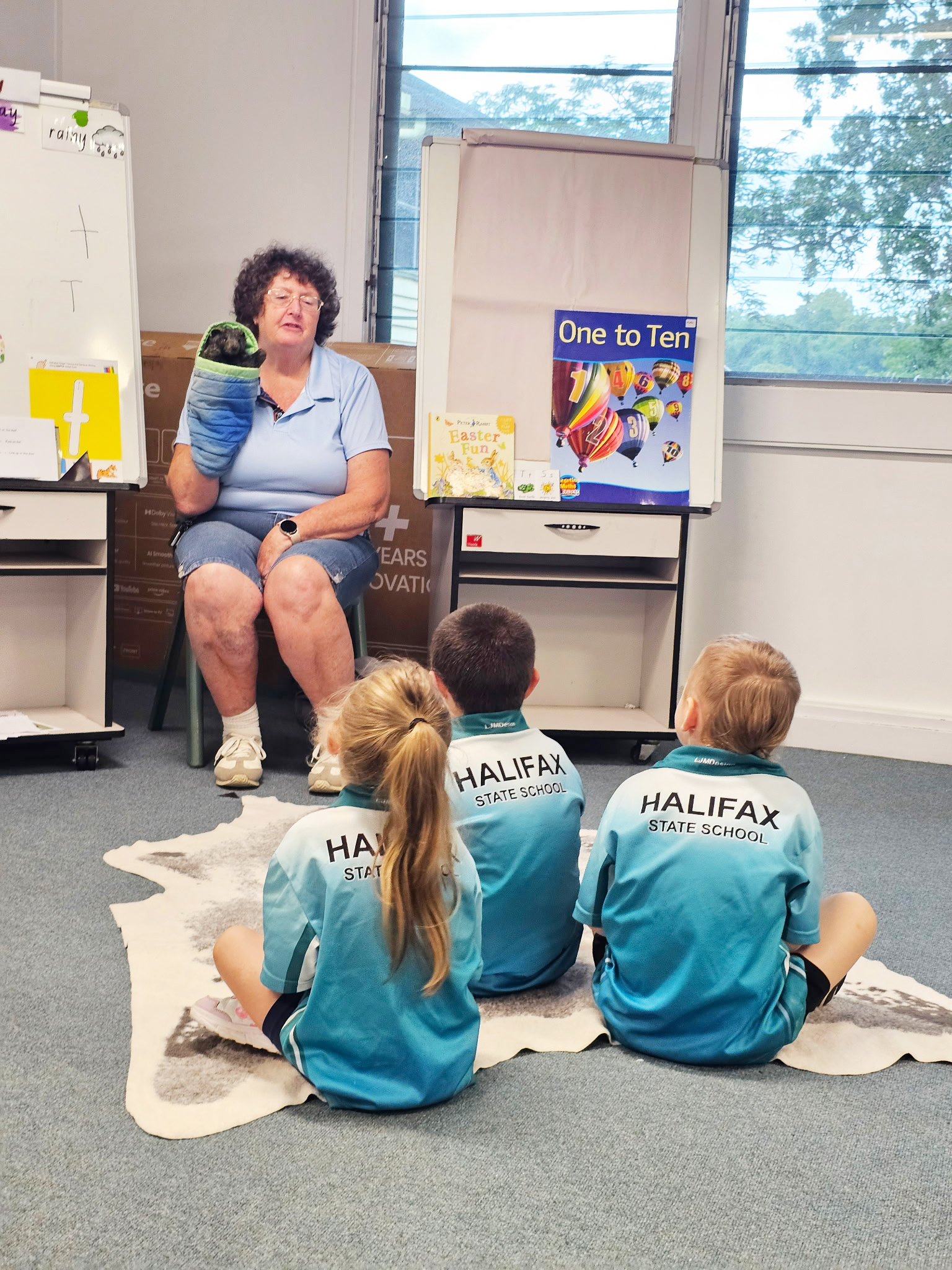
A strong school community is built on the dedication of its people. At the heart of Halifax SS are highly experienced and caring learning support staff who ensure every student feels included, supported, and capable of success. Their work, alongside experienced and innovative teachers, creates engaging classrooms where creativity and curiosity thrive. Play-based learning is one example of this approach in action, helping students develop confidence, independence, and a love of learning from an early age. Bringing these strengths together is exceptional leadership. This has been recognised through the awarding of the prestigious Bill McClintock Medal, introduced in 2016 to honour individuals who contribute to the advocacy and service of the Queensland Association of State School Principals (QASSP), particularly through supporting colleagues across regional and remote communities. “We are all very proud of Michael for receiving this award,” a spokesperson said. “It reflects a commitment not only to school excellence, but to strengthening education across Queensland. “Together, caring support staff, innovative teaching, and award-winning leadership create an environment where students and communities thrive.” Caption: 1. Teacher aide Jenny Genrich incorporates play-based learning to actively engage students and support early skill development in the classroom. 2. Presentation of the Bill McClintock Medal, recognising outstanding leadership and service to education across Queensland.
Read the full story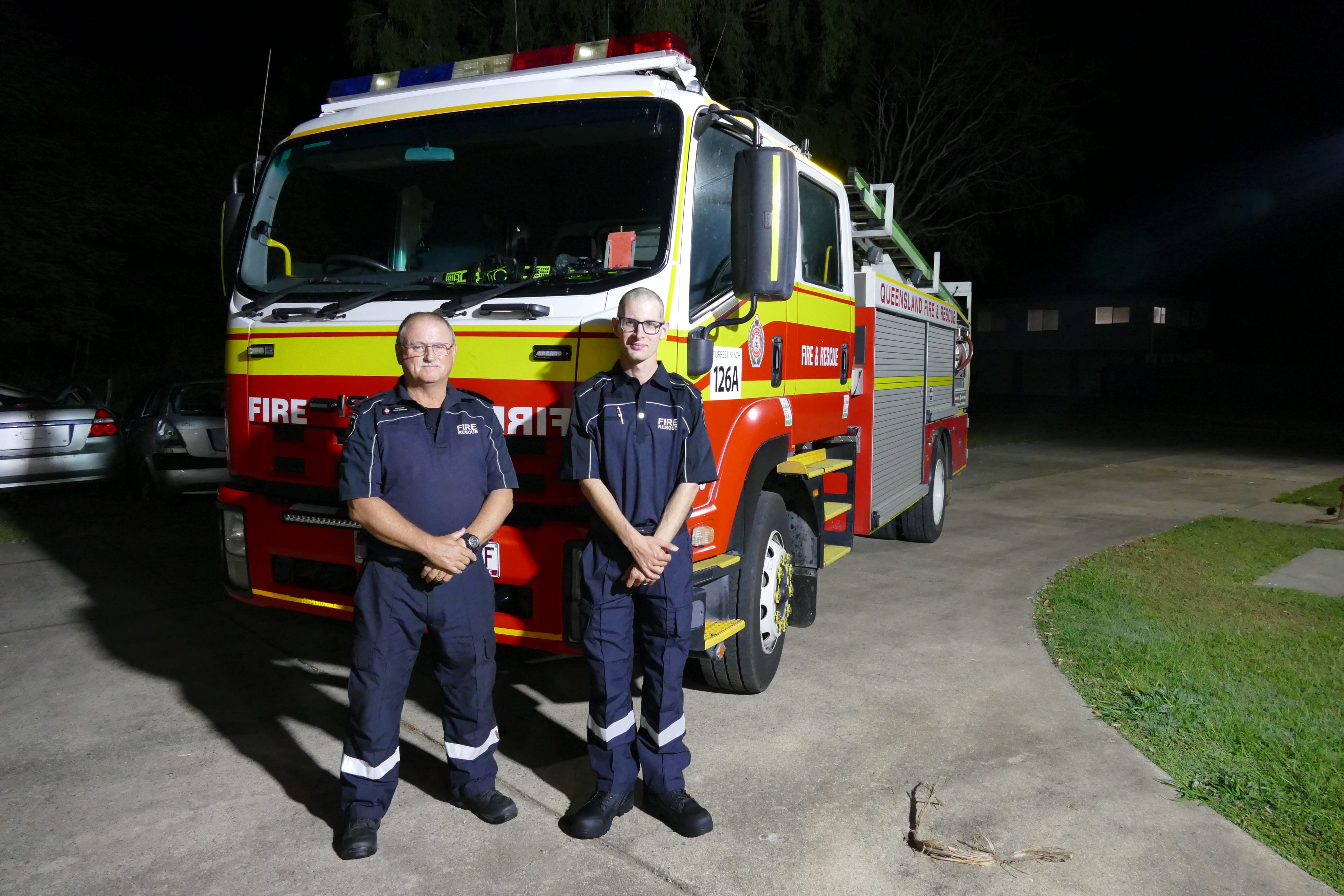
When disaster strikes, firefighters are often the first people the community turns to. But behind every emergency response is a team of locals who give their time, train regularly and step up when their neighbours need them most. Forrest Beach Fire and Rescue is encouraging more community members, particularly younger residents, to consider joining the station and becoming part of the team. "It's a good thing to get people back in from the community, especially for the station here; because we're an elderly community. Getting the younger people in is really, really important,” said Acting Lieutenant Keith Amos. Keith highlighted that being part of the station is a chance to make a tangible impact on the community- and not just in cases of fire. During the major flooding event of 2025 that isolated Forrest Beach and surrounding areas, firefighters assisted residents, with rescues, but also delivering meals and helping secure damaged homes. "The floods, when we were cut off, the way we were seen by the community and how we helped people really made an impact," Keith said. The crew’s role is diverse, and potential recruits are reminded that it’s not all flashing lights and sirens. Beyond the emergencies, auxiliary firefighters have an important role in the everyday community; regularly attending markets, school safety days and events to teach fire safety and engage with local families. During the recent Tasman Turtle Picnic Day, a popular community event for children, countless young attendees were proudly sporting the station’s bright, colourful Blazer the Koala firefighting mascot stickers. "We try and get into the community, showing what we do," Auxiliary Firefighter Michael Monbelli said. Michael also explained that for him, the biggest obstacle is balancing service with everyday life – though this factor he feels is understood and well-supported by the crew. Michael balances his firefighting role with full time work at the mill, and a busy family life with young children. On his team, there is a schoolteacher, two ex-servicemen, and another millworker. Auxiliary firefighters also commit significant time to weekly training. As for emergency response, call-outs can occur at any hour of the day or night. "Being an auxiliary is that we're on call.” Acting Lieutenant Keith Amos explained. “So even on our Wednesday night training we can get a call." Keith described the role as ‘drop everything and jump into action’. Despite the demands, Former Army serviceman Mark McEwen believes many people underestimate how manageable the role can be. "It doesn't take too much out of your normal week. Give up your three hours of training on a Wednesday, and you're on call." At the same time, emergency work can be unpredictable. "Things can change in a heartbeat," Mark said. He recalled a 4:00am call-out to a possible house fire. "Eight hours later, we get home. Us older fellas feel it a bit more, but it was worthwhile. That's what we're here for." The crew also works closely with volunteer organisations including the SES and Forrest Beach Surf Life Saving Club. During the February 2025 flood event, firefighters and surf lifesavers combined resources to rescue elderly residents trapped by rising floodwaters. According to the firefighters, the biggest motivation to get involved is that it feels good to make a difference in your community. "It's that sense of pride," Keith said, "I take pride in this job and I love doing it." "Even if you've never thought about becoming a firefighter, come down and have a chat to us," Keith said. "It's that simple.” Caption: Members of the Forrest Beach Auxiliary Firefighters: Glyn Morgan, former Air Force serviceman, and Braydon Fratus, local mill worker and the brigade's newest recruit, standing by the Forrest Beach Brigade’s fire engine.
Read the full story
.jpg)
Celebrate Australia Day the Hinchinbrook way this year, with a splash at the Hinchinbrook Aquatic Centre!
On Monday, the 26th of January, the much-loved Australia Day Community Pool Party will return, offering a relaxed and inclusive way for locals and visitors to come together and enjoy the day. Running from 11:30am to 4pm, this FREE event is designed to suit all ages and promises an afternoon full of colour, activity and Australia Day spirit.
The pool party will feature a wide range of family-friendly entertainment, including a free sausage sizzle, a DJ providing upbeat tunes throughout the day, and a bubble machine adding to the festive atmosphere. Children can enjoy craft activities, outdoor games, pool toys, disco prizes, face painting and temporary tattoos, ensuring there is plenty to keep everyone entertained both in and out of the water.
Dive into this Aussie Day out as the event provides an opportunity for everyone to connect, relax and celebrate Australia Day in a welcoming and accessible setting. Whether you are a long-time local or visiting the region during the school holidays, the pool party offers a chance to cool off, catch up with friends and meet new faces.
Families are encouraged to bring their swimmers, sun protection and a sense of celebration, and to make a day of it at the Hinchinbrook Aquatic Centre, located at 31 McIlwraith Street, Ingham. With free entry and activities for all ages, this Australia Day event is set to be a highlight on the local calendar and a reminder of the strong community spirit that defines the Hinchinbrook region and Australia.

The Hinchinbrook Local Disaster Management Group advises the community that rainfall levels are being monitored closely.
With the current weather activity and the potential development of a tropical low in the Coral Sea, this is a timely reminder of the importance of preparedness.
Flooding and cyclonic systems are often linked, and residents are encouraged to review their personal preparedness for both risks.
Residents should consider the following:
Know your risk, prepare a plan and pack an emergency kit.
Ensure adequate food and water supplies for at least seven days.
Keep medications up to date and accessible.
Prepare for potential power disruptions, including sufficient generator fuel if applicable, charging phones and portable devices.
Secure loose items around properties and remove potential flying hazards.
Cut trees away from roofs and clean gutters.
Be aware of storm surge risks, particularly in coastal areas.
Have contingency plans in place for household isolation if required.
Previous events, including those in February last year, highlighted the challenges that can arise when power and communications are disrupted.
While similar conditions are not expected, preparedness remains the most effective response. Since then, infrastructure resilience has been strengthened, and community awareness has improved.
Many new residents have joined the district in recent years. Understanding local seasonal risks and acting early helps reduce potential impacts. Residents are encouraged to stay informed and take practical steps now.
Reliable information and resources are available through the Disaster Dashboard at https://disaster.hinchinbrook.qld.gov.au and Get Ready https://getready.qld.gov.au websites.

The Hinchinbrook Shire Council advises the following key dates and information regarding 2025-2026 second half yearly rates notices run:
Rates Notices Issued: Wednesday 11 February 2026. Keep an eye on your mailbox or inbox from this date.
Haven’t Received Your Notice? If you have not received your rates notice by Wednesday 25 February 2026, please contact Council’s Rates Team. To receive future notices by email, visit Electronic Rate Notices to download a form to register your email or contact Council directly.
Full Payment Due: Tuesday 31 March 2026. If payment is received in full by this date, you will automatically be entered into the $2,000 Rates Incentive Scheme draw.**
Overdue Rates: From Wednesday 1 April 2026, any unpaid rates will accrue interest at 12.12% per annum (compounded daily).
Incentive Scheme Draw: Pay your rates in full by the due date and you’ll be automatically entered to win $2,000 in vouchers to spend at local Hinchinbrook businesses. Winners are randomly drawn at a public Council meeting on Tuesday 28 April 2026, and vouchers must be used within the Hinchinbrook Shire.
To view a full breakdown of rates categories please view the Rates and Charges 2025-2026 document on Council’s website at https://www.hinchinbrook.qld.gov.au/our-council/rates-and-charges/
If a resident is experiencing financial hardship, Council encourages them to get in touch to discuss available support options. Visit https://www.hinchinbrook.qld.gov.au/our-council/rates-and-charges/make-a-payment/ for more information. To view a full breakdown of rates categories please view document on Council’s website at https://www.hinchinbrook.qld.gov.au/our-council/rates-and-charges/
Ways to pay: Rates can be paid to Hinchinbrook Shire Council through several convenient methods, including online via BPoint, in person at the Council office or any Australia Post outlet, by phone using Visa or MasterCard, through BPAY or POSTbillpay, by mail with a cheque or money order, or by setting up a direct debit for regular payments.
Visit in person at 25 Lannercost Street, Ingham, email council@hinchinbrook.qld.gov.au or call Council’s Revenue Team on (07) 4776 4600.

The Queensland Government is delivering a fresh start for Queensland by expanding the Boost to Buy home ownership scheme, doubling funding and available places to provide a place to call home for more Queenslanders.
Applications opened in December 2025, for the initial 500 places, with up to 2,000 first-home buyers to benefit over the next three years.
Half of the places will be available for those living in regional parts of the State.
The Queensland Government is driving down cost of living pressures and delivering a place to call home for more Queenslanders, easing the State’s housing challenges while supporting a stronger economy.
The Boost to Buy scheme will provide a government equity contribution of up to 30% for new homes and 25% for existing homes. To be eligible, home buyers need to have saved a minimum 2% deposit for the purchase price of a property up to $1 million.
The scheme comes on top of existing measures from the Queensland Government to deliver more Queenslanders a place to call home, including:
Unity Bank has been accepted as an approved lender for up to 500 initial places for Boost to Buy. Aspiring first home buyers can apply directly to Unity Bank.
Eligibility is open to single purchasers with an income of up to $150,000 per annum and households with two adults or singles with dependants earning up to $225,000 per annum.
Treasurer and Minister for Home Ownership David Janetzki said the Boost to Buy scheme was making home ownership a reality for Queenslanders who would not otherwise be able to buy a home.
“Opening applications for the scheme is a shot of optimism for Queenslanders wanting to purchase their first home, with 50% of places reserved for those wanting to live outside of South East Queensland.
“We're delivering what we promised - more homeownership opportunities across Queensland.”
Unity Bank CEO Danny Pavisic said Unity was excited to be appointed as an approved lender for the first roll-out of placements of the Boost to Buy scheme.
“Boost to Buy will support working Queenslanders seeking the security of home ownership,” Mr Pavisic said.
“Providing a pathway for Queenslanders who have been struggling to enter the housing market is perfectly aligned with Unity Bank’s principle of supporting everyday Australians.”
More details can be found at: https://www.treasury.qld.gov.au/policies-and-programs/home-ownership/boost-to-buy/

Residents are advised that Martin Street is no longer a sand or sandbag collection point. Sand and sandbags must only be collected from the locations listed below.
Current Sand And Sandbagging Locations:
• Ingham – Council’s Lannercost Street car park
• Trebonne – Trebonne State School car park, Kehls Road
• Cordelia – Carr’s Farm
• Halifax – Lancini’s Farm Shed, Scott Street
• Lucinda – Lions Park, Patterson Parade (near the Coastguard)
• Taylors Beach – Progress Park
• Forrest Beach – Near the water tower and skate park
Residents collecting sandbags are encouraged to check on neighbours, family members, or friends who may need assistance. Please remember to bring your own shovels when collecting sand, and for further information or enquiries, contact (07) 4776 4600.
The Hinchinbrook Local Disaster Management Group reminds the community that sand and sandbags provided at Hinchinbrook Shire Council’s designated locations are free and available for public use during emergency preparedness.
Council is extremely disappointed to have received reports of individuals taking sandbags from the public car park behind Council’s Lannercost Street office. This behaviour is unacceptable and undermines community safety and shared preparedness efforts.
There is no justification for taking sandbags from others. Adequate supplies are available at Council’s designated sand and sandbagging locations for all residents who require them.
Anyone who witnesses theft or suspicious behaviour is urged to report it immediately to Queensland Police on 131 444.
Council sincerely thanks the many residents who are doing the right thing, respecting shared resources, and supporting one another during this time.

HAPPY NEW YEAR!
Well, it’s the start of another year, and what a start it’s been. Rain, rain and more rain. Thankfully, we haven’t had any major flooding yet, and hopefully we won’t, but all we can do is be prepared and let Mother Nature do her thing.
Hopefully everyone is stocked up on extra food, fuel and medications – just in case. One thing that is sometimes forgotten is to have extra food for your animals, including dry matter (hay) for horses and cattle.
Too much green grass can cause stock to chase dry fodder, making them more likely to eat poisonous woody weeds like lantana. Three day sickness in cattle is also prevalent in this rainy weather, so let’s hope we get some sunshine soon!
The wet weather makes it difficult for our staff to keep our public spaces clean and mowed. We are trying to get as much done as possible when the sun does shine, so please be patient and know that our staff are doing their very best to keep our town looking beautiful. I’d also like to mention a special thank you to all the people around town who go that extra bit when they mow their yards; every little bit helps, and our town looks much better because of it. Staff are still chasing the flying foxes out of town, rain, hail or shine.
Our Feral Pig program has recently received funding to reduce feral pig numbers across 10,000 ha of the coastal edge from Forrest Beach to Crystal Creek. This is one of several projects that will be funded through Terrain’s Herbert Integrated Project (HIP). This project is funded by the Queensland Government and aims to improve water quality outcomes.
Landholders having issues with feral pigs can contact Council for assistance on (07) 4776 4600.
.JPG)
Hi Readers,
I hope you all enjoyed a wonderful Christmas spent with family and friends. As we move into the New Year, it’s also a timely reminder that this is the season when being prepared really matters.
Living in our shire, we know how quickly weather conditions can change. Taking a little time now to prepare can make a big difference for you and your family if an emergency occurs. Preparation doesn’t have to be overwhelming small, practical steps can provide peace of mind and help keep everyone safe.
A good place to start is with water and food. Aim to have enough supplies for at least seven to 10 days, including around 10 litres of drinking water per person, along with non-perishable food items that don’t require refrigeration.
For families with young children, check that baby food and formula are within expiry dates, and ensure you have enough nappies, wipes and bottles to last several days. Our pets are part of the family too, so remember to put aside dry food, water and feeding bowls for them.
Health and hygiene supplies are equally important. A basic first aid kit, face masks, work gloves and rubbish bags are useful to have on hand. Make sure you have essential medications, including at least a week’s supply of prescription and over-the-counter medicines. Toiletries such as toilet paper, soap, toothpaste, shampoo, sunscreen, insect repellent, tissues and hand sanitiser should also be included.
Finally, take time to gather your important documents. Keeping paper copies or scanned versions saved to a USB — such as driver’s licences, insurance policies, passports and legal documents — can save a great deal of stress when you need them most.
Preparing now helps protect what matters most.
As we welcome the year ahead, I wish everyone a very Happy and safe New Year for 2026. Please take care, stay prepared and continue to look out for one another.
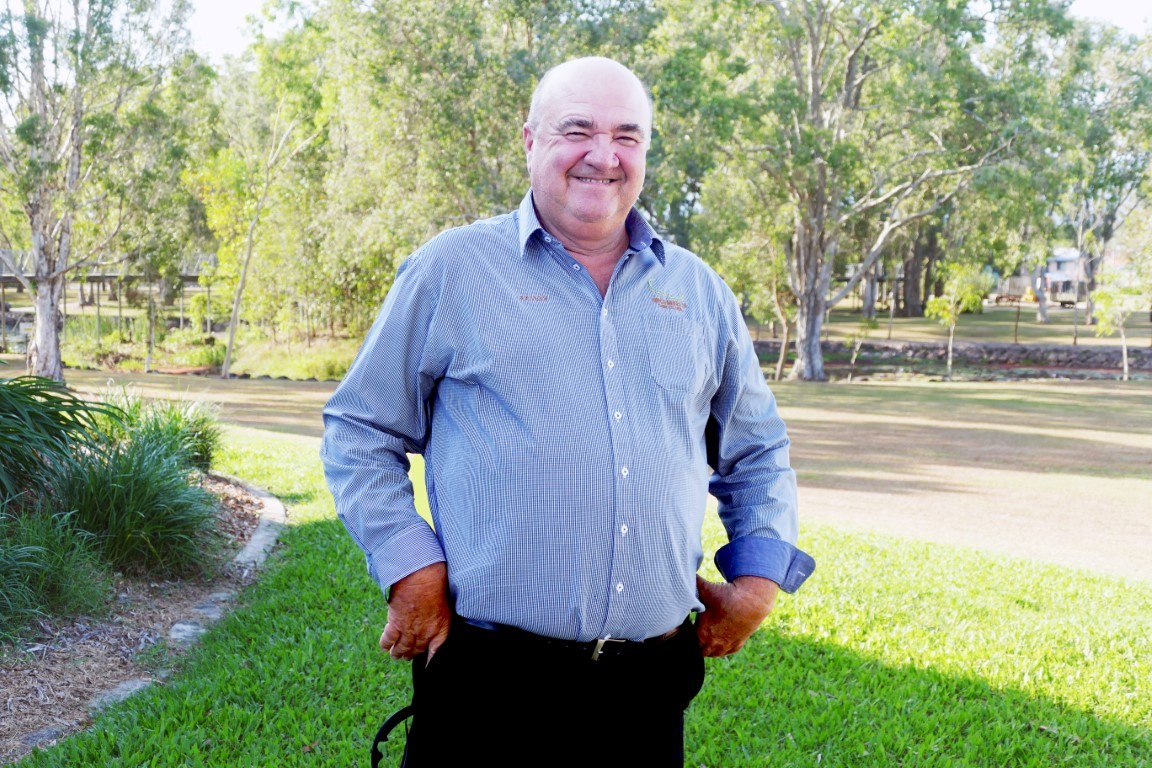
So after 16 days straight, we can all take a breath and relax.
Up to 1240mm fell in places within our district from Boxing Day 2025 to 3 January 2026, and then dealing with Tropical Cyclone Koji for a week. Fortunately, Tropical Cyclone Koji decided to leave us alone, which was a tremendous relief, but our thoughts and prayers are with the impacted residents to the south.
It has been a long and protracted exercise to this point, and the fact is that the wet season has only just started. So, we are definitely not out of the woods for now by a long shot.
We still have at least two months of potentials to consider.
I want to thank you all for your vigilance and efforts in remaining aware and prepared. You heeded the warnings, prepared, and went about your business in the knowledge that you could deal with the events unfolding, a confidence that you achieve when prepared.
Preparedness is your best form of protection, and having said that, I really want to thank all the emergency groups and agencies who have been resident in our district since essentially 29 December 2025, when the first threat of flooding arose.
Additional police, ambulance, swift water, and volunteer State Emergency personnel were pre-deployed into our district in readiness for the flooding expected from the earlier rain event, and given the behaviour of the river, quickly followed by the cyclone threat, the opportunity to stand down did not materialise until the 11th of January, 2026.
Most personnel came from afar, so were away from their homes and families for extraordinary periods, watching what this river of ours was going to do.
We sincerely thank you for your assistance and efforts.
Thank you also to all the Hinchinbrook Shire Council staff who returned to work early from their planned annual leave to undertake the necessary work to keep our communities safe. Your assistance was critical.
As I said previously, the wet season has only just begun. If anything, Tropical Cyclone Koji proved a very valuable training exercise for us all in preparedness, and we will continue to monitor our wet season developments as our new year progresses.

The Forgotten Fruit - Soursop and Starfruit Secrets
Peek into Hinchinbrook’s backyard gardens and you’ll find surprises beyond the supermarket shelf, such as starfruit, black sapote and soursop among them. These “forgotten fruits” thrive quietly in the warm, humid air, tended by growers who love the unusual.
Starfruit adds sparkle to soda water, black sapote masquerades as chocolate mousse, and soursop makes a tangy tropical ice cream. You’ll find them traded at weekend markets or tucked into farmgate stalls. They’re the secret side of Hinchinbrook — exotic, humble and full of heart.
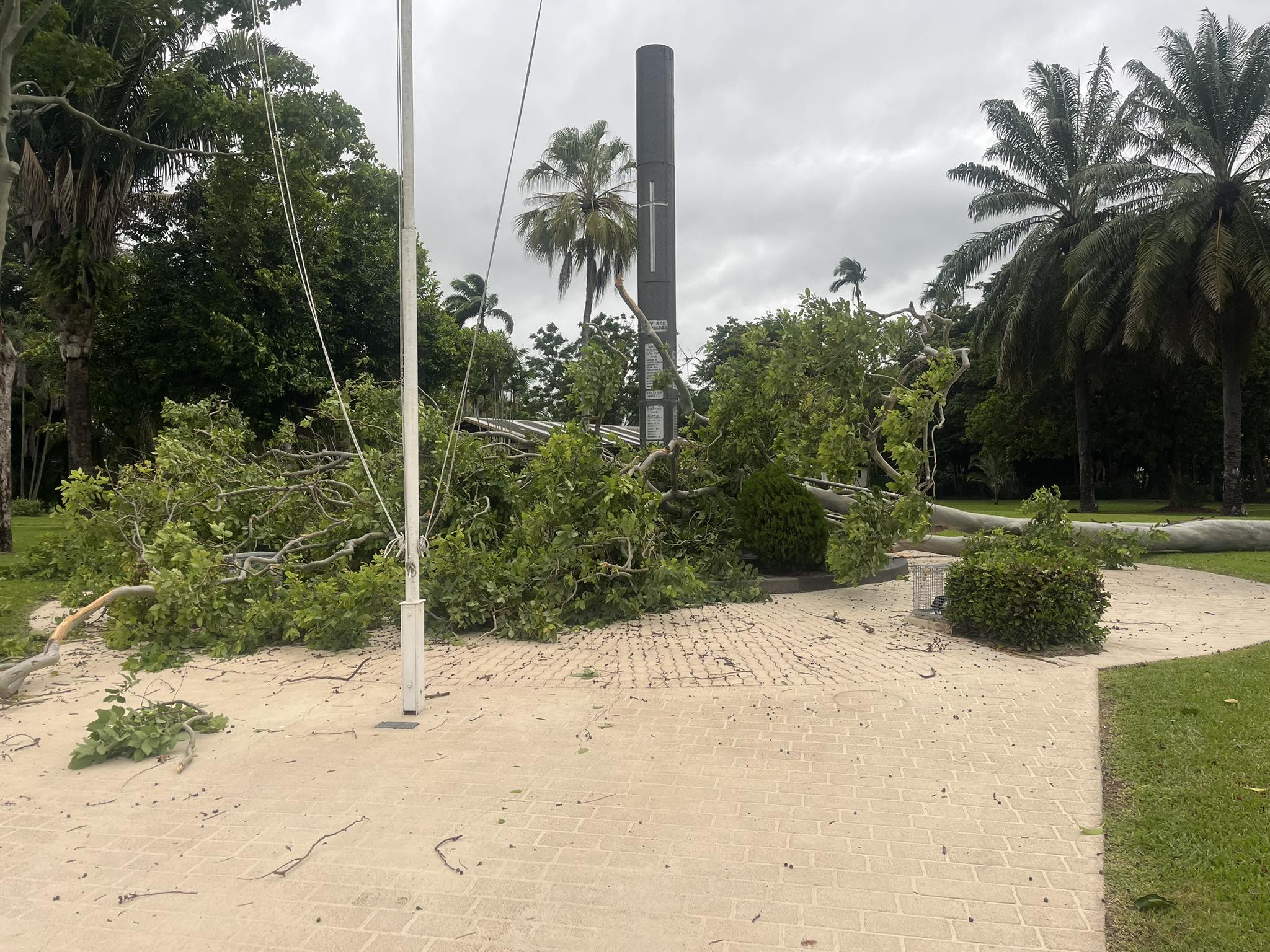
Hinchinbrook Shire Council advises residents to report any fallen trees, road damage, or other hazards affecting public areas as soon as possible.
Council was made aware of the fallen tree at the Cenotaph in the Ingham Memorial Gardens, and it was actioned for removal on the 13th of January.
The tree has not caused any damage to surrounding infrastructure. Crews are prioritising tasks that affect public safety, so they may not be able to remove the fallen tree until Monday.
One way to help is to report issues directly to Council by calling (07) 4776 4600.
For the latest updates, warnings, and official disaster-related advice, please follow the Hinchinbrook Information Disaster Facebook page.
Visit the Hinchinbrook Disaster Dashboard at https://disaster.hinchinbrook.qld.gov.au for road closures and weather updates.
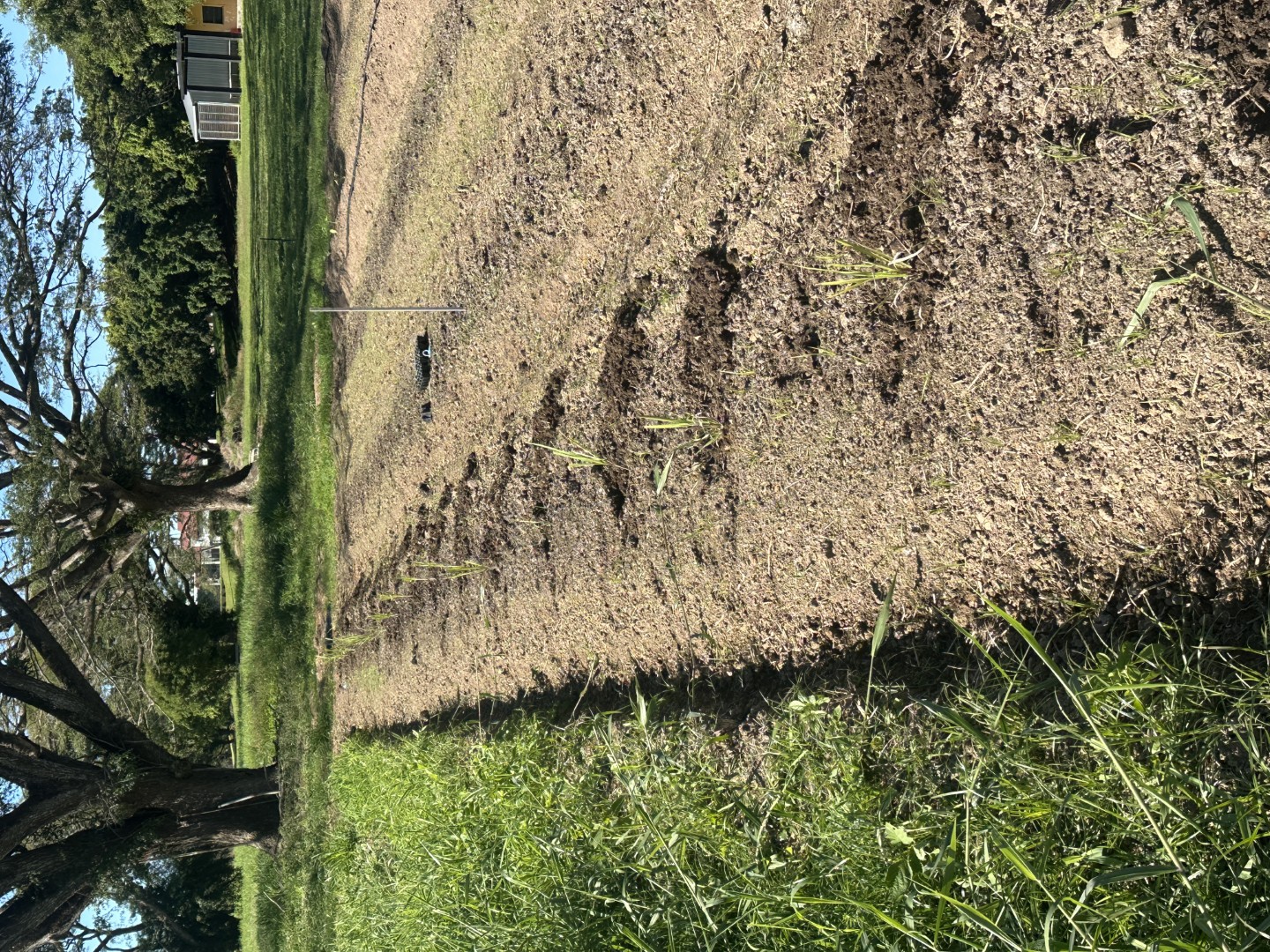
Ingham State High School is taking hands-on learning to a whole new level with its groundbreaking sugar cane tissue culture and school engagement program. Building on the success of a pilot initiative, the school applied for funding through the CQU and Agribusiness Gateway to Industry Partnership – this has allowed the school to extend this program in 2026 with the links to science and agriculture innovation. The program introduces students to the science, sustainability, and community collaboration at the beating heart of the local sugar industry.
When asked ‘What is the ultimate goal for this program?’ Jason Brown, one of the Certificate II in Rural Operations teachers at Ingham State High School, who helped create and develop this program, stated unequivocally, “It’s for the students, for the schools, and for the local industry.”
But the impact goes far beyond those three pillars.
Students from Years 11 and 12, enrolled in Science, Biology, and Rural Operations, work together to develop tissue culture samples of various sugar cane varieties. These disease-free seedlings are then distributed to local primary schools, where young learners establish and maintain their own growing areas. Through this process, students from different perspectives gain practical skills in plant propagation, observation, and sustainability.
The program runs in phases, with 2026 focused on development and facility setup. High school students collaborate with industry partners — including Canegrowers Herbert River, Herbert Cane Productivity Services Ltd, and Sugar Research Australia — to establish a small-scale tissue culture and propagation unit. This ensures the seedlings are of high quality and that students are learning practices aligned with real-world industry standards. Educational resources and workshops are developed to align with the school science curriculum, providing a structured, engaging learning experience.
Ingham State High Shool's Head of Department Pathways and Partnerships, Mrs. Kylee Rosenberger said, “These partnerships with industry allow students to experience first-hand how science and innovation drive modern agriculture.”
Once seedlings are ready, the second phase sees students visiting primary schools to conduct workshops and assist in establishing growing areas. This hands-on involvement encourages curiosity, instils agricultural knowledge, and inspires younger students to consider pursuing future careers in science, agriculture, and biotechnology. By participating in these activities, primary students are now motivated to enter their grown cane into the local agricultural show for the first time, marking a milestone for both schools and the wider community.
In 2027, the program enters its final phase, with ongoing support and monitoring of the crops as they grow toward harvest. The produce is prepared and entered into the local show, celebrating student achievement while reinforcing connections between schools, families, and the regional cane industry. Beyond immediate outcomes, the program is designed to create pathways for students into higher education, industry apprenticeships, and even leadership roles within agriculture.
Canegrowers Herbert River manager, Frank Scardamaglia, said "Canegrowers are proud to partner with Ingham State High School on this innovative and forward-thinking program. Initiatives like this deliver real benefits to the community and to our sugar industry, but most importantly they create clear and meaningful pathways for young people into agriculture.
"By actively involving both secondary and primary school students, including our work with eight local primary schools growing cane as part of the program, we are helping students feel connected to the industry from an early age. This early engagement builds understanding, pride, and aspiration, while supporting the development of a skilled future workforce and giving local students every opportunity to build their careers and futures right here in the Herbert River district.”
For senior students, the program offers even greater benefits. They can earn Certificates in Agriculture while participating, giving them a head start on qualifications essential to the industry. Facility tours and mentorship from industry specialists further enrich learning, bridging a gap in local higher education opportunities. In a region where students often need to relocate for agricultural studies, this initiative provides a vital pathway to develop local talent, strengthen the workforce, and ensure continuity between farming generations.
Dimitty Harragon, a year 12 student in the Rural Opperations course and part of a generational cane-farming family, said that she enjoyed the program and how it was envolving the younger generations in what is the districts lifeblood.
"I'm like to get even more schools involved," she said, "getting all the schools involved and going out and helping the younger kids, teaching them how to grow it and watch it grow from the plant to the sticks of cane."
She contined that helping the junior schools understand the growing statges of cane was a definite highlight of the program, and that with the Certificate II under her belt, she hopes continue in the industry, to one day take the helm of her family's cane farm.
The program’s ripple effect is already evident. Students are gaining practical skills, schools are building new connections, and the local industry is nurturing a pipeline of future farmers, scientists, agronomists, and agricultural leaders. Initiatives like these not only educate but also empower young people to explore careers they might never have considered, all while contributing to the sustainability and growth of the region’s most signature industry.
With ambitions to expand into regional science competitions, Ingham State High School is doing the groundwork, cultivating more than sugar cane, but providing the opportunity for a sweeter future.
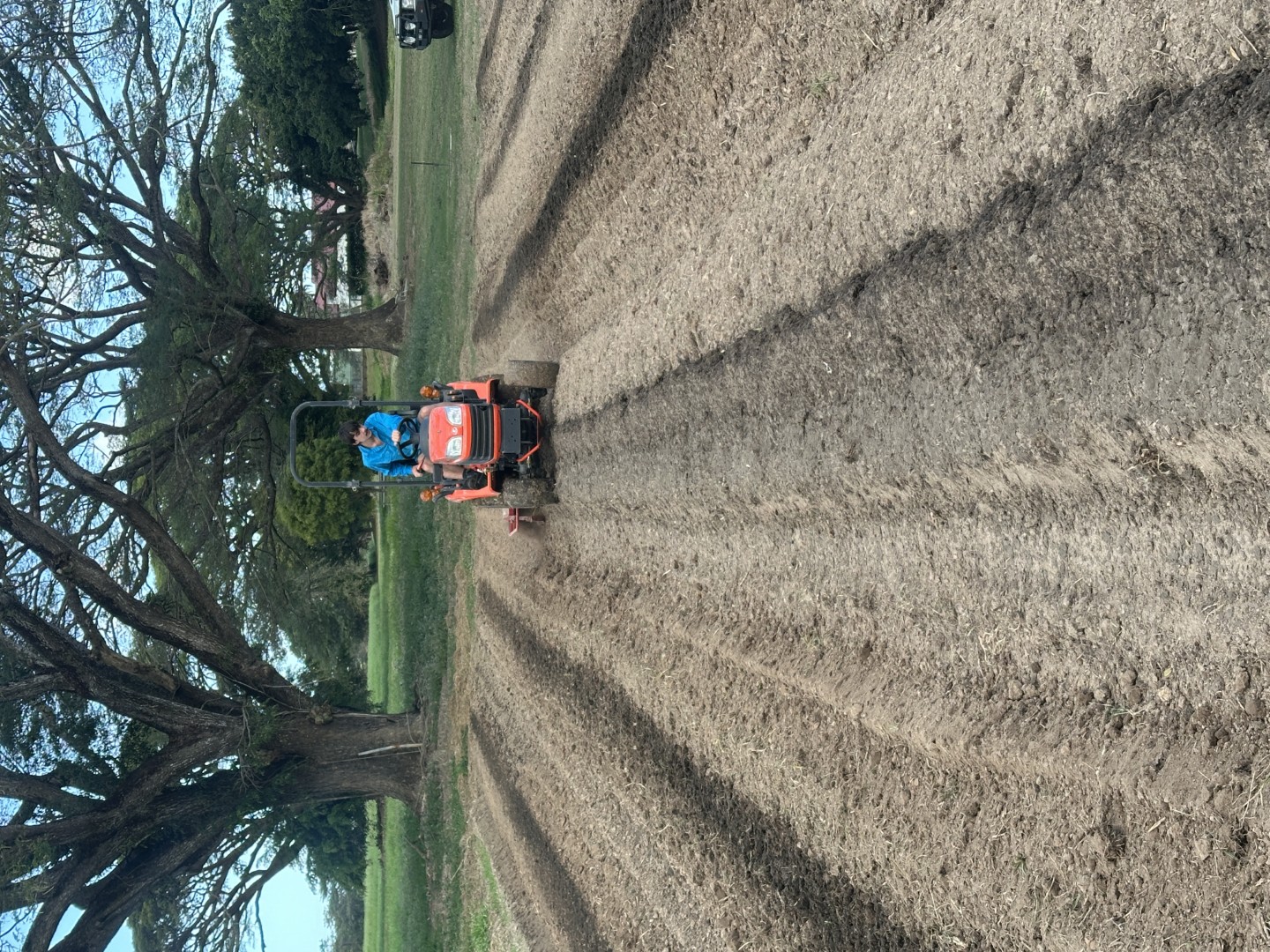
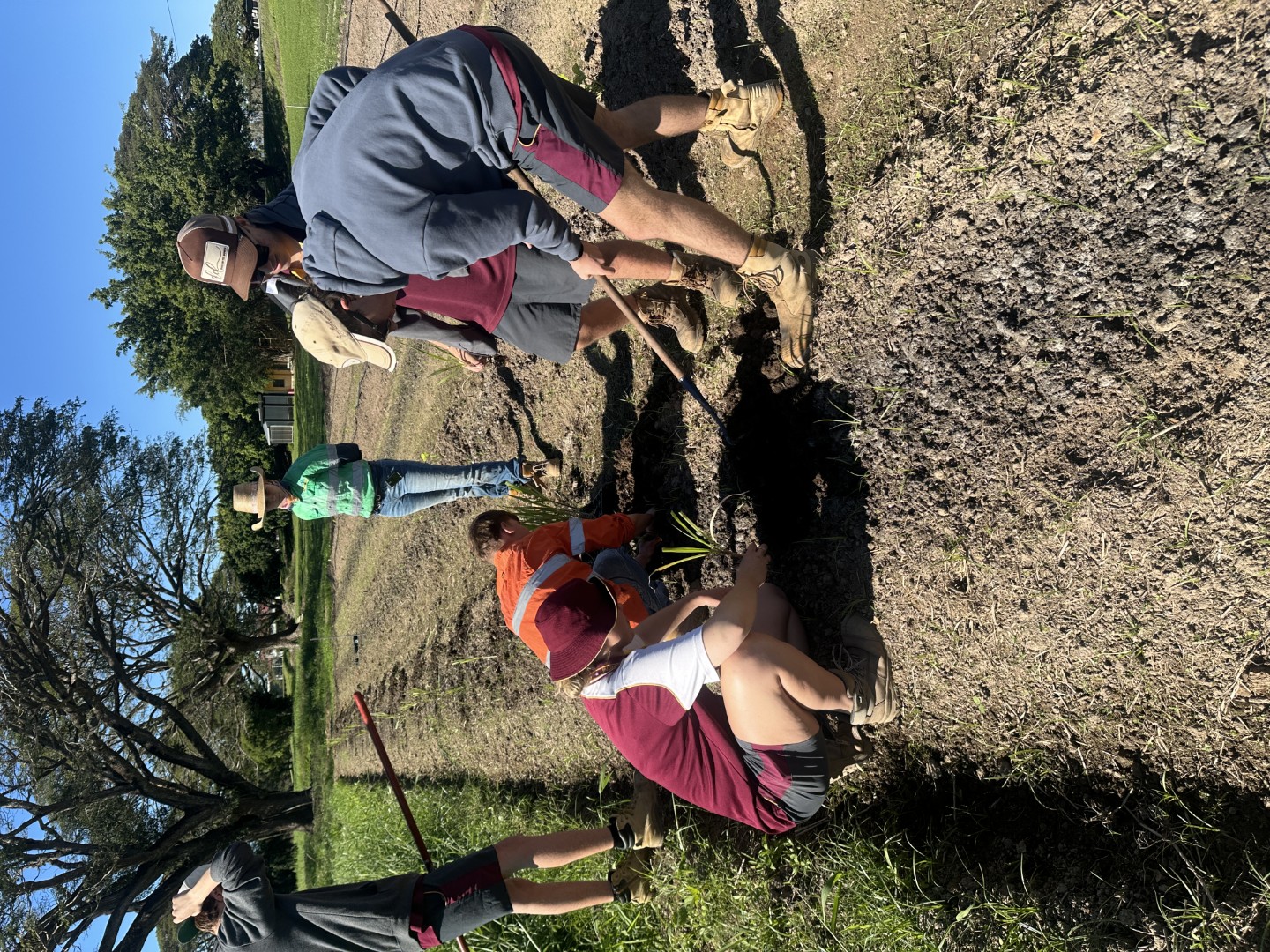
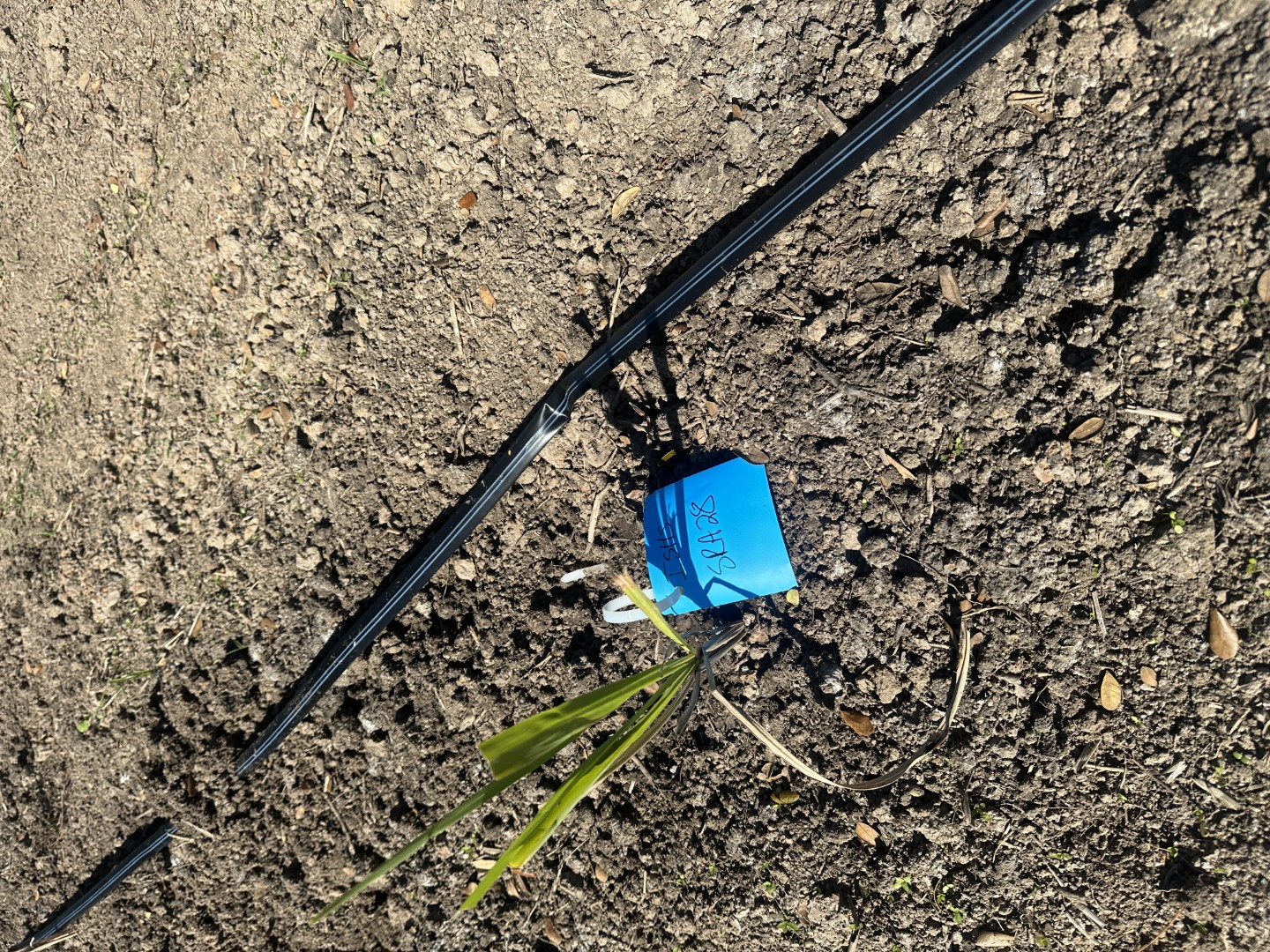
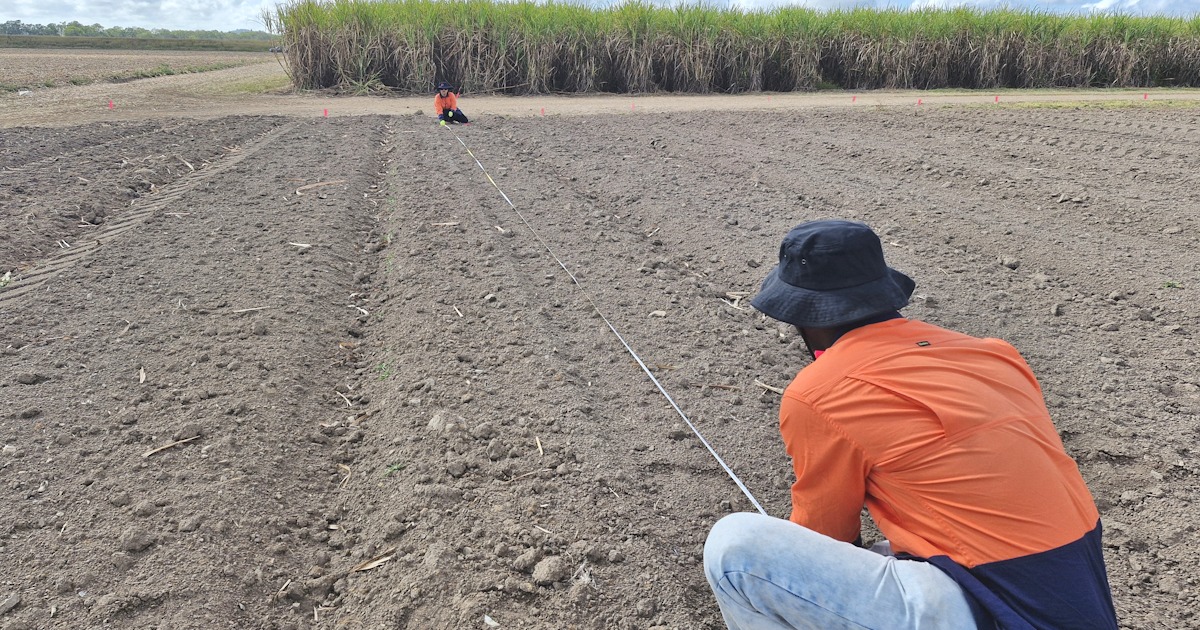
Hinchinbrook sugarcane growers are playing a key role in major new research aimed at securing effective and sustainable canegrub control for the future, as current chemical options face possible restrictions.
Canegrubs are one of the most costly pests affecting sugarcane, with moderate infestations reducing yields by 10–20 per cent and severe outbreaks cutting production by more than 40 per cent, the equivalent of around 30 tonnes of cane per hectare. Across the industry, unchecked canegrub damage is estimated to cost up to $60 million annually.
At present, neonicotinoid insecticides such as imidacloprid are the primary control option. However, these products are under review by the Australian Pesticides and Veterinary Medicines Authority, with strong indications that their use could be restricted or phased out by 2028–29.
In response, Sugar Research Australia (SRA) is leading a major project to identify alternative insecticides. Following laboratory screening of 23 products, up to 10 promising options have now progressed to large-scale field trials, including trial sites located in the Herbert River region
Chemical applications were completed in November across 12 trial sites statewide, with treatments applied to both plant cane and first ratoon crops. Over the next year, the Herbert River region trials will be closely monitored to assess effectiveness, yield protection, soil persistence and water mobility, ensuring any future recommendations meet environmental standards.
SRA’s lead entomologist, Dr Kevin Powell, said the trials were critical to ensuring growers have viable control options available before current products are withdrawn. Preliminary field results are expected by the end of 2026, with full datasets ready by 2028.
The research is expected to deliver new tools that protect Hinchinbrook yields, reduce long-term costs, and support sustainable cane farming into the next decade.
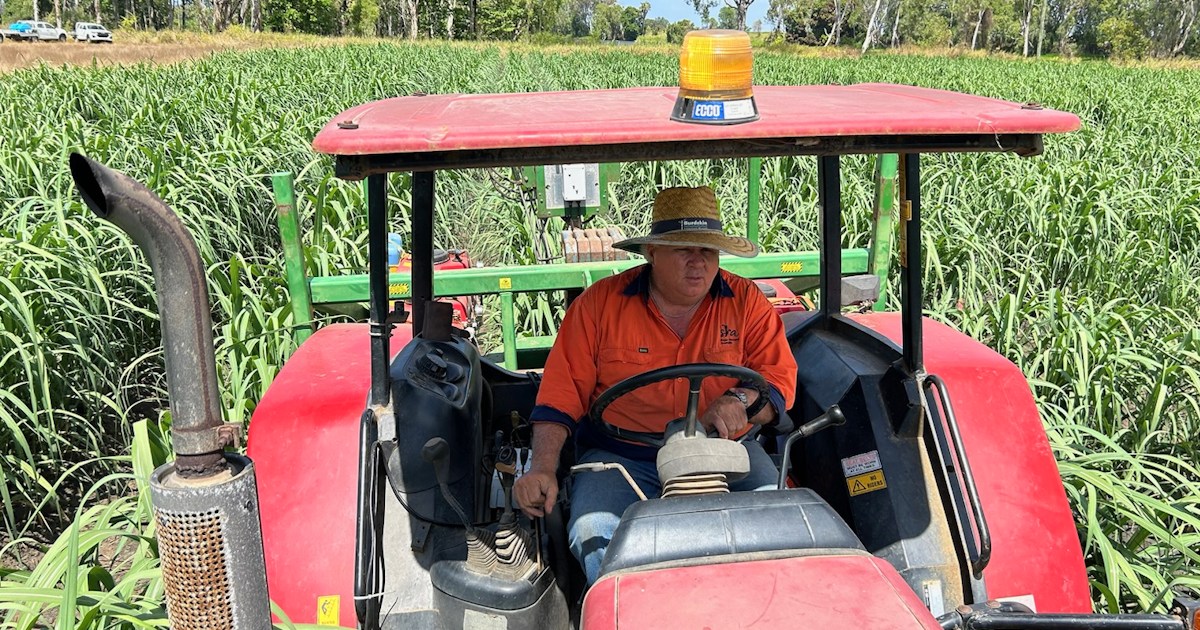

Residents of the Hinchinbrook Shire are being reminded to act quickly and responsibly if they encounter sick, injured or orphaned native wildlife, with expert help available through dedicated wildlife rescue services.
Native animals can become injured or unwell for many reasons, including vehicle strikes, disease, attacks by other animals, or becoming trapped in fencing or netting. Sadly, these incidents often leave young animals orphaned and vulnerable, requiring urgent and specialised care.
If you come across a sick, injured or orphaned wild animal (excluding marine animal strandings), the first step is to call Hinchinbrook Wildlife Support on 0477 199 758 or 1300 ANIMAL (1300 264 625) immediately. The 1300 ANIMAL (1300 264 625) service operates from 7am to 7pm, 365 days a year, providing specialist advice on the safest way to respond and ensuring the animal has the best possible chance of survival. After hours, assistance is still available through the RSPCA Hotline, which can help connect callers with their nearest wildlife rescue organisation.
Even when an animal appears to have only minor injuries, experts warn that serious internal trauma may still be present. This also applies if a dog or cat has interacted with wildlife, as even small scratches or contact with saliva can transmit harmful bacteria that require professional treatment.
For marine animal strandings, including sick, injured or deceased turtles, dolphins, dugongs or whales, the public should call 1300 130 372.
The Queensland Government appreciates the community's compassion for native animals, noting that by taking these actions, residents will be directly contributing wildlife conservation efforts accross the state.

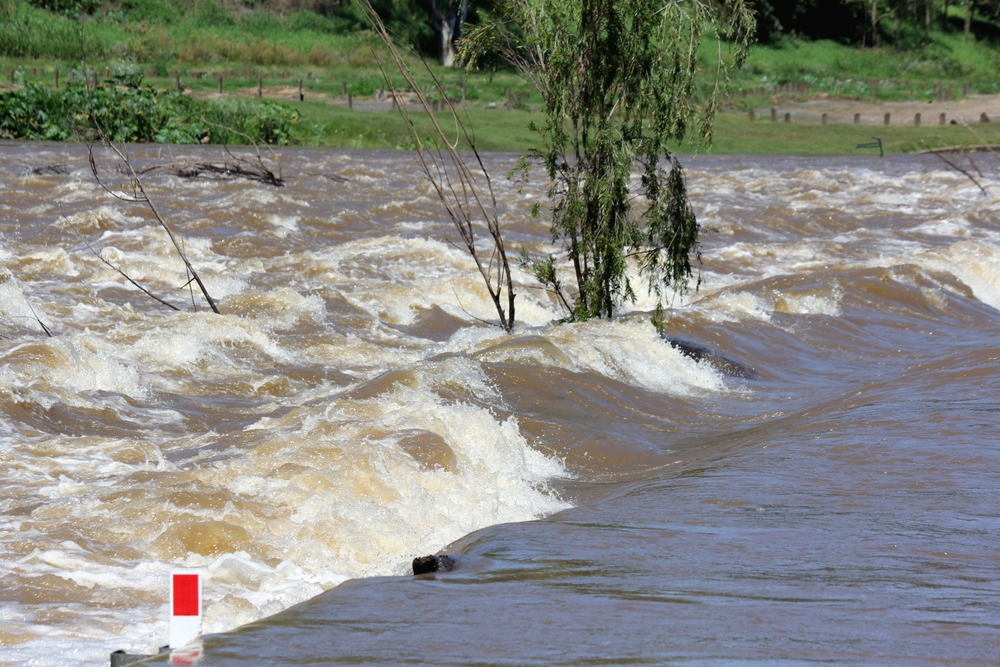
With the wet season underway and the possibility of heavy rain and flooding on the horizon, health authorities are urging North Queensland communities to be aware of melioidosis, a rare but potentially deadly tropical disease found in soil and water.
Melioidosis is caused by the bacterium Burkholderia pseudomallei, which lives naturally in deep soil and muddy water across northern Australia. Cases are most commonly reported during the wet season, particularly after periods of heavy rain or flooding, when the bacteria can rise to the surface and spread more easily.
While melioidosis is rare in healthy adults and children, it can cause severe illness if it enters the body through cuts or sores, is inhaled in contaminated dust or water droplets, or is consumed in untreated water.
Symptoms can appear anywhere from one day to three weeks after exposure and may include fever, cough, difficulty breathing, skin ulcers or non-healing sores. In serious cases, the infection can spread through the bloodstream, leading to sepsis and, if untreated, death.
People most at risk include those with underlying health conditions such as diabetes, kidney or lung disease, cancer, or weakened immune systems, as well as people who drink alcohol heavily.
The seriousness of the disease was spotlighted a couple of years ago after a North Queensland mother lost her leg after contracting melioidosis in 2024. In her case, a small cut sustained during everyday activity became the entry point for the bacteria, leading to a life-threatening illness that required intensive medical care.
Health experts say early treatment is critical. Melioidosis is treated with strong antibiotics for at least three months, and severe cases often require hospitalisation and intensive care. Prompt medical attention can be lifesaving.
There is no vaccine for melioidosis, but prevention plays a crucial role, particularly during the wet season. Residents are encouraged to:
- Avoid contact with muddy soil or flood water where possible
- Wear waterproof footwear and gloves when gardening or working outdoors
- Cover cuts, sores or wounds with waterproof dressings
- Wash skin thoroughly if it comes into contact with soil or muddy water
- Take extra care with foot and wound hygiene, especially for people with diabetes
- Consider wearing a mask when using high-pressure hoses around soil or bore water
Melioidosis does not usually spread from person to person or from animals, but exposure can lead to the illness days, months, or even years later.
Health authorities are reminding the community that while most people exposed to the bacteria do not become sick, melioidosis can be life-threatening for those who do. Awareness, early recognition of symptoms and preventative measures are key, particularly as wet weather conditions continue.
Anyone feeling unwell after potential exposure to muddy water or soil is urged to seek medical advice promptly. For health advice, residents can contact their local doctor, health centre or call 13 HEALTH (13 43 25 84) at any time. In an emergency, call 000.


Hinchinbrook Shire Council have been activated for disaster funding to assist with their counter-disaster operations and the reconstruction of essential public assets, and Townsville Council can now recoup costs for repairs to their road network.
Personal Hardship Assistance has been activated for flooded residents in Flinders and Richmond, battling the impacts of recent monsoon flooding.
Assistance includes grants of $180 for individuals and up to $900 for a family of five or more for emergency essentials like food, clothing and medicine, and funds for residents who have been without essential services for more than five days.
Three income-tested support measures targeted at uninsured residents are available as well, including Structural Assistance Grants up to $80,000 to return a home to a safe and habitable condition.
In response to the North Queensland Monsoon Trough, 18 LGAs are currently receiving financial support from the Government under the joint Commonwealth-state Disaster Recovery Funding Arrangements (DRFA).
Federal Minister for Emergency Management Kristy McBain said assistance will continue to be activated where required.
“We’re facing a significant recovery operation that will be measured in months and years rather than days and weeks,” Minister McBain said.
“As floodwaters slowly recede and we learn more about the impacts of this disaster, we will extend all support necessary to help north and north-west Queensland communities.”
Queensland Minister for Disaster Recovery Ann Leahy said the government is in constant contact with councils to make sure affected Queenslanders are cared for.
“We’re working tirelessly to support all eligible requests for Personal Hardship Assistance and other DRFA measures,” Minister Leahy said.
“Applications for hardship assistance can be made at www.disaster.qld.gov.au or by calling our 24/7 Queensland Community Recovery Hotline on 1800 173 349.”
Personal Hardship Assistance available to eligible north-west Queensland residents:
Emergency Hardship Assistance – $180 per person, up to $900 for a family of five or more to purchase immediate essentials like food, clothing and medicine.
Essential Services Hardship Assistance – $150 per person, up to $750 for a family of five or more, to assist with immediate needs following the loss of essential services at home for more than five consecutive days.
Essential Household Contents Grants – income-tested assistance for uninsured residents, up to $1,765 for individuals and up to $5,300 for couples or families to replace destroyed essential household contents such as bed linen and whitegoods.
Structural Assistance Grants – up to $80,000 for uninsured, income-tested owner-occupiers towards the repair or replacement of a disaster-damaged dwelling to return it to a safe and habitable condition.
Essential Services Safety and Reconnection Scheme – income-tested grants to help uninsured residents reconnect damaged services like electricity, gas, water or sewerage. Up to $5,000 per household.
Publishers Indemnity. Any individual or entity that places advertising, supplies copy material, or submits editorial content to Life Publishing agrees and undertakes to ensure that all such material:- Does not infringe upon any copyright, trademark, or other intellectual property rights;- Is free from any content that could be considered defamatory, libelous, or slanderous;- Does not infringe upon any rights related to privacy or breach of confidence;- Contains no obscene, indecent, or otherwise unlawful material;- Complies fully with the Trade Practices Act and all other applicable laws, regulations, or statutes. Furthermore, by submitting or placing such material, these individuals or entities agree to indemnify and hold harmless the publisher, Life Publishing and Events Pty Ltd, and/or its agents from and against any and all investigations, claims, demands, liabilities, damages, costs, or judgments arising out of or in connection with the material provided. All material is believed to be accurate at the time of printing and remains the copyright of Life Publishing and Events Pty Ltd.
© 2026 Life Publishing Group Ltd.
