
Independently Owned, Locally Grown, Community Loved

2026 has marked an exciting new chapter for Science at Our Lady of Lourdes with the introduction of Science as a specialist subject across the school. Aligned with the Australian Curriculum Version 9, our science program provides students with opportunities to investigate real-world phenomena through hands-on learning, creativity, inquiry and play. At Lourdes, we believe that students learn best when they are actively engaged in meaningful experiences that allow them to question, explore, design, test and create. Across every year level, students have been immersed in learning that encourages curiosity while developing important skills such as collaboration, critical thinking, problem-solving and resilience. Our Year 2 students have stepped into the role of designers and inventors by creating their own fidget toys. Students investigated how materials can be changed and selected for specific purposes, using the design process to create products that are both practical and engaging. They have loved seeing how different products can be made, especially their favourite toys. Students at Our Lady of Lourdes have had lots of fun being inventors. Photos supplied
Read the full story
Feel the Magic is providing vital support to children and families across Australia who are navigating the pain of grief, offering a range of free early intervention programs designed to help young people “face, feel and heal” after the death of a parent, guardian or sibling. At the heart of the organisation is a belief that no child should face grief alone. Its programs create a nurturing, supportive environment where children aged 7 to 18 can express their emotions, learn coping strategies, and connect with others who understand their experience. Through its virtual camp programs, Feel the Magic is able to reach families regardless of location. These online sessions bring together grieving children to learn a shared “grief language”, build practical emotional tools, and reduce feelings of isolation through connection with other families. The organisation also offers specialised programs for those impacted by suicide bereavement. These include virtual camps, a one-day face-to-face “Let’s Talk Suicide Family Day Camp”, and the signature Camp Magic experience—an intensive 2.5-day overnight program where children are paired with trained volunteer mentors who provide one-on-one support throughout the camp. Camp Magic focuses on helping children understand grief, regulate difficult emotions and develop healthy coping strategies in a safe and structured environment. A concurrent emotional literacy workshop is also available for parents and guardians, helping families better understand grief responses and strengthen communication at home. For older participants, Grad Camp supports young people aged 16 to 19 as they transition into adulthood while continuing to process their grief experience. Across all programs, Feel the Magic emphasises connection, understanding and hope, with the organisation noting that even a single day can make a meaningful difference in a child’s journey through grief. To learn more about how you can get involved email lauren.galbraith@feelthemagic.org.au. WHAT: Family Day Camp WHEN: 26th July WHERE: The Cathedral School, Townsville
Read the full story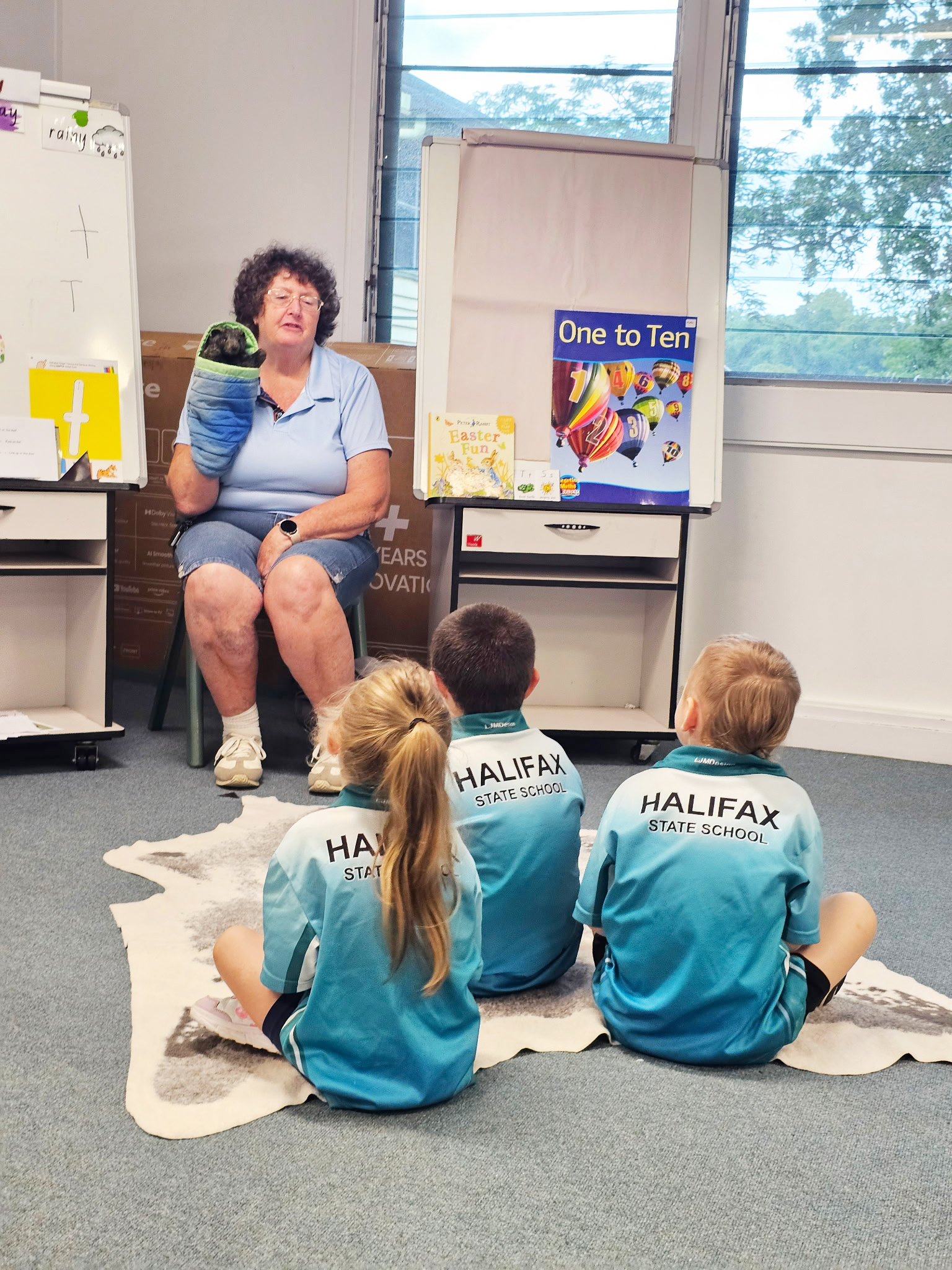
A strong school community is built on the dedication of its people. At the heart of Halifax SS are highly experienced and caring learning support staff who ensure every student feels included, supported, and capable of success. Their work, alongside experienced and innovative teachers, creates engaging classrooms where creativity and curiosity thrive. Play-based learning is one example of this approach in action, helping students develop confidence, independence, and a love of learning from an early age. Bringing these strengths together is exceptional leadership. This has been recognised through the awarding of the prestigious Bill McClintock Medal, introduced in 2016 to honour individuals who contribute to the advocacy and service of the Queensland Association of State School Principals (QASSP), particularly through supporting colleagues across regional and remote communities. “We are all very proud of Michael for receiving this award,” a spokesperson said. “It reflects a commitment not only to school excellence, but to strengthening education across Queensland. “Together, caring support staff, innovative teaching, and award-winning leadership create an environment where students and communities thrive.” Caption: 1. Teacher aide Jenny Genrich incorporates play-based learning to actively engage students and support early skill development in the classroom. 2. Presentation of the Bill McClintock Medal, recognising outstanding leadership and service to education across Queensland.
Read the full story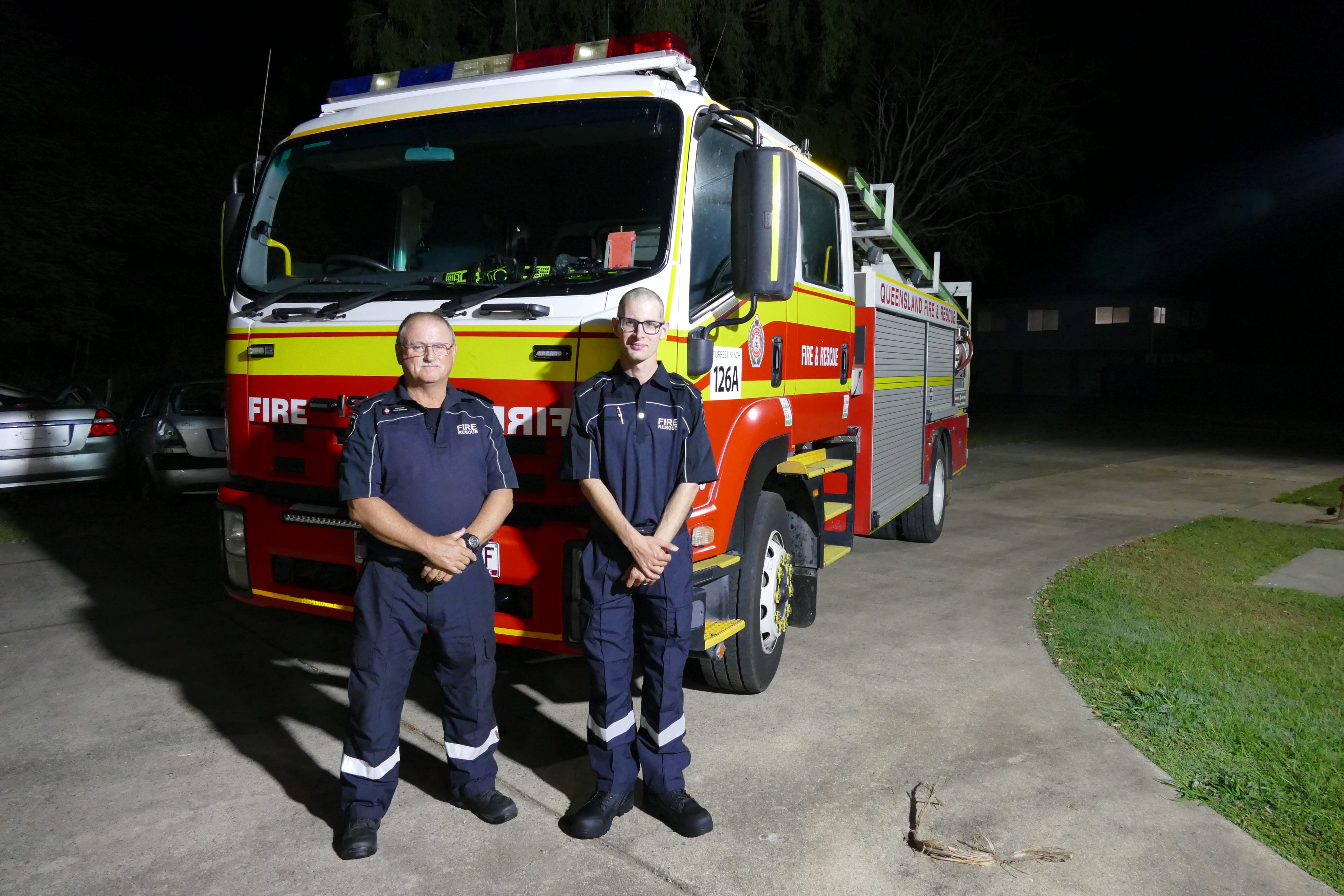
When disaster strikes, firefighters are often the first people the community turns to. But behind every emergency response is a team of locals who give their time, train regularly and step up when their neighbours need them most. Forrest Beach Fire and Rescue is encouraging more community members, particularly younger residents, to consider joining the station and becoming part of the team. "It's a good thing to get people back in from the community, especially for the station here; because we're an elderly community. Getting the younger people in is really, really important,” said Acting Lieutenant Keith Amos. Keith highlighted that being part of the station is a chance to make a tangible impact on the community- and not just in cases of fire. During the major flooding event of 2025 that isolated Forrest Beach and surrounding areas, firefighters assisted residents, with rescues, but also delivering meals and helping secure damaged homes. "The floods, when we were cut off, the way we were seen by the community and how we helped people really made an impact," Keith said. The crew’s role is diverse, and potential recruits are reminded that it’s not all flashing lights and sirens. Beyond the emergencies, auxiliary firefighters have an important role in the everyday community; regularly attending markets, school safety days and events to teach fire safety and engage with local families. During the recent Tasman Turtle Picnic Day, a popular community event for children, countless young attendees were proudly sporting the station’s bright, colourful Blazer the Koala firefighting mascot stickers. "We try and get into the community, showing what we do," Auxiliary Firefighter Michael Monbelli said. Michael also explained that for him, the biggest obstacle is balancing service with everyday life – though this factor he feels is understood and well-supported by the crew. Michael balances his firefighting role with full time work at the mill, and a busy family life with young children. On his team, there is a schoolteacher, two ex-servicemen, and another millworker. Auxiliary firefighters also commit significant time to weekly training. As for emergency response, call-outs can occur at any hour of the day or night. "Being an auxiliary is that we're on call.” Acting Lieutenant Keith Amos explained. “So even on our Wednesday night training we can get a call." Keith described the role as ‘drop everything and jump into action’. Despite the demands, Former Army serviceman Mark McEwen believes many people underestimate how manageable the role can be. "It doesn't take too much out of your normal week. Give up your three hours of training on a Wednesday, and you're on call." At the same time, emergency work can be unpredictable. "Things can change in a heartbeat," Mark said. He recalled a 4:00am call-out to a possible house fire. "Eight hours later, we get home. Us older fellas feel it a bit more, but it was worthwhile. That's what we're here for." The crew also works closely with volunteer organisations including the SES and Forrest Beach Surf Life Saving Club. During the February 2025 flood event, firefighters and surf lifesavers combined resources to rescue elderly residents trapped by rising floodwaters. According to the firefighters, the biggest motivation to get involved is that it feels good to make a difference in your community. "It's that sense of pride," Keith said, "I take pride in this job and I love doing it." "Even if you've never thought about becoming a firefighter, come down and have a chat to us," Keith said. "It's that simple.” Caption: Members of the Forrest Beach Auxiliary Firefighters: Glyn Morgan, former Air Force serviceman, and Braydon Fratus, local mill worker and the brigade's newest recruit, standing by the Forrest Beach Brigade’s fire engine.
Read the full story

The Queensland Parks and Wildlife Service (QPWS) will conduct a planned burn on Hinchinbrook Island National Park between 18 and 25 February, subject to suitable weather and operational conditions. This activity forms part of QPWS’s annual conservation and hazard-reduction program, designed to manage fire risk while supporting the long-term health of natural ecosystems.
The burn will be carried out using aerial ignition in selected areas of the island, including sections near the Thorsborne Trail. The trail remains closed until 28 February due to the seasonal wet-season closure, which aligns with safety requirements during fire management operations. Members of the public are asked to observe all closures, signage, and ranger instructions throughout the burn period.
Smoke from the operation may be visible from nearby communities such as Lucinda and Cardwell, as well as from the Bruce Highway. Reduced visibility may occur at times, and motorists are advised to drive to conditions and remain alert. Residents with asthma or other respiratory conditions are encouraged to take appropriate precautions, including keeping medications accessible, closing windows and doors, and following advice provided by their general practitioner.
Planned burning plays a critical role in reducing the risk of severe bushfires during periods of high fire danger. It also supports ecological outcomes by encouraging native plant regeneration, maintaining habitat diversity, and creating a mosaic of burnt and unburnt areas that benefit wildlife.
Public safety remains the highest priority for QPWS throughout all fire management activities, with burns conducted only when conditions allow for safe and effective outcomes for both the community and the environment.
Photo source: Facebook
Victoria’s View
HIYA HINCHINBROOK!
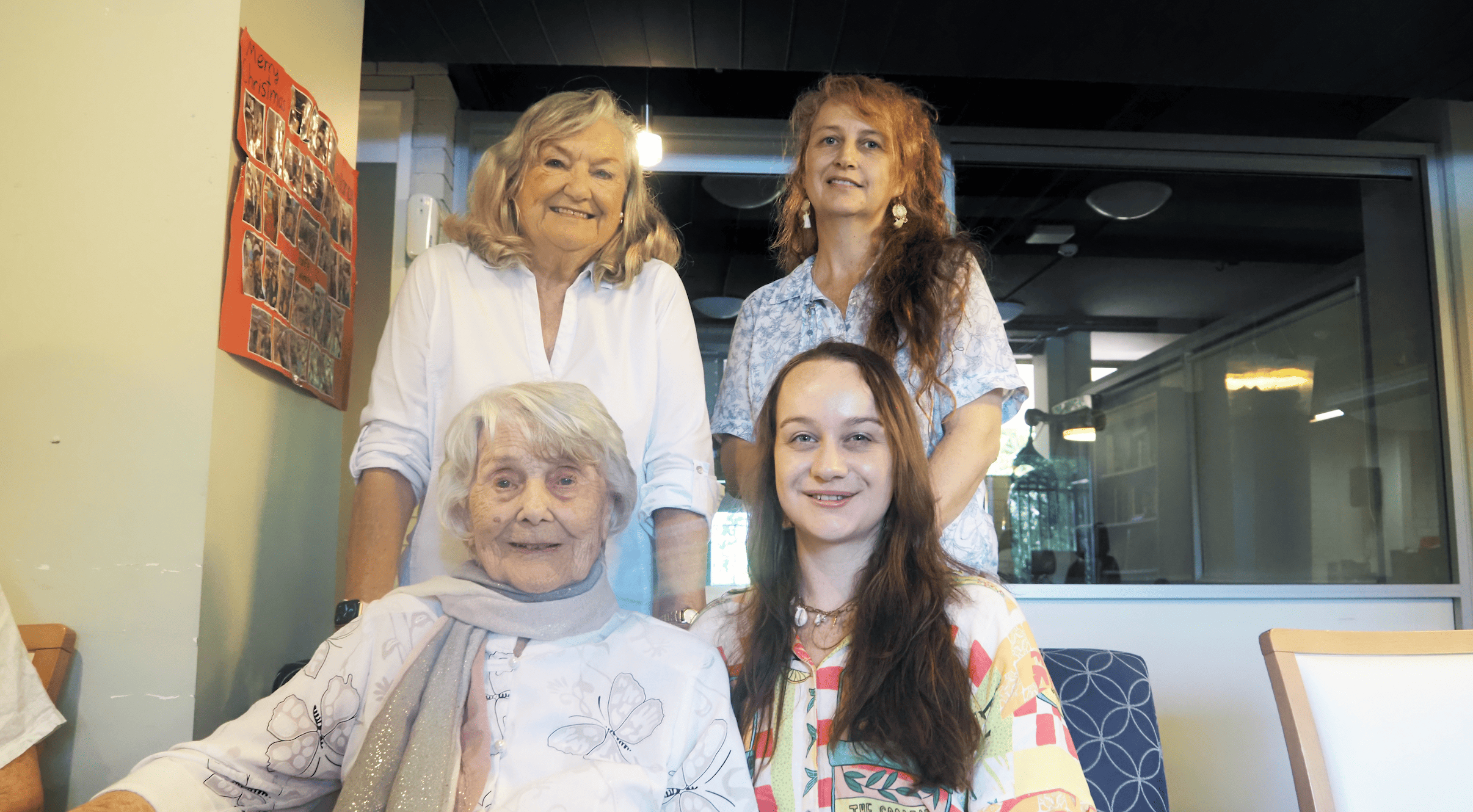
I am back after a holiday packed with family and friends, it was definitely a wild change of pace from what I had grown used to here in the north. From flying to Sydney and then travelling to Brisbane and back up the infamous Bruce Highway home, it was an adventure at all turns.
We reached my great-grandmother's birthday party despite the best efforts of the Sydney traffic, where we celebrated her surrounded by generations of family. She even had letters from family back in Ireland and Scotland, and one from the King of England proudly on display.
It was lovely to catch up with uncles, aunts and the myriad of cousins I had not seen in ages, some not for years. But my time in Sydney was short lived.
Off to Brisbane I went and lurked about some of my favourite old haunts. I thoroughly enjoyed visiting the Cultural Centre at Southbank to see the new art and museum exhibits - there was one on the creatures of North Queensland, I had to laugh when I saw all the ‘exotic’ taxidermy animals I had come to see in my day-to-day – the marvelling tourists and the loud, fast pace of the city really made me wish for the quiet of the cane fields.
It gave me perspective and an appreciation that only travel can.
From Brisbane I was off again, campervan and little plan but to drive and see where I ended up. I wound my way north, stopping in Yeppoon and Mackay to see more family and friends. I even popped in to surprise my colleagues in Airlie Beach at our sister publication, Whitsunday Life. I rested by tropical beaches and camped at beautiful creeks when I finally reached Cairns.
I had my full helping of cities, so I didn't stay long. I am much more a fan of all the lovely country towns I passed through, making ones to return to when I have more time to explore, as my holiday was capped.
Now back in Hinchinbrook, I feel refreshed. Ready to get back into it for you all and bring you the best paper I can.
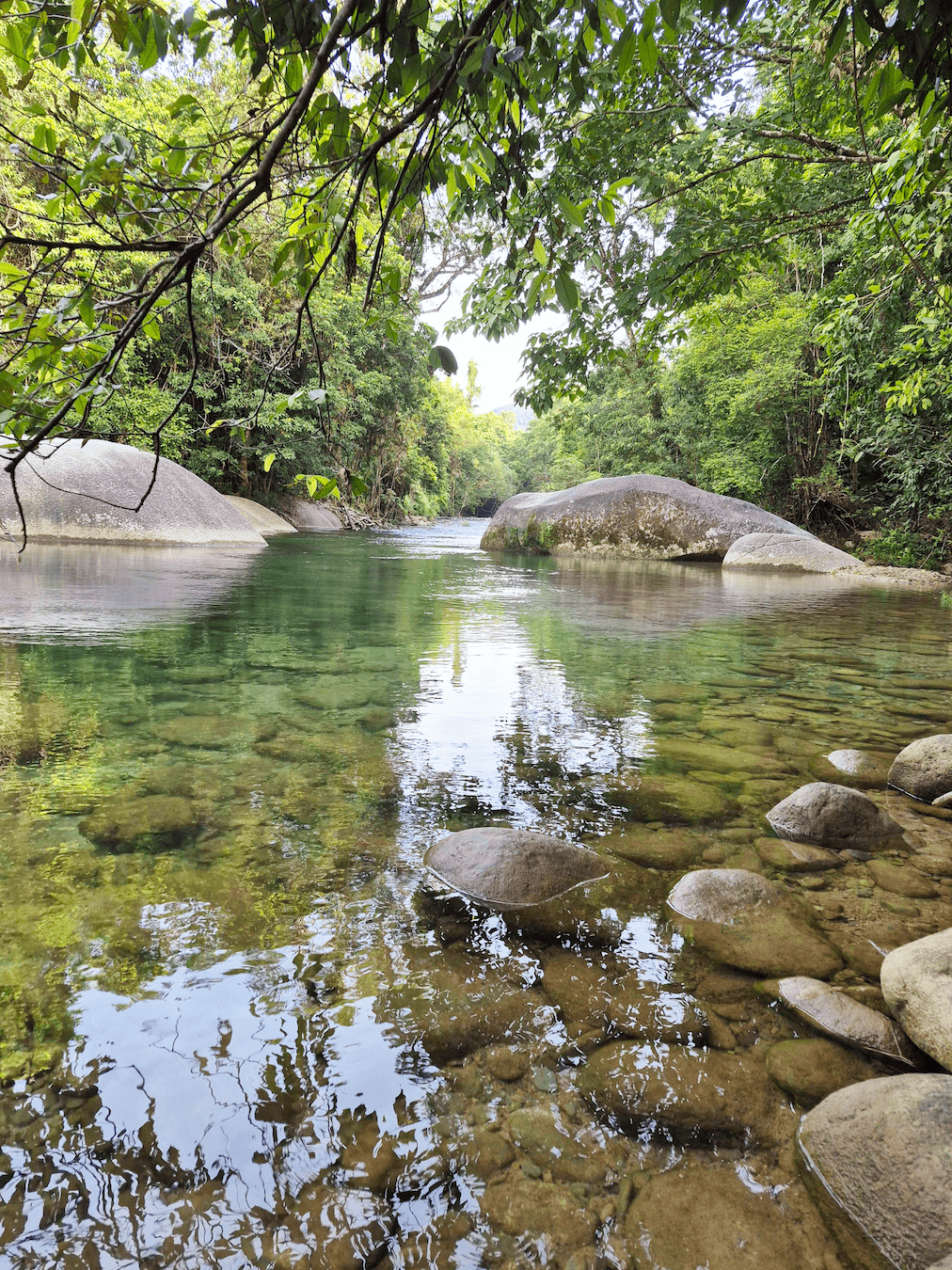
Fun fact: Since writing about it for our magazine Tripping, I have always wanted to visit the Babinda Boulders. I can now say it lives up to its magical hype.
One year after devastating floods reshaped the Hinchinbrook Shire, the community stands resilient — rebuilding what was lost while protecting what lies ahead. From hardship came unity, strength, and a determination that continues to define the region today.
RESILIENCE, RECOVERY, REBUILD
A Community that Endures
One year on from one of the most devastating natural disasters to impact the Hinchinbrook Shire, the community continues to preserve, support one another, and rebuild what was lost, while working to safeguard the region’s future.
In January and February of 2025, severe and persistent rainfall saturated much of North Queensland, triggering extreme flooding across the state. Subsequent reports released by the Bureau of Meteorology (BOM) confirmed February 2025 was among the wettest on record for many parts of the region, with areas including the Hinchinbrook Shire recording rainfall totals well above long-term historical averages.
The Herbert River surged far beyond typical flood levels, contributing to widespread inundation of homes, businesses and critical infrastructure. According to BOM and river gauge data, the Herbert River reached a peak of approximately 14.93 metres at the Ingham Pump Station on 3 February, with discharge estimated at around 495,000 megalitres per day. While the peak narrowly fell short of the 15.20 metres recorded during the historic 1967 floods, the 2025 event remains one of the most significant in more than a century of monitoring. The Ingham Pump Station has rarely exceeded the major flood threshold of 12 metres.
In response to the river exceeding major flood levels, several recovery and mitigation initiatives were advanced. In 2025, a proposal was submitted on behalf of the Herbert River Improvement Trust seeking $700,000 in funding to repair flood-damaged riverbanks at Halifax Washaway, with the aim of protecting key infrastructure including the road connecting Ingham and Halifax. Additionally, a $3.2 million initiative funded through the Queensland Reef Water Quality Program has since been actioned across local catchments to improve water quality, flood resilience and long-term environmental outcomes within the river system.
Flooding caused significant disruption across the transport network, with multiple roads cut throughout the region. Key routes, including sections of the Bruce Highway and the Ollera Creek Bridge between Ingham and Townsville, were closed for extended periods, isolating communities and restricting access to essential services.
Tragically, the Queensland Police Service confirmed two lives were lost in floodwaters in the Ingham area during the event. Authorities issued multiple emergency warnings as conditions deteriorated and floodwaters rose across the lower Herbert catchment.
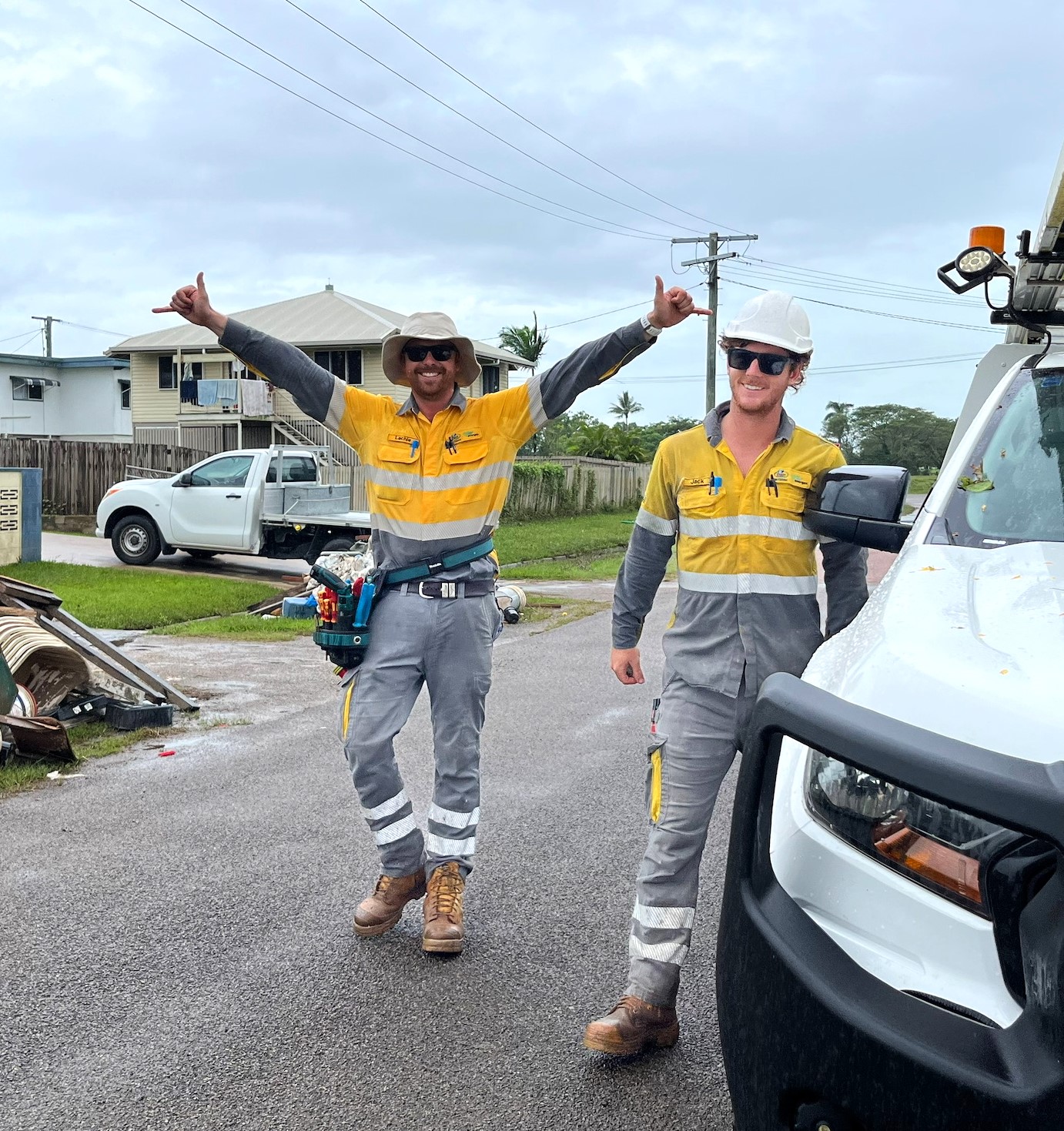
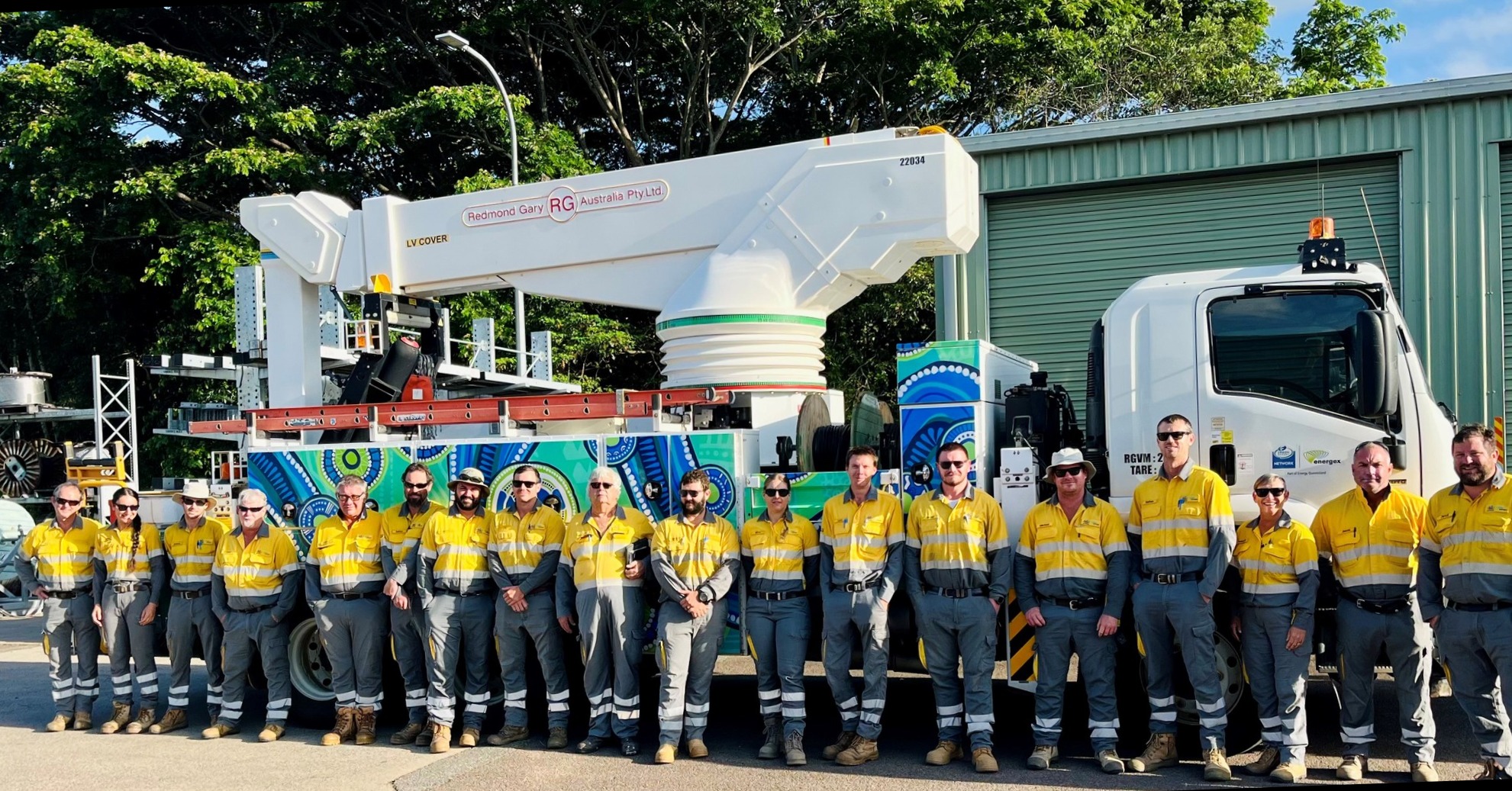
Severe weather also resulted in widespread power outages, leaving many residents without electricity for days. Despite significant logistical challenges, Ergon Energy crews worked continuously to restore supply, reconnecting more than 33,000 homes and businesses across Queensland within the first two weeks of February. Crews navigated flooding, landslides, damaged infrastructure and inaccessible terrain to complete restorations.
“In one of the most logistically complex restorations we’ve come across, we did it by chopper and fixed wing, by barge, by ATV, by railbus, and on foot, until it was possible to get in tracked machinery, trucks and utes,” an Ergon Energy spokesperson said.
“While Ingham was completely isolated, our local legends kept their community safe and paved the way for restoration, despite some of them being directly affected by flooding and all of them without network power. Crews from Atherton, Cairns, Cannonvale, Charters Towers, Home Hill, Ingham, Innisfail, Mackay, Mount Isa, Mossman, Pinnacle and Townsville joined their Ingham colleagues slogging it out in sometimes atrocious conditions.”
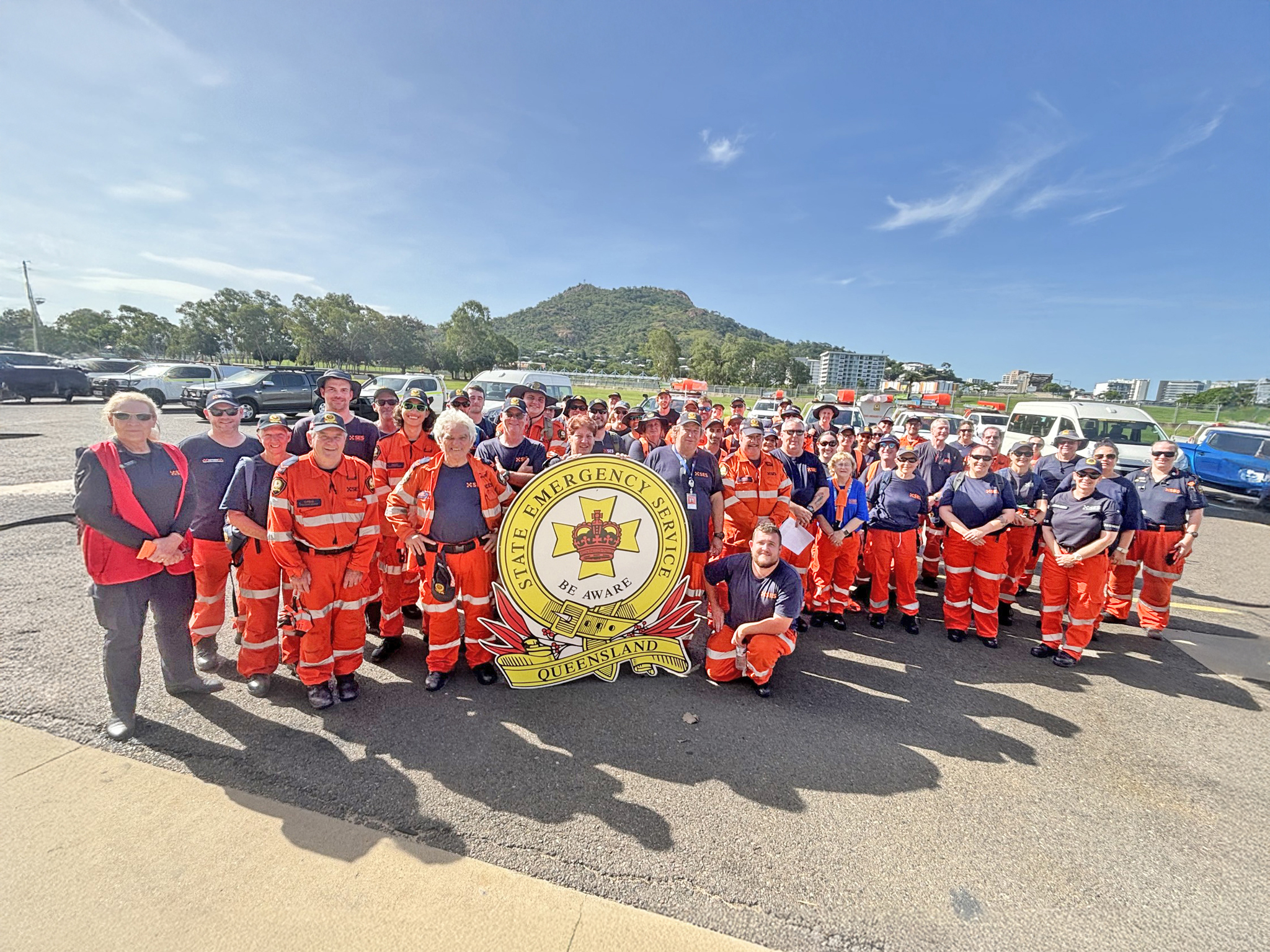
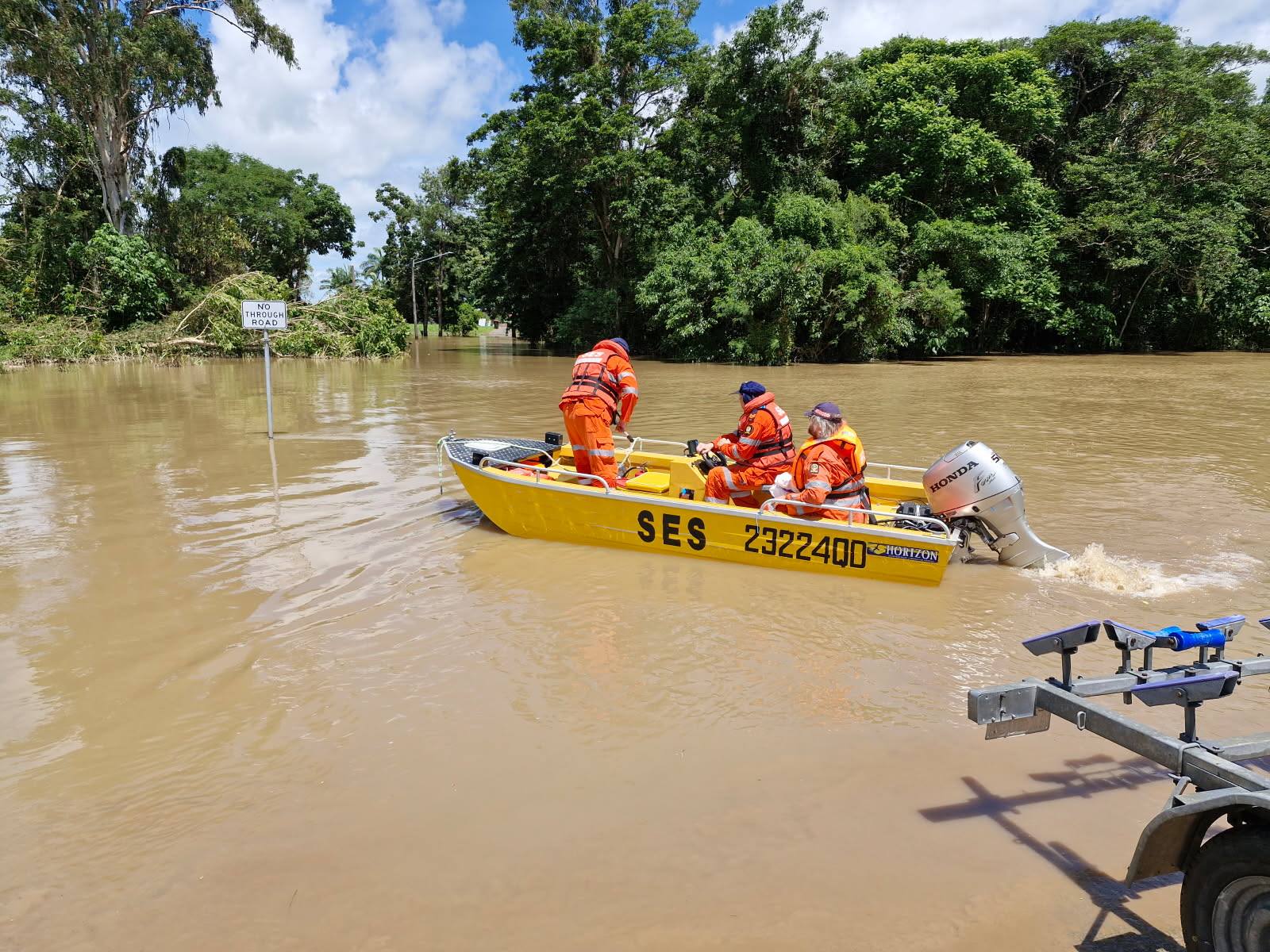
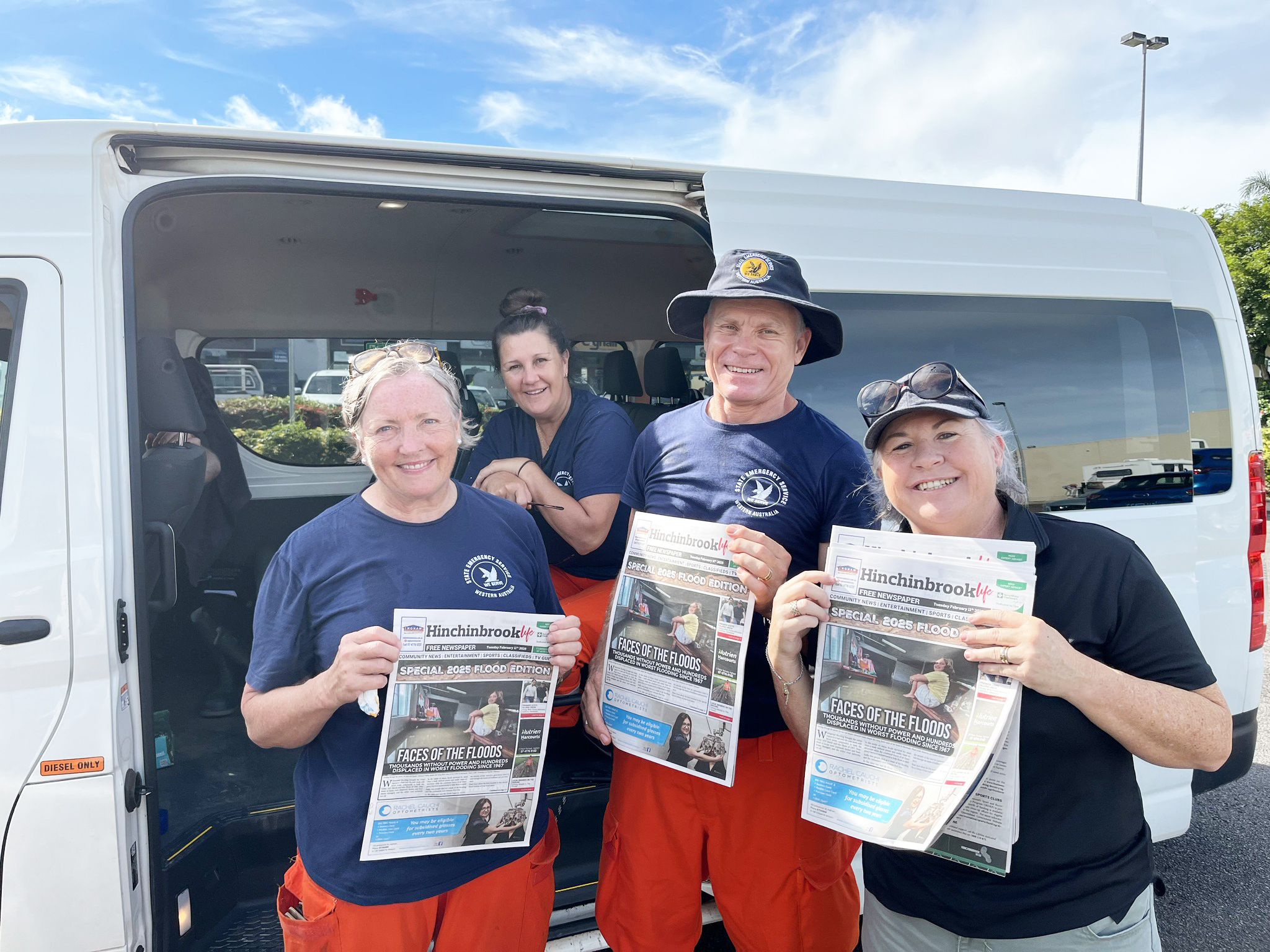
State Emergency Service (SES) were vital in flood recovery and local emergency operations with teams leading several rescue and evacuation efforts across the Hinchinbrook Shire in collaboration with Queensland Fire and Emergency Services.
Residents rose to the challenge to support one another during a period of immense unpredictability including local business owner, Tony Lafano who selflessly packed equipment like generators and gas bottles in his tinny to deliver to those in need.
“It’s all [the flooding] has caught a few people by surprise,” he said.
Kimberley Veltmeyer’s family were isolated to their Macknade property during the event, however, she recounted that through the unwavering support and resilience of the tight-knit community, they were able to endure despite the disaster.
“With no power, intermittent internet and phones that only work every two days, and clean water that's only just come back on, this disaster, this hasn’t broken us. It's only made stronger,” said Kimberley.
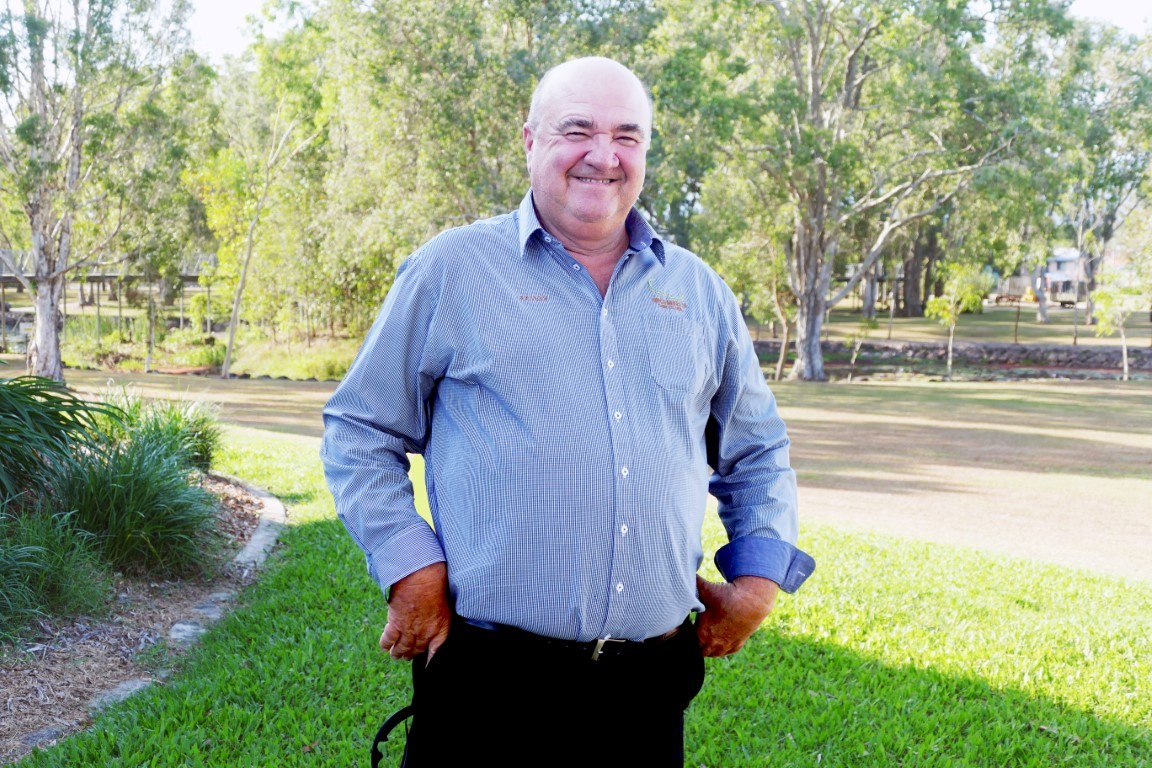
Whether you’re visiting, settling in, or already proud to call Hinchinbrook home, there’s something special about the way our community welcomes people in. With the release of our new Welcome to Hinchinbrook guide today and with many visitors arriving in the region, now is the perfect time to reflect on what makes our shire such a great place to live and visit.
People come to Hinchinbrook for many reasons. Some return to their roots, while others discover our laid‑back lifestyle for the first time. For locals, it’s a reminder of what we sometimes take for granted — a place where kids grow up surrounded by nature, neighbours look out for one another, and saying hello to a stranger is still the norm.
Next week, we’ll be welcoming a large number of visitors for the Tones and I concert on 20 February.
Hinchinbrook Shire Council is pleased to provide a public space for this event, which is being managed by the artist and her team. It’s an exciting opportunity to showcase our region and a chance for our community to extend the friendly hospitality we’re known for.
We encourage residents to take pride in being great hosts — whether that’s offering directions, supporting local businesses, being patient on our roads, or simply sharing a smile. For many visitors, this will be their first experience of Hinchinbrook, and the way they’re welcomed can leave a lasting impression.
Council continues to provide a wide range of services that support both residents and visitors, including waste and recycling, parks and open spaces, infrastructure, planning and community programs. Our role is to help ensure Hinchinbrook remains safe, accessible and enjoyable for everyone.
We’re fortunate to live in a region rich in natural beauty and iconic landmarks. From the Victoria Sugar Mill and the 5.8‑kilometre Lucinda Sugar Wharf to Wallaman Falls, the TYTO Wetlands and the world‑class fishing of the Hinchinbrook Channel, there’s plenty to share with those discovering our backyard for the first time.
Hinchinbrook is also a community that stands together, particularly during challenging times. Being prepared for natural events is part of living in North Queensland, and looking out for one another is part of who we are.
Whether people are visiting for a concert, a holiday, or considering making Hinchinbrook their home, let’s make them feel welcome. Together, we can show why our community is such a special place.
Welcome to Hinchinbrook — and thank you for helping us share it.

We’re excited to share a few updates from the team at Tumbleweed Therapies.
Firstly, we’ve expanded our assessment and diagnostic services with the addition of a new telehealth assessment platform — supporting more accessible and timely appointments across North Queensland. Kayla, our provisional psychologist, is now available to deliver comprehensive ADHD assessments via secure telehealth platforms, helping clients explore how symptoms are impacting daily life.
Our assessments don’t just focus on diagnosis. They provide a detailed profile of cognitive strengths and challenges, with tailored recommendations, strategies, and supports to suit your lifestyle and needs. We also work closely with GPs and psychiatrists to support collaborative care and continuity.
Secondly, our purpose-built therapy rooms in Ingham are now fully operational — with spaces available for use by other allied health professionals. Rooms are soundproof, air-conditioned, comfortable, and multi-format, with independent access, kitchenette and bathroom facilities, internet, and one unfurnished space also available.
If you're a practitioner looking for a space to see clients, or you're interested in making a referral, we’d love to hear from you.
We’re also currently recruiting for a part-time/casual client-facing role — working alongside our team to help deliver therapy goals, communicate with families, and support positive treatment outcomes.
For referrals or assessment enquiries, contact: intake@tumbleweedtherapies.com
For room hire or job enquiries, email: admin@tumbleweedtherapies.com
Visit: www.tumbleweedtherapies.com.au
Phone: 07 4463 8679
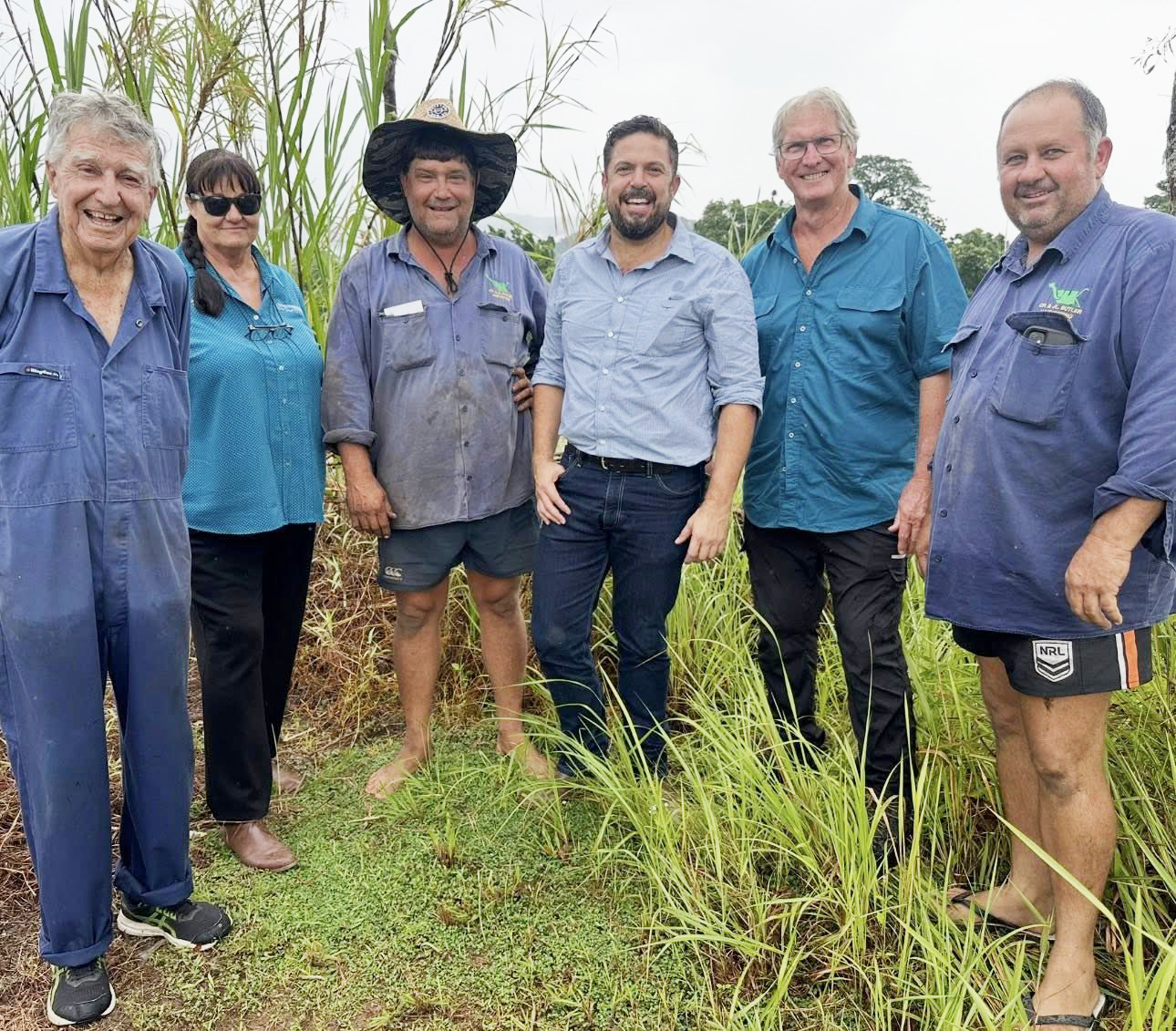
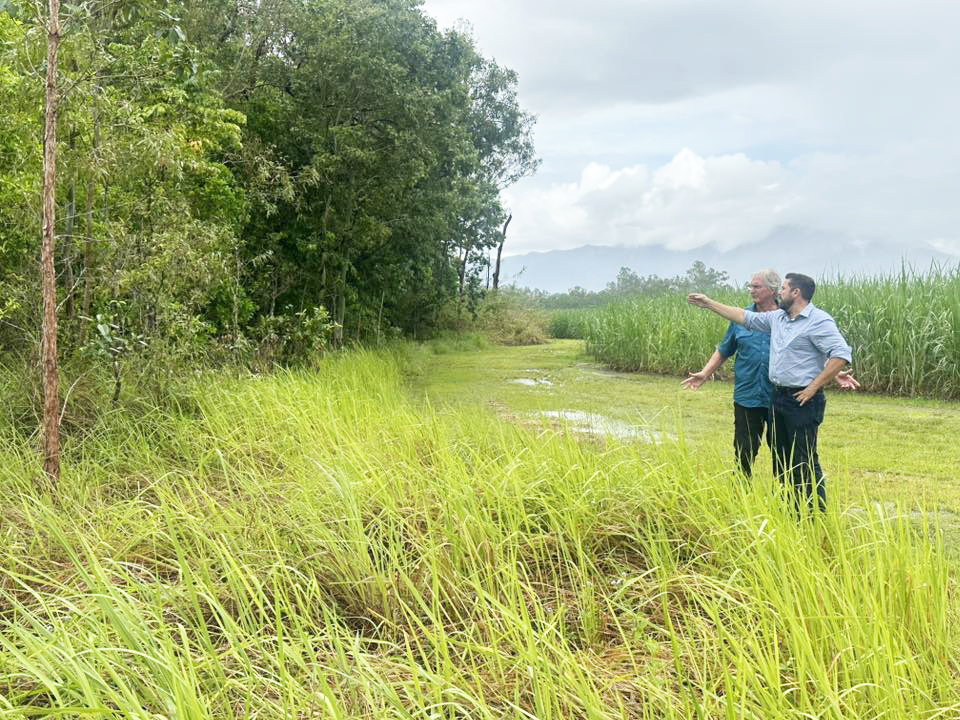
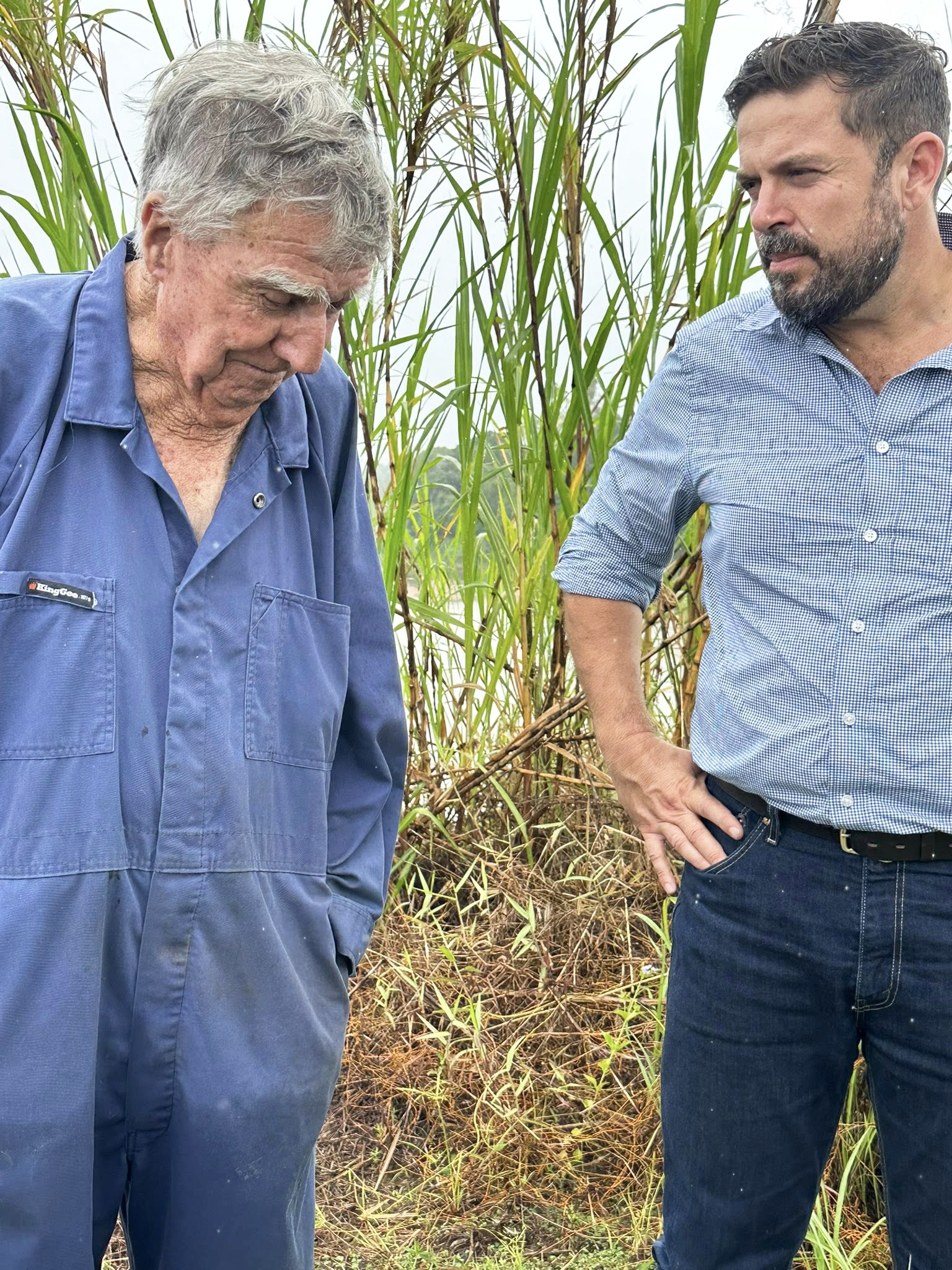
State Member for Hinchinbrook Wayde Chiesa has met with key regional water and agricultural organisations to better understand ongoing flooding and drainage challenges affecting the Hinchinbrook community.
Over the past week, Mr Chiesa met with representatives from the Lower Herbert Water Board, Herbert River Improvement Trust, Hinchinbrook Drainage Advisory Group and Canegrowers Herbert River. The meetings focused on concerns that flooding events are becoming more frequent and severe, with water levels rising more quickly and remaining high for longer periods following heavy rainfall.
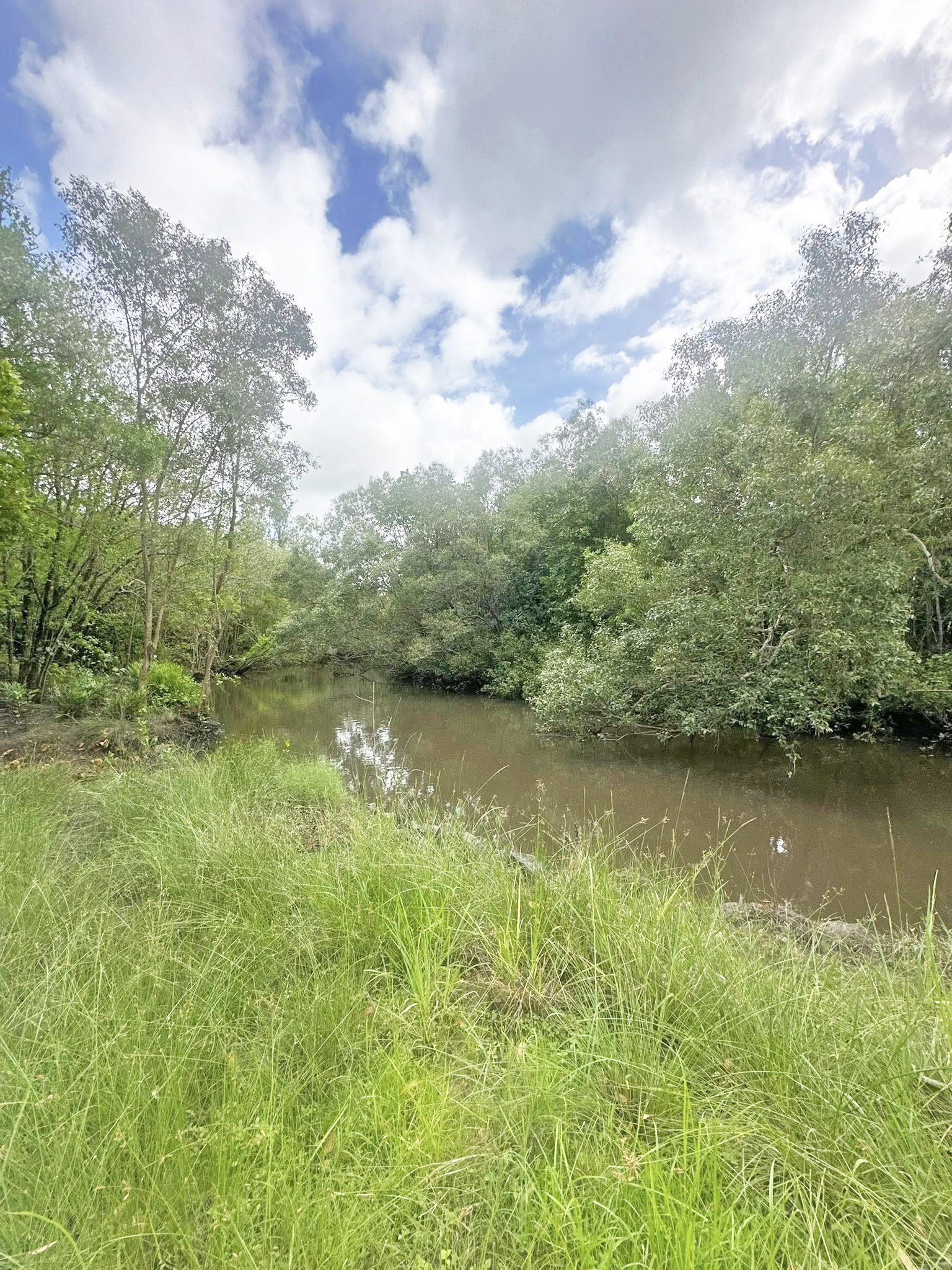
Stakeholders outlined long standing issues with the condition of drains and waterways across the region. It was noted that many drainage systems are no longer maintained or cleaned to the standard they once were, with regulatory changes introduced decades ago identified as a contributing factor. These drains play a critical role in managing water movement through the Hinchinbrook region.
Mr Chiesa said the meetings were about listening to local knowledge and gaining a clearer understanding of the challenges being experienced on the ground. He acknowledged that ineffective drainage can have wide ranging impacts, including damage to farms, homes and roads, as well as delays to recovery after flood events.
Flooding and drainage management is a significant issue for Hinchinbrook, a region that depends heavily on agriculture and is regularly exposed to intense wet season rainfall. Improving the function of drainage and river systems is seen as essential to protecting livelihoods, infrastructure and community safety.
Mr Chiesa said addressing these issues would require long term planning and sustained effort rather than quick fixes, and that ongoing consultation with local groups and residents would be vital.
Community members affected by flooding or drainage issues are encouraged to contact Mr Chiesa’s office at Hinchinbrook@parliament.qld.gov.au to share their experiences.
Photo source: Facebook
.JPG)
Hi Readers,
Let’s get ready to rock n roll. Big names, big excitement!
There’s a real buzz building across Hinchinbrook — and for good reason. It’s not every day that towns like ours get to welcome two major Australian music icons, right here on our doorstep.
Diesel and Tones and I performing live in Hinchinbrook is something worth celebrating. These are artists who have filled arenas, topped charts, and represented Australian music on the world stage — and now they’re coming to us.
What makes this so special isn’t just the calibre of the entertainers, but what it means for our community. Events like this put Hinchinbrook firmly on the map. They bring people together, boost local businesses, and remind us that you don’t need to live in a capital city to experience world‑class entertainment.
Diesel’s powerhouse vocals and decades‑long career have earned him a place as one of Australia’s most respected performers, while Tones and I’s rise from busking to international stardom is nothing short of extraordinary. To have both artists performing right here in town is a huge win for locals of all ages.
There’s a definite excitement in the air — from families planning a night out to long‑time music lovers who never imagined they’d see these names on a Hinchinbrook event poster. It’s moments like this that create lasting memories and strengthen our sense of community pride.
Hinchinbrook has always known how to show up and show support, and there’s no doubt we’ll do just that. These performances aren’t just concerts — they’re a celebration of how far our shire has come and what we’re capable of hosting.
Diesel — Saturday night, 21 February – Shire Hall via hinchinbrooktickets.com.au
Tones and I — 20 February – Ingham Showgrounds
So, get ready, Hinchinbrook. The lights are coming on, the music is about to start, and our town is ready to shine.
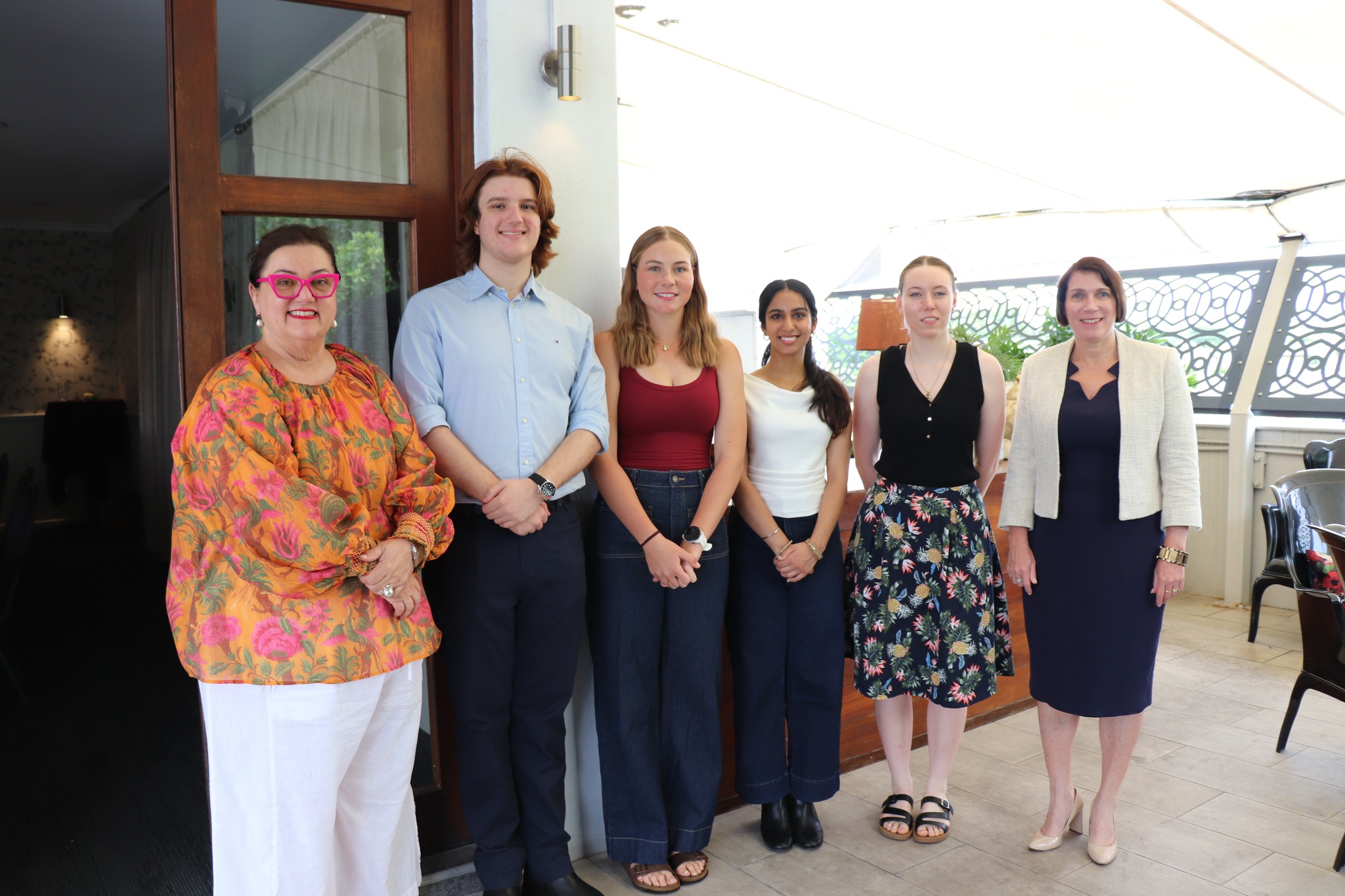
Five students have been honoured as finalists in the 2025 Premier’s QCE Student Award.
A special congratulations to Ingham students Grace Thomson and Couper Giuliano from Gilroy Santa Maria College who each received a Subject Achievement Commendation, placing them among the highest achieving students in Queensland across multiple general subjects.
The Premier’s Queensland Certificate of Education Student Award recognises Queensland’s top-students across the state. The awards accommodate the different and varied study patterns of senior students. They account for students diverse learning options and acknowledge that senior schooling is not a one-size-fits-all. Prize winners have gone on to find great success in their careers and lives becoming journalists, doctors, activists, lawyers and academics.
The Subject Achievement Commendation is awarded to students who achieve the highest result in at least one general or extension subject.
A further congratulations to Sari Lawback, Mia Parsons and Searith Bajwa from Ryan Catholic College in Townsville who were also awarded a Subject Achievement Commendation.
A special congratulations was sent all recipients from state premier and Ingham local David Crisafulli.
It is fantastic to see the great talent on display in the Hinchinbrook region. It is incredibly important to nurture and support academic achievement as the hard work does not go unnoticed.
2025 was a fantastic year of Hinchinbrook students. They have made the region incredibly proud!!
Photo source: Facebook


Tully Office Supplies proudly stands as the largest Office National dealer in Northern Queensland, offering an exceptional range of products designed to support classrooms, offices, warehouses and workplaces of all sizes. With a strong reputation for reliability and industry experience, the team at Tully Office Supplies helps organisations stay organised, efficient and fully equipped for everyday operations.
With an extensive selection of everyday stationery alongside hard-to-find specialty items, Tully Office Supplies delivers a true one-stop solution. Their comprehensive product range allows customers to source everything they need quickly and conveniently, eliminating the hassle of managing multiple suppliers.
The business extends well beyond standard stationery. Tully Office Supplies supports schools, healthcare facilities, caravan parks and accommodation providers with essential consumables, including bulk toilet paper, hand towels and cleaning chemicals. They also supply a wide range of office furniture and workplace equipment, delivering high-quality solutions to businesses across the Hinchinbrook region.
Their product offering further includes BioPak eco-friendly food packaging, such as compostable coffee cups and plates, as well as an extensive range of computer accessories, cables and adaptors designed to meet modern technology demands.
Convenience is central to their service model. Through an easy-to-use online ordering system, customers can place orders efficiently from any location. Combined with competitive pricing, reliable delivery and exceptional customer service, Tully Office Supplies has earned a strong reputation as a trusted, value-driven supplier.
For organisations seeking a dependable, versatile and locally focused partner, Tully Office Supplies continues to be the smart choice for keeping operations running smoothly.
Tully Office Supplies helps keep Northern Queensland’s classrooms, offices and workplaces fully equipped and running smoothly. Photo source: Tully Office Supplies

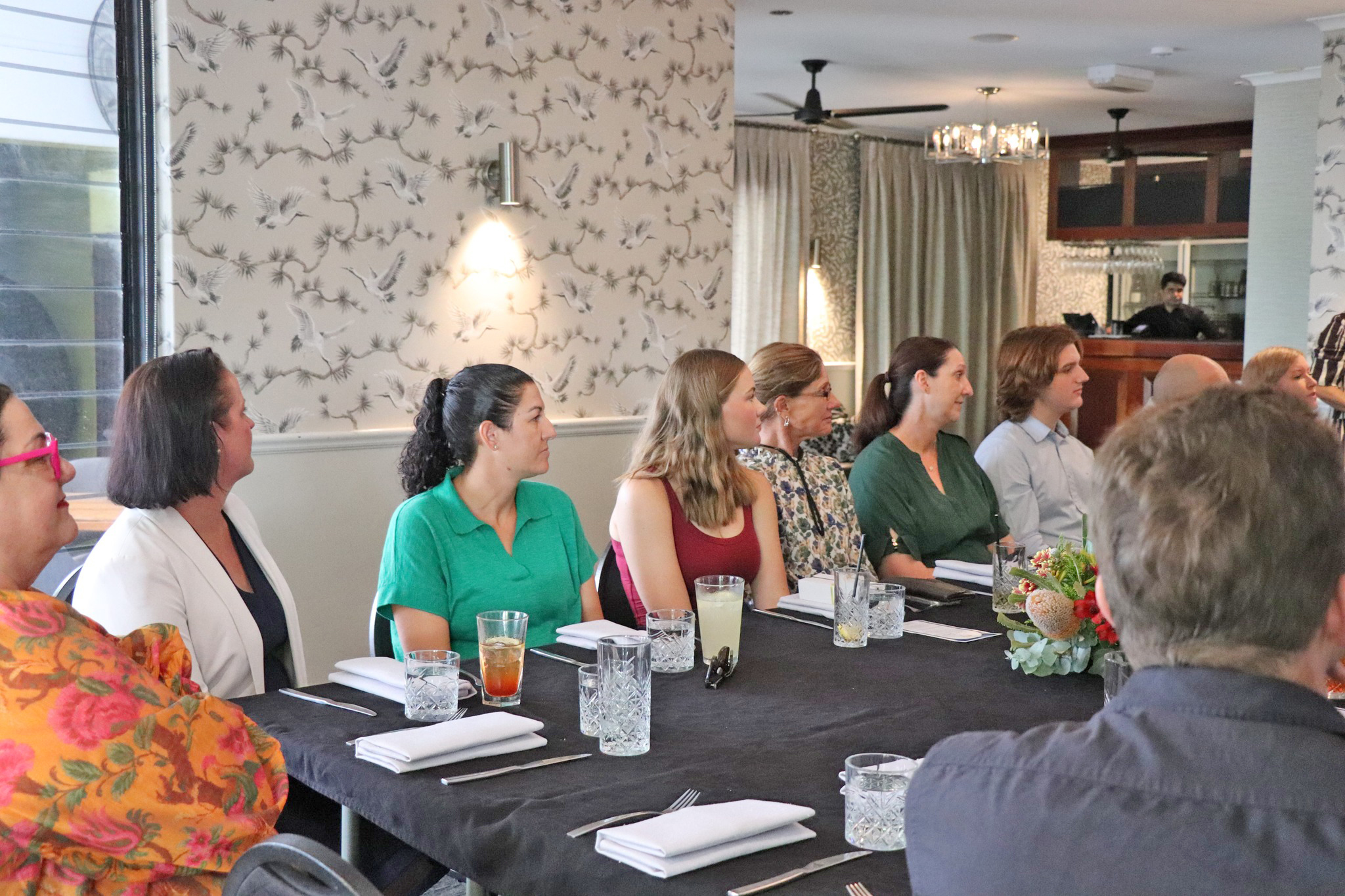
A free community information session on prostate cancer will be held on Tuesday, 24 February 2026, at the Collinsville Golf Club, offering residents an opportunity to learn more about a disease that affects thousands of Australian men each year.
The event will feature Jill Costello from ManUp!, a well-known advocate for men’s health, who will share practical insights into prostate cancer and its impact on individuals, families, and the wider community. The session will focus on the importance of early detection, regular testing, and understanding the facts surrounding prostate cancer, which is often diagnosed at later stages.
Food will be available from 5:30pm, with the presentation commencing shortly afterwards. A free dinner will be provided, creating a relaxed setting for attendees to connect, ask questions, and engage in open discussion.
Organisers say the event aims to raise awareness and encourage conversations around men’s health, particularly for those who may be reluctant to seek medical advice or discuss symptoms. Prostate cancer remains one of the most commonly diagnosed cancers in men, and early diagnosis significantly improves treatment outcomes.
The session is open to everyone, with community members encouraged to attend and bring a partner, family member, or friend. By increasing awareness and promoting regular health checks, events such as this play an important role in supporting early intervention and reducing the long-term impact of the disease.
Attendance is free, and all members of the community are welcome.
What: ManUp! For Prostate Cancer
When: Tuesday 24 February
Where: Collinsville Golf Club

Applications have opened for the Crisafulli Government’s new $79.1 million Transforming Queensland Manufacturing Grant Program, with regional manufacturers, including those in Hinchinbrook, set to benefit from a significant share of the funding.
The program will be delivered over three years to support small to medium-sized manufacturing businesses to modernise operations, adopt new technologies and expand into global markets. In the first funding round, $12.5 million is available, with individual grants of up to $1.5 million offered on a matched-funding basis. Notably, 50 per cent of the total funding has been earmarked exclusively for regional Queensland businesses.
Member for Hinchinbrook Wayde Chiesa said the program could be transformative for manufacturers across the region, where a wide range of industries already play a critical role in local economies.
“From fabricators to food supply, defence, agriculture and transport, some of Queensland’s most successful manufacturers are based in regional Queensland,” Mr Chiesa said.
He said access to matched funding could provide local businesses with the capacity to expand their workforce or invest in upgraded machinery and equipment.
“The new TQMGP could be the difference in a local manufacturer being able to put on new staff or make an upgrade to some of their machinery,” Mr Chiesa said.
“Employing an additional five to 10 people, especially in smaller areas, can make a significant difference to the community.”
Manufacturing contributes $29 billion annually to Queensland’s economy and supports more than 171,000 jobs statewide, including more than 76,000 in regional areas. The government says the grant program is designed to strengthen supply chains, improve productivity and ensure the long-term sustainability of the sector.
Mr Chiesa encouraged eligible Hinchinbrook businesses to consider applying.
“I encourage all eligible businesses to apply and take advantage of this opportunity to transform their operations and future-proof their success,” he said.
The program forms part of the government’s Transforming Queensland Manufacturing Strategy 2025–2030, which aims to drive innovation and economic growth across both metropolitan and regional Queensland.
Photo source: Facebook

Queensland Youth Week 2026 has been officially locked in, with celebrations set to run from Saturday, 11 April to Sunday, 19 April, and funding now available to support youth-led events across the state.
The Government has announced applications are open for $275,000 in grants, offering individual grants of up to $10,000 for young people aged 12 to 25 to host community events and initiatives.
Queensland Youth Week is a statewide celebration recognising the achievements and contributions young Queenslanders make to their communities.
The grants program is being delivered in partnership with the Queensland Mental Health Commission and aims to empower young people to organise meaningful events and share their stories.
Also returning in 2026 is the Queensland Youth Week Digital Art Competition, which opens on 30 January, with winners sharing a $1,750 cash prize pool. The winning artwork will be used to promote Youth Week 2027.
Minister for Youth Sam O’Connor said young people played a vital role in shaping Queensland’s future.
“Nearly one in five Queenslanders is aged 12 to 25 and these young people are playing a part in shaping the future of our State,” Minister O’Connor said.
“Youth Week is our opportunity to celebrate and support our next generation of leaders and change makers.”
For more information, visit www.qld.gov.au/youth/get-involved/youthweek.

Hinchinbrook Shire Council is set to benefit from a new Queensland Government initiative aimed at cracking down on illegal dumping and protecting local environments, waterways and public spaces.
The Government has announced the launch of the $17.7 million Fighting Illegal Dumping Partnership Program (FIDPP), which will provide councils across the state, including regional areas like Hinchinbrook, with additional resources to prevent, investigate and enforce illegal dumping offences.
The program is designed to strengthen council-led responses to illegal waste dumping, an issue impacting bushland, roadside areas and waterways across the Hinchinbrook Shire.
Funding will support councils to employ dedicated illegal dumping compliance officers and invest in surveillance equipment, compliance signage, vehicles and other enforcement tools to deter offenders and protect community spaces.
Minister for the Environment and Tourism Andrew Powell explained the program will strengthen existing systems in place and give Council the tools needed to identify offenders, deter illegal dumping, and safeguard the local places Queenslanders care about.
“Queensland is blessed with some of the most extraordinary natural landscapes anywhere in the world, and we all have a responsibility to protect it from the harm caused by litter and illegal dumping,” Minister Powell said.
“Whether you live on the coast, in the regions, or out west, every Queenslander deserves clean parks and healthy waterways. This program is a major step toward delivering exactly that.”
Applications close at 4pm on 25 February 2026, with further information available through the Queensland Government’s Environment, Land and Water grants and funding portal.
Illegal dumping is an issue of high concern across the Hinchinbrook Shire. Photo credit: Dave Dudley
.jpg)
Queensland’s sugar industry has launched a new on-farm greenhouse gas emissions calculator to help growers meet growing market, financial and regulatory demands for verified sustainability data.
Released by CANEGROWERS through the Smartcane BMP platform, the tool allows farmers to measure total emissions and emissions intensity per tonne of sugar using internationally recognised standards. The calculator captures Scope 1, Scope 2 and Scope 3 emissions, with all data securely stored under the grower’s control.
CANEGROWERS CEO Dan Galligan said the initiative responds to shifting market expectations.
“Emissions data is now part of the conversation with buyers, mills, refiners, marketers and finance institutions,” he said.
“This gives growers a practical way to generate credible information and remain competitive.”
The tool is voluntary and available to all growers, whether or not they are Smartcane BMP-accredited, forming part of Module 4 of the program, which links on-farm practices to downstream sustainability and reporting requirements.
“This is about providing useful information, not imposing new requirements, and ensuring farm data stays on the farm where it can be used for decision making,” Mr Galligan said.
He noted the calculator builds on decades of efficiency improvements by growers, making productivity gains and input reductions visible to markets when growers choose to share them.
Smartcane BMP, funded by the Queensland Government and industry investment—including proceeds from the first shipment of Smartcane BMP-accredited sugar to UK refiner Tate & Lyle—aims to strengthen Queensland sugar’s position in sustainable global markets.
“That shipment showed there is genuine market demand for sustainably produced Queensland sugar,” Mr Galligan said.
“This tool strengthens the industry’s ability to meet that demand.”
The emissions calculator is now available to all Queensland sugarcane growers via the Smartcane BMP platform.
Queensland’s sugar industry has rolled out a new on-farm greenhousegas emissions calculator. Photo source: CANEGROWERS

Residents across the shire are being urged to keep an eye out for parthenium, a highly invasive weed that poses serious risks to pastures, livestock and human health.
Parthenium is a Category 3 restricted invasive plant under the Biosecurity Act 2014. It spreads quickly, particularly in weak or overgrazed pastures with little ground cover, and commonly appears along roadsides, around yards, watering points and other disturbed or bare areas.
The plant is especially aggressive during warmer months, with the ability to flower and set seed within just four weeks of germination, particularly when stressed. Once established, parthenium reduces pasture productivity and makes it harder for improved grasses to grow.
Parthenium is also a significant health concern. Contact with the plant or its pollen can cause allergic reactions including dermatitis, hay fever and respiratory issues in both adults and children.
What does parthenium look like?
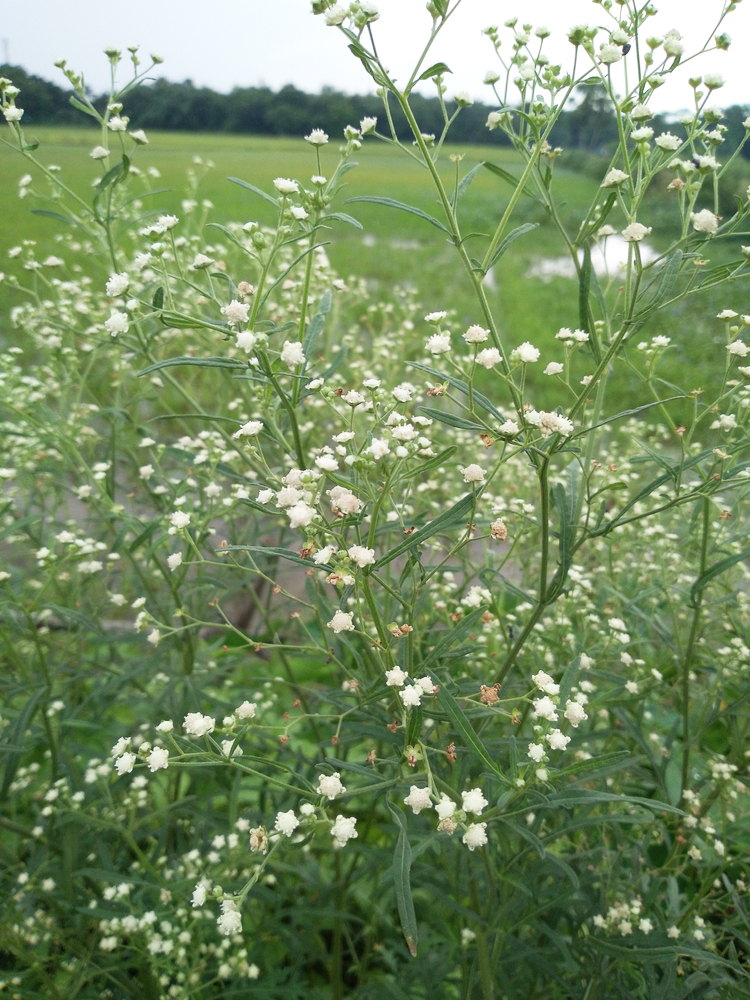
Parthenium is an annual herb with a deep tap root and an upright stem that becomes woody as it matures. It can grow up to two metres high, with pale green, deeply lobed leaves covered in fine hairs. Small creamy-white flowers form at the tips of branches and produce tiny black seeds that spread easily.
How it spreads
Seeds are commonly spread by vehicles, machinery, stock, animals, water, hay and feed, with drought conditions increasing the risk as fodder and stock are moved more frequently.
Your legal responsibility
Under Queensland’s biosecurity laws, everyone has a general biosecurity obligation to take reasonable steps to minimise the spread of invasive plants like parthenium. It must not be sold, given away or released into the environment.
What you can do
Maintaining healthy pastures with good grass cover is one of the most effective ways to prevent parthenium. Wash down vehicles and machinery after working in infested areas, take care when moving stock, and monitor areas where hay or feed has been used.
If you suspect parthenium on your property, do not attempt to remove it by hand due to health risks. Instead, contact Council’s Biosecurity Team for identification, advice and control options.
For more information, residents can also visit biosecurity.qld.gov.au or contact their local council.
Hinchinbrook Shire Council is advising residents to keep an eye out for parthenium. Photo source: Shutterstock
Publishers Indemnity. Any individual or entity that places advertising, supplies copy material, or submits editorial content to Life Publishing agrees and undertakes to ensure that all such material:- Does not infringe upon any copyright, trademark, or other intellectual property rights;- Is free from any content that could be considered defamatory, libelous, or slanderous;- Does not infringe upon any rights related to privacy or breach of confidence;- Contains no obscene, indecent, or otherwise unlawful material;- Complies fully with the Trade Practices Act and all other applicable laws, regulations, or statutes. Furthermore, by submitting or placing such material, these individuals or entities agree to indemnify and hold harmless the publisher, Life Publishing and Events Pty Ltd, and/or its agents from and against any and all investigations, claims, demands, liabilities, damages, costs, or judgments arising out of or in connection with the material provided. All material is believed to be accurate at the time of printing and remains the copyright of Life Publishing and Events Pty Ltd.
© 2026 Life Publishing Group Ltd.
