
Independently Owned, Locally Grown, Community Loved
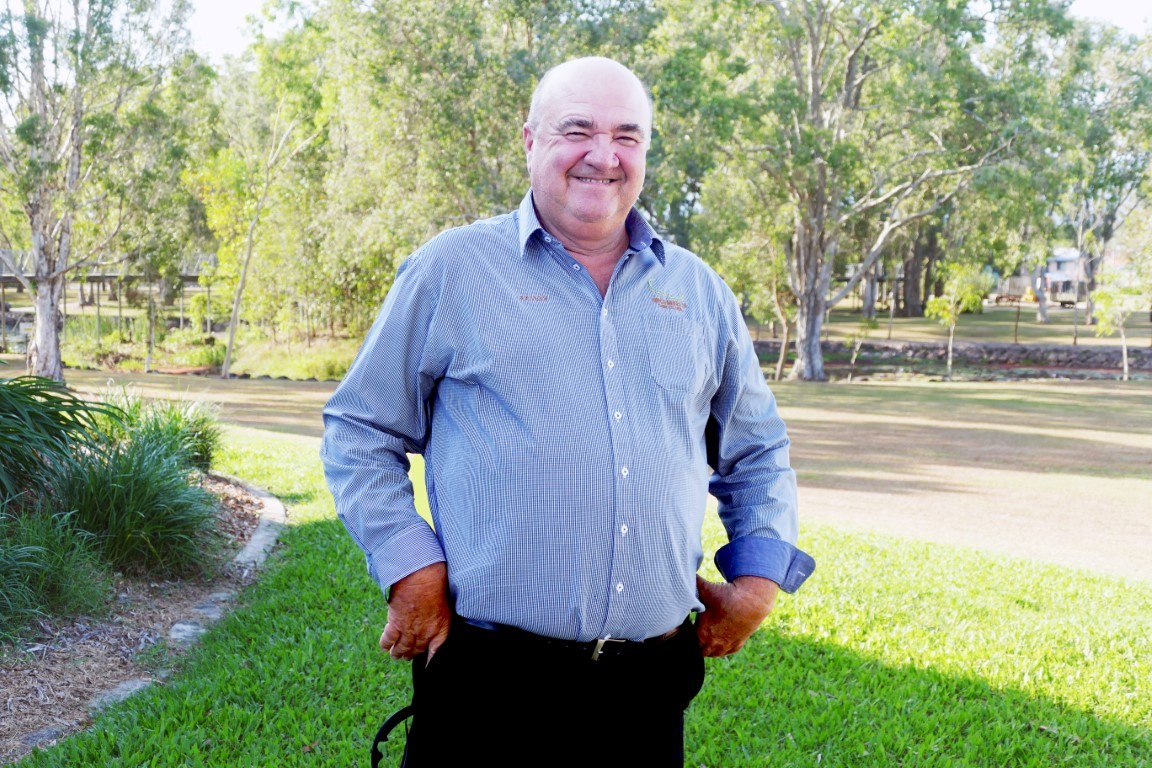
As uncertainty continues around fuel supply in the foreseeable future—due in part to the ongoing conflict in the Middle East—Council is putting contingency plans in place to best manage resources if required, ensuring service delivery to the community is not significantly compromised. While current fuel supply arrangements remain stable, our vulnerability—particularly during the high-risk weather season—means forward planning is essential. Council is determined to be prepared, not reactive. Our immediate priority is ensuring fuel is available where it matters most. Essential services such as water and sewerage operations, waste collection, regulatory services, and disaster response must be protected. To achieve this, some non-essential activities may need to be adjusted if supply tightens. These decisions will not be taken lightly, and Council will always communicate any changes clearly and early. However, as we are increasingly recognising, fuel resources and supply present growing challenges for regional Australia. Addressing this means we must, as a nation, start thinking differently about how we secure our fuel future. This is where bioenergy—particularly from sugarcane—presents a significant opportunity. We have been advocating for bioenergy for years. We already know it works, and ethanol derived from sugarcane has the potential to be a low‑carbon, renewable game changer for Australia’s fuel security. Many other nations are already embracing this approach, so why can’t we? Sugarcane is a powerful and versatile crop. Beyond sugar production, it already contributes to renewable electricity generation through bagasse. You would therefore understand my delight at hearing yesterday’s recommendations from the State Government’s Primary Industries and Resources Committee, following its inquiry into Sugarcane Bioenergy Opportunities in Queensland. The purpose of the inquiry was to examine the current state of the sugarcane industry in Queensland, including the barriers and opportunities facing the sector, and to consider mechanisms to support its future growth and diversification. The committee made 12 recommendations to the Queensland Government aimed at supporting the development of a resilient and profitable sugarcane bioenergy industry. The committee concluded that, with appropriate policy settings and coordinated investment, Queensland’s sugarcane industry is well positioned to play a significant role in the state’s emerging bioeconomy, strengthening regional economies and contributing to Australia’s long-term energy and fuel security. However, the job is not yet complete. We must continue advocating to ensure the State Government not only accepts these recommendations but implements them. Both State and Federal Governments must mandate the use of biofuels and establish the right regulatory and policy settings to create a viable market and provide certainty for investment. This is not about politics. This is about reality. And it is about securing a sustainable future for our region.
Read the full story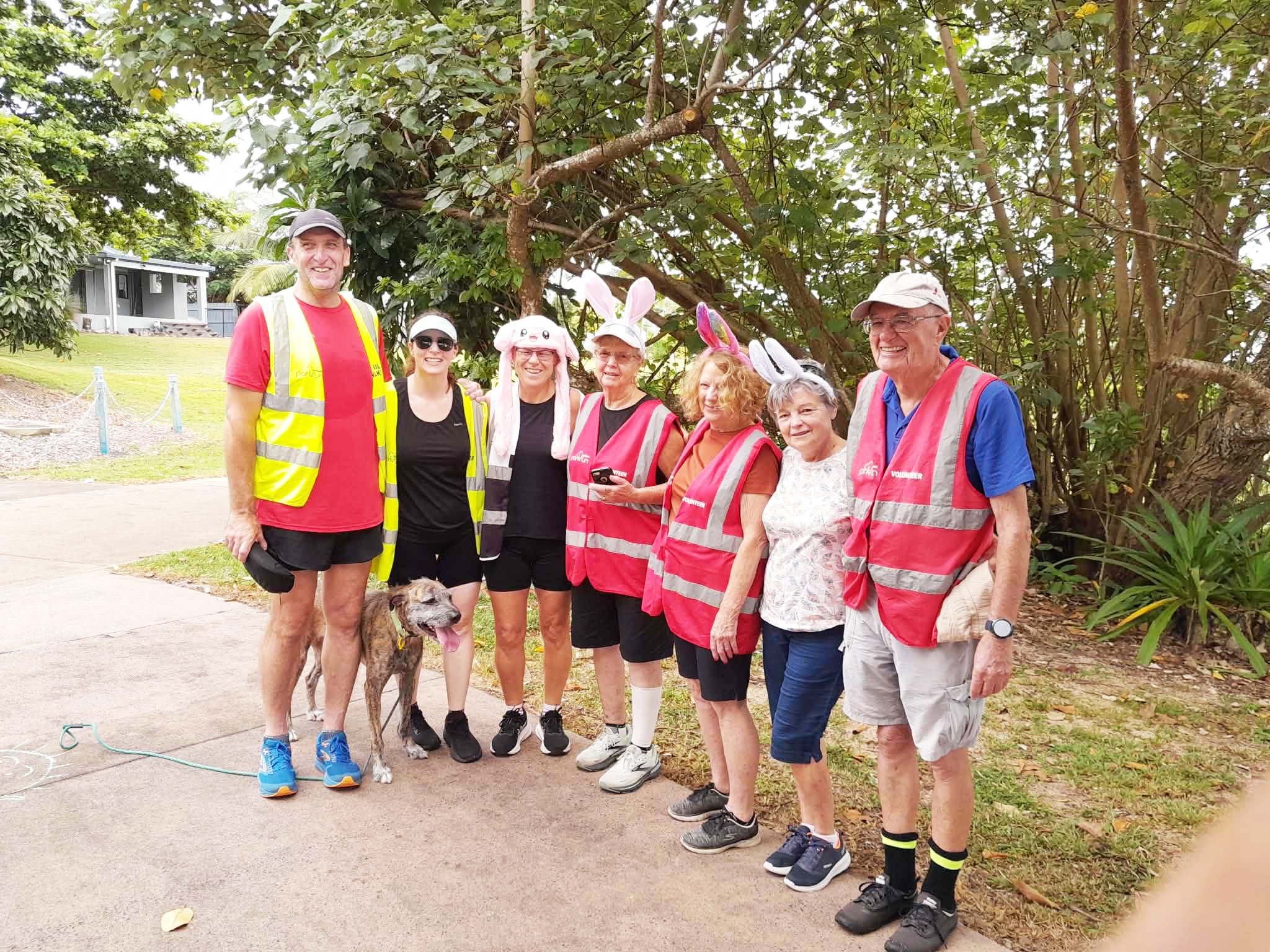
Happy Easter From Parkrun By Victoria Velton Easter weekend brought a noticeable boost to numbers across both courses, with plenty of visitors joining locals for a spirited morning of exercise. At Cardwell, volunteers got into the festive spirit, sporting rabbit ears as runners and walkers took to the course, adding a bit of fun to the morning. Meanwhile, Palm Creek welcomed two large visiting groups from Townsville and Brisbane, helping swell the field and creating a lively atmosphere out on the track. It’s always fun to run and race against new people, having so many on the track meant there was a new face around every bend. Parkrun Results: 4th April 2026 Palm Creek #119 – 57 participants Fastest time: Jeff Rubach (17:54) Final finisher: Kelly Krumin (58:26) PBs: 14 achieved First-timers: 14 welcomed Volunteers: Steven Veltmeyer, Amanda Towner, Samantha Neitz, Matteo Mancuso, Kelly Krumin, Bridgette Duffy Cardwell #381 – 33 participants Fastest time: Joshua Chugg (18:35) Final finisher: Matthew Gardiner (53:24) PBs: 4 achieved First-timers: 10 welcomed Volunteers: Kerry Snell, Glenda Stahel, Jan Ferguson, Terry Curtin, Matthew Gardiner, Rachelle Warlond Photos sourced from Palm Creek & Cardwell Parkrun Facebook pages.
Read the full story.jpg)
New research led by James Cook University is shining a light on what experts describe as the “Achilles’ heel” of marine protected areas (MPAs)—human behaviour. While MPAs play a vital role in protecting ocean ecosystems, including coral reefs and seagrass habitats, the study found their success depends heavily on how well people comply with the rules designed to protect them. Led by conservation scientist Brock Bergseth, the research brought together global experts to develop a new framework aimed at improving compliance. “Globally, marine protected areas and other conservation programs are often impeded by the inability to successfully manage human behaviour,” Dr Bergseth said. The study challenges the traditional reliance on enforcement and penalties, instead promoting a balanced “carrot and stick” approach that encourages voluntary compliance. “While some enforcement may be necessary, it’s not a panacea for compliance,” Dr Bergseth said. Researchers emphasised that early and ongoing engagement with communities is key to success, helping people feel a sense of ownership and fairness around regulations. Senior researcher Jon Day said improving compliance systems would be critical for the future of marine conservation. “Over the course of my career, I’ve seen what happens when compliance and enforcement are under-resourced or overlooked – to the detriment of effective MPAs,” he said. “Reframing our global compliance system will better enable long-standing success of marine conservation initiatives, protecting ocean health now and far into the future.” CAPTION: A new JCU-led study has shown that effective conservation relies heavily on compliance. Photo source: JCU
Read the full story
Community consultation for the Cardwell Walking Network Plan has wrapped up, with local feedback playing a key role in shaping the town’s future walking infrastructure. Over a five-week engagement period, residents shared their views through an online Your Say page, an interactive mapping tool and a community workshop, providing valuable insight into how locals use and experience Cardwell’s walking network. Feedback highlighted the foreshore as the town’s most valued walking destination, while also identifying a strong need for improved connectivity, safety and overall comfort across walking routes. In response, the draft plan has been updated to include stronger links to the foreshore shared path, upgrades to key routes such as Gregory Street and the Bruce Highway, and the introduction of new pedestrian crossings and safety features. Additional lighting, seating and amenities have also been incorporated to enhance the walking experience. The project is being delivered by Cassowary Coast Regional Council in partnership with the Queensland Department of Transport and Main Roads. Council will now work with TMR to finalise the plan, which will help guide future investment in walking infrastructure across Cardwell, subject to available funding. Community members who contributed to the consultation process have been thanked for helping shape a more connected and accessible future for the town.
Read the full story
NEW FACES, OLD RISKS: WHY DISASTER PREPAREDNESS MUST BE FRONT OF MIND
Hinchinbrook is growing.
Our region is welcoming new professionals and families drawn by lifestyle, affordability and the beauty of North Queensland.
This is something to celebrate, but with growth comes responsibility. We need to make sure everyone understands the realities of living in a disaster-prone area.
Cyclones, floods, severe storms and storm tides aren’t distant possibilities here, they’re part of life. Long-time locals know this instinctively, but for newcomers, the risk can feel abstract until it’s too late.
Disaster preparedness isn’t just a seasonal reminder; it’s a community responsibility.
When severe weather hits, it can happen fast. Roads can close in hours, power can fail for days and isolation is real.
Nearly 12 months ago, many households were stranded without access to shops or pharmacies. That’s why planning ahead is critical, not optional.
Preparation starts with awareness. The Australian Warning System uses three simple levels: Advice, Watch and Act, and Emergency Warning.
Knowing what these mean can save lives. But awareness alone isn’t enough.
Every household needs a plan — a Household Emergency Plan and Evacuation Plan, an Emergency Kit with essentials like water, food, torch, radio, chargers and important documents, and a Pet Emergency Plan because animals depend on us too.
One reality new residents to our region may not anticipate is isolation.
When floods cut roads or cyclones damage infrastructure, rural properties and small communities can be cut off for days. Every home should have seven to ten days of essential supplies — non-perishable food, water, medications, pet food, fuel and batteries. These aren’t luxuries; they’re lifelines.
While the Local Disaster Coordination Centre can arrange resupply for isolated areas, this is a last resort and only after prolonged isolation.
The process takes time and it’s not free. Your best defence is self-sufficiency.
For real-time updates, the Hinchinbrook Disaster Dashboard is your go-to hub. It provides live information on road closures, flood alerts, power outages and weather warnings.
Residents can even opt in for email notifications tailored to their location. When severe weather hits, minutes matter — and these alerts give you time to act.
Visit disaster.hinchinbrook.qld.gov.au and getready.qld.gov.au for practical guides and checklists.
Our locals are known for their hospitality, and that should extend to disaster preparedness.
If you see this message in Hinchinbrook Life or on social media, share it with those who don’t have access.
Instead of commenting, “not everyone has Facebook,” help deliver the message. Check on your neighbours. Share contact details. Point people to the right resources. Community connections matter when the power goes out or roads are closed.
Disasters don’t wait. Neither should you.
Preparation saves lives, protects families, pets and property.
As our community grows, so does our responsibility to spread the word.
Make it your New Year’s resolution to plan, prepare and stay safe — and help others do the same.
.png)
Coconuts and Cane – Nature’s Energy Drinks
Two plants define Hinchinbrook’s landscape: the whispering sugarcane and the stately coconut palm. Along the coastlines from Lucinda to Forrest Beach, rows of palms frame the sea like postcards from paradise. Their presence is as iconic as the mill stacks inland — both symbols of hard work and harvest. Local cafes and markets often feature fresh coconut water and coconut-based treats, offering a taste of the tropics without leaving home. Crack one open (safely!) and you’ll discover a refreshing; naturally sweet drink packed with energy and electrolytes — the ultimate North Queensland pick-me-up. Cane and coconuts together tell the story of Hinchinbrook: proud agricultural roots, a love of the land, and a rhythm that beats to the sound of ocean waves and rustling fields. It’s authentic, sun-kissed and unmistakably Hinchinbrook.
.png)
Limes, Lemons and Backyard Legends
From Halifax to Forrest Beach, citrus trees bow beneath their glossy leaves. Many were first planted by post-war Italian families, grafted and handed down through generations. The coastal air keeps the rinds thin and juicy, perfect for Hinchinbrook seafood nights or a zingy lime cordial. Stroll through a local market and you’ll smell it before you see it — baskets of home-grown limes, lemons and mandarins glowing like sunlight. In Hinchinbrook, zest isn’t just a flavour — it’s a family heirloom.

Lychee Love – Little Jewels of the Tropics
The lychee capital of Hinchinbrook lies just south of Ingham, around Toobanna, Helen Hill and Coolbie. The fertile volcanic foothills and warm nights give Hinchinbrook lychees their perfume and snap. For a few brief weeks in December, branches sag under bunches of ruby-skinned fruit. Peel one open and you’ll find pearly flesh that smells faintly of rosewater and honey. Locals chill them in esky ice, or freeze them for cocktails when the wet rolls in. Lychee season is short, sweet, and impossible to forget — much like a North Queensland summer fling.
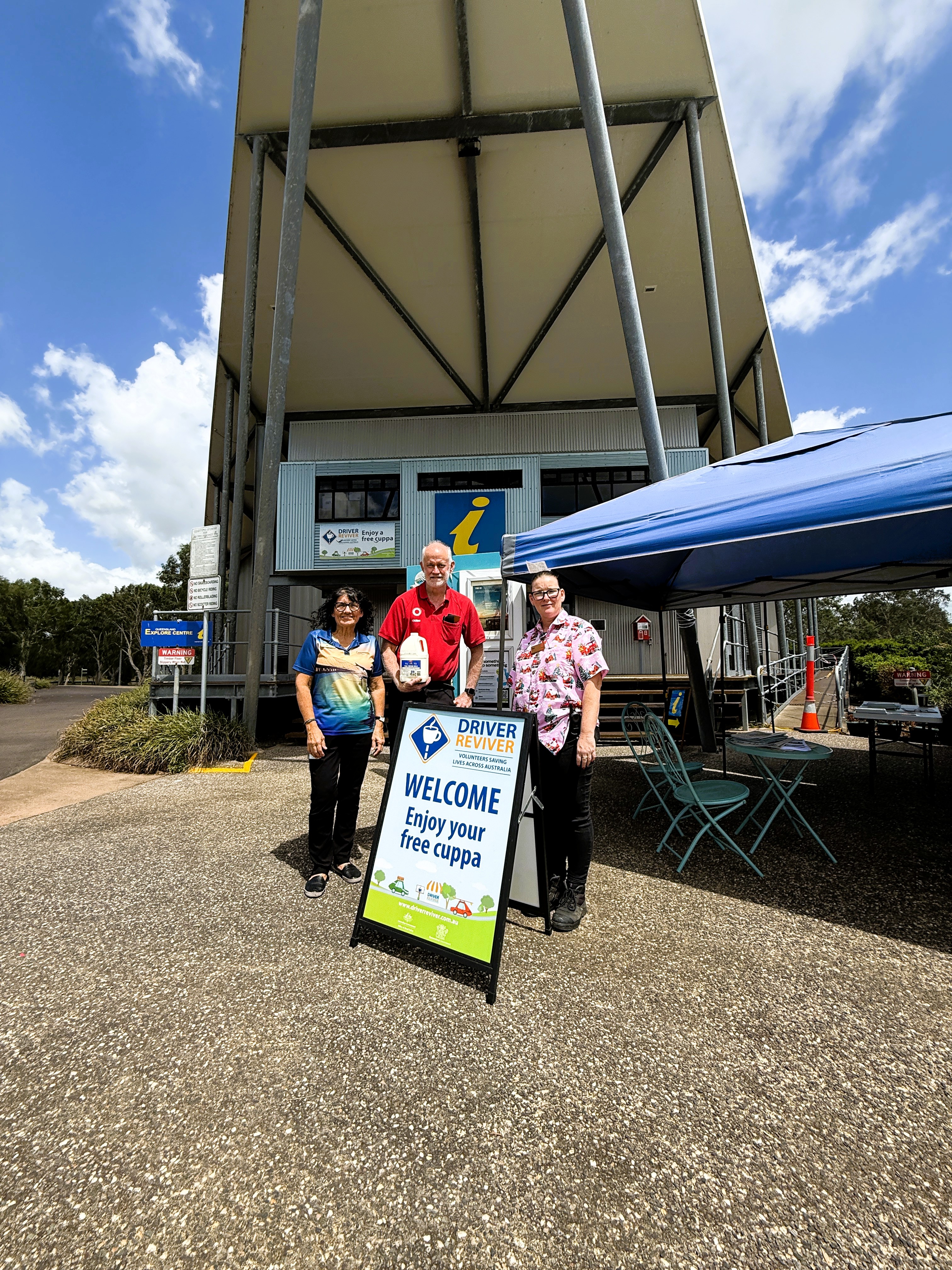
What keeps thousands of road-trippers refreshed at the Hinchinbrook Visitor Information Centre? We know it’s not just the coffee beans, it’s the milk that makes every cuppa complete.
For two years, our Centre has proudly served as a Driver Reviver site, and thanks to Coles’ generous milk donations, we’ve been able to keep the coffee flowing and the tea perfectly brewed. Since 11 December 2023, travellers have stopped in to espresso themselves, grab a free drink, and take a well-earned break before hitting the road.
Because when it comes to fatigue, we say: don’t chai your luck — stop and revive!
Here’s what’s on offer:
A huge thank you to Coles for keeping the milk flowing, and to our amazing volunteers and staff who make every stop special. Plus, big thanks to our national partners — AAMI, SES, FedEx, Arnott’s, Bushells, and Sunshine Sugar — for making this possible.
This is open daily (except Christmas Eve, Christmas Day, Boxing Day & New Year’s Day). Call (07) 4776 4790 for more information.
So next time you’re on the road, take a break, sip back, and discover the Hinchinbrook Way.

Hiya Hinchinbrook Shire,
I would like to address the tragedy that many of us woke up to on the 15th, of the mass shooting that happened at Bondi Beach in Sydney. An antisemitic massacre that directly targeted the Australian Jewish community, who were celebrating the beginning of Hanukkah. Local authorities declared it a terrorist attack, and it is now the second-deadliest mass shooting in Australian history.
Though it happened miles from here, many locals, including myself, are holding the victims in our hearts, the youngest of whom was 10 years old, and mourning alongside those families affected, despite the distance.
Robert Lang from the Cardwell RSL let me know that, "The National Flag flies at Half Mast at the Cardwell Cenotaph today in honour of the innocent victims of the horrendous attack by religious fanatics at Bondi Beach on the 14th of December 2025."
It is truly tragic, Australia is a country built on community and mateship, that 'Australian melting pot'. In times like these, I hope everyone can be there for a friend or family member who may be hurting from this news.
I will sign off with this message written by MP for Hinchinbrook Wayde Chiesa, "My heart breaks for those that have lost their lives and those who are injured, in this senseless attack. My thoughts and prayers are with their families and friends, our brave first responders and the entire community."
Victoria
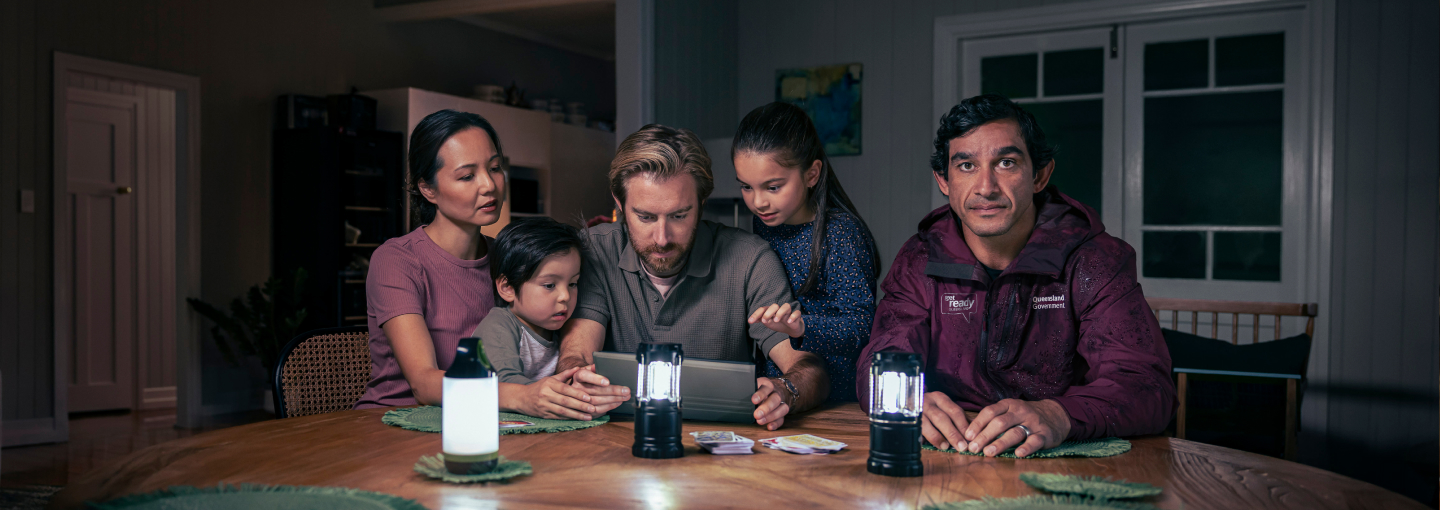
Over the past seven weeks, Hinchinbrook Shire Council hosted 10 Community Shed Meetings across the region, from Halifax to Mount Fox and Forrest Beach to Ingham.
These sessions provided residents with practical information and resources to prepare for disasters, strengthen response capabilities, and build resilience in homes, neighbourhoods, and communities.
Mayor Ramon Jayo said disasters can strike at any time, and resilience starts with knowledge and planning.
“By knowing your risk, making a plan and packing a kit, preparation is critical,” Mayor Jayo said.
“Preparing by coming together, sharing ideas, and learning what steps to take, we make Hinchinbrook stronger and safer for everyone. Thank you for taking the time to be part of these important conversations.”
It was also an opportunity for communities to discuss with the Mayor, Councillors and Council Executive local concerns. From roads, children’s parks, pet responsibility and local projects, everything was up for discussion.
For more information on disaster preparedness visit https://getready.qld.gov.au and bookmark the Hinchinbrook Disaster Dashboard https://disaster.hinchinbrook.qld.gov.au/ for real-time updates.
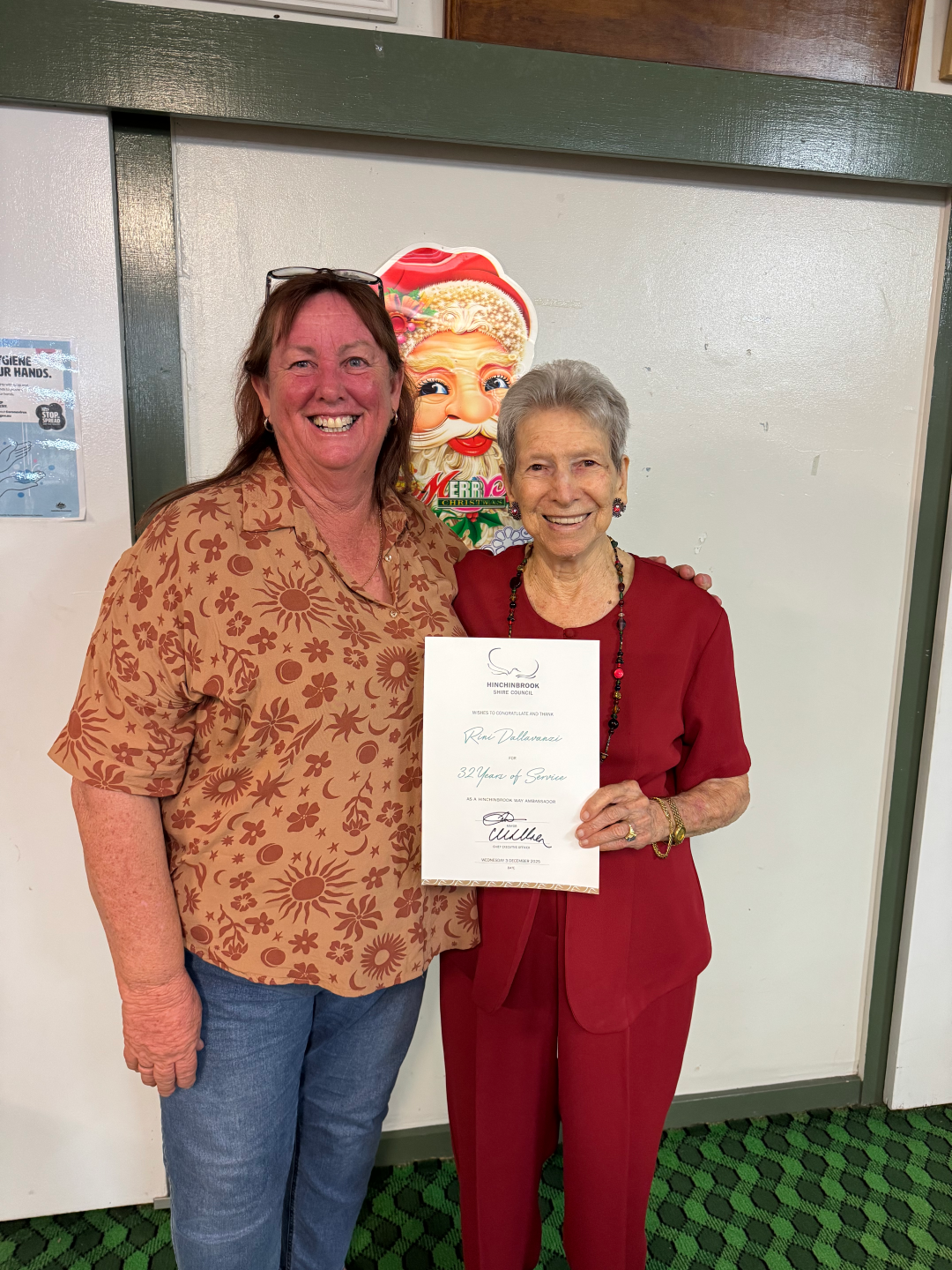
When you think of the Hinchinbrook Way, you picture breathtaking landscapes, rich culture, and unforgettable experiences.
From the thunderous roar of Wallaman Falls to the serene beauty of TYTO Wetlands, Hinchinbrook is a destination that resets your mind, body, and soul.
But behind every magical moment is something even more powerful – our volunteers.
They are the heartbeat of our tourism industry.
They are the smiling faces who greet visitors at the Hinchinbrook Visitor Information Centre, organise and shelve books at the Hinchinbrook Shire Library, welcome guests and guide them through exhibitions at the TYTO Regional Art Gallery, preserve our stories in local history, and bring life to community events.
Together, they make every experience memorable.
This month, we celebrated 42 incredible volunteers who have collectively dedicated nearly 500 years of service to our tourism industry.
Hinchinbrook Shire Council Deputy Mayor Mary Brown said their passion drives the Hinchinbrook Way Ambassador Program.
“This is a program dedicated to showcasing what makes Hinchinbrook special,” Cr Brown, who is the portfolio councillor for Economic Development and Tourism, said.
“Why does this matter? Because the Hinchinbrook Way isn’t just a brand – it’s a lifestyle.
“It’s the warm welcome and local knowledge you receive at the visitor information centre and library, where volunteers assist with programs, resources, and community engagement.
“It’s the guidance and insight you get at the gallery, where volunteers help visitors connect with exhibitions and artists.
“It’s the dedication of our local history volunteers preserving our heritage, and the energy of volunteers at events that bring our community together.
“Our volunteers make this possible. They are the storytellers, the guides, and the guardians of our region’s charm.
“On behalf of Council and our communities, I extend our heartfelt thanks to all our dedicated volunteers.
“A special acknowledgment goes to Rini Dallavanzi for her incredible 32 years of service as she officially retires.
“Your commitment has made a lasting impact, Rini, and we are truly grateful. To all our volunteers, you create unforgettable experiences for our visitors, and Rini, you have been an integral part of making that difference. Thank you.”
Through the Ambassador Program, volunteers gain new skills while becoming part of a team that champions Hinchinbrook’s unique identity. Want to join the heartbeat of Hinchinbrook? Contact the Hinchinbrook Visitor Information Centre on 4776 4790.

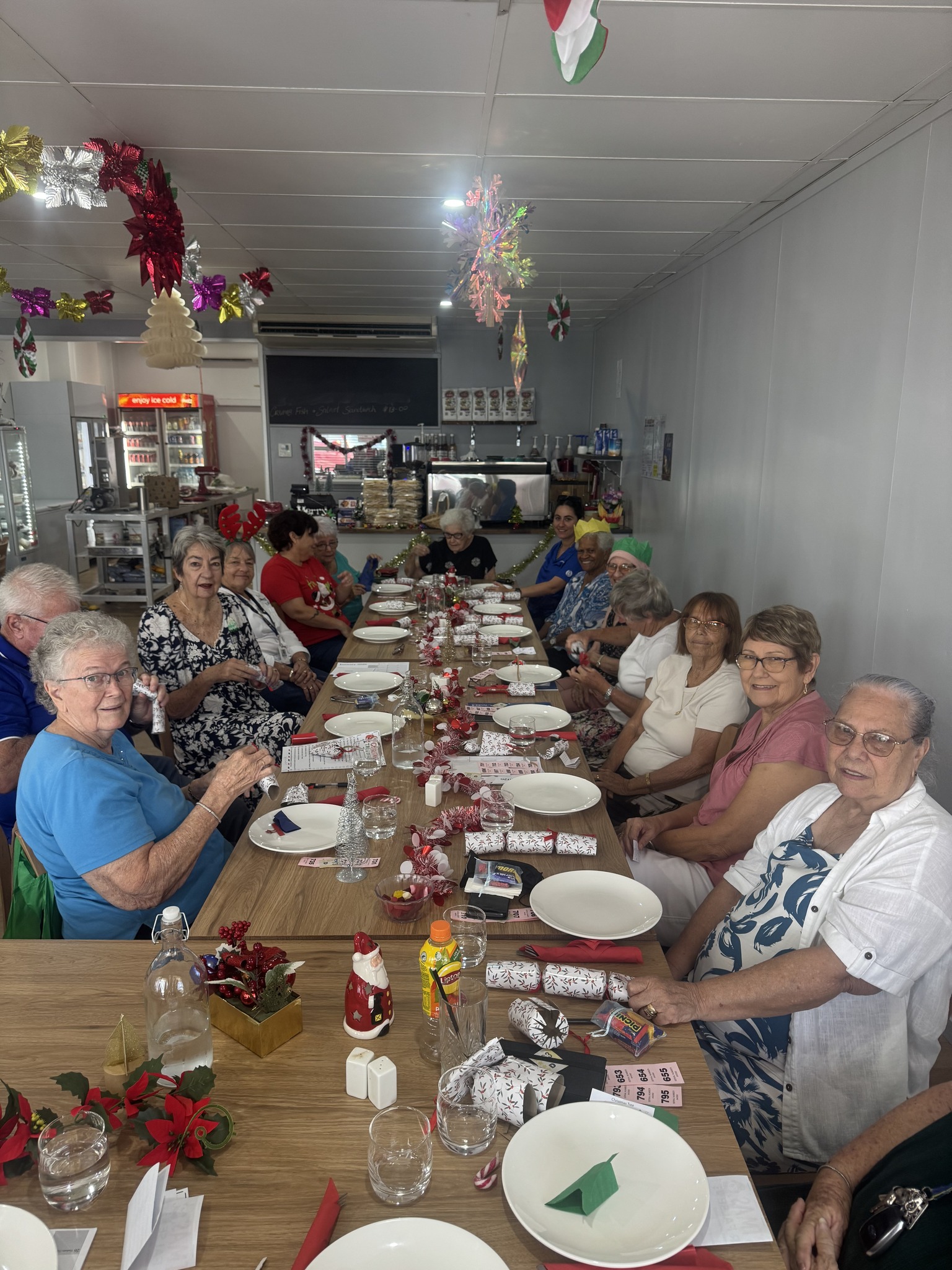
Northern Queensland Legacy have once again hosted a series of heartwarming Christmas Lunches across several shires to bring the community together and ensure veterans’ families are supported this festive season.
Annually, the Christmas Lunches provide a chance for widows and children of veterans to reconnect and celebrate the festive season with others who understand their unique circumstances.
The Northern Queensland Legacy's Herbert River Christmas Party was held recently at the Oasis Café in Ingham where invited guests gathered together to share in a wonderful lunch and celebrated the silly season with a very competitive game of Christmas Trivia.
David Burke, President of Northern Queensland Legacy, attended and sees these events as a rare opportunity to ensure that for those living in small towns or remote communities, distance doesn’t mean disconnection.
“These Christmas lunches are much more than just a festive celebration. They are a vital lifeline for those who might otherwise feel isolated,” said David.
“It’s in these moments of shared joy that we remind each other that we’re not alone, and that the Legacy community stands together, not just during the holidays, but every day of the year."
Northern Queensland Legacy CEO, Nicole Hayes, believes the events are an essential part of Legacy’s tailored approach to addressing the challenges veterans’ widowers and children in small, remote communities face, especially when it comes to social isolation and access to services.
“For many, especially those facing social isolation, these events are a lifeline, offering not just a social gathering but a reminder that they are part of a supportive network,” Nicole explained.
“The sense of belonging and connection that these events foster helps reduce feelings of loneliness and builds a stronger sense of community. For those who might be living alone or distanced from family, these gatherings are a welcome opportunity to bond with others, share experiences, and feel supported in a fun, festive environment.”
Northern Queensland Legacy provides a range of support services, including social activities, financial assistance, home visits, and advocacy, all aimed at connecting individuals with vital resources.
“We strive to undertake regular contact including home visits and phone calls to check on people’s wellbeing to make sure that no one feels forgotten,” added Nicole.
“We provide a listening ear and practical supports, including links with services and agencies. We try to create opportunities for connection to bridge the gap that isolation can create and we aim to ensure that veterans' families are supported no matter where they live.”
Northern Queensland Legacy has expanded its eligibility criteria to now include the dependents of veterans who did not serve operationally or deploy overseas, opening the door for more families to access support. If your spouse served in the Australian Defence Force and you would like to check your eligibility, contact the Northern Queensland Legacy office on 4772 7533 or email admin@nqlegacy.com.au after the 26th of January 2026.
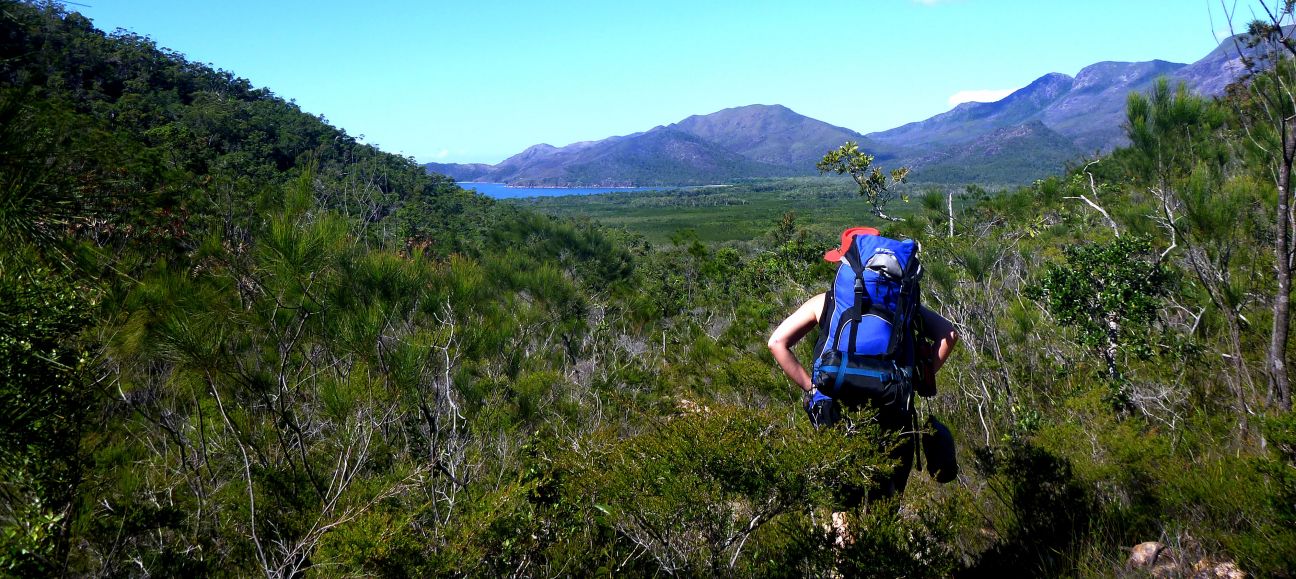
The government has delivered a new world-class hiking experience on Hinchinbrook Island. Thorsborne Trail is now complete and open for bookings, with the 32-kilometre walk set to begin in May 2026 once the wet season has concluded.
Thorsborne Trail is the third ecotourism project completed in the last six months as part of Destination 2045, the State’s 20-year tourism plan. The government is delivering a fresh start for Queensland’s environment after a decade of limited ecotourism development.
Offering an immersive walking experience in one of Australia’s most revered natural environments, Thorsborne Trail provides four-day, three-night hikes through the spectacular landscape of Hinchinbrook Island.
The trail is a flagship initiative under Destination 2045, demonstrating the government’s commitment to unlocking ecotourism, creating jobs, and providing new opportunities for operators. This rapid delivery of completed projects follows a period of limited ecotourism approvals, with only three projects approved in the past decade.
Since taking office, the government has unveiled Thorsborne Trail alongside Ngaro Track and Twin Bridges, with many more projects planned. Guided walks led by world-class tourism operator World Expeditions will begin after the wet season, while unguided hiking permits will be free for the 2026 hiking season.
Minister for the Environment and Tourism Andrew Powell said the government was delivering a better lifestyle through a stronger economy.
“We promised 45 ecotourism experiences when we launched Destination 2045 – to have already delivered three in time for Christmas shows spectacular progress for Queensland’s tourism industry,” Minister Powell said.
“By championing projects like this, we can showcase Queensland’s incredible natural landscapes, delivering more experiences in our globally-acclaimed environment that inspire future conservationists to protect it.
“Step aside New Zealand, move over Tasmania – Queensland is setting a new bar for ecotourism.”
Member for Hinchinbrook Wayde Chiesa said this was a momentous occasion for his community.
“Locals know this place is spectacular, but now our piece of paradise has earned its place on the world stage,” Mr Chiesa said.
“This is the sort of experience that people will fly around the globe to discover, and as they do, they’ll bring massive economic gain to our local businesses.
“That means a boost to our restaurants, hotels and other experiences, and real growth for our community.”
To find free unguided hiking permits, visit https://parks.qld.gov.au/parks/hinchinbrook-thorsborne
One of the greatest privileges of this role is witnessing first-hand the confidence our local businesses continue to place in our community.
This past week, I had the honour of officially opening a new chapter for one of our district’s proud family-run enterprises – Cantatore Pharmacy.
Brendan, Atlanta, and their team have shown tremendous faith in Hinchinbrook by expanding operations, investing in new facilities, and strengthening the local services we rely on, especially as we live in one of Queensland’s oldest demographics. Their commitment reflects what we all know to be true — Hinchinbrook is a place where businesses can prosper, families can grow, and community spirit thrives.
It’s equally exciting to see construction underway on Moduline’s new 5,000 m² automated factory and showroom on Herbert Street — a milestone that promises cutting-edge innovation, local jobs, and a vibrant boost to our town centre.
These decisions are never made lightly. Local businesses fight hard every day — through challenges, competition, and uncertainty — yet they continue to back our district.
They choose Hinchinbrook. They choose our people. And in doing so, they help build the strong, vibrant community we are so proud of.
As we head into the festive season, I’m reminded of how deeply our local businesses invest in us — not just through bricks and mortar, but through the countless ways they give back.
They sponsor sporting clubs, donate to community groups, support events, and contribute to the liveability and wellbeing of residents across the Shire. Every dollar spent locally strengthens that cycle of support.
That’s why I encourage everyone to make the most of Christmas Late Night Shopping on Thursday 18 December 2025. It’s a great opportunity to pick up gifts, enjoy the festive atmosphere, and show appreciation to the hardworking business owners who continue to put their faith in Hinchinbrook.
Shopping local isn’t just a transaction; it’s an investment in our future. When our businesses succeed, our entire community succeeds.
Thank you to everyone for your ongoing contribution to our district, and to all local businesses for your unwavering commitment to Hinchinbrook. Your confidence in our community speaks volumes, and we are proud to stand with you this Christmas season and beyond.
.JPG)
Hello Hinchinbrook,
I wanted to share another update from the Hinchinbrook Drainage Advisory Group.
Since my last councillor column, there’s been some progress.
One of the key concerns — though certainly not the only one — has been blockages in mangrove drains and the challenges in maintaining these vital and fragile areas so they function as healthy waterways.
The Lower Herbert Water Management Authority (LHWMA) has successfully obtained the necessary documentation to carry out maintenance clearing on the access track to the Mandam Waterway.
Once this is complete, LHWMA will be able to conduct routine instream maintenance more efficiently and safely.
Following Mandam, other trial sites — Rifle Range Creek, Swampy Creek, and the outflow of Alligator Ponds — are also planned for rehabilitation as soon as the required documentation is received, hopefully early next year.
The group has conducted several onsite visits to these areas, which have helped government departments gain a clearer understanding of the mangrove maintenance work needed in the Lower Herbert Catchment.
While these trial sites represent only a small portion of our catchment, the aim is to establish a clear, repeatable process that works for landholders, ratepayers, HRIT, and LHWMA.
Ultimately, the goal is legislative change to make these activities “Acceptable Development,” enabling much shorter timeframes for planning and undertaking the work.
It’s always great to pick up a copy of Hinchinbrook Life and see what’s happening across our Shire — thank you for the opportunity to share this update.
As the year draws to a close and we look forward to a well-earned break with family and friends, please stay safe and take time to enjoy everything our Shire has to offer.
Finally, I’d like to wish everyone a wonderful Christmas in Hinchinbrook.
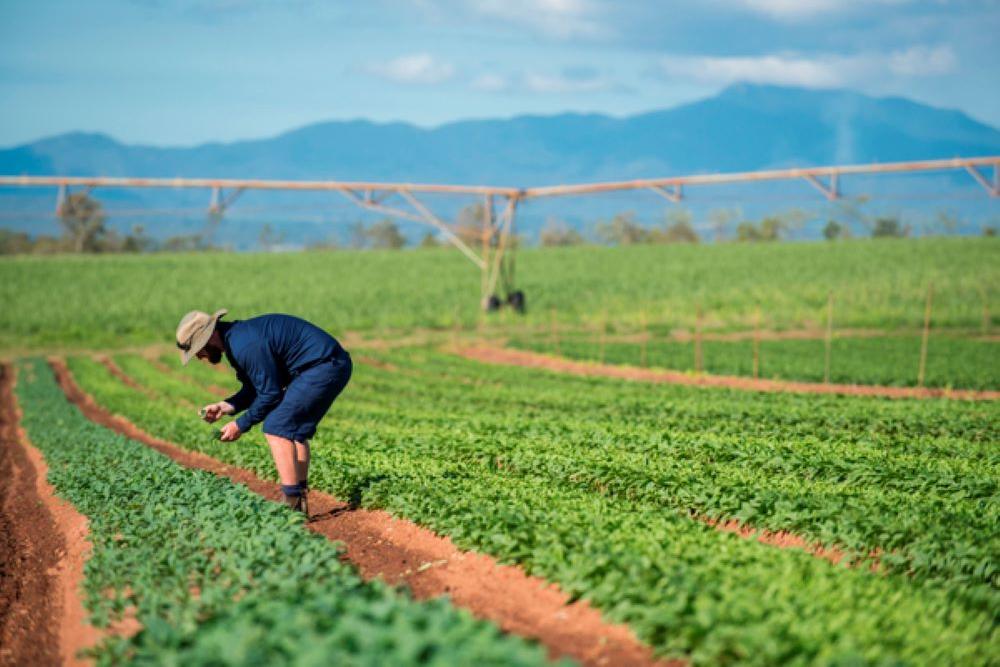
As rural communities wrapped up another year of planting, harvesting and hard work on the land, World Soil Day on 5 December offered an important reminder of the quiet powerhouse beneath our feet — the soil that sustains farms, families and entire regions.
Often taken for granted, soil underpins Australia’s agricultural output, contributing around $90 billion to the national economy each year. It’s also one of the most complex living ecosystems on Earth, home to more than a quarter of the planet’s biodiversity. From tiny microbes to earthworms and insects, healthy soil supports life well beyond what we see on the surface.
Globally, an estimated 95 per cent of food production relies directly or indirectly on soil. For rural communities, that makes healthy soil fundamental not just to local farm productivity, but to long-term food security, economic strength and the resilience of regional landscapes.
World Soil Day — a United Nations initiative held annually on 5 December — aims to raise awareness of soil as a vital natural resource. This year’s theme, Healthy Soil for Healthy Cities, highlights the growing connection between rural food production and urban communities that rely on it.
Here in Australia, efforts to protect and improve soil health continue through the National Soil Strategy and National Soil Action Plan — the country’s first long-term national policy dedicated to soil. Backed by more than $90 million in federal investment, these initiatives support soil monitoring, research, information sharing and on-ground programs across farming regions.
Agriculture, Fisheries and Forestry Policy Group Deputy Secretary Matt Lowe said soil remains central to Australia’s prosperity and resilience.
“Soil is an integral part of the Australian landscape,” he said.
“It supports us all, no matter where we live, and provides essential ecosystem and production services that contributes to Australia’s economic, environmental and social wellbeing.
“Soil also has cultural significance, and its health impacts biodiversity, water and air quality, human health and plays a vital role in building resilience to natural disasters and adapting to and mitigating climate change.”
As the wet season approaches and preparations begin for the year ahead, World Soil Day serves as a timely reminder: strong, healthy soil is the foundation on which rural Australia grows — and protecting it benefits communities far and wide.
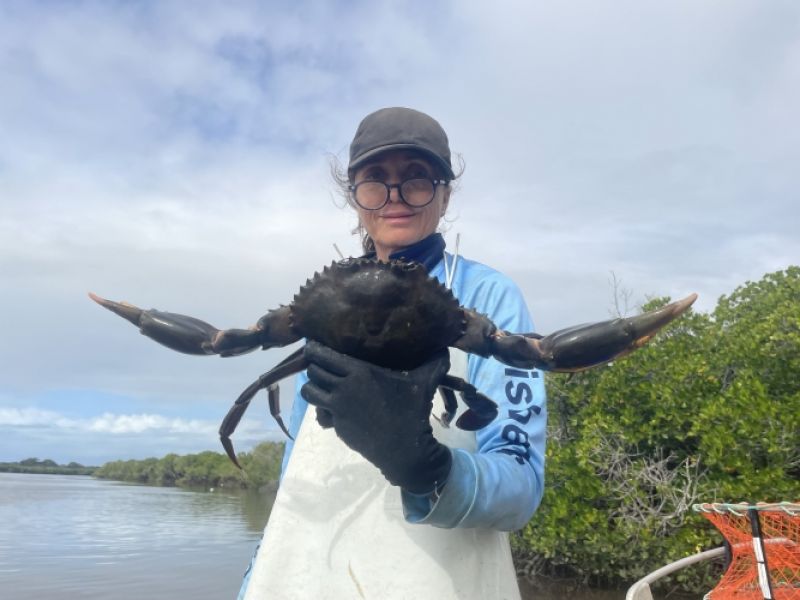
Queensland’s much-loved giant mud crab populations are thriving, with a major new study reaffirming the State Government’s commitment to maintaining a world-class and sustainable fisheries industry.
A recently completed study led by Queensland’s Department of Primary Industries (DPI) and co-funded by the Australian Government through the Fisheries Research and Development Corporation (FRDC) has confirmed that there is no current threat to the sustainability of the species. The research highlights the effectiveness of existing regulations, including the male-only harvest policy and the 15-centimetre legal minimum size limit.
The extensive project analysed approximately 20,000 giant mud crabs collected from across the state, using cutting-edge genetic techniques and satellite tagging to examine stock structure, monitor population health, and deepen the understanding of mud crab biology—particularly the spawning migration patterns of females.
DPI Principal Fisheries Scientist and lead researcher Dr Julie Robins said the findings provide strong scientific reassurance that Queensland’s management frameworks are successfully supporting healthy populations.
“Giant mud crabs are an iconic species and a vital part of Queensland’s fisheries, with our state accounting for 64% of Australia’s commercial harvest,” Dr Robins said.
“A significant success was the robust genetic analysis of the mud crab populations along the east coast and the Gulf of Carpentaria.
“Queensland’s male minimum legal-size limit ensures a proportion of mature males are available to reproduce and over 90% of females sampled were mated and getting ready to spawn. This means there’s no shortage of mature crabs to produce the next lot of offspring.”
Dr Robins said the research not only expanded scientific knowledge but also provided crucial biological reference points for future management.
“This study has added tremendous value to our collective knowledge and laid the groundwork for future discussions about mud crab management in Queensland,” she said.
"The collaborative nature of this project, working side-by-side with the commercial fishers, was invaluable. Their local knowledge was key to successfully gathering data on this iconic species."
As giant mud crabs remain a Queensland favourite—both commercially and recreationally—the study’s findings offer welcome confirmation that current sustainability measures are working, ensuring the species continues to flourish for generations to come.
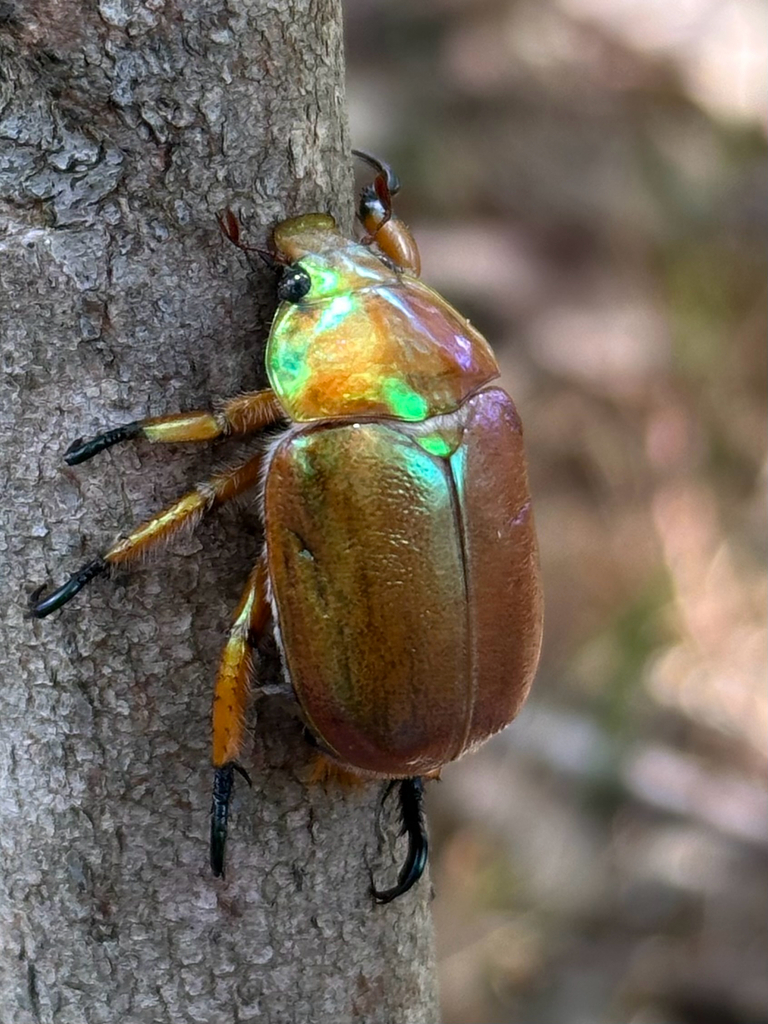
If you’ve wondered when you last spotted a Christmas beetle, you’re not alone. Many Australians have noticed fewer of these iconic, shiny insects in recent years. But there’s hope: researchers are calling on the community to help track their return through the annual Christmas Beetle Count.
Since the 1st of October, iNaturalist reports there have already been 226 sightings this season. The project, run by Invertebrates Australia, aims to understand the population trends of Christmas beetles and investigate why numbers may be declining.
Participants are encouraged to count and photograph any beetles they see, contributing to a national database that helps researchers solve the mystery of the Christmas beetle’s changing numbers. The sightings collected also help track species diversity, seasonal patterns, and distribution.
The project covers beetles from the genera Anoplognathus, Calloodes, and Repsimus, and sightings are recorded across Australia. So far, over 20,000 observations have been logged, with popular species including the Washerwoman (Anoplognathus porosus), Duck Billed Beetle (Anoplognathus montanus), and Emerald Tip Beetle (Anoplognathus brunnipennis).
To take part, locals can visit www.inaturalist.org/projects/christmas-beetle-count to submit observations. For those unsure how to identify the beetles, the Australian Museum’s Xmas Beetle ID Guide app is available on both iOS and Android.
By joining the Christmas Beetle Count, residents not only get a chance to enjoy a festive outdoor activity but also contribute valuable data to help protect these native insects for generations to come!
Publishers Indemnity. Any individual or entity that places advertising, supplies copy material, or submits editorial content to Life Publishing agrees and undertakes to ensure that all such material:- Does not infringe upon any copyright, trademark, or other intellectual property rights;- Is free from any content that could be considered defamatory, libelous, or slanderous;- Does not infringe upon any rights related to privacy or breach of confidence;- Contains no obscene, indecent, or otherwise unlawful material;- Complies fully with the Trade Practices Act and all other applicable laws, regulations, or statutes. Furthermore, by submitting or placing such material, these individuals or entities agree to indemnify and hold harmless the publisher, Life Publishing and Events Pty Ltd, and/or its agents from and against any and all investigations, claims, demands, liabilities, damages, costs, or judgments arising out of or in connection with the material provided. All material is believed to be accurate at the time of printing and remains the copyright of Life Publishing and Events Pty Ltd.
© 2026 Life Publishing Group Ltd.
