
Independently Owned, Locally Grown, Community Loved
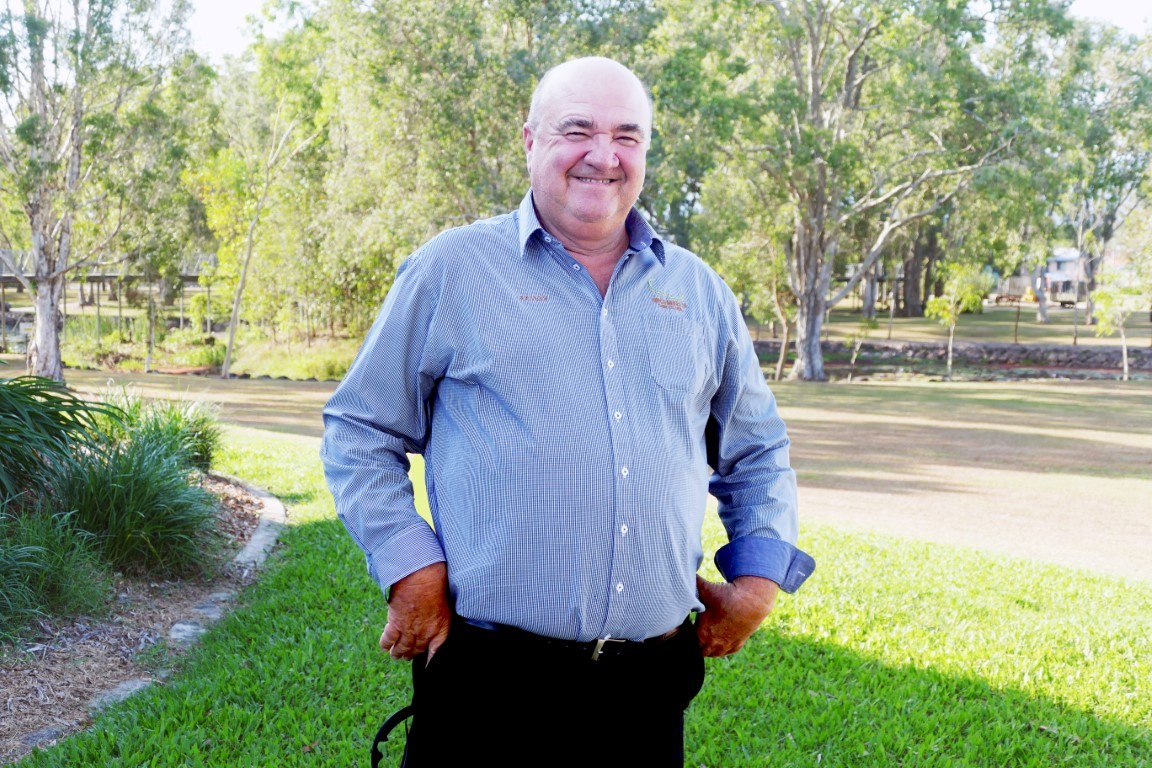
As uncertainty continues around fuel supply in the foreseeable future—due in part to the ongoing conflict in the Middle East—Council is putting contingency plans in place to best manage resources if required, ensuring service delivery to the community is not significantly compromised. While current fuel supply arrangements remain stable, our vulnerability—particularly during the high-risk weather season—means forward planning is essential. Council is determined to be prepared, not reactive. Our immediate priority is ensuring fuel is available where it matters most. Essential services such as water and sewerage operations, waste collection, regulatory services, and disaster response must be protected. To achieve this, some non-essential activities may need to be adjusted if supply tightens. These decisions will not be taken lightly, and Council will always communicate any changes clearly and early. However, as we are increasingly recognising, fuel resources and supply present growing challenges for regional Australia. Addressing this means we must, as a nation, start thinking differently about how we secure our fuel future. This is where bioenergy—particularly from sugarcane—presents a significant opportunity. We have been advocating for bioenergy for years. We already know it works, and ethanol derived from sugarcane has the potential to be a low‑carbon, renewable game changer for Australia’s fuel security. Many other nations are already embracing this approach, so why can’t we? Sugarcane is a powerful and versatile crop. Beyond sugar production, it already contributes to renewable electricity generation through bagasse. You would therefore understand my delight at hearing yesterday’s recommendations from the State Government’s Primary Industries and Resources Committee, following its inquiry into Sugarcane Bioenergy Opportunities in Queensland. The purpose of the inquiry was to examine the current state of the sugarcane industry in Queensland, including the barriers and opportunities facing the sector, and to consider mechanisms to support its future growth and diversification. The committee made 12 recommendations to the Queensland Government aimed at supporting the development of a resilient and profitable sugarcane bioenergy industry. The committee concluded that, with appropriate policy settings and coordinated investment, Queensland’s sugarcane industry is well positioned to play a significant role in the state’s emerging bioeconomy, strengthening regional economies and contributing to Australia’s long-term energy and fuel security. However, the job is not yet complete. We must continue advocating to ensure the State Government not only accepts these recommendations but implements them. Both State and Federal Governments must mandate the use of biofuels and establish the right regulatory and policy settings to create a viable market and provide certainty for investment. This is not about politics. This is about reality. And it is about securing a sustainable future for our region.
Read the full story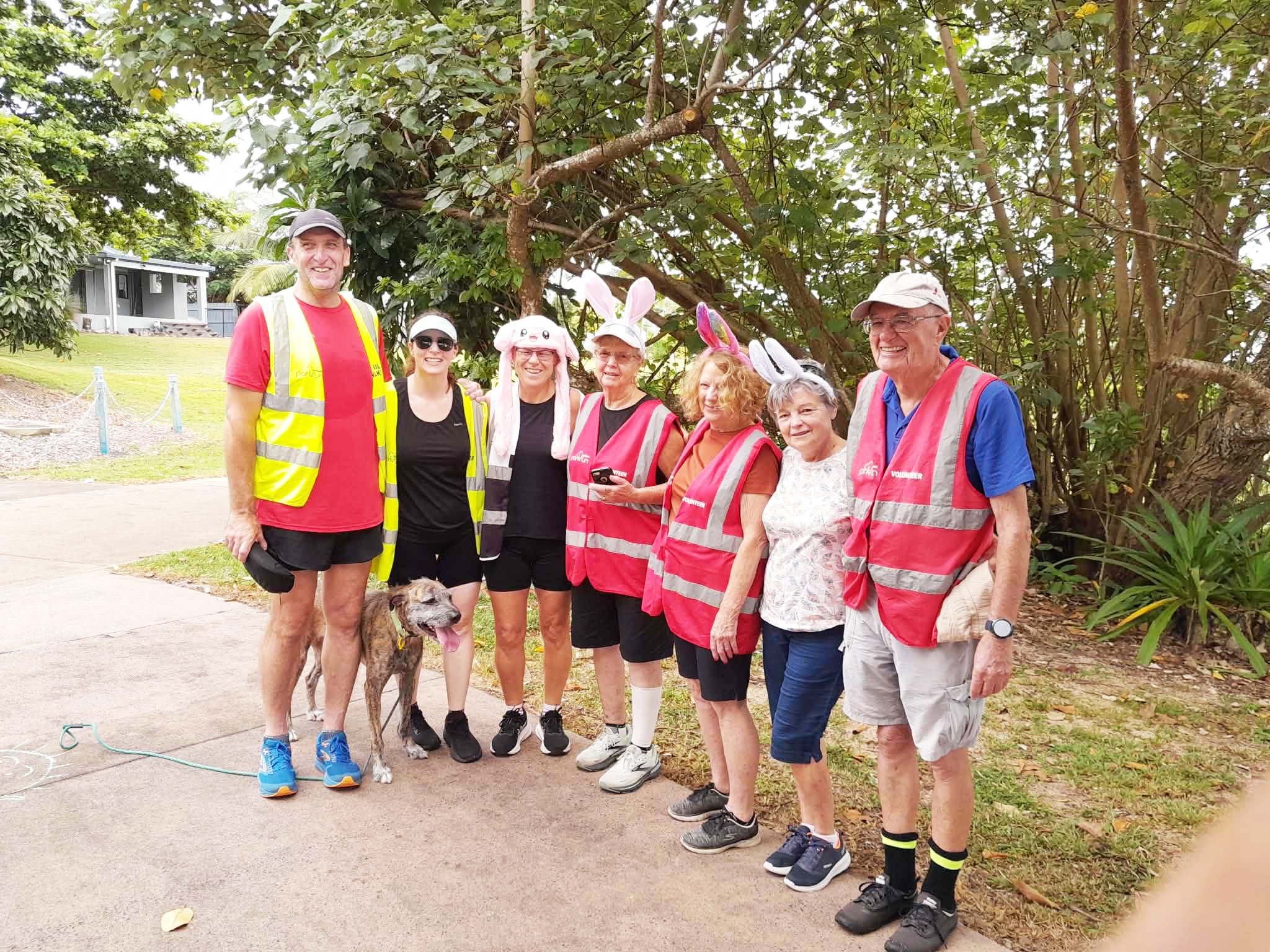
Happy Easter From Parkrun By Victoria Velton Easter weekend brought a noticeable boost to numbers across both courses, with plenty of visitors joining locals for a spirited morning of exercise. At Cardwell, volunteers got into the festive spirit, sporting rabbit ears as runners and walkers took to the course, adding a bit of fun to the morning. Meanwhile, Palm Creek welcomed two large visiting groups from Townsville and Brisbane, helping swell the field and creating a lively atmosphere out on the track. It’s always fun to run and race against new people, having so many on the track meant there was a new face around every bend. Parkrun Results: 4th April 2026 Palm Creek #119 – 57 participants Fastest time: Jeff Rubach (17:54) Final finisher: Kelly Krumin (58:26) PBs: 14 achieved First-timers: 14 welcomed Volunteers: Steven Veltmeyer, Amanda Towner, Samantha Neitz, Matteo Mancuso, Kelly Krumin, Bridgette Duffy Cardwell #381 – 33 participants Fastest time: Joshua Chugg (18:35) Final finisher: Matthew Gardiner (53:24) PBs: 4 achieved First-timers: 10 welcomed Volunteers: Kerry Snell, Glenda Stahel, Jan Ferguson, Terry Curtin, Matthew Gardiner, Rachelle Warlond Photos sourced from Palm Creek & Cardwell Parkrun Facebook pages.
Read the full story.jpg)
New research led by James Cook University is shining a light on what experts describe as the “Achilles’ heel” of marine protected areas (MPAs)—human behaviour. While MPAs play a vital role in protecting ocean ecosystems, including coral reefs and seagrass habitats, the study found their success depends heavily on how well people comply with the rules designed to protect them. Led by conservation scientist Brock Bergseth, the research brought together global experts to develop a new framework aimed at improving compliance. “Globally, marine protected areas and other conservation programs are often impeded by the inability to successfully manage human behaviour,” Dr Bergseth said. The study challenges the traditional reliance on enforcement and penalties, instead promoting a balanced “carrot and stick” approach that encourages voluntary compliance. “While some enforcement may be necessary, it’s not a panacea for compliance,” Dr Bergseth said. Researchers emphasised that early and ongoing engagement with communities is key to success, helping people feel a sense of ownership and fairness around regulations. Senior researcher Jon Day said improving compliance systems would be critical for the future of marine conservation. “Over the course of my career, I’ve seen what happens when compliance and enforcement are under-resourced or overlooked – to the detriment of effective MPAs,” he said. “Reframing our global compliance system will better enable long-standing success of marine conservation initiatives, protecting ocean health now and far into the future.” CAPTION: A new JCU-led study has shown that effective conservation relies heavily on compliance. Photo source: JCU
Read the full story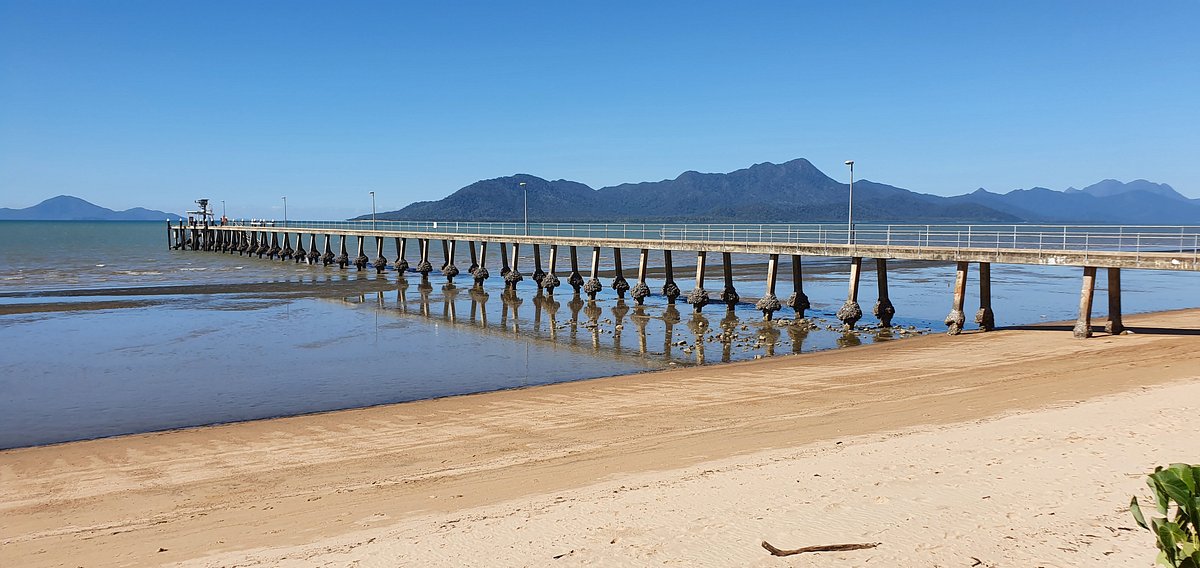
Community consultation for the Cardwell Walking Network Plan has wrapped up, with local feedback playing a key role in shaping the town’s future walking infrastructure. Over a five-week engagement period, residents shared their views through an online Your Say page, an interactive mapping tool and a community workshop, providing valuable insight into how locals use and experience Cardwell’s walking network. Feedback highlighted the foreshore as the town’s most valued walking destination, while also identifying a strong need for improved connectivity, safety and overall comfort across walking routes. In response, the draft plan has been updated to include stronger links to the foreshore shared path, upgrades to key routes such as Gregory Street and the Bruce Highway, and the introduction of new pedestrian crossings and safety features. Additional lighting, seating and amenities have also been incorporated to enhance the walking experience. The project is being delivered by Cassowary Coast Regional Council in partnership with the Queensland Department of Transport and Main Roads. Council will now work with TMR to finalise the plan, which will help guide future investment in walking infrastructure across Cardwell, subject to available funding. Community members who contributed to the consultation process have been thanked for helping shape a more connected and accessible future for the town.
Read the full story
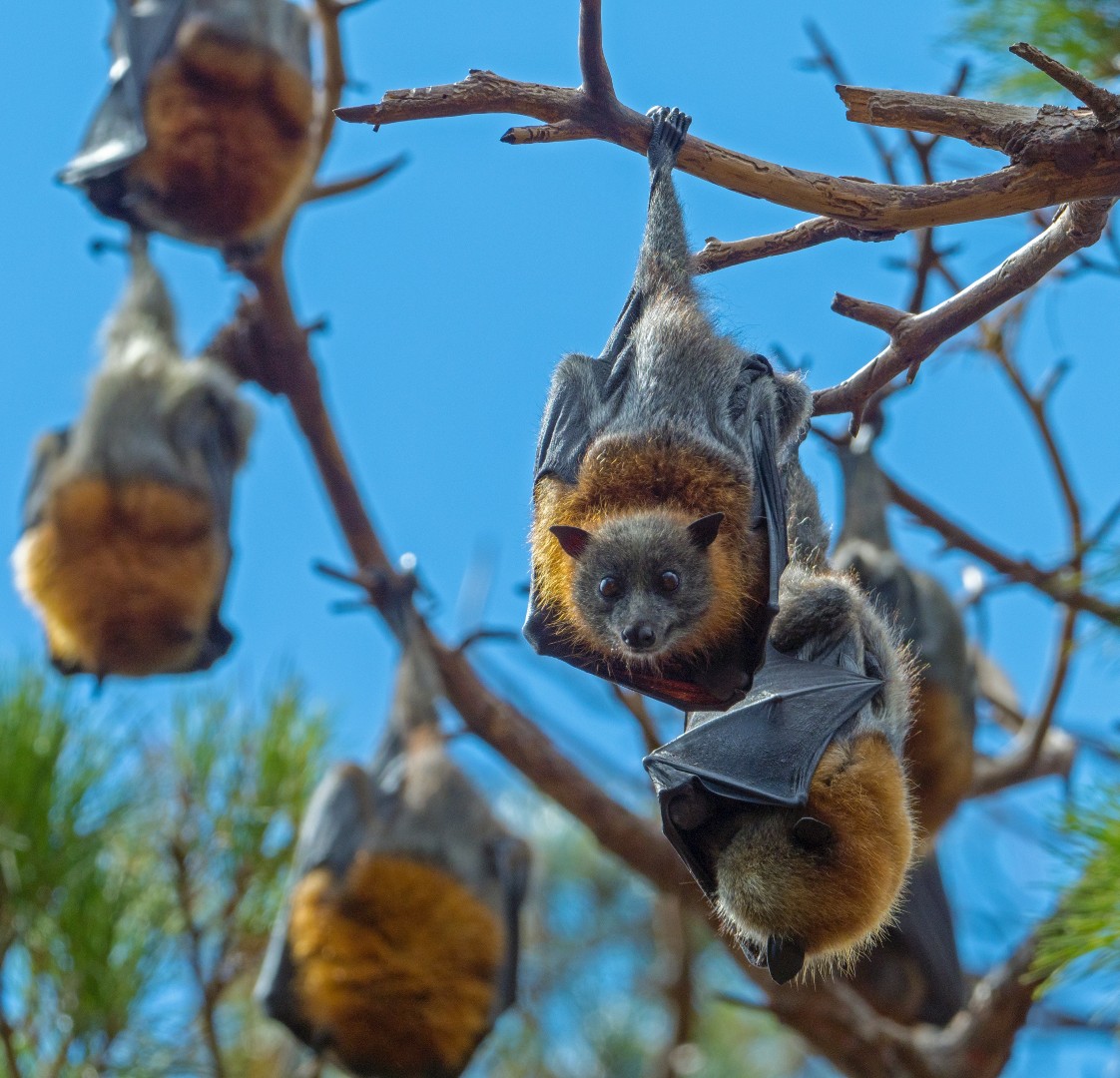
As Queensland faces another hot summer and storm season, health authorities are warning residents to avoid handling bats found on the ground. Distressed or dead bats may be encountered more frequently during extreme heat or severe weather, and Queensland Health reminds the community that contact can be dangerous.
Bats can carry Australian bat lyssavirus (ABLV), a virus closely related to rabies. While human infection is rare, it is almost always fatal once symptoms develop.
Very hot temperatures or a mix of heat and humidity can cause bats to become heat-stressed and fall to the ground. Storms and strong winds can also disrupt their normal behaviour, causing bats to fall from trees or seek shelter closer to the ground.
Queensland Health advises people not to attempt rescuing or handling distressed or dead bats and to instead contact a trained wildlife rescuer.
Chief Health Officer Dr Catherine McDougall said ABLV can be transmitted to humans through bites, scratches, or saliva, and avoiding contact is the safest approach.
“All bats have the potential to carry ABLV. While transmission to humans is rare, unfortunately, once symptoms appear, there is no known effective treatment,” Dr McDougall said.
“Prevention is key. The safest thing Queenslanders can do is assume any bat they come across could be carrying ABLV and avoid any contact.
“Even if the bat looks dead, do not touch it.
“If the bat appears to need help, call the local wildlife rescue, RSPCA or Queensland’s Bat Conservation and Rescue team.
“I’d also encourage parents to remind their children to never touch a bat they find on the ground.”
Dr McDougall said the safest action for people who come across a bat is to keep children and pets away, and, if safe to do so, place a box or washing basket over the bat until a trained and vaccinated handler arrives.
“If you are bitten, scratched, or have contact with bat saliva, wash the area thoroughly with soap and water for at least 15 minutes,” she added.
“Then apply an antiseptic if available and seek medical care as soon as possible for assessment and post-exposure treatment.”
Residents are urged to report injured or distressed bats to:
For medical advice on bites and exposure, call 13 HEALTH (13 43 25 84) for 24/7 guidance from registered nurses. For further information, visit the Queensland Government websites on living with bats and Australian bat lyssavirus.
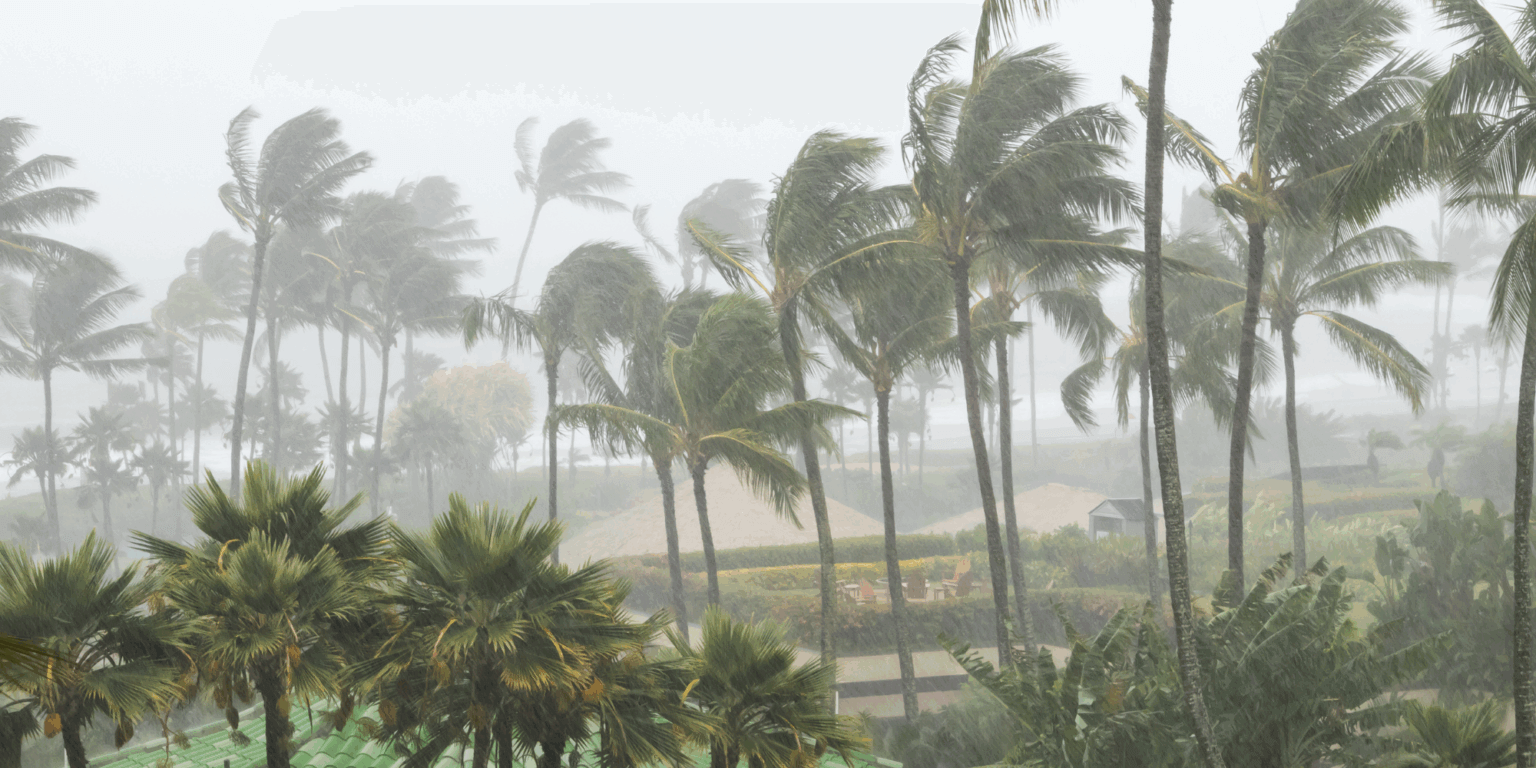
As the Hinchinbrook Shire begins to gear up for another disaster season, residents may once again face the familiar sight of fallen trees, broken branches, and damaged green spaces. Living on the coast, local residents understand cyclones are an annual challenge, with recent storms such as Jasper, Kirrily, and Tiffany serving as reminders, while major events like Cyclone Yasi have taught important lessons about how our landscapes cope and that choosing the right species is critical for reducing future damage.
One key question emerges: are some trees better equipped to survive cyclones than others?
Lessons from Cyclone Yasi
Following Cyclone Yasi in 2011, Greening Australia and local partners surveyed trees in Townsville to understand which species were most wind-resistant. Several natives stood out:
These species share key traits: deep roots, strong central trunks, flexibility, and adaptation to northern Queensland conditions.
What Makes a Tree Cyclone-Resistant?
Tree survival isn’t just about species. Age, structure, root development, and site exposure all matter. Healthy trees with balanced canopies and deep roots are far more likely to withstand high winds. Traits that increase resilience include:
Species That Struggled
Exotic or ornamental trees often suffered heavy damage:
Maintenance Matters Too: No garden is completely cyclone-proof, but proper care makes a difference. Encouraging deep root growth through deep, infrequent watering and reducing excess foliage through pruning helps trees remain upright during storms.
Planning for the Future
In preparation for disaster seasons to come, planting wind-resilient native species can reduce risk, support biodiversity, and help landscapes recover stronger. Landholders and councils are encouraged to:
Building Resilient Landscapes: By learning from past cyclones and choosing the right species, communities and green spaces can survive and thrive in the face of future storms.
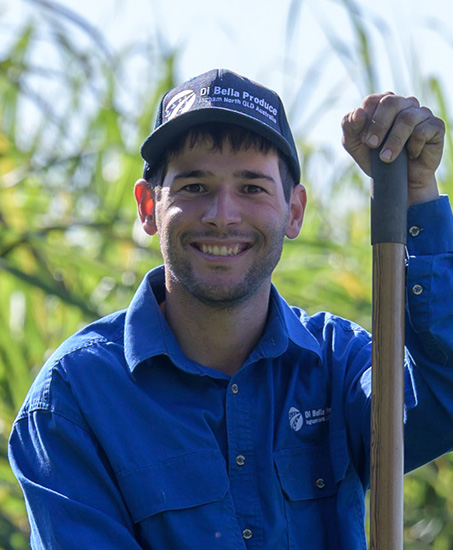
For the next generation of sugarcane industry leaders, bringing the Next Gen program back into the spotlight.
QCAR and Aglantis are joining forces to relaunch the Next Gen initiative — supporting, mentoring and sharing innovation with emerging and early-career members of the sugarcane industry. The program is generally aimed at those under 45, but the event is open and welcoming to anyone who sees value in being involved.
You're to be part of an exciting two-day event that brings together young farmers, harvesting operators, contractors, millers, mill workers, and staff from research, development, extension, productivity and other support sectors.
Herbert District next-generation sugarcane farmer Hayden Di Bella is inviting other young people (under 45 yrs) to the Next Gen 2026 Cane Forum in March.
The QCAR & Aglantis Next Gen 2026 Cane Forum is shaping up to be an event not to miss, featuring:
We aim to bring together like-minded people in an open and collaborative setting where ideas, experiences and future visions for the industry can be shared. This year’s event will take place across the Burdekin and Herbert regions, with plans to rotate the forum through other cane supply areas in future years.
Farmer-to-farmer, we’ll take participants on-farm to see first-hand what other growers are doing, and to explore the latest innovations and technologies being used now and into the future. More updates will be released early next year. Expressions of Interest now open
Wherever you are, we encourage you to put your name down to receive updates. If you’re located in another cane supply area — including the Central District — please note that if there is enough interest, we may organise a subsidised bus. To register your interest, email, phone, or text the following details to the contacts below: I would like to register my interest in attending - Name: Region: Phone: Email:
For more information or to register, please contact: Lawrence Di Bella 0448 084 252, email lawrence.dibella@qcar.org.au, or Anna Di Bella 0419 673 000, email anna.dibella@qcar.org.au
WHAT: 2026 Next Gen Cane Forum
WHEN: Tuesday 3 – Wednesday 4 March 2026
WHERE: Burdekin And Herbert Cane Regions

Australia’s agriculture industry is on track to reach a record value of almost $100 billion this financial year, according to new figures released in December 2025. The latest ABARES Agricultural Commodities Report forecasts the gross value of agricultural production to rise to $99.5 billion in 2025-26, with fisheries and forestry included, pushing the total to over $106.4 billion.
Exports are also expected to reach a record $83.9 billion, reflecting strong international demand for Australian produce. Industry leaders credit this milestone to the skill, resilience, and hard work of farmers, alongside ongoing support from the Government.
Minister for Agriculture, Fisheries and Forestry Julie Collins said: “It’s been a significant year for our farmers and producers, and thanks to their hard work, innovation and commitment to excellence, the value of our agriculture industry is on track to reach almost $100 billion this financial year.
“Our Government is backing our farmers and producers to reach this record result by expanding trade opportunities, supporting them to boost their climate resilience, and by strengthening our biosecurity system.
“This is supporting our farmers to supply their world-class products to communities across Australia and around the globe, to employ more people in our regions, and to strengthen our local economies.
“Our commitment to working with farmers to progress their priorities and to deliver support when they are facing challenges, particularly during drought conditions, never stops.”
The growth comes amid ongoing efforts to diversify markets, remove red tape, and strengthen biosecurity, while $1 billion in new concessional loan funding through the Regional Investment Corporation aims to support farmers facing financial pressures.
By Dr Bianka Vidonja Balanzategui
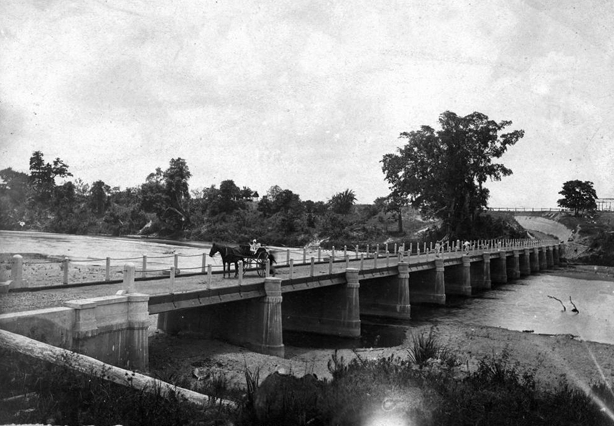
Since its opening on 4 November 1891 the Gairloch Bridge, on the old Bruce Highway, has been crossed by countless vehicles, buggies, bicycles, tractors, cars and pedestrians. Bull sharks and crocodiles have been spied from the safety of its span. It has been fished and dived off, and sadly, people have lost their lives crossing it.
When in June 1903, Mrs Norah Judge and her four-year-old son James approached the bridge in their buggy, the horse baulked at the kerb, sending horse, buggy and occupants into the river. This tragedy devastated the lower Herbert community; Norah was made a widow a year before and now left three children aged between one and eight years, parentless. A contributing factor to their deaths was that the bridge chains and uprights were removed at the time of the previous flood and not replaced, and the bridge was out of repair and dangerous. Despite the bridge’s unique construction and design to withstand floods, a Herbert River on rampage is a formidable force to be reckoned with.
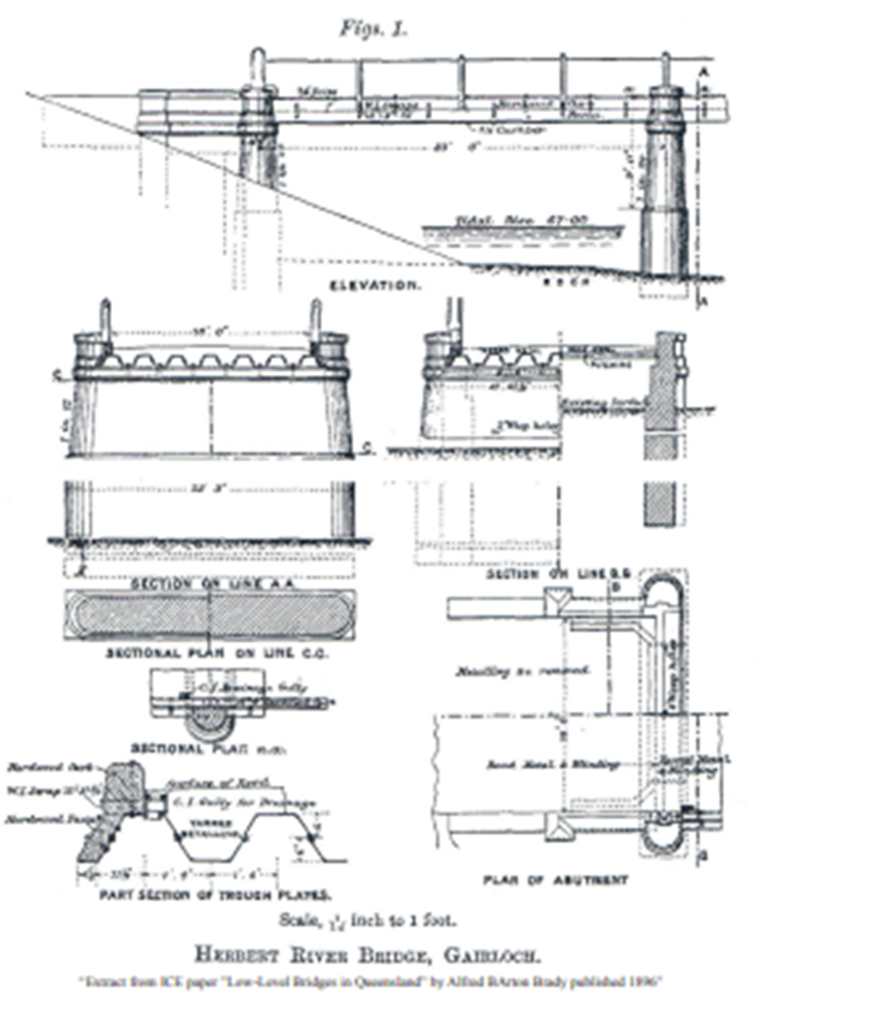
The sugar industry of the Herbert River district had its beginnings in the lower Herbert with the Gairloch Plantation Mill, which crushed for the first time in 1872. But by 1885, sugar cultivation had spread north of the Herbert River and a bridge was required to access that cane. The Divisional Board raised the money to build the bridge after a petition to Government for funds was unsuccessful. A Government architect, Alfred Barton Brady, was engaged to design the bridge. It was his first road bridge and James Graham was contracted to build it.
A small township of tents and a boarding house sprung up alongside the construction site to house the workers who, because of frequent flooding which delayed the construction, were on the site for nearly two years. While the bridge did not save the Gairloch Plantation Mill, its history is preserved in the bricks (salvaged from the dismantlement of the mill) shoring up the steepest approach to the bridge.
The 14-span bridge stood a comfortable 11 feet (3 metres) above the usual summer level of the river and a frightening 28 feet (8.5 metres) below the highest flood level. Though the submersible bridge was designed to provide the least possible obstruction to the flow of flood waters and the debris they carry, historically major floods have always caused damage. The first were those of 1892 and then 1894. Now in 2025, the bridge is closed to even foot traffic because of the damage caused by the latest flood.
It is the only known road bridge of this design built in the 19th century in Australia and has a number of features that were innovative for its time. Rather than timber decking, mild steel trough plate filled with tarred metal, placed longitudinally, were used. These dispensed with girders. And though this was a more costly design, it meant that the bridge offered little resistance to coursing flood waters.
However, long term, its construction was more cost effective because being low level and submersible. The construction of the bridge is also significant for the use of Portland cement in the piers, abutments and string courses. After the 1894 flood the original asphalt filling of the steel troughs was replaced by Portland cement concrete which also provided improved resistance to degradation. This use of concrete in the deck is the earliest type of this form of construction in Australia.
The deep approaches cut through the sandbanks were shored by bricks or logs on the approaches, and washaways at those points impacted the bridge and surrounding land significantly over the years. It is recorded that “an evident engineering mistake was made in not consolidating the cutting on the North side similar to that on the Eastern bank. With the big flood of 1894, the river broke through on the north side and caused the big washaway, which successive floods attack with unabated fury. In that memorable landslide of 1894, Mr. E. Farr had a store and residence on the top of the bank and it was completely engulfed on the night of April 9th. 1894, the occupants being removed to safety only a few hours previously. A bullock waggon loaded with provisions was tethered to a big tree by a stout chain, near the scene of the wash-away, but tree and waggon completely disappeared, and only a few years ago a yoke was fished up many miles away, this being all that has been found.”
The costs of maintaining the bridge were high, and once the John Row Bridge was built in 1967, the Gairloch Bridge became redundant to all but local traffic, with an Engineering Heritage Marker and interpretative board being placed on the approach to Gairloch Bridge in 18 March 2014. Though untrafficable now, it is vital that this bridge is maintained at least for foot traffic because of its heratige status.

The government is driving down power bills for Queensland renters, with applications for the Supercharged Solar for Renters program now open. The program is expected to deliver immediate benefits, helping 6,500 households save around $700 a year.
The $26.3 million Supercharged Solar for Renters program will provide rebates of up to $3,500 to eligible landlords who install rooftop solar on their rental properties. The initiative has been designed in consultation with industry and tenant groups to ensure the best outcome for Queenslanders.
Treasurer, Minister for Energy and Minister for Home Ownership David Janetzki said this was another step the government was taking to support Queenslanders, whether they rent or own a home.
“It’s a win-win-win, easing costs for renters, enhancing property values for landlords, all while supporting renewable energy adoption in Queensland.
Treasurer Janetzki said while the number of Queensland homes and businesses using solar PV systems soared past 900,000, many renters had been missing out.
“Queenslanders’ love of rooftop solar is evident, with 40 per cent of the State’s households adopting it. This program ensures the strong take-up continues and renters also reap the benefits,” he said.
“The government is committed to a diversified energy mix. As outlined in our Energy Roadmap, solar will play an integral role in long-term stability in the network and to help meet future demand.”
In North Queensland, locals know better than anyone the power of the sun, and solar provides a reliable, practical option for households preparing for the wet season. With rooftop solar, families can be assured of electricity and less reliant on petrol generators during storms or floods, giving peace of mind and energy security when power disruptions occur.
The Supercharged Solar for Renters program applies to eligible landlords with detached dwellings, townhouses, and duplexes. It will initially be available for properties rented at $1,000 per week or less.
For more information on eligibility requirements and the application process, visit www.treasury.qld.gov.au/policies-and-programs/energy/supercharged-solar-for-renters/
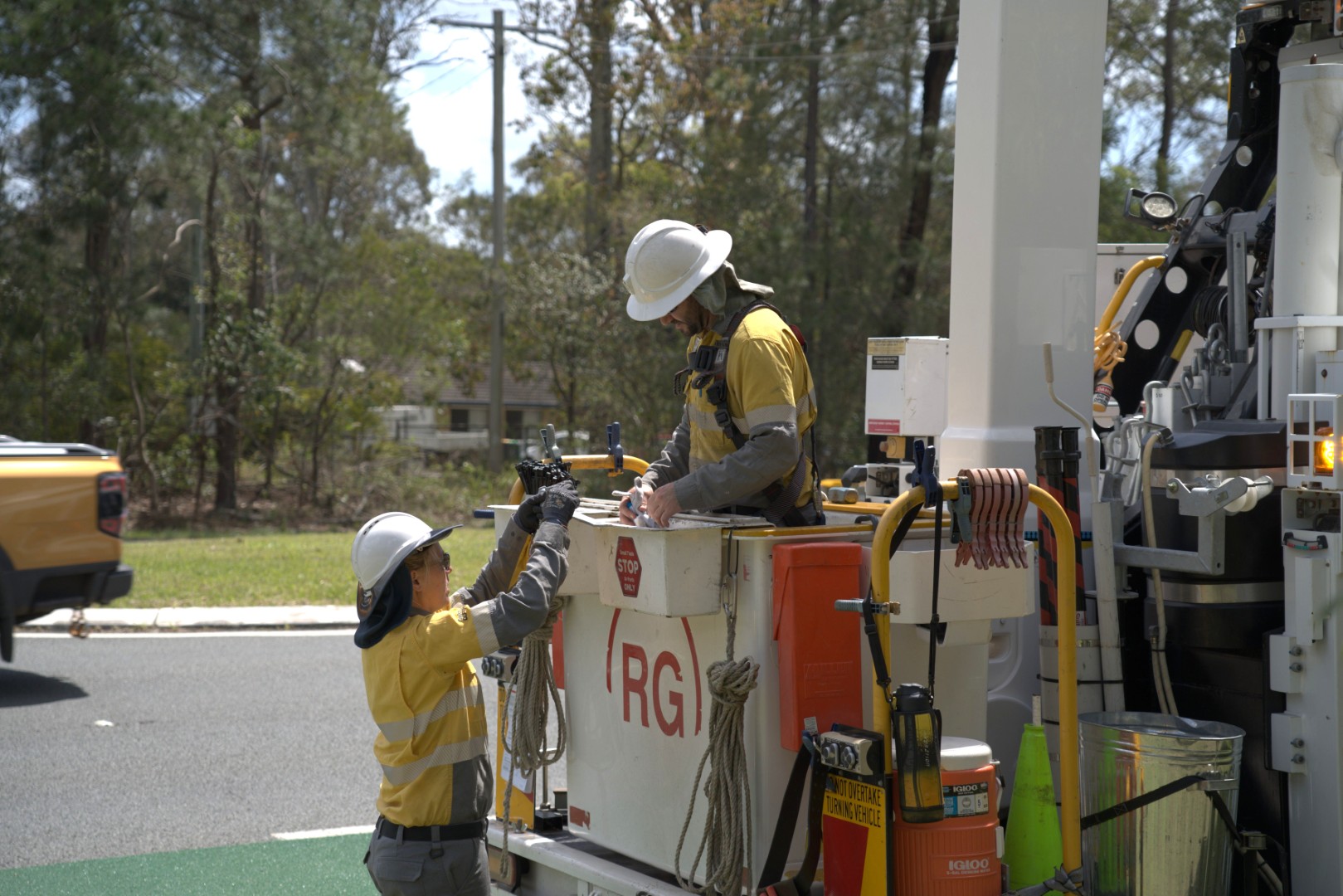
Ergon Energy Network and Energex had a busy start to the year with major flooding in North Queensland and Cyclone Alfred in South-east Queensland, but outside of disaster response they have been even busier.
Chief Operating Officer Jeff Green said the everyday work of crews and the people who support them is often forgotten, even though almost $2 billion was invested last financial year to maintain, design and build new sections on Queensland’s electricity distribution networks.
“The big events always attract a lot of attention because they lead to a lot of outages and damage, but the reality is the same crews are doing much the same work every day as part of business as usual,” Mr Green said.
“It’s just that the work is spread out over the rest of the year when they’re not responding to floods, fires, storms or cyclones.
“Last financial year we replaced more than 14,500 poles and extended the life of another 13,000 - that’s on top of nearly 19,000 new crossarms, 500km of new powerline, 338 substation and lines projects.
On top of that effort, crews also inspected 402,000 poles and 225,000 electrical assets across 38 programs of work and rectified 74,000 lines defects.
“That’s why so much focus is on checking our poles and wires and other equipment to make sure that not only are we providing reliable power to customers, but it’s being delivered safely.”
Mr Green said another $2 billion would be invested across the state’s electricity distribution networks in the 2025-26 financial year, with similar targets set as the previous year.
“We’re always ready for extreme weather events, but we are continually planning for all the things we need to deliver every day.”
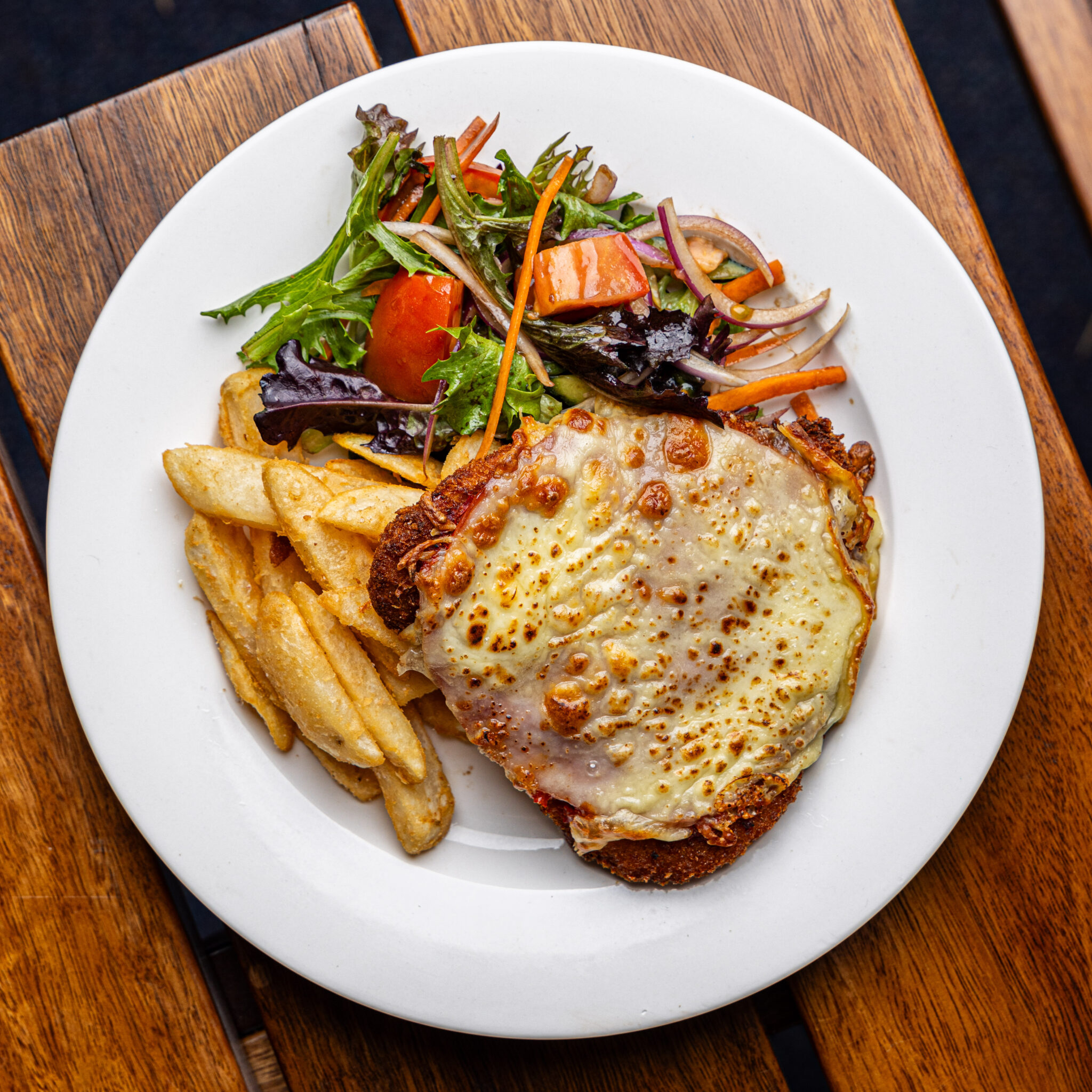
As the original pub with no beer, Lee’s Hotel continues to prove it is anything but short on atmosphere, flavour and community spirit this January. The bistro is now open seven days a week for both lunch and dinner, giving locals even more reason to make Lee’s a regular stop for a good meal and a relaxed catch-up.
This January, lunch your way into the new year with their Early Bird Eats available every day until 6pm. Diners can enjoy classic pub meals for just $20, making it an ideal option for a hearty lunch or an early dinner before evening plans. It is good value, good food and a great way to beat the rush by enjoying your traditional favourites at great prices.
Australia Day celebrations on 26 January will add to the buzz this month, with banging Aussie tunes, competitions, giveaways and food specials setting the scene for a laid-back and lively day at the pub. It is the kind of atmosphere Lee’s has become known for, welcoming, social and full of local character.
Getting there is easy too, thanks to the Lee’s Hotel Courtesy Bus operating Thursday to Saturday from 5pm until late. The service offers safe pick-up and drop-off, taking the stress out of parking and letting guests focus on enjoying their night. Bookings can be made by calling 0482 189 123.
Friday afternoons also bring a local tradition, with the meat tray raffle running from 4pm to 6pm, always a crowd-pleaser and a great excuse to finish the week at the pub. You never know, you could win and take home a great tray of barbecue-ready meats.
With more opening hours, great-value specials and a full calendar of events, Lee’s Hotel is kicking off the new year in style. Tables can be booked via the Lee’s Hotel Ingham website at www.leeshotelingham.com.au, and as always, bring your mates and make the most of what January has to offer.


The Australian barbeque is a mainstay of summer. It is the time when every man proves his mettle on the tongs, dons a ‘kiss the cook’ apron, and cracks open a cold one to beat the heat of the grill and the muggy weather. On the perfect summer’s day, there is nothing better than a BBQ. Combine that with the plentiful mangoes hanging from trees everywhere right now, and you have a recipe to launch your taste buds into the Aussie foodscape.
Mango, Chilli And Lime Marinade
1 ripe mango, peeled and flesh chopped
2 long red chillies, deseeded and chopped
2 garlic cloves
¼ cup lime juice
½ cup coriander leaves
1 tbs olive oil
1 tbs fish sauce
Chargrilled Chicken
8 (about 1.2 kg) chicken thigh fillets, trimmed
2 limes, halved
Steamed jasmine rice, extra coriander leaves and sliced red chilli, to serve
Method:

As the 2025 school year comes to a close, many families are celebrating another year ticked off, while others are quietly realising a big milestone is just around the corner. For parents of Year 6 students, the end of the year marks the beginning of an exciting (and slightly nerve-wracking) transition to high school in 2026.
Moving from primary to high school brings new opportunities, friendships and independence, but it can also come with nerves for both students and parents. New classrooms, different teachers, heavier workloads and unfamiliar routines are all part of the change, and that’s before adding in the emotional rollercoaster of adolescence.
The good news? A little preparation goes a long way.
Attending school orientation days, information sessions and open days can help ease uncertainty, while involving children in decisions — from choosing school bags to planning transport — helps build confidence and independence. Encouraging simple skills like reading a timetable, organising homework and looking after belongings can also make the transition smoother.
Once high school begins, keeping communication open is key. Checking in regularly, celebrating milestones like the first week or first term, and maintaining consistent routines around sleep, meals and homework can help students feel settled. Parents are also encouraged to stay connected with teachers and support staff, and to attend school events where possible.
It’s normal for some students to take longer to adjust. Changes in behaviour, confidence or enthusiasm for school can be signs they’re struggling, and early conversations with both your child and the school can make a big difference.
As families enjoy a well-earned break over the holidays, this transition can be seen not just as a challenge, but as an exciting next chapter. With support, reassurance and a positive outlook, students heading into high school in 2026 can start the year feeling prepared, confident and ready for what’s ahead.
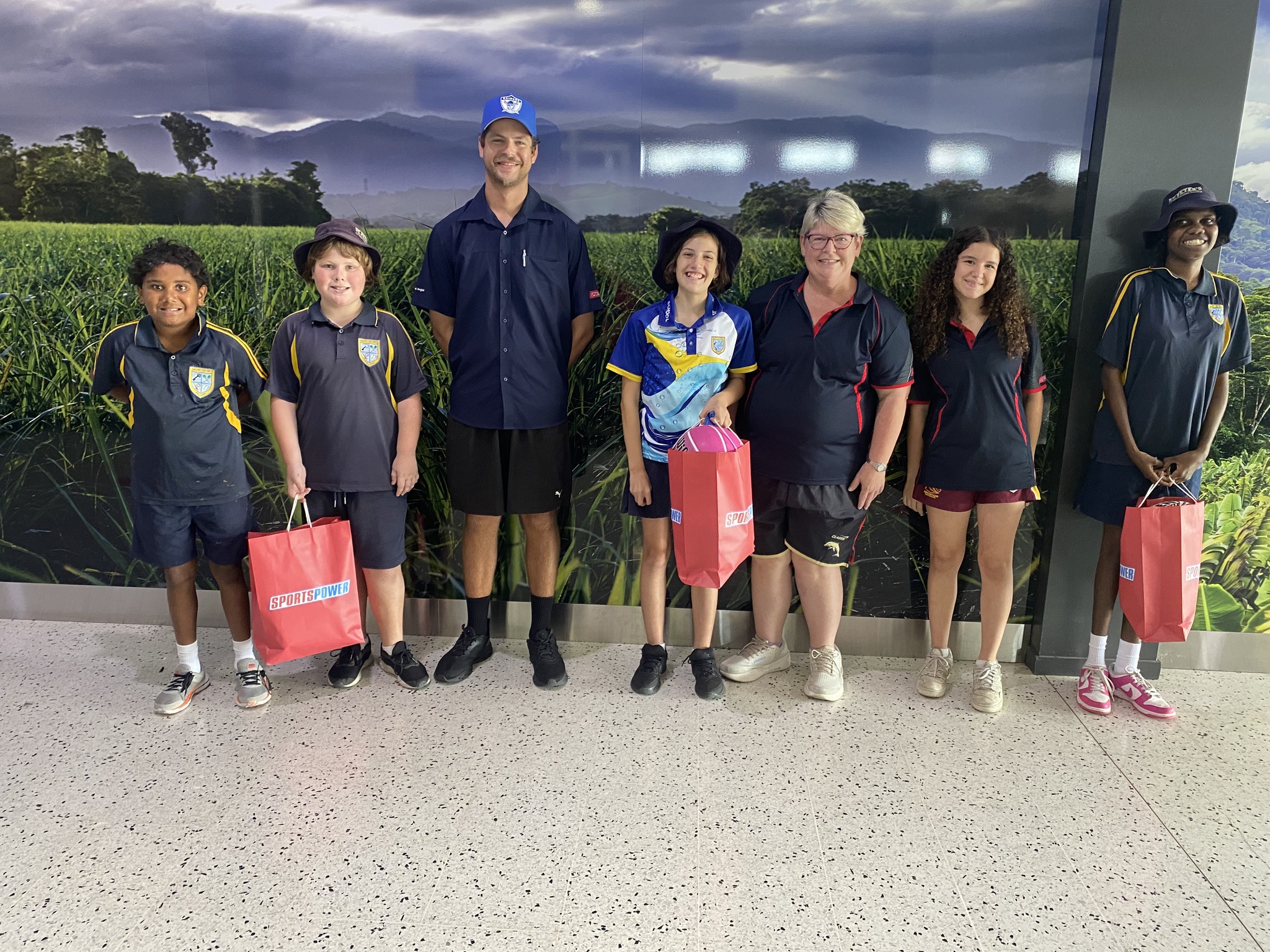
Getting ready for the new school year just got a whole lot easier at Sportspower Ingham. From practical essentials to stylish gear, they’ve got everything students need to start the term on the right foot. Take advantage of 20% off selected backpacks; with pockets, zips, patterns and plain styles, there’s something to catch every eye. Plus, enjoy 50% off selected shoes to make sure little feet are ready for the playground, while older kids are set for sports on the fields and courts. From netball trainers to soccer cleats, each pair offers the right fit – whether it’s basketball springiness or ankle support – and comes from a wide range of brands to suit your child’s active lifestyle.
For families with students at Gilroy Santa Maria College, Sportspower Ingham also stocks a selection of uniform-compliant, quality leather school shoes. Whether you’re topping up essentials or making sure your child is fully equipped with a backpack and shoes that fit just right, Sportspower Ingham remains the go-to local destination for back-to-school practicality.
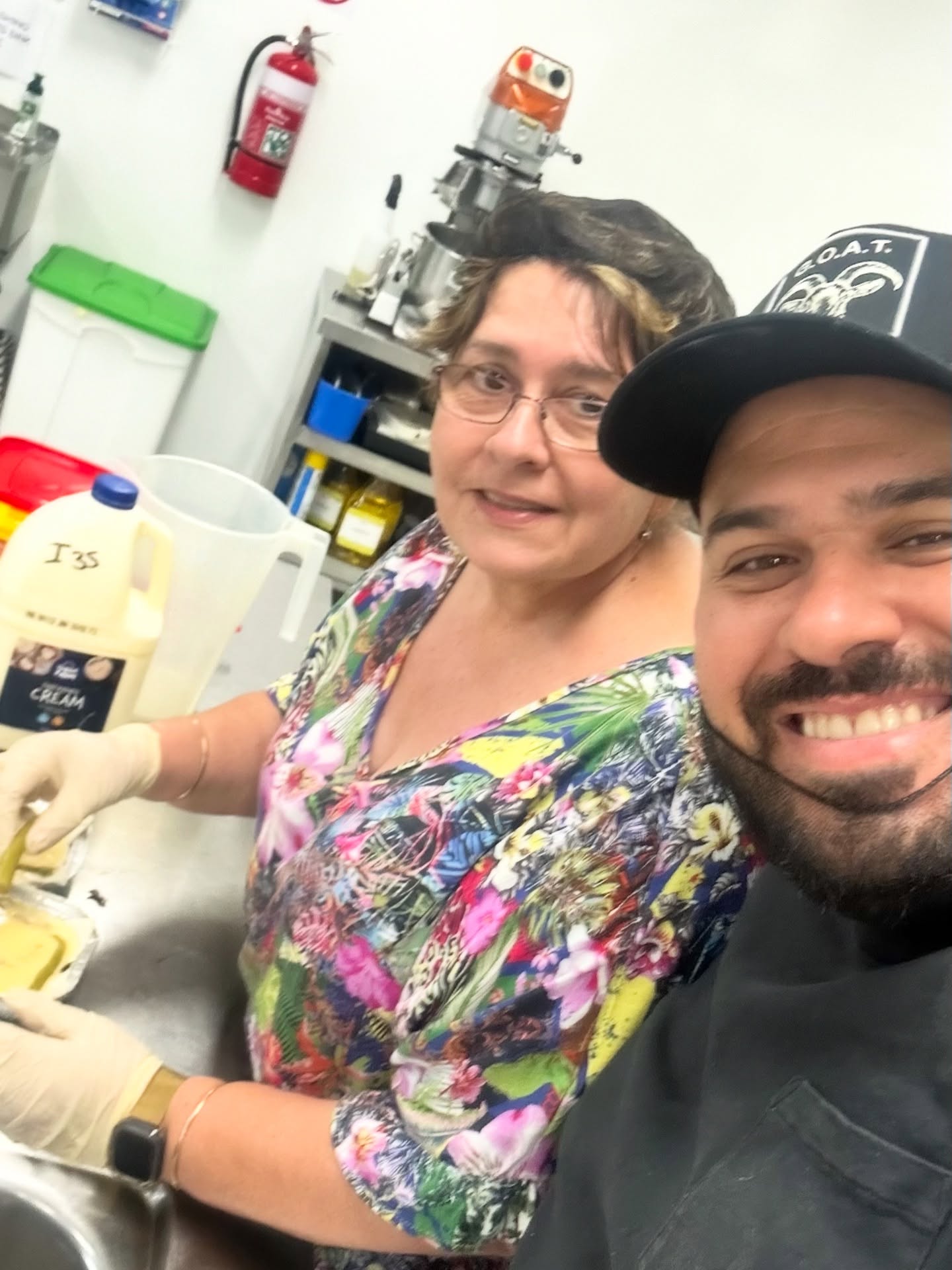
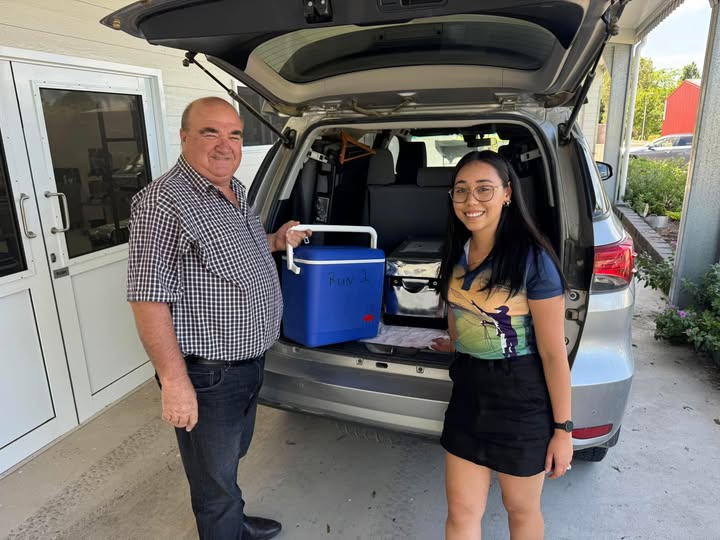
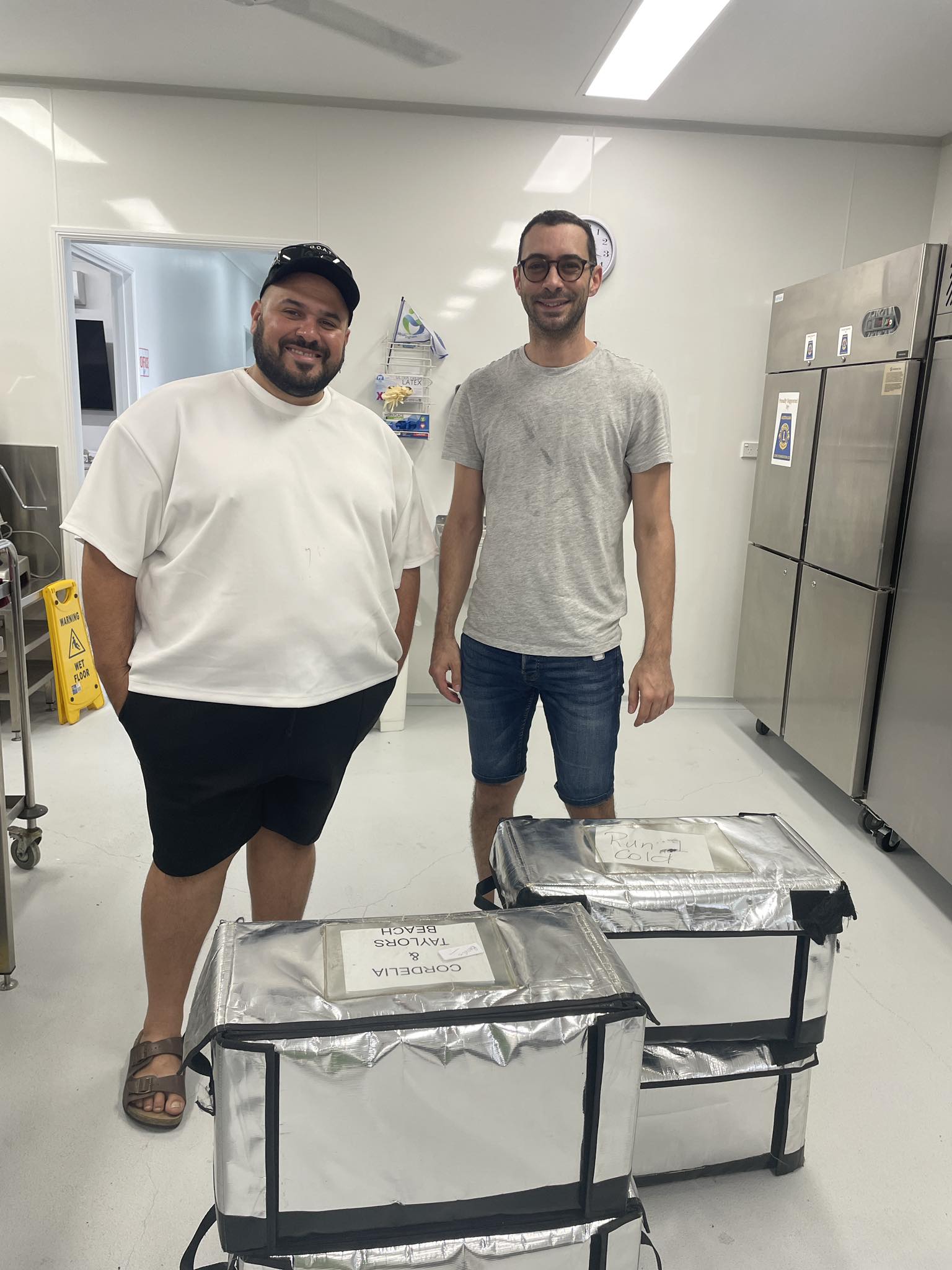
Kicking off 2026 with community spirit, local celebrities Paul Ettore Tabone, his mother Monica Tabone, their friend Renaud, and Mayor Ramon Jayo joined Ingham Meals on Wheels to deliver meals to residents.
“Home for Christmas… but that didn’t stop Paul Ettore Tabone and Renaud from putting their hands up to do some deliveries to our local community,” said Ingham Meals on Wheels. “Nothing beats when locals come back to their hometown for the holidays."
Paul Tabone reflected on the importance of the service; "Meals on Wheels delivers hot meals to older residents, people with disability, and those who are unable to cook for themselves. In regional towns especially, it is a vital service and often the only regular check in someone receives. It is a simple thing, but it makes a real difference. If you have some spare time this year, I would strongly encourage getting involved."
The service has now returned to its normal schedule, operating Monday, Wednesday, and Friday from 8:30am to 1:30pm. Despite recent heavy rain, deliveries are continuing as planned, with updates provided if conditions change.
Ingham Meals on Wheels also thanked its volunteers for continuing to deliver meals “rain, hail or shine,” and encouraged anyone interested in joining the team to enquire at the office. Roles include kitchen support and meal delivery, and staff are happy to answer questions about volunteering.
"Community only works when people show up.” Said Paul, and Ingham Meals on Wheels reflected this: "We can’t thank Paul and Mrs Tabone enough for coming in to help out in the kitchen today. This is what we are about, community and bringing the people together."
For more information or to volunteer, contact Ingham Meals on Wheels on 4776 3078.

By Victoria Velton
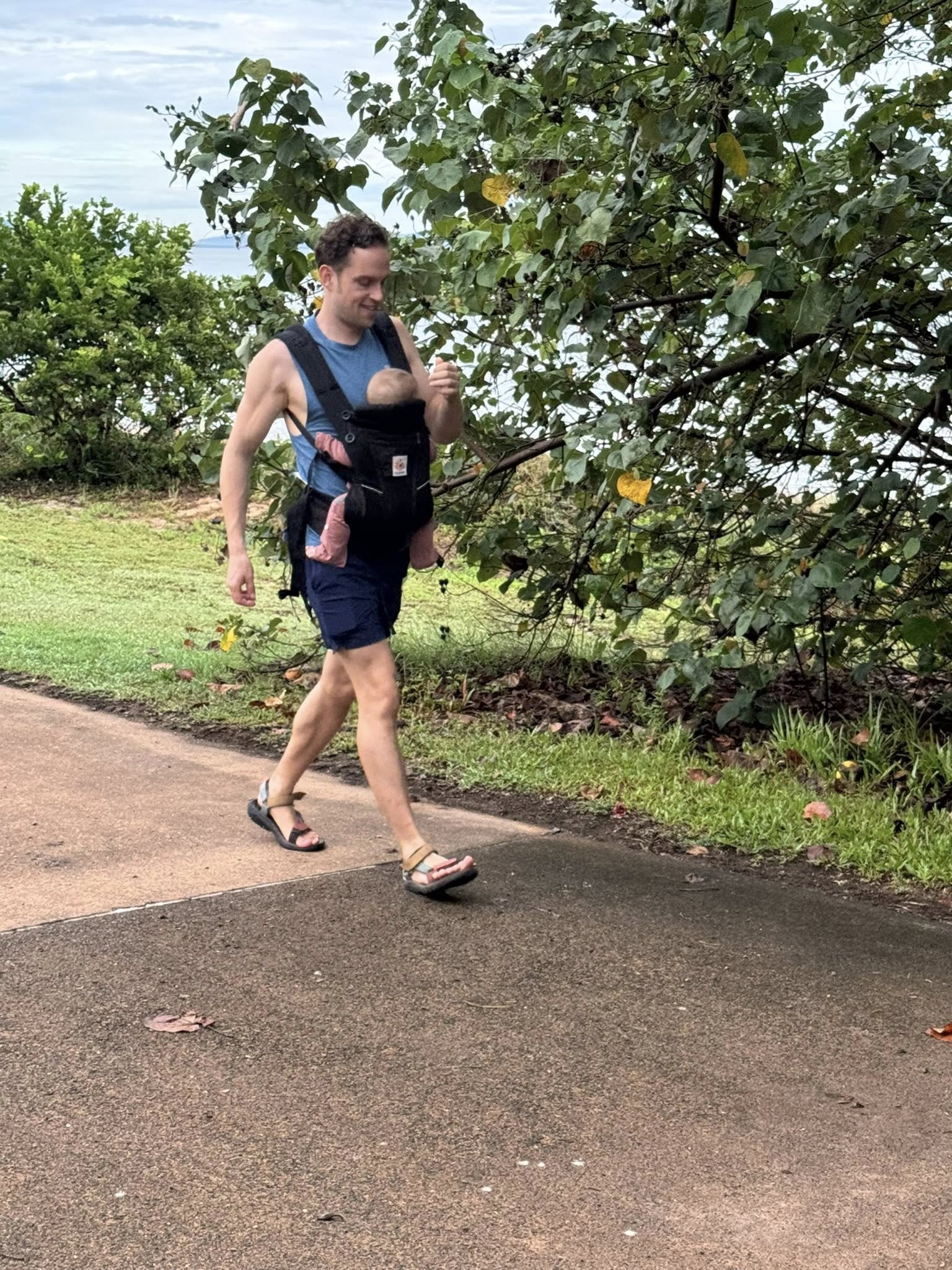
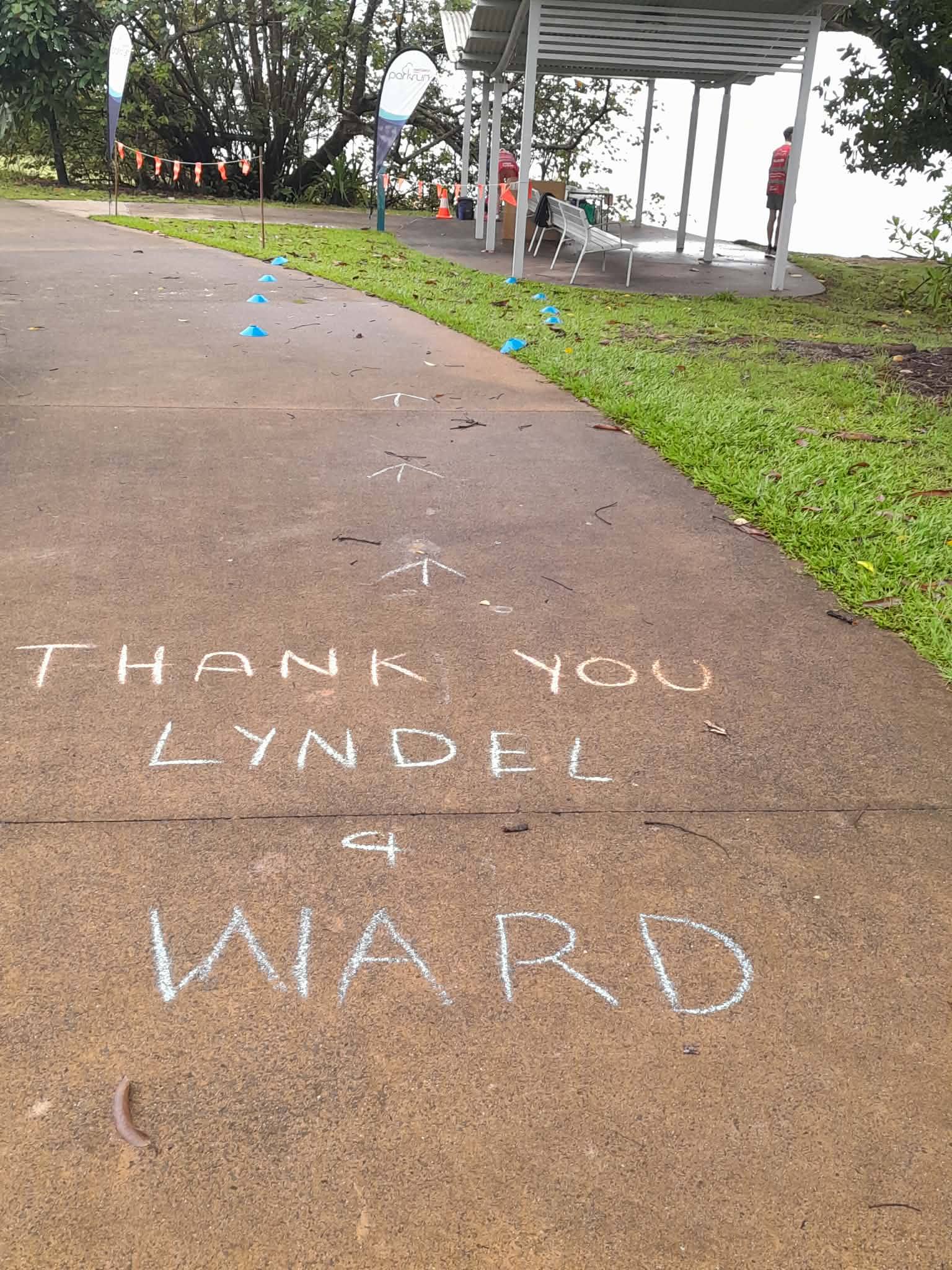
Happy New Year to our Parkrun community! This week we’re sharing the results from the runs held on either side of the New Year, the final run of 2025 and the first of 2026.
Across both Parkrun locations, there was a welcome burst of first timers and visitors to the courses. Despite the wet weather, plenty were keen to give it a go, with the rain keeping us all cool and refreshed.
This January promises a few weekends of soggy shoes and socks, but don’t let that deter you. A gentle stroll through the park or along the foreshore with an umbrella in the misty fog and cool drizzle can be just as lovely. Or sprint full-tilt in your raincoat, we don’t mind.
Parkrun starts at 7am, but be sure to arrive a little earlier to stretch, warm up, catch-up with fellow parkrunners and hear any course updates. Stay healthy, get energised, let's go Parkrun in 2026!
Parkrun Results: 27th December 2025
Palm Creek #103 – 29 participants
First finisher: Julian (19:03)
Final finisher: Steven (1:03:25)
PBs: Brett, Hilary
First timers: Brittany Blanco, Emelia Smyth, Lindsay Pennington, Sophie Pennington
Volunteers: Maria Bertocchi, Erin Cerutti, Ted Cogger, Bridgette Duffy, Julie Mac Pherson, Amanda Towner, Steven Veltmeyer
Cardwell #367 – 14 participants
First finisher: Cian (21:34)
Final finisher: Bruce (49:22)
First timers: Cian Gray, Bradley Weir, Michelle Schluter, Aedin Gray, Mariette Cook, Treasa Gray, Thomas Greaves
Volunteers: Bruce Boland, Anita Davina, Jan Ferguson, Matthew Gardiner, Lyndel Weare, Ward Weare
Parkrun Results: 3rd January 2026
Palm Creek #106 – 11 participants
First finisher: Julian (20:54)
Final finisher: Sandra (55:09)
PBs: Victoria (31:23)
First timers: Scott Hunter, Chris Page
Volunteers: Sandra Coco, Helen Digger, Bridgette Duffy, Matteo Mancuso, Donna Marbelli
Cardwell #368 – 19 participants
First finisher: Jake (21:58)
Final finisher: Judith (49:55)
First timers: James Rees, Bronwyn Sharp, Katrina Obrien, Billie Fletcher
Volunteers: Jake Ball, David Clarke, Judith Clarke, Anita Davina, Jan Ferguson, Kerry Snell, Lyndel Weare

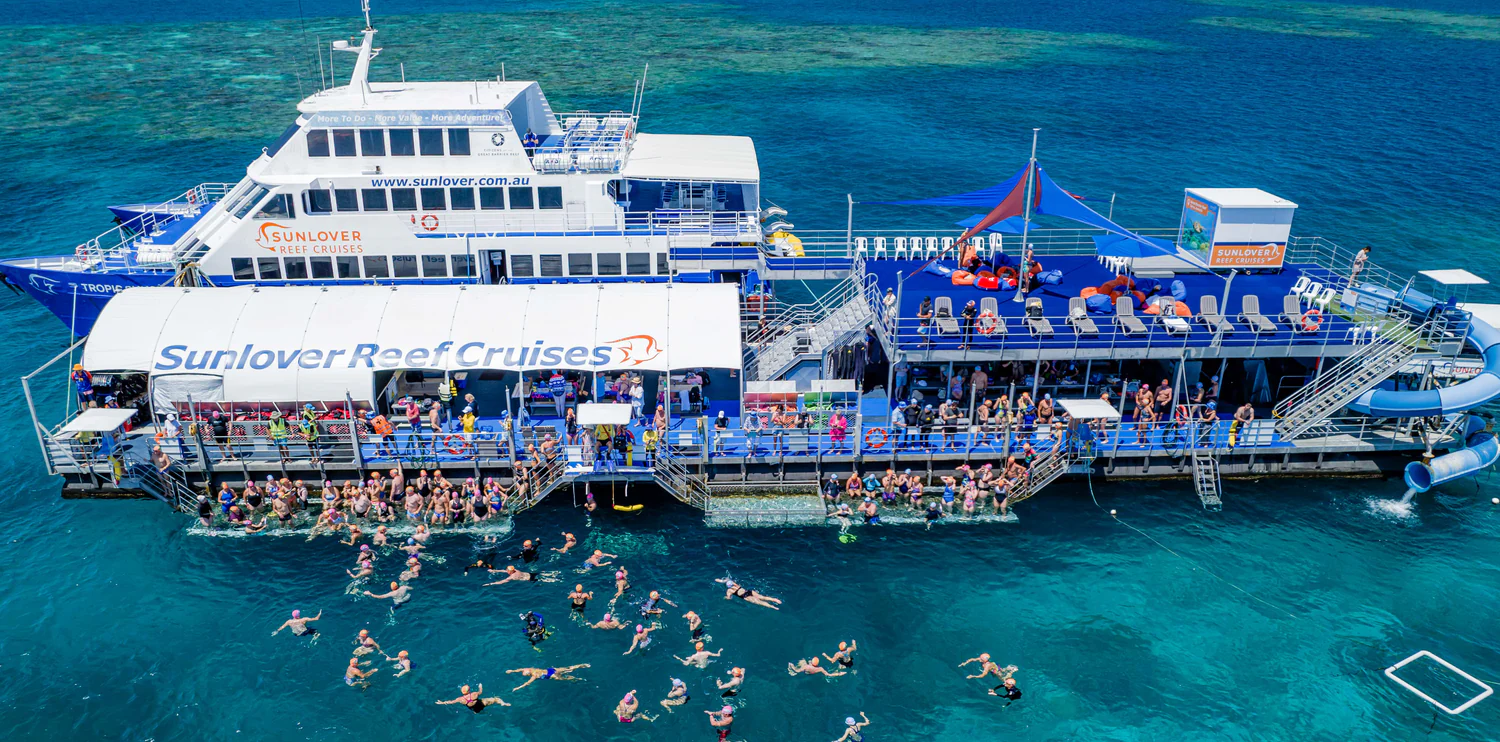
Open-water swimmers from across the state and beyond are being invited to take part in one of the world’s most spectacular aquatic events, with the Great Barrier Reef Ocean Swim set to return on Saturday, the 17th of October 2026.
Now in its sixth year, the Great Barrier Reef Ocean Swim has earned a reputation as a true bucket-list event, offering participants the rare chance to swim directly above the Great Barrier Reef - one of the Seven Wonders of the Natural World. Operated by a highly experienced team from the swimming world and supported by the wider community, the event continues to grow in popularity while maintaining a strong focus on safety, professionalism and unforgettable experiences.
The swim takes place at Sunlover Pontoon on Moore Reef, located 50 kilometres off the coast of Cairns. Competitors will complete a marked course using floating buoys positioned above coral and sand, allowing swimmers to race alongside and directly over the reef while immersed in crystal-clear aqua-blue waters and vibrant marine life.
Swimmers can choose from competitive 2km, 3km and 5km races, or opt for the more relaxed 1km ‘Swim the Reef’ fun swim, designed for those who want to soak up the scenery without the pressure of racing. The fun swim allows participants to use fins, snorkels or flotation aids, making it accessible to a wider range of confident swimmers aged 13 and over.
The event is capped at 300 swimmers and includes a full day on the reef, with ferry transport from Cairns Marina, safety briefings, professional lifeguard and medical support, race timing for competitive events, event photography, merchandise, and a tropical buffet lunch on the pontoon. Participants will also have time to snorkel, explore the reef via a semi-submarine and enjoy post-race celebrations on the return journey.
Organisers say the event is about far more than racing. It is designed to celebrate the natural beauty of the Great Barrier Reef while delivering a world-class ocean swimming experience in a setting unlike any other.
Entries opened on the 1st of December 2025, with early bird registrations available until the 26th of January. Swimmers are encouraged to jump online to www.greatbarrierreefswims.com.au to secure their place early for what promises to be one of the most memorable swims of a lifetime.
WHAT: Great Barrier Reef Ocean Swim
WHEN: Saturday, the 17th of October
WHERE: Moore Reef, Cairns

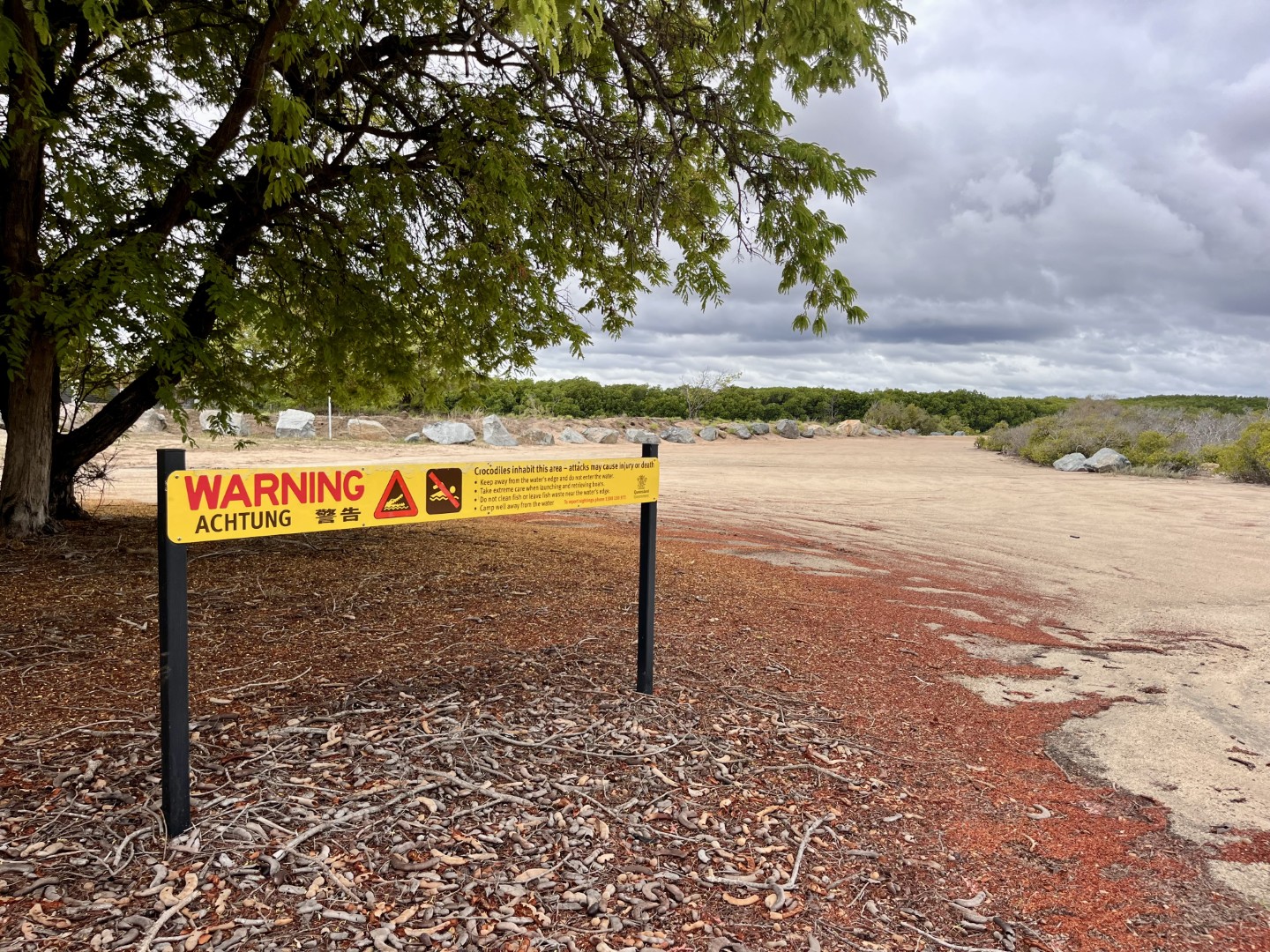
With heavy rain and flooding affecting parts of North Queensland, now is a critical time for Hinchinbrook residents and visitors to refresh their Crocwise knowledge. Rising rivers, fast-moving floodwaters and overflowing creeks don’t just change the landscape; they also increase crocodile movement, bringing risks closer to home.
Saltwater (estuarine) crocodiles are native to North Queensland and can be found in both saltwater and freshwater environments, including rivers, creeks, swamps, lagoons and coastal waters. During and after heavy rain, crocodiles become especially mobile, travelling long distances through flooded waterways and sometimes appearing in areas where they are not usually seen.
In 2025 alone, 115 crocodile sightings were reported across North Queensland. It's a reminder that crocodiles are very much present in our region. Flood conditions make them harder to detect, particularly in murky water, where even large crocodiles can remain completely unseen.
Being Crocwise is the most effective way to reduce the risk of a crocodile attack. It starts with three simple rules: stay out of the water, keep at least five metres back from the water’s edge, and always keep a solid object between yourself and the water. These steps are especially important right now, with rivers flowing strongly and water levels rising.
Residents are urged to avoid swimming, wading or fishing from riverbanks, especially after heavy rain. Crocodiles often hunt in shallow water and are most active at dawn, dusk and night, but attacks can occur at any time. Children and pets should always be closely supervised, and food scraps or fish remains should never be left near waterways, as they can attract crocodiles.
If you see a crocodile — or signs such as tracks or slide marks — report it immediately using the QWildlife app or by calling 1300 130 372. Reporting sightings helps authorities monitor crocodile movements and keep the community informed.
North Queensland’s waterways are beautiful, but they are never risk-free. Staying Crocwise means staying alert, making smart choices and ensuring everyone gets home safely during this wet season.
Publishers Indemnity. Any individual or entity that places advertising, supplies copy material, or submits editorial content to Life Publishing agrees and undertakes to ensure that all such material:- Does not infringe upon any copyright, trademark, or other intellectual property rights;- Is free from any content that could be considered defamatory, libelous, or slanderous;- Does not infringe upon any rights related to privacy or breach of confidence;- Contains no obscene, indecent, or otherwise unlawful material;- Complies fully with the Trade Practices Act and all other applicable laws, regulations, or statutes. Furthermore, by submitting or placing such material, these individuals or entities agree to indemnify and hold harmless the publisher, Life Publishing and Events Pty Ltd, and/or its agents from and against any and all investigations, claims, demands, liabilities, damages, costs, or judgments arising out of or in connection with the material provided. All material is believed to be accurate at the time of printing and remains the copyright of Life Publishing and Events Pty Ltd.
© 2026 Life Publishing Group Ltd.
