
Independently Owned, Locally Grown, Community Loved
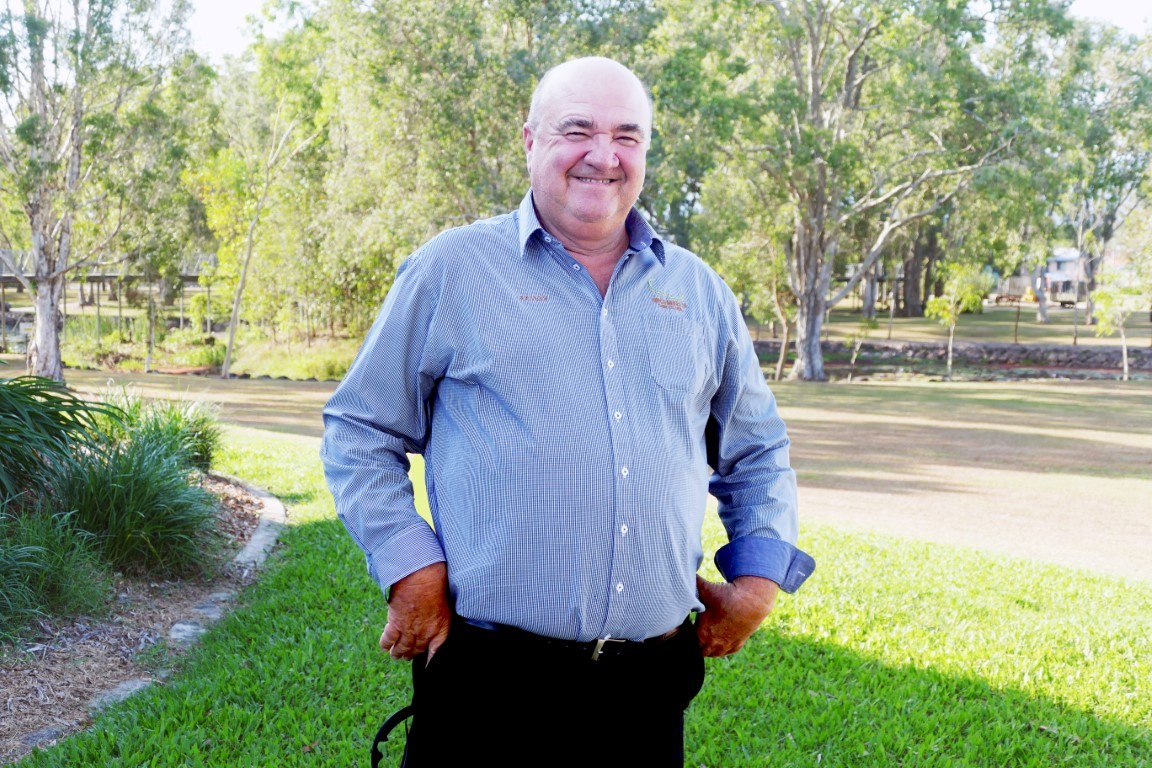
As uncertainty continues around fuel supply in the foreseeable future—due in part to the ongoing conflict in the Middle East—Council is putting contingency plans in place to best manage resources if required, ensuring service delivery to the community is not significantly compromised. While current fuel supply arrangements remain stable, our vulnerability—particularly during the high-risk weather season—means forward planning is essential. Council is determined to be prepared, not reactive. Our immediate priority is ensuring fuel is available where it matters most. Essential services such as water and sewerage operations, waste collection, regulatory services, and disaster response must be protected. To achieve this, some non-essential activities may need to be adjusted if supply tightens. These decisions will not be taken lightly, and Council will always communicate any changes clearly and early. However, as we are increasingly recognising, fuel resources and supply present growing challenges for regional Australia. Addressing this means we must, as a nation, start thinking differently about how we secure our fuel future. This is where bioenergy—particularly from sugarcane—presents a significant opportunity. We have been advocating for bioenergy for years. We already know it works, and ethanol derived from sugarcane has the potential to be a low‑carbon, renewable game changer for Australia’s fuel security. Many other nations are already embracing this approach, so why can’t we? Sugarcane is a powerful and versatile crop. Beyond sugar production, it already contributes to renewable electricity generation through bagasse. You would therefore understand my delight at hearing yesterday’s recommendations from the State Government’s Primary Industries and Resources Committee, following its inquiry into Sugarcane Bioenergy Opportunities in Queensland. The purpose of the inquiry was to examine the current state of the sugarcane industry in Queensland, including the barriers and opportunities facing the sector, and to consider mechanisms to support its future growth and diversification. The committee made 12 recommendations to the Queensland Government aimed at supporting the development of a resilient and profitable sugarcane bioenergy industry. The committee concluded that, with appropriate policy settings and coordinated investment, Queensland’s sugarcane industry is well positioned to play a significant role in the state’s emerging bioeconomy, strengthening regional economies and contributing to Australia’s long-term energy and fuel security. However, the job is not yet complete. We must continue advocating to ensure the State Government not only accepts these recommendations but implements them. Both State and Federal Governments must mandate the use of biofuels and establish the right regulatory and policy settings to create a viable market and provide certainty for investment. This is not about politics. This is about reality. And it is about securing a sustainable future for our region.
Read the full story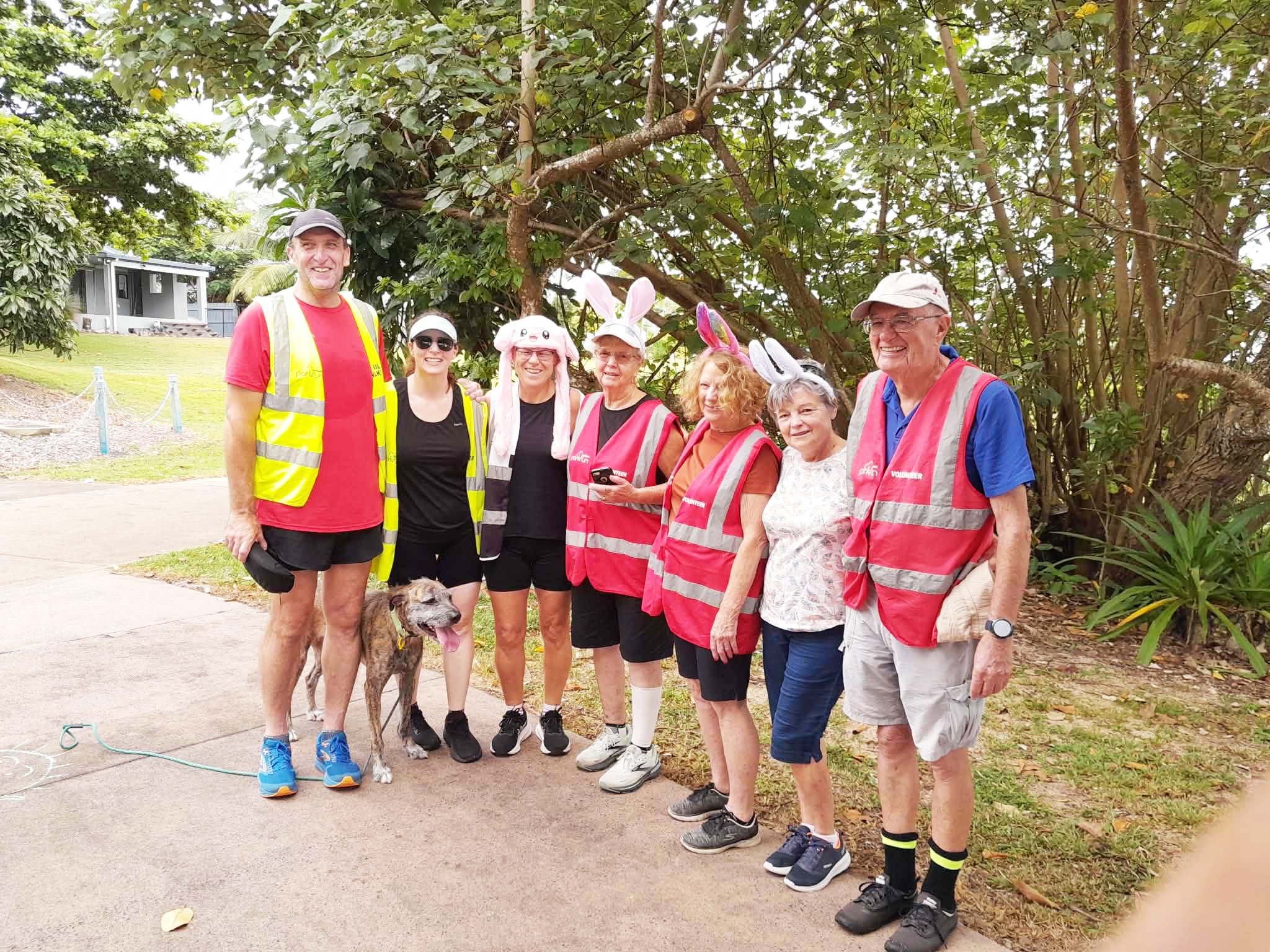
Happy Easter From Parkrun By Victoria Velton Easter weekend brought a noticeable boost to numbers across both courses, with plenty of visitors joining locals for a spirited morning of exercise. At Cardwell, volunteers got into the festive spirit, sporting rabbit ears as runners and walkers took to the course, adding a bit of fun to the morning. Meanwhile, Palm Creek welcomed two large visiting groups from Townsville and Brisbane, helping swell the field and creating a lively atmosphere out on the track. It’s always fun to run and race against new people, having so many on the track meant there was a new face around every bend. Parkrun Results: 4th April 2026 Palm Creek #119 – 57 participants Fastest time: Jeff Rubach (17:54) Final finisher: Kelly Krumin (58:26) PBs: 14 achieved First-timers: 14 welcomed Volunteers: Steven Veltmeyer, Amanda Towner, Samantha Neitz, Matteo Mancuso, Kelly Krumin, Bridgette Duffy Cardwell #381 – 33 participants Fastest time: Joshua Chugg (18:35) Final finisher: Matthew Gardiner (53:24) PBs: 4 achieved First-timers: 10 welcomed Volunteers: Kerry Snell, Glenda Stahel, Jan Ferguson, Terry Curtin, Matthew Gardiner, Rachelle Warlond Photos sourced from Palm Creek & Cardwell Parkrun Facebook pages.
Read the full story.jpg)
New research led by James Cook University is shining a light on what experts describe as the “Achilles’ heel” of marine protected areas (MPAs)—human behaviour. While MPAs play a vital role in protecting ocean ecosystems, including coral reefs and seagrass habitats, the study found their success depends heavily on how well people comply with the rules designed to protect them. Led by conservation scientist Brock Bergseth, the research brought together global experts to develop a new framework aimed at improving compliance. “Globally, marine protected areas and other conservation programs are often impeded by the inability to successfully manage human behaviour,” Dr Bergseth said. The study challenges the traditional reliance on enforcement and penalties, instead promoting a balanced “carrot and stick” approach that encourages voluntary compliance. “While some enforcement may be necessary, it’s not a panacea for compliance,” Dr Bergseth said. Researchers emphasised that early and ongoing engagement with communities is key to success, helping people feel a sense of ownership and fairness around regulations. Senior researcher Jon Day said improving compliance systems would be critical for the future of marine conservation. “Over the course of my career, I’ve seen what happens when compliance and enforcement are under-resourced or overlooked – to the detriment of effective MPAs,” he said. “Reframing our global compliance system will better enable long-standing success of marine conservation initiatives, protecting ocean health now and far into the future.” CAPTION: A new JCU-led study has shown that effective conservation relies heavily on compliance. Photo source: JCU
Read the full story
Community consultation for the Cardwell Walking Network Plan has wrapped up, with local feedback playing a key role in shaping the town’s future walking infrastructure. Over a five-week engagement period, residents shared their views through an online Your Say page, an interactive mapping tool and a community workshop, providing valuable insight into how locals use and experience Cardwell’s walking network. Feedback highlighted the foreshore as the town’s most valued walking destination, while also identifying a strong need for improved connectivity, safety and overall comfort across walking routes. In response, the draft plan has been updated to include stronger links to the foreshore shared path, upgrades to key routes such as Gregory Street and the Bruce Highway, and the introduction of new pedestrian crossings and safety features. Additional lighting, seating and amenities have also been incorporated to enhance the walking experience. The project is being delivered by Cassowary Coast Regional Council in partnership with the Queensland Department of Transport and Main Roads. Council will now work with TMR to finalise the plan, which will help guide future investment in walking infrastructure across Cardwell, subject to available funding. Community members who contributed to the consultation process have been thanked for helping shape a more connected and accessible future for the town.
Read the full story

Ergon Energy field crews worked throughout the night on Sunday, and as at 5am on Monday, there are approximately 2,500 customers without electricity due to ex-Tropical Cyclone Koji.
This is down from the peak of 23,000 customers that were impacted across Townsville, the Whitsundays, and the Mackay local government areas yesterday.
Approximately 20,500 customers have had their electricity restored since yesterday’s cyclone landfall, which is 90% of impacted customers.
Ergon Energy crews will continue restoration efforts today, noting the outlying customers may experience a longer restoration timeframe depending on the extent of network damage, and the ability for crews to access the damaged areas.
Ergon crews will do damage assessments of the remaining impacted network today to determine estimated restoration timeframes for the remaining customers and communities impacted.
Once determined, each estimated restoration timeframe will be uploaded into the Ergon outage finder website for customers to best determine their individual situation and arrangements.
Information on any remaining electricity outages is available at Ergon Network’s online outage finder: www.ergon.com.au/network/outages/outage-finder/outage-finder-text-view
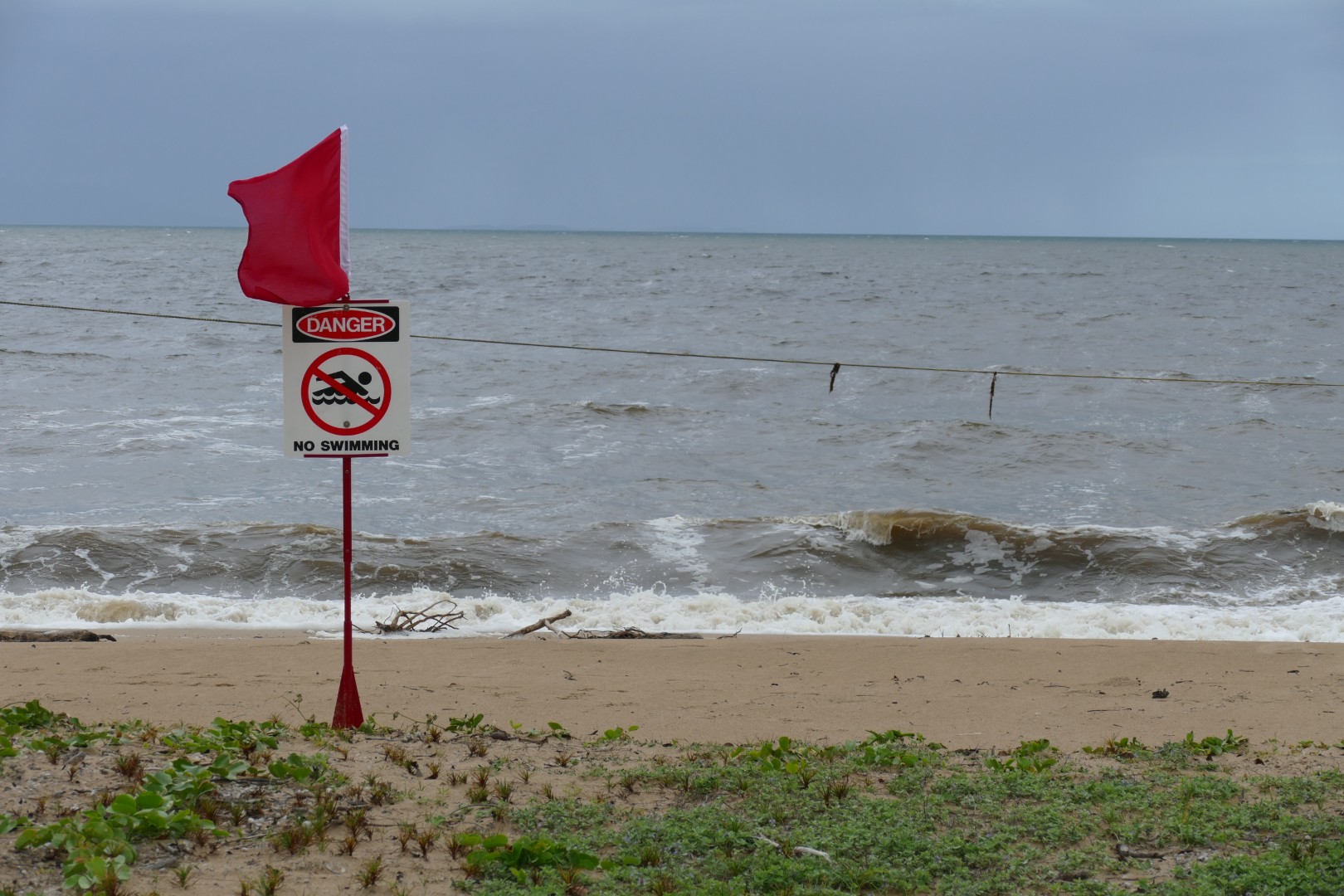
Queensland authorities are urging boaties and beach-goers to put safety first this summer, warning that a single reckless decision on the water could quickly turn a day of fun into tragedy.
Queensland Water Police, alongside partner agencies, will be ramping up patrols across coastal and inland waterways. The increased enforcement comes as marine incidents traditionally spike during peak travel periods.
Patrols will focus on dangerous and non-compliant boating behaviour, including speeding, unsafe manoeuvres, and operating vessels under the influence of alcohol or drugs. Authorities will also be closely monitoring vessel safety standards, lifejacket compliance and overall waterway behaviour.
Boaties are being reminded to ensure their vessels are properly maintained and equipped before heading out, with all required safety gear on board, in good condition and easily accessible in case of emergency.
Maritime Safety Queensland General Manager Kell Dillion said wearing a lifejacket could be lifesaving.
“We’re reminding skippers that if something goes wrong and you end up in the water, your lifejacket can only save you if you’re wearing it,” he said.
“Before you head out, take a minute to check your lifejackets are in good condition, meet Australian Standard 4758, and are the right size for everyone on board. A properly fitted, well-maintained lifejacket can be the difference between a close call and a tragedy.”
Police have also warned that drink and drug driving on the water is both illegal and extremely dangerous, while speeding in congested holiday waterways remains a major concern. Seasonal speed limits and restricted zones will be actively enforced.
Water Police Gold Coast Officer in Charge Senior Sergeant Peter Venz said officers would take firm action where required.
“Slow down, allow extra time for busy waterways, and stay off drink and drugs if you are operating a vessel.” Senior Sergeant Venz said.
Seqwater Operations Manager Katie Jones reminded skippers to remain alert for submerged hazards and changing conditions.
“Be alert and be aware,” she said.
“Make sure you check the weather and water conditions before you leave and stay aware of who and what is around you on the water.”
Surf Life Saving Queensland is also urging beachgoers to swim between the red and yellow flags.
“We all love a day at the beach, but the surf can be unpredictable,” Lifesaving Services Coordinator Paul Ryan said.
“That’s why we use the flags to mark the safest area to swim.”
Senior Sergeant Venz said keeping Queensland’s waterways safe was a shared responsibility.
“We remain committed to working with partner agencies to reduce marine incidents and keep Queenslanders safe,” he said.
“Our message is clear: respect the conditions, follow the rules, and help ensure everyone can enjoy a safe summer on the water.”

.JPG)
Hi Readers,
I hope you all enjoyed a wonderful Christmas spent with family and friends. As we move into the New Year, it’s also a timely reminder that this is the season when being prepared really matters.
Living in our shire, we know how quickly weather conditions can change. Taking a little time now to prepare can make a big difference for you and your family if an emergency occurs. Preparation doesn’t have to be overwhelming small, practical steps can provide peace of mind and help keep everyone safe.
A good place to start is with water and food. Aim to have enough supplies for at least seven to 10 days, including around 10 litres of drinking water per person, along with non-perishable food items that don’t require refrigeration.
For families with young children, check that baby food and formula are within expiry dates, and ensure you have enough nappies, wipes and bottles to last several days. Our pets are part of the family too, so remember to put aside dry food, water and feeding bowls for them.
Health and hygiene supplies are equally important. A basic first aid kit, face masks, work gloves and rubbish bags are useful to have on hand. Make sure you have essential medications, including at least a week’s supply of prescription and over-the-counter medicines. Toiletries such as toilet paper, soap, toothpaste, shampoo, sunscreen, insect repellent, tissues and hand sanitiser should also be included.
Finally, take time to gather your important documents. Keeping paper copies or scanned versions saved to a USB — such as driver’s licences, insurance policies, passports and legal documents — can save a great deal of stress when you need them most.
Preparing now helps protect what matters most.
As we welcome the year ahead, I wish everyone a very Happy and safe New Year for 2026. Please take care, stay prepared and continue to look out for one another.

A slow-moving weather pattern is continuing to impact the Hinchinbrook region, with storms developing over the ranges and drifting east towards the coast, where they have the potential to stall and deliver heavy rainfall.
Mayor Ramon Jayo said the system has followed a familiar pattern over recent days, with storms becoming “stonewalled by coastal convergence somewhere along our coastline” before stopping and releasing significant rain. “That’s where the big rain is, as the system stops and drops on top without moving,” he said.
According to the Bureau of Meteorology, this pattern is expected to continue until at least next Tuesday. The greatest risk now lies inland.
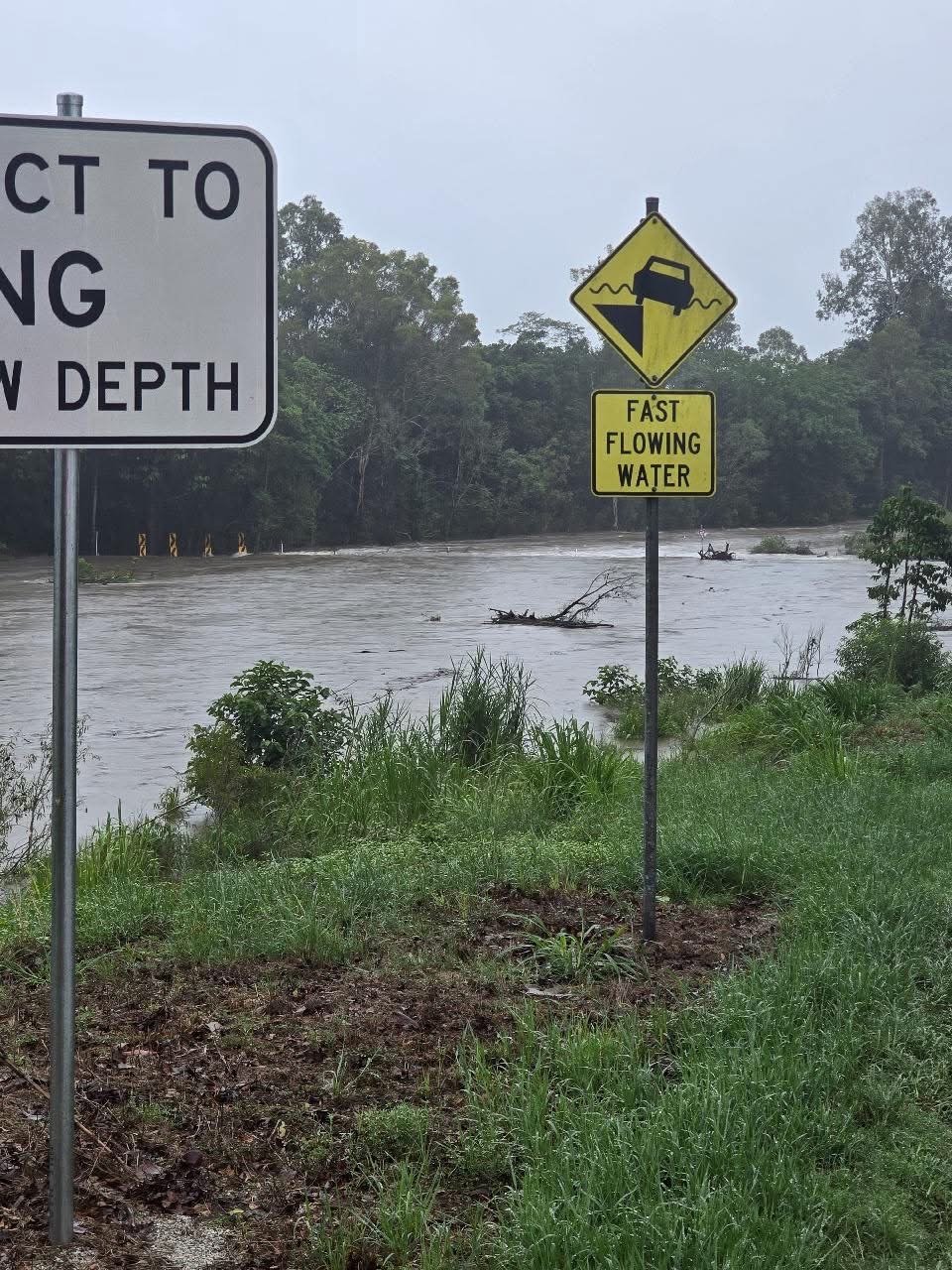
Rainfall of around 154mm was recorded at Wallaman overnight, resulting in slow but steady rises along the Herbert River. As of Monday morning, Mayor Jayo advised it was probable that the Ingham Pump Station could reach minor flood level of 10 metres during the afternoon. Abergowrie Bridge is already at minor flood level, with modelling indicating it could approach moderate levels later tonight or into tomorrow.
“A minor flood level will not affect property or lead to serious disruption,” Mayor Jayo said. However, he noted that even minor flooding can impact access for Lower Herbert communities, particularly if levels reach known cut-off points. “Remember, 8.99 metres at Ingham Pump Station will have water hitting the Anabranch Bridge at Bemerside, and the Halifax washway will be in water.”
Residents in Lower Herbert and Abergowrie are being urged to monitor river levels closely and adjust travel plans if water levels approach those thresholds. Visitors staying in coastal areas such as Lucinda and Taylors Beach are also encouraged to stay informed.
Council continues to monitor conditions closely, with river levels across many parts of the Herbert currently recorded as steady or rising, and below flood level or at minor flood stage.
Stay Informed Via The Disaster Dashboard
Residents are encouraged to regularly check Hinchinbrook Shire Council’s Disaster Dashboard for the most up-to-date local information.
The dashboard provides real-time updates on flood cameras, road conditions, weather warnings and power outages. It also includes links to Bureau of Meteorology pages, flood height charts, emergency action guides, local emergency contacts, social media updates and an incidents map showing recorded statuses across the shire.
Road closures are updated as conditions change, and the dashboard remains the most reliable source of verified local information during weather events.
Safety Advice
Do not drive, walk or play in floodwater, as it can be extremely dangerous.
Always obey road closure signs and plan ahead.
Stay informed through local media and official channels.
Before travelling, check road conditions, particularly after heavy rain or during high tide. Avoid driving through flooded or saltwater-affected areas, as this poses serious safety risks and can damage vehicles.
For emergency assistance, contact SES on 132 500. In life-threatening situations, call 000.
The Hinchinbrook Disaster Dashboard can be accessed at:
https://disaster.hinchinbrook.qld.gov.au

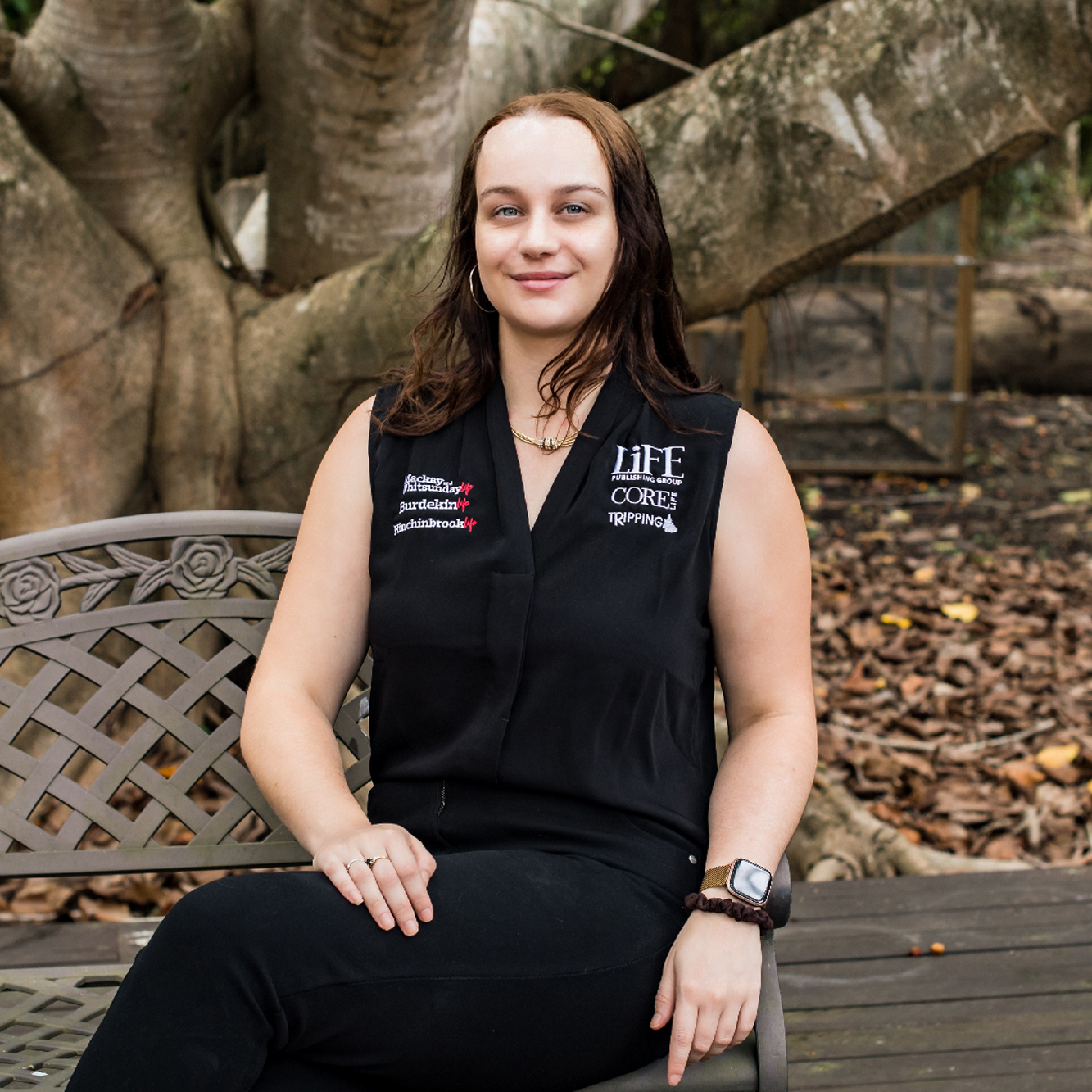
Hiya Hinchinbrook Shire,
Are you feeling refreshed and ready for the new year? I hope everyone enjoyed their Christmas holidays and had a fantastic New Year's celebration surrounded by friends and loved ones. A new year brings new opportunities and a fresh start. Wishful resolutions are fine, but how about we set feasible goals?
Planning and preparedness are familiar concepts in regional areas like ours, particularly in terms of survival through our wonderful seasons, but how about in the matter of living? What enjoyment will you try or pursue this year? And once you have that goal in mind, break it down into the steps to achieve it. Take learning a new instrument or travelling to a new place (very popular New Year's resolutions) and actually set yourself the steps to achieve them.
Like applying for a passport or booking a term of music lessons. The small first steps can seem the hardest hurdle, but once complete, the rest can be smooth sailing if you stick with the process. Great, you now have your travel documents or you now know the basic chords, the rest of the resolution to be a rockstar or climb Mt Everest are at least feasible goals you could reach now.
Have fun and enjoy the journey to the resolution as much as achieving the goal itself. Happy New Year, Hinchinbrook!
Victoria
Fun Fact: My resolution last year was to start horse riding again. Get back in the saddle, so to speak, now I have set myself the goal to perfect my canter and the resolution to jump higher in horsesports than I did last year.
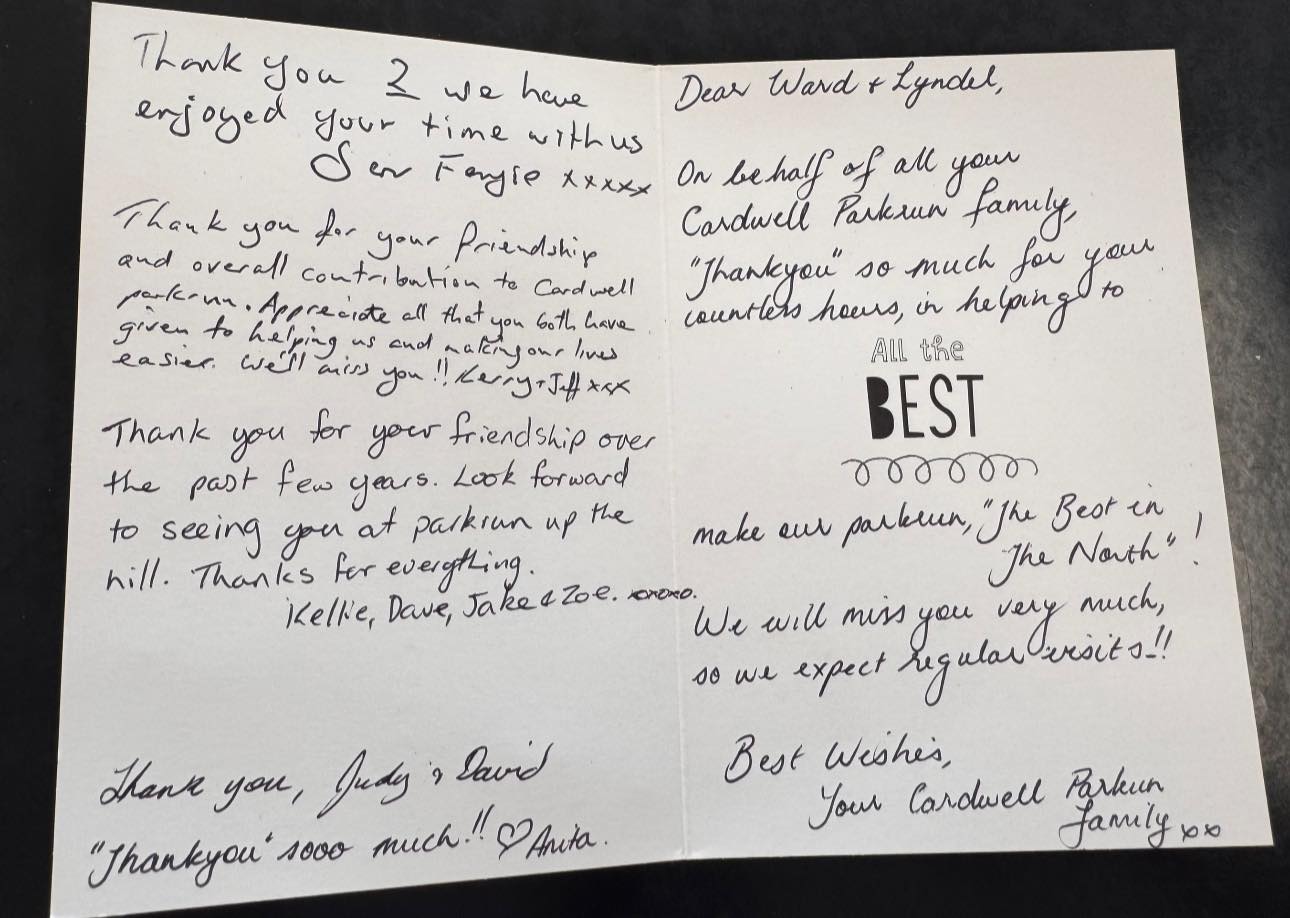
The Cardwell parkrun family started the New Year with a whole lot of heart, as 19 walkers and runners took to the foreshore for the first parkrun of the year.
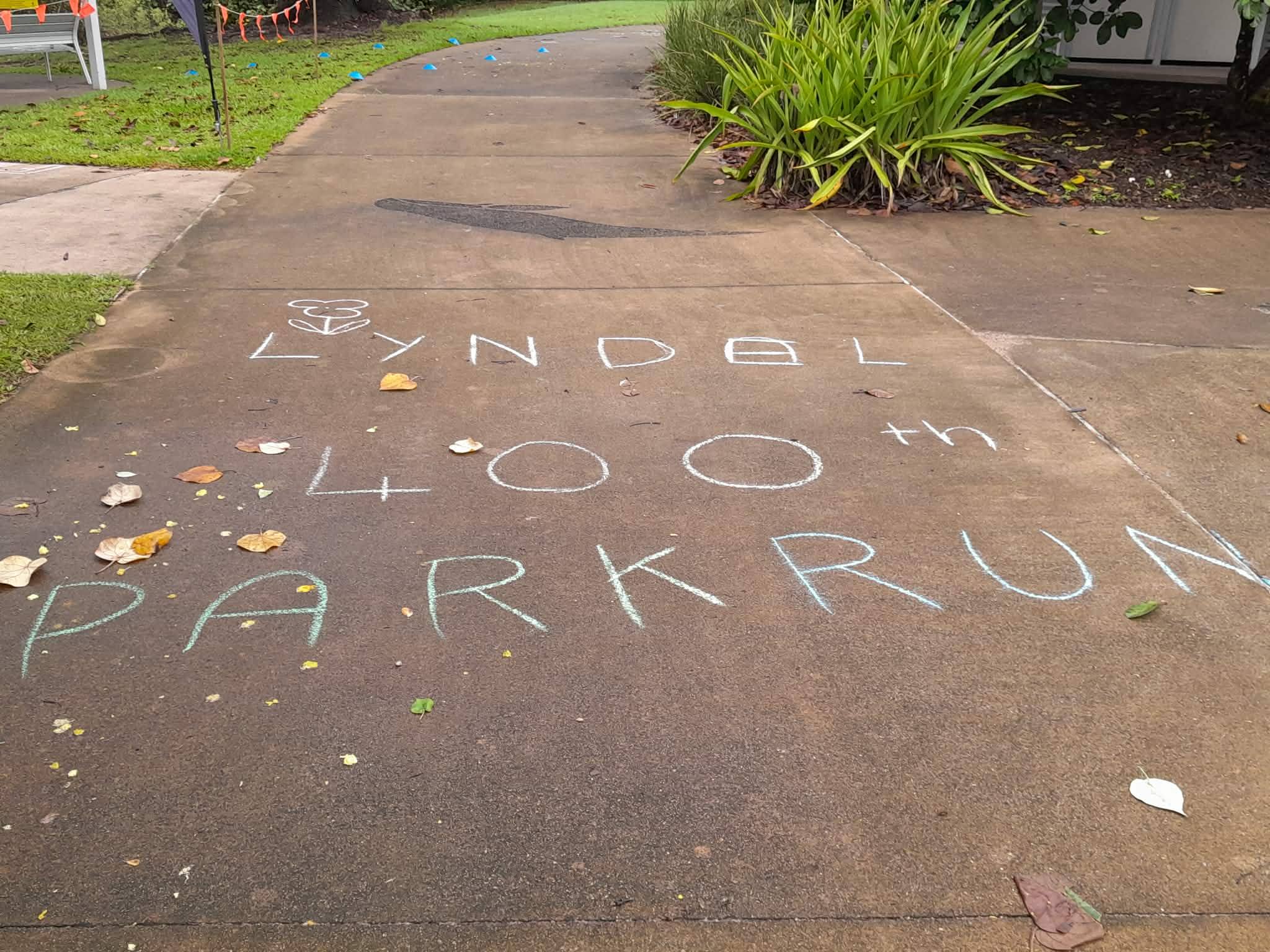
Among the celebrations was a special milestone, with Lyndel clocking up an incredible 400 parkruns. A huge achievement and one that reflects years of dedication, early mornings and encouragement for others along the way.
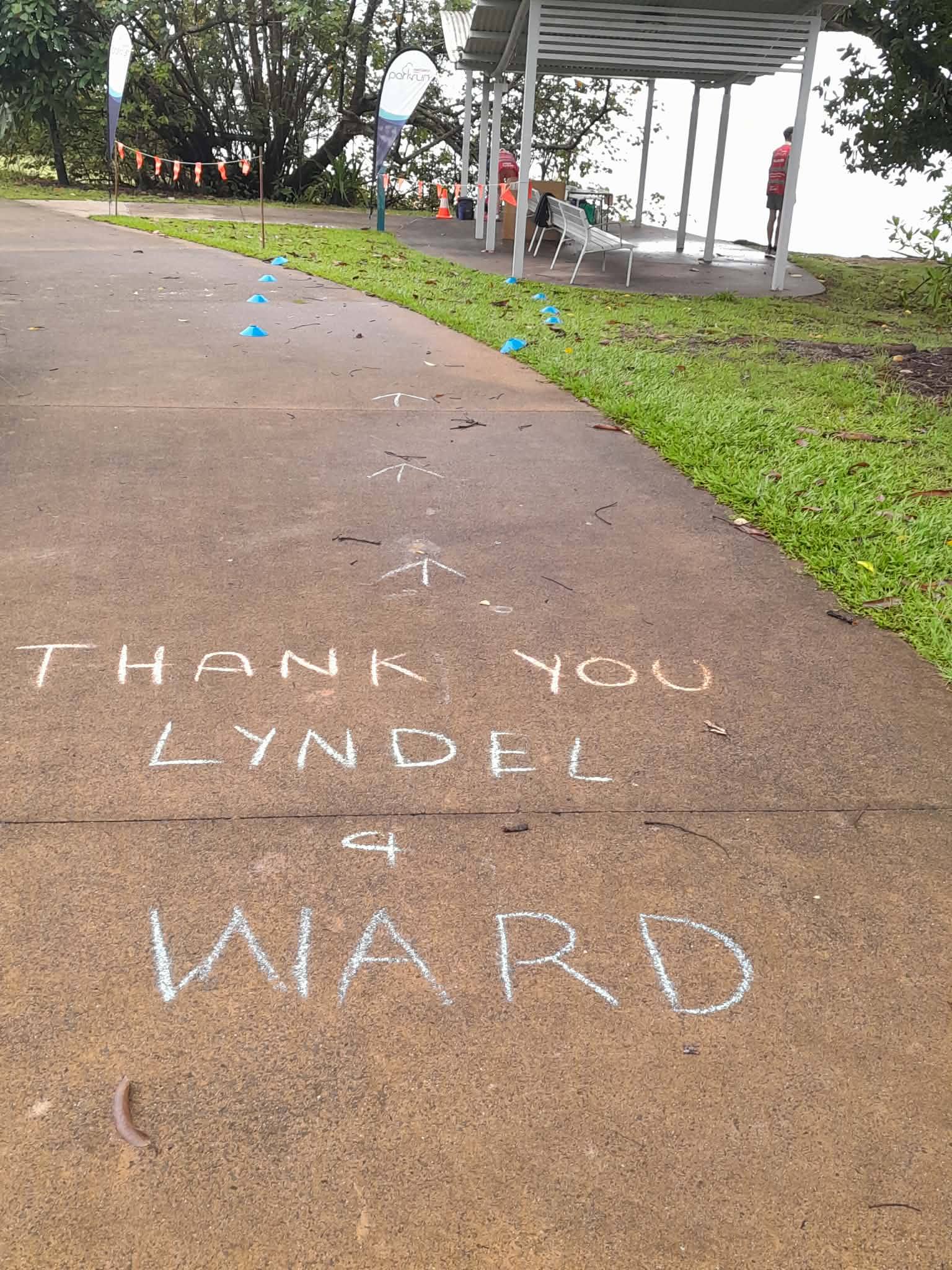
It was an emotional morning too, as the community farewelled Lyndel and Ward, who are moving on after years as much-loved members of the Cardwell parkrun family. Fellow participants marked the occasion with a card and handwritten messages drawn along the pathway of the course, turning the foreshore into a living farewell.
In a message shared with the pair, the Cardwell parkrun family thanked them “for everything you have done for us over the years since you came to Cardwell”, praising their dedication to the small “but mighty” parkrun community, before ending with the reminder that this was “not a goodbye, it’s a see you again soon”.
Their contribution has gone far beyond kilometres logged. From volunteering to friendship and support week after week, Lyndel and Ward have helped shape the welcoming spirit that defines Cardwell parkrun.
As one chapter closes and another begins, Cardwell parkrun once again showed that it is about far more than a run. It is about fostering a healthy community, kindness and showing up for one another, right to the very last finish line

Hinchinbrook continues to grow, welcoming new professionals and families attracted by lifestyle, affordability and the natural beauty of North Queensland.
While this growth is positive, it also highlights the need for strong disaster preparedness across the community.
“Hinchinbrook is a wonderful place to live, but it’s also a region where cyclones, flooding and storm tides are part of everyday reality,” said Hinchinbrook Shire Council Mayor Ramon Jayo.
“For long-time locals, this is well understood. For newcomers, the risks may not become clear until severe weather hits and by then it can be too late.”
Mayor Jayo said disaster preparedness is not a seasonal message and that it is a shared responsibility.
“Severe weather can escalate quickly, with roads closing within hours, power outages lasting days and communities becoming isolated,” he said.
“Nearly 12 months ago, many households were cut off without access to shops or pharmacies. That experience reinforced why preparation is critical, not optional.”
Residents are encouraged to familiarise themselves with the Australian Warning System, which uses three levels — Advice, Watch and Act, and Emergency Warning.
“Understanding what these warnings mean can save lives, but awareness alone isn’t enough,” the spokesperson said.
“Every household needs a clear emergency and evacuation plan, an emergency kit with essential supplies, and a plan for pets.”
New residents may also underestimate the likelihood of isolation during disasters. Flooding and infrastructure damage can cut off rural properties and small communities for days.
“Every household should be prepared to be self-sufficient for seven to ten days,” Mayor Jayo said.
“Non-perishable food, water, medications, pet food, fuel and batteries are lifelines, not luxuries.”
While the Local Disaster Coordination Centre can assist isolated areas, this is a last resort after prolonged isolation.
“The best defence is self-sufficiency,” Mayor Jayo said.
For real-time information, residents are urged to use the Hinchinbrook Disaster Dashboard, which provides live updates on road closures, flood alerts, power outages and weather warnings. Location-based email alerts are also available.
“Hinchinbrook is known for its strong community spirit,” Mayor Jayo said.
“We ask residents to share this information, check on neighbours and help ensure everyone has access to reliable updates.”
“Disasters don’t wait. Preparation saves lives,” Mayor Jayo said.
“As our community grows, so does our responsibility to plan, prepare and look out for one another.”
Visit: disaster.hinchinbrook.qld.gov.au or getready.qld.gov.au for more information.
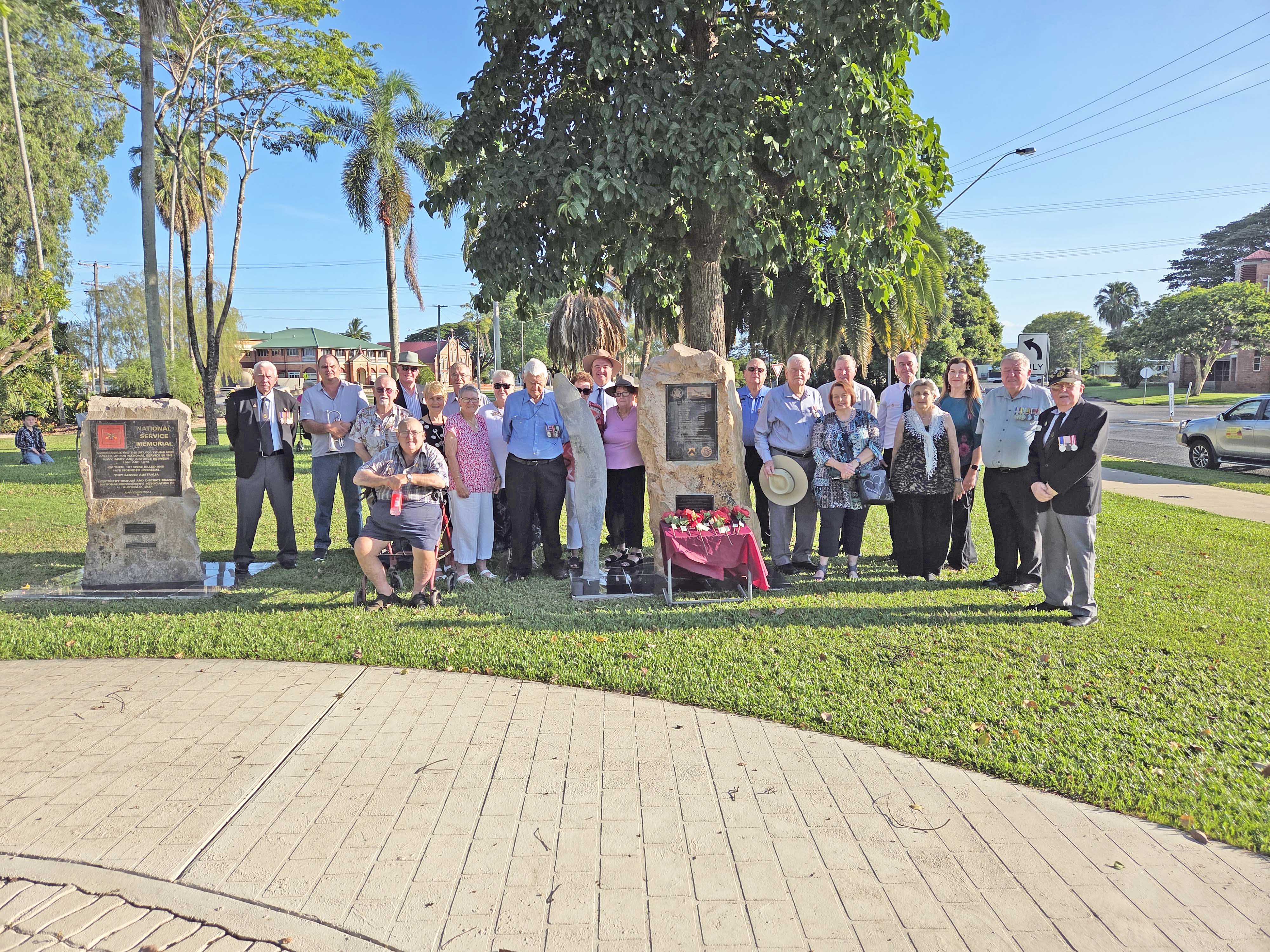
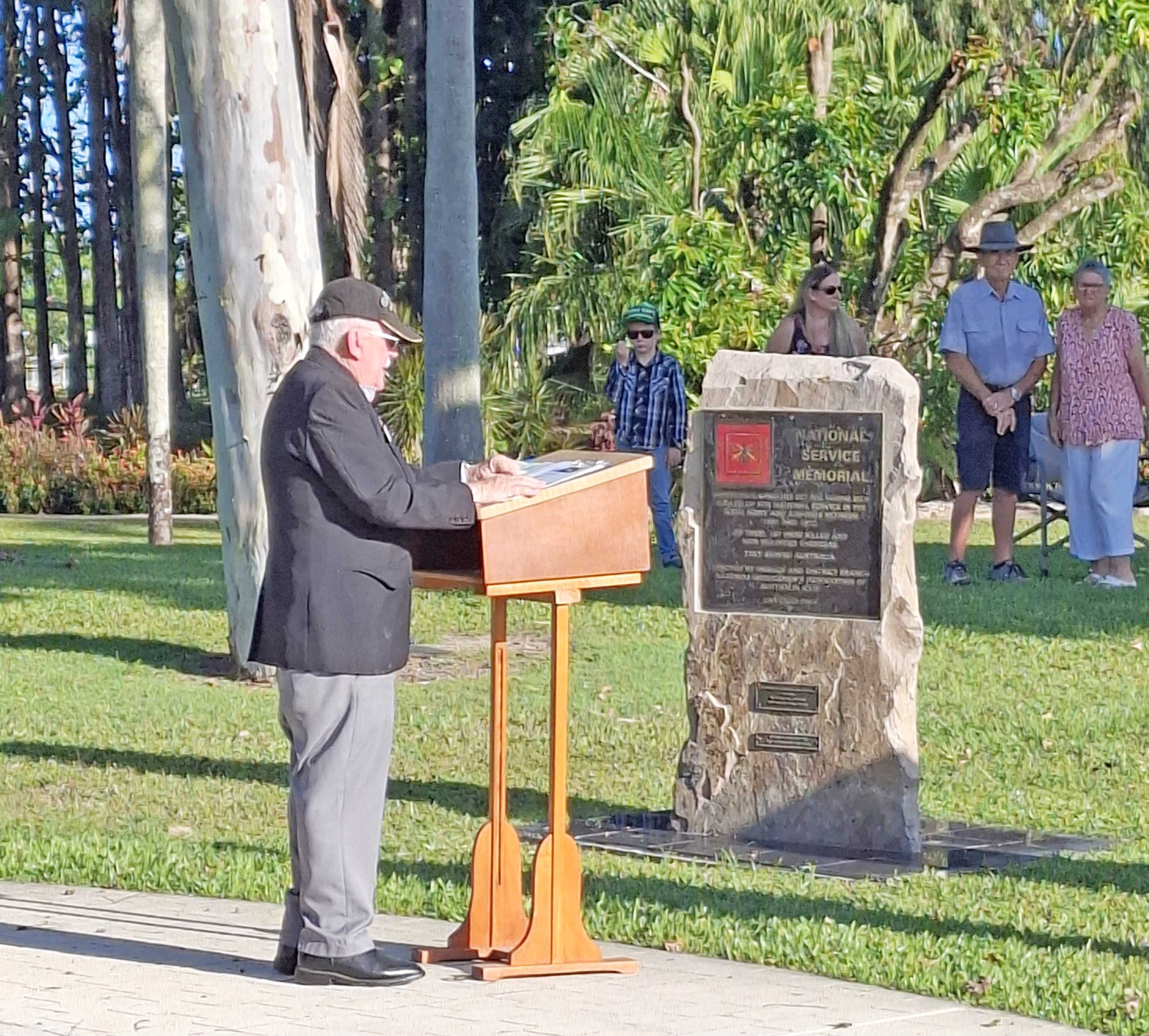
On Sunday 21st at 5:00pm, local members of the Texas Terror Committee, together with Hinchinbrook Shire Mayor Ramon Jayo and Herbert River RSL President Rodger Bow, attended the annual memorial ceremony honouring those who lost their lives in the Texas Terror plane crash.
The ceremony commemorates the American B-24 Liberator bomber that crashed into the summit of Mount Straloch on Hinchinbrook Island in mid-December 1942, killing all twelve crew members on board.
Guests also travelled from 31 Battalion Association branches across the Burdekin, Townsville and Charters Towers to pay their respects.
During the service, a minute’s silence was observed not only for the crew of the Texas Terror, but also in remembrance of the victims of the Bondi shooting.
Messages of thanks were read from the daughter of Colonel Riggs in the United States, expressing her appreciation to those who continue to honour and preserve the history of the crash and the lives lost.
A dinner was held following the ceremony, providing an opportunity for attendees to reflect and share stories in a respectful and commemorative setting.
(Contributed with thanks by Felix Reitano, O.A.M. Pres. 31 Bn Assoc Ingham)

.jpg)
Residents across the Hinchinbrook region are being encouraged to have their say on the future of the Bruce Highway, with Expressions of Interest now open for regional representatives to join the Bruce Highway Advisory Council.
The Crisafulli Government has opened applications for the next intake of council members, including a representative position for North Queensland, which covers communities throughout the Hinchinbrook region and surrounds.
The Bruce Highway Advisory Council plays a key role in shaping priorities for safety upgrades and long-term improvements along Queensland’s primary transport corridor. The council has helped inform the $9 billion Bruce Highway Targeted Safety Program and the development of a statewide Fatigue Management Strategy.
Chaired by the Minister for Transport and Main Roads, the council brings together regional representatives and industry stakeholders from Pine River to Far North Queensland to identify problem areas and guide where investment should be prioritised.
Minister for Transport and Main Roads Brent Mickelberg said the government was committed to listening to the people who rely on the Bruce Highway every day.
“The Bruce Highway is the lifeline of regional Queensland, and we’re committed to making it safer, more reliable, and fit for the future. Unlike Labor, who cut the Advisory Council after it met only a handful of times, we brought it back 12 months ago - and it’s delivering real results,” Minister Mickelberg said.
“Since re-establishing the BHAC, we’ve made huge strides in improving safety and reliability, guided by the voices of those who know this highway best. With more than 40 projects already fast-tracked as part of the Bruce Highway Target Safety Program and more projects rolling out next year – we’re building on the strong foundations we’ve laid this year.
“I want to thank our regional representatives for their invaluable contribution over the past year. Their local knowledge has been instrumental in shaping priorities for one of Queensland’s most important transport corridors.”
Successful regional representatives will join five peak industry organisations on the council, including the Royal Automobile Club of Queensland, Queensland Trucking Association, Queensland Farmers' Federation, Queensland Tourism Industry Council and the Local Government Association of Queensland.
Regional representatives are appointed to a voluntary 12-month term and may reapply to continue. The government said the council’s structure ensures regional communities like Hinchinbrook have a direct voice in decisions affecting road safety, freight movement and connectivity.
Expressions of Interest are open for representatives from six regions across Queensland, including Far North Queensland, North Queensland, Mackay Whitsunday, Fitzroy, Wide Bay Burnett and North Coast.
Applications for the Bruce Highway Advisory Council close on the 23rd of January.

The Government is delivering record investment into crisis accommodation and frontline homelessness services to help more vulnerable Queenslanders. Support is available, with Queenslanders in need encouraged to reach out for help when they need it most.
The Government is assuring Queenslanders that homelessness services will be available for those in need throughout the Christmas–New Year period.
Christmas can be a difficult and isolating time for people doing it tough, particularly those experiencing or at risk of homelessness.
Support is available, and Queenslanders are encouraged to reach out to state-funded Specialist Homeless Services, the 24-hour Homelessness Hotline and 13 QGOV, which will be operating during the holiday period to provide urgent support.
Minister for Housing and Public Works Sam O’Connor said the Government was investing more than ever before in frontline housing and homelessness support to ensure help is available.
“Christmas can be incredibly challenging for Queenslanders without a safe and secure place to call home, and that’s why it’s so important people know they’re not alone and that help is available right through the holiday period,” Minister O’Connor said.
Support Services Available

Following the 2025 flood event, key industry stakeholders and government partners have united to establish the Hinchinbrook Drainage Advisory Group — a collaborative initiative focused on enhancing drainage systems and safeguarding our region against future flooding.
This is a stakeholder-driven effort, with Hinchinbrook Shire Council serving a dual role: both as an active stakeholder and as a facilitator. The Council is committed to bringing the right people together and ensuring productive, ongoing dialogue.
Cr Andrew Carr, who chairs the group, said the collaborative role is to work together to keep water moving, reduce flood risk, and maintain healthy waterways across the Shire.
“Over time, many drainage systems have become overgrown, slowing water flow and increasing flood impacts,” Cr Carr said.
“By creating a consistent process for maintenance and permits, the group aims to deliver practical solutions that benefit residents, farmers, and the environment.
“This is a true team effort, with representatives from Hinchinbrook Shire Council, State Government departments, Queensland Rail, Wilmar Sugar, Canegrowers Herbert River,
Landcare, Queensland Cane Agriculture and Renewables (QCAR), Lower Herbert Water Management Authority, Herbert River Improvement Trust, and James Cook University all working together to share knowledge and resources.”
The initial focus is on four priority trial sites in mangrove interface areas — Mandam SIP Drainage Scheme, Swampy Creek, Alligator Ponds, and Rifle Range Creek.
These sites represent different types of drainage systems and land tenure, helping the group develop a framework that can be applied across the Shire.
The group has been working closely with State Government agencies to secure permits and funding for maintenance works, including clearing overgrown drains and restoring access tracks. With strong support now in place, the aim is to begin works in early 2026.
Cleaner, healthier drains and waterways, reduced flood risk, and a clear process for future projects are the ultimate goals. This collaborative approach ensures solutions are sustainable and supported by all stakeholders.

Queenslanders are being reminded to practise good hygiene this summer as health authorities warn of the risk of cryptosporidiosis, a highly contagious gastrointestinal illness that spreads easily from person to person.
With many residents cooling off at swimming pools, splash parks and water attractions, preventing illness relies on simple hygiene measures and responsible behaviour in and around water.
Cryptosporidiosis — commonly known as crypto — is caused by a parasite called Cryptosporidium and is a frequent cause of acute diarrhoea. The illness can be contracted by swallowing contaminated water and spreads through close contact in households and childcare settings, contaminated food and water, and handling infected pets or farm animals.
Recreational water, including swimming pools and splash parks, is a known transmission risk, particularly during the warmer months when water use increases.
Queensland Health’s Communicable Diseases Branch Executive Director Dr Heidi Carroll said good hygiene practices are essential to protect both individuals and the wider community.
“Make sure you wash your hands thoroughly after using the toilet and changing nappies. Also, clean your toddler’s or baby’s hands after a nappy change,” Dr Carroll said.
“Children who have had diarrhoea should not return to school or childcare until at least 24 hours after their symptoms have stopped, and food handlers and health care workers should stay away from work for at least 48 hours after the last episode of diarrhoea and maintain strict hand hygiene.
“Because people with cryptosporidiosis can remain infectious even after symptoms settle, they should avoid swimming while they have diarrhoea and for two weeks after it has stopped,” Dr Carroll said.
Symptoms include watery diarrhoea, abdominal pain, nausea, vomiting, fever, headache and loss of appetite. Dr Carroll advised anyone experiencing severe or worsening symptoms to seek medical advice.

Flinders is a loveable goofball who’s ready to find her forever home! She’s a happy, playful girl who loves nothing more than chewing on her favourite toys or bones, having a good run around, and “helping” out in the garden. After a day of fun, she’s always up for a cuddle and a cosy snooze right by your side.
Flinders gets along beautifully with other dogs, but she’d also be just as happy being the centre of attention as an only dog. She’s clever, too — she already knows sit, shake, drop, and roll over, and she’s always eager to learn more (especially if treats are involved!).
If you’re looking for a loyal, affectionate, and slightly goofy best friend who’ll fill your days with laughter and love, Flinders might just be the perfect match.
If you’re interested in meeting Flinders please complete an animal enquiry form at https://www.angelpawsinc.com.au/forms.html
Included in adoption fee of $495: Desexed, Micro-chipped, Up to date vaccinations, Flea, tick, and intestinal worm treated, and on ProHeart.
DOB: 19/03/2025
Sex: Female
Breed: bull Arab x
Colour: Brindle & white
Kid friendly: Yes
Cat Friendly: Yes
Other dogs: Yes
Fences: 6ft

Australian farmers have welcomed a major reform that will give them greater control over the repair of agricultural machinery, with the Federal Albanese Labor Government extending Right to Repair laws to the farming sector.
The reform will require manufacturers to share critical repair information with farmers and independent mechanics, ending long-standing frustrations caused by costly delays when machinery breaks down during peak periods such as harvest.
For many producers, downtime can mean significant financial losses. By allowing farmers to choose who repairs their equipment, the changes are expected to improve productivity, reduce costs and strengthen competition across the sector.
According to the Productivity Commission, extending Right to Repair to agriculture could increase annual GDP by $97 million through improved grain output alone, largely by reducing harvest delays. The announcement also comes as new figures show Australia’s agriculture industry is on track to reach a record value of almost $100 billion this financial year.
Farm groups have strongly backed the reform, with leaders describing it as landmark and game-changing for the industry. The changes are also expected to benefit regional communities by supporting local repair businesses and keeping money circulating in rural towns.
Treasury will work alongside the Department of Agriculture, Fisheries and Forestry to consult farmers, manufacturers and repairers as the framework is expanded, building on the success of existing Right to Repair laws in the motor vehicle sector.
Minister for Agriculture, Fisheries and Forestry Julie Collins said the reform was about fairness and practical support for farmers.
“The Albanese Labor Government has listened to our farmers and worked with them to deliver these reforms, they’re a matter of fairness for farmers and will make a big difference,” Ms Collins said.
“Farmers are backing this change because they know it will save time and money.
“The Albanese Labor Government will keep backing our farmers to succeed.”
Assistant Minister for Productivity, Competition, Charities and Treasury Andrew Leigh said the reform would strengthen both competition and regional economies.
“Farmers have been clear, they want the freedom to choose who repairs their machinery. This reform delivers that choice, strengthens regional economies and ensures technology works for the people who rely on it most,” Dr Leigh said.
“This is a win for farmers and a win for competition. When markets are open, businesses thrive, and consumers benefit. Right to Repair is about giving farmers control and creating a level playing field for independent repairers.
“Every independent workshop is a small business that employs apprentices, sponsors local clubs and keeps money circulating locally. By unlocking repair information, we’re supporting those businesses and the communities they serve.”
The Right to Repair reform is expected to improve resilience, reduce waste and ensure valuable farming equipment stays in use for longer, delivering long-term benefits for Australia’s agricultural sector and regional communities.

As disaster season approaches, it is essential for cane growers to take proactive steps to protect their operations and ensure they are well prepared for any challenges that may arise. The Queensland Rural and Industry Development Authority’s (QRIDA) shares some tips on how cane farmers can get ready for potential disasters, make informed decisions, and access support if they need it.
“Having an emergency fund available should a disaster event occur will help your business continue servicing repayments and bills while you’re out of action and before you can access disaster recovery support,” QRIDA said.
“Walk through your property regularly to identify and address risks such as overgrown vegetation, loose roofing, or unsecured equipment that could become dangerous during high winds, heavy rain, or fire,” QRIDA said.
“To apply for disaster assistance when it becomes available, you will need to have several documents on hand to submit with your application. Things like proof of identity, financial statements and insurance policies are all important documents you’ll need to have access to.”
“Staying informed will help you be aware of the assistance available following a disaster event.
“Make sure you share this information with your neighbours, friends and family to ensure they also stay connected (...) this disaster season.”
“Invest in backup power sources such as generators or solar battery systems to ensure essential equipment, water pumps, and refrigeration can continue operating. Keep extra fuel safely stored and test your backup systems regularly to confirm they’re ready when needed,” QRIDA said.
For more disaster preparedness tips or to subscribe to QRIDA’s disaster updates, visit qrida.qld.gov.au/disaster-preparedness
(Supplied by Queensland Rural and Industry Development Authority (QRIDA), through QCAR)
Publishers Indemnity. Any individual or entity that places advertising, supplies copy material, or submits editorial content to Life Publishing agrees and undertakes to ensure that all such material:- Does not infringe upon any copyright, trademark, or other intellectual property rights;- Is free from any content that could be considered defamatory, libelous, or slanderous;- Does not infringe upon any rights related to privacy or breach of confidence;- Contains no obscene, indecent, or otherwise unlawful material;- Complies fully with the Trade Practices Act and all other applicable laws, regulations, or statutes. Furthermore, by submitting or placing such material, these individuals or entities agree to indemnify and hold harmless the publisher, Life Publishing and Events Pty Ltd, and/or its agents from and against any and all investigations, claims, demands, liabilities, damages, costs, or judgments arising out of or in connection with the material provided. All material is believed to be accurate at the time of printing and remains the copyright of Life Publishing and Events Pty Ltd.
© 2026 Life Publishing Group Ltd.
