
Independently Owned, Locally Grown, Community Loved
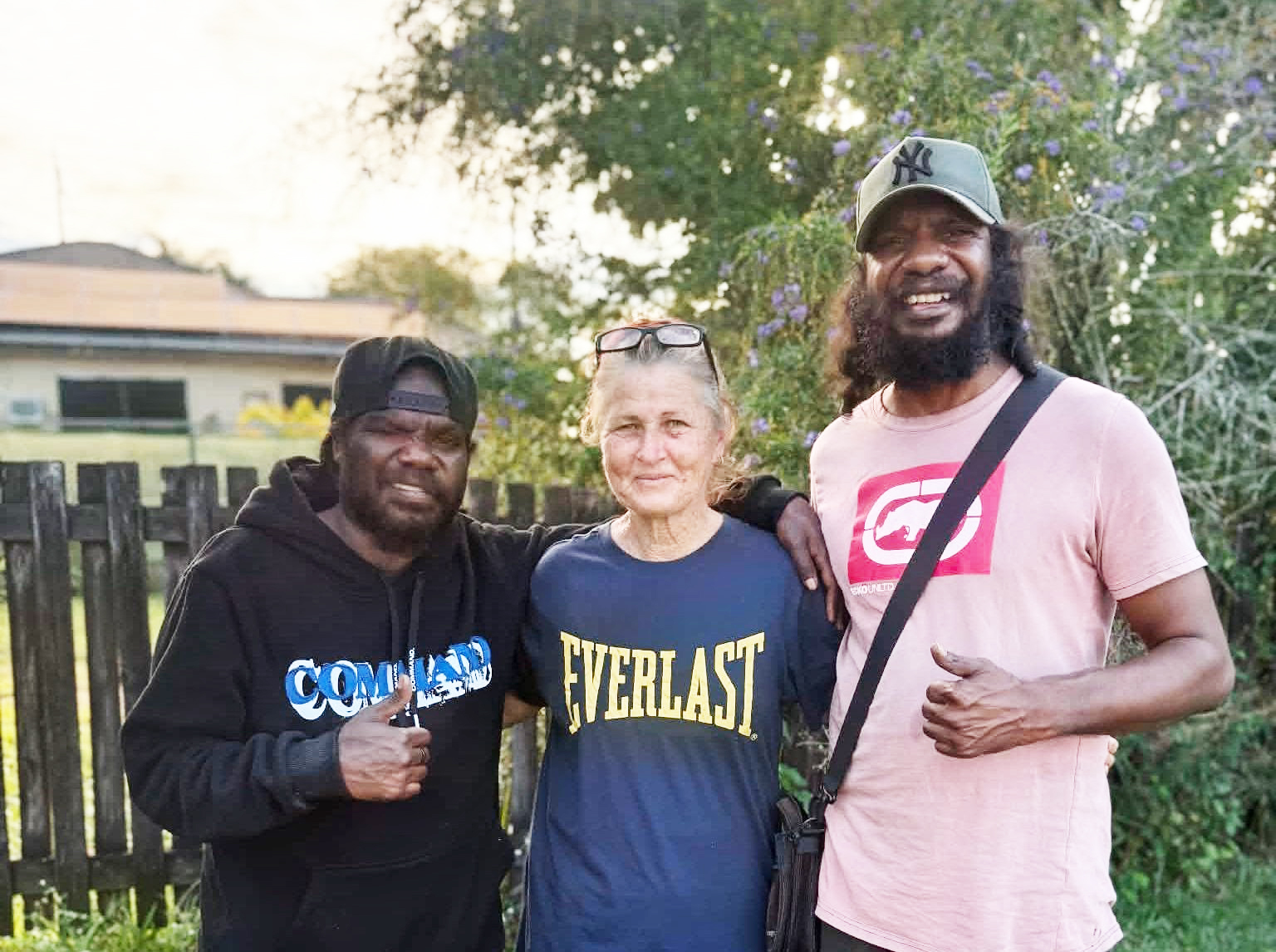
Two local women have been recognised with the Medal of the Order of Australia (OAM) for their outstanding dedication to community service, with one working in nursing and the other in foster care. Both recipients have spent years quietly supporting others, giving their time, care and compassion to those in need without expectation of recognition. Their awards acknowledge a lifetime of service that has made a lasting impact across the community.
Read the full story
Cassowary Coast Paws and Claws Inc has thanked the community for helping make the SavourLife Pet Adoption Day a huge success, with local generosity translating into much-needed support for animals in care. The volunteer-run not-for-profit animal shelter joined Pets Domain Innisfail on 30th May for the special event, bringing together pet lovers and supporters of animal welfare. A big thank you goes to everyone who purchased a bag of SavourLife pet food on the day. For every bag purchased, SavourLife donated an additional bag of food, helping double the impact of the community’s support. The shelter also extended its gratitude to Pets Domain Innisfail for hosting the event and welcoming the organisation into the store, as well as SavourLife for its generous contribution of dog and cat food. These donations will help provide essential supplies for animals awaiting their forever homes and support the ongoing work of Cassowary Coast Paws and Claws Inc. As a volunteer-run organisation, the shelter relies heavily on the kindness and generosity of the local community to continue caring for animals in need. The team said they were incredibly grateful for everyone who attended, donated and helped support the cause, proving that small acts of kindness can make a big difference for local pets. Caption: The Cassowary Coast Paws and Claws volunteers alongside the Pets Domain Innisfail team and the donated SavourLife pet food. Photo source: Cassowary Coast Paws and Claws Inc
Read the full story
Finding the right vehicle close to home is important for local drivers, and FNQ Motor Group helps keep the process simple and accessible for customers across Tully, Innisfail and the wider Cassowary Coast region. With dealerships in Tully and Innisfail, FNQ Motor Group offers a wide range of new, demonstrator and pre-owned vehicles, along with finance options, servicing and parts support. The team understands the needs of regional drivers, from families searching for their next vehicle to locals needing a reliable work ute or a dependable run-around people mover for everyday life. With a focus on customer care and building long-term relationships, FNQ Motor Group has become a trusted name for drivers throughout the region. Whether you are upgrading, searching for your first vehicle or keeping your current car running smoothly, the team is ready to assist with local knowledge and a broad range of options. The dealerships regularly carry a diverse selection of vehicles to suit different lifestyles, including practical family cars, capable SUVs, work vehicles and models designed for weekend adventures. With a changing range of stock available, customers can explore options that match their needs, budget and driving habits. The FNQ Motor team can also help customers compare models, arrange test drives and find a vehicle that suits their day-to-day requirements. From busy family schedules to rural driving conditions, FNQ Motor Group understands what local motorists need. Supporting communities from Tully through to Innisfail, FNQ Motor Group continues to provide motorists with convenient access to quality vehicles and professional service close to home.
Read the full story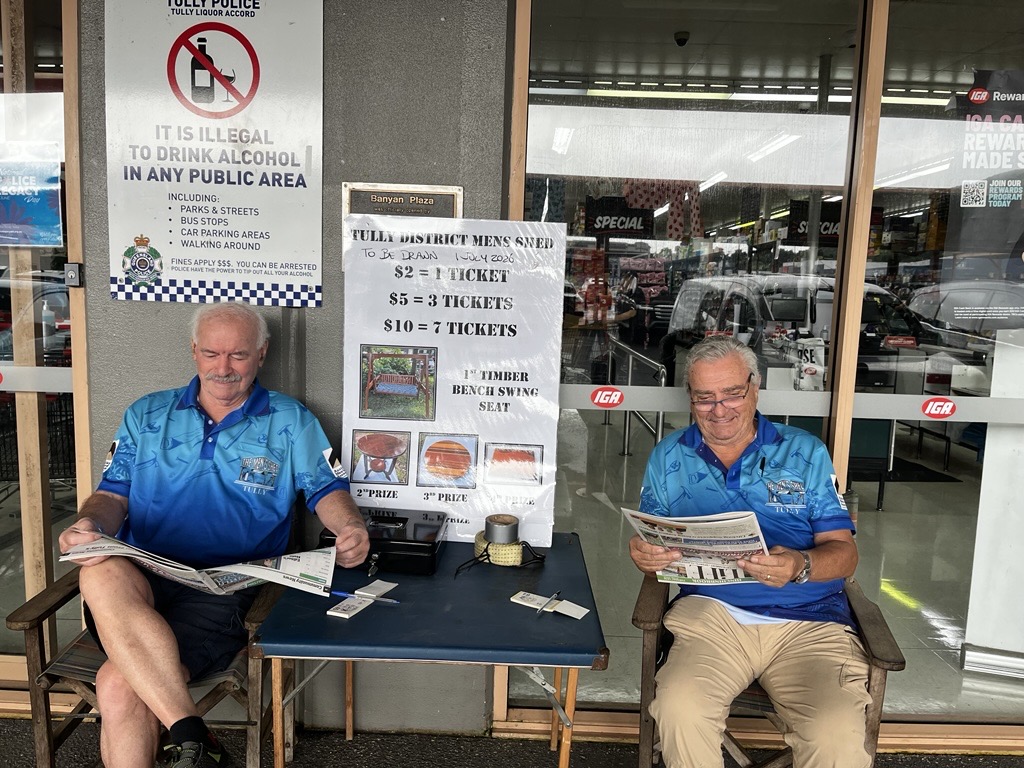
We were thrilled to see locals picking up a copy of our first edition of Cassowary Life. Pictured are our very first readers – two lovely gentlemen from the men’s shed in Tully Thanks for the warm welcome, Cassowary Coast!
Read the full story

Maintaining good mental health doesn’t always require major life changes — sometimes, it’s the small, everyday habits that make the biggest difference. Whether it’s social connection, gratitude, or exercise, finding what works for you is key. Here are simple ways to improve your mental well-being.
Social Connection
Engaging with others is a vital aspect of mental wellbeing. Whether it’s having a casual chat, checking in with friends and family, or participating in local sports, social interactions can provide a sense of belonging. Reaching out, even in small ways, helps strengthen relationships and build support networks.
Finding Joy in the Everyday
Discovering what brings joy can be deeply personal. For some, it’s walking the dog or tidying the house, while others find happiness in reading, playing games, or simply enjoying a well-prepared meal. Recognising and embracing these little moments can contribute to a more positive mindset.
The Benefits of Journaling
Writing down thoughts and moments of gratitude can be a powerful tool for mental clarity. Journaling helps people reflect on what they have, even the small joys of life, like a delicious breakfast or a peaceful morning. This simple habit can serve as a reminder of positivity, fostering a healthier outlook.
Exercise for Mental Health
Physical activity is closely linked to improved mental health. Whether it’s a short walk, lifting weights at the gym, or swimming a few laps, movement benefits both the body and mind. The key is to find an activity that suits personal ability and lifestyle.
By incorporating these small yet meaningful habits into daily life, individuals can take proactive steps toward improving their mental wellbeing.

Forrest Beach Takeaway isn’t just a place to grab a bite—it’s a cornerstone of the community, where homemade meals and fresh local seafood are served with a side of connection. For nearly a decade, Lisa and Richard Scobie have poured their hearts into the business, building more than just a menu; they’ve built a place where locals and visitors feel at home.
Neither Lisa nor Richard had experience in the food industry before taking over the takeaway, but returning to the Forrest Beach community was an opportunity they couldn’t pass up. The transition to business ownership wasn’t easy, and Lisa admits the learning curve was steep.
"It was really hard. I didn't expect it to be as hard as it was, but there is so much that we had to learn and that we're still learning now,” she said. “The changes economically that have happened in the last 10 years to business in Australia are absolutely mind-boggling."
One of the most important decisions they made was to stay committed to locally sourced seafood—particularly Spanish mackerel—despite rising costs and strict government-imposed quota restrictions.
"Imported products are a lot cheaper than our local product, but we've had to make the decision that we don't want to sell any imported fish. We only have Spanish mackerel, and if we have something different, it is locally caught."
Beyond seafood, the takeaway has expanded its offerings, balancing classic Aussie takeaway fare with authentic Asian dishes. From Monday to Thursday, they serve up hearty homemade meals, with their talented cook bringing a taste of Balinese cuisine to the menu.
"We have an extremely talented cook, and she does a lot of her authentic Balinese cooking, which is very popular."
The shop also prides itself on making its own pasta sauces, crumbed chicken, pizzas, lasagna, cakes, sweets, and biscuits, all available fresh in-store. Friday nights are dedicated to pizza.
More than just a place to eat, Forrest Beach Takeaway has also become a training ground for local youth.
"It's not about making fish and chips. It's about learning how to work in a work environment,” Lisa said. “We’ve been incredibly successful in making sure our juniors have gone on to do exactly what they want, whether it's studying, full-time employment, or apprenticeships."
Lisa and Richard have built more than a business—they’ve found a sense of belonging in Forrest Beach, a community they cherish.
"We're lucky, and we are very happy to be at the beach. You share the good moments and the tough ones with people. You feel all the losses in the community, but you get to celebrate the wins as well."
Lisa and Richard look forward to many more years of serving great food, mentoring young locals, and being part of the fabric of Forrest Beach.

There's been a lot of talk recently about the Olympics. The 2032 Games will be a major event for Queensland, but there’s no doubt it will be a costly exercise, one that risks draining the state’s budget while delivering little for our regions. Brisbane is set to reap the lion’s share of the benefits, while the rest of the state is left to fight for a fair slice of the funding.
With less than a decade to prepare, all levels of government are scrambling to ensure we’re “Olympics-ready.” But while the focus is on venues, accommodation, and high-performance sports precincts, regional Queensland is still battling the same old problems; roads that are falling apart or not fit for purpose, a lack of essential services, and the constant feeling of being left behind. I find it hard to justify billions on Olympic infrastructure when the roads we drive on daily, and our hospitals that we rely on, are not adequately resourced.
That’s not to say the games will bring no benefits to the regions. It’s good to see sports like sailing coming to Townsville and the Whitsundays, and other parts of the state securing some events and funding. But let’s be honest, the vast majority of Olympic spending is being concentrated in Brisbane. If the games are going ahead, whether we like it or not, then regional Queensland must do everything in its power to claim its fair share of the funding pie.
With the state government committing to go ahead with the Olympics, I believe it must not come at the cost of nation building infrastructure. We cannot afford to neglect our roads, rail, water, and energy infrastructure priorities, these are the foundations that will truly build Queensland and strengthen our state for generations to come.
It will be a true test for the state LNP government to deliver the projects regional Queensland desperately needs, while simultaneously holding the Brisbane Olympics party that south-east Queensland wants.
OPINION PIECE
Contributed by Nick Dametto MP Member for Hinchinbrook

During the floods earlier this year, Colleen Wood and her husband Allen found themselves in a terrifying and isolating situation. Living in Trebonne, they were stranded with no power, no food, and minimal phone charge. Allen is confined to a wheelchair and the SES and Ambulance services were unable to reach them due to the floods.
But in the face of adversity, the community around them stepped up in a remarkable way. Colleen, overcome with emotion and relief, shared her experience with Hinchinbrook Life through a heartfelt letter:
“On day two of the floods, a ute pulled up in the flooded driveway and two strangers asked if I was okay. I was filled with emotion and relief and could scarcely hold back my tears when I said to them, ‘My husband is in a wheelchair, and we need help.’”
These strangers, Vince Russo and Brenda Oats, became her lifeline during the crisis. “Vince and Brenda were angels on earth for us,” Colleen said. “They assisted us with fuel for our generator, filled it, started it, and came back each morning and night to top it up.” Their kindness helped ensure Colleen and Allen had a working generator to keep their essentials running.
But the help didn’t stop there. Another neighbor, David Scott, a farmer from up the road, checked on them daily and even brought a stable table for the generator. When the generator broke down, Kenny Hemmet from Hemmet Electricals loaned them one of his own.
In yet another gesture of support, Joe and Heather Ludlow, who lived just two houses away, offered Colleen a place to charge her phone when the generator failed.
And there was more. Danny Ward, a neighbor to the left of Colleen and Allen’s home, loaned them a freezer connected to a battery to help preserve their food.
“I was overwhelmed by these people,” Colleen reflected. “We owe them a debt of gratitude for their generosity, kindness, and sense of community. I hope they understand the difference they have made to our lives.”

Following the closure of the Community Recovery Hub at the TAFE Building on Townsville Rd, transitional arrangements have been made for officers to assist the community from the new office, which will be located at 73-81 Lannercost Street, commencing Tuesday, April 1st.
As the recovery process continues to progress forward, any local residents still seeking assistance have the opportunity to visit the Community Information and Referral Centre that will have staff available to respond to any enquires and assist with finalising provision of additional information relating to grant applications, that have now closed.
Throughout the time this weather and flooding event has impacted the Hinchinbrook Shire, Chamber has been working tirelessly to provide information, support and facilitate individual appointments for local business owners. Chamber will also have a presence at the Community Information and Referral Hub and will work alongside the Recovery Officers to continue to provide this support to the business and broader community.
As planning progresses, the community will have the opportunity visit the Centre and request referrals or schedule appointments with representatives from various agencies who have previously had a presence at the Community Recovery Hub. Private consulting rooms and office space will also be available for confidential and discreet appointments.
Hinchinbrook Chamber of Commerce, Industry and Tourism will continue to play an integral role in the recovery process, recognising this journey will be more of a marathon, than a sprint. For those business owners still wanting to make individual appointments with QRIDA representative Sam Spina, Chamber is now taking bookings for appointments between 1.30-4.30pm, at this Centre.
For further information, please contact the Hinchinbrook Chamber of Commerce, industry & Tourism via email at admin@hinchinbrookchamber.com.au or phone 0407569550.

With the winter period fast approaching, it will soon be time to get your boat ready for some fishing trips. Now is the perfect time to check the expiry dates on your Marine Flares.
Please be aware that it is now an offence to carry expired flares in a boat. This is because they are technically an explosive device, and once past their use-by date could suffer a fault leading to an unwanted ignition.
In Queensland, when flares expire they are considered unauthorized explosives, and possessing them is illegal, posing safety risks due to potential instability and malfunction.
Expiry dates are written on the side of each flare.
You can hand in your expired flairs at the Lucinda Coast Guard Depot in Patterson Pde Lucinda on any weekend day or public holiday. They are held under lock and key until disposed of by the Mines Department.
Contributed with thanks to Steve Whipps, Commander Qf14 Lucinda Coast Guard

Hello Hinchinbrook,
I hope everyone has had a fantastic week!
I come to you with a mix of emotions as I share some bittersweet news. This will be my final week with Hinchinbrook Life Newspaper as I transition back to the Whitsunday office, where I’ll be continuing my work as a journalist for our sister publication.
It has truly been an honour to be part of the team that brought print media back to this region, and I’m immensely proud of what we’ve achieved together. It fills me with pride to know that the community has embraced what Hinchinbrook Life has brought to the area.
In my time here, I’ve witnessed my first natural disaster, contributed to a newspaper launch that brought the community together, and met so many incredible people from across the Hinchinbrook Shire.
None of this would have been possible without the amazing support of the broader Life Publishing Group team and many members of the local community.
I’d also like to extend a heartfelt thank you to Mayor Ramon Jayo and the Hinchinbrook Shire Council for championing this paper for the people. It was actually Ramon who approached us with the idea of bringing print media back to the region, and that conversation sparked the creation of Hinchinbrook Life.
A huge thank you also goes to the local businesses and the community—you are the reason this paper is in your hands every week. We couldn’t do it without you.
Though this is my goodbye, Hinchinbrook Life is in great hands. For the past three months, Victoria has been training in the Whitsunday Life office, meeting the community, and preparing for this move up here. Victoria is eager to connect with all of you, and you can learn more about them on page 11.
This isn’t a full goodbye just yet—I’ll still be around until Thursday, so we may cross paths before I head off.
Thank you, Hinchinbrook, for the unforgettable experience.
Take care!

Before the advent of modern highways and air travel, North Queensland’s coastal waters teemed with small ships, serving as vital links between communities and transporting passengers and goods.
Up until 1881, a fleet of small vessels operated between Townsville and Cairns, with Dungeness serving as a vital port of call along the route.
Among the first steamers to service this passage were the Dugong and the Porpoise, pioneering transport along the rugged coastline. In 1881, a significant advancement came with the importation of a paddle steamer from England.
This vessel played a crucial role in ferrying passengers upstream from Dungeness, further enhancing connectivity in the region.
The legacy of these early steamers remains a fascinating chapter in the Hinchinbrook region’s rich maritime history.

The growing season rolls on, and the weather gods continue to throw curveballs to sugarcane growers.
After a relatively dry period following the February onslaught, the recent rain events may well cause a further downgrade in crop expectations.
The southern Wilmar crushing regions would appear to be a beneficiary of rain, however, the Burdekin and Herbert regions are looking for some sunshine to get the crop growing again.
With crop estimates released in early April, it is important for growers to cross-check that their GEI-nominated cane tonnes are aligned with their mill crush estimate.
The sugar market continues to find export support on price dips and scale-up trade selling on market rallies. This sideways trading pattern may well continue until the harvesters roll into the Brazilian crop in April.
In general, analysts are pulling back their forecast for Brazil as dry weather persists, and a delayed harvest will increase anxiety in the market as export stock levels are always low at this time of the year. The Indian harvest is nearing completion, with Wilmar estimates of 26.3M tonnes of sugar looking to be very close to final production.
The AUD continues to be bounced around by a gyrating USD reacting to the latest policy changes in the US. The risk of an escalated global trade war through reciprocal tariff hikes bodes poorly for the AUD. In addition, the recent Australian employment data suggests that the jobs market may be weakening, which could open the door for further rate cuts from the RBA. This should also keep the AUD under pressure.
In more positive news, we will be hosting information sessions ahead of the start of the 2025 crush to update growers on the sugar market and how marketing with Wilmar can benefit them.
Those attending will also get the opportunity to meet our new consultant, who will be taking over from Angus McKerrow in Plane Creek after his seven years of service to the region.
If you’re interested in attending an information session near you, please complete the registration form or contact your local consultant.
.JPG)
Hello residents of Hinchinbrook,
The past few weeks have been challenging, but we continue to show resilience. Additional assistance from Federal and State Government Disaster Grant Funding has now increased to Category D for primary producers, not-for-profits, and small businesses. With no insurance covering crop damage, the increase to $75,000 for eligible primary producers to repair farmland or replace lost stock is a welcome relief.
While Disaster Grants have helped individuals, many now turn to insurers for support in areas not covered. If you are making a claim for personal contents or residential building insurance, I hope you are receiving positive outcomes. We pay significantly higher premiums than our southern friends, so we expect fair support. If premium costs rise beyond reason, we will call on state and federal representatives to hold insurers accountable.
Business insurance presents its own challenges, including building, equipment, and stock loss claims. As Chair of the Economic Recovery Sub Group and a local Real Estate Agent, I see firsthand the struggles businesses face. We must support them in getting back on their feet.
Recently, I met an insurance advocate working with a local insurance broking company at a Chamber of Commerce recovery meeting. Their service has helped business owners navigate claims for positive outcomes, even without flood cover.
The company specialises in claims preparation and advocacy, liaising with insurers to manage claims and ensure well-supported submissions. Many businesses have cover for the fees under their insurance, allowing them to access expert advice at no cost.
For further information regarding the Insurance Advocates, contact the Hinchinbrook Chamber of Commerce at admin@hinchinbrookchamber.com.au.
Take care, be kind, and stay safe.
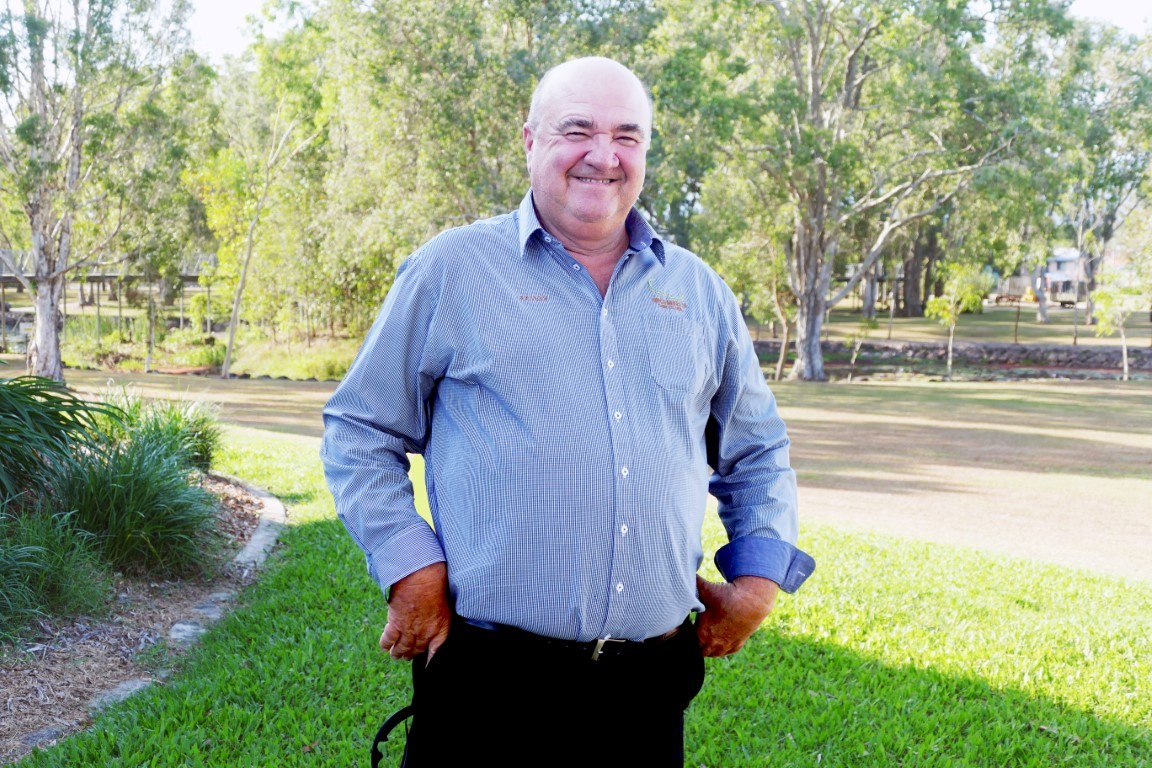
I recently had the honour of officially opening Rabobank’s new premises at Shop 1, Homemakers, 57 Herbert Street Ingham.
The opening of the new premises clearly evidences Rabobank’s loyalty and commitment to our district.
Over the past few years, our district has unfortunately experienced a loss in banking services by the withdrawal of a number of institutions, but I can proudly say that such withdrawals were not occasioned through a lack of business or a lack of profitability that would reflect upon the fabric of our community, but rather was brought about by the fact that our community did not fit the business models of such institutions. Models that in the main proposed to do away with traditional face to face service and generally a decline in human interaction.
It is refreshing to see that there still remain corporations such as Rabobank that continue to value human interaction and provide that human touch for service delivery, as many of our community’s older demographic are accustomed to.
Thank you Rabobank for your dedication to our community and we are very glad to have you as part of our community.
On another note, Australia Post has informed Council that postal delivery arrangements at Taylors Beach are to change as of 1 April 2025.
Mail to existing PO boxes at Taylors Beach will cease to be delivered as of 31 March 2025. Residents will have the option of receiving mail by either street letter box, to be installed by residents on their respective property boundaries, or by acquiring a post box at either Halifax or Ingham post offices.
Residents will have a period of five weeks to install letter boxes, noting that such boxes have a minimum specification requirement imposed by Australia Post. Specifications may be obtained by visiting constituents @auspost.com.au. Please note that if you choose the letter box option, parcel deliveries will need to be collected from the Halifax Post Office.
I understand that residents have been provided information on changes proposed individually, but if further assistance is required, please contact Australia Post through the above address at your convenience.

Over 150 people attended the Dungeness Community Mural Painting Day on Sunday 30th March, hosted by Art by Lavinia.
The mural was painted on the amenities block at the Dungeness Harbour Boat Ramp and being a fishing location Lavinia said the theme was a river theme.
“This mural is more of a greeny colour, it shows the channel and the creek system and it celebrates the fish they have here. It’s good tell the story of the local area” she said.
The Lucinda Progress Association put on a free sausage sizzle and kept participants hydrated with free bottles of water.

By Amanda Wright
The 2025 Federal Budget was never just about dollars and cents—it was about the direction Australia takes in the years ahead. Treasurer Jim Chalmers’ latest budget, delivered on 25 March, makes clear where the Albanese government believes that the future lies: in cost-of-living relief, housing, and a transition to a more sustainable economy. But with an election now set for 3 May, it’s impossible to ignore the political stakes. Is this a responsible economic plan or a budget designed to win votes?
Katter's Australian Party Federal Member for Kennedy, Bob Katter, has issued a critical response to the 2025 Federal Budget, saying it has a lack of proactive infrastructure planning, onerous regulatory overreach, and an obvious lack of investment in agriculture and mining industries.
"The 2025 Budget reveals a government more focused on reactive policies rather than proactively addressing the needs of our nation," Mr Katter said.
"Our agriculture and mining sector is the backbone of our country's economic growth and prosperity. But it is clear that the country is nothing more than a quarrying nation. Its income comes from iron ore, coal, bauxite, and silicon – none are processed.
“We are giving our most vital resources to foreign landlords while shutting down our most lucrative industry: coal."
Carole Stanford, Greens Candidate for Kennedy had a different viewpoint to Mr Katter, saying, “The two big parties continue to pour away our money in the form of subsidies to the tune of $14.5 billion in 2023-2024 to largely foreign-owned companies to dig up our fossil fuels, export them, keep the bulk of the profits and worsen the climate crisis they choose to ignore to the detriment of our children.
“It is both bizarre and scandalous.”
A centrepiece of the budget is further personal income tax cuts, with the rate for incomes between $18,201 and $45,000 dropping from 16 per cent to 15 per cent in 2026, then to 14 per cent in 2027. That means up to $536 in additional tax relief per year, building on earlier reforms. While tax cuts were expected, the timeline—stretching beyond the next election—raises questions about whether the government is laying economic foundations or setting political traps for future governments.
Immediate relief is also a key theme. Energy bill support continues, with a $150 rebate for households and small businesses. Pharmaceutical costs will drop under the PBS, and HELP/HECS debts will shrink by 20 per cent. These are measures designed to help Australians struggling with rising costs, but critics argue they are band-aid solutions that don’t address the structural drivers of inflation.
Ms Stanford agreed with the opposition, saying, “Our young people are starting their work careers with a ridiculous debt burden while at the same time paying exorbitant rents and trying to support themselves.
“Twenty per cent isn’t enough but it is a start.
“The Greens are arguing for genuinely free public schooling - $800 per student to cover uniforms, excursions, school supplies - and extra funding for schools themselves.”
Housing remains a crisis point, and the budget throws billions at the problem. A two-year ban on foreign purchases of established homes is meant to ease competition, while modular and prefabricated housing get a funding boost to accelerate supply. The "Help to Buy" scheme expands, making home ownership more accessible—at least in theory. But with supply chain issues and soaring construction costs, it remains to be seen whether these policies will deliver real change or simply shift the goalposts.
Mr Katter also took issue with the government's approach to housing, calling for the removal of land restrictions in non-metropolitan areas to encourage growth and alleviate pressure on urban centres.
"Whilst this measure has been noted in repeated budgets, all housing development is still hamstrung by onerous regulatory oversight, making housing unaffordable and out of reach for everyday Australian families.”
As the Liberal National Party candidate for Kennedy, Annette Swaine said she was disappointed at the lack of long-term, transformational plans to stop businesses closing at record rates, to drastically improve telecommunications in the regions and get more people into housing.
“This was obviously a rushed Budget full of short-term sweeteners designed to win an election but which will bake in huge debt and even more spending,” she said.
“It’s hard to find one credible, impartial mainstream commentator who has praised this Budget, and rightly so. Australia, and especially regional Australia, can’t afford what Anthony Albanese is offering in another Labor Government.”
Ms Swaine also said there was little in the Budget to help the residents in Kennedy.
No commitment to build dams, no new funding for flood-proofing roads, nothing for regional GP shortages.
“The tax cuts will average about $5 a week for people, which is an insult considering the cost of everything has gone up so much in the past three years. Another electricity rebate is really just Labor giving us back our own money to help pay for higher power prices they created with their renewables-only energy policy.”
Ms Stanford added that neither of the two big parties are addressing major structural reform.
“Tax, for example, capital gains tax discounts and negative gearing on properties, effectively taxing the Australian billionaires who have been revealed by Oxfam to be making $67,000 an hour and the one in three big corporations that pay no tax.”
Beyond immediate relief, the budget signals a push towards future industries. Renewable energy and green manufacturing receive heavy investment, positioning Australia as a leader in sustainable production. Increased funding for Medicare will support bulk billing, keeping healthcare accessible.
On paper, these initiatives look like long-term plays for a more self-sufficient economy, but the opposition has painted them as distractions from Australia’s immediate productivity challenges.
"This is a budget for the next five weeks, not the next five years," Opposition Leader Peter Dutton fired back.
Federal Member for Kennedy, Bob Katter, agreed with the criticism, highlighting the shortfalls he sees in the renewables race.
"It’s short-term fixes that do not address the long-term problems the nation faces."
"$150 wiped from a family's power bill for the second half of this year" is a shortsighted vote grab," Mr Katter added.
"And a further $8 billion has been allocated for renewables and low-emission projects.
"However, these measures do not acknowledge that the most cost-effective and reliable power source is still from coal-fired power generation.
"We need real measures to reduce the cost of electricity, and investment and upgrade rather than the shutdown of our coal-fired power stations.
“To ensure that Australians can have continued access to cheap, reliable power, we cannot afford the extravagance of renewables," Mr Katter said.
Ms Stanford disagreed, saying, “Allocating more money for improving the quality of water flowing into the Great Barrier Reef is nice, but it is paltry when they do nothing to stop the cause of coral bleaching - increasing greenhouse gas emissions from fossil fuels, causing sea temperatures to rise.
“We must attack the root of the bleaching problem by stopping the mining and burning of fossil fuels.”
Mr Dutton’s critique zeroes in on what many see as Labor’s greatest vulnerability—economic management. The underlying cash deficit for 2024–25 is expected to hit $27.6 billion, and while net government debt remains between 21 per cent and 24 per cent of GDP, there is little in the way of broader tax reform or strategies to boost productivity.
The numbers suggest a mixed economic outlook. Real GDP growth is forecast to increase to 2.75 per cent, while unemployment steadies at 4.25 per cent. Infrastructure remains a priority, with $1.8 billion allocated for road and rail over the next four years, as part of a $17 billion decade-long transport program. But with inflation still an issue and global uncertainty weighing heavily, voters will need to decide whether this budget provides genuine stability or temporary relief.
In response to the 2025 Budget, Mr Katter said he was once again left with little faith the country would return to its nation-building potential in any foreseeable future.
“The Budget is a mix of band-aid and tokenistic solutions that will do little to generate the real wealth that our nation needs,” he said.
"It is clearly an anti-development anti-jobs agenda, with no mines and no agricultural consideration, whatsoever.
"This budget is full of metro lollipops and its only outcome is decay."
Ms Swaine said that a Peter Dutton-led Coalition Government has regional development as one of its core aims.
“We will legislate to make the Northern Australia Infrastructure Facility permanent, we will build better transport infrastructure to get cattle and minerals to market and help people move around, we will cut spending, reduce taxes, make it easier to do business and we will deliver a sensible energy mix including nuclear,” she said.
“The only way to change Kennedy’s future is to change the government and change the way we’ve done things for the past 32 years in opposition.”
Just three days after handing down the budget, Prime Minister Anthony Albanese fired the starting gun on an election campaign that will now be fought over its details. This is not just a spending plan—it’s a political blueprint.
The question is whether Australians believe it charts the right course or merely smooths the road to polling day.
*Efforts were made to contact the Labor candidate for Kennedy, however this publication did not receive a response prior to print.

Hinchinbrook Shire Council is reminding North Queenslanders to take simple precautions after the recent flooding event to help stop the spread of weeds and pest animals.
Councillor Kate Milton, Chair of the Environment Sub Group said, “locals and travellers alike should heed warnings about the possible spread of biosecurity matters including dirt, plants and building materials.
"Weed seeds can be spread easily, but so can invasive pests such as Yellow Crazy Ants," she said.
“The floods were a devastating natural disaster, but if we are not careful, we might be faced with a natural disaster of a different kind – an increase and spread of weed infestations and the introduction of new pests,” Cr Milton advised.
Yellow Crazy Ants have already caused significant problems in Townsville and Cairns. These highly invasive ants form massive colonies and pose a serious threat to local wildlife, as they spray formic acid that can blind and kill small animals. They have been known to eliminate insect and bird populations in affected areas.
Council is urging residents to remain vigilant and report any sightings of unusual-looking ants. Yellow Crazy Ants can be transported through building materials, soil, and potted plants.
There are also a number of invasive weeds, including Gamba grass, Siam weed, and Navua sedge. Cr Kate Milton said people need to be aware of them.
Gamba grass has taken hold in several pockets of the Tablelands Regional Council area, and it is a significant concern due to its rapid spread and high flammability. This invasive species has now become an environmental hazard, increasing the risk of large-scale fires. It is already well-established in the Northern Territory, with its presence growing in Far North Queensland.
Another weed is Siam weed, which is spreading through the Herbert River area. Known for its aggressive growth, Siam weed can quickly overtake landscapes if not controlled promptly. While landowners have been managing it near their properties, the recent increase in river activity has raised concerns about its further spread downstream. Experts warn that if left unchecked, Siam weed could become a widespread issue, choking native vegetation and disrupting local ecosystems.
Nauva sedge is another persistent problem, particularly for cattle producers. This highly invasive weed is notorious for its resilience and rapid spread, making it a nightmare for farmers. Once established, it can be challenging to eradicate and can severely impact pasture quality and agricultural productivity.
Council acknowledges that everyone is busy with the clean-up. Still, it is also essential that all landholders remain vigilant for any new infestations that might take hold due to the floods and take action early if they see anything new on recently disturbed parts of their properties.
If you need assistance identifying pest weeds or further information regarding control measures, please call the Council’s Natural Assets team on 07 4776 4607.


Taylors Beach, a hidden coastal gem 18 km east of Ingham, offers a serene retreat along the Coral Sea. Nestled at the estuary of Victoria Creek, this tranquil destination boasts pristine sandy shores and exceptional fishing and boating opportunities.
Originally named Cassady after former Townsville Mayor Francis Cassady serving in 1894, 1901 and 1905, the town was officially renamed Taylors Beach October 1969.
Today, it remains a favourite among anglers, thanks to its well-equipped two-lane boat ramp, which provides easy access to both the sheltered waters of Victoria Creek and the open sea. Whether casting a line, setting out on a boating adventure, or simply soaking in the coastal charm, visitors are sure to find a perfect escape in this picturesque seaside retreat.
Publishers Indemnity. Any individual or entity that places advertising, supplies copy material, or submits editorial content to Life Publishing agrees and undertakes to ensure that all such material:- Does not infringe upon any copyright, trademark, or other intellectual property rights;- Is free from any content that could be considered defamatory, libelous, or slanderous;- Does not infringe upon any rights related to privacy or breach of confidence;- Contains no obscene, indecent, or otherwise unlawful material;- Complies fully with the Trade Practices Act and all other applicable laws, regulations, or statutes. Furthermore, by submitting or placing such material, these individuals or entities agree to indemnify and hold harmless the publisher, Life Publishing and Events Pty Ltd, and/or its agents from and against any and all investigations, claims, demands, liabilities, damages, costs, or judgments arising out of or in connection with the material provided. All material is believed to be accurate at the time of printing and remains the copyright of Life Publishing and Events Pty Ltd.
© 2026 Life Publishing Group Ltd.
