Independently Owned, Locally Grown, Community Loved

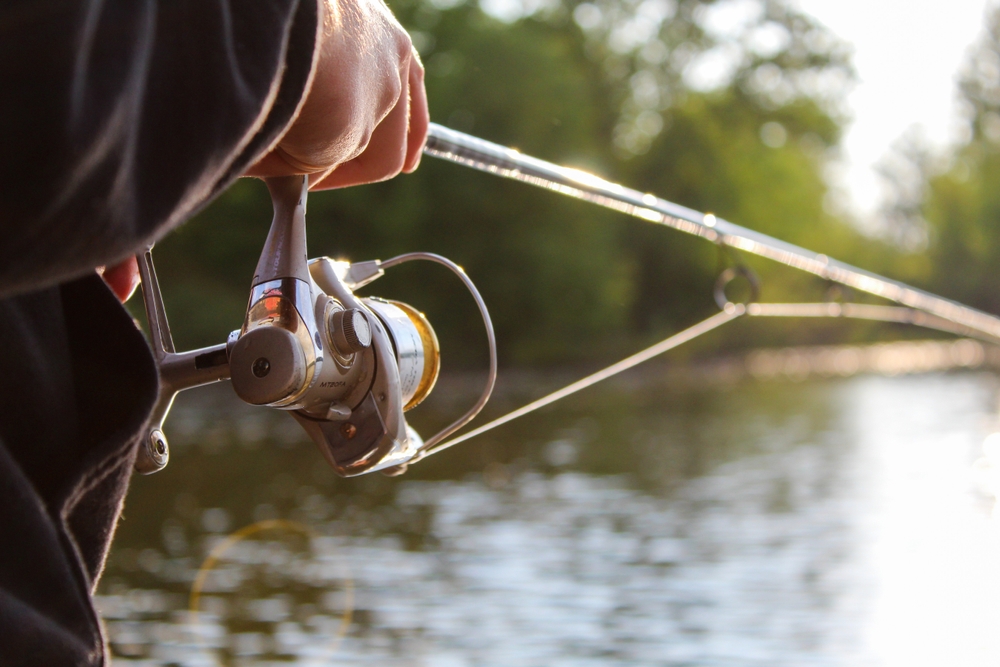
Queensland fishers are being encouraged to record their catches through the Qld Fishing 2.0 app, helping build a clearer picture of fish stocks and support sustainable fishing for future generations.
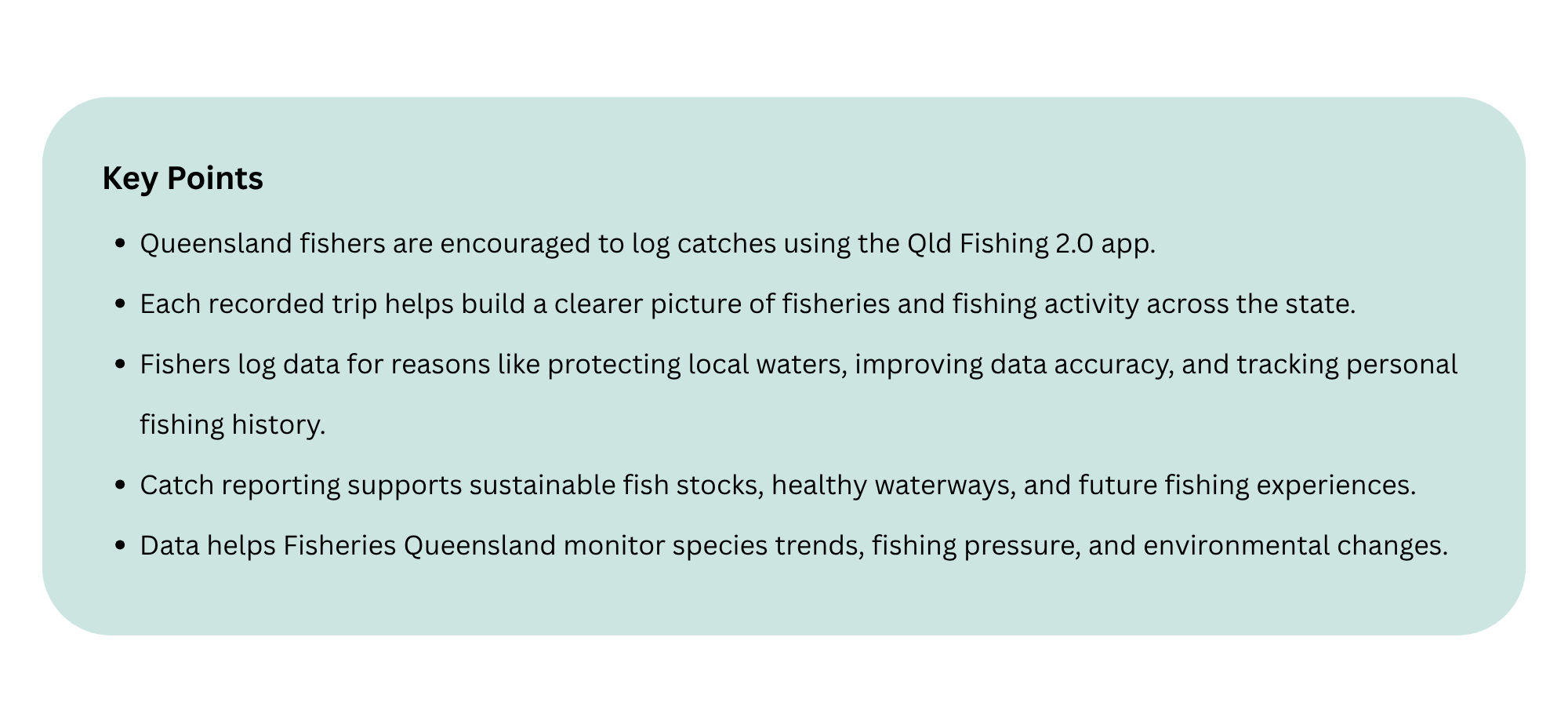
Queensland fishers are being encouraged to log their catches, with every recorded trip helping to build a clearer picture of the state’s fisheries and secure the future of recreational fishing.
Fishers record their trips for a range of personal reasons, for some, it’s about protecting local waters, while others want to see decisions backed by stronger data. Even just tracking their own fishing history helps provide feedback to improve the Qld Fishing 2.0 app.
Whatever the motivation, each entry contributes to a broader understanding of fishing activity across Queensland.
For many, the decision to record catches begins with concern for the future.
“I started recording my catch because I was concerned about the future of fishing quality in our local area,” one Queensland fisher explained.
Catch reporting plays a practical role in supporting sustainable fish stocks, protecting waterways and ensuring future generations can enjoy the same fishing experiences.
Accurate data is also key to informed decision-making. By submitting trip details, fishers help Fisheries Queensland track species trends, monitor fishing pressure and identify changes over time.
"When everyone submits their data from across Queensland, it gives us a clearer picture of fish quality, what species are being caught, and what we can do to preserve these fish for many years to come,” another fisher said.
The information collected through the Qld Fishing 2.0 app is combined with commercial, charter and scientific data to guide fisheries management decisions, including size limits and seasonal closures.
Recent figures highlight the growing impact of the initiative. In January 2026, 100 fishers recorded 159 trips, logging more than 1,600 fish. February continued the momentum, with 64 fishers submitting 122 trips and recording 825 fish.
Importantly, even unsuccessful trips provide valuable insights, helping to create a realistic picture of fishing activity across the state.
As participation grows, so too does the ability to protect Queensland’s fisheries, ensuring that every catch, or even no catch at all, contributes to a lasting legacy.
Publishers Indemnity. Any individual or entity that places advertising, supplies copy material, or submits editorial content to Life Publishing agrees and undertakes to ensure that all such material:- Does not infringe upon any copyright, trademark, or other intellectual property rights;- Is free from any content that could be considered defamatory, libelous, or slanderous;- Does not infringe upon any rights related to privacy or breach of confidence;- Contains no obscene, indecent, or otherwise unlawful material;- Complies fully with the Trade Practices Act and all other applicable laws, regulations, or statutes. Furthermore, by submitting or placing such material, these individuals or entities agree to indemnify and hold harmless the publisher, Life Publishing and Events Pty Ltd, and/or its agents from and against any and all investigations, claims, demands, liabilities, damages, costs, or judgments arising out of or in connection with the material provided. All material is believed to be accurate at the time of printing and remains the copyright of Life Publishing and Events Pty Ltd.
© 2026 Life Publishing Group Ltd.