
Independently Owned, Locally Grown, Community Loved
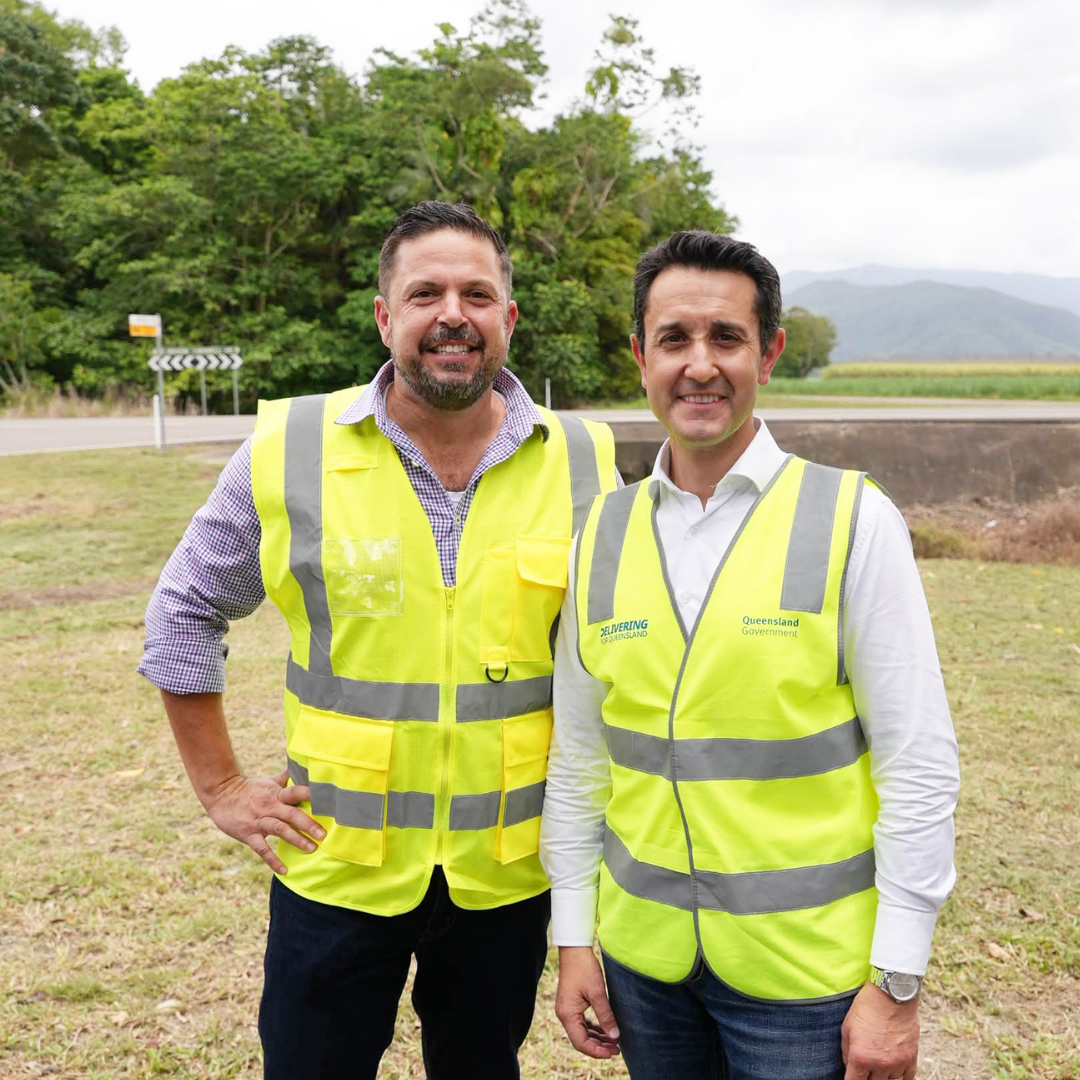
A major Bruce Highway upgrade is underway, with works at Gairloch, Ripple Creek, Ingham-Halifax-Bemerside Road and the Cardwell Range targeting safer travel and improved flood resilience. The long-awaited improvements aim to reduce the severity of flooding across key sections of highway and help prevent head-on crashes, addressing challenges that can disrupt communities and isolate motorists during the wet season.
Read the full story
This NQIB Country Cups Challenge Qualifier Race Day, racegoers are invited to embrace this year’s theme, Country Glamour. The Herbert River Jockey Club event will feature 10 Fashions on the Field categories, catering to everyone from junior entrants to experienced fashionistas. Categories include Forrest Beach Realty Fashions on the Field, Ingham Mazda Contemporary Lady of the Track, NQ Travel & Cruise Classic Lady of the Track, The Bloom Room Townsville Millinery and Lifelong Supports Best Dressed Man of the Track. Junior and youth categories, alongside Spotter’s Choice, will offer further opportunities to take part. Three judges will bring their individual fashion and racing experience to the competition. Amy Byrnes grew up immersed in racing, travelling to meetings with her family and making memories at Cluden Park. Now a racehorse owner herself, she enjoys attending meets across Queensland and internationally. Amy will be looking for confidence, personality and the joy an outfit brings to its wearer, with an appreciation for thoughtful accessories and finishing touches. Milliner Cat Murphy brings more than a decade of experience creating headwear worn at race meetings across Australia and in London. A passionate racing enthusiast, she values outfits that work cohesively with the theme, combining comfort, confidence and attention to detail. Millinery will naturally be a particular focus, whether a bold statement piece or a classic, understated design. Marnie Davidson brings a competitive edge, having collected 27 sashes during three years of Fashions on the Field competitions around Australia. Her achievements include finalist positions at Flemington’s Melbourne Cup Derby Day and Turnbull Stakes, as well as qualifying for several major fashion events. A self-confessed lover of coordinated looks, Marnie will be keeping an eye out for the little details that bring an outfit together. With experienced judges and a Country Glamour theme, racegoers are encouraged to bring their own interpretation of raceday style to the track. For event information and the full list of categories, visit hrjc.com.au. Dress to impress at the Country Cups this November. Photo sourced: Herbert Rivr Jockey Club
Read the full story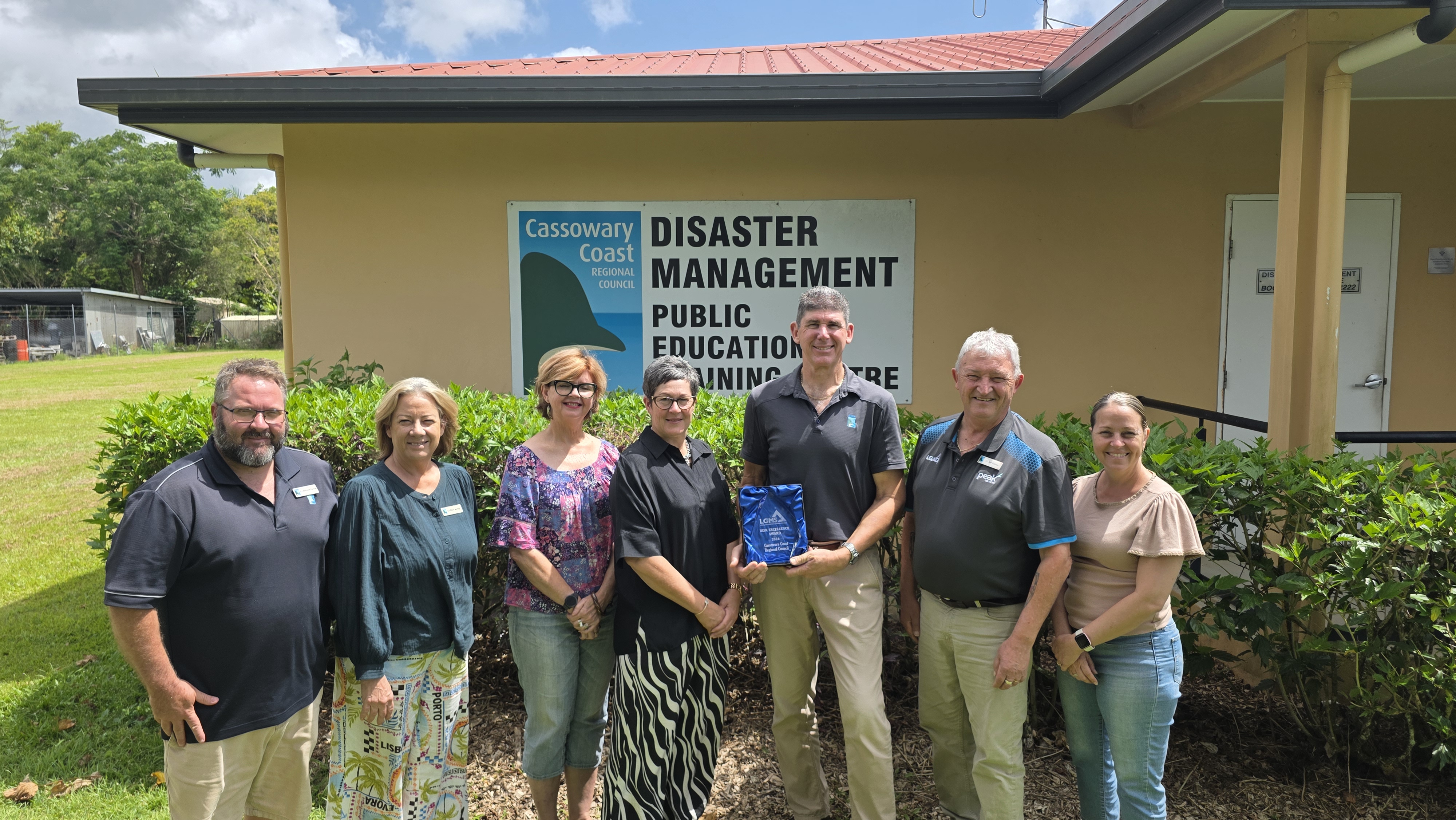
Cassowary Coast Regional Council has been recognised for its innovative approach to flood monitoring, taking home the Local Government Mutual Services (LGMS) Risk Excellence Award at the Local Government Association of Queensland (LGAQ) Conference on Tuesday evening. The award recognises Council's Flash Flood Sensor Network project, which uses radar technology to monitor water levels at known flood-prone locations across the region. The information from the flood sensors is integrated into Council’s Disaster Dashboard, giving residents, emergency services and Council access to local conditions as they change. Cassowary Coast Mayor Teresa Millwood said the recognition highlighted Council's commitment to finding practical ways to improve community safety and disaster preparedness. "Living on the Cassowary Coast, we know how quickly heavy rainfall can turn into dangerous flooding, particularly in areas where water levels can rise with very little warning," Mayor Millwood said. "These sensors give us another set of eyes on some of our known flood trouble spots, providing real time information without having to send staff out into potentially dangerous conditions. "What's particularly important is that this information isn't just for Council. Our residents in flood prone areas can also access this information on the Disaster Dashboard to help them asses their risk, get prepared and make plans in case flooding looks likely." The network has already supported information sharing with local police and State Emergency Service personnel around Mission Beach, helping emergency services monitor conditions at known flood-prone locations. Previously, monitoring these locations relied heavily on weather forecasts, community reports and staff inspecting conditions on the ground. The technology provides another source of information to support earlier identification of rising water levels, planning for potential road closures and coordinating responses during heavy rainfall. Council is continuing to assess the network through a three-year trial, using observations from residents and emergency services to verify sensor readings and evaluate its effectiveness. Residents can access flood monitoring information, road updates and other important disaster information on Council’s Disaster Dashboard by ticking *New Water Levels Visit: www.disaster.cassowarycoast.qld.gov.au Caption: Cassowary Coast Regional Council has been recognised for its innovative approach to flood monitoring. Photo supplied
Read the full story
I have spent sleepless nights since last Monday, praying for my long-term and good friend in the Parliament, Helen Haines, along with her family, staff and the first responders to an inexcusable act on a beautiful human being inside and out, who has brought much sparkling joy and enlightenment to the centre of the crossbench. Whilst we are at opposite ends of the country and representing significantly different electorates, my tremendous respect of Helen’s tenacious advocacy for what she believes in, matches my great appreciation of our genuine friendship. We don’t represent a political party based in Melbourne or Sydney or Brisbane – we represent the people who sent us to parliament: the people of our electorate. And there’s no doubt that a terrible blow has been struck against democracy and the people of Australia. A lady in every sense of the word, Helen is a true moderate of the highest regard across the political spectrum – with the ability to get on with people with very definite views like the teals on one hand, and people like himself on the other. And I cannot help but think of her smiling face, whenever I leave the Chamber and tap her on the shoulder to ask, “You right if I leave this all under your control, Helen?” and her cheerful reply, “Yes Bob,” both of us laughing. Not to mention her culinary skills in constructing the most delicate of sponge cakes. Though I react quite frankly with rage and fury at this evil that can have no exculpatory explanations, may we all pray that God’s blessings are with Helen and her family, staff and friends as we all rally around them to provide the support they need during this extremely difficult time. Hon. Bob Katter MP, Federal Member for Kennedy Federal Kennedy MP Bob Katter at Australian Parliament House with his independent crossbench colleague Helen Haines MP, the Member for Indi. Photo supplied
Read the full story

The St Rita’s Gala Ball was held on Friday night. Photos supplied
Current and former students of St Rita’s School Babinda, alongside the wider community from near and far, came together over the weekend to celebrate 100 years of faith, connection and education.


Celebrations kicked off on Friday night with a special Gala Ball, attracting more than 100 guests.
Dressed in formal attire, attendees marked the significant milestone with an evening of music, food and friendship.

Local band Riff Raff kept the dancefloor busy, while a three-course dinner catered by Roscoes was a highlight of the night.
School Principal Michael Rowe said it was an honour to bring the community together to celebrate such a special occasion.

“People from all walks of life attended,” he said.
“A lot of past alumni, and we even had some from our sister school, St Rita’s South Johnstone.

“It was a special time to reflect and celebrate how far we’ve come over the years, and a time to think about the future as well.
“It’s great to see so many people proud of their schooling here.”

The celebrations continued on Saturday, beginning with a 10am Mass, followed by a special roll call and ceremonial cake cutting.

Families then enjoyed an afternoon of festivities, with a jumping castle, face painting and food trucks adding to the fun for younger attendees.

More coverage of the centenary celebrations will appear in next week’s paper.


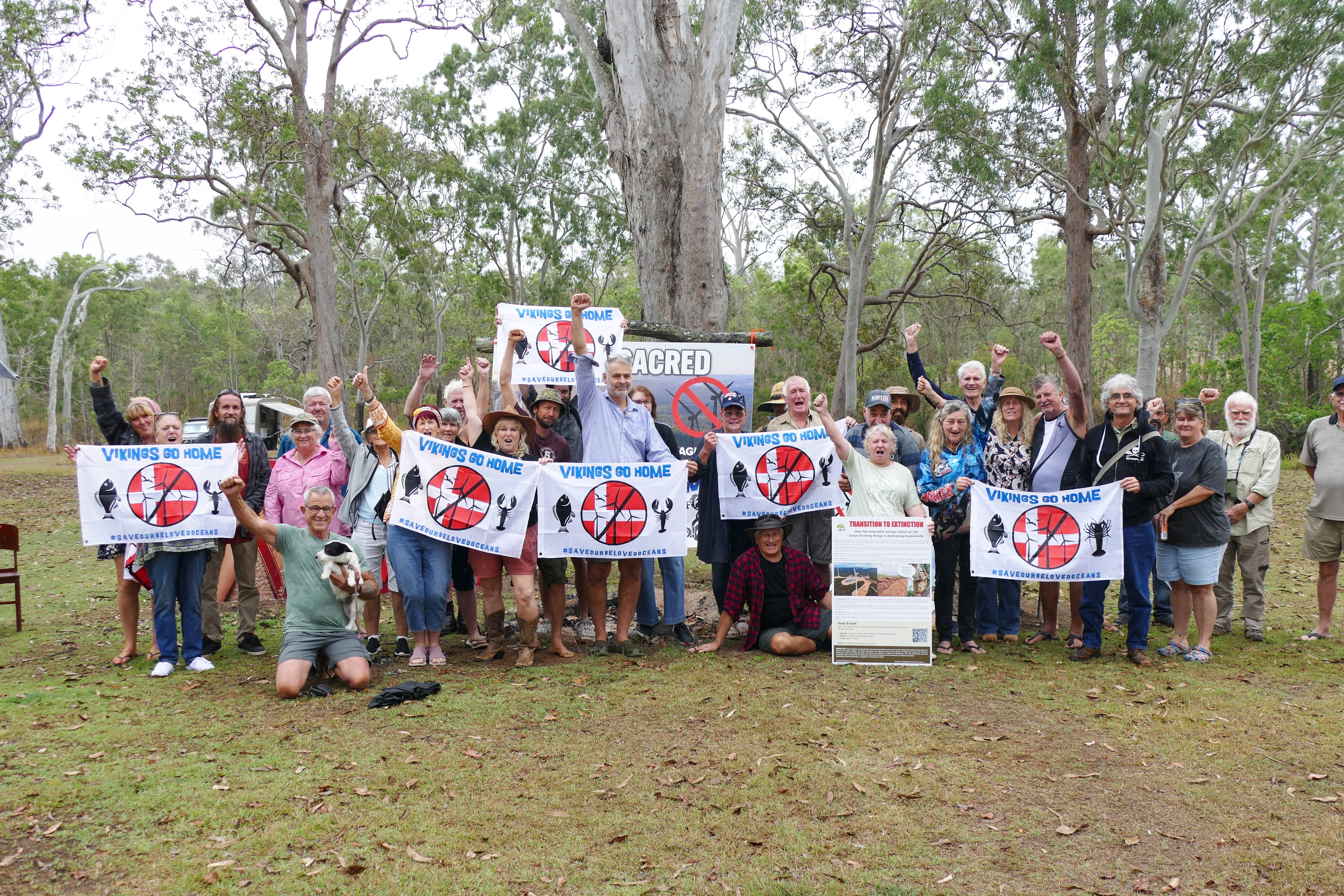
The Mt Fox community rally members holding their protest banners. Signs about the project are prevalent in the Mt Fox area. Photo credit: Victoria Velton
By Victoria Velton
Residents, wildlife carers and environmental advocates gathered at Mt Fox last Saturday to voice concerns about the proposed Gawara Baya wind farm, warning that the development, located just 4.8 kilometres from the Wet Tropics World Heritage Area, could permanently alter a landscape they say is critical to local wildlife and the survival of vulnerable species.
The concerns voiced by attendees who live and work among the surrounding bushland include the clearing of habitat, potential increased traffic on narrow rural roads, noise and disturbance to wildlife and the spread of feral predators.
Mt Fox Community Progress Association president Kim Armstrong said the community was facing a significant decision about the future of its environment.
“This is a very significant moment in our area. Do we stand up and protect our natural environment or do we stand by and allow it to be destroyed?” Ms Armstrong asked.
One of the most immediate concerns raised at the rally came from local wildlife carer Brandie Becke, who said the area had provided a relatively safe environment for releasing rehabilitated animals back into the wild.
Ms Becke said she had chosen Mt Fox because of its quiet roads, surrounding national park and extensive Crown land.
She fears the proposed wind farm's construction and operation could undermine those conditions, particularly if traffic increases substantially on the region's gravel roads.
“We might have around 50 cars at a really busy time, but we're going to end up with around 250, 300 vehicles travelling around on our roads,” Ms Becke alleged.
She described the roads as potholed and narrow, with limited separation between roadways, private properties and protected areas. She said increased traffic could pose a serious risk to animals accustomed to moving freely through the area, particularly if drivers unfamiliar with the roads were travelling through more frequently and at greater speed.
Ms Becke also stressed that land clearing could remove important habitat and leave animals with fewer safe places to move.
“I brought [the animals] up here so I could release our animals into a safe environment,” she said.
“What am I doing now? I'm just putting them back in the exact same situation that they came from in the beginning.”
Noise and disturbance were also raised as concerns, with Ms Becke arguing that the effects of industrial development on wildlife could extend well beyond what people are able to hear.
She said she feared the impacts would not be limited to mammals and marsupials, but could also affect frogs, lizards, birds and other wildlife, including through disruption to breeding.
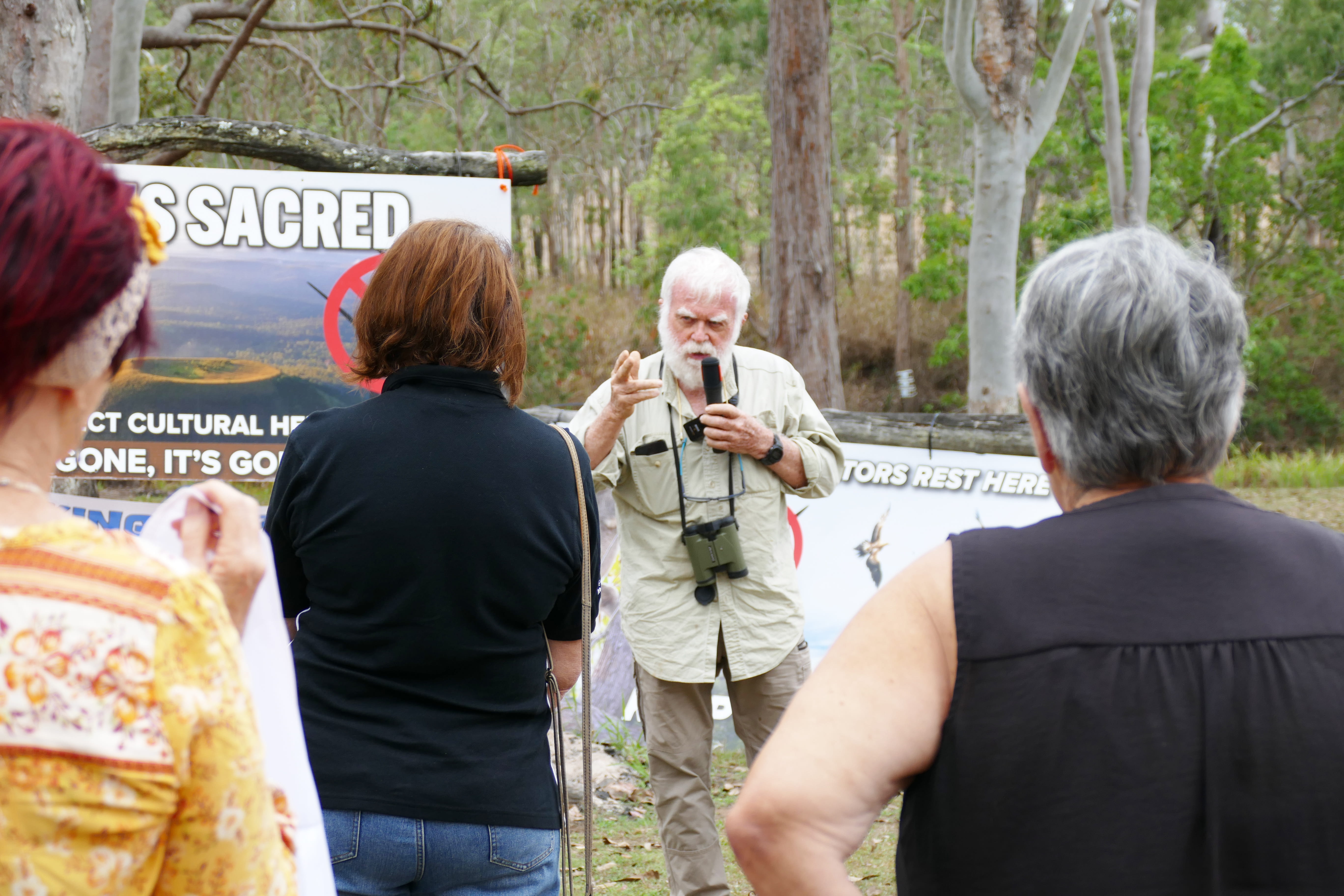
The potential effects of low-frequency noise on animal communication were another focus of the rally. Dr Roger Martin, a wildlife ecologist and biologist who has studied koalas since 1977, spoke extensively on the noise effects of the turbines, arguing that wind turbine noise could mask calls used by native animals to communicate.
These concerns were raised alongside broader questions about habitat fragmentation and whether wildlife would continue to be able to move safely through the landscape if development expanded across the ranges.
Other speakers included photographer and bushwalker Steven Nowakowski, who spoke about development planned for the region, and poet and carpenter Ardi Arda, who attended to show support and love for the community. Mr Nowakowski also read a letter from Jeanette Kemp, a former Queensland Government principal botanist.
The rally also drew support from Martine Shephard, who travelled from Western Australia, where she is involved in campaigns concerning proposed developments at Geographe Bay and Kalbarri. She spoke about the experience of communities confronting large-scale industrial projects and brought a message of solidarity to the Mt Fox residents.
Ms Shephard was credited with the slogan “Vikings Go Home”, which appeared on banners held by protesters.
Beyond the immediate footprint of the proposed Gawara Baya project, speakers expressed concern about the cumulative effects of wind farm developments across mountain ranges, arguing that individual projects should not be considered in isolation when assessing their potential effects on wildlife corridors and connected ecosystems.

They also questioned the arrangements for rehabilitating land after construction and decommissioning turbines at the end of their operational lives. Speakers raised concerns about what would happen to infrastructure left behind and whether adequate restoration and rewilding plans would be in place.
The potential attraction of feral predators to construction and maintenance roads was another issue raised. Speakers warned that increased roadkill could provide an additional food source for predators such as cats, adding pressure to rare and endangered wildlife already affected by habitat disturbance.
According to Windlab, the company behind the proposal, biodiversity will be a key consideration throughout the project.
“Gawara Baya has been designed to preserve almost 99% of potential habitat across its host cattle property for the life of the project,” their resources state.
“More than that, Gawara Baya will be the first renewable energy project in Australia to be delivered with a robust, measurable program for achieving biodiversity net-gain.
“This is part of our long-term, beyond compliance commitment to doing more for nature. Our approach is informed by more than 8,000 hours of detailed ecology studies and four years’ in-depth stakeholder consultation, collaboration and codesign.
“In Australia, Australia’s energy generation sector is by far our nation’s biggest source of greenhouse gases emissions. Decarbonising our energy system is the clear action we must take to address the compounding effects of climate change, including biodiversity decline.
“At the same time, Windlab has committed to leading practice ecological restoration and threat abatement programs that not only address the local scale impacts of the project, but support overall better outcomes for regional biodiversity at a landscape scale.”

Photo credit: Victoria Velton
By Victoria Velton
Welcome to the Cutting The Cane, a column where we have a chat with those supporting the backbone of the local economy: the farmers behind the sugar. This week Dave Perkins, a farmer of 63 years, answered our questions on his trial tissue culture operations.
What stage are your paddocks at now?
The paddock, the normal plant, was planted about two and a half months ago, and the tissue culture was planted about five weeks ago.
What varieties of tissue culture are you trialling?
I've planted all the new varieties that SRA give us. But I still keep going on with the old ones. I went back to a few Q 96 this year. That's not tissue culture, but that was some plants I bought just to see how they would perform. We used to grow a lot of Q 96 here before.
So, I’ve got a mix of old variety and the new variety that's come out this year. I don't trust the new varieties too much. So, I always have a fallback one.
Why have you chosen the varieties that you've growing?
Because I know they grow well here. I got Q 96 this year because even though it's an old variety, our farm here used to grow about 60% Q 96. Though I might only have one trailer for next year. That's about it. It’s a very sweet variety.
When you look to buy or trial new cane varieties, what are your priorities?
I like to get a variety that's smut resistant. Other than that, I asked my friend Darrin Harrigan, who started me on tissue culture about four years ago and he hasn't led me astray. I like a variety that's going to ratoon well, that's the main thing: ratooning well. If it doesn't ratoon, it's not worth it.
And smut is like a virus on the cane. It gets a black sooty smudge on the leaf, and then the centre of the cane, and then it ends up killing it. The varieties that are not resistant to it, they will eventually get it.

Tumeric Photo sourced: Shutterstock
By Joe Bond — The Honest Garden, Forrest Beach
From a little piece of rhizome to a beautiful harvest - There is something pretty amazing about growing ginger and turmeric - you plant what looks like a rather unimpressive little piece of root into the ground, wait patiently, and months later you can dig it up to discover a whole collection of beautiful new rhizomes underneath the soil. Here at The Honest Garden in Forrest Beach, ginger and turmeric have become part of our tropical garden.
Ginger and turmeric aren’t technically roots, classified as rhizomes, which are underground stems. When you buy fresh ginger or turmeric, you can often see little buds or “eyes” on the rhizome. These are the growing points. Rather than planting the whole piece, you can cut a healthy rhizome into sections, making sure each piece has at least one or two good growing buds. Allow freshly cut pieces to dry for a day or two before planting. This can help reduce the chance of the cut surface rotting once it is in the soil.
Our North Queensland climate is particularly suited to growing ginger. Ginger loves warmth, moisture and rich, well-drained soil. It doesn’t want to sit in waterlogged ground, but it also doesn’t like being allowed to dry out completely. Choose a warm position with good light. Ginger can tolerate some shade and, in our hot tropical climate, some protection from the harshest afternoon sun can be beneficial. Plant the rhizomes only a few centimetres below the surface, with the growing buds facing upwards. Then comes the hard part… Be patient!
Turmeric enjoys very similar conditions to ginger. Plant healthy turmeric rhizomes in rich, well-drained soil, with the buds facing upwards. Keep the soil consistently moist while the plant is actively growing. Turmeric produces beautiful green foliage and, given enough time, develops a lovely underground crop. It can also be grown in containers, provided the container is large enough to allow the rhizomes to spread and has good drainage.
One of the most important things we have learnt at The Honest Garden is that healthy plants start with healthy soil. Adding well-made compost or other suitable organic matter to the soil before planting can help improve its structure and provide nutrients. This is where composting and gardening really come together.
It is a wonderful natural cycle — from garden, to kitchen, back to garden again.

This is probably the hardest part of growing ginger and turmeric. You have to wait. Both plants spend a lot of their growing season developing their underground rhizomes while the foliage grows above the ground. As the growing season comes to an end, the leaves will naturally start to yellow and die back. This is a good indication that the plant is moving towards dormancy and the rhizomes may be ready to harvest. You can harvest younger ginger earlier if you prefer tender ginger, while allowing it to mature for longer produces a stronger, more developed rhizome. Turmeric is generally left to mature before harvesting.
Harvesting is like opening a little treasure chest. Carefully loosen the soil around the plant and lift the rhizomes from the ground. Brush away the excess soil and separate what you want to use immediately from healthy pieces that you might like to keep for planting the following season.
And this is one of the best things about growing ginger and turmeric — you can save some of your harvest to grow your next crop.
A Few Simple Tips
Growing ginger and turmeric is a great example of how gardening doesn’t always have to be complicated. You don’t need a huge garden. You don’t need expensive equipment. You only need a healthy piece of rhizome, good soil, warmth, water and a little patience. And when you finally dig beneath those leaves and uncover a beautiful crop of fresh ginger or turmeric, there is something incredibly satisfying about knowing you grew it yourself. So, if you’ve got a spare corner of your garden, why not give ginger or turmeric a go? You might just dig up a little tropical treasure of your own.
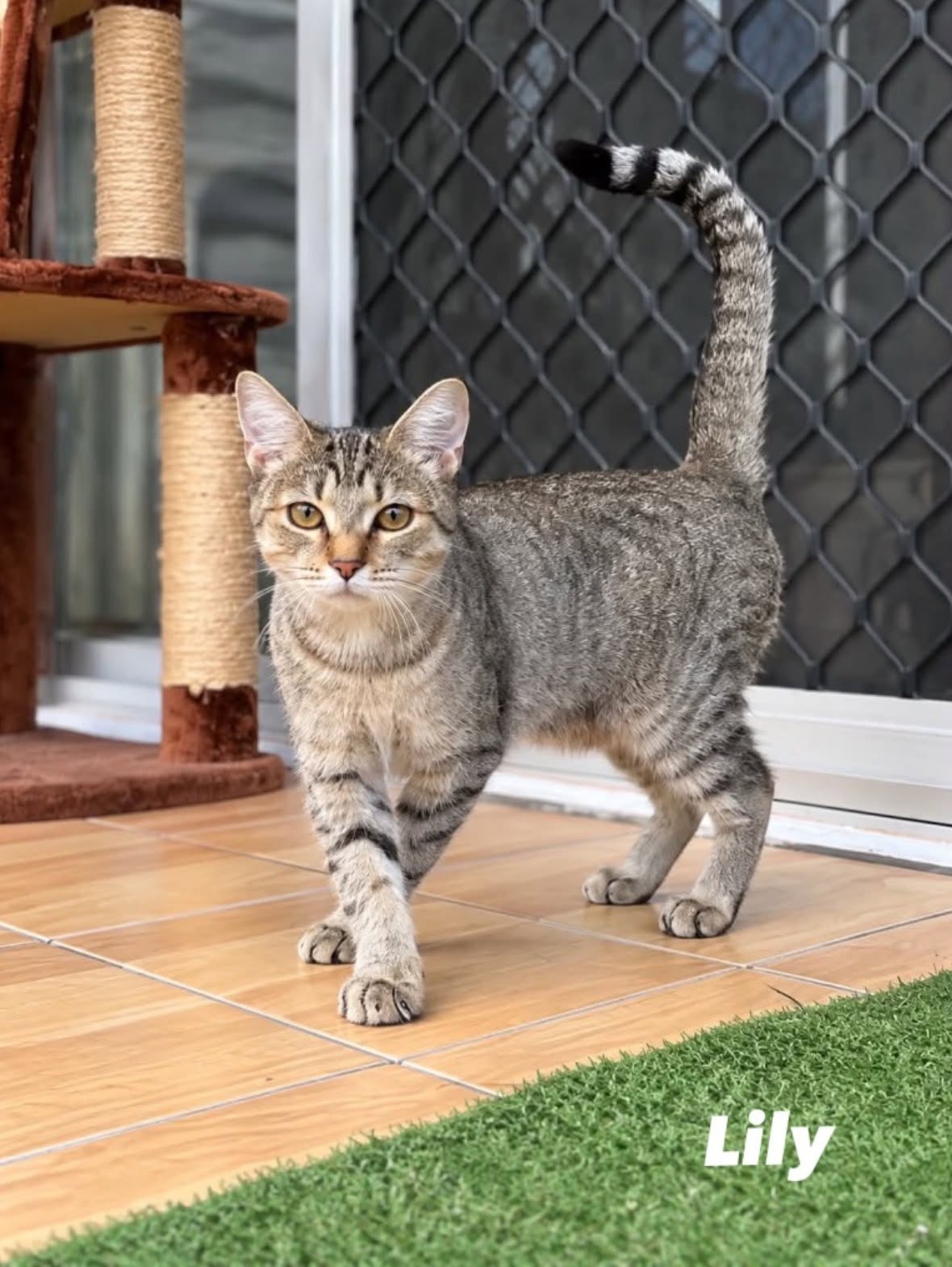
A 6-month-old kitten with such a big heart! Lily knows how to share the things that really matter: she loves cuddles and she loves her food. She’s at that wonderful age where she’s playful and curious, but also ready to build a strong bond with their forever family.
Lily is a calm and gentle cat, she’s sweet, affectionate, and loves taking things at her own pace. Give her a comfy spot, some tasty food and a good cuddle, and she’s a very happy girl. Raised with other cats, she knows how to be a good playmate and friend to any other feline companions your household might already have.
Included in adoption fee of $225 DESEXED, MICRO-CHIPPED, up to date VACCINATIONS, FLEA/TICK/INTESTINAL WORM treated. Enquire today at angelpawsinc.com.au/pets-for-adoption/cats/
Sex: Female
Breed: Domestic Short Hair
Colour: Grey Tabby
DOB: 01/03/2026
Cat Friendly: Yes
Dog Friendly: Unsure
Kid Friendly: Mostly

Contributed with thanks by the Hinchinbrook Community Support Centre
For many of us, maintaining our homes and gardens is simply another part of everyday life.
Mowing the lawn, trimming overgrown gardens, clearing pathways and keeping up with general property maintenance are tasks we often take for granted.
But what happens when those everyday jobs become too difficult to manage?
For older residents, people living with disability, those experiencing health challenges or individuals juggling the demands of everyday life, maintaining a home and yard can become overwhelming.
And it's about much more than appearances.
An overgrown yard, uneven access or neglected maintenance can create safety concerns, reduce accessibility and affect a person's ability to feel comfortable and secure in their own home.
For some, the physical demands of maintaining a property are simply no longer manageable.
For others, finding the time, equipment or expertise to complete maintenance tasks can be challenging.
At Hinchinbrook Community Support Centre (HCSC), we recognise that practical assistance can make a meaningful difference to people's wellbeing, independence and quality of life.
Through our Home & Yard Maintenance Social Enterprise, HCSC provides property maintenance services throughout the Hinchinbrook region.
The service supports Community Housing Providers, local welfare and community organisations, and householders who may be older, frail or living with disability. Importantly, the Social Enterprise also provides services to the general public, making practical home and yard maintenance available to the wider community.
From general yard maintenance to practical property upkeep, the service helps create safer, more manageable living environments while supporting people to maintain their independence.
For someone who can no longer manage their garden, assistance with outdoor maintenance can mean being able to safely access their home and enjoy their surroundings again.
For busy households, having someone take care of maintenance tasks can free up valuable time and provide peace of mind.
And for community housing providers and local organisations, reliable property maintenance contributes to safer, more welcoming environments for the people who rely on those spaces.
Having a safe and comfortable place to call home is fundamental to our wellbeing.
When essential maintenance becomes difficult to manage, the impact can extend beyond the physical environment. It can affect confidence, independence, social connection and a person's sense of dignity.
Practical support is not always about doing everything for someone. Sometimes it's about providing the assistance they need to continue living safely and independently.
HCSC's Home & Yard Maintenance Social Enterprise is one example of how community-based services can respond to everyday challenges and make a positive difference in people's lives.
It also reflects the broader role of HCSC in supporting community members through practical services that contribute to safer, healthier and more connected communities.
Need a Helping Hand? Contact Us for a Quote
Whether you're a homeowner looking for assistance with your yard, a community organisation requiring property maintenance or someone finding it difficult to keep up with
everyday tasks around the home, our team would be happy to discuss your needs.
Home & Yard Maintenance is a fee-for-service Social Enterprise available to the general public, community organisations and housing providers.
To find out more about the services available or request a quote, contact Hinchinbrook Community Support Centre (the Hub) on 4776 1822.
Sometimes, making life a little easier starts with something as simple as a helping hand around the home.
Because everyone deserves to feel safe, comfortable and supported in the place they call Home.
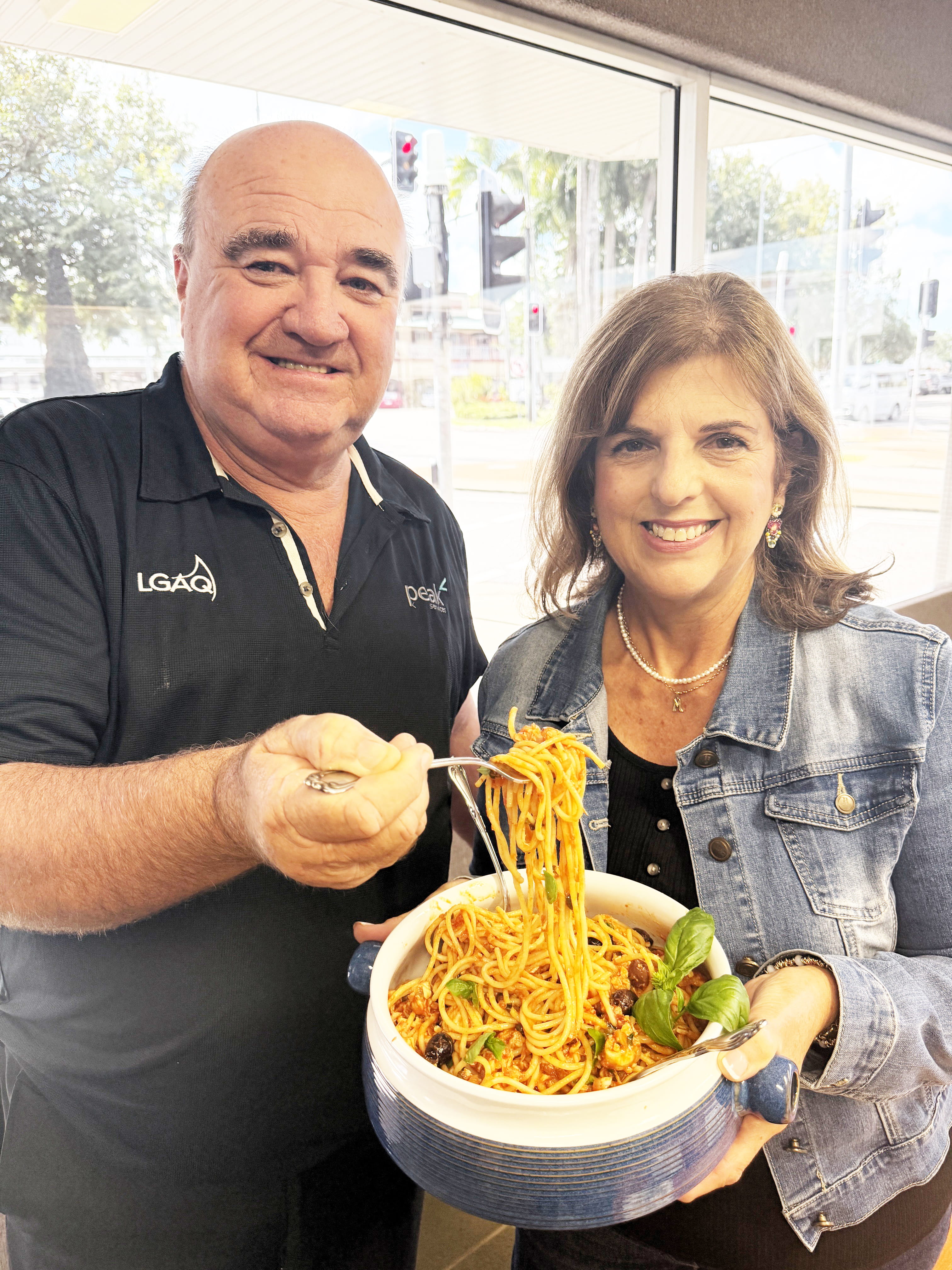
Mayor Ramon Jayo with Ingham local Maria Giliberto. Photo supplied
One of the things I value most about our community is the way people come together, whether it's around the dinner table, at community events or through the traditions that are passed from one generation to the next.
Earlier this year, I put a call out to the community to help showcase a taste of Hinchinbrook as part of the Local Government Association of Queensland's A Shared Table cookbook project. The response reminded me just how rich our region is in culture, history and family traditions, and I thank everyone who took the time to share their recipes and stories.
A special thank you goes to long-term Ingham local Maria Giliberto, whose family recipe, Svelto Sano con Pasta – Tonno e Pomodoro, was selected to represent Hinchinbrook.
When Maria shared the recipe, she wasn't simply sharing a pasta dish. She was sharing a treasured piece of local history. The recipe originally belonged to her late mother, Grace Licciardello, whose cooking talents were recognised when the dish won the Senior Section of the Great Italian Bake-Off at the 2000 Australian Italian Festival.
Like many great family recipes, it proves that simple ingredients can create something special. Combining tomato, basil, olives, capers and tuna, the dish has brought family and friends together around the table for generations.
What I love most about Maria's contribution is that it captures exactly what A Shared Table is all about. Behind every recipe is a story, and behind every story are the people, traditions and memories that help shape our community.
By sharing her family's recipe, Maria has helped preserve an important piece of Hinchinbrook's history while showcasing the strong Italian heritage that continues to be part of our region today.
Last week, it was fantastic to attend the 130th LGAQ Annual Conference in Cairns alongside mayors, councillors and local government leaders from across Queensland. The conference provided an important opportunity to share ideas, discuss the challenges facing our communities and learn from one another.
One of the highlights for me was taking part in a panel discussion with the Mayor of Lismore.
Having the opportunity to speak openly about our flood experiences and recovery journeys reinforced the value of local government working together.
While every community's circumstances are different, sharing lessons learned helps us better prepare, respond and recover when disasters strike.
What I enjoyed most about this project was seeing the stories behind the recipes. They remind us that our community is built on the people who came before us, the traditions they passed on and the memories we continue to share.
Thank you to everyone who contributed, and especially to Maria for sharing a piece of her family's story with all of Queensland.
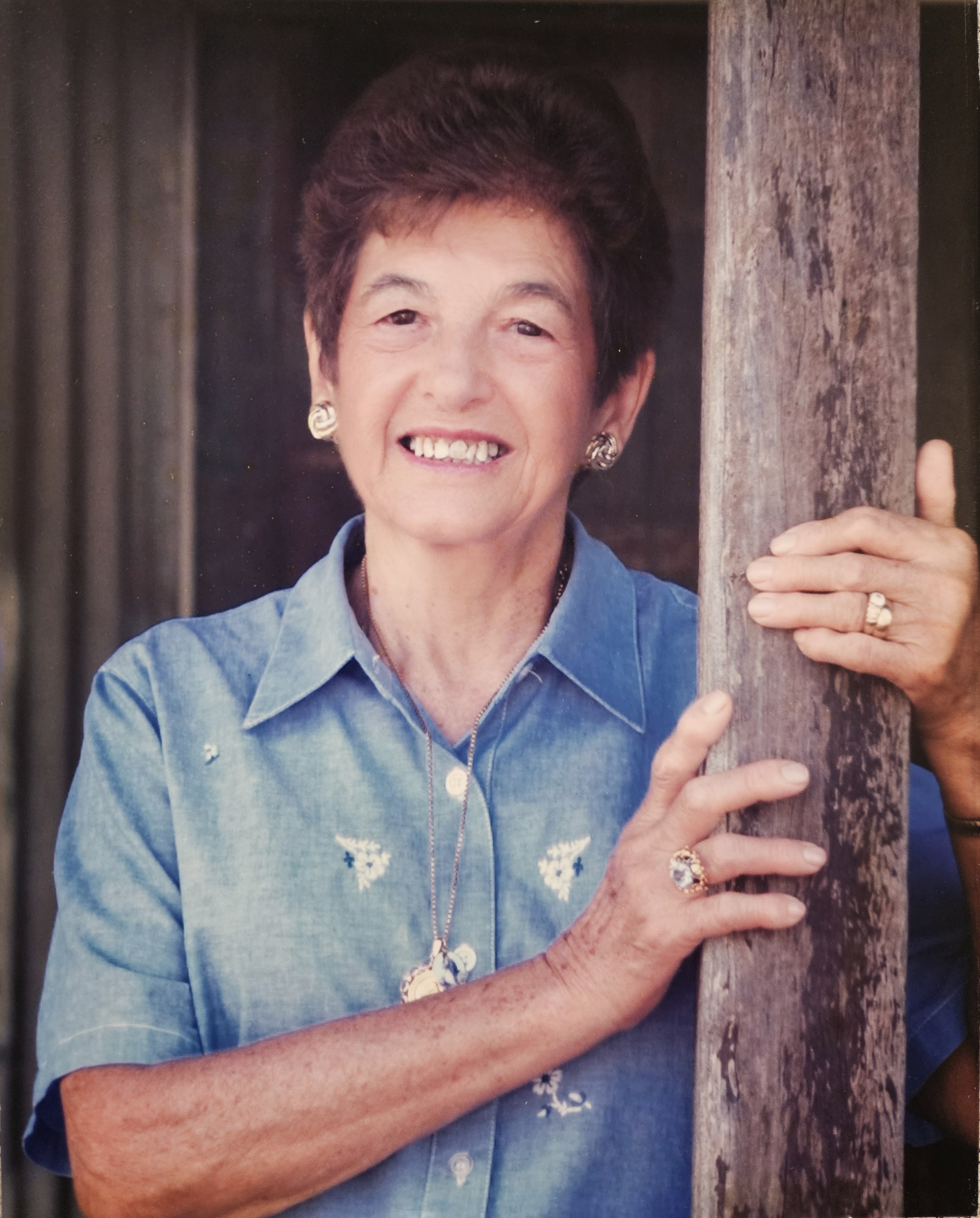
See Maria’s contribution below which is now shared across the State:
Ingredients
Method
For decades, people across the Herbert River district have been calling for improvements to the Bruce Highway at Gairloch.
Anyone who has lived through a North Queensland wet season knows just how frustrating it is when the highway goes underwater, cutting communities off and disrupting families, businesses and our local industries.
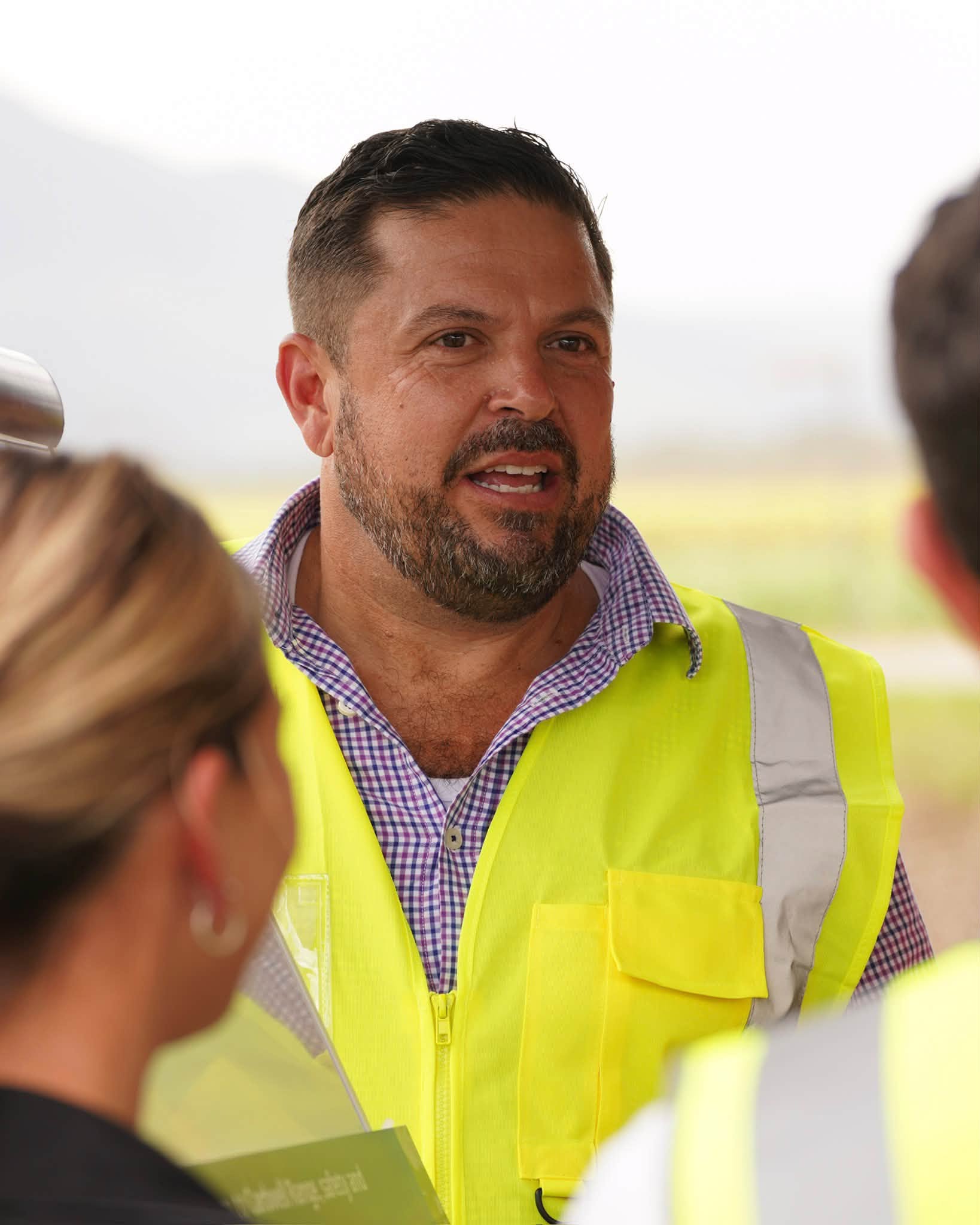
That's why it was particularly pleasing to stand alongside Premier David Crisafulli and Transport Minister Brent Mickelberg this week to announce that work is now underway on these long-awaited upgrades.
And I know plenty of locals will be thinking the same thing – it's about time!
During the Hinchinbrook by-election, I committed to fighting for the infrastructure our region deserves, and improving the safety and reliability of the Bruce Highway has remained a priority.
The works between Gairloch and Ripple Creek will include road widening, improved drainage and other upgrades designed to reduce flood-related disruptions.
Further safety improvements are also underway between the Ingham-Halifax-Bemerside Road intersection and the Cardwell Range.
These projects form part of a broader investment in the Bruce Highway, jointly supported by the Queensland and Australian Governments.
For our community, this isn't just about upgrading a road.
It's about families getting home safely, people making it to work or medical appointments, and our farmers and businesses being able to move their produce and freight without unnecessary disruptions.

We can't stop the rain, but we can build better infrastructure to help our communities withstand it.
There is still plenty of work ahead, including the broader floodway improvements needed at Gairloch, but seeing construction underway is an important step forward.
Next week, I will also be back in Parliament for another issue I have continued to advocate strongly for – Breach Bail, Go to Jail.
During the by-election, people across Hinchinbrook made it clear they were tired of repeat offenders being released on bail and going on to commit more crimes.
I listened, and I have continued fighting for stronger consequences.
The proposed legislation will introduce tougher bail requirements and mandatory minimum detention or imprisonment for certain serious offences committed while on bail.
Following the parliamentary committee process, these laws are now expected to be debated and passed next week.
Bail is a privilege, and there must be consequences when that privilege is abused.
Whether it's delivering long-awaited road improvements or fighting for stronger laws to make our communities safer, my focus remains on getting practical results for Hinchinbrook.
There is more work to do, but we're making progress on the issues that matter to our community.
As the end of another membership year for Hinchinbrook Chamber of Commerce, Industry & Tourism Inc. wrapped up on September 30th, it is the time of year where the business community come together to acknowledge and celebrate Chamber’s achievements over the past year. It is also a time where members may consider stepping up to become involved in an executive role, as all current positions of president, vice president, secretary and treasurer will be declared vacant and nominations are now being accepted.
Chamber has once again had another incredibly busy year supporting and advocating for the local business community. Some of the key priorities of focus this year has been advocating for business priorities such as increased insurance policy impacts; informing and supporting business owners with grant opportunities; collaborating and supporting with HSC Community Recovery events; once again hosting and managing the delivery of Markets at the Mosaic and the Shop & Win Campaign; marketing the Shire through the Hinchinbrook Festival of Events and Whole of Shire radio campaign; collaborating with Hinchinbrook Shire Council to deliver two Christmas in Hinchinbrook events in 2025; submission of three Chamber grant funding applications (one successful to date), and the executive believe it is important to share and celebrate Chamber’s contributions and thank the members for their continued ongoing support.
This year’s event will be held at Lee’s Hotel in Beer Garden, commencing at 5:30pm on Monday 16th November, 2026. All members and interested businesses owners are welcomed to attend the AGM.

Dr Cockburn is pictured (centre) with RDAA President, Professor Sarah Chalmers (left) and Rural Doctors Foundation Board Member, Dr Jean Little1wood (right). Photo source: RDAA
Dr Carmel Cockburn, a Rural Generalist doctor who has been a driving force behind the return of maternity services to Ingham, has received the Rural Doctors Association of Australia’s (RDAA) Rural Doctor of the Year Award for 2026.
Born and raised in Yungaburra, Carmel studied Medicine at James Cook University in Townsville before launching her medical career, training across hospitals in Mackay and Cairns.
During her studies Carmel met her future husband Damon – an electrician who is Ingham ‘born and bred’ – which eventually sparked a move to the town in 2015.
She has been a Rural Generalist Obstetrician at Ingham Hospital since then, and this year was also appointed as the hospital’s Medical Superintendent.
When asked what the Doctor of the Year award meant to her, Dr Cockburn said:
“It means a great deal. I love my community and my hospital, and I have long-term plans in Ingham. It has meant a lot, and it's been wonderful to share it with all of the staff at the Ingham Hospital - we work together as a great team.”
That team is, according to Carmel, a tight knit and hardworking one.
“The nursing and midwifery staff, many of whom are also Ingham born and bred, we are very bonded in that we work some pretty long hours in some sometimes difficult situations… I guess being in it together and looking after each other, that'swhat makes it so special.”
Dr Carmel believes that in rural medicine it’s vital to understand your community’s needs.
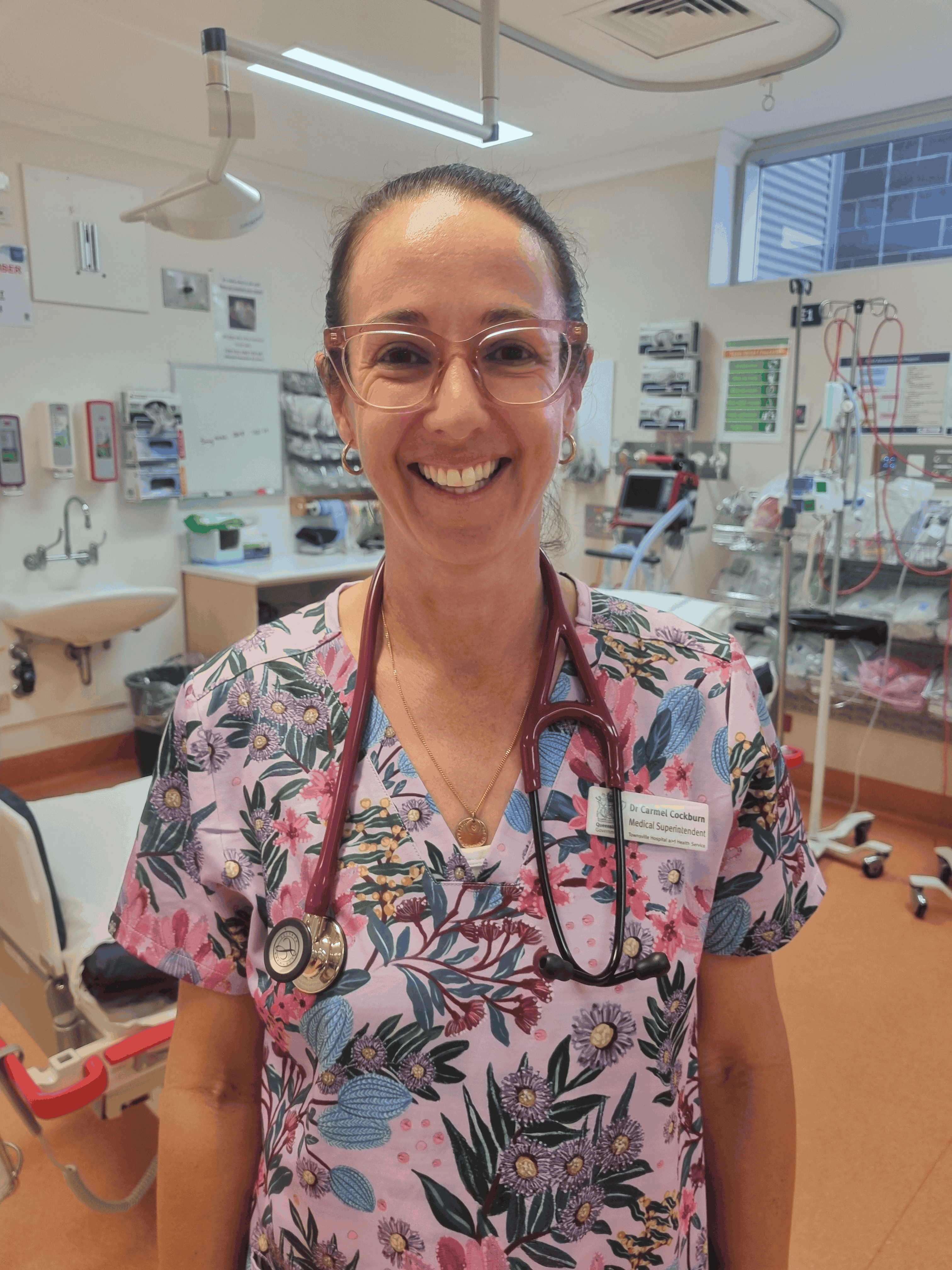
“A top rural doctor for me is someone who is really trying to meet the needs of the community they live in,” said.
“All rural little towns across Australia have different needs, and doctors need to be willing to advocate for their community and listen to the people in the community, to meet their needs and work hard meeting their needs.
“To me, that's that's the special thing about rural doctors.”
When asked whether she had any advice for future healthcare providers, Dr Carmel’s answer was simple.
“Go to a rural place to find out what it's like.
“You can't put into words what it's like working in a rural hospital. Actually going and experiencing that face to face and hands on, as well as getting yourself a really good mentor – that would be my advice.”
RDAA President, Professor Sarah Chalmers said Carmel’s colleagues have described her as an excellent, dedicated clinician who provides top-level care.
“She was integral in re-establishing the maternity service at Ingham Hospital, which has just celebrated ten years…” Professor Chalmers said.
“Across that decade, she has spent countless hours working in the maternity unit – at all hours of the day and night...
“Fittingly, three of Carmel and Damon’s four children have been born in the re-opened maternity unit, with their oldest son one of the first babies to be delivered there.
“Carmel is widely respected for her calm and cohesive leadership, and is described as an unstoppable force of nature who is available 24/7 for her colleagues.
“Most of all, she applies her kindness in everything she does.”
Outside Medicine, Dr Cockburn said she enjoys fishing, boating and spending time at the beach “with my beautiful family”. All six members of the Cockburn family are part of the Forrest Beach Surf Life Saving Club.
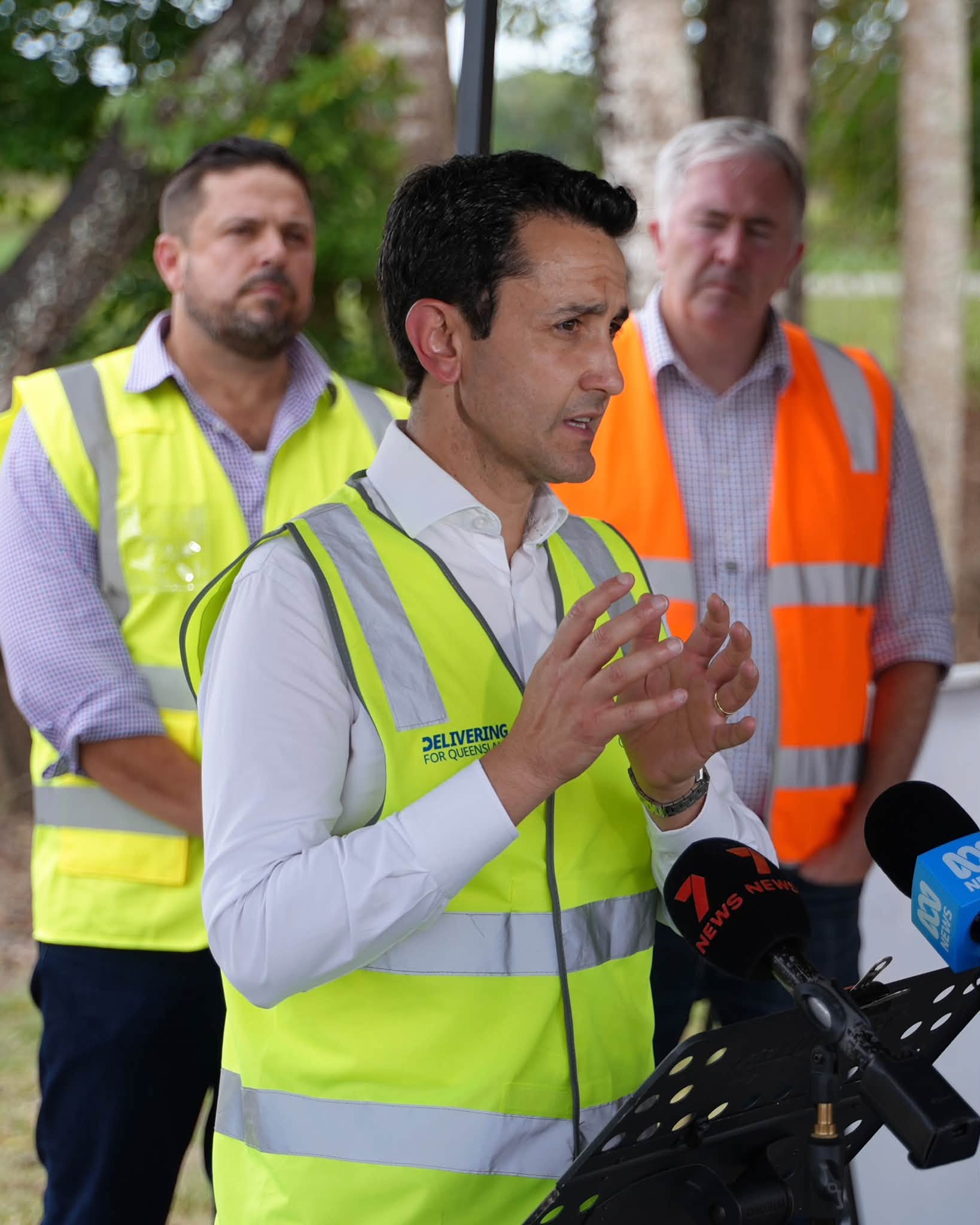
Photo source: Premier of Queensland David Crisafulli
Works are starting on new Bruce Highway upgrades at Gairloch, designed to help reduce the severity of flooding across this section of highway and the occurrence of head-on crashes.
Construction is now underway on two key sections. The Gairloch to Ripple Creek section will widen the road and improve drainage, while the Ingham-Halifax-Bemerside Road and Cardwell Range section will widen the road, with both projects delivering critical safety improvements.
Under the $9 billion Bruce Highway Targeted Safety Program which began last year, 18 projects have been completed, 20 are underway, and 7 are expected to start construction this year, delivering a pipeline of upgrades along the highway between Gympie and Cairns.
In total, 150 projects are in planning, design, construction or have been completed through the $9 billion investment in the Bruce Highway.
The first stage of works between Gairloch and Ripple Creek is using efficiencies realised under the Disaster Recovery Funding Arrangements, while the other works are part of the $1 billion Bruce Highway Safety Package and funded on an 80:20 basis.
Queensland Premier David Crisafulli said the government was getting on with fixing the Bruce.
“We’re serious about bringing it up to the standard it should be and we’ve got shovels in the ground,” Premier Crisafulli said.
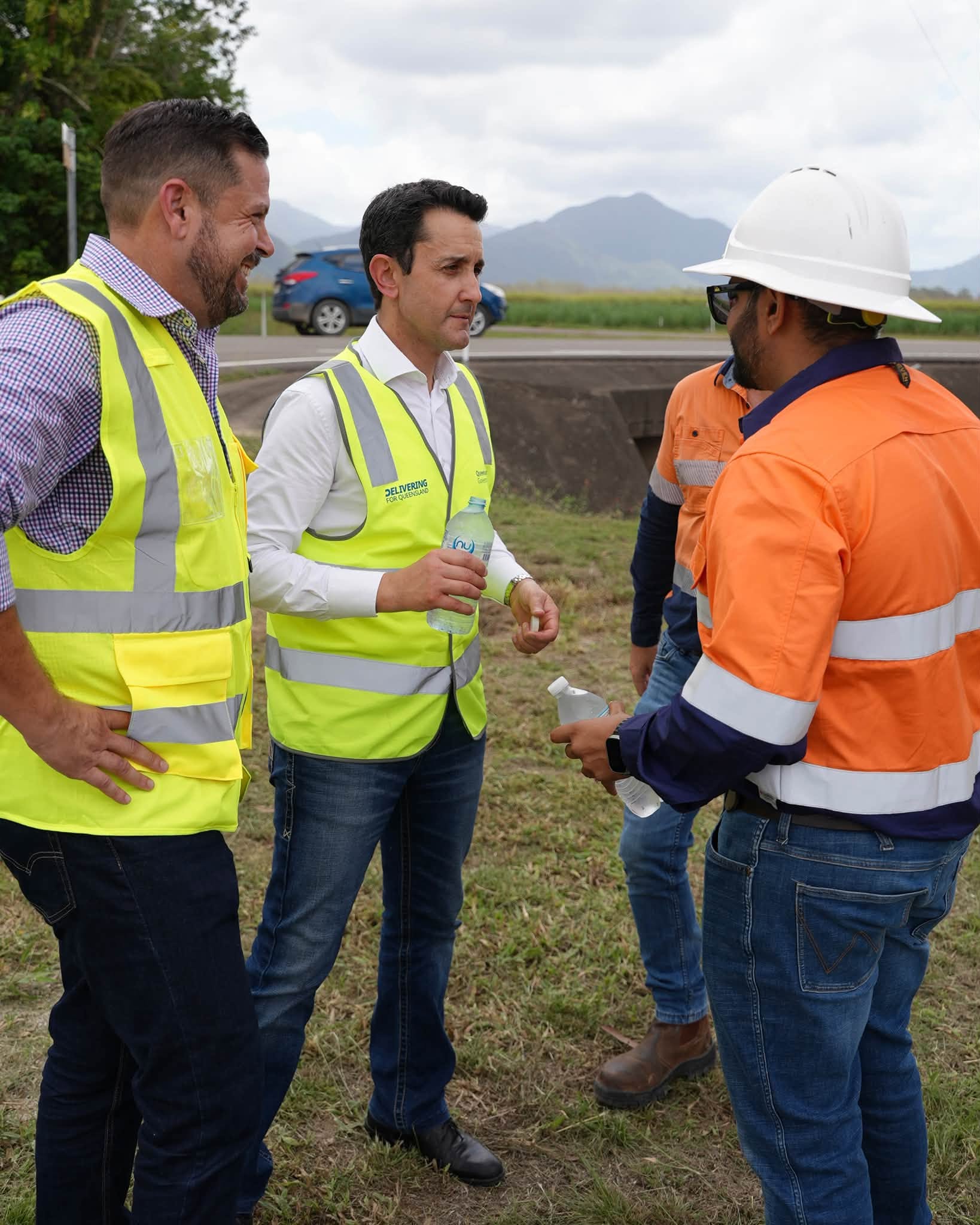
“Upgrading the Bruce at Gairloch has been spoken about for decades, and finally now work is being done.
“We’ve secured a funding deal that respects your money and means more upgrades to make the Bruce safer, stronger and more reliable.”
Federal Minister for Infrastructure, Transport, Regional Development and Local Government Catherine King said the Bruce Highway was vital for local passengers.
“The Bruce Highway is a critical connection for North Queensland communities, freight operators, businesses and visitors.
“The works north of Ingham will help strengthen a section of highway that is frequently impacted by wet weather, providing better connections for local communities and the industries that rely on this important corridor.
“Investing in resilience means investing before disaster strikes, helping communities stay connected to essential services, supporting recovery efforts and reducing the impacts of future natural hazards.”
Queensland Minister for Transport and Main Road Brent Mickelberg said the start of construction across the Bruce marked an important step towards delivering safer and more reliable journeys.
“With further projects progressing from Gympie to Cairns, a significant program of work is gathering pace across the Bruce Highway,” Minister Mickelberg said.

“Under the 80:20 funding deal we struck with the Commonwealth – which we were told couldn’t be done – every cent of the $9 billion is being spent upgrading the Bruce Highway between Gympie and Cairns.”
State Member for Hinchinbrook Wayde Chiesa said the funding would make the Bruce safer for locals and visitors.
"This announcement shows exactly what can be achieved when Hinchinbrook has a strong voice at the Government table. I committed to fighting for the infrastructure our region deserves, and today we're seeing that commitment translate into real investment for North Queensland,” Mr Chiesa said.
“Locals know better than anyone just how often this section of road goes underwater. Every wet season, families, businesses and transport operators face uncertainty when this vital link is cut. This investment is about building a safer, more resilient road network that keeps our communities connected when it matters most."
"This road is among the most flood-prone stretches of highway in Queensland, and the people who live and work here know the challenges that come with that reality. Today's investment demonstrates the Crisafulli Government's commitment to North Queensland and to delivering practical projects that improve safety and reliability for local communities."

This month, I want to share some positive news with our community about two important achievements for the Cassowary Coast and encourage everyone to have their say through Council’s 2026 Community Scorecard.
Firstly, I am very pleased to advise that Council has won the Projects over $10 million category at the 2026 Institute of Public Works Engineering Australasia, Queensland & Northern Territory (IPWEA-QNT) Excellence Awards for the Mission Beach CBD Revitalisation, earning statewide recognition for one of our region’s most significant public infrastructure projects.
This state award recognises the quality of a major public infrastructure project delivered here in the Cassowary Coast.
The project has transformed the heart of Mission Beach through upgraded public spaces, improved drainage, road and footpath reconstruction, landscaping, lighting, public art and better beach access, while preserving the relaxed tropical character valued by the community.
I thank the Mission Beach community, local businesses, Council staff, contractors and consultants who all contributed to this significant project.
Secondly, Council has also been recognised for its work in strengthening flood risk management through our Flash Flood Sensor Network and Disaster Dashboard Integration project.
The Cassowary Coast is highly vulnerable to intense rainfall and flash flooding, and this project is helping Council improve the way we monitor and respond to rapidly changing conditions.
Council has now installed 21 real-time flash flood sensors at key high-risk locations as part of a three-year trial. These sensors feed live information into Council’s Disaster Dashboard, improving situational awareness for Council, emergency services and the community.
This means Council is less reliant on delayed reporting, regional data or sending staff into hazardous conditions to inspect known trouble spots during severe weather. Instead, we have better local intelligence to support faster, more informed decisions about road conditions, warnings, response actions and community safety.
The project is also helping strengthen coordination with emergency services and response agencies by providing more timely and reliable local information when conditions are changing quickly. It is a practical investment in community safety and a strong example of how innovation can improve disaster preparedness and response in a regional area.
As we head into the wet season, I encourage all residents to take practical steps now to Get Ready. Forecasts may be pointing to a drier and warmer than average start to the season, but that does not mean severe weather will not occur. Heavy rain, flooding and tropical cyclones can still develop quickly, and preparing early means you are ready if conditions change.
Residential ratepayers will have received a waste voucher with their latest rate notice, which can be used to dispose of a load of eligible dry household waste. I encourage residents to use this opportunity to clean up around the home and yard, clear gutters, secure loose outdoor items, check emergency kits and make sure household plans are in place.
Please also remember that Council’s Disaster Dashboard is the best place to find local weather warnings, road closures, power outage information and emergency updates when severe weather affects our region.
Finally, I want to strongly encourage everyone across the Cassowary Coast to take part in the 2026 Community Scorecard.
If you receive the Scorecard in your letterbox or inbox, or access it online, please take a few minutes to complete it before 6 November 2026. This is your opportunity to rate Council services, tell us what matters most to you, and help shape Council priorities, community outcomes and advocacy.
The Community Scorecard is one of the most important ways we hear directly from our residents. Your feedback helps Council understand what we are doing well, where we need to improve, and what matters most to our communities now and into the future. I strongly encourage everyone to take part.
Council will continue working to deliver practical outcomes for our communities and to ensure the Cassowary Coast remains the most liveable tropical community.
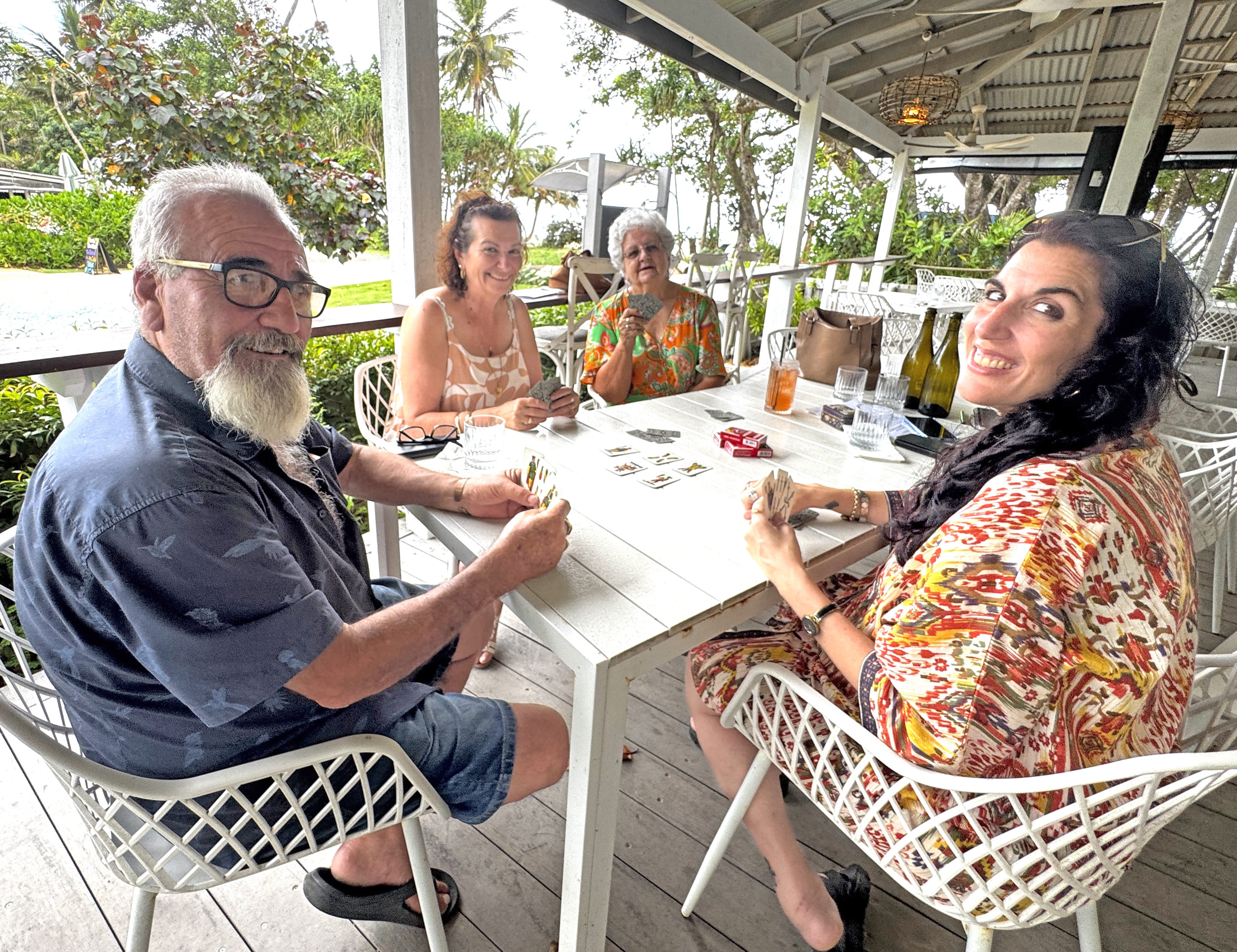
Enjoying a taste of Italy around the table at Plenty, Mission Beach. From left, Giuseppe and Toni Santomingo, Lois Dawes and Veronica Papenga. Photo credit: Helen Cook
Fancy learning something new, making a few friends and giving your brain a workout?
Tully resident Veronica Papenga is inviting locals to pull up a chair and try their hand at Scopa, a traditional Italian card game that brings people together for fun, friendship and a taste of Italian culture.
Veronica grew up in Brisbane, learning Scopa from her father and grandfather, or Nonno, and watching family members gather around the card table. But her family's connections to Far North Queensland run deep. Her Italian grandparents emigrated from Italy and worked as sugarcane cutters in the Innisfail district, while her parents first knew each other as children through a family friendship that began at the Silkwood Hotel.
Eighteen months ago, Veronica and her husband relocated from Brisbane when he secured a job at Tully Sugar Mill. Now, with their first baby due any day, her parents are considering moving back to the Far North to be closer to family. And Veronica is keeping family traditions alive by sharing them with her new community.
Scopa, meaning 'to sweep' in Italian, is played with a special deck of 40 cards featuring four suits – coins, cups, clubs and swords. It's a game of numbers, memory and strategy, where players collect cards by matching values or adding them together.
There's also Briscola, another popular Italian card game using the same deck, but with different rules, scoring and a trump suit, offering another challenge for those keen to learn.
For Veronica, these games are much more than entertainment.
"I've grown up playing Scopa. It means a lot to me because it's part of my family," she said.
“I still play every week.”
She's even used the game to help children learn English while working as an au pair in Italy.
Veronica has already introduced Scopa to a small group at Nonna Angelina's in Innisfail and recently organised a gathering at Plenty in Mission Beach.
Even with a newborn imminent, she's planning more opportunities for locals to get together and learn the games, with dates and venues to be announced. Young or old, Italian or not, everyone's welcome to pull up a chair and try their hand!
To find out about upcoming gatherings, follow Scopa Club on Facebook or call Veronica on 0449 149 700 – but perhaps leave a message, as she might have her hands full with a new arrival!
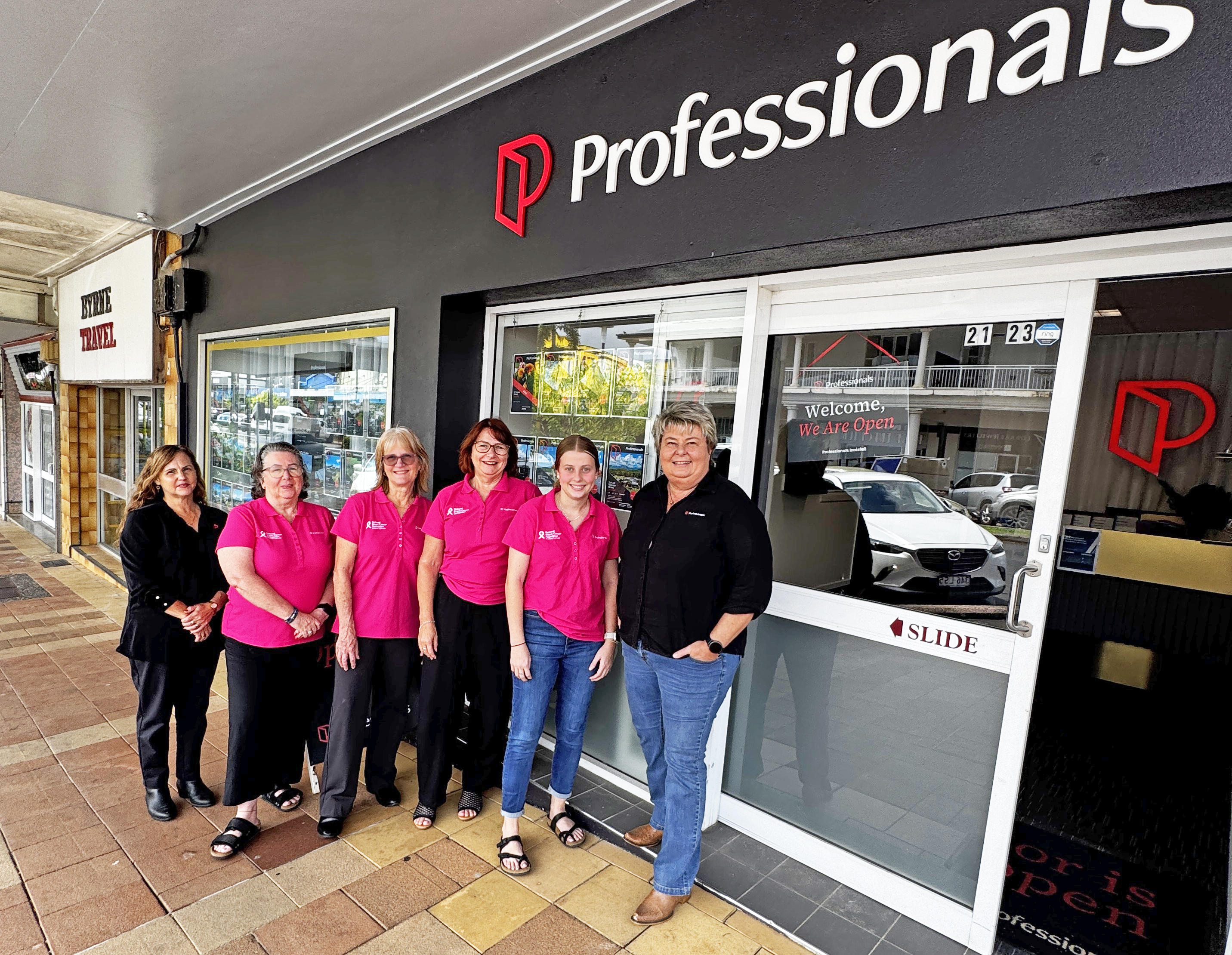
Celebrating a successful first year in business The Professionals office on Edith St, Innisfail. From left: Segrid, Lynne, Barb, Terri, Taylah and Annette. Photo credit: Helen Cook
For Annette Swaine, celebrating the first anniversary of Professionals Innisfail is about more than business success. It's about building a team, creating opportunities and contributing to the community she calls home.
Annette and husband David opened Professionals Innisfail on 1 October 2025, transforming a building purchased as an investment into a thriving real estate agency. Twelve months later, the agency has grown from two staff to a busy team servicing properties from Babinda to Cardwell.
Annette specialises in residential property and land, while David focuses on commercial property and business sales.
The agency has expanded its property management portfolio, acquiring rent rolls from First National and Babinda Real Estate.
Today, the team includes three full-time property managers, administration support and salesperson Segrid, who recently joined the agency.
For Annette, building the right team has been as important as growing the business.
“The biggest thing for me has been to build a culture within our office,” she said.
Receptionist Taylah is a perfect example of that commitment.
“She's now undertaking real estate qualifications and preparing to move into property management,” Annette said.
“It's good to help staff grow into what they want to do.”
Annette’s approach reflects a colourful career spanning more than 20 years in the Queensland Police Service, retiring as a sergeant, before operating a fishing charter and boat hire businesses in Cardwell and Mission Beach.
Fishing remains her greatest passion to this day.
“When I retired, I said I was retiring to go fishing. And literally I was!”
But with those businesses behind her, these days, she's happiest escaping onto the water for recreation whenever the weather and workload allows.
“I suppose it's more therapy than anything,” she said.
But Annette's community involvement doesn't stop at real estate. Having previously stood for state parliament, she's now spearheading the revival of the Innisfail Chamber of Commerce after years of inactivity.
With more than 20 members already involved and an annual general meeting planned for January, she's optimistic about rebuilding a strong voice for local businesses.
For Annette, whether mentoring staff, helping people find homes or supporting fellow business owners, it's about creating opportunities – and hopefully finding the occasional weekend to go fishing.
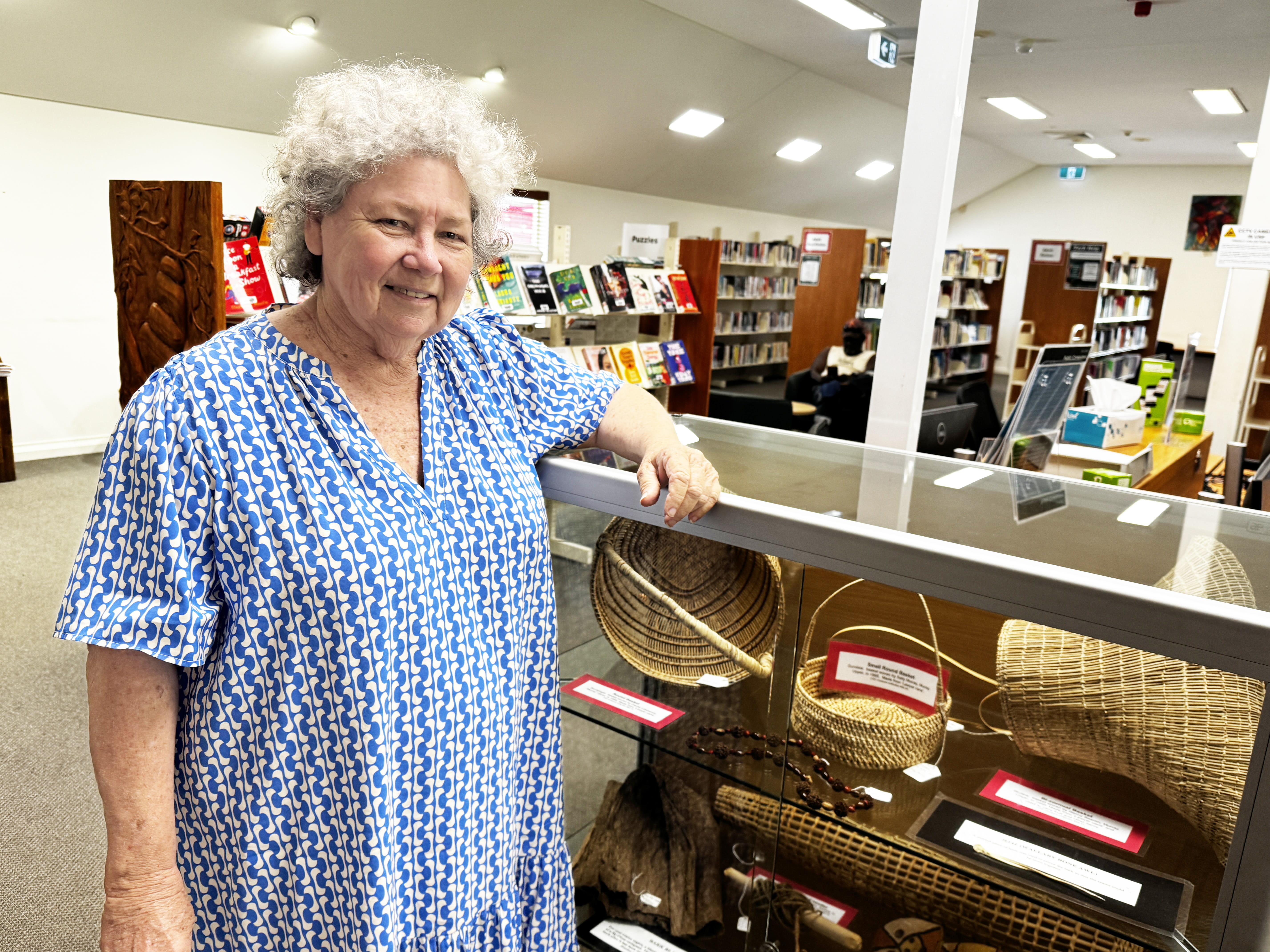
Dr Valerie Keenan’s passion for preserving Tully’s rich Indigenous cultural heritage is central to her vision for a permanent arts and cultural precinct in the town
After three years of exhibitions, workshops and fundraising, Tully Arts and Cultural Precinct Inc is making a determined bid to secure a permanent home in the former Visitor Information Centre.
At the heart of the campaign is local artist, researcher and cultural advocate Dr Valerie Keenan, whose lifelong passion for art, history and Indigenous culture has helped inspire the community initiative.
The vision is to transform the Bruce Highway premises into a year-round cultural hub, featuring a public gallery, heritage displays, creative workshops and a Keeping Place for Aboriginal cultural objects.
The organisation has occupied part of the building for nearly two years and has lodged an expression of interest with Cassowary Coast Regional Council to secure its future.
For committee chair Valerie, it's an opportunity to create something she believes Tully has needed for decades. Born and raised in the district, Valerie remembers a thriving local arts community, including her mother, Gladys Henry, the first female councillor for the Cardwell Shire Council and an artist with a deep interest in local Aboriginal culture.
“There were more opportunities for artists in my mother’s day, but by the time I left school, there were very few pathways into the arts,” Valerie recalled.
It wasn't until her 40s, when she was living in the Torres Strait, that she began formal arts studies, initially through Flying Arts, which delivered workshops to regional and remote communities. She subsequently studied visual arts, museum studies and ethnography, completing a PhD exploring historical correspondence, collecting practices and connections to country.
Her academic interests were deeply personal. James Cook University's Objects of Possession research project documents her mother's collection of 588 Aboriginal cultural objects, acquired by the Aboriginal Arts Board in 1979. Developed through relationships with Jirrbal, Girramay and Gulngay people, the collection represents an important record of the region's cultural heritage.
Valerie's professional career strengthened those connections. For 11 years she worked with Girringun Aboriginal Art Centre in Cardwell, supporting First Nations artists and bringing their work to national and international audiences.
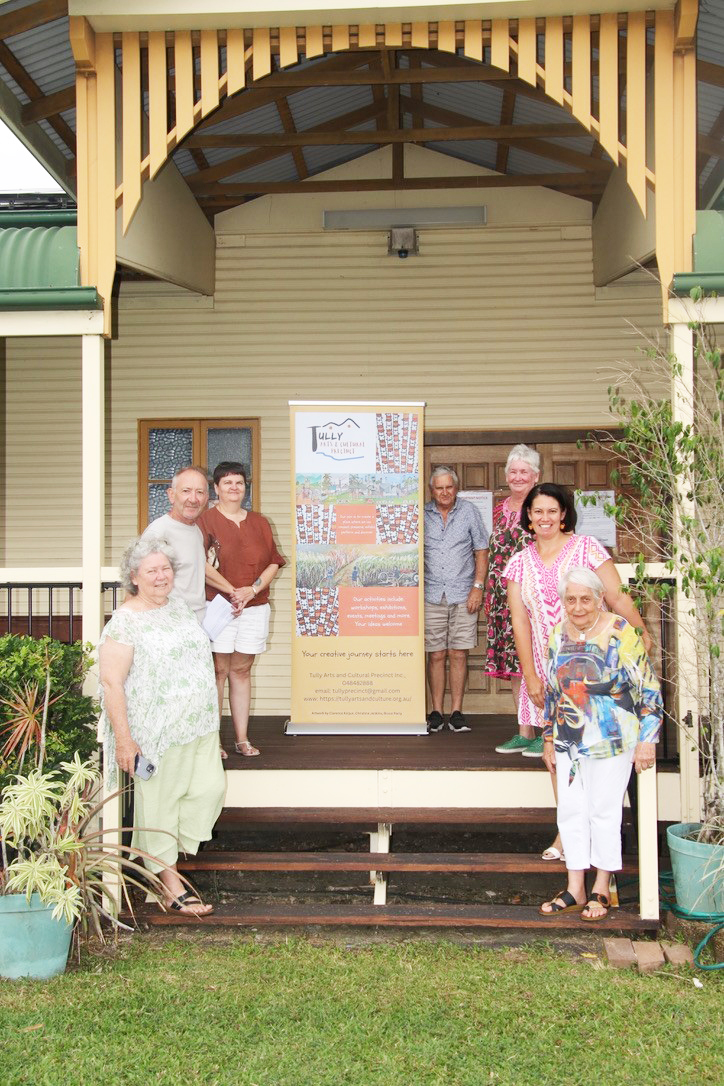
Her contribution was recognised with a Museums & Galleries Queensland Achievement Award in 2019. Her research also took her to Norway to investigate nineteenth-century naturalist Carl Lumholtz's collections from the Herbert River region, culminating in an exhibition and publication.
Yet despite these international experiences, Valerie's focus has always returned to Tully.
"My work, my life has always been about this place," she said.
In 2023, with encouragement from Shane Greenwood, then manager of the Tully Support Centre, Valerie brought together local artists and community members to explore establishing a dedicated arts precinct.
Around 70 people attended the first public meeting, leading to the establishment of an incorporated organisation. Early supporters included respected Gulngay Traditional Owner and artist Clarence Kinjun, whom Valerie has known since childhood. Since that first meeting, the committee and members have worked tirelessly to build support and demonstrate what's possible.
Two major exhibitions, About Sugar Tully and Tradition, Ritual, Community, each attracted around 40 artists, while three book fairs, children's activities and printmaking workshops have engaged the community and raised funds.
But without a permanent home, the organisation's ambitions remain constrained.
The proposed centre would offer rotating exhibitions, a gallery shop, workshops, movie nights, oral history projects and heritage displays. Importantly, it would provide dedicated spaces for Gulngay Traditional Owners, including a future Keeping Place Museum for rainforest culture and repatriated cultural material.
Valerie said people had already offered significant cultural objects and historical memorabilia for safekeeping.
"They want things to stay locally," she said. "But we can't accept any of the offers at the moment because we don't have anywhere to put them."
The registered charity has developed a comprehensive business plan, three-year arts program and governance framework, supported by arts grants, community donations and fundraising.
For Valerie, the vision is about much more than an art gallery. It's about celebrating Tully's creativity, preserving its cultural heritage and opening doors for future generations.
"What drives me is that other people are interested as well," she said.
Having once left Tully to pursue her own artistic ambitions, Valerie hopes the community's shared enthusiasm will help create a place where local talent can flourish, stories can be preserved and the arts can become an enduring part of the town's future.
With council expected to consider the building's future at its October meeting, Valerie is encouraging residents to voice their support.
For more information: visit tullyartsandculture.org.au or email tullyprecinct@gmail.com.
Publishers Indemnity. Any individual or entity that places advertising, supplies copy material, or submits editorial content to Life Publishing agrees and undertakes to ensure that all such material:- Does not infringe upon any copyright, trademark, or other intellectual property rights;- Is free from any content that could be considered defamatory, libelous, or slanderous;- Does not infringe upon any rights related to privacy or breach of confidence;- Contains no obscene, indecent, or otherwise unlawful material;- Complies fully with the Trade Practices Act and all other applicable laws, regulations, or statutes. Furthermore, by submitting or placing such material, these individuals or entities agree to indemnify and hold harmless the publisher, Life Publishing and Events Pty Ltd, and/or its agents from and against any and all investigations, claims, demands, liabilities, damages, costs, or judgments arising out of or in connection with the material provided. All material is believed to be accurate at the time of printing and remains the copyright of Life Publishing and Events Pty Ltd.
© 2026 Life Publishing Group Ltd.
