Independently Owned, Locally Grown, Community Loved
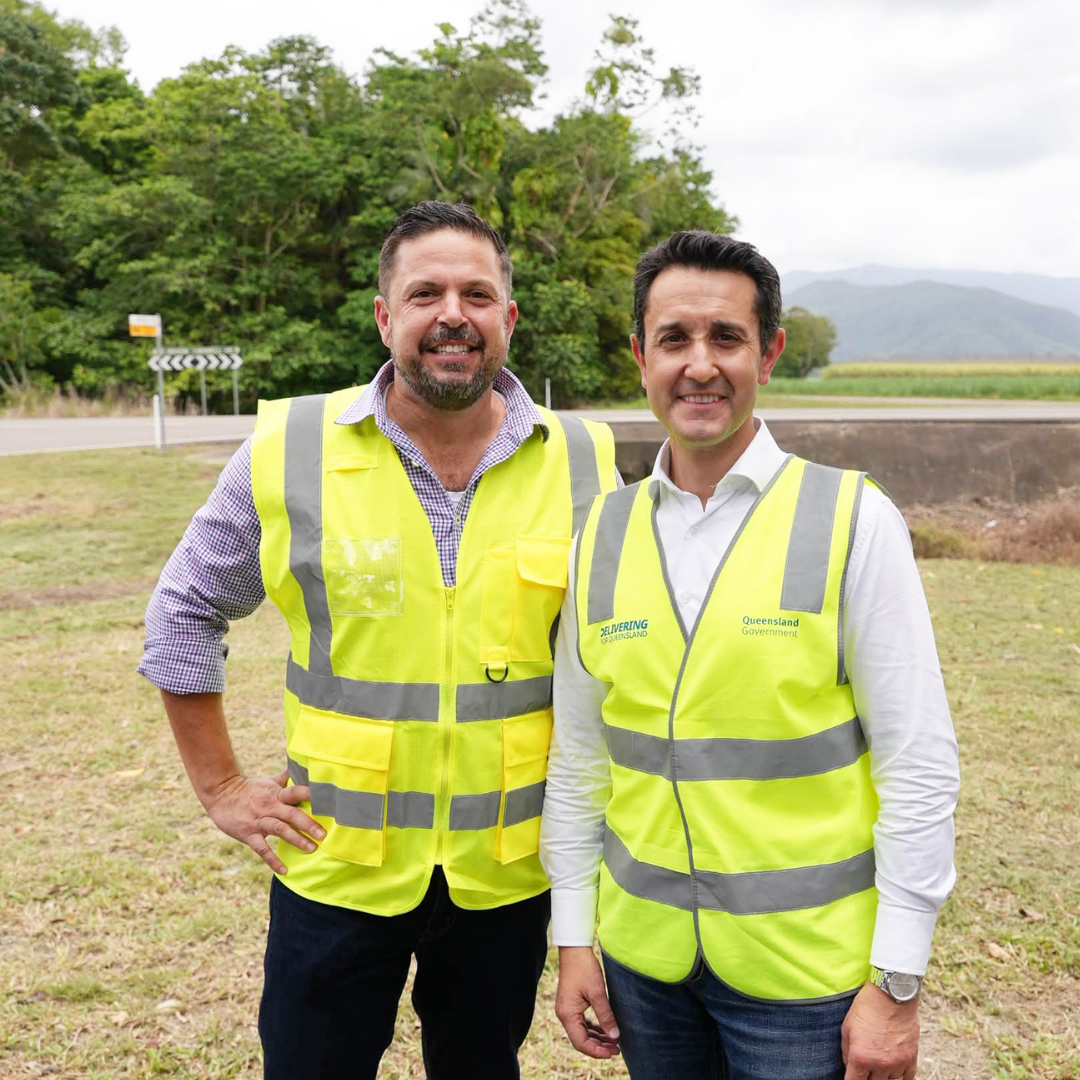

By Jo Sheppard, CEO, Queensland Farmers’ Federation
Energy is an essential farm input, alongside water, that underpins much of the agricultural sector across North Queensland. Decisions around water and energy use have the potential to significantly impact farm profitability, productivity and, in turn, long-term farm business sustainability.
In Northern Queensland’s horticulture and sugarcane growing regions, irrigation represents one of the largest energy inputs for producers. Electricity prices, pump efficiency, water delivery systems and emerging automation technologies all influence operational costs. For many producers, even small improvements in efficiency can deliver meaningful gains.
At the same time, energy systems are changing. New energy technologies are emerging on farm, and large-scale energy infrastructure continues to expand across regional communities.
For the Queensland Farmers’ Federation (QFF), ensuring farmers and regional communities have access to reliable and up-to-date information is essential, so they can understand the opportunities and challenges, and make informed decisions about their businesses, their land and their future.
In 2023 QFF launched the Queensland Renewable Energy Landholder Toolkit to help farmers and regional communities begin to better understand the opportunities and risks in relation to hosting renewable energy developments on their land.
To help farmers continue to navigate these conversations around utility-scale renewable energy, as well as other topics such as energy tariff selection, and emerging energy technology options, the Queensland Farmers’ Federation (QFF) delivers the Energy Information Service for Landholders (EISL). EISL is a free, independent phone-line service providing practical, up-to-date support for farmers and landholders, which can be accessed Monday-Friday 8:30am-5pm on 07 3329 7500.
The service connects landholders with reliable information about energy tariffs, emerging technologies, government and industry programs, landholder hosting arrangements, coexistence considerations, and consultation processes. It ensures producers understand both the opportunities and risks and helps them know who to contact when new projects are proposed in their region.
EISL is complemented by The Queensland Ag Energy Hub, a website which provides industry-specific resources tailored to Queensland agriculture. The Hub includes case studies from sectors such as cane and horticulture farms, guidance on energy efficiency upgrades, and practical tools to help producers assess their own energy use. You can visit the Hub at https://www.qldagenergyhub.com.au/
Later this month, QFF’s Energy Engagement and Education Advisor (EEEA), will attend the Queensland Community Energy Forum in Proserpine. The forum will bring together landholders, community members, industry and government to discuss energy developments in the Whitsunday region.
Through the EEEA role, QFF works with our peak industry members, including CANEGROWERS, Cotton Australia and Queensland Fruit & Vegetable Growers, and regional producers to strengthen engagement between the energy sector and agriculture. Early consultation is essential if productive agriculture and reliable energy infrastructure are to co-exist in regional communities.
QFF is committed to working with our members, industry and regional communities to advance agriculture, supporting on-farm water and energy decision making and driving sensible policy decisions to ensure farmers are supported to continue growing world class food, fibre and foliage across Queensland.
Publishers Indemnity. Any individual or entity that places advertising, supplies copy material, or submits editorial content to Life Publishing agrees and undertakes to ensure that all such material:- Does not infringe upon any copyright, trademark, or other intellectual property rights;- Is free from any content that could be considered defamatory, libelous, or slanderous;- Does not infringe upon any rights related to privacy or breach of confidence;- Contains no obscene, indecent, or otherwise unlawful material;- Complies fully with the Trade Practices Act and all other applicable laws, regulations, or statutes. Furthermore, by submitting or placing such material, these individuals or entities agree to indemnify and hold harmless the publisher, Life Publishing and Events Pty Ltd, and/or its agents from and against any and all investigations, claims, demands, liabilities, damages, costs, or judgments arising out of or in connection with the material provided. All material is believed to be accurate at the time of printing and remains the copyright of Life Publishing and Events Pty Ltd.
© 2026 Life Publishing Group Ltd.