Independently Owned, Locally Grown, Community Loved
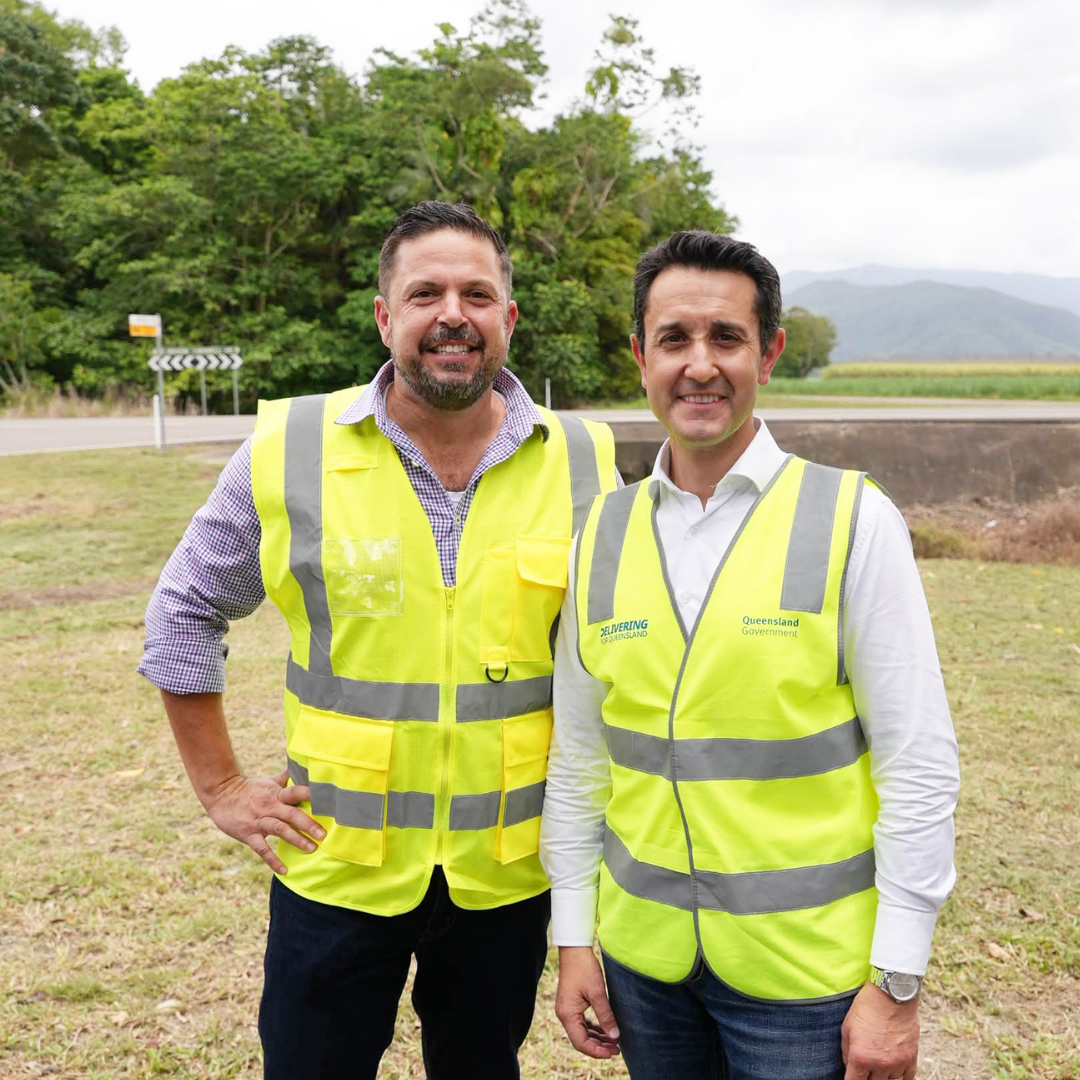


Growers are being asked to absorb the cost of poor milling performance while serious questions remain over the long-term capacity and reliability of the local milling sector, CANEGROWERS Herbert River Chairman Steven Marbelli has said.
Mr Marbelli said recent media coverage had focused too narrowly on the crush start date, when the real issue was whether growers should be expected to carry the cost of milling performance problems.
“CANEGROWERS is refusing to gamble with members’ long-term profitability,” Mr Marbelli said.
“Starting earlier may look like the easy option, but if it shifts the cost of poor milling performance onto growers, it is not a solution.
“This is not about delaying the season for the sake of it. It is about standing up for growers, protecting their returns, and making sure the mill is held to the agreement growers negotiated.”
CANEGROWERS Herbert River is supporting a 16 June commencement date for the 2026 crush, in line with the position backed by the overwhelming majority of members who responded to a recent grower survey.
The organisation has formally issued Wilmar Sugar with a Notice of Dispute and is seeking mediation through the Australian Disputes Centre over Wilmar’s proposed 9 June start date.
Under the Cane Supply Agreement, the nominal intended start date is the first Tuesday of the crushing season on or after 15 June, unless Wilmar and the growers’ bargaining representative reasonably agree otherwise.
Mr Marbelli said CANEGROWERS Herbert River did not believe there had been a material change in circumstances to justify moving away from that agreed framework.
“The crop forecast is around 4.1 million tonnes,” he said.
“Under the agreement, a 4.125 million tonne crop should be crushed within 149 days. Even a 4.75 million tonne crop carries a performance guarantee period of 154 days.
“Wilmar is proposing to start earlier while budgeting for a 24-week season, or about 165 days, for a crop of around 4.1 million tonnes.
“That raises the central question for growers – why should the season be pushed earlier if the real issue is mill performance?”
Mr Marbelli said growers carried the financial impact when cane was crushed outside the optimal window, whether at the start or end of the season.
“Lower CCS has a direct impact on grower returns, while the mill receives the first four units of sugar regardless,” he said.
“Growers lose when the season drags on, when cane is stood over, and when cane is crushed before it has reached its optimal sugar content.
“That is why this dispute is about more than one week in June.”
Mr Marbelli said poor milling performance and delayed crushing seasons had become a spiralling issue for the local industry, with growers increasingly carrying the financial burden.
“Mill infrastructure should be maintained and upgraded so the crop can be crushed within the agreed optimal window,” he said.
“Performance guarantees exist for a reason. They protect growers when the mill cannot crush the crop within the agreed timeframe.
“But repeated reliance on performance guarantee payments is no substitute for the maintenance, reliability and investment needed to crush the crop properly and efficiently.”
CANEGROWERS Herbert River is also concerned that accepting earlier start dates could set a damaging precedent for future seasons.
“If the district accepts an earlier start for a crop of around 4.1 million tonnes, growers are entitled to ask what happens when the crop is larger,” Mr Marbelli said.
“Do we keep shifting the season earlier and earlier, or do we deal with the real issue – milling performance?
“CANEGROWERS is not prepared to accept a situation where growers are expected to absorb the cost of milling constraints year after year.
“Our focus is on holding the mill to the agreement, protecting grower returns, and securing the long-term future of the Herbert River sugarcane industry.”
“Protecting growers is not a gamble. It is exactly what CANEGROWERS has been doing for 100 years.”
Publishers Indemnity. Any individual or entity that places advertising, supplies copy material, or submits editorial content to Life Publishing agrees and undertakes to ensure that all such material:- Does not infringe upon any copyright, trademark, or other intellectual property rights;- Is free from any content that could be considered defamatory, libelous, or slanderous;- Does not infringe upon any rights related to privacy or breach of confidence;- Contains no obscene, indecent, or otherwise unlawful material;- Complies fully with the Trade Practices Act and all other applicable laws, regulations, or statutes. Furthermore, by submitting or placing such material, these individuals or entities agree to indemnify and hold harmless the publisher, Life Publishing and Events Pty Ltd, and/or its agents from and against any and all investigations, claims, demands, liabilities, damages, costs, or judgments arising out of or in connection with the material provided. All material is believed to be accurate at the time of printing and remains the copyright of Life Publishing and Events Pty Ltd.
© 2026 Life Publishing Group Ltd.