Independently Owned, Locally Grown, Community Loved


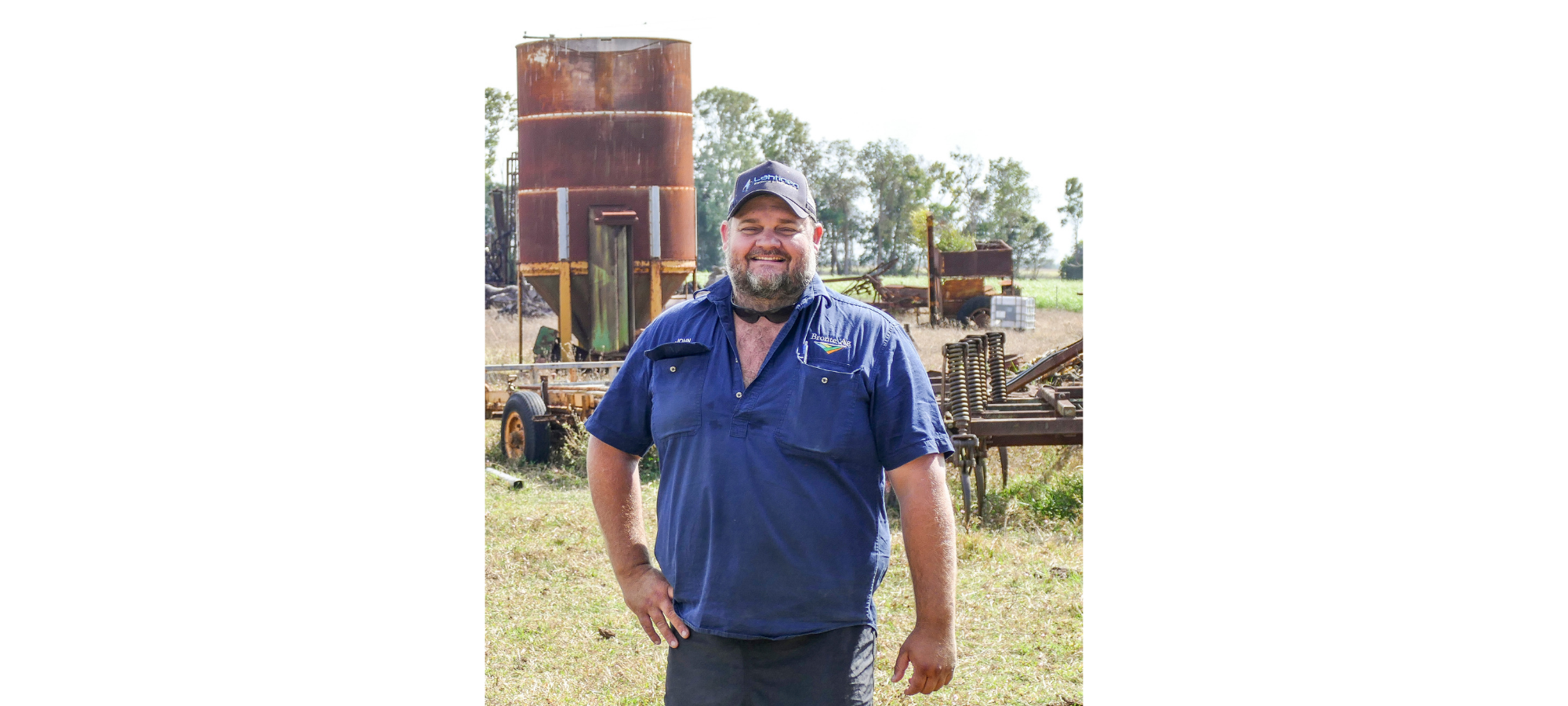
Cane farmer John Board. Photo credit: Victoria Velton
By Victoria Velton
Nitrogen is a current talking point for a lot of farmers and home gardeners. They're asking what plants can we grow up here in the Far North and Wet Tropics areas that will survive the climate and enhance the soil.
Certain plants are particularly effective at boosting nitrogen levels, and Hinchinbrook cane grower John Board, has been using nitrogen-fixing plants that work symbiotically with rhizobia bacteria, which convert atmospheric nitrogen into forms that plants can use, as fallow crops to rejuvenate his cane paddocks.
“I grow soybeans, lablab and cowpea in my sugarcane fields to increase nitrogen in the soil,” said John.
“If you harvest any of these crops you take some of the nitrogen away in the seed that gets harvested, however turning the crop in as a green manure crop, I find is the best way to keep the nitrogen in the soil.”
“In a large field over a north Queensland wet season/summer, these plants seem to be the best fit for purpose for my operation.”
Key Nitrogen-Fixing Plants
Legumes such as peanuts, cowpeas, and pigeon peas convert atmospheric nitrogen into soil-available forms, improving soil fertility.
Lupins like bluebonnets act as green manure and enrich the soil while adding beauty to the garden.
Vetches such as Hairy Vetch and American Vetch are suitable for cooler seasons and can be used as cover crops to enhance soil nitrogen.
These plants naturally increase nitrogen levels, reducing the need for chemical fertilizers. They are great for companion planting in gardens as they can be intercropped with heavy-feeding plants, benefiting surrounding plants. Utilising these plants promotes a healthier ecosystem and soil structure, a benefit of sustainable gardening.
Incorporating these nitrogen-boosting plants into your garden or cane paddocks can lead to healthier plants and improved soil quality, making them an excellent choice for sustainable gardening practices in the wet tropics of Australia.
Publishers Indemnity. Any individual or entity that places advertising, supplies copy material, or submits editorial content to Life Publishing agrees and undertakes to ensure that all such material:- Does not infringe upon any copyright, trademark, or other intellectual property rights;- Is free from any content that could be considered defamatory, libelous, or slanderous;- Does not infringe upon any rights related to privacy or breach of confidence;- Contains no obscene, indecent, or otherwise unlawful material;- Complies fully with the Trade Practices Act and all other applicable laws, regulations, or statutes. Furthermore, by submitting or placing such material, these individuals or entities agree to indemnify and hold harmless the publisher, Life Publishing and Events Pty Ltd, and/or its agents from and against any and all investigations, claims, demands, liabilities, damages, costs, or judgments arising out of or in connection with the material provided. All material is believed to be accurate at the time of printing and remains the copyright of Life Publishing and Events Pty Ltd.
© 2026 Life Publishing Group Ltd.