Independently Owned, Locally Grown, Community Loved
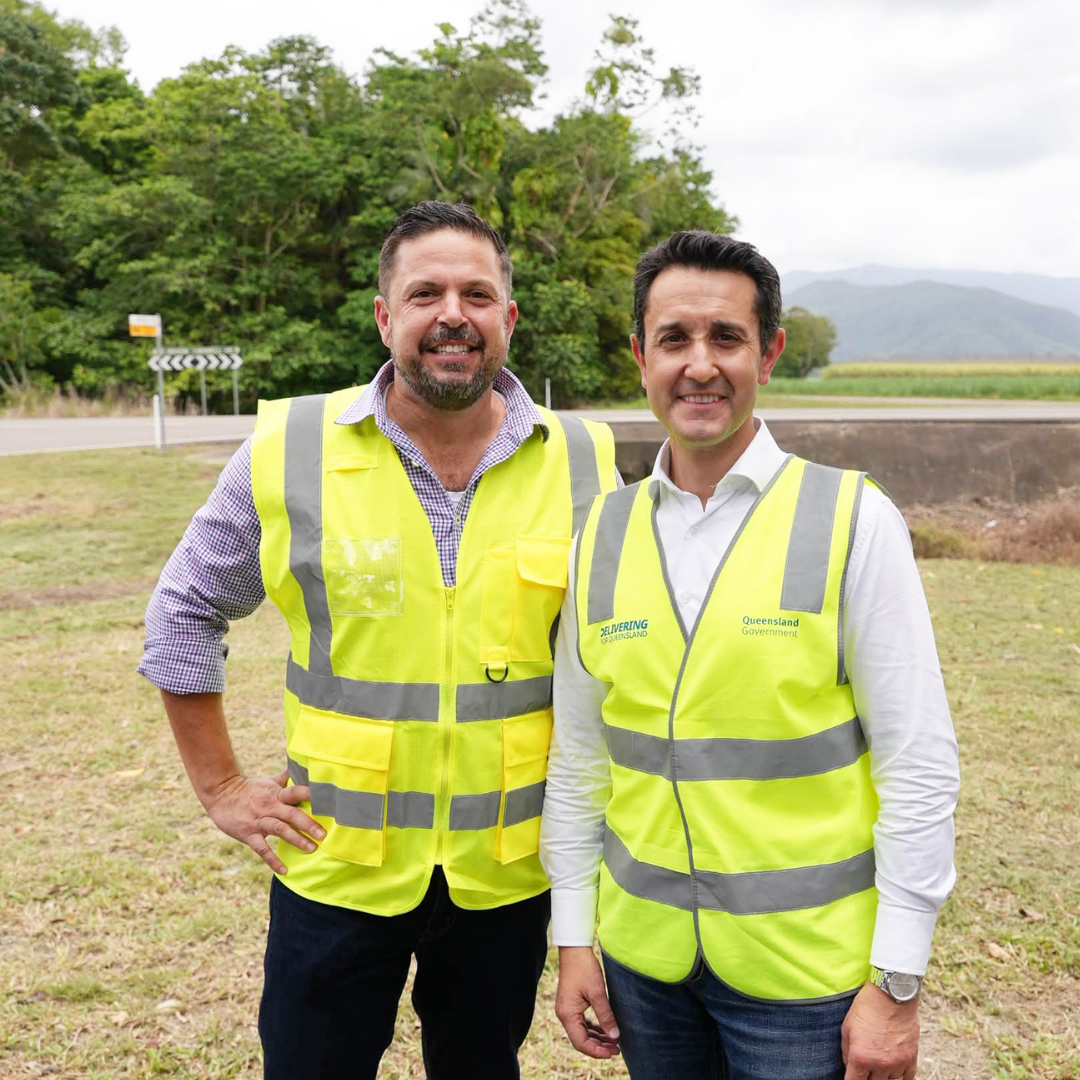


The Government is delivering easier access to health services with experienced paramedics set to be able to work in remote hospitals and health services from April – an Australian-first initiative.
The new Remote Hospitals Paramedic role will take effect from 1 April 2026 in Queensland’s most remote towns, strengthening frontline care and supporting local health services to respond to workforce shortages in rural and remote communities.
When Remote Hospitals Paramedics are not responding to emergencies in the community, they will be able to work collaboratively alongside doctors, nurses and Aboriginal and Torres Strait Islander health workers to deliver more care closer to home.
Under the new model, these paramedics will deliver both primary and emergency care in Queensland Health’s remote health services including hospitals, general practices, residential aged care facilities, and primary health care clinics.
The first Queensland Health Remote Hospitals Paramedics are expected to commence mid-year.
The nation-leading initiative responds directly to findings from the Government’s Workforce Gap Analysis, which highlighted the depth of the health workforce crisis.
The Analysis revealed that 72 per cent of workforce growth over the past 10 years occurred primarily in metropolitan areas, while rural and remote Queensland was left facing mounting shortages. Although the Analysis found no workforce gaps for Queensland Ambulance Service paramedics in South Queensland, it showed challenges persisted in attracting and retaining paramedics in rural and remote communities under conventional workforce models.
The Remote Hospitals Paramedics role is part of the Government’s broader work to strengthen the health workforce, including:
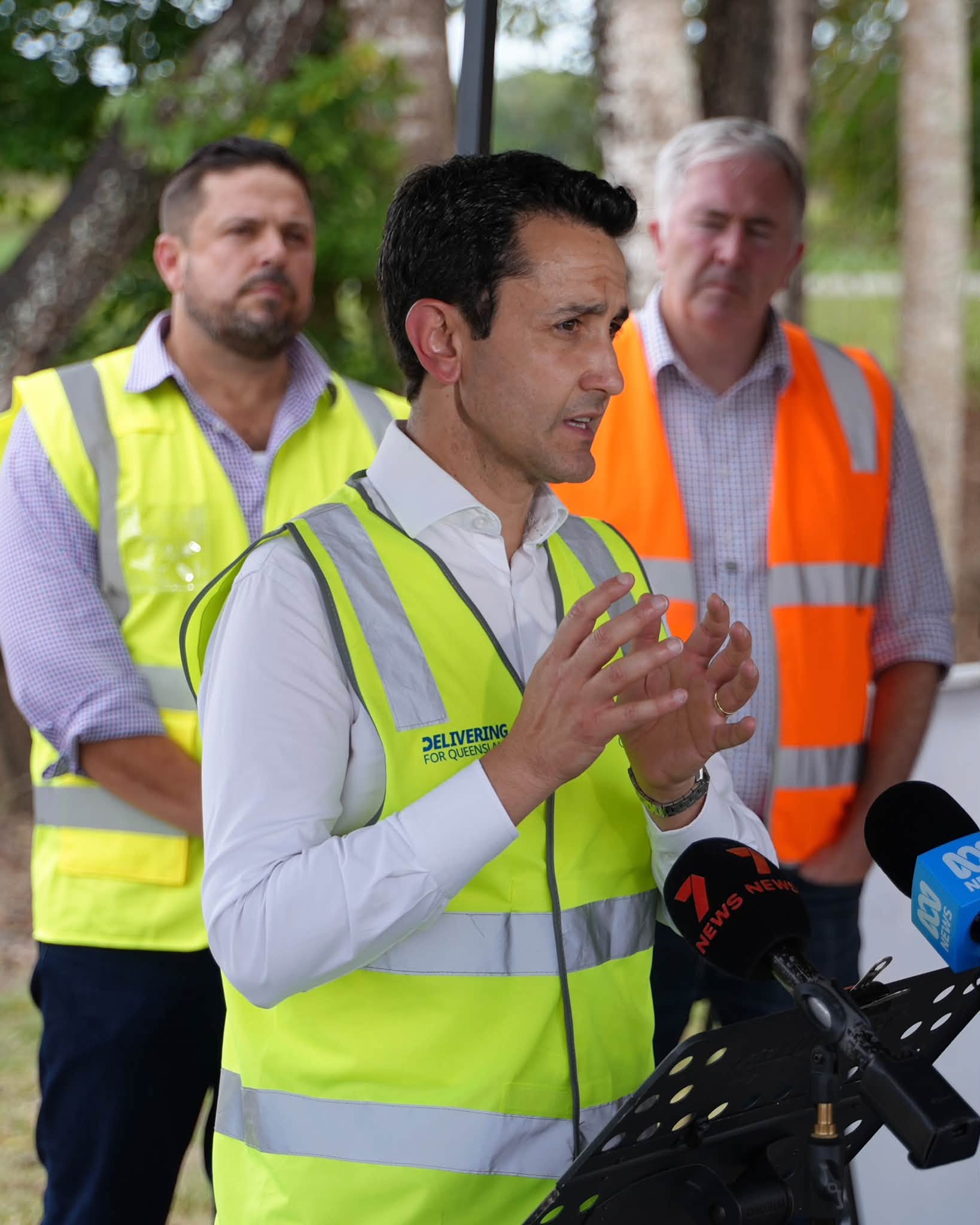
Minister for Health and Ambulance Services Tim Nicholls said the Crisafulli Government was delivering easier access to health services for all Queenslanders.
“These targeted reforms are about fixing a system left under strain after a decade of neglect under Labor, and restoring easier access to health services for rural, regional and remote Queenslanders,’ Minister Nicholls said.
“Traditional workforce models alone are not meeting the needs of our most remote communities, which is why we are backing new and flexible ways of delivering care.
“The nation-leading Paramedic, Remote Hospitals model will give remote hospitals and health services greater flexibility to respond to local health needs and workforce challenges, and ultimately, improve access to care.
“Paramedics are highly trained clinicians with strong skills in assessment and acute care, and those skills are incredibly valuable in remote hospitals and clinics where clinicians must manage a wide range of health presentations.”
Nine Queensland Health HHSs have facilities in areas classified as remote and very remote (Modified Monash Model) and will be able to employ paramedics within their facilities under the Directive.
These include:
‘The Government is delivering easier access to health services with experienced paramedics set to be able to work in remote hospitals and health services from April’
Publishers Indemnity. Any individual or entity that places advertising, supplies copy material, or submits editorial content to Life Publishing agrees and undertakes to ensure that all such material:- Does not infringe upon any copyright, trademark, or other intellectual property rights;- Is free from any content that could be considered defamatory, libelous, or slanderous;- Does not infringe upon any rights related to privacy or breach of confidence;- Contains no obscene, indecent, or otherwise unlawful material;- Complies fully with the Trade Practices Act and all other applicable laws, regulations, or statutes. Furthermore, by submitting or placing such material, these individuals or entities agree to indemnify and hold harmless the publisher, Life Publishing and Events Pty Ltd, and/or its agents from and against any and all investigations, claims, demands, liabilities, damages, costs, or judgments arising out of or in connection with the material provided. All material is believed to be accurate at the time of printing and remains the copyright of Life Publishing and Events Pty Ltd.
© 2026 Life Publishing Group Ltd.