Independently Owned, Locally Grown, Community Loved


A series of recent reforms is reshaping how child safety is managed across Queensland, with new powers, improved information sharing and greater public access to safety tools all playing a role in strengthening protections for children.
One of the most significant updates relates to the state’s blue card system, which regulates who can work with children. Since new powers came into effect on 20 September 2025, a total of 543 blue and exemption cards have been suspended as of 28 February 2026. These changes allow authorities to take immediate action when a risk to children is identified, rather than waiting for lengthy assessment processes to conclude.
Of those suspensions, 269 individuals were stopped before they could begin employment in child-related roles, while a further 274 were already working across regulated sectors. The suspensions have impacted a wide range of industries, including disability services, health care, counselling, sport and recreation, gyms and play facilities.
Triggers for suspension can include allegations of sexual or violent behaviour involving a child, as well as other concerning conduct within child-related environments. The aim is to ensure potential risks are addressed quickly and decisively.
Reforms have also strengthened how information is shared between agencies. Updates now allow the Early Childhood Regulatory Authority to provide more detailed information to Blue Card Services, including disciplinary actions such as staff suspensions, supervision requirements or mandated training. This improved flow of information is expected to support more informed and timely decision-making.
At the same time, expanded blue card requirements are being introduced for additional industries, including entertainment, photography and beauty services. Workers and businesses in these sectors have been required to comply with the new rules by 20 March 2026.
Another major development is the introduction of Daniel’s Law, which has established Queensland’s first public child sex offender register. Since launching on 31 December 2025, the website has recorded more than 205,000 visits, highlighting strong community interest in the new tool.
The register allows parents and carers to access information in three tiers. The first provides public details of offenders who have failed to meet reporting obligations and whose whereabouts are unknown. The second allows residents to apply to view offenders living in their local area, while the third enables parents or guardians to check whether a specific individual with unsupervised access to their child is a reportable offender.
Early use of the system has already produced results. Within the first ten weeks, nine reportable offenders were identified through the highest level of search, with some now facing charges for breaching their reporting obligations. Investigations have also been launched into additional individuals identified through the system.
Safeguards are built into the register to prevent misuse, including offences targeting vigilantism or the inappropriate sharing of information.
Together, these reforms represent a broader shift towards proactive child protection. By combining stronger screening powers, better information sharing and increased community awareness, Queensland’s child safety framework is evolving to respond more quickly and effectively to potential risks.
The landmark register honours the legacy of Sunshine Coast schoolboy Daniel Morcombe, whose abduction and murder in 2003 inspired two decades of advocacy for stronger child protection laws.
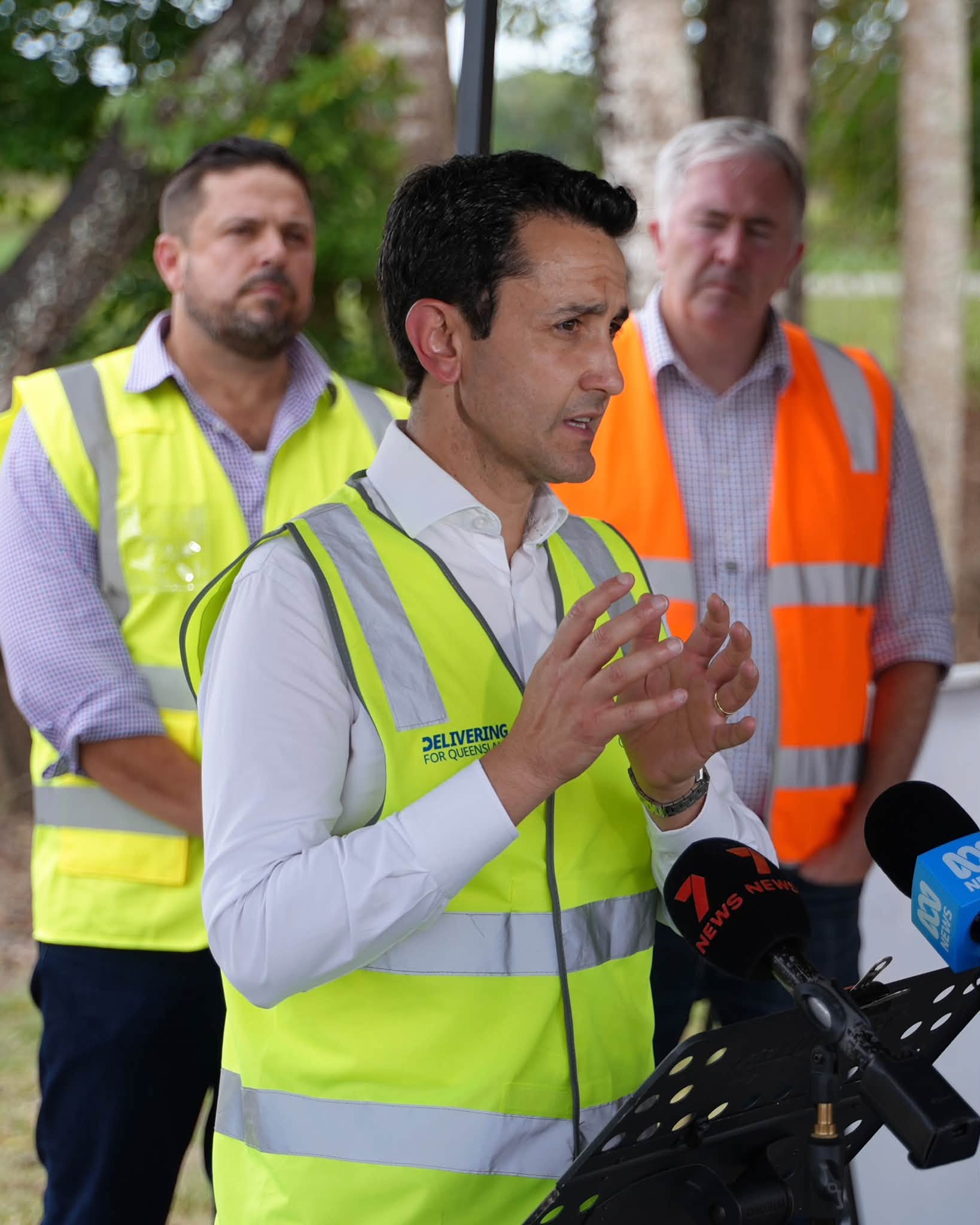
Premier David Crisafulli said the Government is delivering access to vital information to help keep kids safe.
“We promised reforms to make our community safer and that is exactly what Daniel’s Law is delivering,” Premier Crisafulli said.
“We owe this to Daniel, to his family, and to every Queensland child who deserves to grow up safe.”
The Daniel Morcombe Foundation founder, and Daniel’s father, Bruce Morcombe told last night's Dance For Daniel audience their fight to protect Queensland’s kids is far from over.
“A law is a law, but a law that makes a difference is truly something that we value,” Mr Morcombe said.
“To have it named in honour of our son is truly something special because it is making a difference, it’s protecting Queensland’s kids.”
More information about Blue Card changes and Daniels Law can be found at qld.gov.au/bluecardchanges and DanielsLaw.qld.gov.au
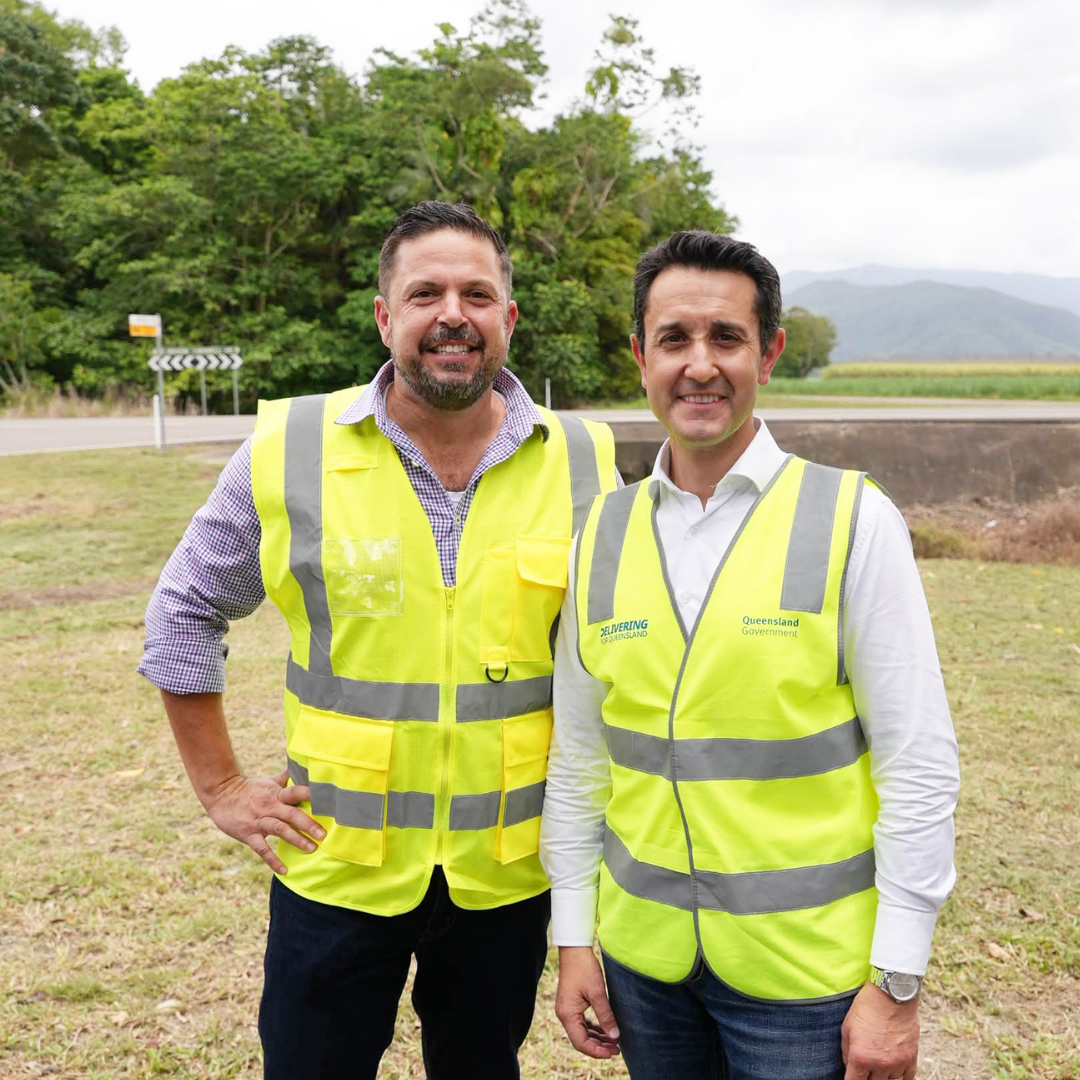
‘Protecting Queensland's Children’ Photo sourced: www.danielslaw.qld.gov.au
Publishers Indemnity. Any individual or entity that places advertising, supplies copy material, or submits editorial content to Life Publishing agrees and undertakes to ensure that all such material:- Does not infringe upon any copyright, trademark, or other intellectual property rights;- Is free from any content that could be considered defamatory, libelous, or slanderous;- Does not infringe upon any rights related to privacy or breach of confidence;- Contains no obscene, indecent, or otherwise unlawful material;- Complies fully with the Trade Practices Act and all other applicable laws, regulations, or statutes. Furthermore, by submitting or placing such material, these individuals or entities agree to indemnify and hold harmless the publisher, Life Publishing and Events Pty Ltd, and/or its agents from and against any and all investigations, claims, demands, liabilities, damages, costs, or judgments arising out of or in connection with the material provided. All material is believed to be accurate at the time of printing and remains the copyright of Life Publishing and Events Pty Ltd.
© 2026 Life Publishing Group Ltd.