Independently Owned, Locally Grown, Community Loved

Donated to the 31st Battalion Band in 1915 by Queensland pastoralist Alfred John Cotton, the World War I cornet accompanied Australian soldiers during their service on the Western Front. The 31st Battalion, known as the Kennedy Regiment, drew many of its volunteers from North Queensland’s Kennedy District and formed part of the Australian Imperial Force.
These men served with distinction in Europe, forging enduring links between regional Queensland communities and the battlefields of France and Belgium. The battalion suffered devastating losses at the Battle of Fromelles in July 1916 and later took part in key operations during the Allied advance of 1918, including fighting associated with the Villers‑Bretonneux area.
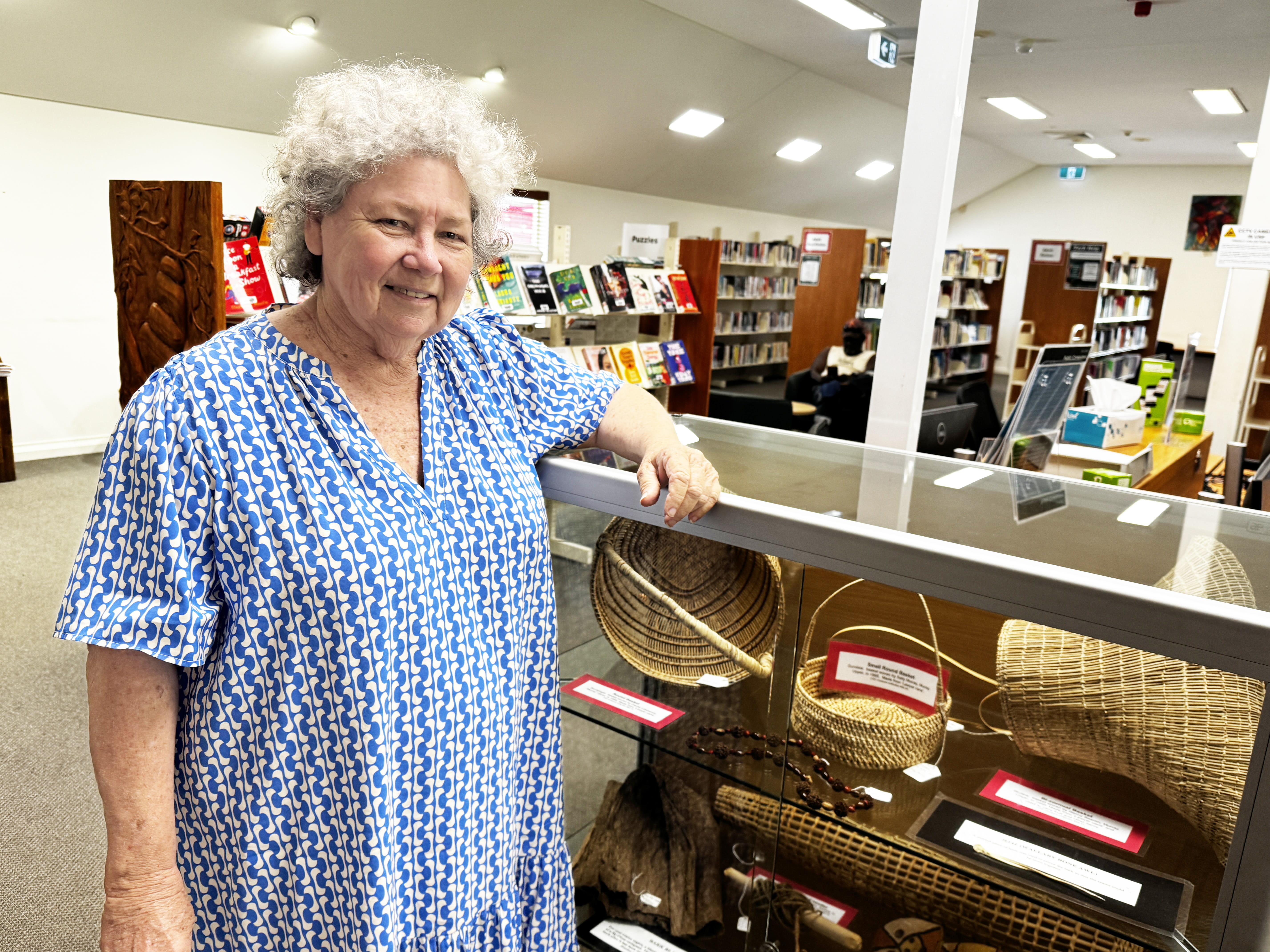
Lost during the war, the cornet was later recovered and carefully restored. Today, it is preserved at the Hinchinbrook Shire Library as part of its Special Collections, where it sits as a tangible link to the service and sacrifice of the men of the Kennedy Regiment.
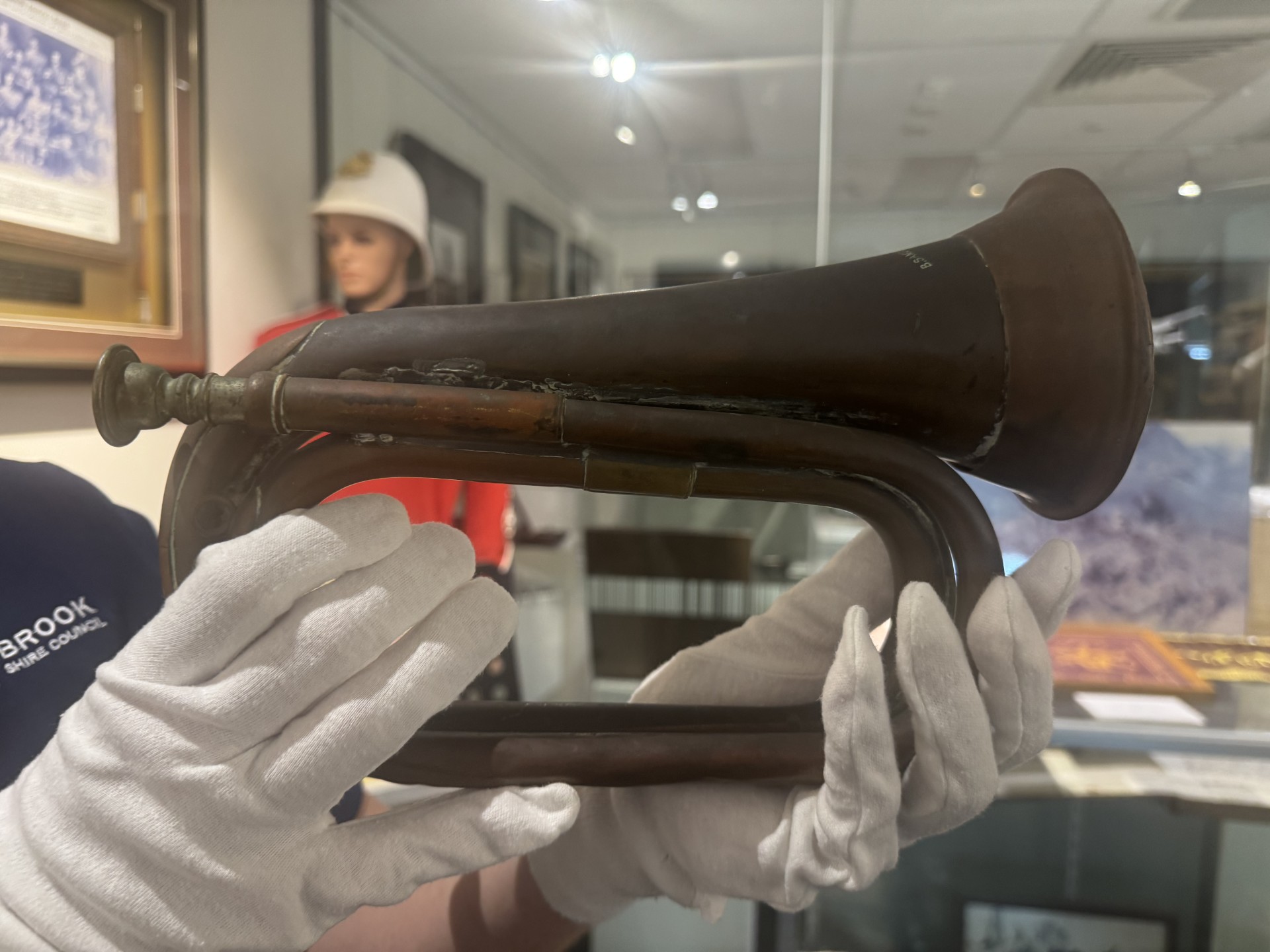
The instrument holds deep symbolic value. During the war, musicians who played such instruments often served dual roles, acting not only in ceremonial capacities but also as stretcher bearers, carrying wounded soldiers from the battlefield under fire.
In a modern tribute, Australian Army musician Jeff Poole was granted special permission to play the restored cornet at Fromelles, sounding the Last Post during reburial ceremonies for Australian soldiers who had lain unidentified for more than a century. The cornet was loaned for the occasion by a member of the 31st Battalion Association who recognised its historical importance.
Its use extended beyond Fromelles to ceremonies at the Menin Gate in Belgium, honouring thousands of soldiers who have no known grave.
More than a relic, the cornet represents continuity, remembrance and respect, connecting present‑day Australians with the legacy of the Kennedy Regiment and the sacrifice of those who served and died more than a century ago. For more information on ANZAC Day commemoration services across the region, visit Council’s website or follow Council’s Facebook page for details.
On another note, fuel has been a regular topic around our dinner tables and workplaces for weeks now, and I know many locals are feeling concerned about availability and rising costs.
For us, fuel isn’t a luxury, it’s essential to everyday life, whether you’re getting to work, running a business, taking kids to school or travelling long distances for services.
While Australia has fuel security measures in place, regional and remote communities like ours can still feel the impact of international instability through transport delays, increased demand and temporary supply pressures.
Council has made fuel availability information easier to access through the Hinchinbrook Disaster Dashboard.
The information is sourced directly from the Queensland Government and provides near real‑time updates from participating fuel retailers. It’s designed to help you plan, avoid unnecessary trips between service stations and reduce panic buying. A little consideration goes a long way. Using fuel responsibly helps ensure there’s enough for emergency services, essential workers and those in our community who rely on it most.
You can find the Dashboard, along with weather warnings and safety information by following the Hinchinbrook Disaster Information Facebook page or the Disaster Dashboard website.
Publishers Indemnity. Any individual or entity that places advertising, supplies copy material, or submits editorial content to Life Publishing agrees and undertakes to ensure that all such material:- Does not infringe upon any copyright, trademark, or other intellectual property rights;- Is free from any content that could be considered defamatory, libelous, or slanderous;- Does not infringe upon any rights related to privacy or breach of confidence;- Contains no obscene, indecent, or otherwise unlawful material;- Complies fully with the Trade Practices Act and all other applicable laws, regulations, or statutes. Furthermore, by submitting or placing such material, these individuals or entities agree to indemnify and hold harmless the publisher, Life Publishing and Events Pty Ltd, and/or its agents from and against any and all investigations, claims, demands, liabilities, damages, costs, or judgments arising out of or in connection with the material provided. All material is believed to be accurate at the time of printing and remains the copyright of Life Publishing and Events Pty Ltd.
© 2026 Life Publishing Group Ltd.