Independently Owned, Locally Grown, Community Loved

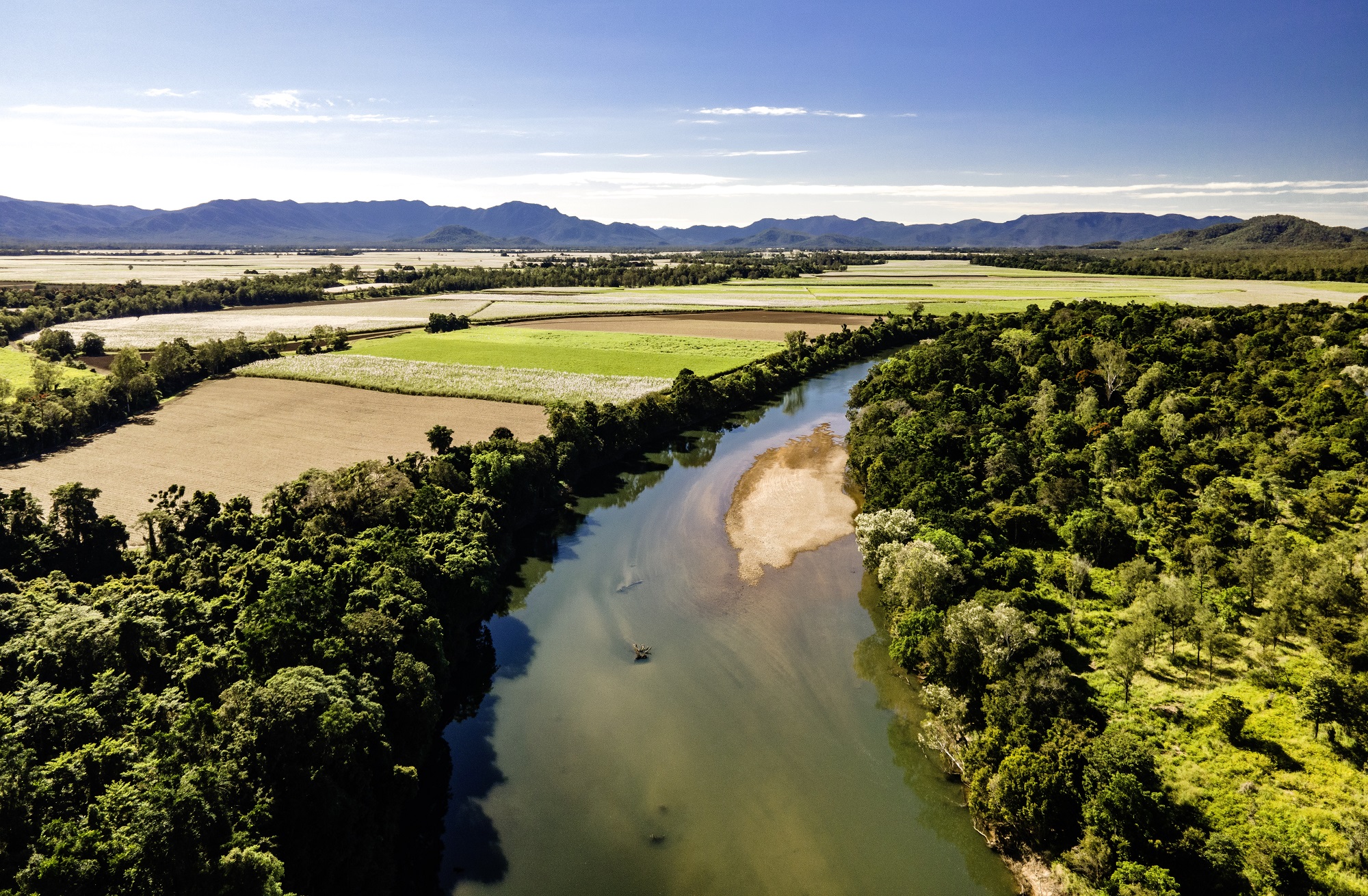
Treating water catchments as one connected system is key to improving the quality of water flowing to the Great Barrier Reef lagoon, and a new project in the Herbert River catchment is putting that approach into action.
Spanning almost 288 kilometres from the Atherton Tablelands to the coast near Ingham, the Herbert River catchment covers around 10,000 square kilometres and is one of the four largest contributors of fine sediment entering the Great Barrier Reef. The river system crosses a diverse landscape, including grazing land, sugar cane farms, state forests and national parks within the Wet Tropics World Heritage Area.
While a number of reef water quality programs have been delivered in the region over the past 15 years, significant work remains to meet the Reef 2050 water quality targets.
The newly launched Herbert Integrated Project aims to improve water quality outcomes while also delivering social and economic benefits for local communities. The project began with extensive consultation, involving stakeholders along the length of the river and its tributaries.
On-ground works are now underway, with initial activities including technology-led feral pig control in the Ingham region, lantana removal on the Atherton Tablelands, and whole-of-farm planning in partnership with local cane growers. The project will also bring together historic and current water quality monitoring data to provide a clearer picture of conditions across the entire catchment, alongside the development of a whole-of-catchment management plan.
The Herbert Integrated Project is funded through the Queensland Government’s Queensland Reef Water Quality Program and is being delivered by Terrain NRM, in partnership with Hinchinbrook Shire Council, Herbert Cane Productivity Services Ltd, CANEGROWERS Australia and TropWATER at James Cook University.
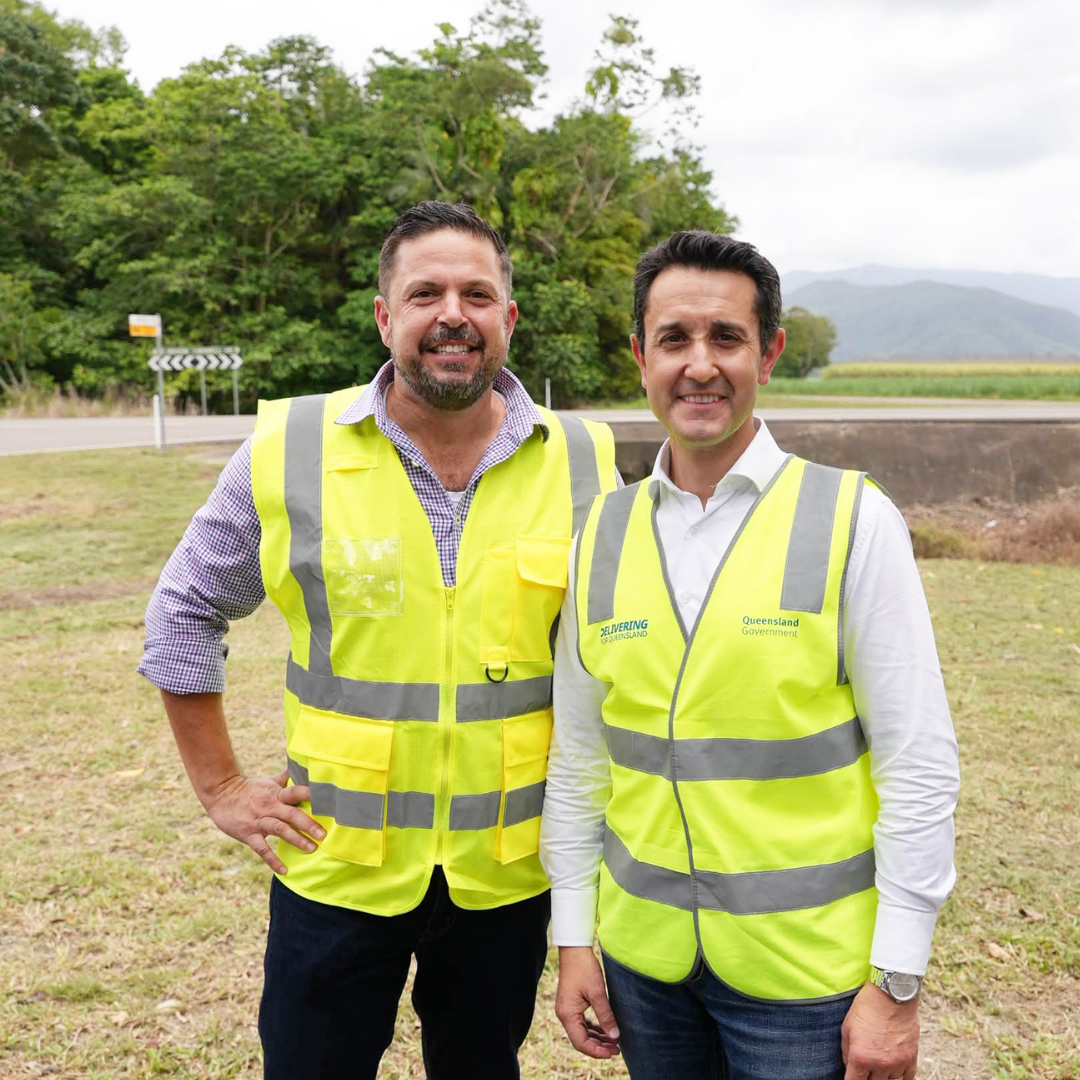
Herbert River catchment. Photo supplied
Publishers Indemnity. Any individual or entity that places advertising, supplies copy material, or submits editorial content to Life Publishing agrees and undertakes to ensure that all such material:- Does not infringe upon any copyright, trademark, or other intellectual property rights;- Is free from any content that could be considered defamatory, libelous, or slanderous;- Does not infringe upon any rights related to privacy or breach of confidence;- Contains no obscene, indecent, or otherwise unlawful material;- Complies fully with the Trade Practices Act and all other applicable laws, regulations, or statutes. Furthermore, by submitting or placing such material, these individuals or entities agree to indemnify and hold harmless the publisher, Life Publishing and Events Pty Ltd, and/or its agents from and against any and all investigations, claims, demands, liabilities, damages, costs, or judgments arising out of or in connection with the material provided. All material is believed to be accurate at the time of printing and remains the copyright of Life Publishing and Events Pty Ltd.
© 2026 Life Publishing Group Ltd.