Independently Owned, Locally Grown, Community Loved

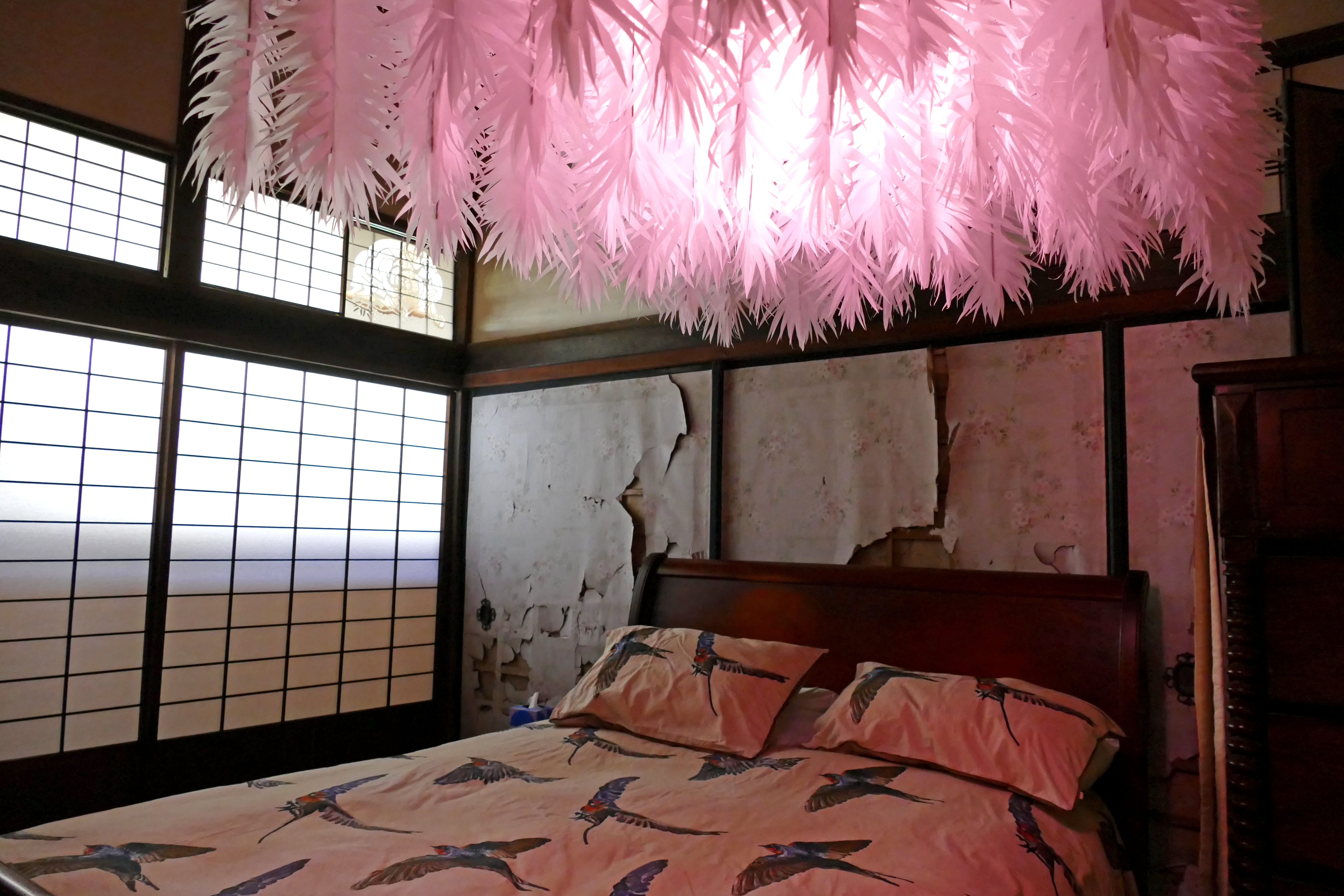
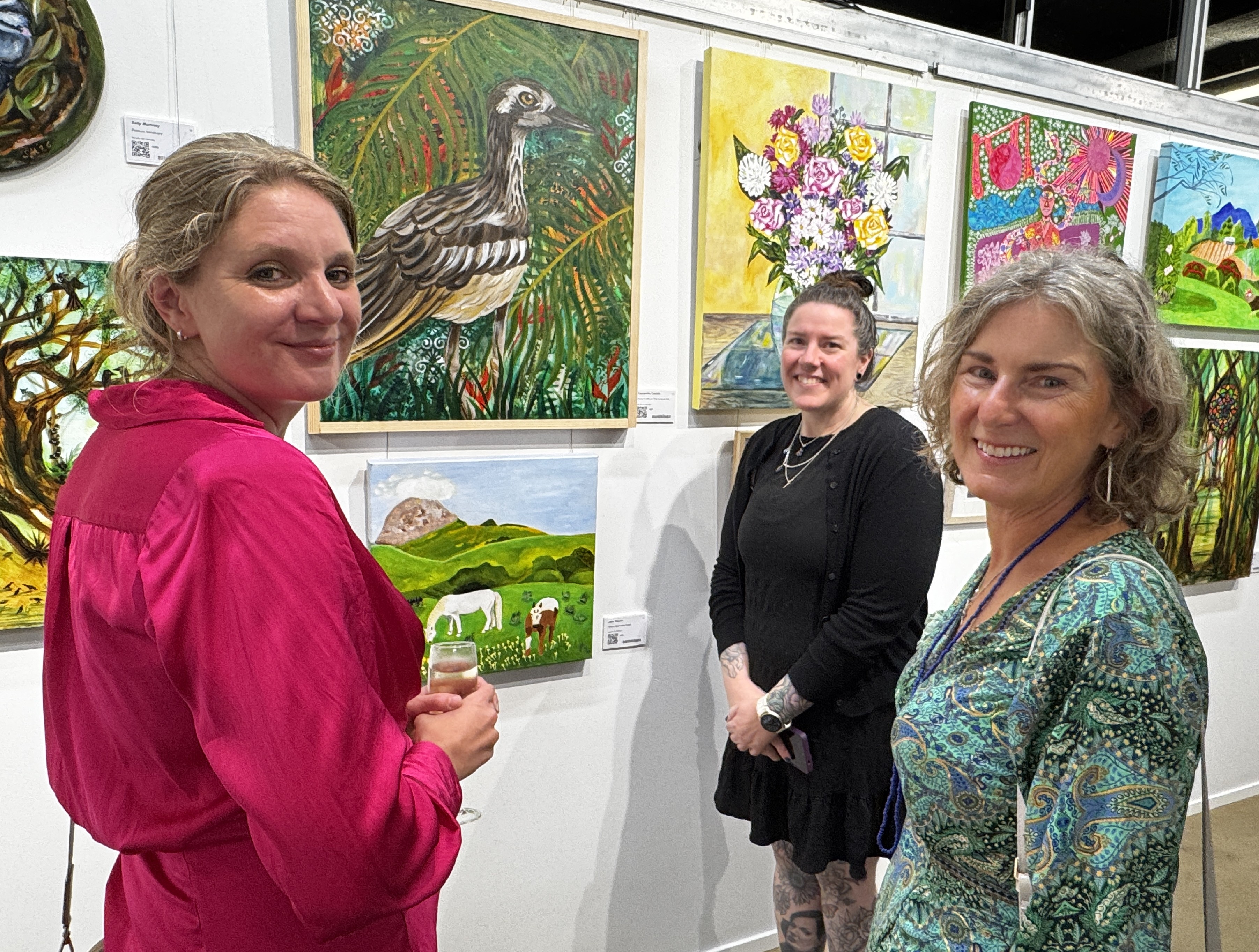
The House of Floating Flowers exhibition, PUNQ 2026. Photo credit: Victoria Velton
By Victoria Velton
Ingham’s Japanese House has been transformed by a recent artist’s residency, with Mari Hirata’s The House of Floating Flowers (Ukibana no ie) exhibition now open to visitors.
The Lutruwita/Tasmania-based multidisciplinary artist spent time living and working within the Japanese House, using the experience to develop a site-responsive installation. The work is shaped directly by the building, its history, the surrounding landscape and the experiences Hirata encountered during her residency.
Hirata arrived with questions and rough ideas for the exhibition, but deliberately left room for the work to evolve.
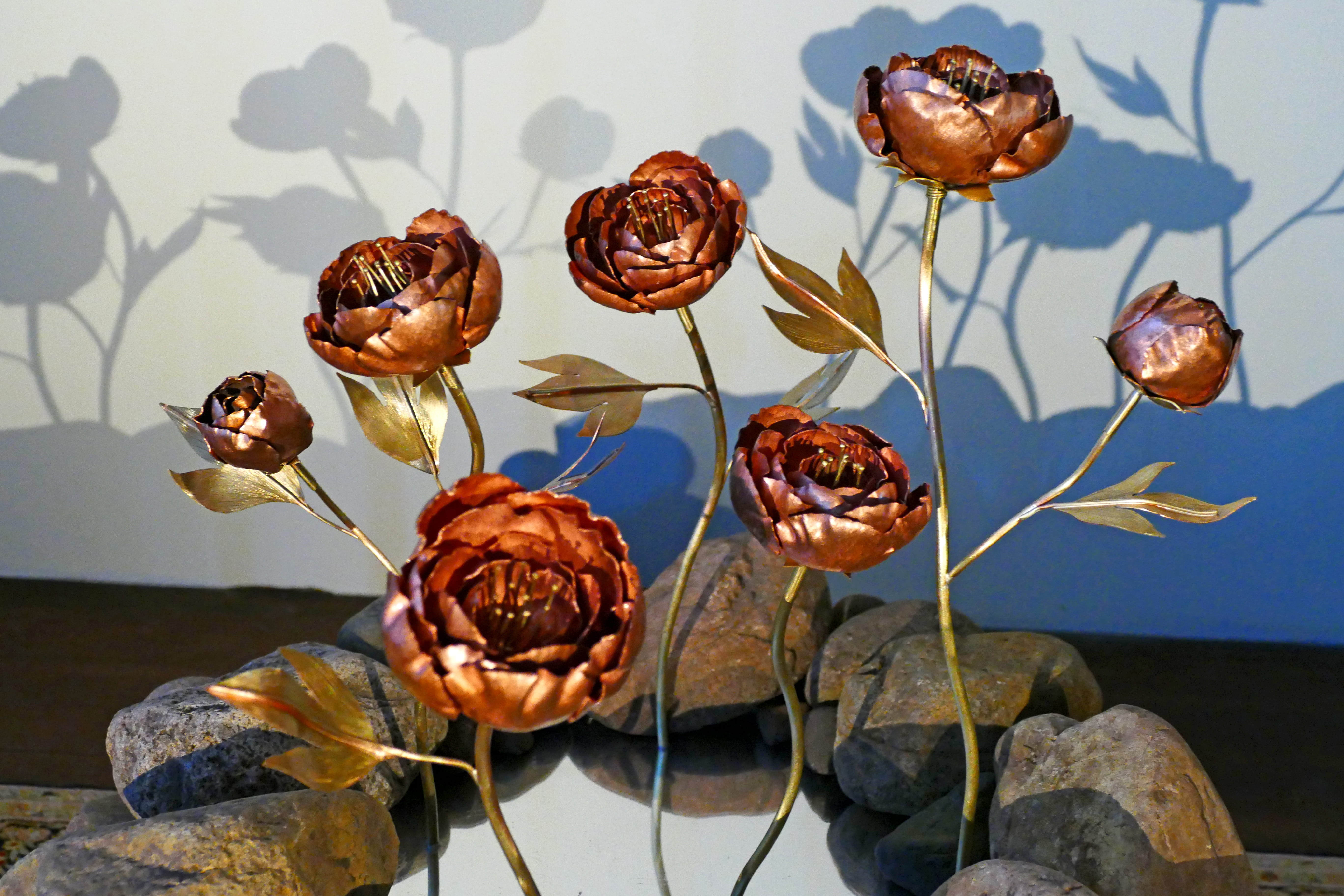
“The whole experience of the residency essentially made the exhibition,” Hirata said.
“I did originally come into the project with a list of questions and some rough ideas, however I also wanted to keep it open ended to allow room for the ideas and works to change and develop as necessary.”
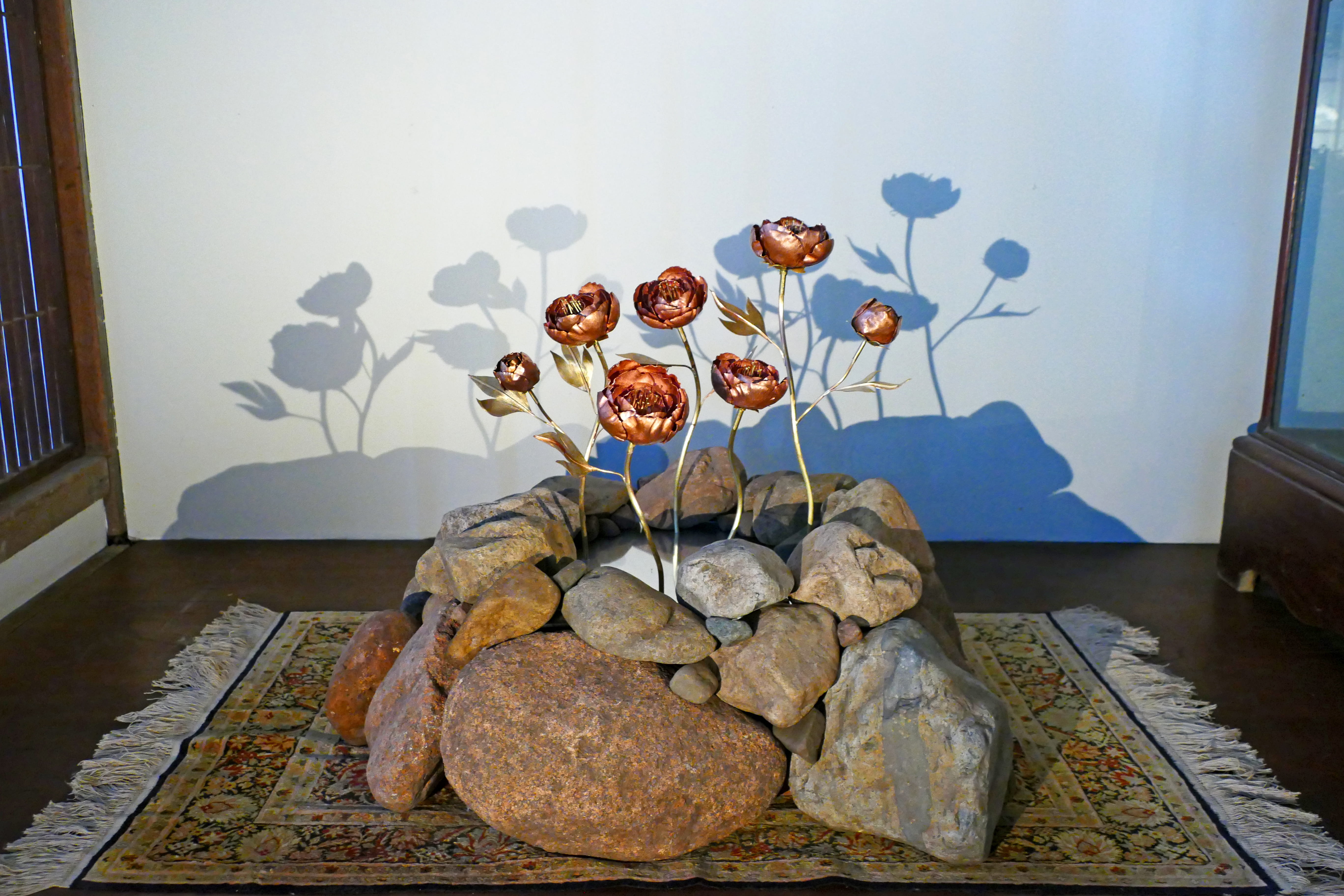
Living within the Japanese House allowed Hirata to understand its physical spaces in a way that influenced the scale, mediums and presentation of the finished works.
“Spending time with [hosts] Jan and Hugh, listening to their stories and experiences, as well as meeting some of their friends and driving through the surrounding landscapes acted as catalysts for the ideas for the exhibition,” she said.
The Japanese was brought from Japan to Brisbane in 1887 and relocated to Ingham in 1962- a long journey that prompted Hirata to imagine what the building itself might have witnessed throughout its history.
“The theme of water is one that runs through the whole exhibition,” she said.
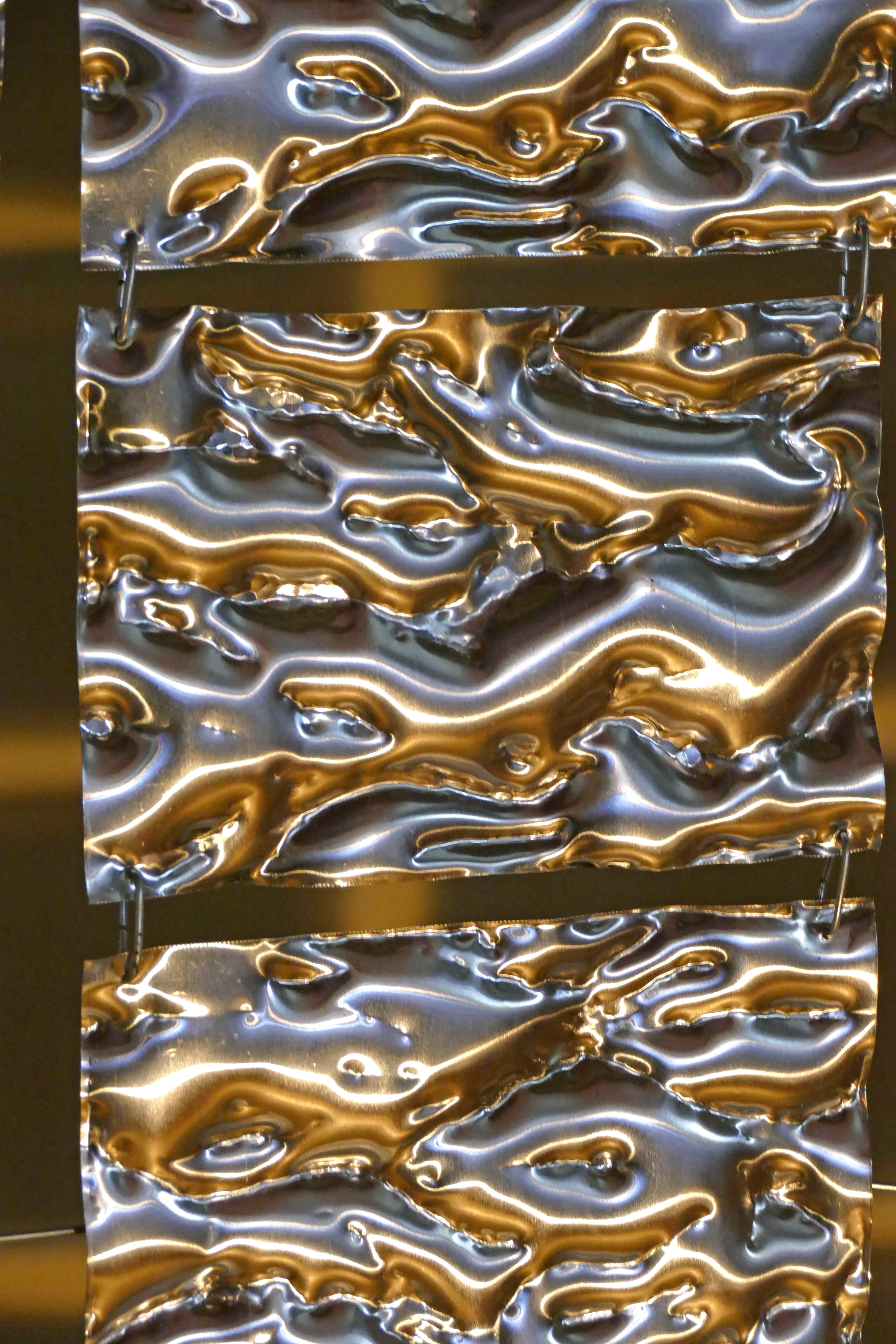
“It began with imagining what the house saw and experienced over the long and distant voyages, and existing in various locations, equally surrounded by water.
"It wasn't long until that idea branched out in different directions to express different stories, symbols, and metaphors, as well as questions and possibilities of how to express this as an exhibition format - through multiple forms, ranging from sight, light, and sound.
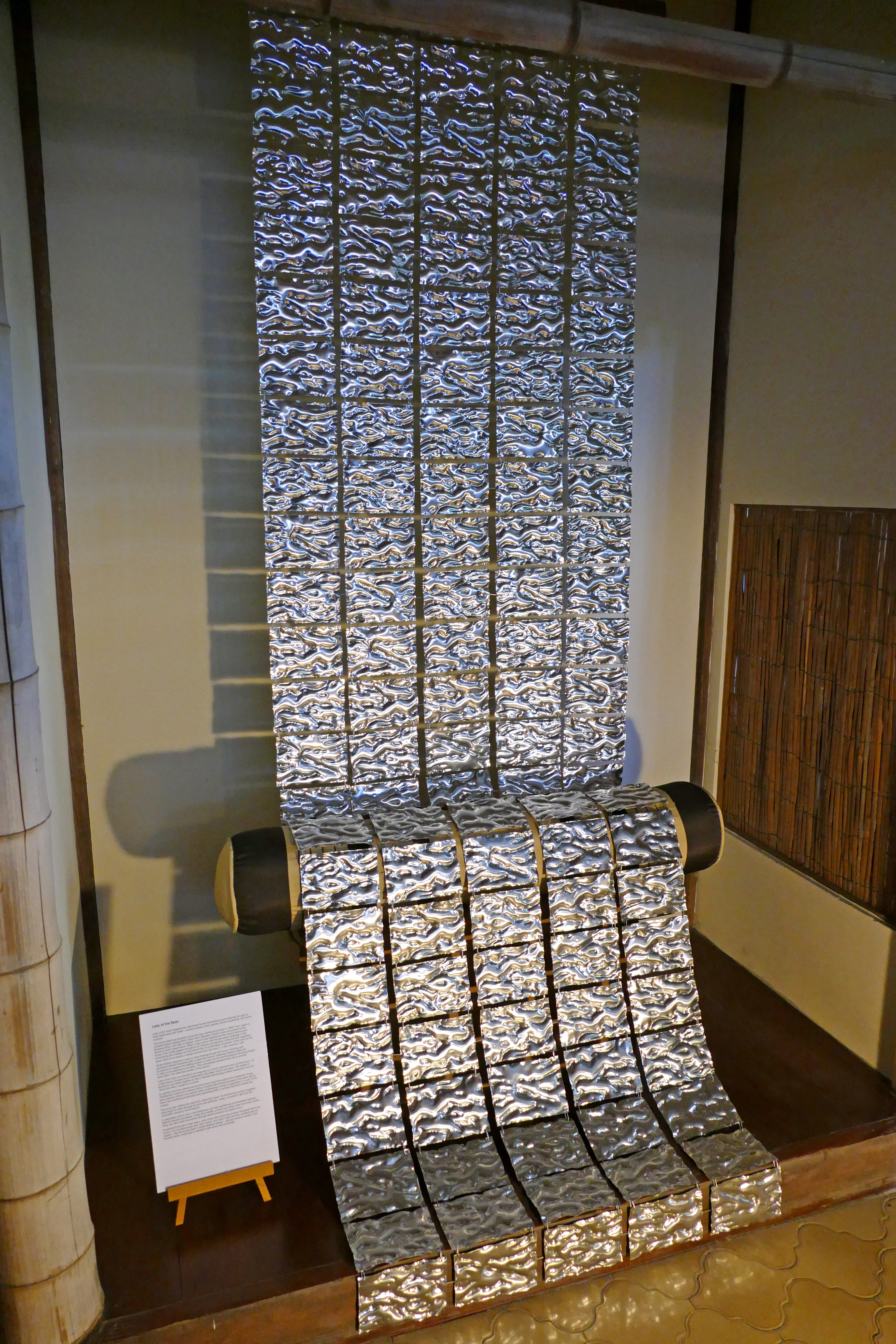
“The beautiful tropical garden of the Japanese House, as well as the surrounding sugar cane fields were something that caught my attention from the very beginning of the residency,” she said.
Hirata imagined the building itself as a vessel for generations of experiences.
“As tempting as it was, I tried not to focus on any particular stories or figures, as I felt there were too many - and also this was a very ‘human’ point of view,” she said.
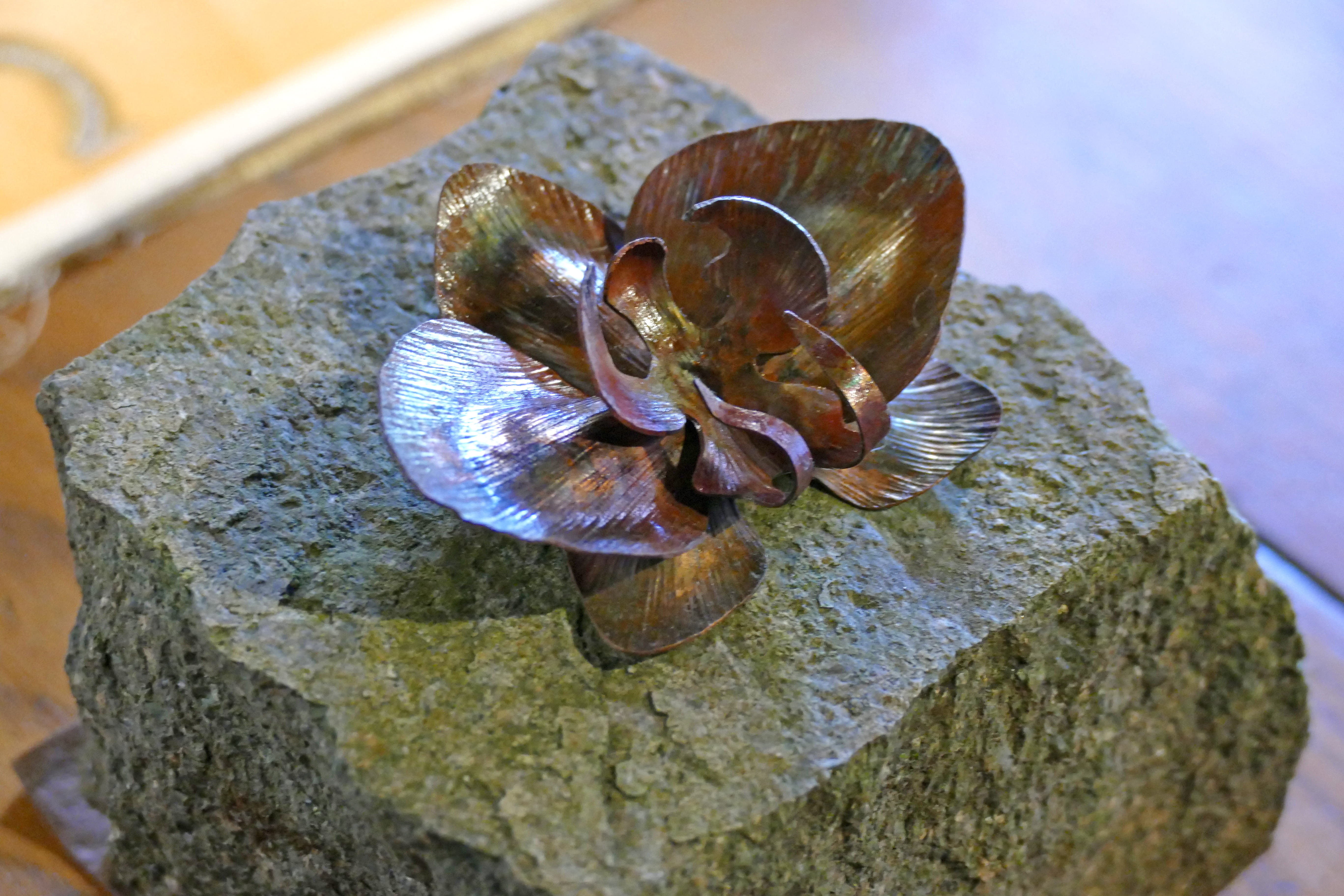
“Instead, I tried to imagine how a house might process a collection of experiences and memories over a very long period of time, through several generations.”
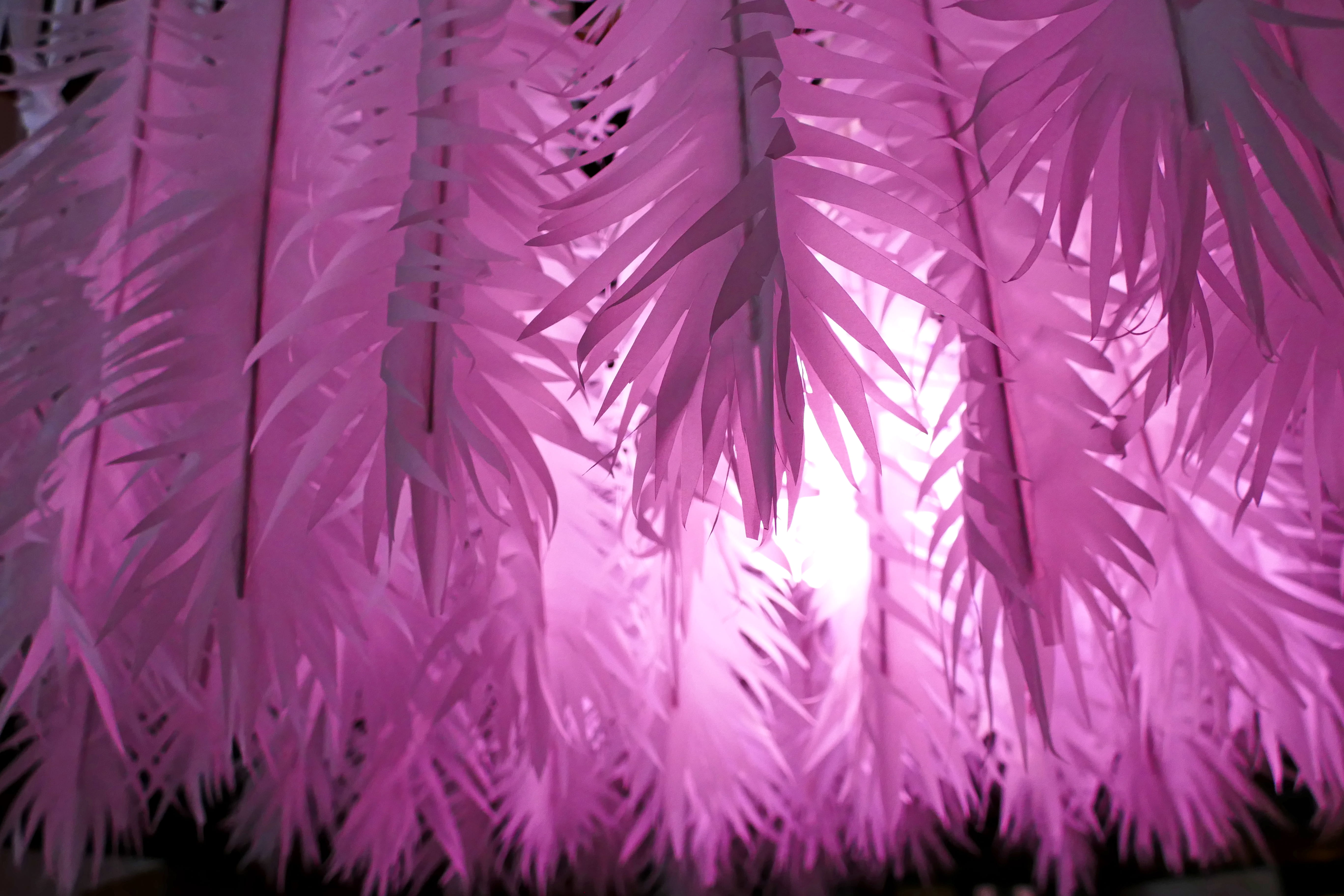
One unexpected discovery during the residency helped bring together these ideas as the silvery white ‘spears’ of the flowering sugarcane became visible across the surrounding fields.
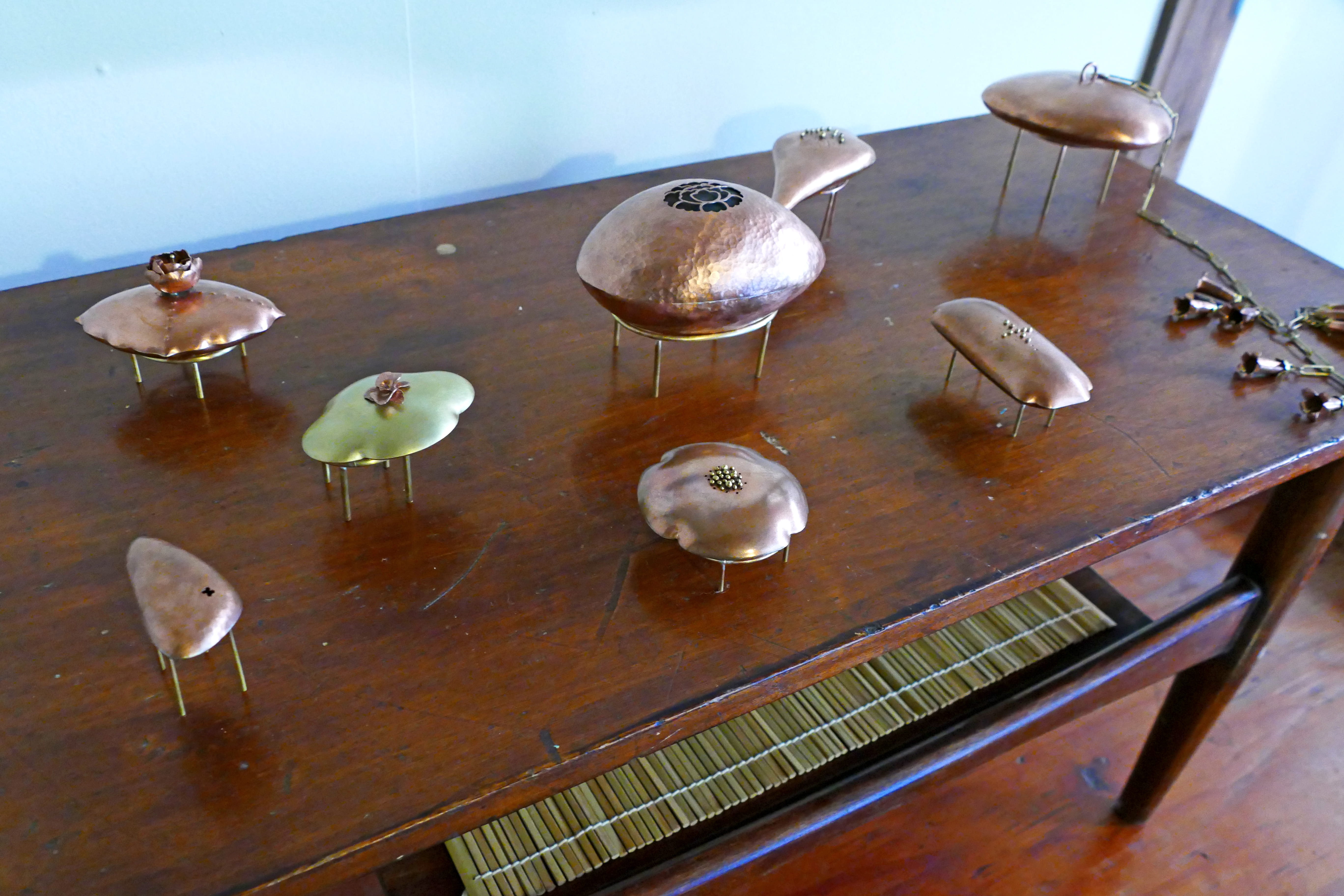
Viewing these expansive silvery-pink fields from above provided the catalyst for Sweet (Spear) Dreams, one of the exhibition’s large-scale immersive installations.
Open on weekends until October 11th, The House of Floating Flowers brings together architecture, nature, light, sound and memory, inviting visitors to experience the Japanese House through a new lens while considering the stories and experiences that have accumulated within its walls.
Publishers Indemnity. Any individual or entity that places advertising, supplies copy material, or submits editorial content to Life Publishing agrees and undertakes to ensure that all such material:- Does not infringe upon any copyright, trademark, or other intellectual property rights;- Is free from any content that could be considered defamatory, libelous, or slanderous;- Does not infringe upon any rights related to privacy or breach of confidence;- Contains no obscene, indecent, or otherwise unlawful material;- Complies fully with the Trade Practices Act and all other applicable laws, regulations, or statutes. Furthermore, by submitting or placing such material, these individuals or entities agree to indemnify and hold harmless the publisher, Life Publishing and Events Pty Ltd, and/or its agents from and against any and all investigations, claims, demands, liabilities, damages, costs, or judgments arising out of or in connection with the material provided. All material is believed to be accurate at the time of printing and remains the copyright of Life Publishing and Events Pty Ltd.
© 2026 Life Publishing Group Ltd.