Independently Owned, Locally Grown, Community Loved

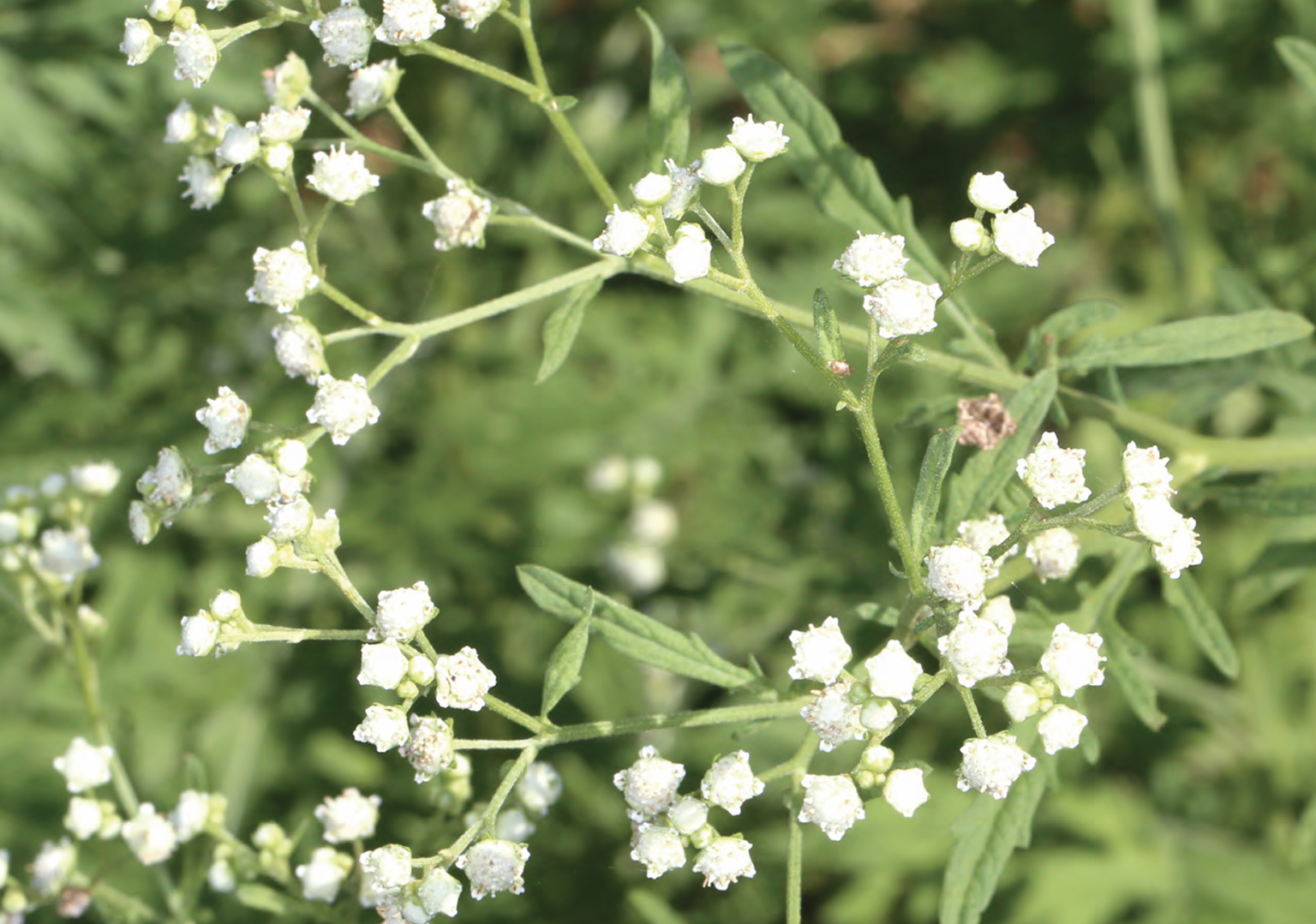
Residents across the shire are being urged to keep an eye out for parthenium, a highly invasive weed that poses serious risks to pastures, livestock and human health.
Parthenium is a Category 3 restricted invasive plant under the Biosecurity Act 2014. It spreads quickly, particularly in weak or overgrazed pastures with little ground cover, and commonly appears along roadsides, around yards, watering points and other disturbed or bare areas.
The plant is especially aggressive during warmer months, with the ability to flower and set seed within just four weeks of germination, particularly when stressed. Once established, parthenium reduces pasture productivity and makes it harder for improved grasses to grow.
Parthenium is also a significant health concern. Contact with the plant or its pollen can cause allergic reactions including dermatitis, hay fever and respiratory issues in both adults and children.
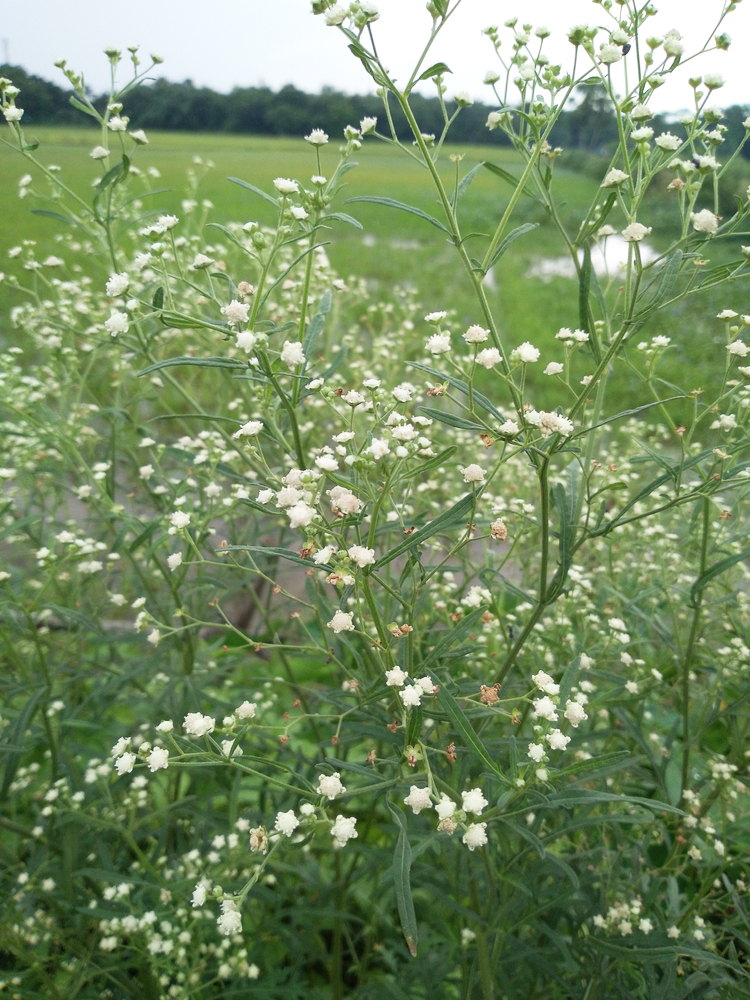
What does parthenium look like?
Parthenium is an annual herb with a deep tap root and an upright stem that becomes woody as it matures. It can grow up to two metres high, with pale green, deeply lobed leaves covered in fine hairs. Small creamy-white flowers form at the tips of branches and produce tiny black seeds that spread easily.
How it spreads
Seeds are commonly spread by vehicles, machinery, stock, animals, water, hay and feed, with drought conditions increasing the risk as fodder and stock are moved more frequently.
Your legal responsibility
Under Queensland’s biosecurity laws, everyone has a general biosecurity obligation to take reasonable steps to minimise the spread of invasive plants like parthenium. It must not be sold, given away or released into the environment.
What you can do
Maintaining healthy pastures with good grass cover is one of the most effective ways to prevent parthenium. Wash down vehicles and machinery after working in infested areas, take care when moving stock, and monitor areas where hay or feed has been used.
If you suspect parthenium on your property, do not attempt to remove it by hand due to health risks. Instead, contact Council’s Biosecurity Team for identification, advice and control options.
For more information, residents can also visit biosecurity.qld.gov.au or contact their local council.
Hinchinbrook Shire Council is advising residents to keep an eye out for parthenium. Photo source: Shutterstock
Publishers Indemnity. Any individual or entity that places advertising, supplies copy material, or submits editorial content to Life Publishing agrees and undertakes to ensure that all such material:- Does not infringe upon any copyright, trademark, or other intellectual property rights;- Is free from any content that could be considered defamatory, libelous, or slanderous;- Does not infringe upon any rights related to privacy or breach of confidence;- Contains no obscene, indecent, or otherwise unlawful material;- Complies fully with the Trade Practices Act and all other applicable laws, regulations, or statutes. Furthermore, by submitting or placing such material, these individuals or entities agree to indemnify and hold harmless the publisher, Life Publishing and Events Pty Ltd, and/or its agents from and against any and all investigations, claims, demands, liabilities, damages, costs, or judgments arising out of or in connection with the material provided. All material is believed to be accurate at the time of printing and remains the copyright of Life Publishing and Events Pty Ltd.
© 2026 Life Publishing Group Ltd.