Independently Owned, Locally Grown, Community Loved

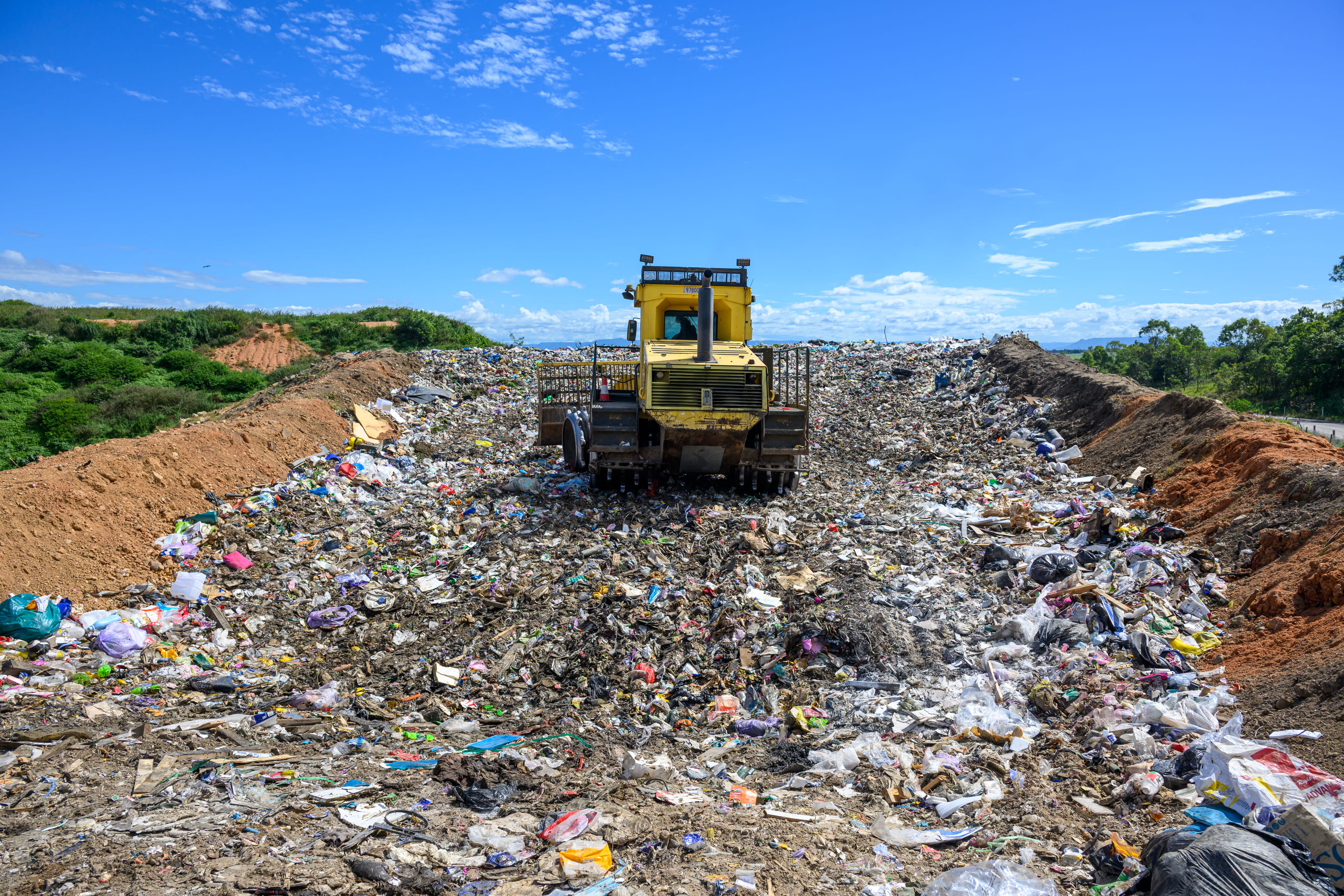
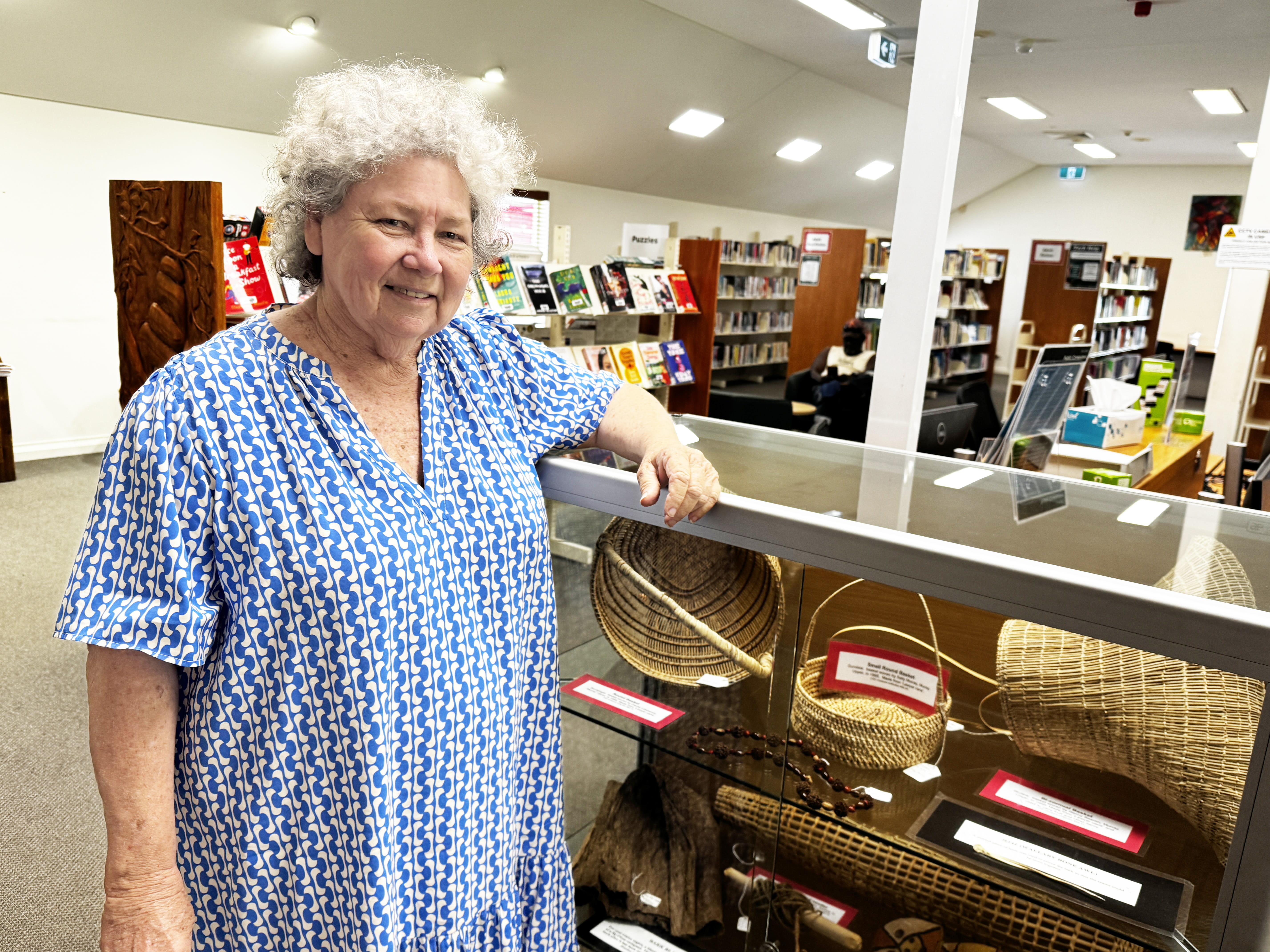
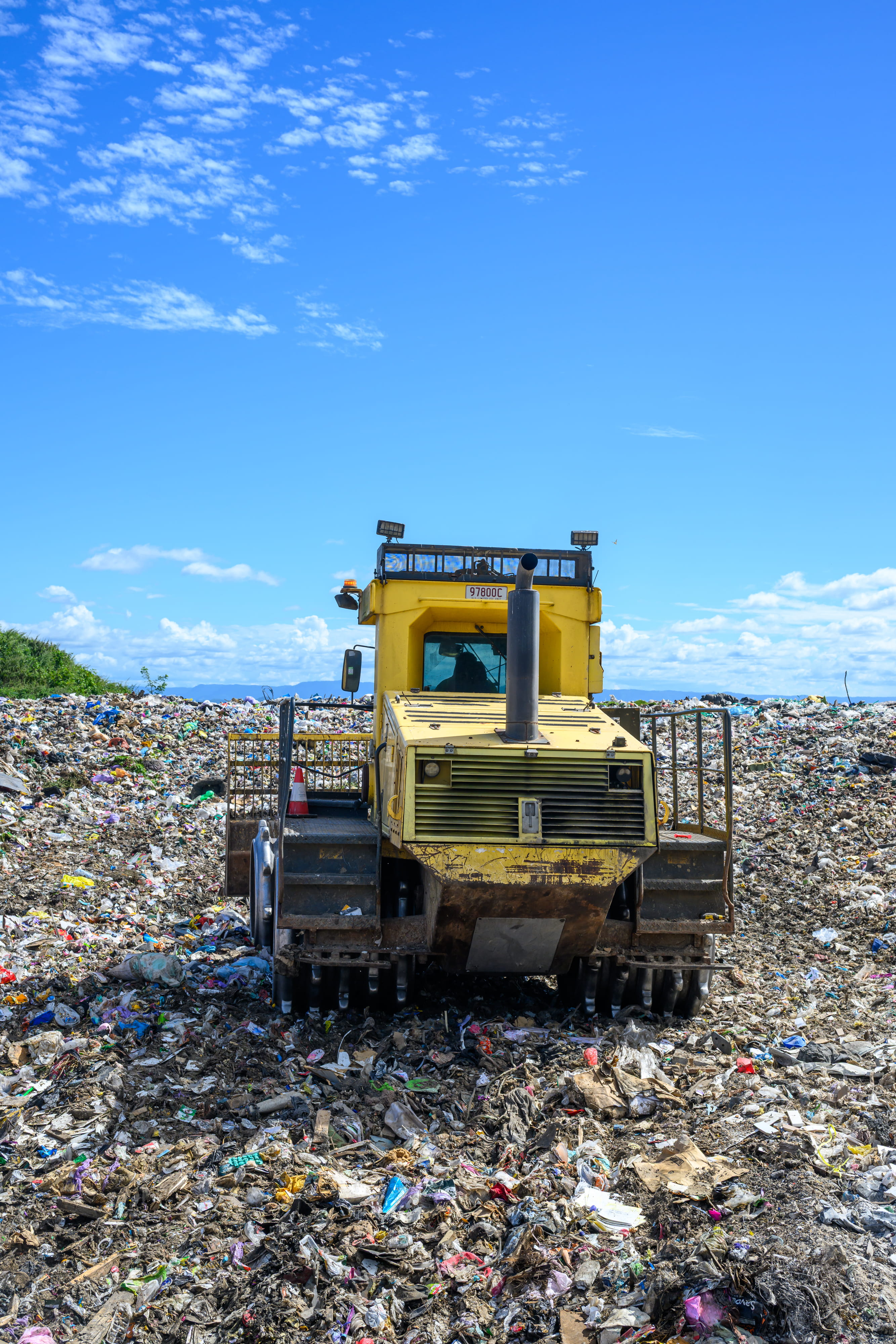
The community can play a role in reducing costs by reducing waste, recycling, saving water and making everyday choices that reduce demand on services to assist Council in managing long‑term costs. Photo supplied
Hinchinbrook Shire Council has adopted a $67.2 million budget for 2026-27, with a $14.1 million capital works program aimed at maintaining essential infrastructure while responding to rising costs and planning for the region's future.
Mayor Ramon Jayo said the budget reflected a practical approach that balanced financial responsibility with the delivery of core community services.
"Council is very aware of the pressures facing residents and businesses, and that this has been central to budget decisions," Cr Jayo said.
The budget includes 49 capital projects across the shire, with major investment in roads, drainage, water and sewerage infrastructure, community facilities and recreational spaces.
Roads and drainage will receive about $4 million, while $6.1 million has been allocated to water and sewerage infrastructure to improve network reliability and support future growth. A further $1.2 million will go towards buildings and community facilities, with $2.1 million dedicated to parks, walking tracks and environmental initiatives.
"This is about investing in the infrastructure our community uses every day — roads, drainage, water, sewerage and community facilities," Cr Jayo said.
"We are focused on what matters most and that's keeping our region functional, safe and liveable."
More than half of the capital works program will be funded through state and federal grants, including more than $5.1 million from the Residential Activation Fund to extend reticulated sewerage from Ingham to Toobanna and support future housing development.
Other major projects include the replacement of the Macknade Creek bridge on Old Wharf Road and a $1 million review of Council's finance and corporate management system.
Mayor Jayo said the budget also addressed increasing operational costs, which had risen sharply over the past year.
"For many years, Council has consistently worked to keep annual rate increases as low as possible in recognition of the unique challenges our community faces, including recurrent natural disasters and an ageing population," he said.
"However, while this approach has helped ease the burden on ratepayers, it has not always allowed Council to recover the true cost of delivering services. We have been able to absorb those costs in the past, but that is no longer proving possible."
General rates will increase by 4.5 per cent, with 84 per cent of residential ratepayers expected to pay around $1.70 extra per week or less. Across rates, water, sewerage and waste charges, the average increase will be about $4.01 per week for a typical household.
Council has also introduced a 30 per cent rate cap for sugarcane, forestry and other rural properties where land valuations have increased significantly.
Residents are encouraged to reduce waste, recycle and conserve water to help manage long-term service costs.
Publishers Indemnity. Any individual or entity that places advertising, supplies copy material, or submits editorial content to Life Publishing agrees and undertakes to ensure that all such material:- Does not infringe upon any copyright, trademark, or other intellectual property rights;- Is free from any content that could be considered defamatory, libelous, or slanderous;- Does not infringe upon any rights related to privacy or breach of confidence;- Contains no obscene, indecent, or otherwise unlawful material;- Complies fully with the Trade Practices Act and all other applicable laws, regulations, or statutes. Furthermore, by submitting or placing such material, these individuals or entities agree to indemnify and hold harmless the publisher, Life Publishing and Events Pty Ltd, and/or its agents from and against any and all investigations, claims, demands, liabilities, damages, costs, or judgments arising out of or in connection with the material provided. All material is believed to be accurate at the time of printing and remains the copyright of Life Publishing and Events Pty Ltd.
© 2026 Life Publishing Group Ltd.